
This article contains affiliate links. We may earn a commission from qualifying purchases.
Some content on this site is AI-assisted and reviewed by our editorial team.
Dog parks are free or cheap entertainment that can tire out your dog both physically and socially. A well-run dog park is a community resource that saves you money on doggy daycare. Bring a portable dog water bottle to prevent shared-bowl disease transmission, and keep a pet first aid kit in your car for emergencies. (25-40 dollars per day) and provides socialization that is hard to replicate at home. But dog parks also carry risks: fights, disease transmission, and behavioral damage from poorly socialized dogs. One dog fight can cost 500-3,000 dollars in vet bills and create lasting fear or aggression. This guide covers how to choose a safe dog park, read dog body language, prevent fights, and handle emergencies — all for free.

Choosing the Right Dog Park
What to Look For
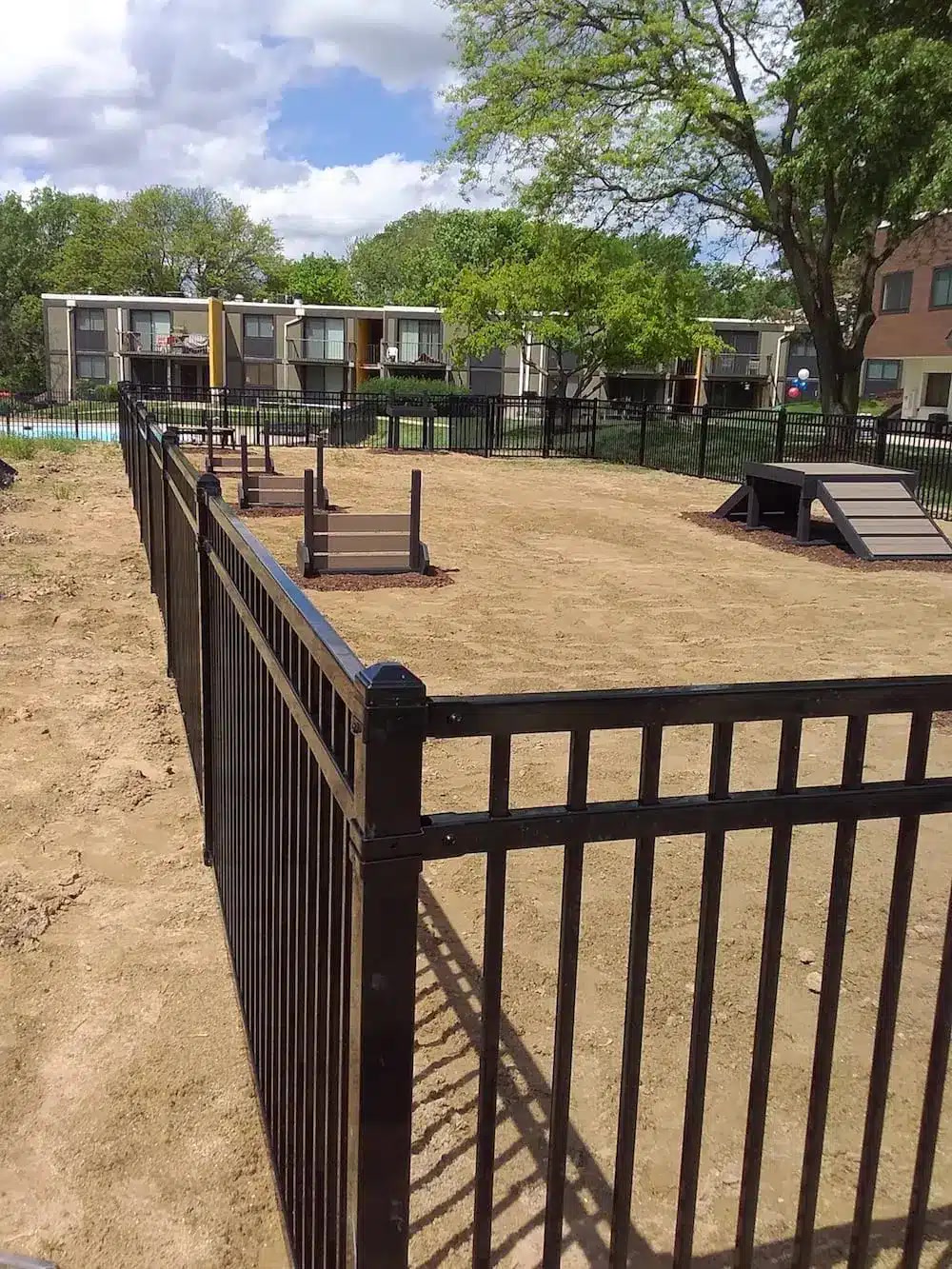
- Double-gated entry — two gates with a holding area between them. This prevents dogs from escaping when the main gate is opened. Single-gated parks are a red flag.
- Separate small dog area — a separate enclosure for dogs under 25 pounds. Small dogs should never be in the same area as large dogs. Even friendly play from a large dog can injure a small dog.
- Fencing at least 5 feet tall — shorter fences allow athletic dogs to jump over. Check for gaps under the fence where small dogs could escape.
- Water access — a working water fountain or communal bowl (though you should bring your own water to prevent disease transmission).
- Shade — trees or shade structures. Dogs playing in full sun on a warm day can develop heatstroke quickly.
- Ground surface — grass is ideal. Gravel and wood chips are acceptable. Dirt turns to mud and can cause skin infections. Concrete is too hard on joints.
- Regular maintenance — look for evidence that the park is maintained: trimmed grass, emptied trash cans, intact fencing, posted rules.
What to Avoid
- Parks with no posted rules or supervision
- Parks where owners are on their phones and not watching their dogs
- Parks with aggressive dogs that are not removed by their owners
- Parks that are overcrowded (more than 15-20 dogs in one area)
- Parks with broken fencing, glass, or debris on the ground
Visit Before Bringing Your Dog
Go to the park without your dog first. Observe the regulars, the atmosphere, and the dog dynamics. If the park has a Facebook group or community board, check it for reports of incidents. Visit at the time you plan to go with your dog — the crowd and atmosphere can vary dramatically by time of day. Mornings tend to have calmer, older dogs. Late afternoons have more high-energy dogs and can be more chaotic.
Reading Dog Body Language (The Most Important Skill)
Signs of a Relaxed, Friendly Dog
- Loose, wiggly body — muscles are relaxed, movement is fluid
- Play bow — front end down, rear end up. This is the universal “let’s play” signal
- Soft eyes — rounded eyes, not hard staring
- Mouth slightly open, tongue relaxed
- Ears in natural or slightly back position — not pinned forward or flattened back
- Tail at neutral height, wagging loosely (a high, stiff tail wag is not always friendly)
Signs of Stress or Anxiety
- Lip licking or yawning when not tired or hungry — calming signals that indicate stress
- Panting heavily when not hot or exercising
- Pacing or unable to settle
- Avoiding eye contact, turning head away
- Body lowered, trying to make themselves small
- Tail tucked between legs
- Hiding behind owner or under benches
- Excessive sniffing of the ground (avoidance behavior)
Signs of Aggression (Intervene Immediately)
- Hard stare — fixed, intense eye contact with a stiff body
- Stiff, raised hackles (fur along the spine)
- Teeth displayed, lips curled
- Low, rumbling growl (not a play growl)
- Tail held high and stiff, may be wagging slowly — a stiff wag can signal arousal, not friendliness
- Body weight shifted forward, head low
- Snapping or lunging
If you see these signs in your dog or another dog, intervene before a fight starts. Call your dog to you and leash them. If another dog is showing aggression, move your dog away calmly and leave the park.

Proper Dog Park Etiquette (Free and Prevents Most Problems)
1. Only Bring a Healthy, Vaccinated Dog
Dog parks are shared spaces. Your dog should be:
- Up to date on all vaccinations (Rabies, DHPP, Bordetella, Canine Influenza)
- On monthly flea, tick, and heartworm prevention
- Free from any contagious conditions (kennel cough, ringworm, giardia)
- Spayed or neutered (intact dogs are more likely to trigger aggression in other dogs)
- At least 4 months old and fully vaccinated before their first visit
2. Do Not Bring an Aggressive or Reactive Dog
Dog parks are for well-socialized, friendly dogs. If your dog has shown aggression toward other dogs, is fearful to the point of snapping, or does not respond to recall commands, the dog park is not the right environment. Work with a trainer (see our budget dog trainer guide) on these issues before attempting the dog park.
3. Watch Your Dog at All Times
The number one cause of dog park incidents is owners who are not paying attention. Do not look at your phone, read a book, or socialize while your dog is playing. Your dog should be in your line of sight at all times. If you see tension building, intervene immediately.
4. Respect Other Dogs’ Space
- Do not force your dog to interact if they are showing stress signals
- Do not pick up your small dog in the large dog area — this can trigger prey drive in some dogs
- Do not bring treats or toys into the park — resource guarding is a common trigger for fights
- Do not let your dog mount other dogs (humping) — this is rude dog behavior that often triggers fights
- Call your dog away if another dog is showing stress around them
5. Clean Up After Your Dog
Bring waste bags and pick up immediately. Besides being basic courtesy, dog feces spread disease (parvovirus, giardia, hookworm, roundworm). Many parks provide bags, but always bring your own in case the dispenser is empty.
6. Leave If the Vibe Changes
Dog park dynamics shift as dogs come and go. A park that was calm 20 minutes ago may become chaotic when a high-energy or aggressive dog arrives. Do not feel obligated to stay. If the atmosphere becomes tense, leave. There is no cost to leaving early and enormous cost to a dog fight.
Preventing Dog Fights
Common Triggers
- Resource guarding — do not bring toys, treats, or food into the park. Even a friendly dog may guard a toy.
- Over-arousal — play that escalates from chasing to rough play to fighting. Intervene when play becomes too intense: loud growling, pinning, or one dog trying to escape.
- Mounting — humping is often a sign of over-excitement or dominance assertion. It frequently triggers fights. Redirect your dog if they mount others.
- New dog introduction — when a new dog enters the park, the existing group dynamic shifts. Watch closely for the first 5 minutes.
- Size mismatch — a large dog playing roughly with a small dog can cause injury even without aggression. Use the small dog area.
How to Intervene Before a Fight Starts
- Call your dog — use a happy, high-pitched voice. Reward them for coming to you.
- Create space — move your dog to another part of the park away from the triggering dog.
- Take a break — leash your dog and walk them outside the park for 2-3 minutes to calm down.
- Leave if necessary — if the tension does not resolve, leave the park. Come back another day.
If a Dog Fight Happens
Do NOT:
- Do not grab collars — dogs in a fight bite reflexively at anything near their face. Your hand near a collar is at high risk of being bitten.
- Do not scream or yell — heightened noise increases arousal and can intensify the fight.
- Do not kick or hit the dogs — this redirects aggression toward you and does not stop the fight.
- Do not try to pull dogs apart by their legs — this can dislocate or break limbs.
DO:
- Stay calm and use a loud, firm command — “NO” or “STOP” in a deep, authoritative voice. This may startle them into a momentary pause.
- Use the wheelbarrow method — two people approach from behind, each grabs the hind legs of one dog (above the hock), and lifts. This pulls the dogs backward and off balance without putting your hands near their faces. Walk backward in a circle (do not just pull — circling prevents the dog from turning to bite you).
- Use an air horn or water — a loud air horn (8 dollars, carried in your pocket) can startle dogs into separating. Pouring water from a water bottle over their heads can also create a momentary break.
- Use a break stick — if a dog is biting and will not release, a break stick (a sturdy stick inserted between the dog’s back teeth and twisted) opens the jaw. This is a last resort and requires knowing the technique.
- Once separated, leash both dogs immediately and move them apart. Check for injuries.
After a Fight
- Check both dogs for wounds. Fur can hide deep puncture wounds. Part the fur and look for blood. Even small punctures need vet attention — dog bites introduce bacteria deep into tissue, causing abscesses that appear 2-3 days later.
- Exchange contact and vaccination information with the other dog’s owner.
- Take photos of any injuries for documentation.
- See a vet for any puncture wound, even if it looks minor. Infected bite wounds cost 200-500 dollars to treat. Untreated abscesses cost 500-1,500 dollars.
- File a report with animal control if the other dog was aggressive or the owner was negligent.
Alternatives to Dog Parks (Free or Cheap)
If your dog does not enjoy the dog park (not all dogs do), there are alternatives:
- One-on-one playdates — arrange a meeting with a friend’s compatible dog in a neutral fenced area. More controlled than a dog park, less disease exposure.
- Empty fenced areas — tennis courts, school yards (after hours), or baseball fields with fences provide enclosed off-leash space without other dogs.
- Long-line walks — a 15-30 foot leash gives your dog freedom to explore and run without off-leash risks. Long lines cost 10-15 dollars.
- Hiking trails — if your dog has reliable recall, hiking trails provide exercise and mental stimulation. Keep your dog leashed on shared trails.
- Sniffari walks — let your dog lead the walk and sniff as much as they want. Mental exercise is as tiring as physical exercise. Free.
The Bottom Line
Dog parks are a free resource that can provide excellent exercise and socialization — but only if used correctly. Choose a well-maintained park with double gates and separate small dog areas. Watch your dog at all times, read body language, and leave at the first sign of tension. Never bring treats or toys, do not bring reactive or aggressive dogs, and always clean up after your dog. Carry an air horn (8 dollars) for emergencies and know the wheelbarrow technique for separating fights. If your dog does not enjoy the dog park, do not force it — one-on-one playdates and long-line walks are equally effective and lower risk. The best dog park strategy is to be present, attentive, and ready to leave before things go wrong.
Last updated: July 2026 | By ThriftyPaw | Prices and availability subject to change
ThriftyPaw is reader-supported. As an Amazon Associate, we earn from qualifying purchases. This means we may earn a small commission when you buy through links on this site at no additional cost to you. We only recommend products we genuinely believe in. Thank you for supporting ThriftyPaw.
My take: The dog park is free exercise worth hundreds in daycare savings — go prepared: your own water, the $8 air horn, and the body-language knowledge that gets you out before the $500-3,000 fight. The free etiquette rules and the exit-with-your-dog-before-trouble instinct are the actual safety system.
Related guides
- Budget Dog Beach Trip Essentials Under 50 Dollars (2026)
- Cheap Ways to Dog-Proof Your Yard: 7 Methods Under 100 Dollars
- Budget Dog Hiking Gear Essentials: Complete Trail Kit Under 80 Dollars
- Summer Dog Safety on a Budget — Protect Your Dog Without Spending a Fortune
- How I Keep My 75-Pound Dog Cool When the AC Alone Is Not Enough
🐾 Get Your Free Big Dog First Aid Kit Checklist
Join our newsletter and get this free printable plus weekly tips.
Frequently Asked Questions
Are dog parks safe for my dog?
With preparation, yes — and they replace $25-40 a day of daycare. The real risks are fights (a single one costs $500-3,000 in vet bills and can create lasting fear) and disease from shared bowls, so bring your own water (a $10-15 portable bottle) and skip the communal trough.
How do I stop a dog fight?
Not with your hands — the guide's tools: an $8 air horn to startle them apart, or the wheelbarrow technique (grabbing each dog's hind legs and pulling back). Never reach into a fight for a collar; that's how redirected bites happen to owners.
What's the most important dog park skill?
Reading body language — relaxed dogs have loose bodies and play-bows; stress shows as stiff posture, tucked tails, and lip-licking; the aggression signs (hard stare, raised hackles, freezing) mean intervene immediately. The $0 skill prevents more problems than any product; the free etiquette rules (healthy vaccinated dogs only, no food or toys) handle the rest.
Liked this guide? Get the next one in your inbox — the pet budget checklist is free too.
✓ You're in — check your inbox.
No spam. Unsubscribe anytime. We never share your email.