
This article contains affiliate links. We may earn a commission from qualifying purchases.
Some content on this site is AI-assisted and reviewed by our editorial team.
Adopting a dog is one of the most rewarding decisions you can make. You save a life, gain a loyal companion, and keep more money in your pocket than you might expect. But how much does the first year actually cost? This guide breaks down every expense, compares adoption versus buying from a breeder, and shows you exactly where to save without cutting corners on your new dog’s care.
Adoption Versus Buying: The Real Cost Comparison
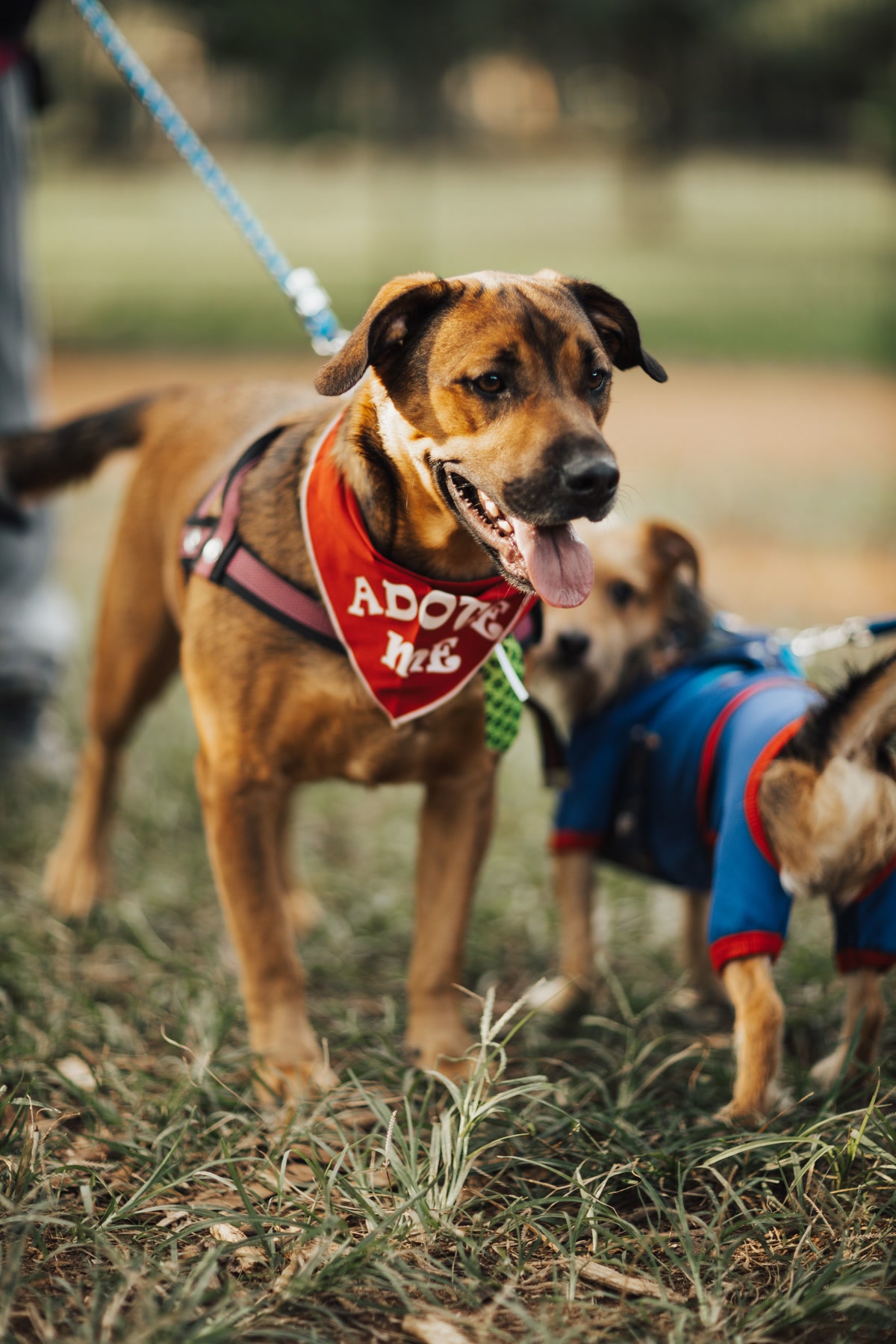
The price difference between adopting and buying is staggering. Shelter adoption fees typically run between 50 and 250 dollars, while purchasing a dog from a breeder can cost anywhere from 500 to over 3,000 dollars depending on the breed. That is not even the full picture. When you buy from a breeder, the adoption fee is just the starting point. You still need to pay for vaccinations, spaying or neutering, microchipping, and an initial vet exam on top of the purchase price.
With a shelter dog, most of those medical costs are already covered. Shelters routinely vaccinate, spay or neuter, and microchip dogs before they go home with you. That alone can save you 200 to 500 dollars in veterinary expenses during the first two weeks.
Over the entire first year, an adopted dog typically costs between 500 and 1,000 dollars total, while a dog purchased from a breeder can run 2,000 to 4,000 dollars or more. The savings from adoption are not marginal. They are substantial.
What Adoption Fees Actually Cover
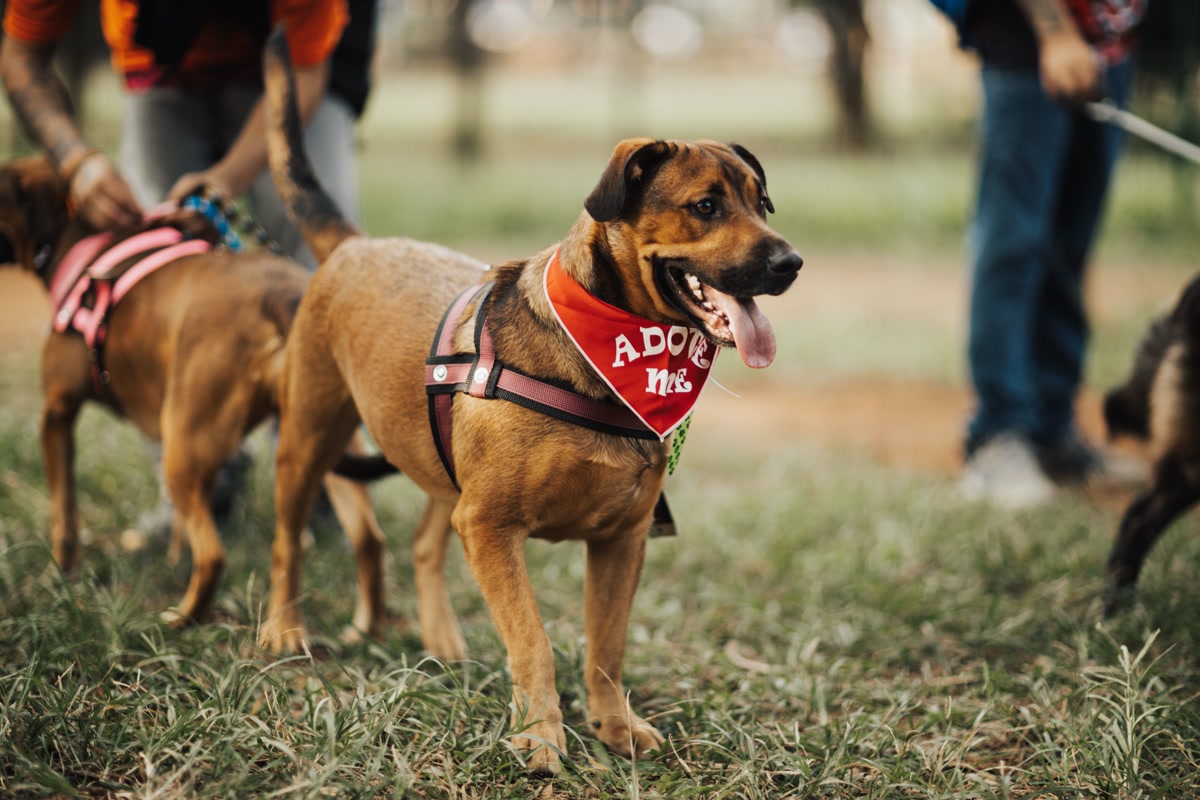
When you pay that 50 to 250 dollar adoption fee, you are not just paying for the dog. You are paying for a package of services that would cost significantly more if handled independently. Here is what most shelter adoption fees include:
- Spay or neuter surgery — typically 200 to 500 dollars at a private vet, often included in the adoption fee
- Core vaccinations (rabies, distemper, parvovirus) — 75 to 100 dollars if done separately
- Microchip and registration — 25 to 50 dollars at a clinic, commonly included with adoption
- Initial health screening — most shelters conduct a basic exam and treat any immediate medical needs before adoption
- Deworming and flea treatment — standard with most adoptions
Some shelters even throw in a starter bag of food, a collar, or a coupon for a free first vet visit. When you add it all up, the value of what is included in that adoption fee often exceeds the fee itself. You are essentially getting several hundred dollars worth of veterinary care for a fraction of the cost.
First-Week Shopping List on a Budget
Bringing a new dog home means gathering some essentials. Here is a practical first-week checklist with budget-friendly price ranges:
1. Crate (30 to 80 Dollars)
A crate gives your dog a safe space and helps with housetraining. You do not need the most expensive model. A basic wire crate with a removable tray works well and can be found at the lower end of the price range. Look for one that will accommodate your dog’s adult size so you only buy once. MidWest iCrate (Compare prices on Amazon) is a solid budget pick that includes a divider panel for growing puppies.
2. Food and Water Bowls (10 to 20 Dollars)
Stainless steel bowls are cheap, durable, and dishwasher-safe. Skip the fancy ceramic or elevated feeders for now. Two basic bowls from any pet store or big-box retailer will do the job perfectly.
3. Leash and Collar Set (15 to 30 Dollars)
A standard flat collar and a four- to six-foot nylon leash are all you need. Reflective stitching is a nice safety bonus that does not cost extra. Blue-9 Balance Harness (Compare prices on Amazon) is worth considering if your dog pulls, but a simple collar and leash combo works fine for most adopters.
4. Dog Bed (20 to 50 Dollars)
Your adopted dog deserves a comfortable place to sleep, and you can find decent orthopedic beds in the 20 to 30 dollar range. Avoid the cheapest fill-only beds that flatten in a week. Look for memory foam or bolstered styles that hold up over time.
5. Toys and Chews (15 to 30 Dollars)
Start with a few durable options: a Kong toy, a rope tug, and a couple of tennis balls. Avoid plush toys if your dog is a heavy chewer. Rotate toys to keep things interesting without buying more.
Total first-week supplies: roughly 90 to 210 dollars, and you can stay at the lower end by choosing practical items over premium brands.
The Vet Visit Schedule: What to Expect and What to Skip
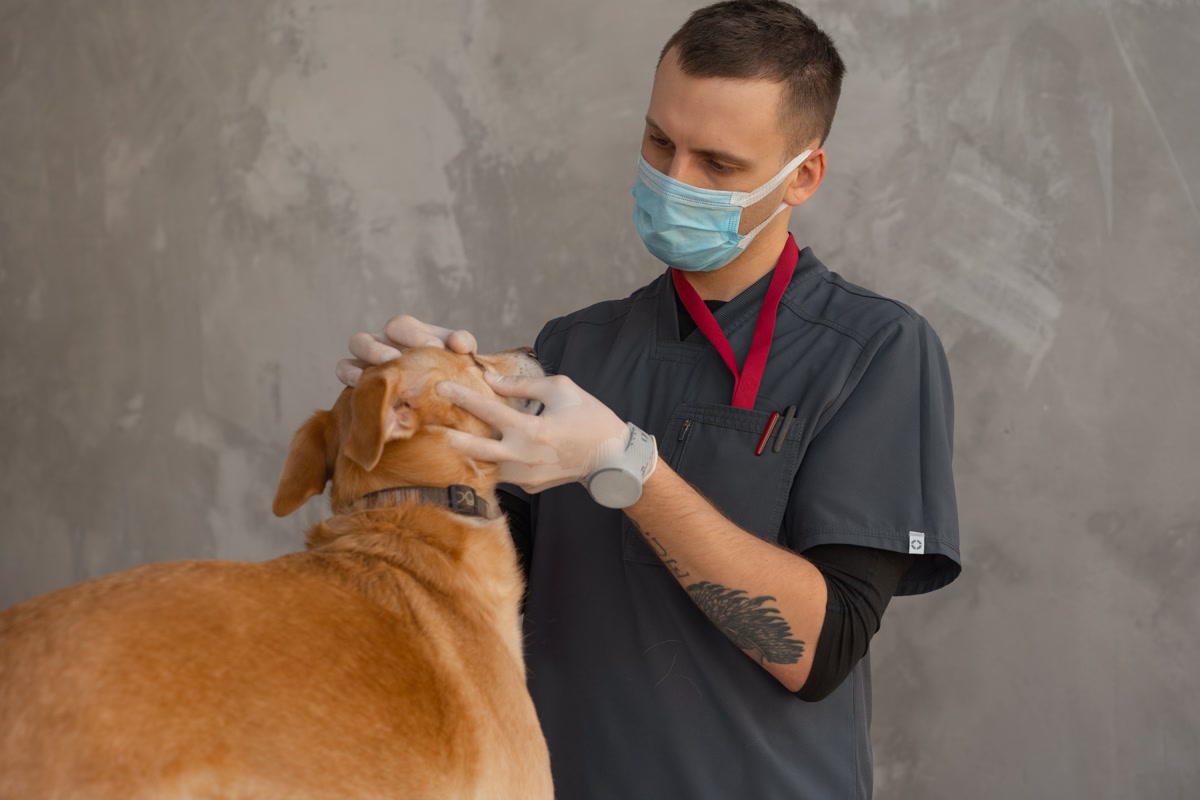
After adoption, your first priority is scheduling a vet visit within the first few days. Many shelters provide a free or discounted exam within the first 14 days, so take advantage of that window. Here is what the first-year vet schedule typically looks like:
Initial exam (within 7 days of adoption): If your shelter does not cover it, expect to pay 100 to 300 dollars for a comprehensive exam. The vet will check heart, lungs, teeth, skin, and overall condition, review shelter vaccination records, and establish a care plan.
Vaccinations (if not shelter-included): Core vaccines (rabies, DHPP) cost 75 to 100 dollars at a standard vet. Low-cost clinics and pet store vaccine events offer the same shots for 20 to 40 dollars. If your dog received some vaccines at the shelter but needs boosters, budget for one or two follow-up visits at 50 to 75 dollars each.
Flea, tick, and heartworm prevention: Plan for 10 to 20 dollars per month depending on the product and your dog’s weight. Many manufacturers offer rebates, and generic options exist for heartworm prevention specifically.
What you can skip: Non-core vaccines like canine influenza or Lyme disease depend on your geographic area and lifestyle. Discuss with your vet rather than defaulting to every available shot. Wellness blood panels are optional for young, healthy dogs but become more important as your dog ages.
Low-Cost Spay and Neuter: Where to Find It
If your adopted dog was not already spayed or neutered at the shelter, this is one area where you can save significantly., this is one area where you can save significantly. Private veterinary practices charge 200 to 500 dollars for the procedure. Low-cost clinics and nonprofit programs offer the same surgery for 50 to 100 dollars.
Here is where to look:
- ASPCA and Humane Society clinics — Many operate spay/neuter programs specifically for the public, not just shelter animals
- Veterinary schools — Teaching hospitals often provide reduced-cost procedures performed by supervised students
- Nonprofit spay/neuter organizations — Search the ASPCA’s database at aspca.org for programs in your area
- County animal services — Some municipalities offer vouchers or direct services for residents
The surgery itself is the same regardless of where it is done. Licensed veterinarians perform these procedures at low-cost clinics with the same standards of care. The price difference reflects subsidized operating costs and mission-driven pricing, not a difference in quality.
Budget Pet Insurance: Is It Worth It the First Year?
Pet insurance for a newly adopted dog can be a smart investment, but timing matters. Most policies have a waiting period of 14 days for illness and 48 hours for accidents, so do not wait until something goes wrong to enroll.
Monthly premiums for dogs typically range from 25 to 70 dollars depending on the breed, age, and coverage level. Here is how to think about it for year one:
- Accident-only plans start around 15 to 25 dollars per month and cover emergency injuries like fractures or poison ingestion
- Comprehensive plans with accident and illness coverage run 35 to 70 dollars per month and cover conditions like infections, digestive issues, and chronic diseases
- Deductibles typically range from 200 to 500 dollars per year — a higher deductible means lower monthly premiums
For the first year, consider an accident-only plan if your dog is young and healthy. It keeps costs low while protecting against the unexpected. You can upgrade to a comprehensive plan later. Some providers even offer a 5 percent discount for adopted dogs, so mention your adoption status when getting quotes.
One important note: pre-existing conditions are not covered by any pet insurance provider. Since shelter dogs may come with unknown histories, enrolling early maximizes your coverage window.
Hidden Costs Nobody Warns You About
The obvious expenses are easy to plan for. The hidden ones catch new dog owners off guard. Here are the costs people rarely mention:
Pet deposit or rent increase: If you rent, expect a pet deposit of 200 to 500 dollars and possibly a monthly pet rent of 25 to 50 dollars. Some landlords waive the deposit for shelter dogs, so ask.
Replacement of chewed items: Shoes, remote controls, phone chargers, furniture legs. Budget 50 to 200 dollars for replacements during the adjustment period. Crate training and providing appropriate chew toys significantly reduces this.
Yard cleanup supplies: Poop bags, a scooper, and enzymatic cleaner for accidents run 30 to 60 dollars per year. If you hire a yard cleanup service, expect 10 to 20 dollars per week.
Grooming: Short-haired dogs need minimal grooming, but nail trims cost 10 to 15 dollars every 4 to 6 weeks if you do not do them yourself. Long-haired breeds may require professional grooming at 40 to 80 dollars per session.
Boarding or pet sitting: If you travel, boarding runs 30 to 50 dollars per night, and in-home pet sitters charge 40 to 75 dollars per night. Building a network of fellow dog-owning friends for pet swaps can eliminate this cost entirely.
Training classes: A six-week group obedience course costs 100 to 200 dollars. Many shelters and rescue organizations offer discounted classes for adopters, sometimes as low as 50 dollars. This investment pays for itself in reduced property damage and better behavior.
Complete First-Year Budget Breakdown
Here is the full picture, comparing adoption versus buying from a breeder for the first year:
Adoption Path: Estimated First-Year Total of 500 to 1,000 Dollars
- Adoption fee: 50 to 250 dollars (includes spay/neuter, vaccines, microchip)
- First-week supplies (crate, bowls, leash, bed, toys): 90 to 210 dollars
- Initial vet exam: 0 to 300 dollars (often free within first 14 days of adoption)
- Vaccination boosters (if needed): 20 to 75 dollars at low-cost clinics
- Monthly flea, tick, and heartworm prevention (12 months): 120 to 240 dollars
- Food (12 months at 30 to 50 dollars per month): 360 to 600 dollars
- Licensing: 10 to 25 dollars per year
- Pet deposit (renters): 200 to 500 dollars (often partially refundable)
- Training class: 50 to 200 dollars
- Miscellaneous (replacing chewed items, grooming supplies, etc.): 50 to 200 dollars
Breeder Path: Estimated First-Year Total of 2,000 to 4,000 Dollars
- Purchase price: 500 to 3,000 dollars
- Spay or neuter: 200 to 500 dollars
- Initial vet exam: 100 to 300 dollars
- Full vaccination series (not included): 150 to 300 dollars
- Microchip: 25 to 50 dollars
- First-week supplies: 90 to 210 dollars
- Monthly prevention (12 months): 120 to 240 dollars
- Food (12 months): 360 to 600 dollars
- Licensing: 10 to 25 dollars
- Pet deposit (renters): 200 to 500 dollars
- Training class: 100 to 200 dollars
- Miscellaneous: 50 to 200 dollars
The difference is clear. Even at the high end of adoption costs and the low end of breeder costs, adoption saves you at least 1,000 dollars in the first year alone. For many adopters, the savings exceed 2,500 dollars.
Bottom Line
Adopting a dog on a budget is not about cutting corners on care. It is about making smart choices that keep your dog healthy and happy without overspending. Shelters bundle veterinary services into the adoption fee, low-cost clinics offer identical procedures at reduced prices, and the secondhand market is full of barely-used crates, beds, and accessories for a fraction of retail.
The math is straightforward: adoption saves you 1,000 to 3,000 dollars in the first year compared to buying from a breeder. You get a dog who needed a home, and you get to keep more money in your bank account. That is a win for both of you.
n
ThriftyPaw is reader-supported. As an Amazon Associate, we earn from qualifying purchases. This means we may earn a small commission when you buy through links on this site at no additional cost to you. We only recommend products we genuinely believe in. Thank you for supporting ThriftyPaw.
🐾 Get Your Free Big Dog First Aid Kit Checklist
Join our newsletter and get this free printable plus weekly tips.