
This article contains affiliate links. We may earn a commission from qualifying purchases.
Some content on this site is AI-assisted and reviewed by our editorial team.
Why Grooming at Home Saves Real Money
Professional dog grooming costs $40 to $100 per session, and most dogs need it every four to eight weeks. That adds up to $260 to $1,200 per year — a serious line item in any pet budget. The good news is that most grooming tasks are completely doable at home with the right tools and a little practice.
You do not need to become a full-on groomer. Even handling just the basics — brushing, nail trims, ear cleaning, and bath time — can cut your grooming bill in half. This guide covers exactly what you need, what to skip, and how to avoid the mistakes that send people running back to the groomer with their wallet open.
The Essential At-Home Grooming Toolkit
Before you start, you need the right tools. Buying cheap ones wastes money because they break or hurt your dog. Buying professional-grade ones is overkill for home use. Here is the sweet spot:
Brushes and Combs
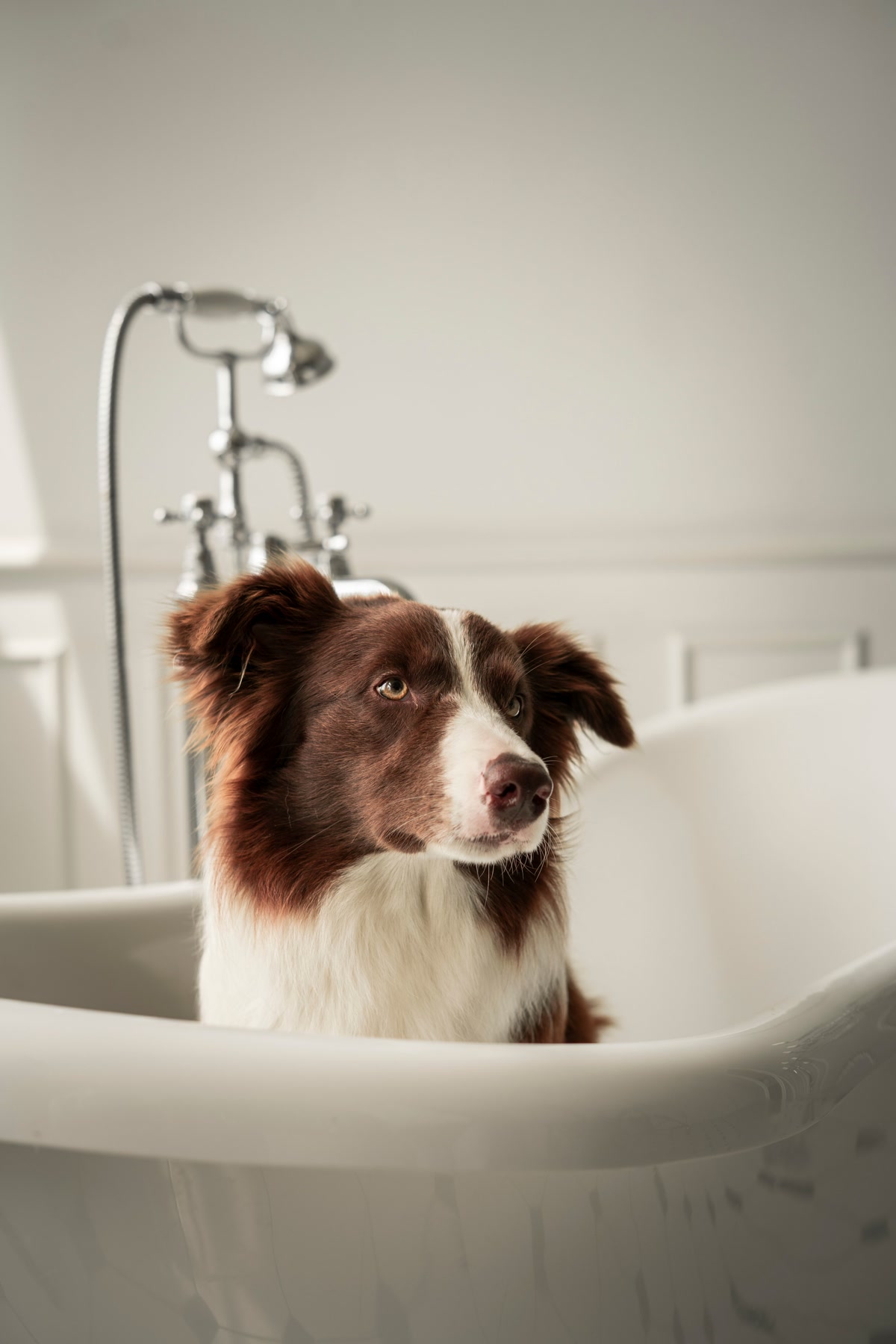
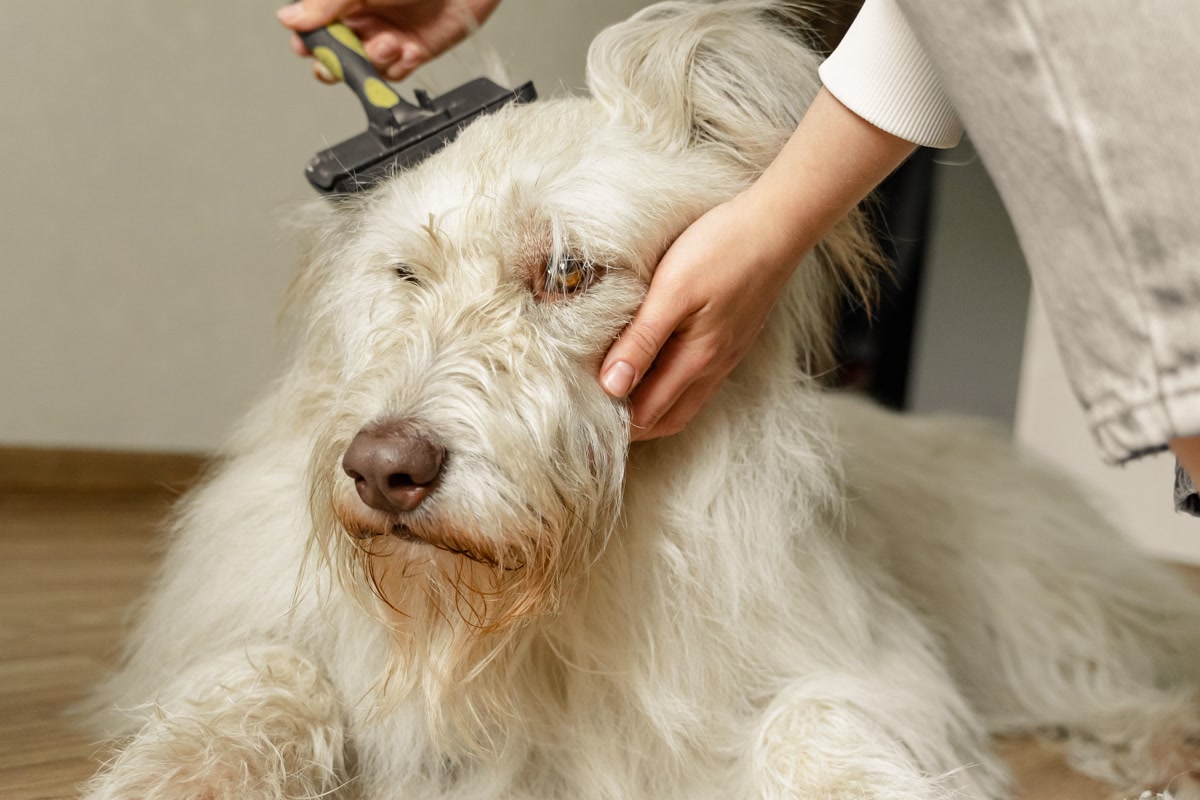
The right brush depends on your dog’s coat type. For short-haired dogs, a rubber curry brush or bristle brush does the job for under $10. For medium to long coats, a slicker brush and a metal comb are the essential duo — the slicker removes loose fur and tangles, and the comb catches what the slicker misses.
For dogs with double coats (huskies, shepherds, goldens), a deshedding tool is worth the investment. The Furminator is the well-known option, but generic deshedding tools at half the price work nearly as well.
Furminator Deshedding Tool on Amazon
Nail Clippers
Nail trimming is the task most owners dread, but it is also where you save the most money. Groomers charge $10 to $25 per trim, and most dogs need it every two to four weeks.
There are two main styles: guillotine clippers and scissor clippers. Scissor-style clippers give you more control and are easier to see what you are cutting, which makes them the better choice for beginners. Look for clippers with a safety guard that prevents over-cutting.
If your dog absolutely will not tolerate clippers, a nail grinder is the alternative. It takes longer but is harder to accidentally quick your dog with. Many owners use clippers for the bulk and a grinder for smoothing.
Casper Dog Nail Clippers on Amazon
Shampoo and Conditioner
Skip the $2 dollar store shampoo. It is often too harsh and can irritate your dog’s skin. You do not need the $20 boutique bottle either. A good dog shampoo costs $8 to $12 and lasts for months.
Look for oatmeal-based shampoos if your dog has sensitive skin, or hypoallergenic formulas for dogs with allergies. Avoid anything with heavy artificial fragrances. Never use human shampoo — the pH is wrong for dog skin and can cause dryness and irritation.
Burt’s Bees Oatmeal Dog Shampoo on Amazon
Ear Cleaning Supplies
Ear infections are one of the most common (and expensive) vet visits. Regular cleaning prevents most of them. You need an ear cleaning solution and cotton balls or gauze pads. Skip the cotton swabs — they can push debris deeper or puncture the eardrum.
A good ear cleaner costs about $8 and lasts for months. Apply the solution, massage the base of the ear, and let your dog shake out the excess. Wipe what you can see with a cotton ball. That is it.
Virbac Epi-Otic Ear Cleaner on Amazon
Step-by-Step: The At-Home Grooming Routine
Here is a practical routine you can follow. Start with one task at a time if your dog is new to home grooming. Build up gradually — forced grooming creates fear, and fear creates vet bills.
Brushing: Weekly for Most Dogs
Brush your dog before bathing. This removes loose fur and tangles that turn into mats when wet. Mats are painful and often require professional removal — exactly what you are trying to avoid.
For short-haired dogs, a quick five-minute brushing once a week is enough. For longer coats, aim for two to three sessions per week. During shedding season (spring and fall), daily brushing saves your furniture and your sanity.
Work from head to tail, following the direction the fur grows. Be gentle around the belly, behind the ears, and the tail — these areas are sensitive and prone to matting.
Bathing: Once a Month (or Less)
Most dogs do not need weekly baths. In fact, over-bathing strips natural oils and causes dry, itchy skin. Once a month is fine for most dogs. If your dog gets dirty between baths, spot-clean with a damp towel or pet wipes.
Use lukewarm water, not hot. Wet your dog thoroughly before applying shampoo — dry shampoo on dry fur is hard to lather and rinse. Work from the neck down, saving the head for last. Many dogs shake when water hits their head, so ending with it minimizes your shower time.
Rinse thoroughly. Shampoo residue is the number one cause of post-bath itching. When you think you have rinsed enough, rinse one more time.
Nail Trimming: Every Two to Four Weeks
This is the one most people skip, and it costs them. Overgrown nails change how your dog walks, strain the joints, and can curl into the paw pad — which means an emergency vet visit.
If you can hear your dog’s nails clicking on the floor, they are too long. The goal is to trim just before the quick (the pink part with blood vessels). If your dog has dark nails, trim small amounts and look for a dark dot in the center of the cut surface — that is the quick approaching.
Keep styptic powder on hand in case you cut the quick. It stops bleeding fast and is not as dramatic as it looks. A small nick is uncomfortable but not dangerous.
Kwik Stop Styptic Powder on Amazon
Ear Cleaning: Weekly or Biweekly
Dogs with floppy ears (labs, spaniels, hounds) need more frequent cleaning than prick-eared breeds. Once a week is a good baseline for flop ears, every two weeks for upright ears.
If you notice a smell, redness, or your dog shaking their head constantly, see the vet. Those are signs of infection, and home cleaning will not fix it.
What to Leave to the Professionals
Not everything should be a DIY project. Knowing when to hand off to a groomer saves you money in the long run by avoiding botched jobs that need professional correction.
Haircuts and Breed Trims
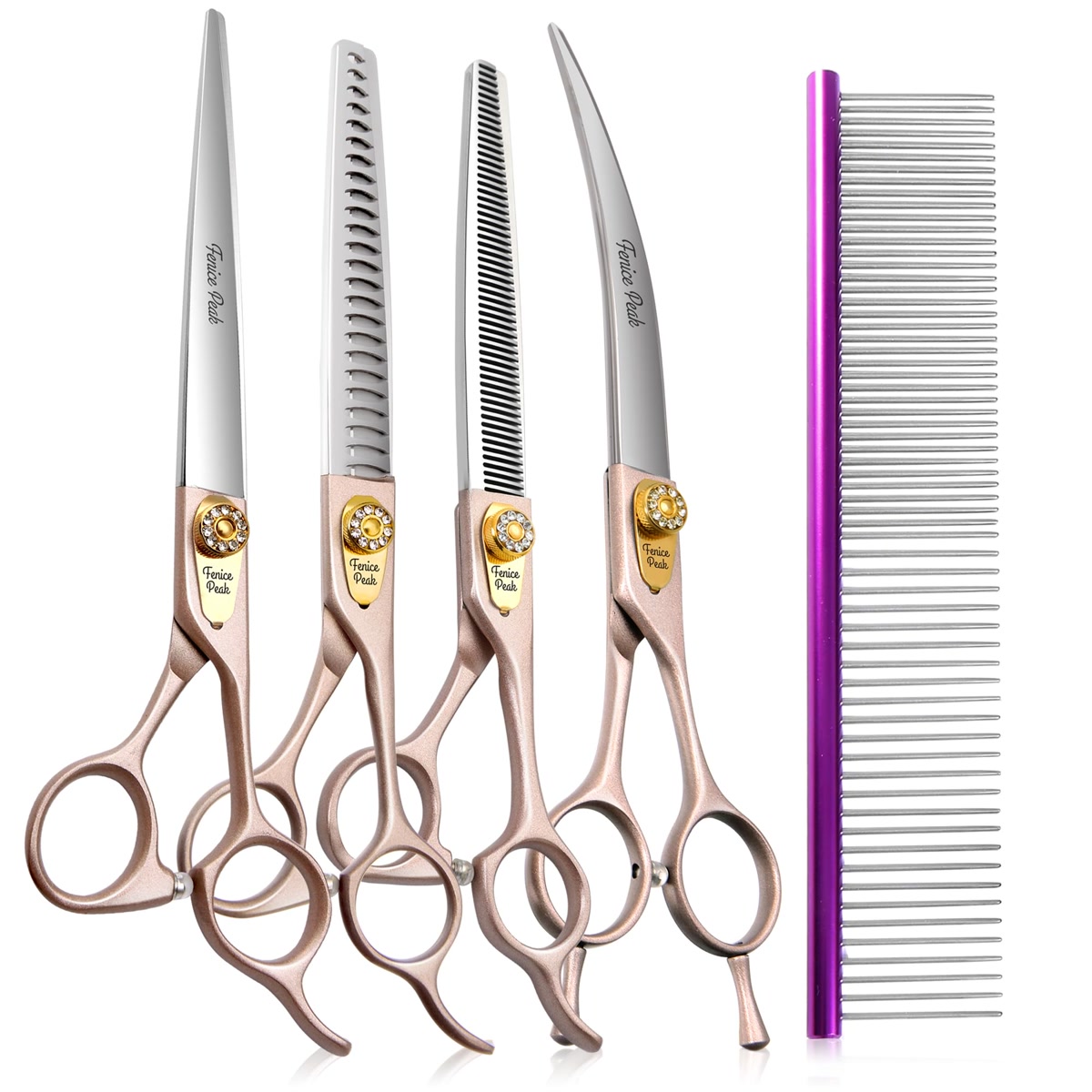
If your dog has a breed-specific cut (poodle, schnauzer, cocker spaniel), leave it to the pros. These cuts require skill, specific tools, and practice. A bad haircut grows back, but the stress of a bad experience can make your dog fear grooming for life.
Severe Matting
If your dog’s fur has matted into solid clumps, do not try to cut them out yourself. It is very easy to nick the skin, which is thin and loose under mats. A groomer can safely shave out mats or, if needed, do a full shave-down. It is humbling but safe.
Anal Gland Expression
Some dogs need their anal glands expressed regularly. You can learn to do this, and many owners do, but the first few times should be demonstrated by your vet or groomer. Done wrong, you can cause impaction or rupture. Not worth the risk to save $15.
The Real Savings: A Year-Over-Year Comparison
Let us run the numbers. Assume a medium-sized dog with a short coat who needs grooming every six weeks:
Full professional grooming: 8 to 9 sessions per year at $60 average = $480 to $540 per year
At-home grooming with occasional professional visit: Toolkit cost of about $60 (one-time), plus shampoo refills at $20 per year, plus one or two professional visits for nail trims or a touch-up = roughly $140 to $180 per year
That is a savings of $300 to $400 per year. For a dog who lives 12 years, you are looking at $3,600 to $4,800 in lifetime grooming savings. And the only investment upfront was learning the skills and buying decent tools.
Tips for Dogs Who Hate Grooming
If your dog fights you on every brushing session, you are not alone. Here are some strategies that actually work:
Start slow. Touch the paws, ears, and tail without any tools. Just get your dog used to being handled in those areas. Do this for a few days before introducing tools.
Use high-value treats. Not regular kibble — save the good stuff for grooming time. Cheese, hot dog pieces, or freeze-dried liver work well. Give treats during the session, not just after.
Keep sessions short. Two minutes of successful grooming beats ten minutes of wrestling. You can always do more tomorrow.
Be calm yourself. Dogs pick up on frustration instantly. If you are getting annoyed, stop and try again later. Pushing through a bad session teaches your dog that grooming is stressful.
Use a non-slip mat. Dogs feel insecure when they slip in the tub or on the grooming table. A simple bath mat or rubber pad gives them traction and makes them less anxious.
Non-Slip Bath Mat for Dog Grooming on Amazon
Bottom Line
At-home grooming is not about replacing your groomer entirely. It is about handling the routine maintenance yourself so you can save professional visits for the things that actually require skill. Brush regularly, trim nails on schedule, clean ears, and bathe monthly. Those four tasks cover 80 percent of your dog’s grooming needs at a fraction of the cost.
Your dog gets consistent care. You get a smaller vet and grooming bill. Everyone wins.
n
ThriftyPaw is reader-supported. As an Amazon Associate, we earn from qualifying purchases. This means we may earn a small commission when you buy through links on this site at no additional cost to you. We only recommend products we genuinely believe in. Thank you for supporting ThriftyPaw.
🐾 Get Your Free Big Dog First Aid Kit Checklist
Join our newsletter and get this free printable plus weekly tips.
Price Check
Prices verified via our product tracker. Updated Sep 27.
| GLADOG Professional 5 in 1 Dog Grooming Scissors Set with | $15.99 | 4.5★ (18,681) |
| Pet Shampoos : Amazon.com: earthbath Oatmeal & Aloe Itch R | $19.95 | 4.7★ (8,673) |
| Professional 4.5-Inch Thinning Shears - Small Dog Grooming | $29.99 | 4.3★ (298) |
| Tileon Dog Clippers,Quiet Washable USB Rechargeable Cordle | $18.99 | 4.6★ (1,278) |
| PET MAGASIN Professional Dog Grooming Scissors Set - Curve | $7.99 | 4.3★ (4,689) |
As an Amazon Associate we earn from qualifying purchases.