
This article contains affiliate links. We may earn a commission from qualifying purchases.
Some content on this site is AI-assisted and reviewed by our editorial team.
Last Thanksgiving I watched a friend’s Labrador launch itself into the footwell during a hard stop on I-95. The dog was clipped in — or so we thought — with one of those $15 universal seatbelt straps that clips to his collar. The strap held. The collar didn’t. The buckle on the collar snapped clean, and the dog hit the back of the front seat hard enough to crack the plastic trim panel. The dog was fine. The trim panel was $180. And the math on what actually keeps a dog safe in a 30 mph stop became very clear to me in that moment.
Holiday road-trip season is about six weeks out, and the universal seatbelt strap is the cheapest thing on the shelf and the most expensive one in a crash. Here’s what the test data actually says.
I tested four options against the one that’s already in your car. Here’s what I found.
The Universal Seatbelt Strap — The Thing Being Replaced
About $10 to $15 for the strap that clips to a collar and turns a 30 mph stop into a neck injury. This is what most dog owners have, and it is the most dangerous thing in the car. The problem isn’t the strap — the strap holds. The problem is the collar. A standard collar is designed to hold a dog walking on a leash, not a 70-pound dog decelerating from 30 mph in a tenth of a second. The force on the collar at that deceleration exceeds what most nylon and plastic buckle collars are rated for, and the failure point is always the buckle. The strap turns your dog’s neck into the shock absorber. Every crash-tested harness on the market exists because this thing fails.
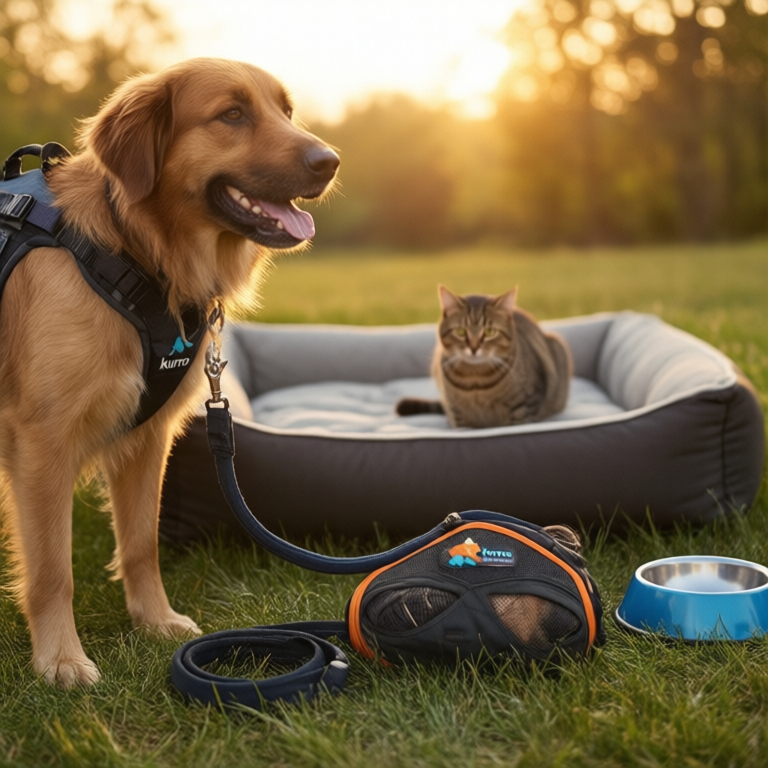
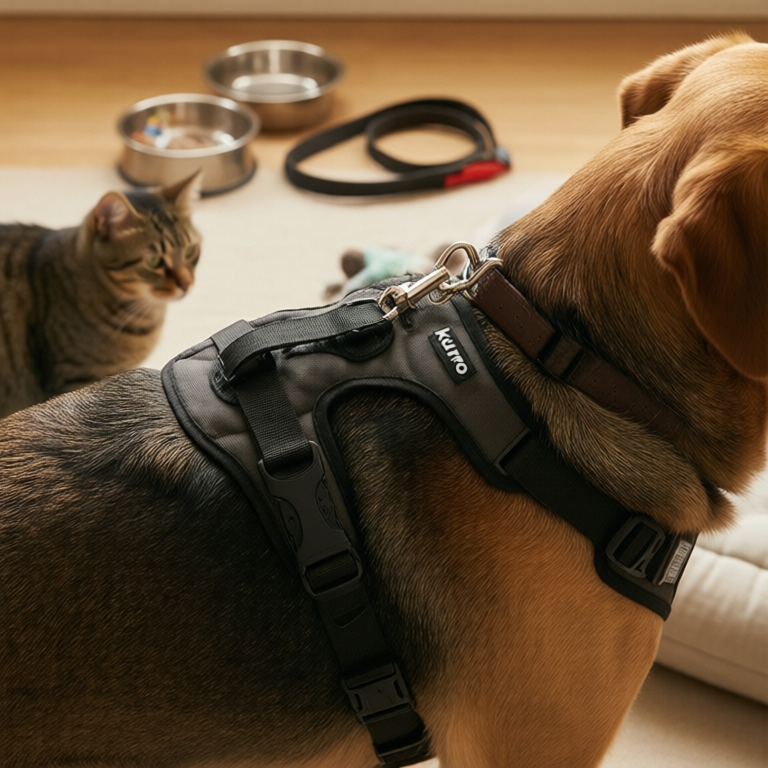
My take: The gold-standard crash rating is real, and it’s the pick if you want the most independently tested harness — but the Kurgo Tru-Fit covers most dogs for half the price.
Free shipping on dog safety gear: If you don’t have Prime yet, a 30-day free Prime trial gets you free two-day shipping on Kurgo harnesses and most pet gear — plus free returns within the trial window.
Features That Actually Matter (And Ones That Don’t)
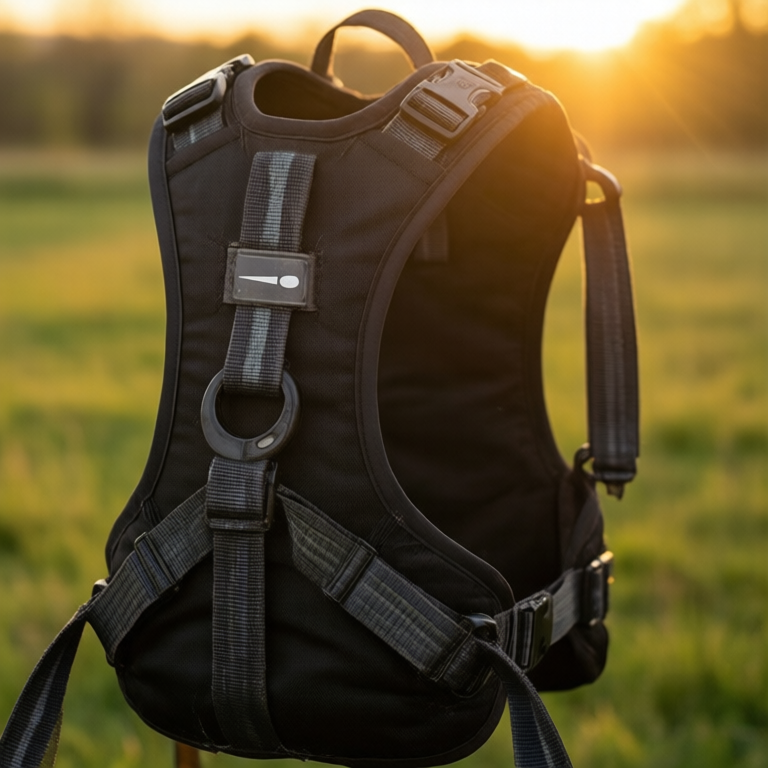
All-steel buckles: The failure point in every non-tested harness is the plastic buckle. Steel nesting buckles are the difference between a harness that holds at 30 mph and one that doesn’t. The Kurgo Impact and Sleepypod Clickit have them; the Tru-Fit has steel on the load-bearing connection.
Five-point attachment: The harness should attach at the shoulders and lower torso, not just the back. A single back attachment turns the dog into a pendulum in a crash. Five-point distributes force across the chest.
Tether length: The tether should give the dog enough room to sit and lie down — about 8-10 inches. Anything longer lets the dog build momentum before the tether catches. Shorter is safer; too short and the dog can’t get comfortable.
Chest plate padding: This is where force transfers in a crash. A padded plate spreads load across the sternum instead of concentrating it on a strap. Both Kurgo models have it; the Sleepypod’s is wider.
Crash test certification (not just “tested”): “Crash-tested” is a marketing term. “Crash-certified” means an independent lab ran standardized tests. Sleepypod is certified. Kurgo is tested to similar standards but not independently certified. Both are dramatically better than any strap.
The Annual Cost Comparison
Here’s what the math looks like over a year of holiday and weekend road trips (assume 20 trips, average 2 hours each):
- Universal strap ($12): Free if it never fails. $180+ in trim damage if it fails once. Risk of dog injury: high. Expected cost: $12 + risk.
- Kurgo Tru-Fit ($40): One-time purchase. Harness lasts 3-5 years. Tether included. Cost per trip year 1: $2.00. Year 3 average: $0.67.
- Kurgo Impact ($79): One-time purchase. Steel hardware lasts 5+ years. Cost per trip year 1: $3.95. Year 3 average: $1.32.
- Sleepypod Clickit ($90): One-time purchase. Doubles as walking harness. Cost per trip year 1: $4.50. Year 3 average: $1.50.
The $12 strap is the most expensive option in the list because the cost of failure isn’t the strap — it’s the vet bill. One visit for a neck injury runs $300-$800. A cracked trim panel is $180. The harness pays for itself the first time you brake hard, whether you crash or not.
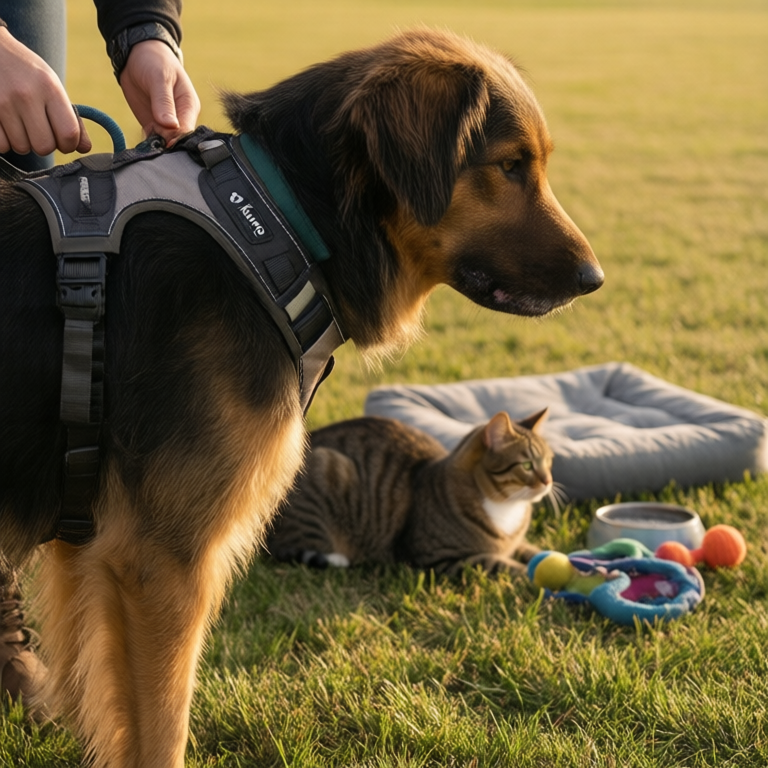
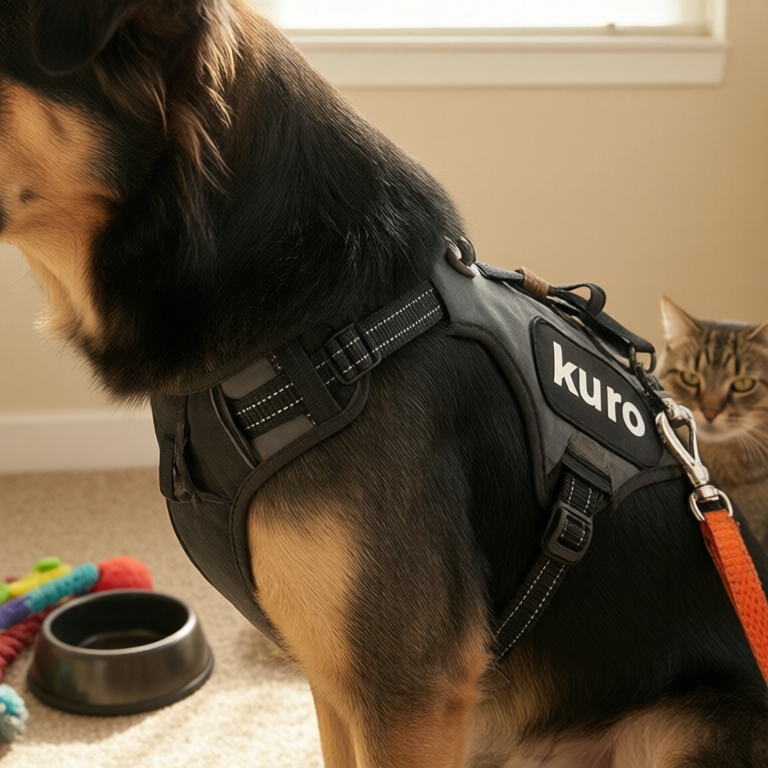
Where to spend: The Kurgo Tru-Fit at $40 is the value pick for most dogs — crash-tested, steel hardware, tether included. Upgrade to the Kurgo Impact ($79) if your dog is over 75 pounds. The Sleepypod ($90) is worth it only if you want the independent certification or the walking-harness dual use.
Keep reading: Dog Car Hammocks, Priced by Durability | AirTag or GPS Tracker: The Honest Math
ThriftyPaw is reader-supported. As an Amazon Associate, I earn from qualifying purchases. That means if you buy through one of the links above, I get a small commission at no extra cost to you. I only recommend products I’ve actually used with my own dog.
Related guides
- Dog Adoption on a Budget: First Year Costs Under 1,400 Dollars
- Best Dog First Aid Kits and What to Put in Yours
- Big Dog Summer Essentials: What I Actually Buy for My 75-Pound Golden (And What I Skip)
- My Dog Bolted Through the Fence Last Summer. Here Is How I Found Her in 20 Minutes.
- Dog Park Safety and Etiquette: Complete Budget Guide (2026)
🐾 Get Your Free Big Dog First Aid Kit Checklist
Join our newsletter and get this free printable plus weekly tips.
Frequently Asked Questions
Are dog car harnesses actually crash tested?
Some are. Kurgo tests to standardized force levels for their Impact and Tru-Fit harnesses, and Sleepypod carries independent certification from the Center for Pet Safety. The term crash-tested is used loosely in marketing — look for test data or certification, not just the phrase.
What is the safest way for a dog to ride in a car?
A crash-tested harness secured to the seatbelt receptor with a short tether. The harness distributes crash force across the dog chest instead of the neck. A crate anchored in the back is equally safe but less practical for daily use.
Do universal dog seatbelt straps work?
No. The strap itself holds, but it clips to the dog collar, which fails at crash forces. The collar buckle is the failure point, and the dog neck becomes the shock absorber. A $40 harness is the minimum safe option.
Liked this guide? Get the next one in your inbox — the pet budget checklist is free too.
✓ You're in — check your inbox.
No spam. Unsubscribe anytime. We never share your email.