
This article contains affiliate links. We may earn a commission from qualifying purchases.
Some content on this site is AI-assisted and reviewed by our editorial team.

Over 50 percent of dogs in the US are overweight, and most owners do not even realize it. Extra weight takes two years off your dog’s lifespan, increases vet bills by 30-40 percent, and causes joint problems, heart disease, and diabetes. The good news is that weight management does not require expensive diet food or a veterinary nutritionist. Adding organic pumpkin powder as a fiber booster and using a slow feeder bowl to control portions can help your dog lose weight for under 25 dollars total. Here is how to help your dog lose weight on a budget.
Is Your Dog Actually Overweight?
Most owners guess wrong. Here is how to tell for sure:
Body Condition Score (The Free Test)
Run your hands along your dog’s sides:
- Ribs easily felt with light pressure — ideal weight
- Ribs felt only with firm pressure — slightly overweight
- Ribs cannot be felt at all — overweight
- Visible waist from above — ideal weight
- No waist, back is straight or rounded — overweight
- Belly sags below the ribcage — overweight
If your dog scores as overweight on two or more of these checks, it is time to act. Do not wait — every extra pound puts stress on joints and organs.
Why Free-Feeding Makes Dogs Fat
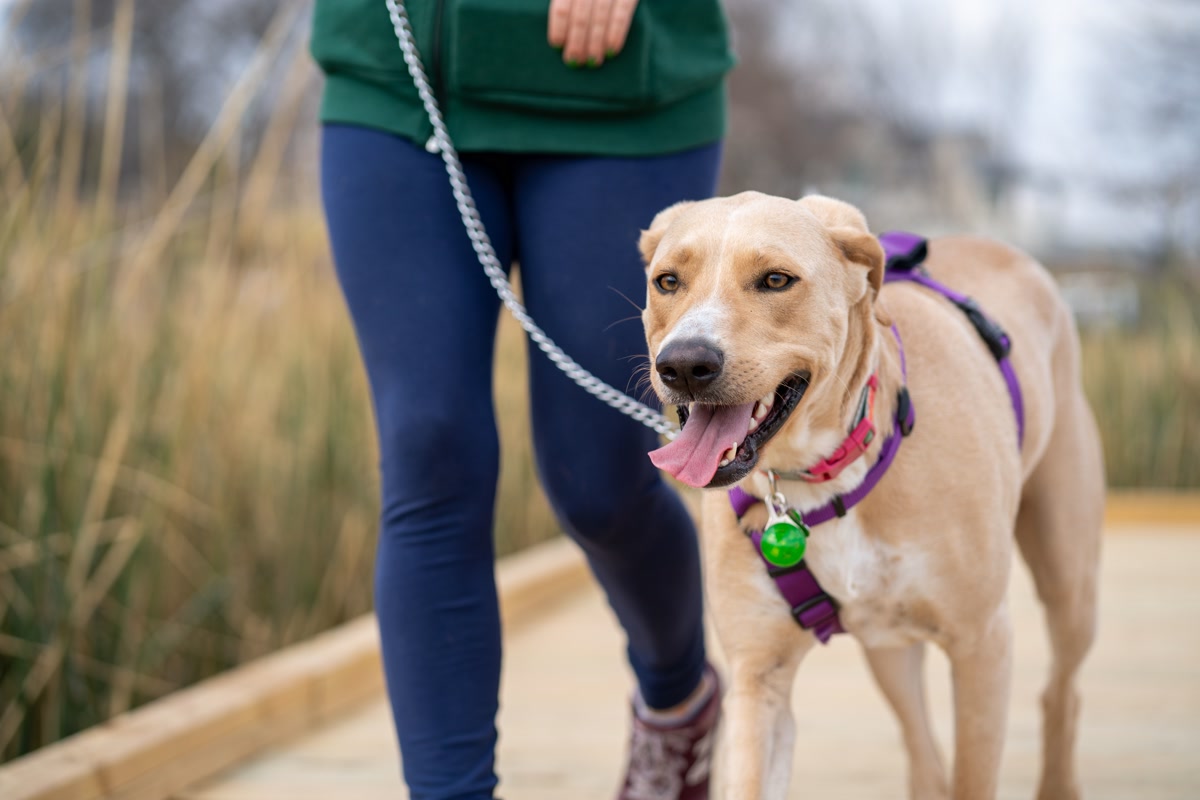
The #1 cause of canine obesity is the always-full food bowl. Dogs are not good at self-regulating food intake — they evolved to eat whatever is available because they never knew when the next meal was coming. Leaving food out all day means your dog eats out of boredom, not hunger.
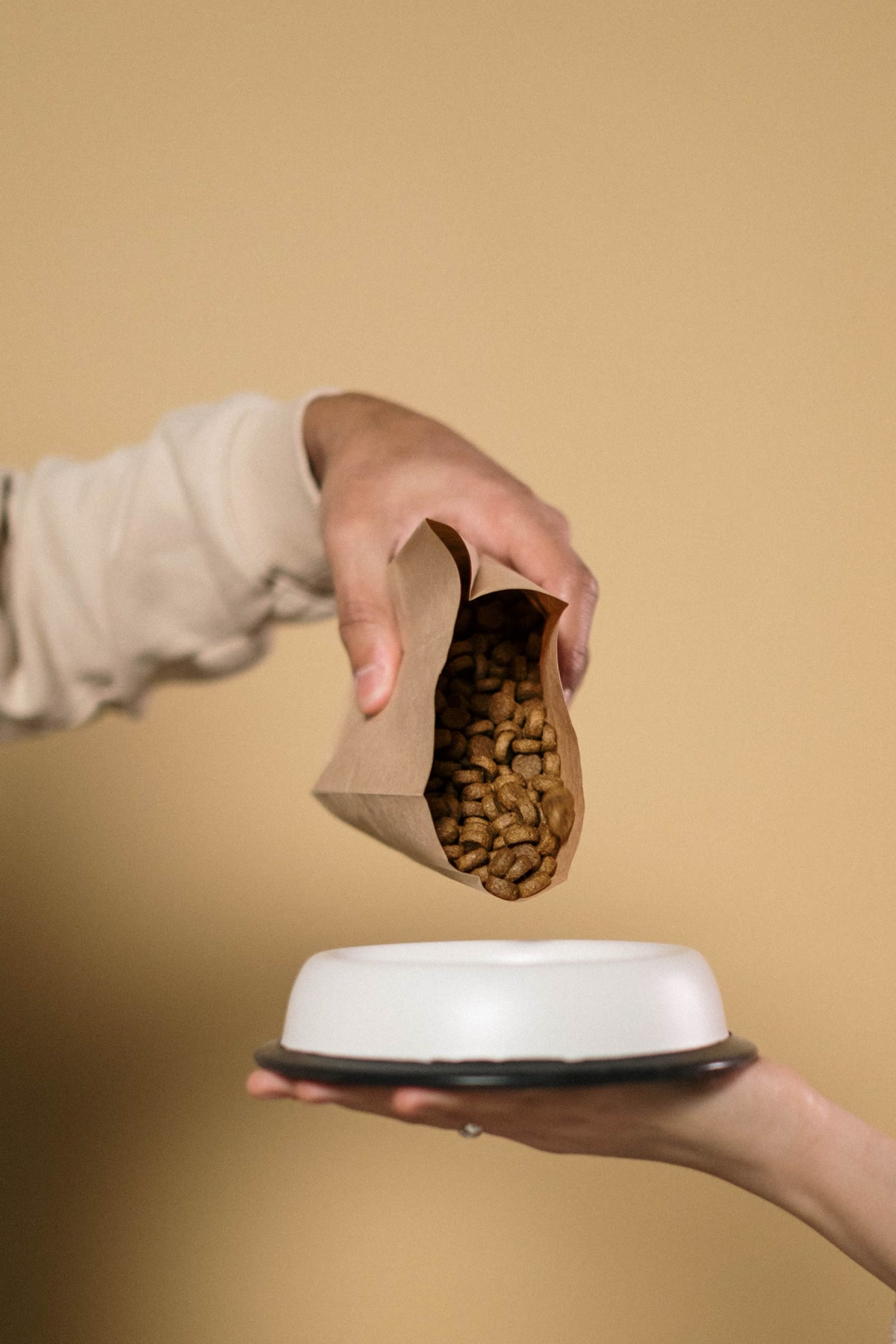
Switch to scheduled, measured meals:
- Adult dogs: 2 meals per day, 12 hours apart
- Puppies under 6 months: 3 meals per day
- Measure every meal with a measuring cup — do not eyeball it
- Pick up the bowl after 15 minutes — if they do not finish, they get less next time
How Much Should You Feed?
The feeding chart on the dog food bag is almost always too high — it is calibrated for active, intact dogs, not the typical couch-potato pet. Start with 25 percent less than the bag recommends and adjust based on results.
| Dog Weight | Cups Per Day (Weight Loss) | Cups Per Day (Maintenance) |
|---|---|---|
| 10-20 lbs | 1/4 to 1/2 cup | 1/2 to 3/4 cup |
| 20-40 lbs | 1/2 to 3/4 cup | 3/4 to 1 cup |
| 40-60 lbs | 3/4 to 1 cup | 1 to 1.5 cups |
| 60-80 lbs | 1 to 1.25 cups | 1.5 to 2 cups |
| 80-100+ lbs | 1.25 to 1.75 cups | 2 to 2.5 cups |
These are starting points. Weigh your dog every 2 weeks and adjust. If they are not losing, cut by 10 percent. If they are losing too fast (more than 2 percent of body weight per week), add 10 percent.
The 30-Dollar Weight Loss Toolkit
1. Measuring Cup (Free)
You already own one. Use the same cup every time. The variation between “a scoop” and “a measured cup” can be 30 percent more calories per day — that is enough to cause weight gain over time.
2. Kitchen Scale (Under 15 Dollars)
For small dogs, weighing food in grams is more accurate than measuring in cups. A basic digital kitchen scale under 15 dollars gives you precision that cups cannot. This matters most for dogs under 20 pounds where a few extra kibbles make a big percentage difference.
3. Green Bean Diet (Under 3 Dollars Per Week)
Here is the budget weight loss secret: replace 25 percent of your dog’s kibble with plain frozen green beans. They are low in calories, high in fiber, and most dogs love them. Your dog feels just as full but consumes 25 percent fewer calories. A bag of frozen green beans costs under 3 dollars and lasts a week for a medium dog.
Do not use canned green beans — they contain added sodium. Frozen is cheaper and healthier.
4. Treat Tracker (Free)
Treats should be under 10 percent of daily calories. Most owners exceed this without realizing. Write down every treat for one day — you will be surprised. Switch to baby carrots, green beans, or a piece of the daily kibble ration as treats.
Exercise: The Other Half of the Equation
Diet controls weight loss, but exercise keeps the weight off and prevents muscle loss during cutting. The best part: exercise is free.
| Dog Size | Minimum Daily Exercise | Best Budget Activities |
|---|---|---|
| Small (under 20 lbs) | 20-30 minutes | Walk, indoor fetch |
| Medium (20-50 lbs) | 30-45 minutes | Walk, fetch in yard |
| Large (50+ lbs) | 45-60 minutes | Brisk walk, jogging, hiking |
| Overweight/obese | Start with 15 min, build up | Swimming (easy on joints) |
For obese dogs, start slow. Joint damage from excess weight makes high-impact exercise painful. Swimming is ideal — it burns calories without stressing joints. Many community pools or lakes have dog-friendly hours.
What to Feed for Weight Loss (Budget Options Under 50 Dollars Per Month)
You do not need expensive prescription weight loss food. These regular foods work well for weight management:
- Look for foods labeled “weight management” or “healthy weight” — they have 20-30 percent fewer calories per cup than regular formulas
- Check the calorie count on the bag — anything under 350 calories per cup is reasonable for weight loss
- Avoid foods with “grain-free” marketing unless your vet specifically recommended it — grain-free does not mean low-calorie
- Consider adding plain pumpkin puree (not pie filling) to meals — it adds bulk and fiber for under 3 dollars per can, making your dog feel fuller
The Danger of Rapid Weight Loss
Do not crash-diet your dog. Losing more than 2 percent of body weight per week can cause fatty liver disease, a life-threatening condition. Target 1 percent per week — that is 1 pound per week for a 100-pound dog, or 0.5 pounds for a 50-pound dog.
If your dog needs to lose more than 20 percent of body weight, consult your vet first. There may be an underlying condition (hypothyroidism, Cushing’s disease) causing the weight gain.
Cost of Ignoring It
| Condition | Treatment Cost | Prevention |
|---|---|---|
| Joint surgery (torn ACL from excess weight) | 3,000-5,000 dollars | Weight management (30 dollars/month) |
| Diabetes management (lifelong) | 50-100 dollars/month forever | Weight management (30 dollars/month) |
| Heart disease medication | 30-80 dollars/month | Weight management (30 dollars/month) |
| Arthritis pain medication | 20-60 dollars/month | Weight management (30 dollars/month) |
Weight management is the single most cost-effective health intervention for your dog. It costs under 30 dollars per month and prevents thousands in vet bills.
The Bottom Line
Dog weight management comes down to three things: measure the food, cut treats, and walk daily. Replace 25 percent of kibble with green beans for a cheap filler that works. Skip the prescription diet food — a measured portion of regular food plus green beans does the same thing for a fraction of the cost. Weigh your dog every 2 weeks, adjust portions, and be patient. A slow, steady weight loss of 1 percent per week is healthy, sustainable, and free.
Last updated: July 2026 | By ThriftyPaw | Prices and availability subject to change
ThriftyPaw is reader-supported. As an Amazon Associate, we earn from qualifying purchases. This means we may earn a small commission when you buy through links on this site at no additional cost to you. We only recommend products we genuinely believe in. Thank you for supporting ThriftyPaw.
My take: The scale plus the green-bean swap is the whole program — under $20 to start, no prescription food. The honest math: 50% of dogs are overweight and the consequences (ACL at $3,000-5,000, diabetes for life) are the most preventable costs in this entire backlog.
Related guides
- Is Pet Insurance Worth It? An Honest Cost Breakdown (2026)
- Budget Dog Arthritis Management: 4-Part Plan Under 25 Dollars Per Month
- Dog Vomiting Guide: When to Worry and Home Treatment Under 10 Dollars (2026)
- My Adopted Dogs Breed Guess Was 80 Percent Wrong The 95 Dollar Kit Settled It
- Best Budget Dog Ear Cleaning Solutions (Under 15 Dollars — 2026)
🐾 Get Your Free Big Dog First Aid Kit Checklist
Join our newsletter and get this free printable plus weekly tips.
Frequently Asked Questions
How do I know if my dog is overweight?
The free test is body condition score: you should feel ribs with light pressure and see a waist from above and a tuck from the side. Over 50% of US dogs are overweight and most owners miss it — the visual comparison charts make it obvious without a vet visit.
How can my dog lose weight on a budget?
The $30 toolkit: measure food with a kitchen scale ($15) instead of eyeballing, and do the green bean swap — replace 25% of kibble with plain frozen green beans ($3 a bag for a week's worth for a medium dog). No prescription diet needed: regular weight-management formulas run 20-30% fewer calories per cup.
What does dog obesity actually cost?
Two years of lifespan, plus 30-40% higher vet bills: a weight-driven torn ACL runs $3,000-5,000 and lifelong diabetes management runs $50-100 a month — all against the $30-a-month prevention. It's the most preventable expensive condition in dog ownership.
Liked this guide? Get the next one in your inbox — the pet budget checklist is free too.
✓ You're in — check your inbox.
No spam. Unsubscribe anytime. We never share your email.
Price Check
Prices verified via our product tracker. Updated Sep 27.
| Native Pet Pumpkin for Dogs - Organic Dog Food Topper Powd | $39.99 | 4.5★ (9,854) |
| Zesty Paws Probiotics for Dogs - Gut Health Soft Chews, Pu | $2.60 | 4.5★ (25,510) |
As an Amazon Associate we earn from qualifying purchases.