This article contains affiliate links. We may earn a commission from qualifying purchases.
Some content on this site is AI-assisted and reviewed by our editorial team.
Dog arthritis affects 20 percent of adult dogs and 80 percent of senior dogs — but most owners do not recognize it until their dog is limping or cannot stand. Arthritis starts years before limping appears: the first sign is your dog being “slow to get up” in the morning. The earlier you intervene, the more joint function you preserve. The complete arthritis management program costs 10-30 dollars per month and includes supplements, weight management, exercise modification, and home modifications. This guide covers how to recognize early arthritis, the supplement protocol, how to modify your home for an arthritic dog, and when to ask your vet about prescription medication.
What Arthritis Is and How It Progresses
Arthritis (osteoarthritis or degenerative joint disease) is the progressive breakdown of cartilage in joints. Cartilage is the smooth, slippery tissue that covers the ends of bones where they meet — it allows pain-free movement. When cartilage thins and wears away, bone rubs against bone, causing pain, inflammation, and further damage.
The progression:
- Cartilage softening — No symptoms. Microscopic changes only.
- Cartilage thinning — Intermittent stiffness, especially after rest. “Slow to get up” in the morning.
- Cartilage erosion — Persistent stiffness, reduced range of motion, reluctance to jump or climb stairs.
- Bone-on-bone contact — Chronic pain, limping, muscle loss in affected leg.
- Bone remodeling — Bone spurs form, joint becomes deformed, severe pain and disability.
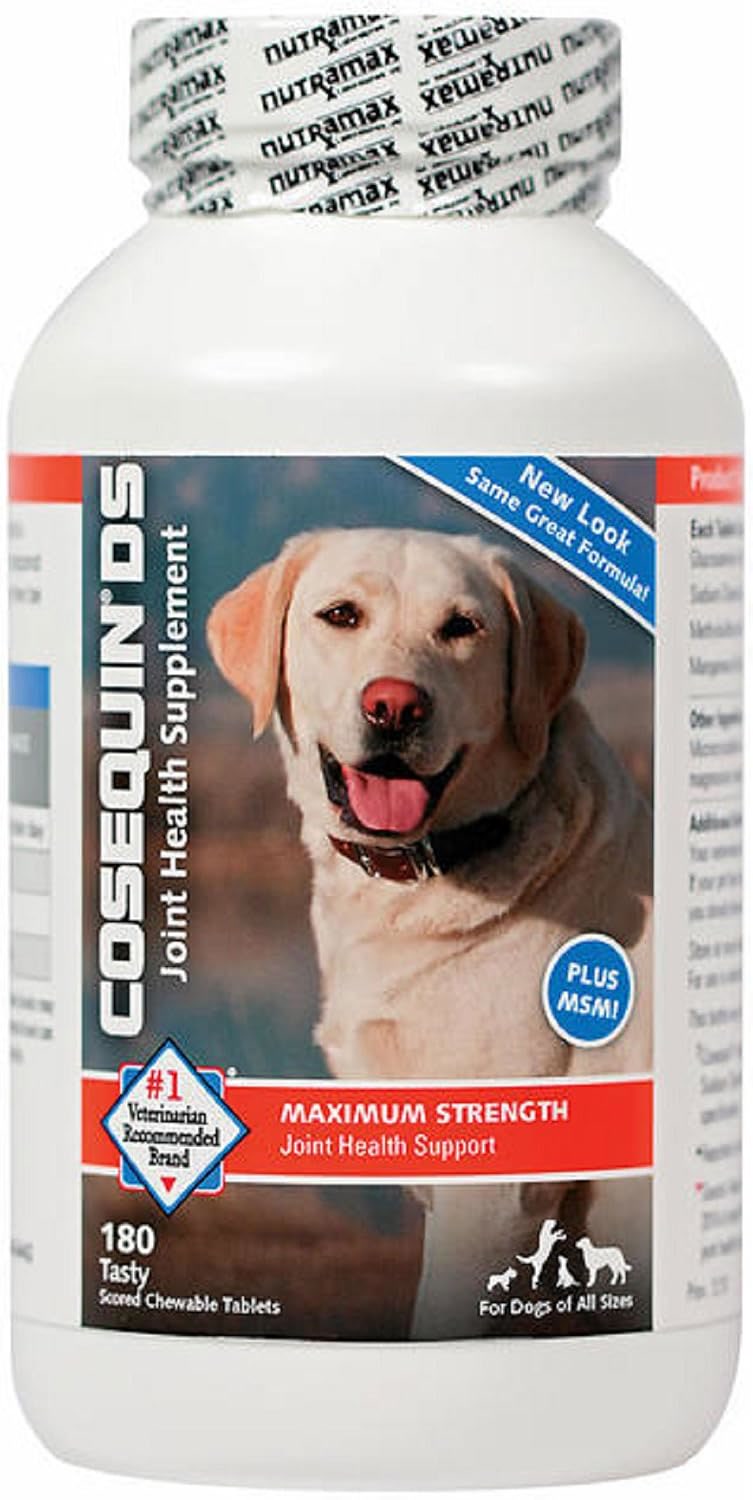
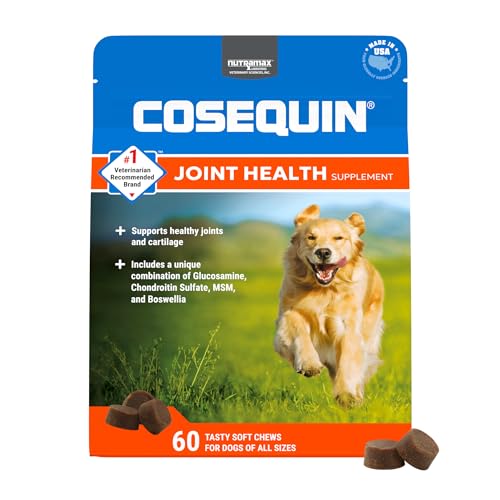
By the time a dog is limping, they have lost 50-70 percent of their cartilage. The goal of early intervention is to slow this progression and preserve remaining cartilage. A quality glucosamine and chondroitin supplement like Cosequin DS Plus MSM — about $20 — is the most studied option and a strong starting point.
The Early Signs of Arthritis (Before Limping)
Most owners miss these signs because they develop gradually:
- Slow to get up in the morning — Takes 5-10 seconds to rise from lying down. Owners assume “he is just getting older.”
- Stiffness after exercise — Stiff the evening after a long walk or the next morning. Resolves after 10-15 minutes of movement.
- Reluctance to jump — Hesitates before jumping into the car, onto the couch, or onto the bed. Eventually stops jumping entirely.
- Reluctance to climb stairs — Goes up stairs one at a time, stops on the landing to rest, or avoids stairs altogether.
- Decreased activity — Shorter walks, stops bringing toys, less interest in play.
- Weight shifting — Stands with more weight on front legs (if hind legs are arthritic) or favors one side.
- Licking a specific joint — Dogs lick joints that hurt. A bald spot on a wrist or ankle from repeated licking is a sign of joint pain.
- Muscle loss — One leg looks thinner than the others (muscle atrophy from favoring that leg).
- Personality changes — Irritability, reluctance to be touched in certain areas, panting more (a sign of chronic pain).
- Nail growth changes — Nails on the arthritic leg grow longer because the dog is not bearing normal weight and the nails do not wear down.
If you see 2 or more of these signs in a dog over 5 years old, discuss arthritis with your vet. X-rays (80-150 dollars) confirm the diagnosis and show which joints are affected.
Which Dogs Get Arthritis
| Risk Factor | Why |
|---|---|
| Large and giant breeds | More weight on joints, faster cartilage wear |
| Senior dogs (7+ years) | Cumulative wear and tear |
| Overweight dogs | Each extra pound adds 4 pounds of pressure per joint |
| Dogs with joint dysplasia (hip, elbow) | Abnormal joint shape causes uneven wear |
| Dogs with prior joint injury | Post-traumatic arthritis develops years after injury |
| High-impact sports dogs | Agility, flyball, repetitive jumping stresses joints |
| Certain breeds | Labradors, German Shepherds, Golden Retrievers, Rottweilers, Newfoundlands |
The Budget Arthritis Management Program (10-30 Dollars Per Month)
1. Glucosamine and Chondroitin (5-15 Dollars Per Month)
The most studied supplements for joint health. Glucosamine provides building blocks for cartilage repair. Chondroitin helps retain water in cartilage, keeping it spongy and shock-absorbing.
Studies show modest effectiveness — not a cure, but 50-60 percent of arthritic dogs show improvement in mobility and reduced pain. It takes 4-8 weeks to see results.
Options:
- Cosequin DS (brand) — 15-25 dollars/month. The most studied brand. Available in chewable tablets. Cosequin DS Plus MSM — about $20 for 132 tablets.
- Generic glucosamine + chondroitin — 5-10 dollars/month. Human supplements from any pharmacy work. Give 500-1000 mg glucosamine and 400-800 mg chondroitin per 50 pounds daily.
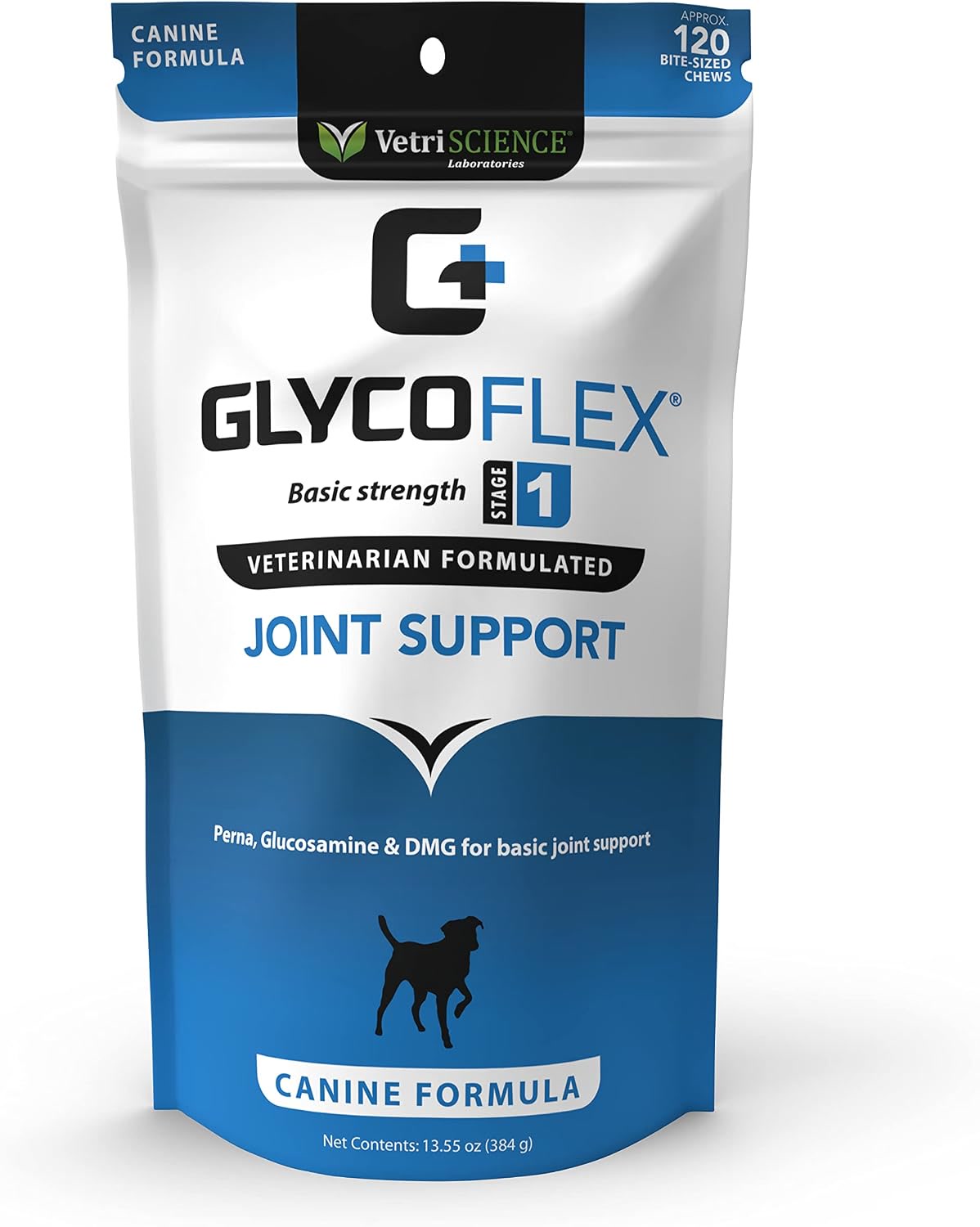
- Glycoflex — 10-18 dollars/month. Made from green-lipped mussel, contains natural glucosamine and chondroitin. VetriScience GlycoFlex 3 Vet Strength — about $35 for 60 chews.
The combination of glucosamine + chondroitin is more effective than either alone. Look for products that also contain MSM (methylsulfonylmethane), which provides sulfur for cartilage repair.
2. Omega-3 Fatty Acids (3-8 Dollars Per Month)
Fish oil (EPA and DHA) reduces inflammation in arthritic joints. Studies show dogs supplemented with omega-3s have reduced pain and improved mobility, allowing lower doses of pain medication.
- Generic fish oil capsules — 3-5 dollars/month. Give 1000-2000 mg combined EPA/DHA per 50 pounds daily.
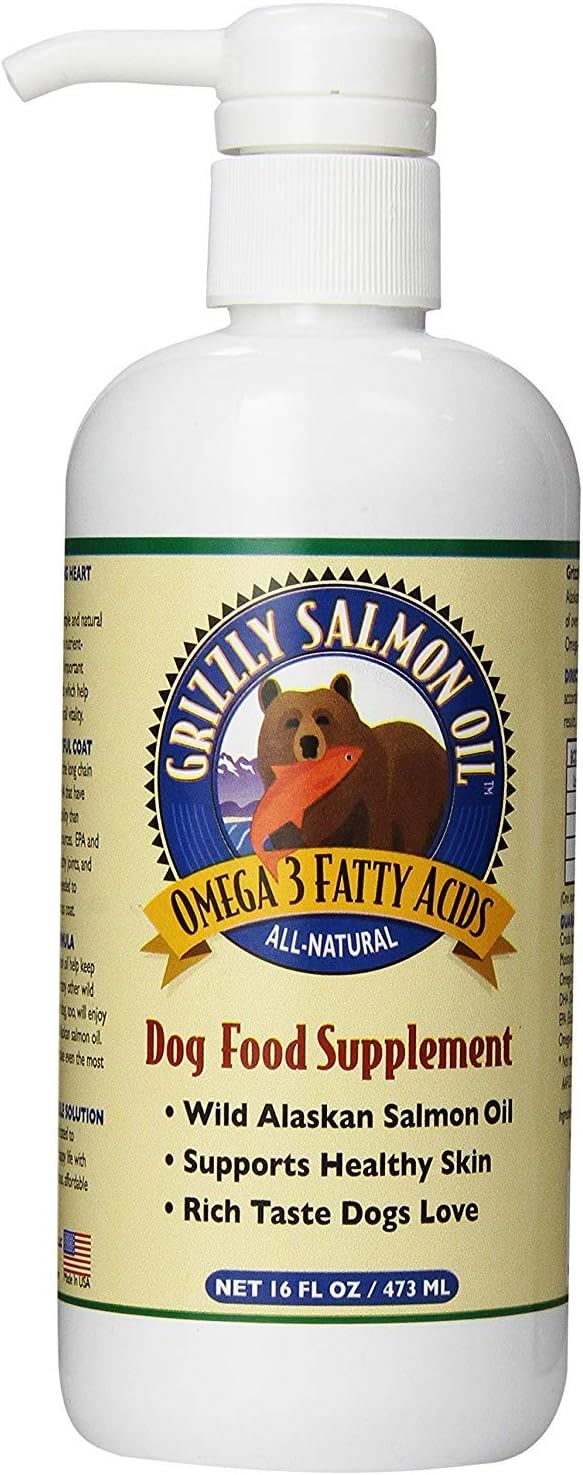
- Grizzly Omega-3 (pump bottle) — 8-12 dollars/month. 1-2 pumps per day. Grizzly Salmon Oil for Dogs — about $16 for 16 oz pump bottle.
3. Green-Lipped Mussel (8-15 Dollars Per Month)
A natural source of glucosamine, chondroitin, and omega-3s. Studies show it reduces arthritis pain as effectively as NSAIDs in some dogs, without the side effects. Available as a powder or capsule. Greenelp (10-15 dollars/month) or Vimergy (12-18 dollars/month).
4. Turmeric / Curcumin (3-6 Dollars Per Month)
Turmeric contains curcumin, a powerful anti-inflammatory. Studies in dogs show reduced arthritis pain and improved mobility with daily turmeric supplementation. Give 100-500 mg curcumin per 50 pounds daily, with a pinch of black pepper (piperine) to boost absorption.
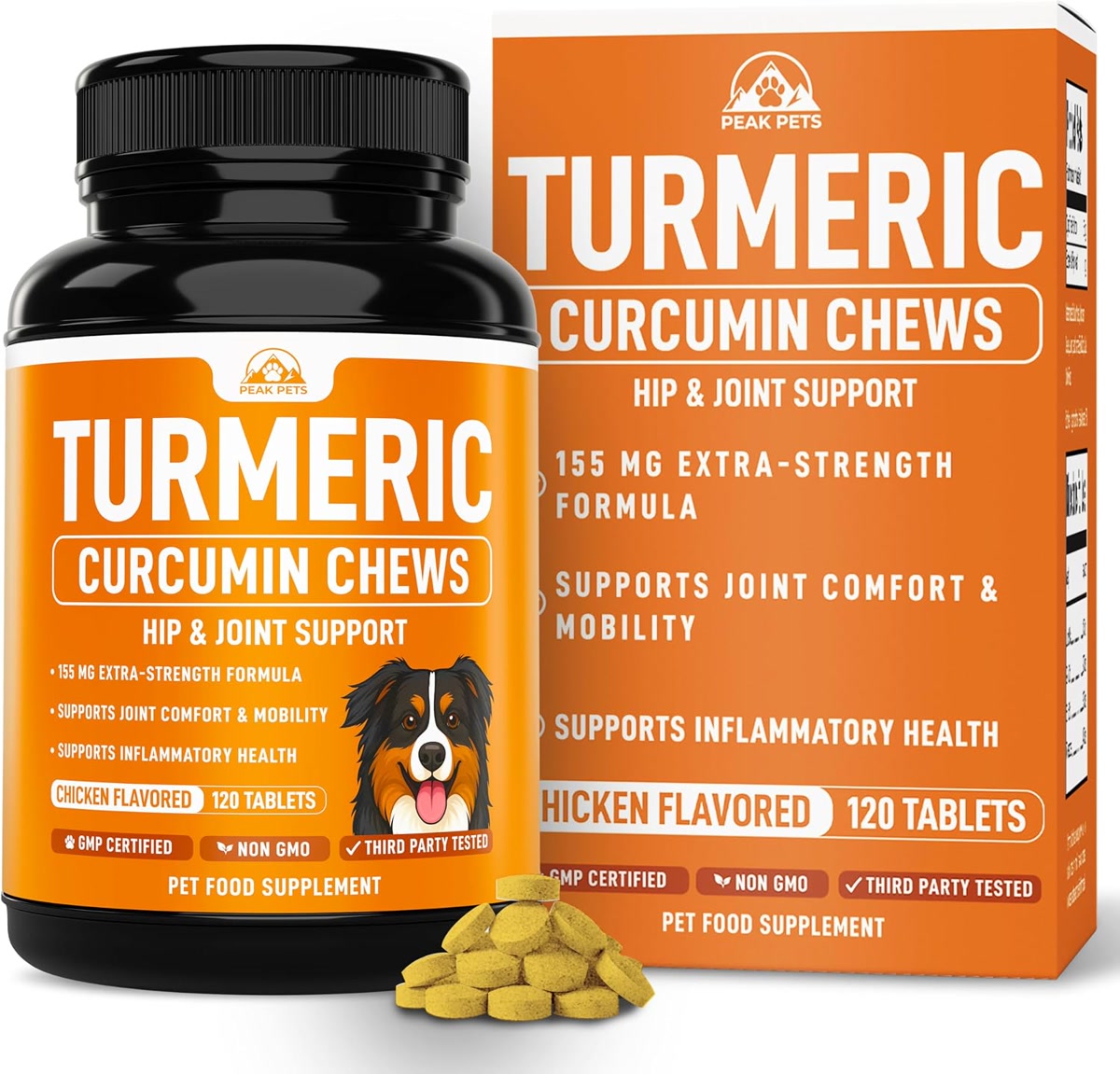
- Turmeric capsules for dogs — 3-6 dollars/month. Turmeric Curcumin Tablets for Dogs — about $15 for 180 tablets with BioPerine for absorption.
- Homemade turmeric paste — 2-3 dollars/month. Mix 1/2 cup turmeric powder with 1 cup water, simmer 10 minutes, add 1/4 cup coconut oil and 1/2 tsp black pepper. Give 1/4 tsp per 50 pounds daily. Store in refrigerator up to 2 weeks.
5. Weight Management (Free — Most Effective Treatment)
Excess weight is the single biggest contributor to arthritis progression. Each extra pound adds 4 pounds of pressure per joint. A 50-pound dog at ideal weight puts 200 pounds of pressure on each elbow joint when walking. That same dog 10 pounds overweight puts 240 pounds per joint — a 20 percent increase every step, every day.
To assess your dog’s weight: you should feel ribs easily with light pressure but not see them. From above, your dog should have a visible waist tuck. From the side, the belly should tuck up behind the ribs. If your dog looks like a cylinder or a barrel, they are overweight.
Weight loss plan:
- Measure food with a measuring cup (do not “eyeball” portions)
- Cut portions by 20 percent if your dog needs to lose weight
- Replace 25 percent of food with green beans (low calorie, high fiber, fills them up)
- Eliminate table scraps and high-calorie treats — use baby carrots or frozen green beans instead
- Weigh your dog every 2 weeks (use a bathroom scale: weigh yourself, then hold your dog, subtract)
- Target: 1-2 percent body weight loss per week (1 pound per week for a 50-pound dog)
Weight loss is the only intervention that has been proven to reverse arthritis symptoms. In a study of overweight Labradors with arthritis, dogs that reached ideal weight showed significant improvement in lameness and mobility — some became completely sound.
6. Exercise Modification (Free)
Exercise keeps joints mobile and muscles strong. But the wrong exercise accelerates cartilage damage. The key is consistent, low-impact movement.
| Good Exercise for Arthritic Dogs | Bad Exercise for Arthritic Dogs |
|---|---|
| Swimming (zero joint impact) | Running on hard surfaces (concrete, asphalt) |
| Short, frequent walks (2-3 per day, 15-20 min each) | One long walk (causes stiffness afterward) |
| Walking on soft surfaces (grass, dirt trails) | Jumping (fetch with high throws, agility) |
| Gentle, controlled leash walks | Rough play with other dogs (sudden stops and turns) |
| Underwater treadmill (if available) | Stairs (especially descending) |
| Stretching and range-of-motion exercises | Standing on hind legs (begging position) |
The goal: consistent, low-impact exercise that maintains muscle mass without stressing joints. Muscles support joints — weak muscles mean more joint stress. A 20-minute walk twice daily is better than one 40-minute walk.
7. Home Modifications (0-50 Dollars One-Time)
Make your home easier for an arthritic dog to navigate:
- Non-slip rugs or mats — 5-15 dollars each. Place on hardwood, tile, and laminate floors. Arthritic dogs slip and fall on smooth floors, which causes pain and worsens joint damage.
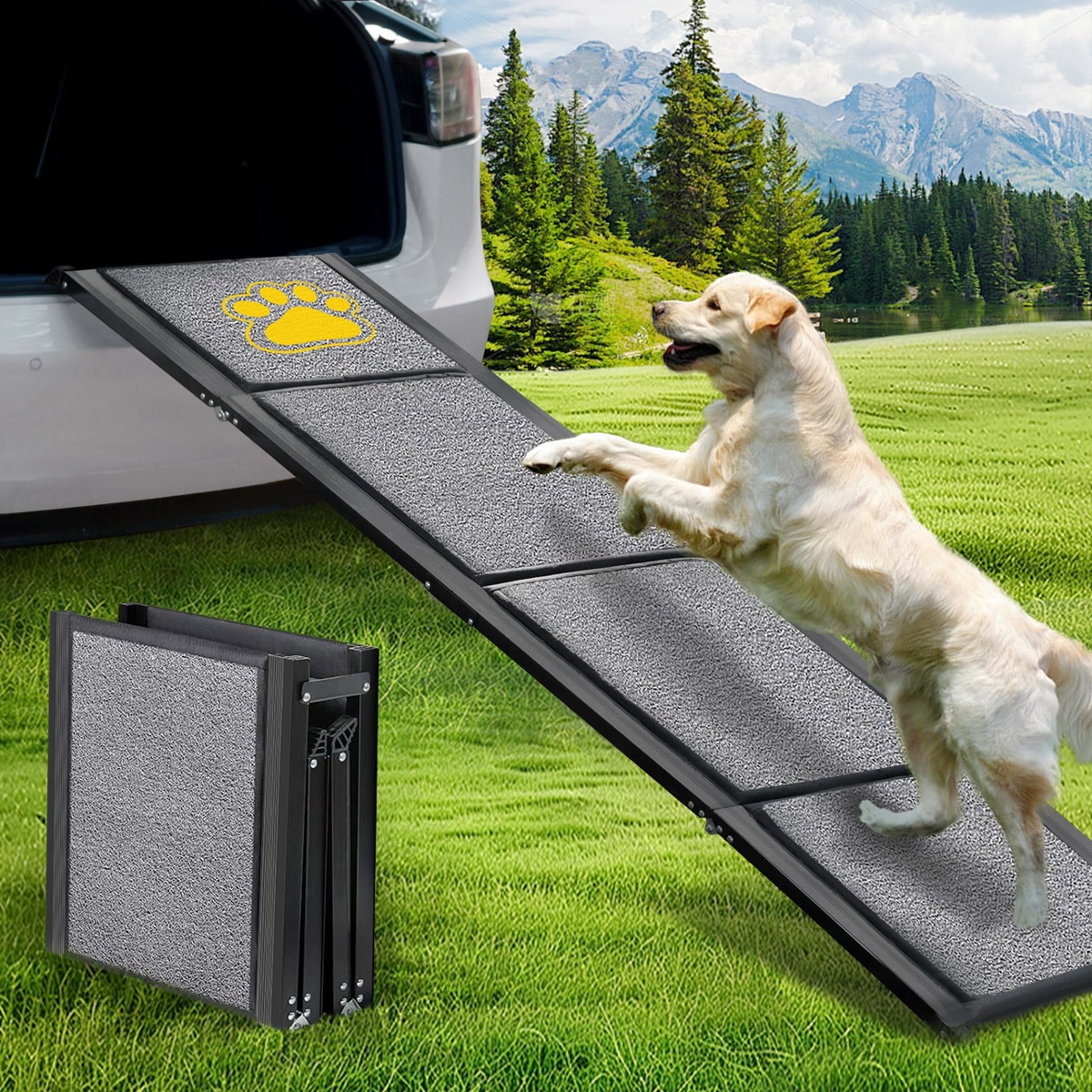
- Ramps for furniture and car — 15-40 dollars. Prevents jumping, which stresses elbows, shoulders, and knees. Extra Long Telescoping Dog Ramp — about $60 for a 75-inch ramp that works for SUVs, trucks, and high beds.
- Orthopedic memory foam bed — 20-50 dollars. Arthritic dogs spend more time lying down — a supportive bed prevents pressure sores and reduces morning stiffness. EHEYCIGA Orthopedic Memory Foam Dog Bed — about $35 for a 30×20 inch bed with washable cover and non-slip bottom.
- Raised food and water bowls — 5-15 dollars. Reduces neck strain for dogs with cervical (neck) arthritis. For dogs without bloat risk (small and medium breeds), raised bowls are fine. Large, deep-chested breeds should NOT use raised bowls (bloat risk — see the bloat guide).
- Baby gates at stairs — 5-15 dollars. Prevents arthritic dogs from navigating stairs unsupervised, especially at night.
- Warmth — Keep your dog’s bed away from drafts and cold floors. A heated dog bed or microwavable heat pad (10-20 dollars) provides direct joint warmth. Never use a human heating pad on a dog — it can burn.
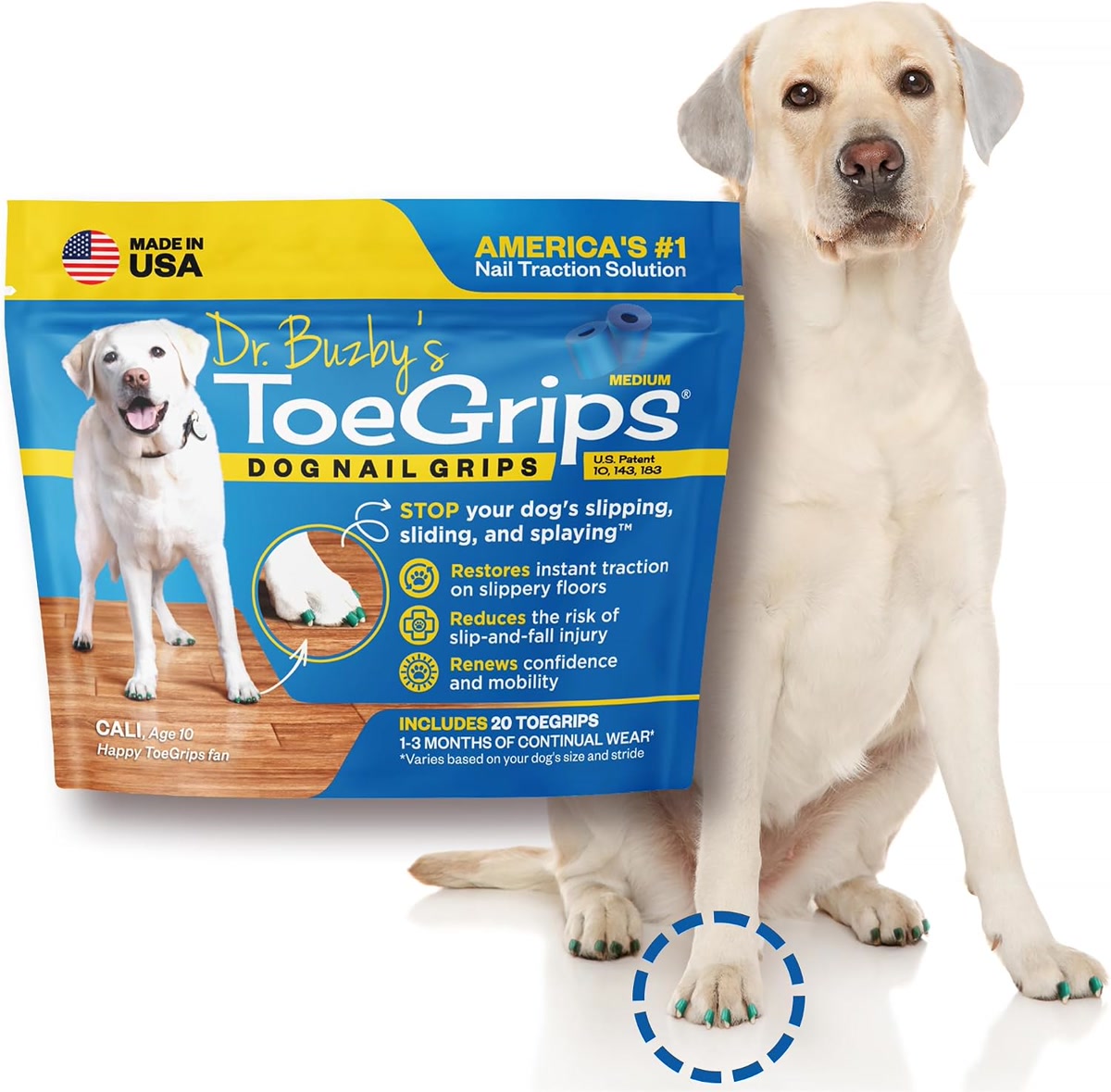
- Toe grips or booties — 10-15 dollars. Dr. Buzby’s ToeGrips for Dogs — about $35 for a set of anti-slip nail grips that provide traction on smooth floors for senior dogs with weak hindquarters.

8. Prescription Medication (When Supplements Are Not Enough)
If supplements, weight management, and home modifications do not adequately control pain, ask your vet about:
- Carprofen (Rimadyl) — 15-40 dollars/month. NSAID specifically for dogs. Reduces pain and inflammation. Requires annual blood work to monitor liver and kidney function (80-150 dollars).
- Meloxicam (Metacam) — 15-30 dollars/month. Another canine NSAID. Liquid form, easy to dose.
- Gabapentin — 8-15 dollars/month. For nerve pain (common in spinal arthritis). Often combined with an NSAID.
- Adequan (polysulfated glycosaminoglycan) — 30-60 dollars/month. Injectable given by the vet (or at home after training). Slows cartilage breakdown. Series of 8 injections over 4 weeks, then monthly.
- Librela (bedinvetmab) — 30-50 dollars/month. Monthly injection given at the vet. Monoclonal antibody that targets nerve growth factor (reduces osteoarthritis pain). New but very effective with minimal side effects.
Never give human NSAIDs (ibuprofen, Aleve, aspirin) to your dog — they are toxic at therapeutic doses and can cause stomach ulcers, kidney failure, and death. Only use canine-specific medications prescribed by your vet.
The Monthly Cost Breakdown
| Component | Monthly Cost | Effectiveness |
|---|---|---|
| Glucosamine + chondroitin (generic) | 5-10 dollars | Modest — slows cartilage loss, 50-60% show improvement |
| Fish oil (generic) | 3-5 dollars | Good — reduces joint inflammation |
| Turmeric/curcumin | 3-6 dollars | Moderate — anti-inflammatory |
| Weight management | 0 dollars | High — most effective intervention |
| Exercise modification | 0 dollars | High — maintains joint mobility and muscle |
| Home modifications | 0-50 dollars (one-time) | Reduces pain and prevents falls |
| Total budget plan | 11-21 dollars/month | |
| Add: Carprofen (if needed) | +15-40 dollars | Strong — reduces pain significantly |
| Add: Librela (if needed) | +30-50 dollars | Very strong — new, highly effective |
The Bottom Line
Dog arthritis affects 80 percent of senior dogs and starts years before limping appears. Recognize early signs: slow to get up in the morning, stiffness after exercise, reluctance to jump or climb stairs, decreased activity, licking a specific joint, and muscle loss in one leg. If you see 2+ signs in a dog over 5, get X-rays (80-150 dollars). The budget management program costs 11-21 dollars per month: generic glucosamine + chondroitin (5-10 dollars, slows cartilage loss), fish oil (3-5 dollars, reduces inflammation), turmeric/curcumin (3-6 dollars, anti-inflammatory), weight management (free — the single most effective treatment, each extra pound adds 4 pounds of joint pressure), and exercise modification (free — switch to short frequent walks on soft surfaces and swimming, avoid jumping and stairs). Home modifications (0-50 dollars one-time): non-slip rugs (5-15 dollars), ramps for furniture and car (15-40 dollars), orthopedic memory foam bed (20-50 dollars), and warmth away from drafts. If supplements and lifestyle changes are not enough, ask your vet about carprofen (15-40 dollars/month), gabapentin (8-15 dollars/month for nerve pain), or Librela (30-50 dollars/month, monthly injection, highly effective with minimal side effects). Never give human NSAIDs (ibuprofen, aspirin) — they are toxic to dogs. The 11-21 dollar monthly program plus weight loss and daily low-impact exercise keeps most arthritic dogs comfortable and mobile for years without prescription medication. Start at the first sign of stiffness — early intervention preserves cartilage and prevents the progression to bone-on-bone pain.
Last updated: July 2026 | By ThriftyPaw | Prices and availability subject to change
As an Amazon Associate, ThriftyPaw earns from qualifying purchases. This post contains affiliate links that help us keep bringing you budget-friendly pet care tips.
🐾 Get Your Free Big Dog First Aid Kit Checklist
Join our newsletter and get this free printable plus weekly tips.
Price Check
Prices verified via our product tracker. Updated Sep 27.
| Nutramax Cosequin Dog Joint Supplement, MSM + Boswellia, S | $24.97 | 4.7★ (2,529) |
| VetriScience Extra Strength Healthy Hip & Joint Chews for | $25.85 | 4.6★ (9,038) |
| Turmeric for Dogs, 180 Turmeric Curcumin Tablets Supports | $16.19 | 4.5★ (319) |
| PetSafe Happy Ride Extra Long Telescoping Dog Ramp, Portab | $169.95 | 4.3★ (14,505) |
| EHEYCIGA Orthopedic Extra Large Dog Bed, Waterproof Washab | $39.99 | 4.5★ (23,078) |
| Dr Buzby's Large ToeGrips for Dogs - Instant Traction on W | $39.99 | 3.1★ (4,296) |
As an Amazon Associate we earn from qualifying purchases.