This article contains affiliate links. We may earn a commission from qualifying purchases.
Some content on this site is AI-assisted and reviewed by our editorial team.
Cat diarrhea is one of the most common reasons for vet visits — but unlike dog diarrhea, which is often dietary and self-limiting, cat diarrhea is more frequently a sign of underlying disease. While a single episode of soft stool may not be concerning, persistent diarrhea in cats can indicate inflammatory bowel disease, food allergies, parasites, hyperthyroidism, or even intestinal lymphoma. The budget home treatment protocol costs 0-5 dollars for mild cases, but knowing when diarrhea is an emergency can save your cat’s life. This guide covers the 7 common causes of cat diarrhea, the home treatment protocol, when diarrhea is an emergency, and the diagnostic tests that catch serious disease early.
What Cat Diarrhea Tells You
Diarrhea is not a disease — it is a symptom. The character of the diarrhea tells you where the problem is:
| Type | Location | Common Causes |
|---|---|---|
| Large, soft, formed but moist | Colon (large intestine) | Diet change, mild irritation |
| Frequent, small, watery with mucus | Colon | Colitis, stress, parasites |
| Large volume, watery, no mucus | Small intestine | Food allergy, IBD, malabsorption |
| Foul-smelling, greasy, light-colored | Small intestine | Malabsorption, pancreatic disease, liver disease |
| With blood (red) | Colon (usually) | Colitis, parasites, IBD |
| With blood (dark, tarry) | Upper GI tract | Stomach ulcer, severe bleeding — emergency |
| With vomiting | Anywhere | Systemic disease, infection, blockage |
The 7 Common Causes of Cat Diarrhea
1. Diet Change or Food Intolerance
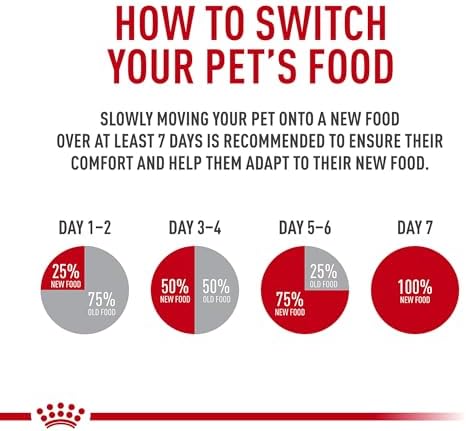
The most common cause. A sudden switch from one food to another causes digestive upset. Cats need 7-10 days to transition to a new food — mix increasing amounts of the new food with decreasing amounts of the old food. Also, some cats cannot tolerate certain proteins (chicken, beef, fish) or carbohydrates (grain, potato). Dairy products cause diarrhea in most adult cats (they lack the enzyme to digest lactose).
2. Parasites
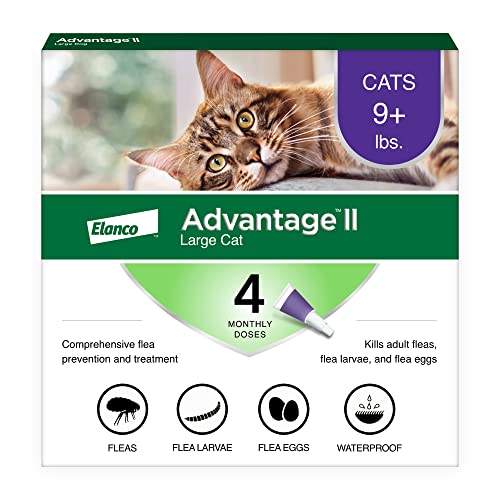
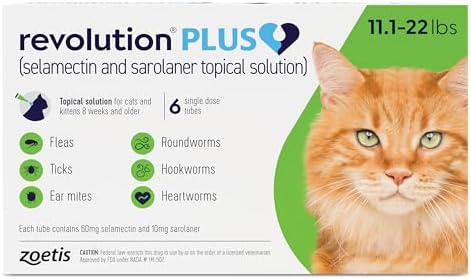
Roundworms, hookworms, Giardia, and coccidia are common in cats, especially kittens, outdoor cats, and multi-cat households. Giardia causes particularly foul-smelling, watery diarrhea. A fecal exam (15-30 dollars) identifies the parasite, and deworming medication (5-15 dollars) treats it. Monthly parasite preventives like Revolution Plus for Cats — about 15-25 dollars per dose — protect against fleas, ticks, ear mites, roundworms, and hookworms. Advantage Multi for Cats — about 12-20 dollars per dose — covers heartworm, fleas, roundworms, hookworms, and ear mites.
3. Food Allergies
Unlike dogs, where food allergies typically cause itchy skin, cat food allergies often cause chronic diarrhea and vomiting. The most common allergens are chicken, fish, beef, and dairy. An 8-week elimination diet (switching to a novel protein like rabbit or duck, or a hydrolyzed protein diet) identifies the allergy. See the food allergies guide for the protocol.
4. Inflammatory Bowel Disease (IBD)

Chronic inflammation of the digestive tract. Causes persistent diarrhea (2+ weeks), vomiting, and weight loss. Often mistaken for “sensitive stomach” for months. Diagnosed with blood work, ultrasound, and sometimes biopsy. Treatment: prescription diet (Hill’s i/d Digestive Care Wet Cat Food — about 1.50-2.50 dollars per can, or Royal Canin Gastrointestinal Dry Cat Food — about 40-50 dollars for an 8.8 lb bag) and prednisolone (5-15 dollars/month).
5. Hyperthyroidism

Overactive thyroid, common in cats over 10. Causes diarrhea, vomiting, weight loss despite increased appetite, and hyperactivity. Diagnosed with a blood test (T4 level, 30-50 dollars). Treatment: methimazole (8-15 dollars/month), prescription diet (Hill’s y/d Thyroid Care Dry Cat Food — about 40-50 dollars for an 8 lb bag), or radioactive iodine therapy (1,000-2,000 dollars, curative).
6. Intestinal Lymphoma
Cancer of the intestines — the most common cancer in older cats. Causes chronic diarrhea, vomiting, weight loss, and decreased appetite. Diagnosed with ultrasound and biopsy. Treatment: chemotherapy (prednisolone + chlorambucil, 15-30 dollars/month) can achieve remission for 1-3 years.
7. Antibiotic-Associated Diarrhea
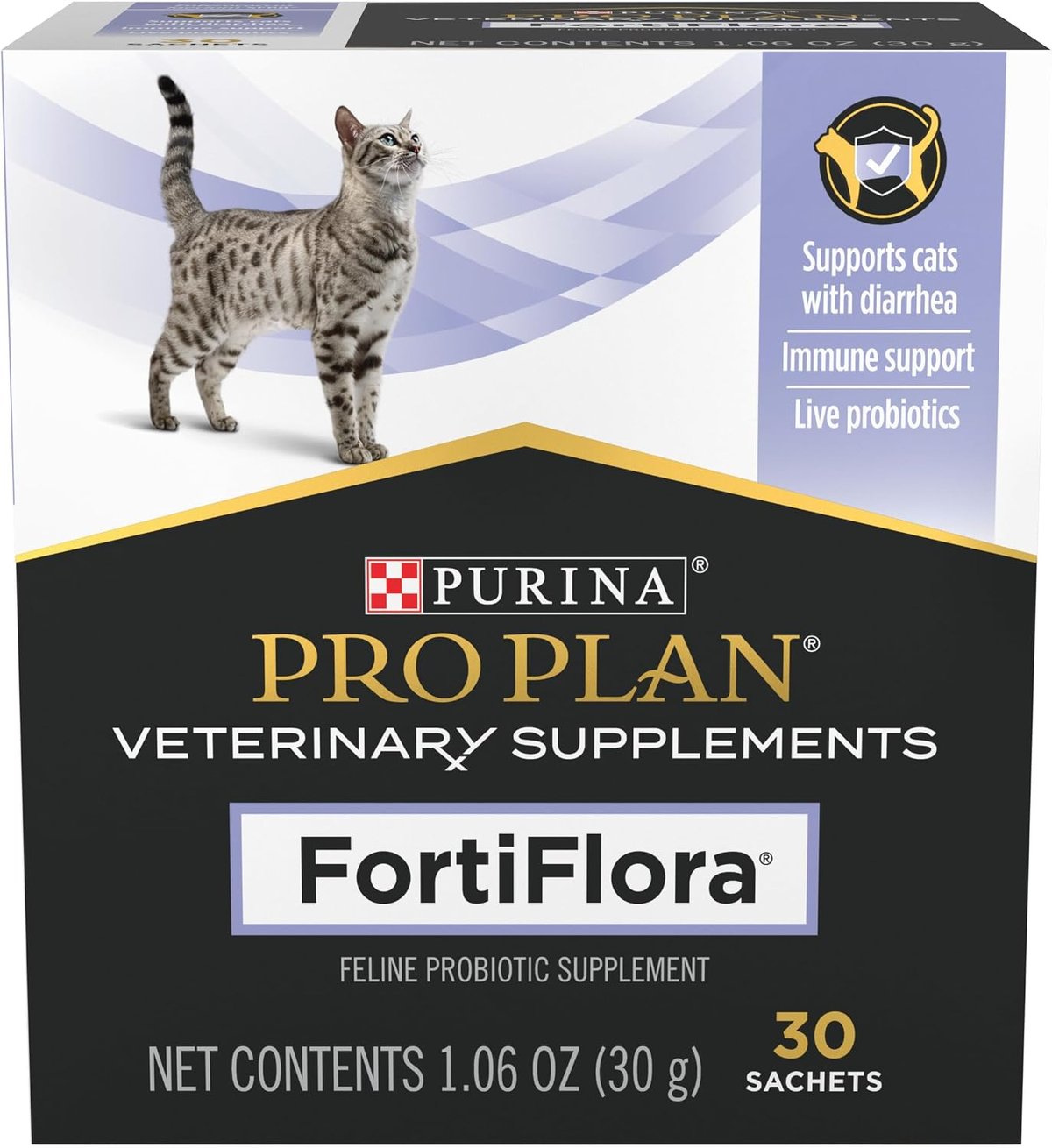
Antibiotics kill beneficial gut bacteria along with harmful bacteria, causing diarrhea. Probiotics (Purina FortiFlora Probiotic Supplement for Cats — about 25-30 dollars for a 30-count box) restore beneficial bacteria. Always give probiotics during and after antibiotic courses.
Home Treatment for Mild Cat Diarrhea (Free to 5 Dollars)
Home treatment is appropriate ONLY if:
- Your cat has had diarrhea for less than 48 hours
- The diarrhea is soft to watery but contains no blood
- Your cat is otherwise acting normally — eating, drinking, alert, using the litter box normally
- Your cat is not a kitten, senior, or a cat with known health conditions
- No vomiting accompanies the diarrhea
The Protocol
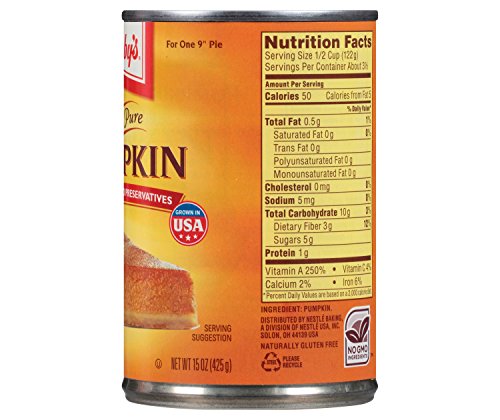
- Feed a bland diet for 2-3 days — Boiled boneless chicken breast (plain, no seasoning, no skin, no fat) or Libby’s 100 Percent Pure Canned Pumpkin — about 3-6 dollars for a 15 oz can (1-2 teaspoons mixed with a small amount of wet food). The bland diet rests the digestive tract and allows it to recover.
- Provide plenty of fresh water — Diarrhea causes dehydration. Ensure water is always available. Add water to food to increase intake.
- Add pumpkin (plain, canned, not pie filling) — Libby’s 100 Percent Pure Canned Pumpkin — about 3-6 dollars. 1-2 teaspoons per meal. The soluble fiber in pumpkin firms the stool and normalizes digestion. Works for both constipation and diarrhea.
- Give a probiotic — Purina FortiFlora — about 25-30 dollars for 30 packets, or Nutramax Proviable Probiotics — about 12-18 dollars for 80 capsules. Restores beneficial gut bacteria. Mix with food daily for 5-7 days. Or use plain, unsweetened yogurt with live cultures (1/2 teaspoon) as a budget probiotic source.
- Do NOT give human diarrhea medications — Imodium (loperamide) is toxic to cats in some cases. Pepto-Bismol contains salicylate, which is toxic to cats. Kaopectate may contain bismuth, which is also toxic. Never give any human medication to your cat without veterinary approval.
- Transition back to normal food gradually — Over 3-4 days, mix increasing amounts of normal food with the bland diet. A sudden return to normal food can restart the diarrhea.
If the diarrhea does not improve in 48 hours, worsens, or your cat develops other symptoms (vomiting, lethargy, not eating), see the vet.
When Cat Diarrhea Is an Emergency
See the vet immediately if:
- Diarrhea contains blood — Red blood or dark, tarry stool. Indicates inflammation, ulcers, or bleeding in the GI tract.
- Diarrhea with vomiting — Rapid dehydration risk, especially in kittens and seniors.
- Diarrhea lasting more than 48 hours — Chronic diarrhea indicates underlying disease.
- Your cat is lethargic, weak, or not eating — Signs of systemic illness.
- Diarrhea in a kitten under 6 months — Kittens dehydrate rapidly and can die within 24 hours.
- Diarrhea in a senior cat — More likely to be a sign of serious disease (IBD, hyperthyroidism, lymphoma).
- Foul-smelling, greasy, light-colored diarrhea — May indicate pancreatic disease or liver disease.
- Your cat is also losing weight — Chronic weight loss with diarrhea indicates malabsorption, IBD, or cancer.
- Diarrhea with increased thirst and urination — May indicate diabetes or kidney disease.
- Your cat has not eaten or drunk water for 24 hours — Severe dehydration risk.
The Diagnostic Workup (When Diarrhea Is Chronic)
If your cat has had diarrhea for 2+ weeks, see the vet for a diagnostic workup:
| Test | Cost | What It Detects |
|---|---|---|
| Fecal exam (float and Giardia test) | 15-30 dollars | Parasites, Giardia, coccidia |
| Blood work (CBC + chemistry + thyroid) | 80-150 dollars | Kidney disease, liver disease, hyperthyroidism, infection, anemia |
| Fecal culture | 30-60 dollars | Bacterial infection (Salmonella, Campylobacter) |
| Abdominal ultrasound | 150-300 dollars | IBD, intestinal wall thickening, tumors, enlarged organs |
| Food trial (8-week elimination diet) | 0-10 dollars/month extra | Food allergy |
| Endoscopy with biopsy | 500-1,000 dollars | IBD, lymphoma, definitive diagnosis |
Preventing Cat Diarrhea (Free to 15 Dollars Per Month)
- Transition foods gradually — Over 7-10 days, mix new and old food. Never switch food suddenly.
- Feed a consistent diet — Cats thrive on consistency. Find a food that works and stick with it. Frequent food changes disrupt gut bacteria.
- Regular deworming — 5-15 dollars/month. Indoor cats: twice yearly. Outdoor cats: monthly. Use Revolution Plus — about 15-25 dollars per dose, or Advantage Multi — about 12-20 dollars per dose, for combined parasite prevention.
- Probiotics during and after antibiotics — FortiFlora — about 25-30 dollars/month. Always give probiotics when your cat is on antibiotics and for 2 weeks after.
- Annual blood work for cats over 8 — 80-150 dollars. Catches hyperthyroidism, kidney disease, and other systemic causes before diarrhea starts.
- Do not feed dairy — Most adult cats are lactose intolerant. No milk, cheese, or cream.
- Do not feed table scraps — Seasoned, fatty, or spicy food causes diarrhea. If you give human food, it should be plain, unseasoned, and cooked.
- Keep trash secure — Cats that eat garbage get diarrhea. Use a trash can with a lid.
- Pumpkin as a daily supplement — Libby’s 100 Percent Pure Canned Pumpkin — about 3-6 dollars for a can. 1/2 teaspoon daily in food normalizes stool consistency and provides fiber.

The Bottom Line
Cat diarrhea is more often a sign of disease than dog diarrhea. Home treatment (0-5 dollar protocol: boiled chicken and plain canned pumpkin — about 3-6 dollars — for 2-3 days, probiotics like FortiFlora at 25-30 dollars or Proviable at 12-18 dollars, plenty of water) is appropriate only for mild diarrhea under 48 hours in a cat that is otherwise acting normally. Never give Imodium, Pepto-Bismol, Kaopectate, or any human diarrhea medication — many are toxic to cats. See the vet immediately if diarrhea contains blood, is accompanied by vomiting, lasts more than 48 hours, or if your cat is lethargic, not eating, a kitten, or a senior. For chronic diarrhea (2+ weeks), get a diagnostic workup: fecal exam (15-30 dollars, checks parasites), blood work including thyroid (80-150 dollars, catches hyperthyroidism and kidney disease), and abdominal ultrasound (150-300 dollars, checks for IBD and lymphoma). The 7 common causes: diet change (transition over 7-10 days), parasites (deworm with Revolution Plus or Advantage Multi at 5-15 dollars/month), food allergies (8-week elimination diet), IBD (prescription diet like Hill’s i/d or Royal Canin Gastrointestinal plus prednisolone at 5-15 dollars/month), hyperthyroidism (methimazole or Hill’s y/d at 8-15 dollars/month), intestinal lymphoma (chemotherapy at 15-30 dollars/month, 1-3 year remission), and antibiotic-associated diarrhea (probiotics at 10-15 dollars/month). Prevent diarrhea with gradual food transitions, a consistent diet, regular deworming, probiotics during antibiotics, annual blood work for seniors (80-150 dollars), no dairy, no table scraps, and a daily 1/2 teaspoon of plain canned pumpkin (3-6 dollars for a can that lasts weeks). The 3-dollar can of pumpkin and 12-dollar probiotics resolve most mild cases — but the 80-dollar blood test catches the serious causes before they become emergencies.
Last updated: July 2026 | By ThriftyPaw | Prices and availability subject to change
ThriftyPaw is reader-supported. As an Amazon Associate, we earn from qualifying purchases. This comes at no extra cost to you — we only recommend products we believe in for your pet.
My take: Treat the under-48-hour mild case with pumpkin and a probiotic, but respect the difference from dogs: recurring cat diarrhea is a disease hunt, not a diet tweak. The fecal exam at $15-30 is the first stop; the answer is usually parasites, intolerance, or the thyroid.
Related guides
- Dog Christmas Photo Props for 30 Dollars. My Studio Quote Was 150.
- Dog Eye Care on a Budget: 2-Minute Daily Check Under 10 Dollars in Tools
- Budget Dog GPS Trackers: Complete Guide to Finding Your Dog (2026)
- Budget Dog Birthday Party Ideas: Complete Party Under 30 Dollars
- My Dog's Ear Infection Cost 300 Dollars. These 3 Cleaners Keep It From Happening Again
🐾 Get Your Free Big Dog First Aid Kit Checklist
Join our newsletter and get this free printable plus weekly tips.
Frequently Asked Questions
When is cat diarrhea an emergency?
Cat diarrhea is more often a disease signal than dog diarrhea: the red lines are blood, 48+ hours duration, vomiting alongside, or lethargy — and the underlying-disease list is why (IBD, hyperthyroidism at $8-15/month methimazole, even lymphoma). Cats dehydrate faster; the window for home treatment is shorter.
How do I treat mild cat diarrhea at home?
The free-to-$5 protocol for the under-48-hour, no-blood, otherwise-normal case: brief dietary rest, then the bland introduction — plain canned pumpkin (Libby's, $3-6, the soluble fiber), and a probiotic (FortiFlora at $25-30 for 30 packets, or Proviable at $12-18). If it doesn't clear in 48 hours, the $15-30 fecal exam is next.
Why does my cat keep getting diarrhea?
The recurring causes the guide lists: parasites (the $15-30 fecal finds them, $5-15 deworms them — Revolution Plus at $15-25/month covers the ongoing prevention), food intolerance (the 8-week elimination trial), and IBD — the diagnosis-of-elimination that needs the vet workup. Recurrence is the signal to stop treating episodes and find the cause.
Liked this guide? Get the next one in your inbox — the pet budget checklist is free too.
✓ You're in — check your inbox.
No spam. Unsubscribe anytime. We never share your email.
Price Check
Prices verified via our product tracker. Updated Sep 27.
| Revolution Plus (selamectin and sarolaner Topical Solution | $75.18 | 4.8★ |
| Advantage II Large Cat Topical Flea Treatment & Prevention | $51.92 | 4.5★ (81,163) |
| Hill's Prescription Diet i/d Digestive Care Wet Cat Food | | $83.99 | 4.2★ (200) |
| ROYAL CANIN Veterinary Diet Feline Gastrointestinal Fiber | $78.99 | 4.5★ (239) |
| Hill's Prescription Diet y/d Thyroid Care Dry Cat Food | # | $83.99 | 4.6★ (444) |
| Purina Pro Plan Vet Supplements FortiFlora Cat Probiotic P | $30.99 | 4.7★ (20,371) |
| Libby's 100% Pure pumpkin, pumpkin Pie Filling, Bulk, 6 lb | $20.33 | 4.6★ (1,181) |
| Nutramax Proviable Probiotics for Dogs & Cats, Sprinkle Ca | $19.97 | 4.6★ (19,754) |
As an Amazon Associate we earn from qualifying purchases.