This article contains affiliate links. We may earn a commission from qualifying purchases.
Some content on this site is AI-assisted and reviewed by our editorial team.
You just got the bill from the emergency vet. Your dog swallowed something he shouldn’t have, and three hours of care later, you’re staring at a number with three zeros. The vet asks if you have pet insurance, and you wonder the same thing every budget-minded dog owner eventually faces: is pet insurance actually worth it, or is it just another monthly bill that never pays off?
The answer isn’t simple, but it is clearer than most people think. Let’s break down the real costs, the real coverage, and whether a policy makes sense for your wallet — not someone else’s idea of what you should spend on your dog.
What Pet Insurance Actually Costs
Monthly premiums for dogs typically range from 30 to 50 dollars, which works out to 360 to 600 dollars per year. That’s the number most people see in the marketing, but it’s only part of the picture. You also need to factor in deductibles — usually 200 to 500 dollars per year — and reimbursement rates, which determine how much of the bill the insurance actually covers after you meet your deductible.
Reimbursement rates fall between 70 and 90 percent. Here’s what that looks like in practice: if you have a 500-dollar deductible and an 80 percent reimbursement rate, and your dog needs a 2,000-dollar procedure, you’d pay the first 500 dollars (your deductible), then insurance covers 80 percent of the remaining 1,500 — that’s 1,200 dollars from the insurer, leaving you with 800 dollars out of pocket on a 2,000-dollar bill. Not nothing, but definitely less than paying the full amount.
The key takeaway: pet insurance is not “free vet care.” It’s a risk transfer. You pay a predictable monthly cost to cap your exposure to unpredictable large bills. Whether that trade-off makes sense depends entirely on your dog’s health history and your financial cushion.

The Most Common Vet Expenses and What They Cost Out of Pocket
To judge whether insurance is worth it, you need to know what you’re actually insuring against. Here are the most common claims and what they cost without any coverage:
- Gastrointestinal issues (eating something weird, vomiting, diarrhea): 500 to 1,500 dollars per incident. This is the most common reason dogs end up at the vet, and it can escalate fast if surgery is needed.
- Skin conditions (allergies, hot spots, infections): 300 to 800 dollars per incident. Chronic skin problems can recur multiple times a year.
- Ear infections: 200 to 500 dollars per visit. Some breeds, especially floppy-eared dogs, get these repeatedly.
- Torn ACL: 2,000 to 5,000 dollars for surgery and rehab. This is the single biggest budget-buster for medium and large dogs.
- Cancer treatment: 5,000 dollars and up, sometimes well over 10,000 dollars for full treatment protocols. This is the scenario most people buy insurance hoping to avoid.
The average insurance claim payout is 800 to 900 dollars per incident, which tells you that most claims are in the moderate range — not catastrophic, but not pocket change either. The real value of insurance shows up when you hit that 2,000-dollar-plus threshold, where an unexpected bill could mean choosing between your savings and your dog’s care.

Break-Even: When Insurance Saves You Money
Let’s do the math. If you pay 40 dollars a month (480 dollars a year) with a 300-dollar deductible and 80 percent reimbursement, your total annual cost is 480 dollars in premiums, and you’d need a claim above 375 dollars just to get anything back after your deductible kicks in. For insurance to break even, you need roughly one major incident every two to three years.
Here’s a realistic three-year scenario: you pay 1,440 dollars in premiums over three years. Your dog tears an ACL in year two — a 3,500-dollar surgery. After your 300-dollar deductible, insurance covers 80 percent of 3,200, which is 2,560 dollars. You’ve paid 1,440 in premiums plus your 300-dollar deductible plus 640 out of pocket on the surgery, totaling 2,380 dollars. Without insurance, you’d pay 3,500. You saved over 1,000 dollars.
But here’s the flip side: if your dog stays healthy for three years — which is the best-case scenario for your dog, if not your wallet — you’ve spent 1,440 dollars on premiums with zero return. That money is gone. Pet insurance isn’t an investment; it’s insurance. It only “pays off” when something goes wrong.
The break-even analysis comes down to this: if you can absorb a 3,000 to 5,000-dollar emergency without going into debt, insurance is optional. If a surprise 2,000-dollar vet bill would be a genuine financial crisis, insurance is worth serious consideration.
Accident-Only Plans: The Budget Sweet Spot
If you’re reading this, you’re probably budget-conscious. Here’s where accident-only plans come in. At 15 to 25 dollars a month, these policies cover emergencies — broken bones, swallowed objects, car accidents, bite wounds — but not illnesses like cancer or infections. For most budget-minded dog owners, this is the smartest entry point.
Why accident-only makes sense: the events that can truly devastate a budget are sudden, expensive emergencies. A torn ACL, a dog fight, eating something toxic — these can cost thousands in a single afternoon. Meanwhile, routine illnesses like ear infections and skin conditions, while annoying, typically cost a few hundred dollars and are manageable out of pocket.
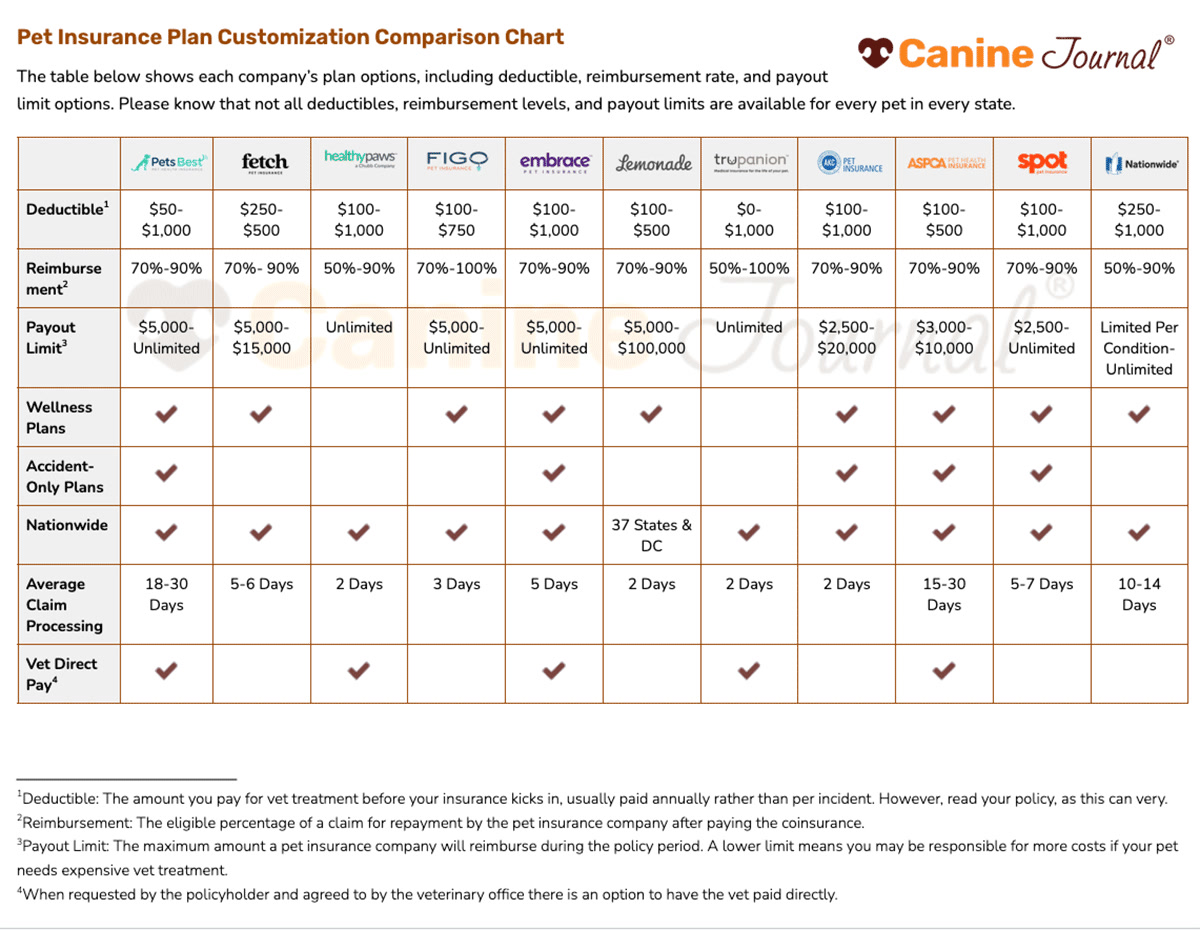
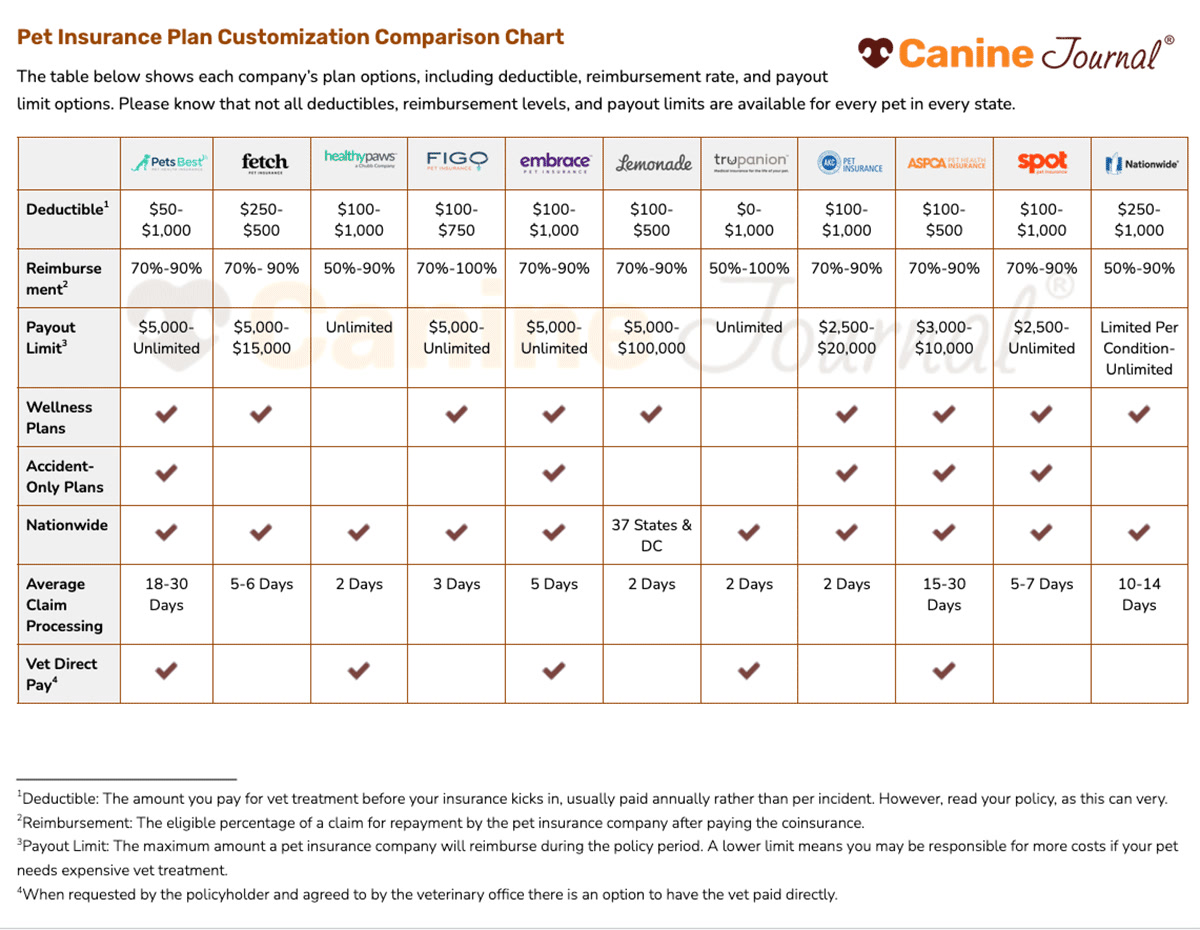
Accident-only plans from providers like Pets Best, Pawp, and Lemonade start around 20 dollars a month with deductibles as low as 200 dollars. That’s 240 dollars a year to protect against the kind of vet bills that could force impossible choices. For most budget dog owners, that’s the coverage that matters most.

What Pet Insurance Does NOT Cover
Before you sign up, understand what you’re not getting. The fine print matters, and it’s where most disappointment comes from:
- Pre-existing conditions: If your dog has been treated for it before, it’s excluded. No exceptions. This is the number one reason claims get denied. If your dog already has skin allergies, no policy will cover future flare-ups.
- Hereditary conditions (with some policies): Hip dysplasia in German Shepherds, back problems in Dachshunds, eye issues in Pugs — some policies exclude breed-specific hereditary conditions, though comprehensive plans from some providers cover them.
- Dental cleaning and dental disease: Routine dental cleanings (which cost 300 to 700 dollars) are almost never covered unless you add a wellness rider, and even then, the coverage is usually capped at a low amount.
- Spay and neuter: These are considered elective procedures. Not covered under standard plans.
- Grooming, nail trims, and routine checkups: These fall under “wellness,” which standard insurance doesn’t cover.
- Preventive medications: Flea, tick, and heartworm prevention are typically out of pocket unless you buy a wellness add-on.
The frustrating reality is that the conditions most likely to send you to the vet repeatedly — chronic issues, dental problems, breed-specific conditions — are exactly what many policies exclude. That doesn’t mean insurance is worthless, but it means you need to read the policy details before you buy, not after your first claim gets denied.
Self-Insurance: The Savings Account Alternative
There’s another option nobody in the pet insurance industry wants to talk about: self-insurance. Instead of paying 40 to 50 dollars a month to an insurance company, you set aside the same amount in a dedicated savings account. At 50 dollars a month, you’d have 600 dollars after one year, 1,200 after two, and 3,000 after five years — and that money is yours forever, whether your dog needs it or not.
The advantages are real: no deductibles, no claim denials, no pre-existing condition exclusions, no fighting with adjusters, and no wasted premiums if your dog stays healthy. If you have the discipline to actually set the money aside and not dip into it for other things, self-insurance can work well.
The disadvantages are equally real: you’re on the hook for the full amount of any bill, and if a major emergency happens in year one before you’ve built up savings, you might not have enough. A 3,000-dollar emergency in month three wipes out your 150-dollar fund and leaves you 2,850 dollars short. Insurance would have covered most of that bill for the same monthly outlay.
The hybrid approach many financial advisors recommend: get an accident-only plan (15 to 25 dollars a month) for catastrophic protection and put 25 to 30 dollars a month into a savings account for routine costs. You get the safety net for the big stuff and a growing fund for the smaller things insurance won’t cover anyway.

Top 4 Budget-Friendly Pet Insurance Providers Compared
Not all pet insurance is created equal, and the cheapest option isn’t always the best value. Here are four providers that balance cost and coverage for budget-minded dog owners:
1. Lemonade (Best Overall Value)
Lemonade offers comprehensive coverage starting around 30 dollars a month for dogs, with a clean app-based experience and fast claims processing — often paid out within minutes. Their accident and illness plan covers the big stuff: emergencies, surgeries, hospitalizations, and diagnostics. The downside is they don’t cover exam fees, and their illness coverage has a 14-day waiting period. If you want wellness add-ons, expect to pay another 10 to 15 dollars a month.
2. Pawp (Best for Emergencies Only)
Pawp takes a different approach: for about 19 dollars a month, you get a 3,000-dollar emergency fund that covers any unexpected vet bill, regardless of breed or pre-existing conditions (for emergency visits only). It’s not traditional insurance — it’s an emergency safety net. If your dog swallows a sock or gets hit by a car, Pawp covers it. If your dog develops a chronic skin condition, it doesn’t. For budget owners who want catastrophic protection without the complexity, Pawp is hard to beat.
3. Pets Best (Best Accident-Only Option)
Pets Best offers an accident-only plan starting at 16 dollars a month, making it one of the cheapest ways to get meaningful coverage. It covers broken bones, lacerations, swallowed foreign objects, bite wounds, and other emergencies. There’s no annual payout limit on accident-only plans, and you can choose deductibles from 200 to 500 dollars. If you want illness coverage, their comprehensive plans start around 35 dollars a month.
4. Embrace (Best for Customizable Coverage)
Embrace lets you mix and match deductible amounts (200 to 1,000 dollars), reimbursement rates (70 to 90 percent), and annual limits, so you can dial in a plan that fits your exact budget. Their healthy pet deductible decreases by 50 dollars each year you don’t file a claim, which is a nice incentive. Comprehensive coverage starts around 35 to 45 dollars a month for dogs. They also offer a wellness rewards program for routine care, though it’s more of a budgeting tool than true insurance.
The ThriftyPaw Verdict
After running the numbers and reading the fine print, here’s the honest take:
Get accident-only insurance if: You’re on a tight budget and a surprise 2,000-dollar vet bill would cause real financial hardship. Accident-only plans at 15 to 25 dollars a month are the best value for most dog owners — they cover the scenarios most likely to drain your bank account without costing a fortune in premiums. Think of it as car insurance for your dog: you hope you never need it, but you’re glad it’s there.
Get comprehensive insurance if: You can comfortably afford 40 to 50 dollars a month and want the peace of mind that comes with covering illness, chronic conditions, and major procedures. This is especially worth it for puppies (who haven’t developed pre-existing conditions yet) and purebreds (who are more prone to hereditary health issues).
Skip insurance and self-insure if: You have at least 3,000 to 5,000 dollars in savings that you can dedicate to vet care, and you have the discipline to keep that fund separate. You’ll save money in the long run if your dog stays healthy, and you won’t have to deal with claim denials or coverage gaps.
The worst option is the one too many dog owners choose: no insurance and no savings. That’s how a 3,000-dollar emergency becomes a gut-wrenching decision about whether you can afford your dog’s care. Pick a strategy — insurance, savings, or a combination — and commit to it before you need it.
Bottom Line
Pet insurance is not a scam, but it’s also not a no-brainer. For budget-minded dog owners, accident-only plans at 15 to 25 dollars a month offer the best bang for your buck — they cover the expensive emergencies while keeping premiums affordable. Comprehensive plans make sense if you can afford the monthly cost and want broader protection, especially for younger dogs and purebreds. And if you have solid savings, self-insurance keeps every dollar under your control. The only wrong answer is doing nothing and hoping for the best — because hope is not a financial plan.
Last updated: May 2026 | By ThriftyPaw
n
ThriftyPaw is reader-supported. As an Amazon Associate, we earn from qualifying purchases. This means we may earn a small commission when you buy through links on this site at no additional cost to you. We only recommend products we genuinely believe in. Thank you for supporting ThriftyPaw.
My take: The honest break-even: insurance loses money most years and saves you from catastrophe in one — that’s the product you’re buying. Take Lemonade-level pricing ($30-50 range) if your dog is young, switch to self-insuring only if you could truly absorb a $5,000 bill tomorrow, and never skip the fine print on pre-existing conditions.
Related guides
- Caring for a Senior Dog on a Budget — What Changes, What Costs, and How to Save
- How to Budget for Unexpected Vet Bills: 5-Step Safety Net Plan
- Heartworm Prevention on a Budget: Complete Guide Under 12 Dollars Per Month
- Budget Dog Birthday Party Ideas: Complete Party Under 30 Dollars
- Senior Dog Food on a Budget — What Changes, What to Feed, and What to Skip (2026)
🐾 Get Your Free Big Dog First Aid Kit Checklist
Join our newsletter and get this free printable plus weekly tips.
Frequently Asked Questions
When does pet insurance break even?
The guide's math: at $40 a month with a $300 deductible and 80% reimbursement, you break even around a $375 claim in a year. The real value kicks in at the $2,000-plus threshold — the torn ACL at $2,000-5,000 or cancer treatment at $5,000+ where the bill would force a choice between savings and care.
What doesn't pet insurance cover?
Pre-existing conditions, always — which is why insuring young and healthy matters. Routine wellness visits are typically excluded from base plans too (wellness add-ons exist but rarely pay for themselves). Read the waiting periods before you need them; most plans won't pay for anything in the first weeks.
Can I self-insure my dog instead?
Yes — the savings-account alternative where you bank the $360-600 a year in premiums. It wins if nothing catastrophic happens and you keep the money; it loses badly against a single $5,000+ claim in year two. A hybrid — a cheaper accident-only plan plus savings — covers the realistic middle.
Liked this guide? Get the next one in your inbox — the pet budget checklist is free too.
✓ You're in — check your inbox.
No spam. Unsubscribe anytime. We never share your email.