
This article contains affiliate links. We may earn a commission from qualifying purchases.
Some content on this site is AI-assisted and reviewed by our editorial team.

Dog vomiting is scary, but in most cases it is the body’s way of expelling something that should not be there. The key is knowing when it is a minor issue you can handle at home and when it is an emergency that needs immediate veterinary care. This guide covers both scenarios — and how to handle the most common causes of vomiting for under 15 dollars.
Why Dogs Vomit (The 7 Most Common Causes)
- Dietary indiscretion — your dog ate trash, table scraps, grass, or something off the sidewalk. The most common cause, accounting for about 50 percent of all vomiting cases.
- Eating too fast — dogs that gulp food without chewing often vomit immediately after. Not a health problem, just a bad habit.
- Sudden diet change — switching food brands too quickly. Always transition over 7-10 days.
- Motion sickness — vomiting in the car. See our guide on dog car sickness for solutions.
- Intestinal parasites — roundworms, hookworms, giardia. Common in puppies and dogs that drink from streams.
- Toxins or poisons — chocolate, xylitol, rat poison, antifreeze, certain plants, human medications. This is an emergency.
- Underlying illness — pancreatitis, kidney disease, liver disease, bloat, intestinal blockage. These need immediate vet attention.
Vomit Appearance: What It Means
| Appearance | Likely Cause | Action |
|---|---|---|
| Yellow bile, morning, empty stomach | Bilious vomiting syndrome — stomach acid on empty stomach | Feed smaller, more frequent meals. Usually harmless. |
| Undigested food, shortly after eating | Eating too fast or too much | Slow feeder bowl. Usually harmless. |
| White foam | Indigestion or respiratory issue | Monitor. If persistent, see vet. |
| Grass and plant material | Dog ate grass to induce vomiting | Usually harmless. Prevent access to treated lawns. |
| Brown, smells like feces | Intestinal blockage — feces backing up into stomach | EMERGENCY — see vet immediately |
| Red blood or coffee grounds | GI bleeding — stomach ulcer, foreign body, poisoning | EMERGENCY — see vet immediately |
| Green | Bile or possibly toxin ingestion | See vet if persistent or accompanied by lethargy |
The 12-Hour Home Protocol (Under 10 Dollars)
For adult dogs with one or two vomiting episodes, no blood, acting otherwise normal:
Step 1: Withhold Food for 12 Hours (Free)
Let the stomach rest. Water should always be available in small amounts — offer a few laps every 30 minutes. Too much water at once can trigger more vomiting.
Do not fast puppies under 6 months, small dogs under 10 pounds, or diabetic dogs. These dogs need steady blood sugar and should see a vet if they vomit more than once.
Step 2: Offer Ice Chips (Free)
If your dog vomits water, offer ice chips instead. They provide hydration without triggering the stomach to reject large volumes of liquid.
Step 3: Bland Diet After Fast (Under 5 Dollars)
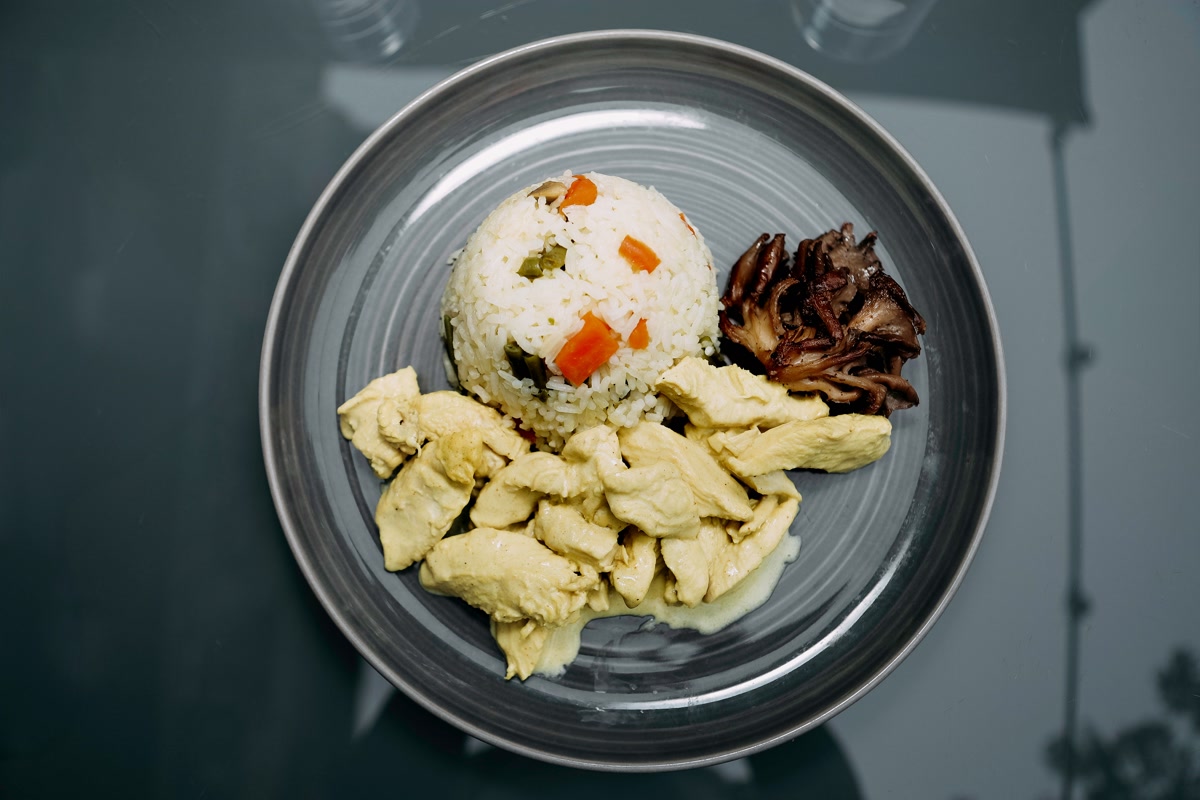
After 12 hours without vomiting, offer a small meal of boiled white rice with boiled chicken:
- 1/4 of normal meal size for the first feeding
- If no vomiting in 2 hours, offer another 1/4 meal
- Gradually increase meal size over 24 hours
- Continue bland diet for 2-3 days before transitioning back to normal food
Top Pick: Check Price on Amazon →
Step 4: Add Probiotics (Under 3 Dollars)
Plain canned pumpkin (not pumpkin pie filling) helps soothe the digestive tract. 1-2 tablespoons per meal. One can costs under 2 dollars. Alternatively, plain yogurt with live cultures provides beneficial bacteria.

When Vomiting Is an Emergency
Go to the vet or emergency clinic immediately if you see any of these signs:
- Vomiting blood — red blood or dark coffee-ground appearance. This indicates GI bleeding and is life-threatening.
- Vomiting more than 3 times in an hour or persistent vomiting for more than 24 hours.
- Projectile vomiting — vomit shoots out with force. May indicate blockage.
- Abdominal swelling or pain — your dog’s belly is distended or they cry when touched. Could be bloat (gastric dilatation-volvulus), which is fatal within hours without surgery.
- Lethargy or collapse — your dog cannot stand, is unresponsive, or acts disoriented.
- Vomiting with diarrhea — the combination causes rapid dehydration and may indicate parvovirus, infection, or blockage.
- Fever — above 103 degrees with vomiting indicates infection.
- Pale gums — white or gray gums indicate internal bleeding or shock.
- Known toxin ingestion — if you saw your dog eat chocolate, xylitol, rat poison, medication, or antifreeze, go to the vet immediately even if they have not vomited yet.
- Puppies under 6 months — vomiting in puppies is always more serious. Dehydration happens fast, and parvovirus is a risk.
| Product | Cost | Best For | Buy |
|---|---|---|---|
| Slow feeder bowl | 10-15 dollars | Fast eaters | Check Price → |
| Food puzzle toy | 15-20 dollars | Mental stimulation + slow eating | Check Price → |
| Canned pumpkin (fiber) | 2 dollars | Digestive soothing | Check Price → |
| Pyrantel dewormer | 8-10 dollars | Roundworms/hookworms | Check Price → |
Preventable Causes of Vomiting
Dietary Indiscretion (Free to Prevent)
Keep trash cans secured with lids, pick up food scraps on walks, and do not leave human food within reach. The most common vomiting trigger is your dog finding something they should not eat.
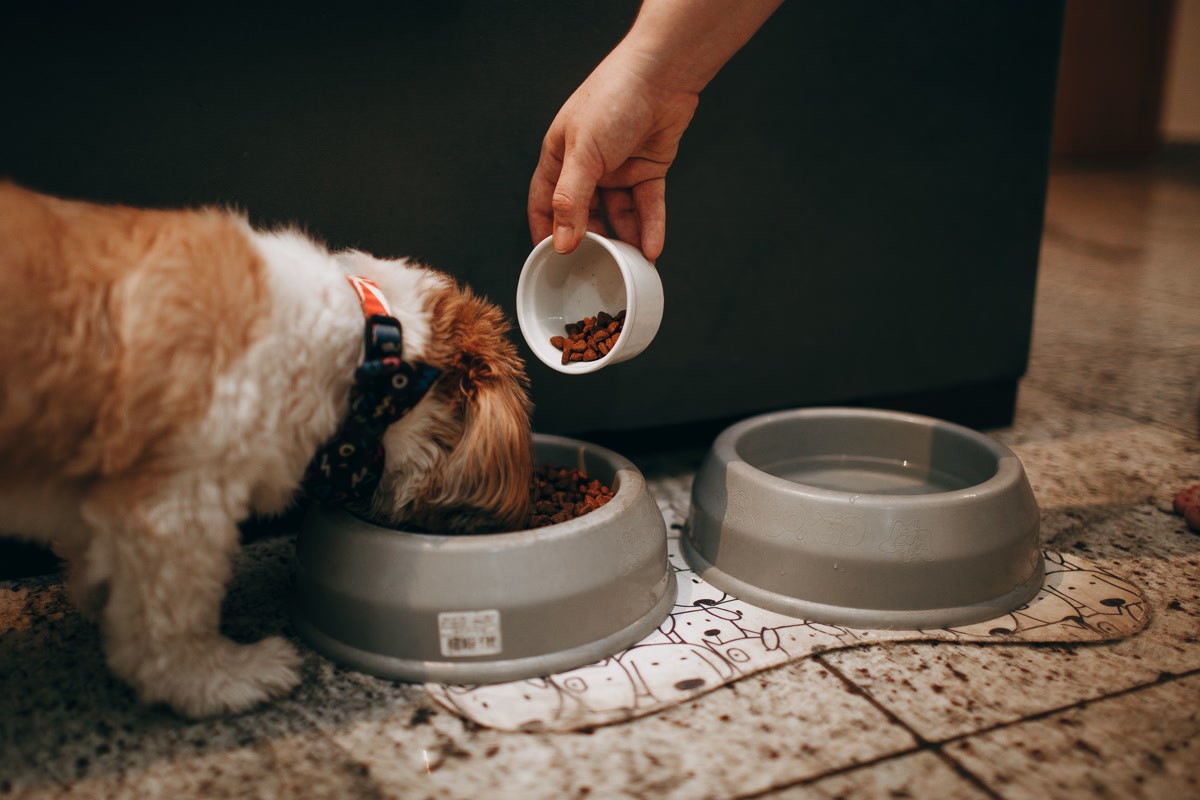
Eating Too Fast (Under 15 Dollars to Fix)
If your dog vomits immediately after meals, they are eating too fast. Solutions:
- Slow feeder bowl — a bowl with ridges and obstacles that forces the dog to eat slower. Under 15 dollars.
- Food puzzle — makes the dog work for each kibble piece. Under 20 dollars.
- Scatter feeding — spread kibble across the floor so the dog eats one piece at a time. Free.
- Tennis ball in bowl — place a tennis ball in the food bowl so the dog has to eat around it. Free.
- Small frequent meals — instead of one large meal, feed 2-3 smaller meals. Free.
Top Pick: Check Price on Amazon →
Top Pick: Check Price on Amazon →
Bilious Vomiting Syndrome (Free to Fix)
If your dog vomits yellow bile in the morning before breakfast, it is bilious vomiting syndrome. Stomach acid builds up on an empty stomach overnight. The fix is simple: feed a small meal right before bed and first thing in the morning. No medication needed.
Parasite Prevention (Under 15 Dollars Per Month)
Monthly heartworm and parasite prevention covers most intestinal worms. If your dog vomits worms (they look like spaghetti or rice grains), they have an active parasite infection. Over-the-counter dewormers (pyrantel pamoate, under 10 dollars) handle roundworms and hookworms. Giardia requires prescription medication from the vet.
Chronic Vomiting: When It Is Not a One-Time Issue
If your dog vomits regularly — more than once per week for several weeks — it is chronic. Possible causes include:
- Food allergy or intolerance
- Inflammatory bowel disease (IBD)
- Pancreatitis (especially in schnauzers and small breeds)
- Kidney disease
- Liver disease
- Addison’s disease
- Cancer
Chronic vomiting requires veterinary diagnosis. Expect bloodwork (50-150 dollars), possibly an ultrasound (200-400 dollars), and diet trials. The cost of diagnosis is worth it — chronic vomiting always has an underlying cause, and treating the symptom without finding the cause wastes money long-term.
What Not to Do
- Do not give human medication — Pepto-Bismol and Imodium are sometimes safe for dogs but can be dangerous depending on the cause. Always ask your vet first.
- Do not force water — if your dog is vomiting, forcing water makes it worse. Offer ice chips and small sips instead.
- Do not feed immediately after vomiting — wait at least 12 hours. Feeding too soon restarts the vomiting cycle.
- Do not ignore repeated vomiting — vomiting more than 3 times in a few hours is not “just a stomach bug.”
- Do not wait if you suspect a blockage — dogs eat toys, socks, corn cobs, and bones. Blockages kill within 24-48 hours if untreated.
The Bottom Line
Most dog vomiting is dietary and resolves with a 12-hour fast followed by a bland rice and chicken diet. Total cost: under 10 dollars. The red flags that demand immediate vet attention are blood in vomit, persistent vomiting (more than 3 times per hour), abdominal swelling, lethargy, or known toxin ingestion. For chronic vomiting (more than once per week), see your vet for diagnostic workup — the underlying cause will not resolve on its own. Prevention costs almost nothing: secure trash, feed slowly, and keep up with parasite prevention.
ThriftyPaw reviews budget pet products and shares practical care guides for dog owners. Learn more at About ThriftyPaw.
Last updated: July 2026 | By ThriftyPaw | Prices and availability subject to change
ThriftyPaw is reader-supported. As an Amazon Associate, we earn from qualifying purchases. This means we may earn a small commission when you buy through links on this site at no additional cost to you. We only recommend products we genuinely believe in. Thank you for supporting ThriftyPaw.
🐾 Get Your Free Big Dog First Aid Kit Checklist
Join our newsletter and get this free printable plus weekly tips.
Price Check
Prices verified via our product tracker. Updated Sep 27.
| TummyWorks Probiotics for Dogs & Cats with Prebiotics, 160 | $26.95 | 4.3★ (5,173) |
| Pecute Slow Feeder Dog Bowls to Slow Down Eating, Dog Slow | $19.99 | 4.4★ (8,127) |
| Zesty Paws Probiotics for Dogs - Gut Health Soft Chews, Pu | $2.60 | 4.5★ (25,510) |
As an Amazon Associate we earn from qualifying purchases.