This article contains affiliate links. We may earn a commission from qualifying purchases.
Some content on this site is AI-assisted and reviewed by our editorial team.
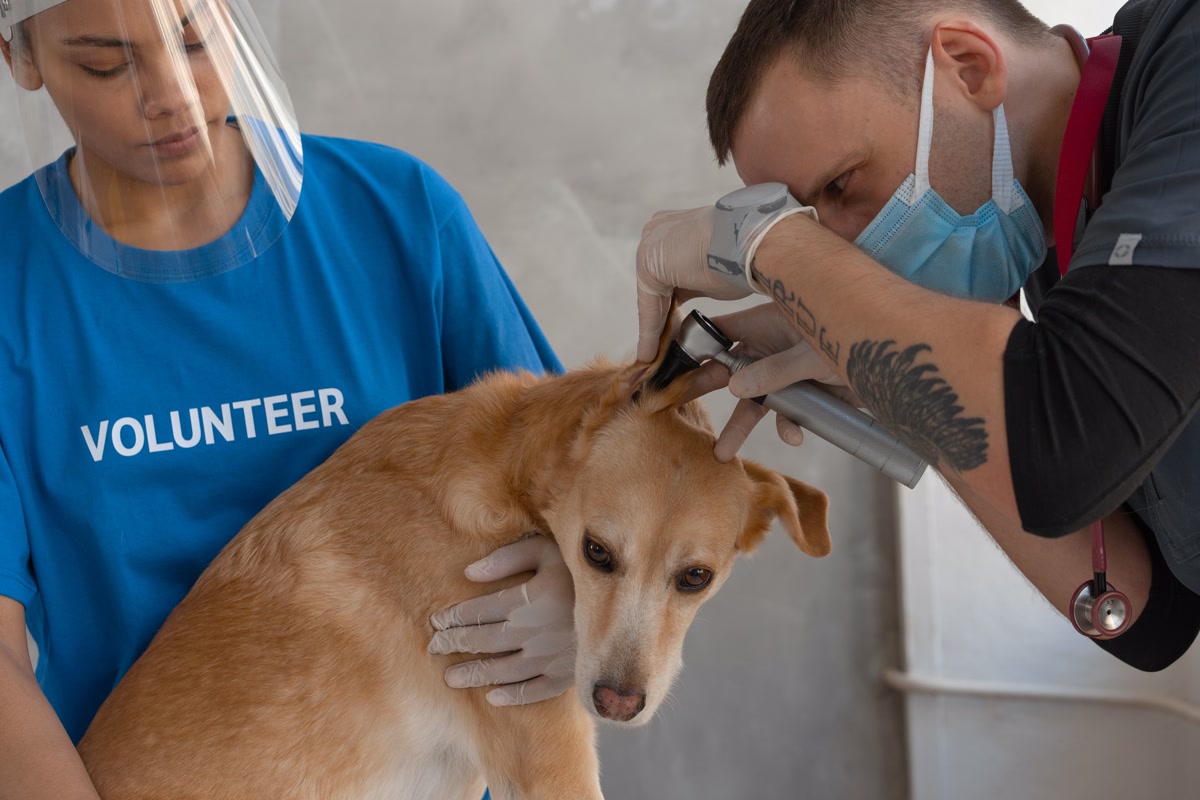
Ear infections are the number one reason dogs visit the vet after routine checkups. A single vet visit for an ear infection costs 80-200 Dollars — but most ear infections can be prevented at home for under 10 dollars per month, and mild infections can be treated with an over-the-counter cleaner for under 15 dollars. Here is the complete budget guide to preventing, identifying, and treating dog ear infections without overpaying.
Why Dogs Get Ear Infections
Dogs have L-shaped ear canals — a vertical canal that bends into a horizontal canal leading to the eardrum. This shape traps moisture, wax, and debris. Unlike humans, whose ear canals are relatively straight, dogs’ ear canals create a warm, dark, moist environment that is perfect for bacteria and yeast.
Some breeds are more prone to ear infections than others:
| Breed Type | Risk Level | Why |
|---|---|---|
| Floppy-eared (Cocker Spaniel, Basset Hound, Golden Retriever) | High | Ears cover the canal, trapping moisture |
| Heavy ears (Labrador, Poodle) | Medium-High | Thick ear flaps reduce airflow |
| Erect ears (German Shepherd, Husky) | Low | Better airflow, less moisture |
| Swimming breeds (Labrador, Poodle, Spaniel) | High | Water in the canal after swimming |
| Hairy ear canals (Poodle, Schnauzer) | High | Hair traps wax and moisture |
The Three Types of Ear Infections
- Bacterial — the most common type. Caused by staphylococcus or pseudomonas bacteria. Often produces a yellow or green discharge with a strong odor.
- Yeast (Malassezia) — produces a brown, waxy discharge with a sweet, musty smell. Common in warm, humid weather and after swimming.
- Ear mites — microscopic parasites. More common in puppies and dogs from shelters. Produces dark, coffee-ground-like discharge and intense itching.
Signs Your Dog Has an Ear Infection
Catch it early and you can often treat it at home. Look for:
- Head shaking — the most common first sign. Your dog shakes their head repeatedly, especially after lying down.
- Pawing at the ear — scratching at one ear more than usual.
- Odor — a yeasty, sweet, or foul smell from the ear.
- Discharge — brown wax (normal in small amounts), yellow or green pus (infection), or dark coffee-ground residue (mites).
- Redness — the inner ear flap or canal opening is pink or red instead of pale pink.
- Tilting head — holding the head tilted to one side persistently.
- Sensitivity — your dog pulls away or whines when you touch the ear.
If you see any of these, check the ear. Lift the ear flap and look inside with a flashlight. A healthy ear is pale pink with a small amount of clear or light brown wax. An infected ear is red, has excessive discharge, and smells bad.
The 10-Dollar Monthly Prevention Routine
Preventing ear infections costs under 10 dollars per month and takes 5 minutes per week. Here is the routine:
Weekly Ear Cleaning (Under 5 Dollars Per Month)
Clean your dog’s ears once per week with a dog-safe ear cleaner. This removes wax and moisture before bacteria and yeast can grow.
Virbac Epi-Otic Advanced Ear Cleaner is the veterinary standard — under 15 dollars for a bottle that lasts 3-4 months. For a budget alternative, Nutri-Vet Ear Cleanse is under 8 dollars and works well for routine maintenance.
How to Clean Dog Ears (Step by Step)
- Fill the canal — squeeze ear cleaner into the ear canal until you see it fill the opening. Do not touch the bottle tip to the ear (it contaminates the bottle).
- Massage the base — gently massage the base of the ear (where the ear meets the head) for 20-30 seconds. You will hear a squishing sound — that is the cleaner breaking up wax.
- Let them shake — step back and let your dog shake their head. This brings debris and excess cleaner out of the canal.
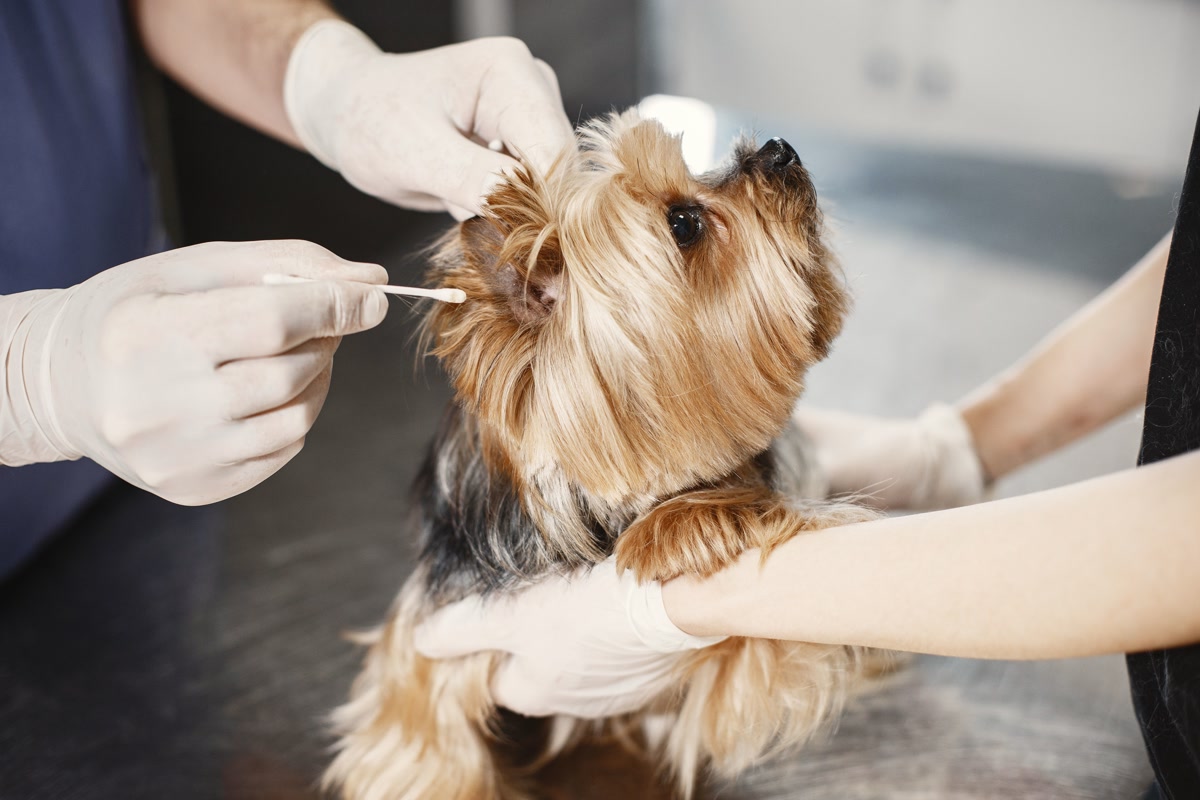
- Wipe clean — use a cotton ball or gauze pad to wipe the visible part of the ear canal. Never use cotton swabs (Q-tips) — they push debris deeper and can damage the eardrum.
- Reward — give a treat immediately. Your dog will learn to tolerate ear cleaning if it always ends with a reward.
After Swimming or Bathing (Free)
Water in the ear canal is the number one trigger for ear infections. After swimming or a bath:
- Dry the inside of the ear flap with a towel
- Put a few drops of ear cleaner in the canal (the cleaner displaces water)
- Let your dog shake, then wipe the opening
- For floppy-eared dogs, fold the ear back for 10-15 minutes to let air circulate
Pluck Ear Hair (For Hairy-Eared Breeds)
Poodles, Schnauzers, and other breeds with hair in the ear canal need regular plucking. The hair traps wax and moisture. Your groomer can do this, or you can use hemostats (7 dollars at any pharmacy) to gently pull small amounts of hair at a time. Do not pluck aggressively — a little at a time is safer and less painful.
Home Treatment for Mild Infections (Under 15 Dollars)
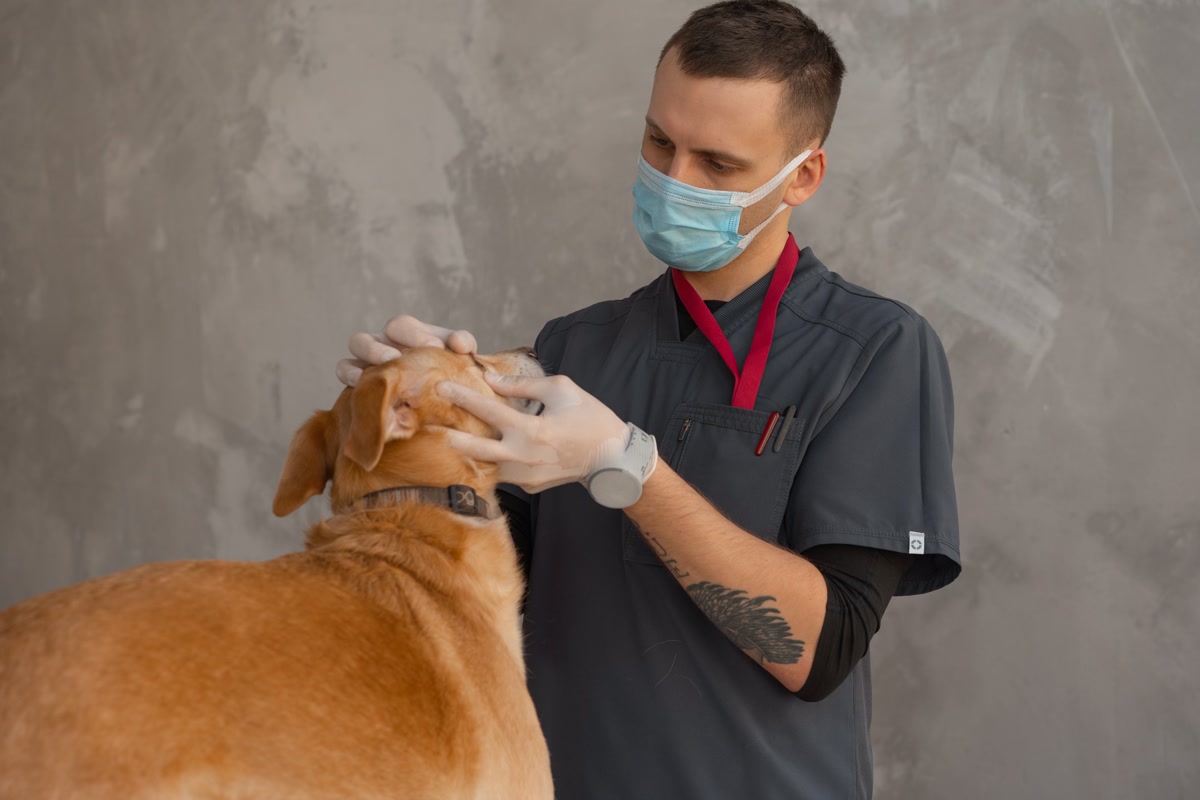
If you catch an ear infection early — slight odor, mild discharge, some head shaking but no pain — you can try home treatment for 48 hours before seeing the vet.
Step 1: Clean the Ear Thoroughly
Clean the ear 2-3 times per day with ear cleaner. This removes the discharge and bacteria that are feeding the infection. Use the cleaning technique above.
Step 2: Apply a Broad-Spectrum Treatment
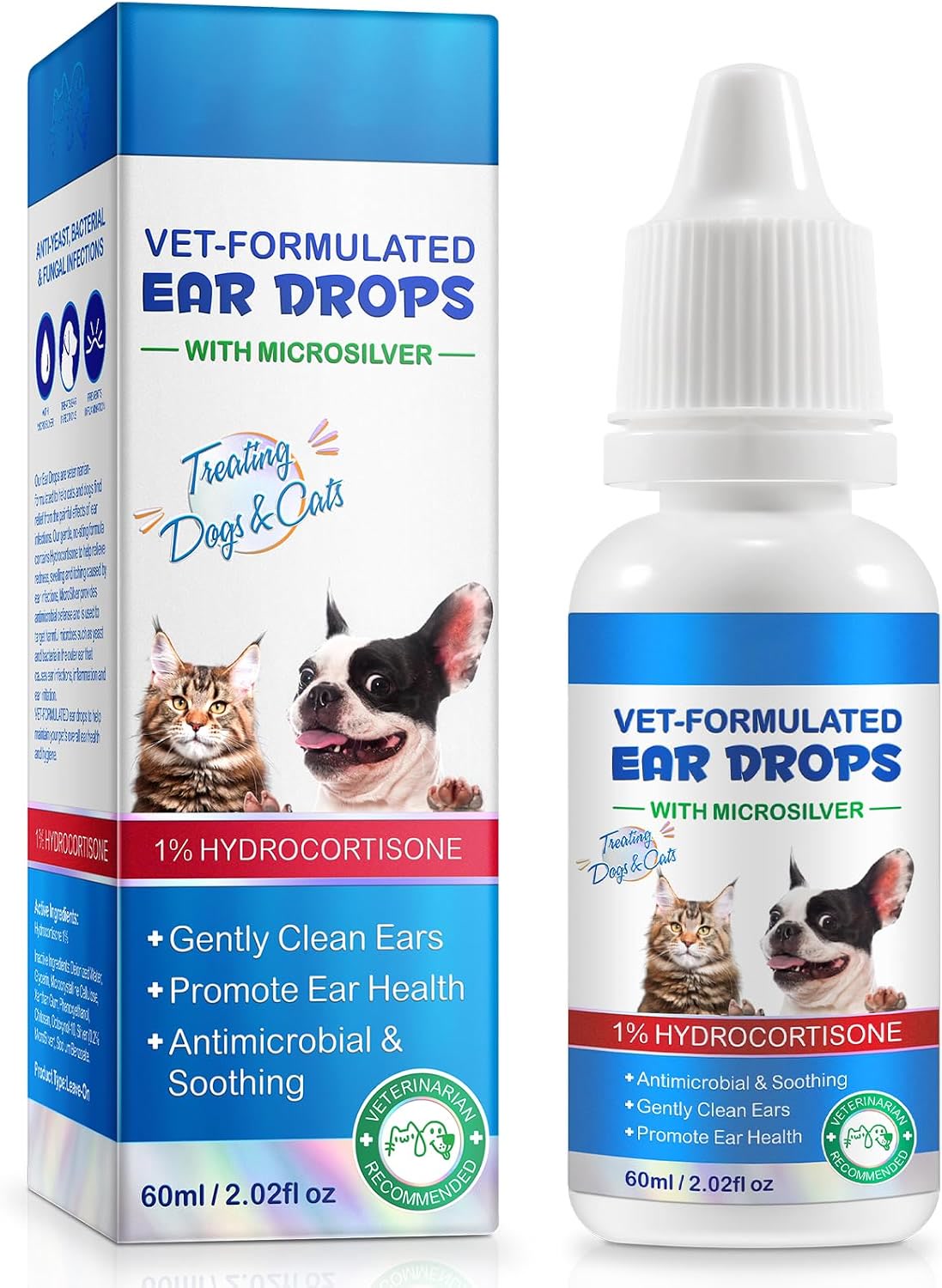
Zymox Otic Enzymatic Solution is an over-the-counter ear treatment that does not require a prescription. It uses enzymes (lysozyme, lactoferrin, lactoperoxidase) to kill bacteria and yeast. Under 20 dollars for a bottle that treats one infection course. Apply once daily for 7 days after cleaning the ear.
Step 3: Monitor for 48 Hours
If symptoms improve within 48 hours, continue the treatment for the full 7 days. If there is no improvement or symptoms worsen, see your vet. The infection may be resistant or there may be an underlying issue.
When to See the Vet (75-200 Dollars)
Home treatment is not appropriate for all ear infections. See a vet if:
- The ear is painful — your dog cries or pulls away when you touch it. Pain indicates a deeper infection.
- The discharge is yellow or green — this indicates a bacterial infection that may need prescription antibiotics.
- The ear canal is swollen shut — severe inflammation that home treatment cannot resolve.
- Your dog has a fever — above 102.5 degrees. The infection has spread beyond the ear.
- Symptoms do not improve in 48 hours — the infection is resistant to over-the-counter treatment.
- Recurrent infections — 3 or more infections in a year indicate an underlying problem (allergies, thyroid disease, anatomical issues).
- Puppies under 6 months — ear mites are common and require prescription treatment.
What the Vet Will Do
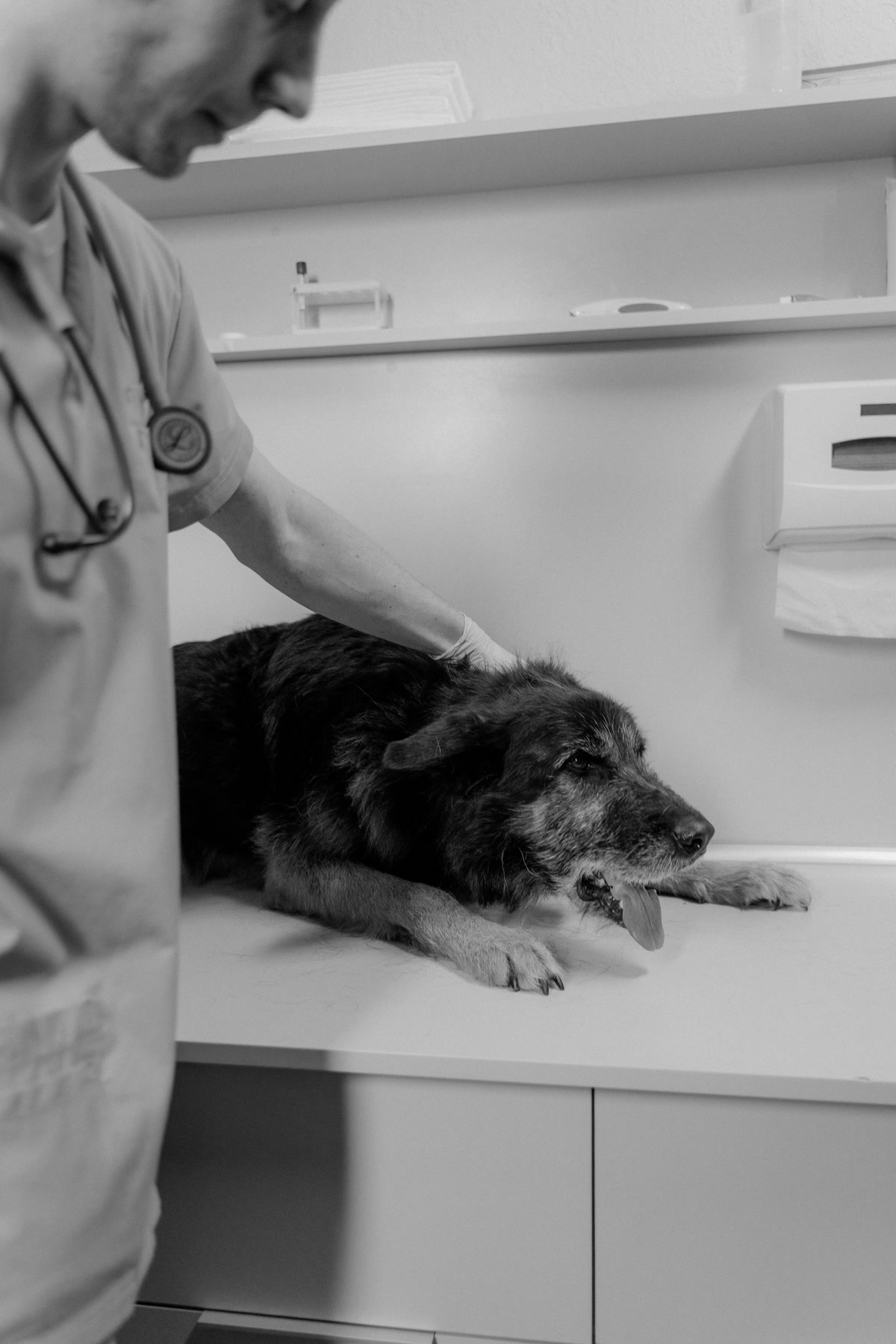
- Otoscope exam — look deep into the ear canal to check the eardrum (15-30 dollars)
- Cytology — swab the ear, stain it, and look under a microscope to identify bacteria vs yeast vs mites (20-40 dollars)
- Prescription medication — topical drops with antibiotics, antifungals, and anti-inflammatories (25-50 dollars for a 7-14 day course)
- Culture (if resistant) — if the infection keeps coming back, the vet may culture the bacteria to identify which antibiotic will work (50-100 dollars)
Total vet visit cost: 75-200 dollars for Diagnosis and treatment. This is 10-20 times the cost of prevention.
Allergies and Ear Infections: The Hidden Connection
Dogs with food or environmental allergies are 3-5 times more likely to get ear infections. The allergic response causes inflammation in the ear canal, which changes the environment and allows bacteria and yeast to overgrow.
If your dog gets ear infections more than 3 times per year, ask your vet about allergies. The solution may be a diet change (try a limited-ingredient diet with a novel protein — 25-35 dollars per bag) rather than repeated ear treatments. Treating the allergy eliminates the ear infections.
The Bottom Line
Eat infections are one of the most preventable health issues in dogs. A weekly ear cleaning routine costs under 5 dollars per month and prevents 80 percent of infections. For mild infections, an over-the-counter enzymatic treatment (under 20 dollars) resolves most cases in 7 days. Vet visits are necessary for painful infections, green discharge, or infections that do not respond to home treatment within 48 hours. If your dog gets ear infections frequently, the root cause is likely allergies — addressing those saves you from an endless cycle of ear treatments.
Last updated: July 2026 | By ThriftyPaw | Prices and availability subject to change
ThriftyPaw is reader-supported. As an Amazon Associate, we earn from qualifying purchases. This means we may earn a small commission when you buy through links on this site at no additional cost to you. We only recommend products we genuinely believe in. Thank you for supporting ThriftyPaw.
My take: The $5-a-month cleaning habit prevents the $80-200 visits — that’s the whole guide in one line. Catch infections early and try 48 hours of home treatment for the mild ones, but recurring infections are an allergy question, not an ear question, and the diet trial is cheaper than a lifetime of treatments.
Related guides
- Budget-Friendly Ways to Handle Dog Separation Anxiety: Back-to-School Season
- Dog Heatstroke Emergency Guide: Prevention Under 15 Dollars Saves Lives
- Halloween Pet Safety on a Budget: Costumes, Treats, and Danger Prevention
- Dog Dental Care Home Routine on a Budget: 3 Products Under 27 Dollars Per Month
- Emergency Vet Costs — What to Expect and How to Prepare (2026)
🐾 Get Your Free Big Dog First Aid Kit Checklist
Join our newsletter and get this free printable plus weekly tips.
Frequently Asked Questions
How do I prevent dog ear infections cheaply?
The $10-a-month routine: weekly cleaning with a dog-safe ear solution (the Epi-Otic standard runs under $15 for 3-4 months, or Nutri-Vet at under $8), drying ears after swimming or baths (free), and plucking hair only for hairy-eared breeds. The guide's number is real: this routine prevents about 80% of infections against $80-200 per treated case.
Can I treat a dog ear infection at home?
Mild and early cases, yes — 48 hours of diligent cleaning with the OTC cleaner while watching for improvement. But the honest boundaries: pain, head-shaking with crying, a swollen ear, or no improvement in 48 hours means the vet and the otoscope exam, because the wrong home treatment of a ruptured eardrum causes real damage.
Why does my dog keep getting ear infections?
Recurrent infections usually trace to one of three roots: underlying allergies (the guide's suggestion — a limited-ingredient novel-protein diet trial at $25-35 a bag before repeated treatments), moisture from swimming, or the L-shaped canal anatomy of floppy-eared breeds. Treat the root or you're paying $80-200 an episode forever.
Liked this guide? Get the next one in your inbox — the pet budget checklist is free too.
✓ You're in — check your inbox.
No spam. Unsubscribe anytime. We never share your email.
Price Check
Prices verified via our product tracker. Updated Sep 27.
| Miracle Care Kwik Stop Styptic Powder for Dogs, Cats, and | $11.99 | 4.7★ (37,571) |
| Dog Nail Grinder - Upgraded Pet Nail Grinder, Electric 5 S | $29.99 | 4.4★ (229) |
As an Amazon Associate we earn from qualifying purchases.