This article contains affiliate links. We may earn a commission from qualifying purchases.
Some content on this site is AI-assisted and reviewed by our editorial team.
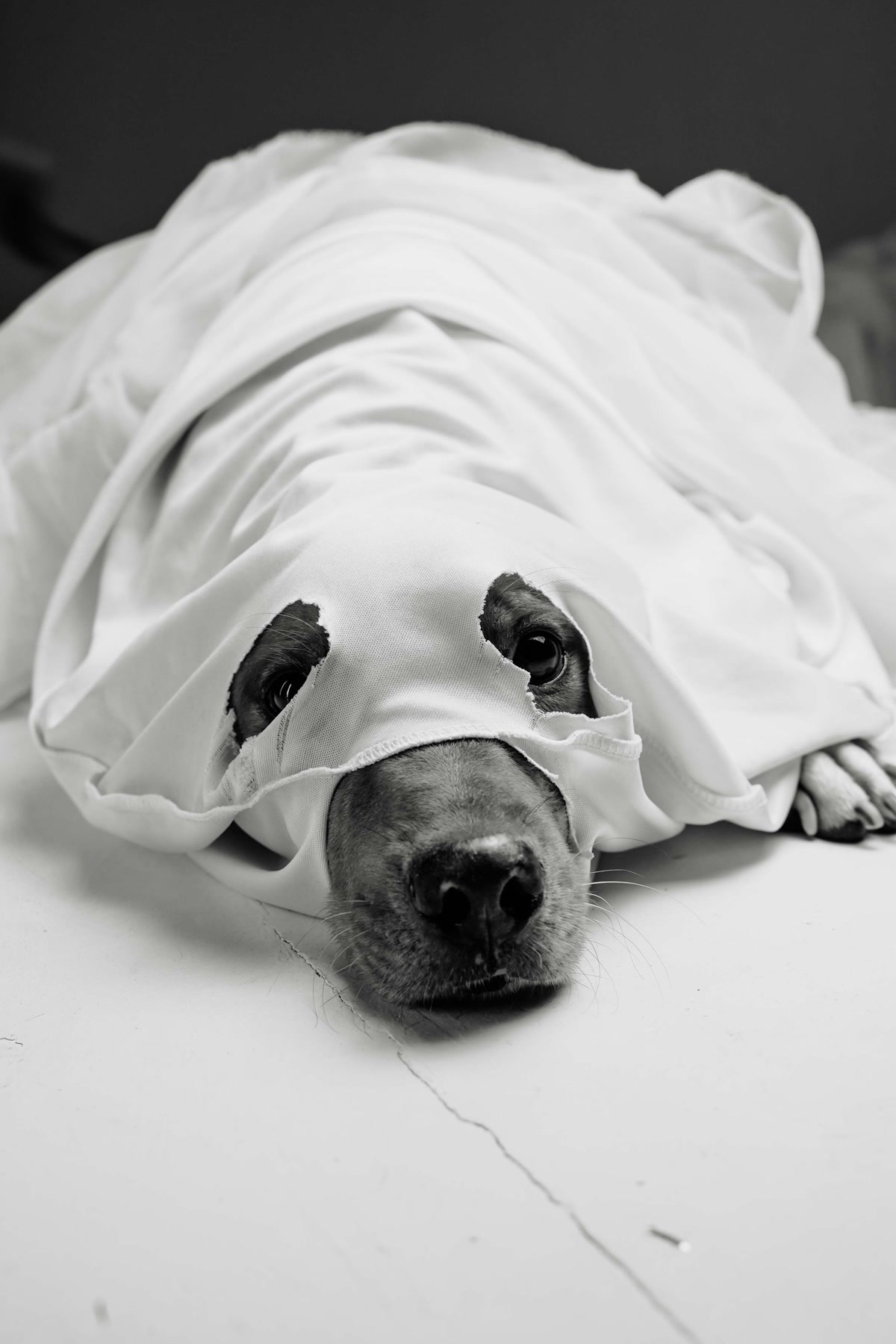
Halloween is fun for humans but full of hidden dangers for pets. Chocolate toxicity, candy wrappers, costume stress, escape risks from an constantly opening front door — October 31st is one of the busiest nights for emergency vet visits. The good news is that keeping your dog or cat safe does not require expensive gear. Here is a complete budget guide to Halloween pet safety.
The 5 Biggest Halloween Dangers for Pets (And How to Prevent Them for Free)
1. Chocolate Toxicity
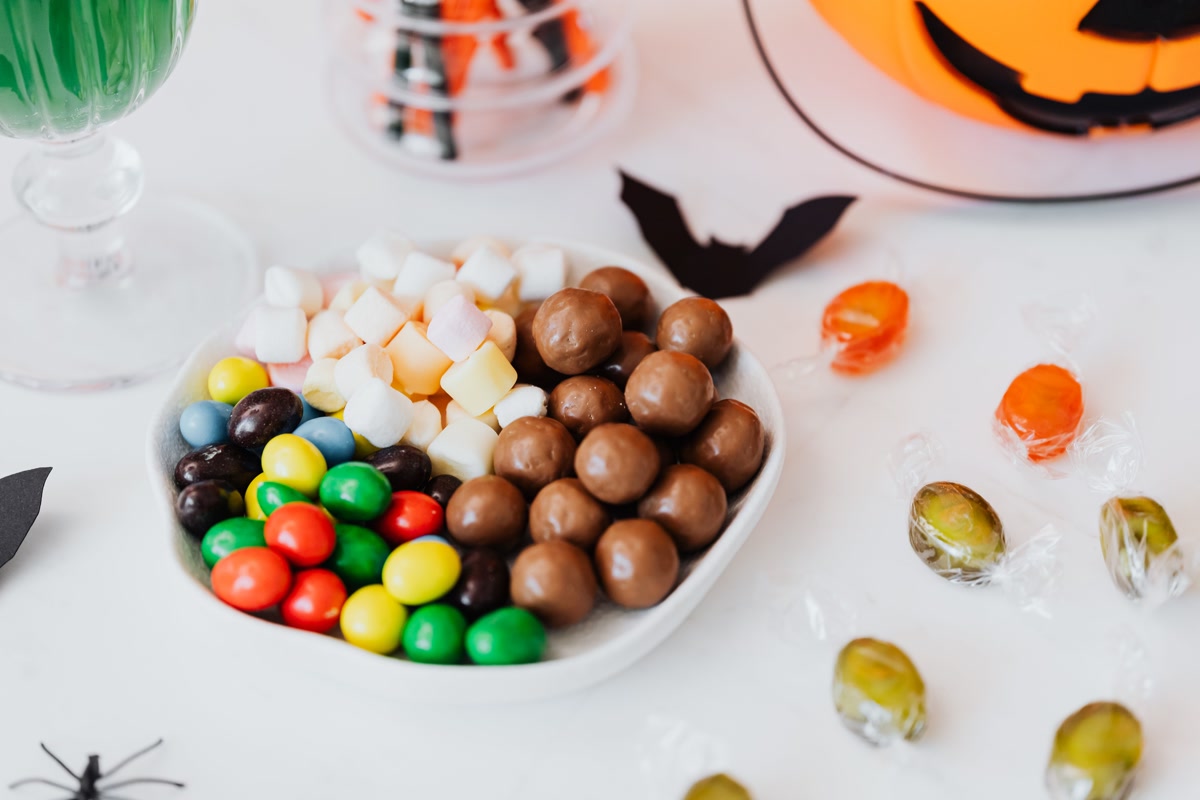
Chocolate contains theobromine, which is toxic to dogs. Dark chocolate is the most dangerous — just one ounce of baking chocolate can kill a 20-pound dog. Symptoms include vomiting, rapid breathing, seizures, and in severe cases, death.
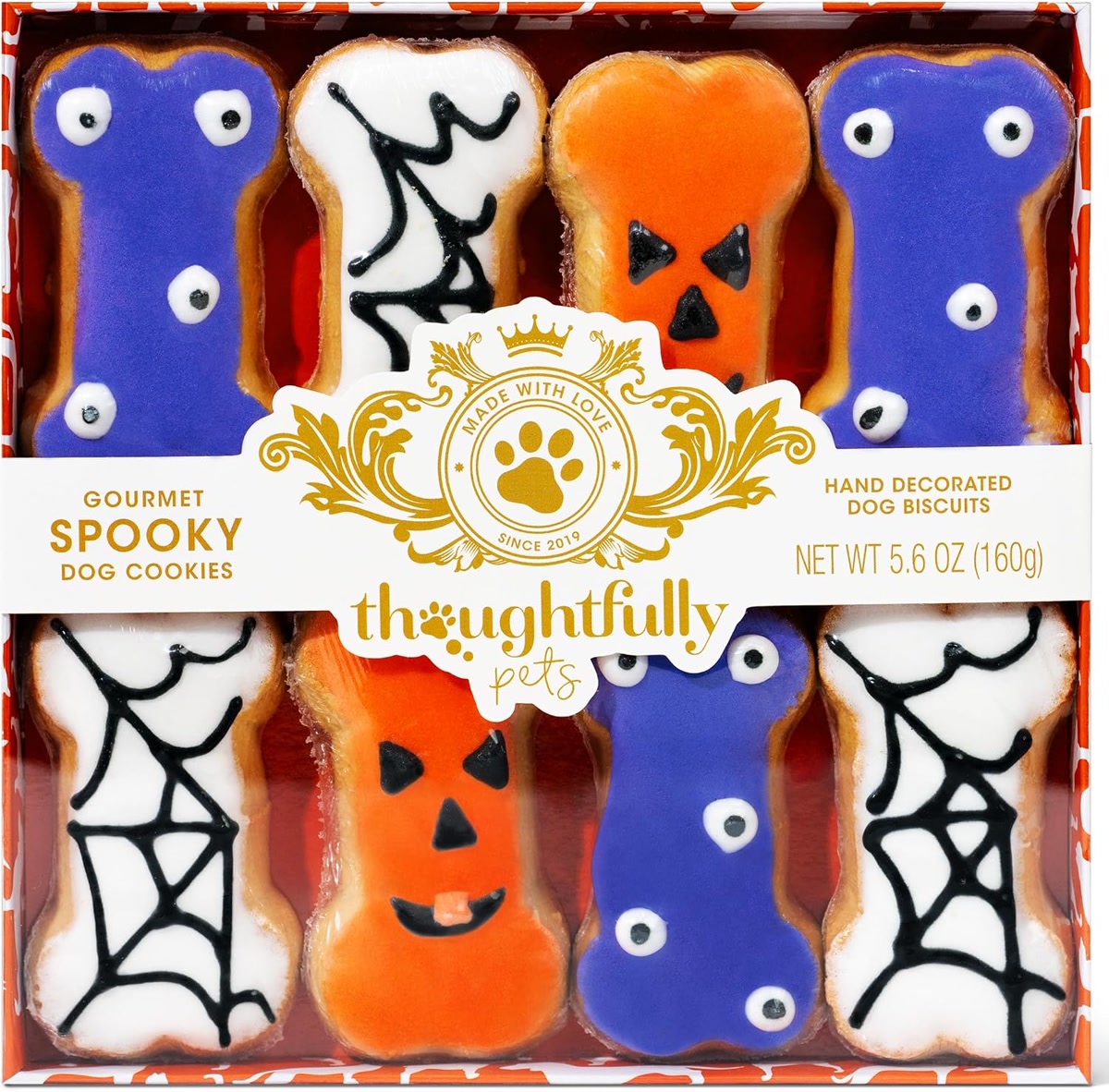
Prevention costs nothing: keep all candy in sealed containers, out of reach. Teach kids not to share with the dog. If you want a pet-safe treat alternative, Pupford Freeze-Dried Training Treats look like mini candy pieces and cost under 15 Dollars for a bag that lasts months.
2. Xylitol Poisoning
Sugar-free candy, gum, and peanut butter often contain xylitol, which causes rapid insulin release in dogs. Even tiny amounts cause life-threatening hypoglycemia. Check every candy wrapper that falls on the floor.
Prevention: sweep the floor after trick-or-treaters leave. Keep sugar-free gum out of pockets and purses that dogs can reach. Cost: zero.
3. Escape Through the Front Door
Trick-or-treaters mean the front door opens 50+ times in one evening. Dogs and cats dart out in the excitement. This is the single most common Halloween pet emergency.
Prevention: crate your dog or close them in a bedroom during peak trick-or-treating hours (5:30 to 9:00 PM). Put a baby gate across the hallway. For cats, close them in a room with their litter box. Cost: zero.
4. Costume Stress
Not all dogs want to wear costumes. Signs of stress include lip licking, yawning, trying to pull the costume off, and freezing in place. Forcing a costume onto a stressed dog is not worth the Instagram photo.
If your dog tolerates a costume, choose one that does not restrict movement, breathing, or vision. Avoid costumes with small parts that can be chewed off and swallowed. A simple waterproof dog jacket doubles as a costume base — add a bandana or reflective tape for a 5-dollar costume that is actually comfortable.

5. Decorations and Candles
Dogs knock over jack-o-lanterns with candles, causing burns and fires. Cats bat at dangling decorations and swallow string, ribbon, or fake cobwebs. Both can cause intestinal blockages requiring surgery that costs 1,500 to 3,000 dollars.
Prevention: use battery-operated tea lights instead of real candles. Keep fake cobwebs and string decorations above pet height. Pick up any decoration fragments immediately. Cost: under 5 dollars for LED tea lights.
Budget Halloween Pet Safety Kit (Under 30 Dollars Total)
| Item | Why You Need It | Cost |
|---|---|---|
| LED tea lights (12-pack) | Replace candle fire risk | 4 dollars |
| Pet-safe treats | Distract from candy | 8 dollars |
| Reflective collar or vest | Visibility if they escape at night | 10 dollars |
| Baby gate or pet gate | Block access to front door | 0 dollars (use existing) |
| Pet first aid kit | For minor incidents | Already have one |
| Pumpkin puree (not pie filling) | Safe “Halloween treat” for dogs | 3 dollars |
Real pumpkin puree is a great seasonal dog treat — it is high in fiber, low in calories, and most dogs love it. Give 1-2 tablespoons for a medium dog. Do not use pumpkin pie filling, which contains sugar and spices.
What to Do If Your Dog Eats Chocolate
Do not wait for symptoms. Call your vet or the Pet Poison Helpline (855-764-7661) immediately. They will calculate toxicity based on your dog’s weight and the type and amount of chocolate consumed.
Have this information ready:
- Type of chocolate (dark, milk, baking) — darker is more dangerous
- Amount eaten — estimate if unsure
- Your dog’s weight — toxicity is dose-dependent
- When they ate it — timing affects Treatment
Do not induce vomiting unless a veterinarian tells you to. Inducing vomiting incorrectly can cause aspiration pneumonia, which is more dangerous than the chocolate.

Halloween Night Action Plan
- 4:00 PM — Exercise your dog. A tired dog is a calmer dog during doorbell chaos.
- 5:00 PM — Feed dinner early. A full stomach reduces candy scavenging.
- 5:30 PM — Set up your dog in a quiet room with a Kong stuffed with pumpkin puree and frozen. This keeps them occupied for 30+ minutes during peak trick-or-treating.
- 6:00-9:00 PM — Keep the safe room door closed. Play white noise or calm music to mask the doorbell.
- 9:30 PM — Do a floor sweep for dropped candy. Check under furniture and in couch cushions.
- 10:00 PM — Let your dog out for a calm potty break in the backyard (on leash, even in a fenced yard — Halloween night makes dogs skittish).
Costume Safety Checklist
If you do dress up your dog, run through this checklist:
- Can they breathe freely through their mouth and nose?
- Can they walk normally without the costume tangling their legs?
- Are there no small buttons, bells, or parts that can be chewed off?
- Does the costume have reflective material for nighttime visibility?
- Can they drink water while wearing it?
- Do they seem relaxed, not panting excessively or trying to pull it off?
If you answer no to any of these, skip the costume. A festive bandana is always a safe alternative.
The Bottom Line
Halloween pet safety is mostly about prevention, and prevention is mostly free. The biggest risks — chocolate, escape, and fire — are addressed with management, not products. Spend 30 dollars on LED lights, treats, and a reflective collar, and your pet will have a safe and stress-free Halloween. The alternative is a 500-dollar emergency vet bill, which is the scariest thing of all.
Last updated: July 2026 | By ThriftyPaw | Prices and availability subject to change
ThriftyPaw is reader-supported. As an Amazon Associate, we earn from qualifying purchases. This means we may earn a small commission when you buy through links on this site at no additional cost to you. We only recommend products we genuinely believe in. Thank you for supporting ThriftyPaw.
My take: The $30 kit — LED lights, pet-safe treats, reflective gear — against the $500 emergency visit it prevents. But the plan matters more than the products: contain the dog away from the door, skip the costumes that stress, and call the vet immediately on any suspected chocolate. Halloween danger is a management problem, not a shopping one.
Related guides
- Emergency Vet Bills — How to Prepare and What They Really Cost
- How to Budget for Unexpected Vet Bills: 5-Step Safety Net Plan
- Dog Arthritis Budget Management: 5-Pillar Plan Under 30 Dollars Per Month (2026)
- Back-to-School Dog Separation Anxiety: Prevention and Treatment Under 25 Dollars
- Dog Dental Care Home Routine on a Budget: 3 Products Under 27 Dollars Per Month
🐾 Get Your Free Big Dog First Aid Kit Checklist
Join our newsletter and get this free printable plus weekly tips.
Frequently Asked Questions
What are the biggest Halloween dangers for pets?
Chocolate and xylitol toxicity (sugar-free candy), escape through the constantly opening front door, costume stress, and candle fires from knocked-over decorations. October 31st is one of the busiest emergency-vet nights of the year — and every one of these is preventable for free.
What should I do if my dog eats chocolate?
Call the vet or poison control immediately — severity depends on the chocolate type, the amount, and your dog's weight. Have the wrapper information ready, and don't wait for symptoms; treatment works best early. The $500-plus emergency bill is the alternative to a free phone call made in time.
How do I keep my dog calm and safe on Halloween night?
Containment plus distraction: crate or a closed room away from the door, a frozen stuffed Kong or puzzle toy during peak trick-or-treat hours, LED tea lights ($4 for a 12-pack) replacing candles, and reflective tape or a light-up collar ($10) for the dog that must go out. The $30 kit in the guide is mostly insurance; the plan itself is free.
Liked this guide? Get the next one in your inbox — the pet budget checklist is free too.
✓ You're in — check your inbox.
No spam. Unsubscribe anytime. We never share your email.
Price Check
Prices verified via our product tracker. Updated Oct 5.
| Pupford Freeze Dried Training Treats for Dogs & Puppies (B | $16.85 | 4.6★ (8,178) |
| FUAMEY Dog Coat for Medium Dogs, Fleece Dog Winter Jacket | $39.99 | 4.5★ (8,838) |
As an Amazon Associate we earn from qualifying purchases.