

This article contains affiliate links. We may earn a commission from qualifying purchases.
Some content on this site is AI-assisted and reviewed by our editorial team.

Accidents Happen — But Emergency Vet Bills Do Not Have to Wipe You Out
One in three dogs will need emergency veterinary care each year. The average emergency vet visit costs 800 to 1,500 dollars, and serious conditions like bloat, poisoning, or trauma can run 3,000 to 10,000 dollars. Most pet owners are not prepared for that bill. This guide covers the most common emergencies, what they cost, and how to prepare for them without going into debt.
The Most Common Dog Emergencies and What They Cost

Knowing what you might face helps you plan and prioritize. Here are the most common emergencies ranked by frequency:
- Eating something toxic or dangerous: 250 to 2,000 dollars — chocolate, grapes, xylitol, medications, and socks are the top offenders
- Cut or laceration: 200 to 800 dollars — paw pads, ears, and tails are most vulnerable
- Vomiting or diarrhea that will not stop: 150 to 500 dollars — often treatable but sometimes indicates blockage or pancreatitis
- Limping or injury from play: 200 to 1,500 dollars — sprains are cheap, torn ACLs are not
- Bloat (GDV): 1,500 to 5,000 dollars — emergency surgery for deep-chested breeds, often fatal without immediate treatment
How to Build a Pet Emergency Fund
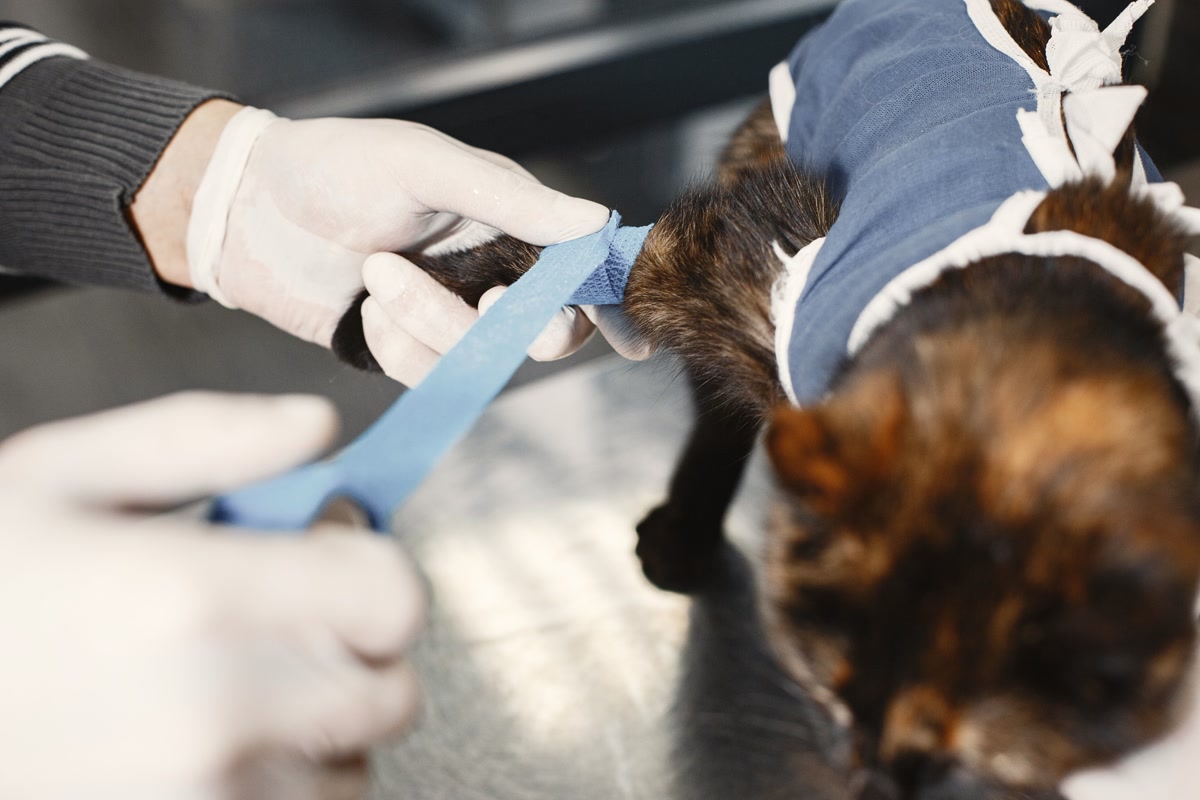
An emergency fund is the single most important financial tool for pet owners. You do not need pet insurance if you can self-insure through savings. Here is how to build one:
1. Start with 500 Dollars (Minimum)
Five hundred dollars covers most basic emergency visits — lacerations, mild poisoning, and sudden illness. Open a separate savings account so you are not tempted to spend it. Set up an automatic transfer of 25 to 50 dollars per month. Within a year you will have 300 to 600 dollars, which covers the majority of common emergencies.
2. Target 2,000 Dollars (Ideal)
Two thousand dollars covers 90 percent of emergency scenarios, including most surgeries, overnight hospitalization, and advanced diagnostics. If you can save 50 dollars per month, you hit this goal in just over three years. Most people spend more than that on coffee.
3. Consider Pet Insurance for Catastrophic Events
If you cannot save 2,000 dollars quickly, accident-only pet insurance covers emergencies for 15 to 25 dollars per month. It does not cover routine care or chronic conditions, but it protects you from the 3,000 to 10,000 dollar catastrophic bills that most people cannot afford out of pocket.
- Accident-only plans: 15 to 25 dollars per month, 200 to 500 dollar deductible, covers emergencies only
- Comprehensive plans: 35 to 70 dollars per month, covers illness and accidents after deductible
- Self-insurance: 50 dollars per month into savings equals 600 per year — enough for most emergencies
What to Do Before an Emergency Happens
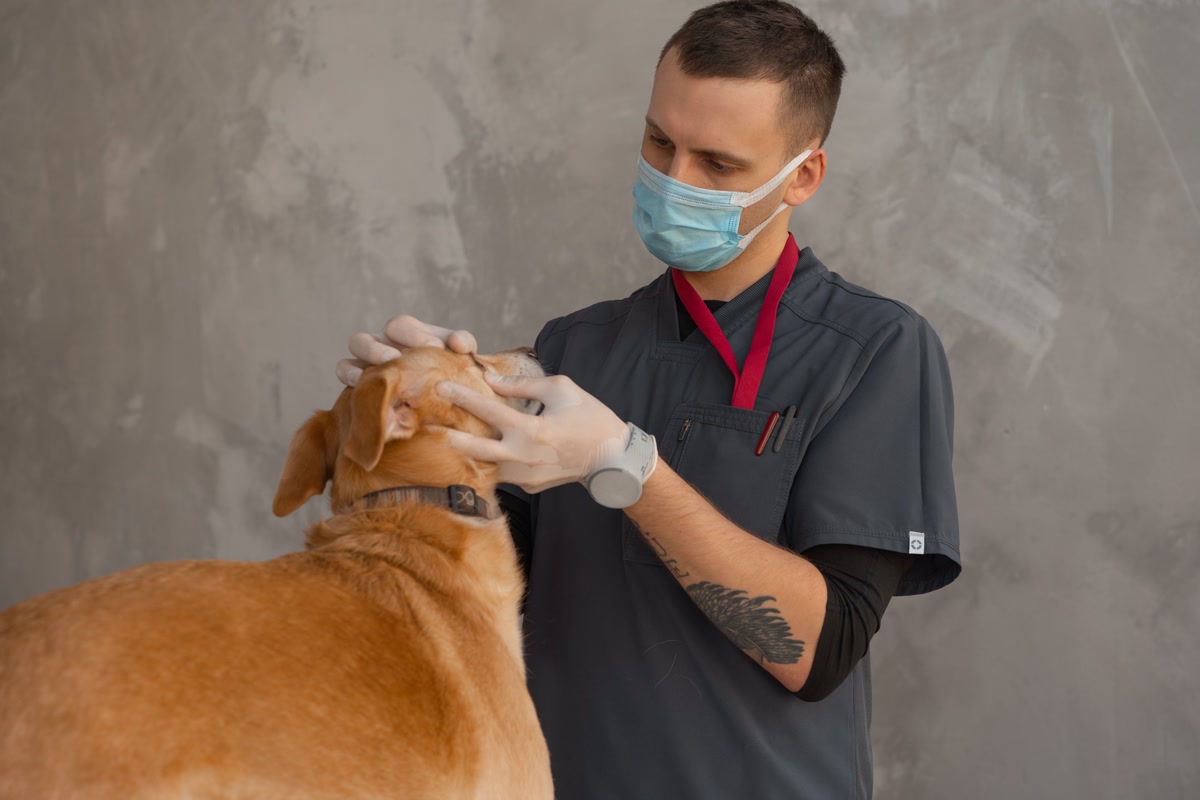
Preparation turns a 2,000 dollar panic into a manageable situation. Do these five things now:
1. Save Your Nearest 24-Hour Emergency Vet
Not all vets are open at 2 AM. Find the nearest 24-hour emergency clinic and save the address, phone number, and driving directions in your phone. In a real emergency, you do not want to be searching for a clinic.
2. Take a Pet First Aid Course (30 to 50 Dollars)
A pet first aid course teaches you how to stabilize your dog before reaching the vet. Knowing how to stop bleeding, perform CPR, and recognize bloat symptoms can save your dog’s life and reduce the severity of the emergency — which reduces the vet bill. The Red Cross and many local humane societies offer courses for 30 to 50 dollars.
Budget pick: Pet First Aid Kit (Compare prices on Amazon) — a dedicated pet first aid kit for under 25 dollars.
3. Build a Pet First Aid Kit (20 to 40 Dollars)
A basic first aid kit lets you handle minor issues at home and stabilize major ones on the way to the vet. Include gauze, vet wrap, antiseptic, tweezers, digital thermometer, hydrogen peroxide (to induce vomiting when directed by poison control), and a muzzle. You can buy a pre-made kit or assemble your own for under 40 dollars.
4. Know What Is Toxic
The top five toxins that send dogs to the ER are chocolate, xylitol (sugar-free gum and peanut butter), grapes and raisins, human medications (ibuprofen, acetaminophen), and rodenticide. Memorize these. If your dog eats any of these, call Pet Poison Control immediately at 855-764-7661. The 85 dollar consultation fee is cheaper than an ER visit, and they tell you exactly what to do.
5. Ask About Payment Plans Before You Need Them
Call your vet and the nearest emergency clinic now, before an emergency happens, and ask about payment plans. Many vets offer CareCredit, Scratchpay, or in-house payment plans. Knowing your options before you are standing at the front desk with a sick dog removes the panic from the financial decision.
How to Negotiate and Reduce Emergency Vet Bills
If you are facing a large bill, these strategies can help:
- Ask for a written estimate before treatment begins. This is your right. Review it and ask which items are optional versus essential.
- Request a line-item breakdown. Some clinics bundle services. Ask to see each charge and question anything you do not understand.
- Compare prices. Emergency clinics vary by 30 to 50 percent on the same procedures. If the situation is not immediately life-threatening, call two or three clinics.
- Ask about payment plans. CareCredit offers 6 to 12 months interest-free. Scratchpay has longer terms. Many vets will work with you if you ask.
- Use veterinary schools. Teaching hospitals typically charge 30 to 50 percent less than private emergency clinics for the same procedures.
- Apply for financial assistance. Organizations like RedRover, The Pet Fund, and breed-specific rescue groups offer grants for emergency care. You must apply, but approval can happen within 24 to 48 hours.
The Honest Math: Prevention vs. Emergency
Here is what preventive care costs annually versus what emergencies cost when prevention is skipped:
- Heartworm prevention: 60 to 120 dollars per year vs. 1,000 to 2,000 dollars for heartworm treatment
- Spaying: 150 to 300 dollars one-time vs. 2,000 to 5,000 dollars for pyometra emergency surgery
- Dental cleaning: 200 to 400 dollars every one to two years vs. 500 to 1,000 dollars per tooth extraction
- Flea and tick prevention: 80 to 200 dollars per year vs. 300 to 800 dollars for tick-borne disease treatment
- Annual exam: 50 to 100 dollars vs. 800 to 2,000 dollars for advanced disease detected late
The pattern is consistent: spending 400 to 1,000 dollars per year on prevention saves 3,000 to 10,000 dollars in emergency costs. There is no smarter investment in your dog’s health.
Bottom Line
Build a 500 to 2,000 dollar emergency fund before your dog needs it. Take a pet first aid course, build a first aid kit, and save your nearest 24-hour clinic info in your phone. If you cannot save 2,000 dollars quickly, accident-only pet insurance at 15 to 25 dollars per month covers the catastrophic bills you cannot afford. And invest in prevention — every dollar spent on heartworm, dental care, and annual exams saves 10 to 20 dollars in emergency treatment down the road.
n
ThriftyPaw is reader-supported. As an Amazon Associate, we earn from qualifying purchases. This means we may earn a small commission when you buy through links on this site at no additional cost to you. We only recommend products we genuinely believe in. Thank you for supporting ThriftyPaw.
🐾 Get Your Free Big Dog First Aid Kit Checklist
Join our newsletter and get this free printable plus weekly tips.