
This article contains affiliate links. We may earn a commission from qualifying purchases.
Some content on this site is AI-assisted and reviewed by our editorial team.

Preventive Vet Care Saves Thousands — Here Is the Budget Breakdown
The average dog owner spends 400 to 800 dollars per year on veterinary care, and emergency visits can cost 1,000 to 5,000 dollars. But here is what most people do not realize: 80 percent of expensive vet bills are preventable. Regular checkups, vaccinations, and basic preventive care cost a fraction of what you would pay for an emergency. This guide breaks down exactly what to budget, what to skip, and how to find affordable care.
Annual Preventive Care Costs — What You Actually Need
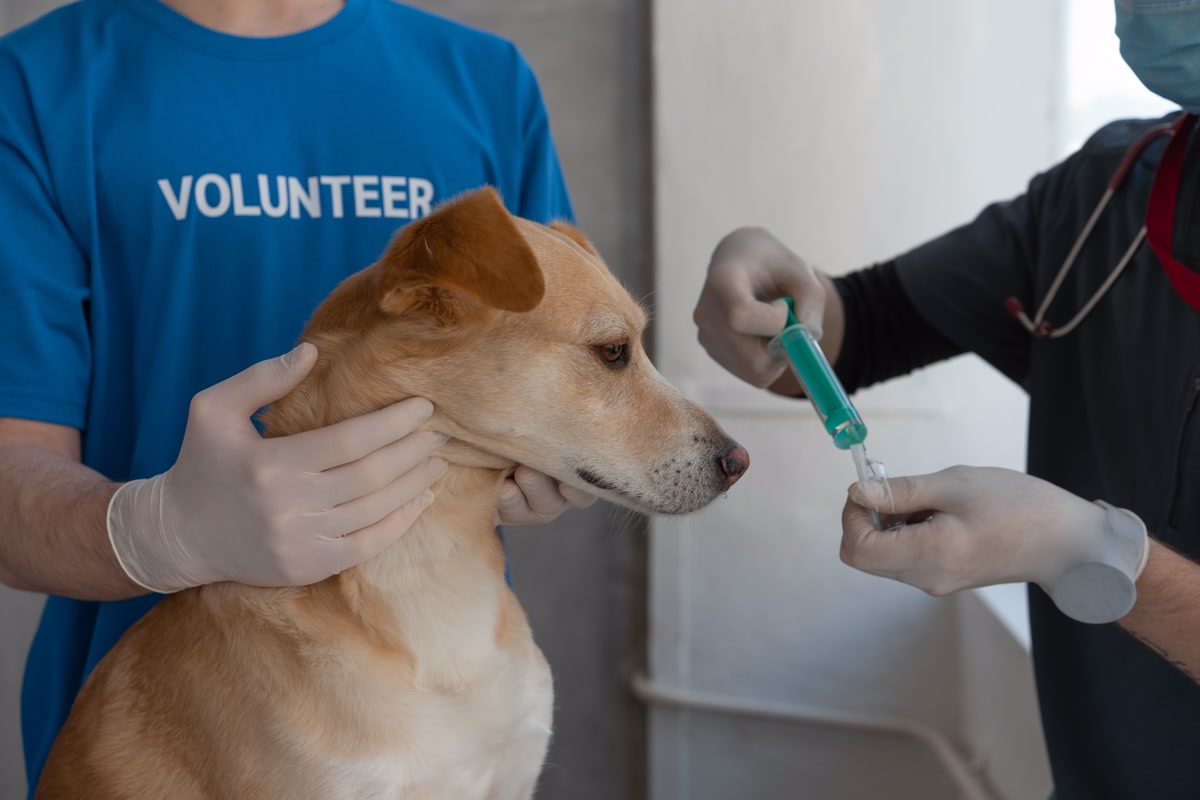
Not every vet-recommended service is essential. Here is what you should budget for and what you can skip:
- Annual wellness exam: 50 to 100 dollars — non-negotiable. Early detection of problems saves thousands.
- Core vaccinations: 75 to 150 dollars per year — rabies, DHPP, and bordetella. Required by law and cheap prevention.
- Heartworm prevention: 60 to 120 dollars per year — heartworm treatment costs 1,000 to 2,000 dollars. Prevention is 10 times cheaper.
- Flea and tick prevention: 80 to 200 dollars per year — prevents skin infections, Lyme disease, and tapeworms.
- Dental cleaning: 200 to 400 dollars every one to two years — prevents extractions costing 500 to 1,000 dollars each.
- Spay or neuter: 150 to 300 dollars one-time — prevents reproductive cancers and behavioral issues.
Total annual preventive budget: 465 to 970 dollars. That is less than the cost of a single emergency visit.
The Services You Can Skip or Negotiate

Vets are businesses, and they often recommend more than strictly necessary. Here is what you can decline, delay, or negotiate:
- Lyme disease vaccine: Only necessary if you live in or travel to tick-endemic areas. Skip it in low-risk regions.
- Canine influenza vaccine: Only needed if your dog goes to day care, boarding, or dog parks with outbreaks. Not essential for homebodies.
- Bloodwork panels under age 7: Annual bloodwork for young, healthy dogs is a nice-to-have, not a must-have. Start at age 7 for early disease detection.
- Dual vaccinations at the same visit: Some clinics bundle services. Ask to spread non-urgent vaccines across visits to manage costs.
Finding Affordable Veterinary Care

1. Veterinary Schools (30 to 50 Percent Off)
Teaching hospitals at veterinary schools provide care at significantly reduced rates. Students perform procedures under faculty supervision. The quality is excellent — these are training institutions with state-of-the-art equipment. If you live near a vet school, this is the single best way to cut veterinary costs.
- Prices typically 30 to 50 percent below private clinics
- Faculty-supervised students provide high-quality care
- Access to specialists and advanced diagnostics at reduced rates
2. Nonprofit and Low-Cost Clinics
Organizations like the ASPCA, Humane Society, and local animal rescues operate low-cost clinics. They focus on preventive care: vaccinations, spay and neuter, and basic wellness. They do not handle emergencies, but for routine care they are significantly cheaper than private practices.
- Vaccinations often 40 to 60 percent cheaper than private clinics
- Spay and neuter programs for 50 to 150 dollars
- Income-qualified programs offer additional discounts
Budget pick: Search for low-cost vet clinics near you (Humane Society clinic finder) — many areas have options under 50 dollars for basic services.
3. Pet Wellness Plans (30 to 50 Dollars per Month)
Wellness plans from Banfield Pet Hospital, VCA, and independent vets bundle annual exams, vaccinations, dental cleaning, and sometimes bloodwork into a monthly fee. The total cost is similar to paying out of pocket, but it spreads the expense across 12 months and removes the decision paralysis of whether to go to the vet. Some plans include unlimited free office visits, which encourages you to go early when something seems off.
- Monthly payments spread costs evenly across the year
- Most include annual dental cleaning (200 to 400 dollar value)
- Unlimited office visits remove the cost barrier for early checkups
4. Pet Insurance — Worth It or Not?
Pet insurance costs 30 to 70 dollars per month for dogs, depending on breed and age. Whether it is worth it depends on your risk tolerance and savings. Accident-only plans start at 15 to 25 dollars per month and cover emergencies only. Comprehensive plans cover illnesses, hereditary conditions, and chronic problems. The math: if you would struggle to pay a 3,000 dollar emergency bill, insurance is worth the monthly premium.
- Accident-only: 15 to 25 dollars per month — covers emergencies only
- Comprehensive: 35 to 70 dollars per month — covers illness, hereditary, and chronic conditions
- Self-insurance: If you can save 50 dollars per month in an emergency fund, skip insurance and pay out of pocket
Budget pick: Compare pet insurance quotes (Check multiple providers) — accident-only plans start under 20 dollars per month.
The Real Cost of Skipping Preventive Care
Here is what common preventable conditions cost to treat versus prevent:
- Heartworm: 60 to 120 dollars per year to prevent vs. 1,000 to 2,000 dollars to treat — that is a 10 to 17x return on prevention
- Parvovirus: 25 dollars to vaccinate vs. 1,500 to 3,000 dollars to treat — one of the most lopsided prevention values
- Dental disease: 200 to 400 dollars for cleaning vs. 500 to 1,000 dollars per extraction — most dogs need 2 to 4 extractions once disease sets in
- Flea allergy dermatitis: 80 to 200 dollars per year for prevention vs. 300 to 800 dollars for treatment and skin infections
- Pyometra (intact females): 150 to 300 dollars for spay vs. 2,000 to 5,000 dollars for emergency surgery
The pattern is clear: prevention costs 10 to 20 times less than treatment. Every dollar you spend on preventive care saves 10 to 20 dollars in emergency costs.
A Realistic Annual Budget for Dog Health Care
Here is a realistic budget breakdown for a healthy adult dog:
- Annual wellness exam: 50 to 100 dollars
- Core vaccinations: 75 to 150 dollars
- Heartworm prevention: 60 to 120 dollars
- Flea and tick prevention: 80 to 200 dollars
- Dental cleaning (every other year): 100 to 200 dollars per year
- Emergency fund (50 dollars per month): 600 dollars per year
Total: 965 to 1,370 dollars per year — or 80 to 115 dollars per month. That is less than most car insurance premiums and dramatically less than a single emergency surgery.
Bottom Line
Budget 80 to 115 dollars per month for your dog’s health care. Focus on the non-negotiables: annual exams, core vaccinations, heartworm and flea prevention. Use vet schools and nonprofit clinics to cut costs 30 to 50 percent. Skip unnecessary add-ons like Lyme vaccine in low-risk areas and routine bloodwork for young dogs. And if you cannot afford a 2,000 dollar emergency, pet insurance or a monthly emergency fund are not optional — they are the difference between treating your dog and making an impossible choice.
n
ThriftyPaw is reader-supported. As an Amazon Associate, we earn from qualifying purchases. This means we may earn a small commission when you buy through links on this site at no additional cost to you. We only recommend products we genuinely believe in. Thank you for supporting ThriftyPaw.
My take: The $465-970 preventive budget is the deal — it’s the small number that keeps you off the $1,000-5,000 emergency side, and 80% of those big bills are preventable. Get the non-negotiables done (exam, vaccines, heartworm — $1,500+ saved per avoided heartworm case), and use veterinary schools and low-cost clinics for the rest at 30-60% off.
Related guides
- Heartworm Prevention on a Budget: Complete Guide Under 10 Dollars Per Month
- Budget Dog Arthritis Management: 4-Part Plan Under 25 Dollars Per Month
- How Much Does a Dog Really Cost Per Month? An Honest 2026 Breakdown by Breed
- Litter Mats, Priced by What They Catch. The 14-Dollar Honeycomb Dumps in Five Seconds.
- Cheap Ways to Keep Your Dog Cool This Summer
🐾 Get Your Free Big Dog First Aid Kit Checklist
Join our newsletter and get this free printable plus weekly tips.
Frequently Asked Questions
What should I budget annually for preventive vet care?
The guide's realistic total: $465-970 a year — wellness exam ($50-100), core vaccines ($75-150), heartworm prevention ($60-120), flea/tick prevention ($80-200), dental every 1-2 years ($200-400), and the one-time spay/neuter ($50-100 at a low-cost clinic). That spread is the honest price of never paying the emergency side.
How does preventive care save money on vet bills?
80% of expensive vet bills are preventable. The concrete examples: heartworm treatment costs $1,000-2,000 against $60-120 a year in prevention, and dental extractions run $500-1,000 each against $200-400 for the cleanings that avoid them.
Are pet wellness plans worth it?
For a dog that will actually use the included annual dental cleaning ($200-400 value), yes — Banfield and VCA plans at $30-50 a month bundle exam, vaccines, and the cleaning while removing the cost barrier for early checkups. If your dog sees the vet once a year, the plan loses; the math depends on your actual usage.
Liked this guide? Get the next one in your inbox — the pet budget checklist is free too.
✓ You're in — check your inbox.
No spam. Unsubscribe anytime. We never share your email.
Price Check
Prices verified via our product tracker. Updated Sep 27.
| Pet First Aid Kit for Dogs and Cats : Pet Supplies | $24.99 | 4.4★ (2,024) |
| EVERLIT Pet Medic First Aid Kit | Vet-Approved Animal Care | $34.99 | 4.8★ (297) |
As an Amazon Associate we earn from qualifying purchases.