This article contains affiliate links. We may earn a commission from qualifying purchases.
Some content on this site is AI-assisted and reviewed by our editorial team.
Summer is tough on dogs — and even tougher on your wallet. Between cooling gear, flea meds, sunscreen, and vet bills from heat-related emergencies, the costs pile up fast. The good news? Most of what keeps your dog safe in summer heat costs little or nothing at all. This guide covers every major summer danger your dog faces, with budget-friendly solutions that actually work.
Know the Signs of Heat Stroke — It Can Kill in Minutes
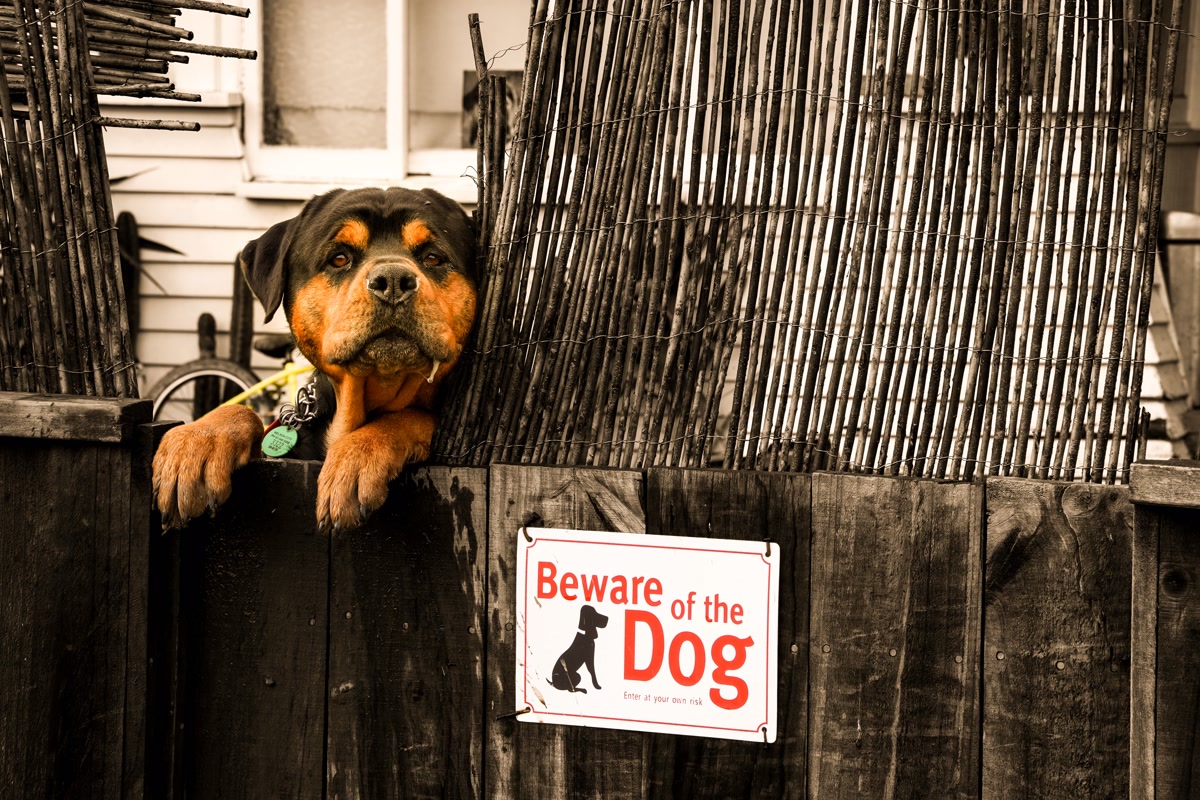
Heat stroke is the number one summer killer of dogs, and it happens faster than most owners realize. A dog’s normal temperature sits around 101 to 102.5 degrees Fahrenheit. Once it hits 105, organ damage begins. At 107, it is often fatal. Dogs do not sweat the way humans do. They cool themselves primarily through panting, which becomes far less effective in humid conditions.
Early warning signs to watch for:
- Excessive, heavy panting that does not stop
- Thick, ropey drool or foaming at the mouth
- Bright red or pale gums
- Lethargy, stumbling, or refusing to walk
- Vomiting or diarrhea
- Glassy eyes or a dazed expression
If you see these signs, move your dog to shade or air conditioning immediately. Apply cool — not cold — water to their belly, armpits, and groin. Offer small amounts of cool water. Get to a vet. This knowledge costs nothing, and it is the single most important thing in this entire guide.
Budget Cooling Solutions That Actually Work
You do not need a hundred-dollar cooling vest to keep your dog comfortable. Some of the most effective cooling methods cost under ten dollars — or nothing at all.
DIY Cooling Mat — Free
Fill empty water bottles about three-quarters full and freeze them. Wrap each frozen bottle in a towel or old t-shirt and place them on the floor where your dog rests. Most dogs will naturally lie against the cold surface. Swap bottles out as they thaw. This works especially well on tile or hardwood floors.
Kiddie Pool — 10 to 15 Dollars
A basic plastic kiddie pool from Walmart or Target costs between 10 and 15 dollars and gives your dog an instant way to cool off. Fill it with a few inches of water and set it in a shaded spot. For dogs that love water, this is one of the best investments you can make all summer. Just dump and refill every day or two to keep it clean.
Budget pick: Intex Sunset Glow Baby Pool (Compare prices on Amazon) — around 14 dollars and large enough for most medium dogs.
Cooling Bandana — 8 to 12 Dollars
Soak a cooling bandana in cold water, wring it out, and drape it around your dog’s neck. The evaporative cooling effect lasts for hours and targets the major blood vessels near the neck. These cost 8 to 12 dollars on Amazon and are lightweight enough for walks.
Budget pick: Kurgo Dog Cooling Collar (Compare prices on Amazon) — effective evaporative cooling for under 12 dollars.
Pavement Safety and the 7-Second Test
When the air temperature is 95 degrees Fahrenheit, asphalt pavement can reach 145 degrees. At 125 degrees, paw pads sustain burns within 60 seconds. This is not a minor inconvenience — it is a serious injury risk that sends thousands of dogs to the vet every summer.
The 7-second test: Place the back of your hand flat against the pavement. If you cannot hold it there for a full seven seconds, it is too hot for your dog’s paws. This test is free and takes seconds. Use it every time before you head out.
If the pavement fails the test, you have a few options. Walk on grass instead. Shift your walk times to early morning before 8 AM or late evening after 7 PM — this costs nothing and is the single most effective heat strategy. If you must walk during warmer hours, stick to dirt trails and shaded paths.
Paw protection products:
- Musher’s Secret Paw Wax — about 15 dollars, creates a breathable barrier against hot surfaces
- Dog booties — 20 to 40 dollars, more protection but many dogs refuse to wear them
- Best free option: walk on grass and shift to cooler hours
Budget pick: Musher’s Secret Paw Protection (Compare prices on Amazon) — 15 dollars for a 60-gram container that lasts months.
Budget Tick and Heartworm Prevention
Summer is peak season for ticks, fleas, and mosquitoes that carry heartworm. Skipping prevention is not a way to save money — a single heartworm treatment costs 1,000 to 1,500 dollars, while monthly prevention costs 5 to 10 dollars.
Generic Flea and Tick — 7 to 10 Dollars Per Month
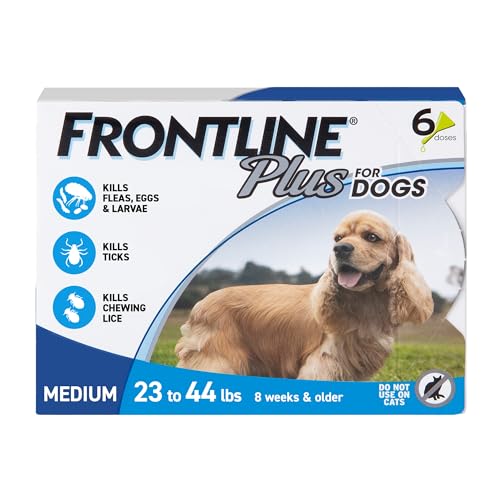
The active ingredient in Frontline (fipronil) is available as a generic for half the brand-name price. Products like PetArmor and Fiproguard use the same active ingredient at 7 to 10 dollars per month versus 15 to 20 for Frontline. They work the same way.
Budget pick: PetArmor Plus for Dogs (Compare prices on Amazon) — same fipronil active ingredient as Frontline at a fraction of the cost.
Heartworm Prevention — 5 to 10 Dollars Per Month
Generic ivermectin-based heartworm preventives are available through budget pet pharmacies. The generic version of Heartgard (ivermectin/pyrantel) runs about 5 to 10 dollars per month versus 30 to 50 for the brand name. You will need a prescription from your vet, but most vets are happy to write one for the generic — just ask.
Pro tip: buy a 12-month supply rather than month-by-month. The per-dose cost drops significantly, and you will not be tempted to skip a month.
DIY Frozen Treats Your Dog Will Love
Store-bought frozen dog treats are expensive and often loaded with fillers. Making your own costs pennies per serving and gives you full control over ingredients.
Frozen Broth Cubes — Under 1 Dollar
Pour low-sodium chicken or beef broth into ice cube trays and freeze. Pop one or two out for a cool snack. Make sure the broth contains no onion or garlic — check the label, as many commercial broths do. This costs under a dollar for a full tray of treats.
Frozen Banana and Peanut Butter Kong — Under 2 Dollars
Mash a ripe banana with a spoonful of peanut butter (check that it is xylitol-free — this is critical, as xylitol is extremely toxic to dogs). Stuff the mixture into a Kong toy and freeze for at least four hours. This keeps your dog occupied and cool for 30 to 45 minutes.
Frozen Yogurt Drops — Under 3 Dollars
Drop spoonfuls of plain, unsweetened yogurt onto a parchment-lined baking sheet and freeze. These little frozen drops are perfect for quick treats, and most dogs love the tart flavor. Avoid yogurt with added sugar or artificial sweeteners.
Sun Protection for Dogs on a Budget
Yes, dogs get sunburned — especially short-haired breeds, light-skinned dogs, and pink-nosed pups. The nose, ear tips, and belly are most vulnerable. But do not reach for your own sunscreen. Most human sunscreens contain zinc oxide or PABA, both of which are toxic to dogs if licked off.
Pet-safe sunscreen costs 12 to 18 dollars and is formulated to be safe if ingested in small amounts during grooming. Apply it to the nose, ear tips, and any sparse-fur areas before going out in strong sun.
Budget pick: Epi-Pet Sun Protector Spray (Compare prices on Amazon) — the only FDA-approved sunscreen for pets, around 16 dollars.
Free alternative: avoid direct sun during peak hours (10 AM to 4 PM). Provide shade whenever your dog is outdoors — a tree, a porch, or even a draped sheet creates a shade spot in seconds.
Change Your Walking Schedule — It Is Free
The most effective summer safety strategy costs zero dollars: walk early and walk late. Before 8 AM and after 7 PM, pavement and air temperatures drop significantly, making walks safer and more comfortable for your dog.
Other free adjustments that make a real difference:
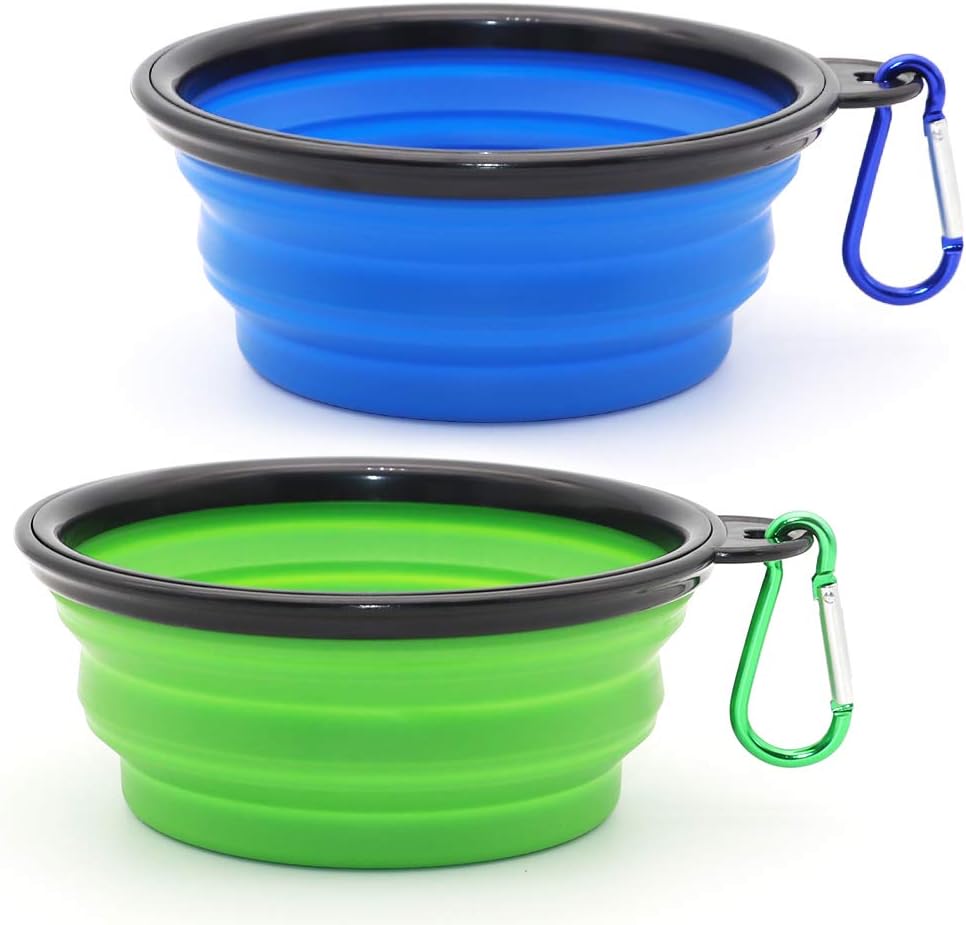
- Carry a collapsible bowl and offer water every 15 minutes on walks
- Choose routes with shade — tree-lined streets, parks with canopy cover
- Cut walk duration by a third on hot days
- Let your dog set the pace — if they slow down or sit down, head home
- Wet your dog down with the hose before and after walks
Remember: a 70-degree day might feel pleasant to you, but inside a parked car, the temperature hits 104 degrees in just 30 minutes. Never leave your dog in a car, even with the windows cracked. Not for five minutes. Not in the shade. Not ever.
What NOT to Cheap Out On
Being budget-conscious does not mean cutting corners on things that matter. Some expenses are worth every penny because the alternative costs far more.
- Heartworm prevention — Skipping this to save 10 dollars a month risks a 1,500 dollar treatment. Take the generic, but do not skip it.
- Emergency vet care — If your dog shows signs of heat stroke, do not wait to see if it improves. Immediate treatment saves lives.
- Flea and tick prevention — A tick-borne disease like Lyme costs thousands to treat. Generic prevention at 7 to 10 dollars a month is worth it.
- Hydration — Always have fresh water available. Dehydration escalates fast and leads to organ damage.
The smartest budget approach invests small amounts in prevention rather than huge amounts in emergency treatment. A 10-dollar kiddie pool, a 15-dollar tube of paw wax, and a 7-dollar monthly flea treatment add up to less than one emergency vet visit.
Bottom Line
Summer dog safety does not require expensive gear. The most important tools are free: knowing the signs of heat stroke, walking during cooler hours, and never leaving your dog in a parked car. For everything else, budget options work just as well as brand names — generic flea and tick prevention uses the same active ingredients, DIY frozen treats cost pennies, and a kiddie pool from Walmart beats a hundred-dollar cooling vest. Spend smart on prevention, and you will not be spending thousands on emergency treatment. Your dog stays safe, and your wallet stays intact.
n
ThriftyPaw is reader-supported. As an Amazon Associate, we earn from qualifying purchases. This means we may earn a small commission when you buy through links on this site at no additional cost to you. We only recommend products we genuinely believe in. Thank you for supporting ThriftyPaw.
My take: The deadly summer risks cost nothing to avoid: the 7-second pavement test, walk timing, and knowing heatstroke signs. The $10-15 kiddie pool and $8-12 cooling bandana handle comfort, and the generic fipronil at $7-10 a month handles the meds. Skipping prevention to save $10 a month is how a $1,500 heartworm treatment happens.
Related guides
- Best Budget Dog Ear Cleaning Solutions (Under 15 Dollars — 2026)
- Budget Dog Backpacks for Hiking: Complete Guide Under 35 Dollars (2026)
- 4 Dog Travel Water Bottles I Actually Carry on Walks (All Under 25 Dollars)
- Dog Food Storage on a Budget: Save Hundreds Per Year (2026)
- Flea Prevention Without the Brand Tax. Same Ingredients, 99 Dollars Less a Year.
🐾 Get Your Free Big Dog First Aid Kit Checklist
Join our newsletter and get this free printable plus weekly tips.
Frequently Asked Questions
How do I know if it's too hot to walk my dog?
The 7-second test: press the back of your hand to the pavement — if you can't hold it for seven seconds, it's burning your dog's paw pads. Walk before sunrise or after sunset on hot days; heatstroke kills in minutes and the pavement holds heat hours after the air cools.
What are the signs of heat stroke in dogs?
Heavy panting, bright red gums, drooling, vomiting, and stumbling. It's the number one summer killer of dogs, and the response is immediate: get to shade, cool with water (not ice) on the belly and paws, and head to the vet — organ damage starts fast.
How do I save money on summer flea and tick prevention?
Buy the generic active ingredient: fipronil (Frontline's) is available as PetArmor or Fiproguard at $7-10 a month versus $15-20 for the brand. The guide's warning is the one worth repeating — a single heartworm treatment costs $1,000-1,500 against $5-10 a month in prevention, so prevention is never the place to save.
Liked this guide? Get the next one in your inbox — the pet budget checklist is free too.
✓ You're in — check your inbox.
No spam. Unsubscribe anytime. We never share your email.
Price Check
Prices verified via our product tracker. Updated Sep 27.
| Frontline Plus for Dogs Medium Dog (23-44 pounds) Flea and | $74.98 | 4.4★ (24,178) |
| Pet Shampoos : Amazon.com: earthbath Oatmeal & Aloe Itch R | $19.95 | 4.7★ (8,673) |
As an Amazon Associate we earn from qualifying purchases.