This article contains affiliate links. We may earn a commission from qualifying purchases.
Some content on this site is AI-assisted and reviewed by our editorial team.
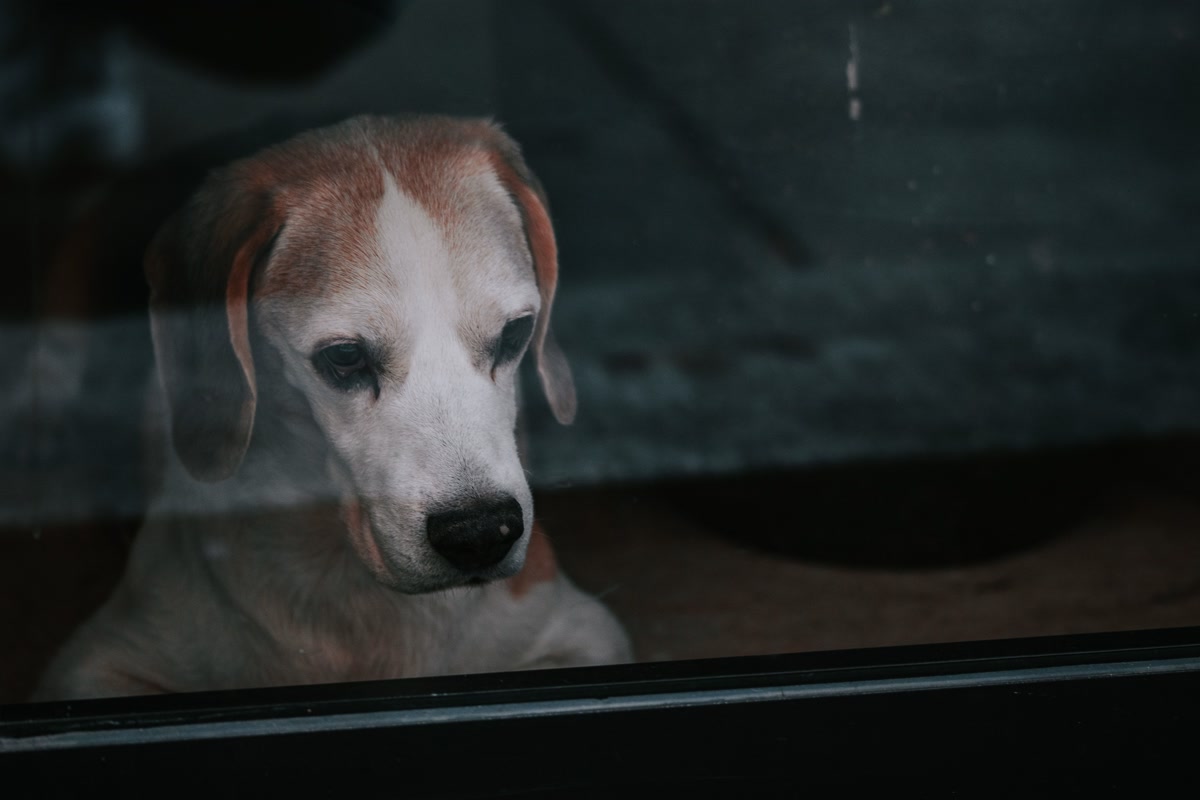
Back-to-school season means sudden schedule changes for dogs. After a summer of kids being home all day, the house goes quiet at 8 AM and stays quiet until 3 PM. For many dogs, this triggers separation anxiety — destructive chewing, excessive barking, potty accidents, and self-injury. The good news is that most separation anxiety can be managed at home without a professional trainer, using budget-friendly tools and a gradual transition plan.
Signs Your Dog Has Separation Anxiety (Not Just Bad Behavior)
True separation anxiety is different from boredom. Look for these signs that only happen when you leave:
- Destructive chewing focused on exit points (doors, window frames, crates)
- Excessive vocalization — non-stop barking or howling that starts within minutes of your departure
- Potty accidents despite being house-trained
- Pacing and panting as you prepare to leave (putting on shoes, grabbing keys)
- Self-injury — licking paws raw, chewing tail base, breaking teeth on crate bars
- Escaping — digging under fences, pushing through screens
If these behaviors only happen when alone, it is separation anxiety. If they happen when you are home too, it is likely boredom or lack of exercise — a different problem with a different solution.
The 5-Tool Anxiety Kit (Under 50 Dollars Total)
1. Puzzle Toys and Lick Mats (Under 15 Dollars)
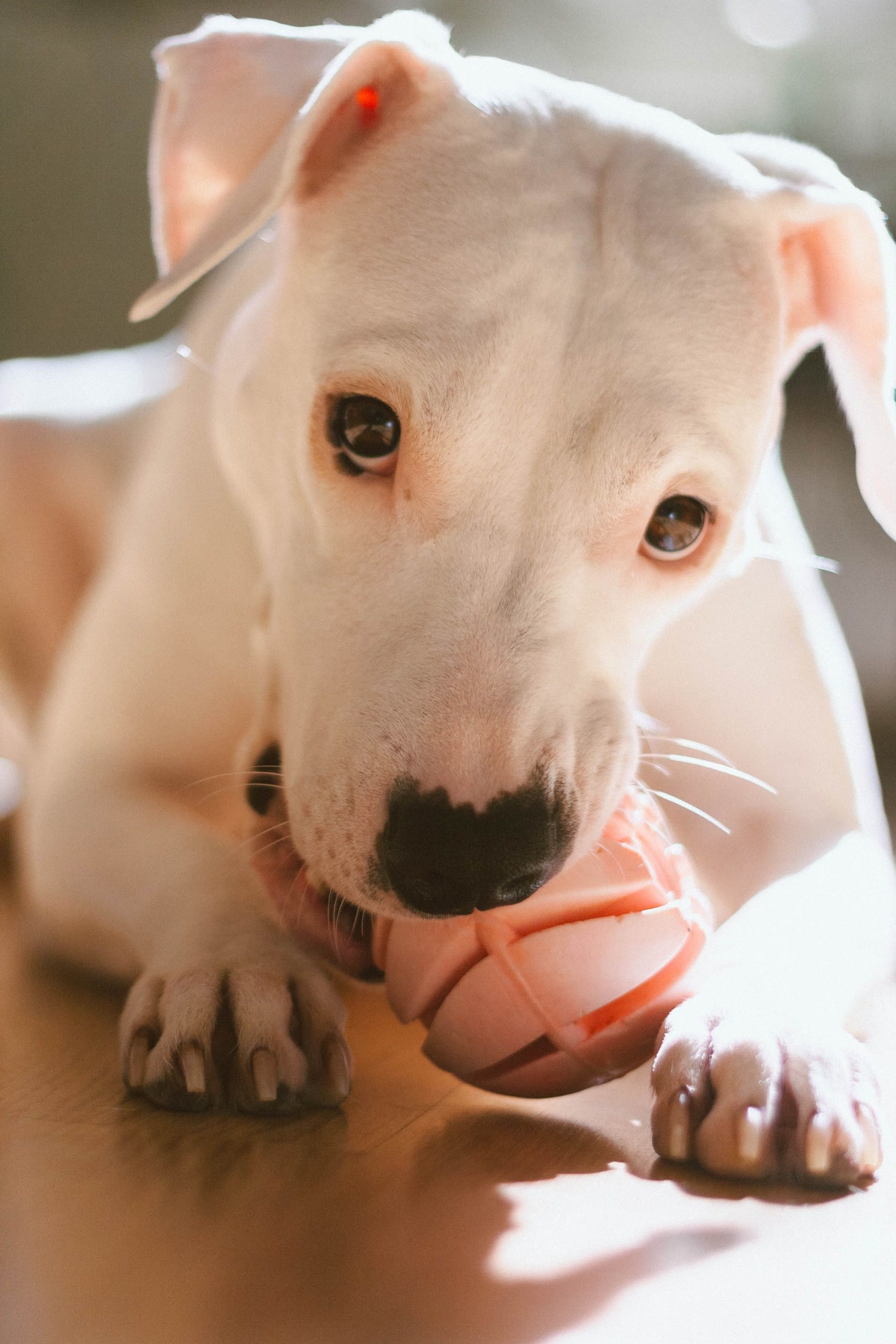
Food-dispensing toys give your dog a job to do when you leave. The mental effort of working for food tires them out the same way physical exercise does.
West Paw Zogoflex Toppl Treat Dispensing Toy — Stuff with wet food, pumpkin puree, or yogurt and freeze overnight. It takes 20-30 minutes to work through, which covers the most critical anxiety window (the first 30 minutes after you leave).

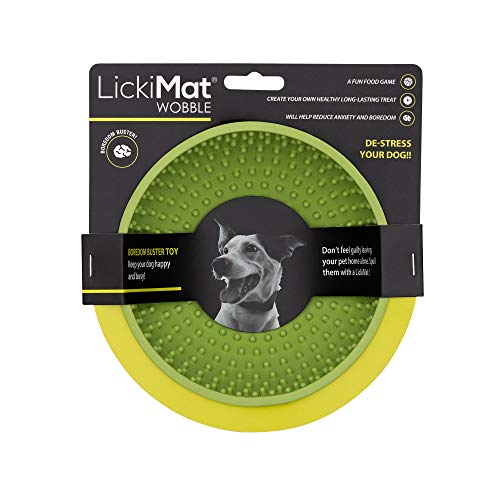
LickiMat Wobble Slow Feeder — Spread peanut butter (check for xylitol — never use brands that contain it) or wet food on the mat and freeze. Under 10 dollars.
2. White Noise Machine or Fan (Under 15 Dollars)
Silence is triggering for anxious dogs. Background noise masks outside sounds that trigger barking (squirrels, neighbors, delivery trucks) and creates a consistent, calming environment.
A basic LectroFan Evo White Noise Machine under 15 dollars works as well as expensive models. A box fan pointed away from your dog (not directly on them) serves the same purpose and helps with air circulation.
3. Calming Pheromone Diffuser (Under 20 Dollars)
ADAPTIL Dog Calming Pheromone Diffuser — Releases a synthetic version of the pheromone mother dogs produce when nursing. Studies show it reduces anxiety-related behaviors in dogs by 60-70 percent. One diffuser covers 700 square feet and lasts 30 days. Under 20 dollars per month.
This is one of the few “calming” products with actual clinical evidence behind it. Skip the herbal sprays and calming collars — the pheromone diffuser is the one Worth Buying.
4. Smart Camera (Under 40 Dollars)
budget pet camera with two-way audio lets you check on your dog remotely and see exactly when anxiety starts. This information is invaluable — if you know your dog panics at the 15-minute mark, you can adjust your training plan accordingly. Look for two-way audio so you can talk to your dog if needed.
Do not use the two-way audio to soothe your dog constantly — hearing your voice without seeing you can actually increase anxiety. Use it only if your dog is in acute distress.
5. Crate (If Not Already Owned)
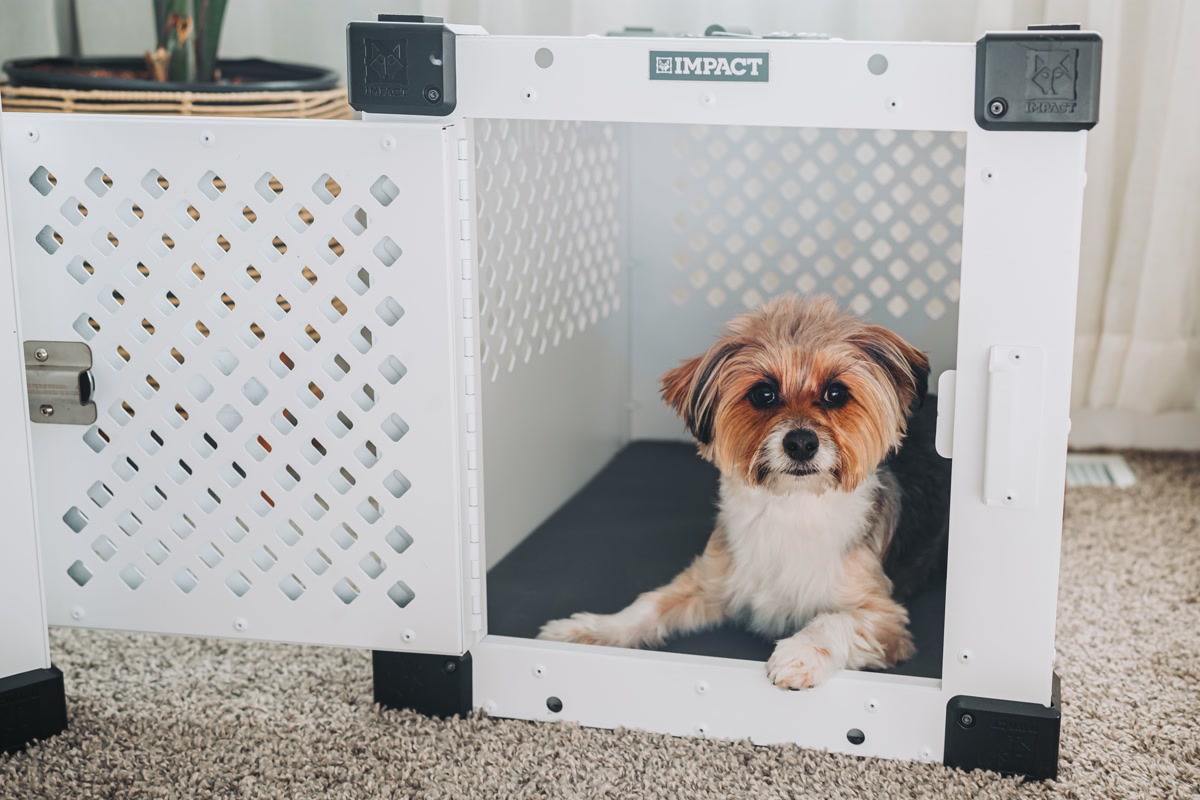
A crate is not a punishment — for anxious dogs, it is a safe den. The key is making the crate a positive space before you ever close the door. Feed meals inside the crate. Put treats and toys in there. Let your dog choose to go in.
If your dog is already crate-trained, use it. If your dog panics in the crate (banging against the sides, breaking teeth), do not force it — work with a vet on alternatives. Severe crate panic is a medical issue, not a training issue.
The 2-Week Transition Plan
Week 1: Practice Departures (Before School Starts)
Do not wait until the first day of school. Start practicing departure routines now:
- Pick up your keys, put on your shoes, grab your bag — then sit back down. Do this 5 times a day. Your dog learns these cues do not always mean you are leaving.
- Step outside for 30 seconds. Come back in. Do not make a big deal of leaving or returning — no emotional greetings.
- Gradually increase to 1 minute, 5 minutes, 10 minutes. Each time, give your dog a frozen puzzle toy before you leave.
- By day 7, aim for 30-minute absences with your dog calm throughout.
Week 2: Build Duration
- Extend to 1 hour on day 8. Give a puzzle toy and leave the white noise on.
- Day 9-10: Extend to 2 hours. Check on the camera halfway through.
- Day 11-12: Extend to 3 hours — this simulates a half school day.
- Day 13: Try 4 hours.
- Day 14: Full school day simulation (6-7 hours).
If at any point your dog shows distress, go back to the last successful duration and stay there for 2 more days before increasing.
Exercise: The Free Anxiety Treatment
A tired dog is a calm dog. This is not a cliche — it is neurochemistry. Physical exercise depletes adrenaline and cortisol, the stress hormones that drive anxiety behaviors.
| Dog Size | Minimum Morning Exercise | Type |
|---|---|---|
| Small (under 20 lbs) | 20 minutes | Brisk walk or fetch |
| Medium (20-50 lbs) | 30-45 minutes | Walk plus off-leash play |
| Large (50+ lbs) | 45-60 minutes | Run, hike, or long walk |
| High-energy breeds | 60+ minutes | Running, swimming, or dog sports |
The key is doing this exercise BEFORE you leave for the day. A 30-minute walk after work does not help a dog who panicked at 9 AM. Morning exercise is non-negotiable for anxious dogs.

When to See a Vet
Home management works for mild to moderate separation anxiety. See a vet if:
- Your dog injures themselves (broken teeth, bloody paws, torn nails)
- Anxiety has lasted more than 4 weeks despite consistent training
- Your dog stops eating when you are gone
- Neighbors report non-stop barking for hours
- Your dog escapes the crate or the house
Severe separation anxiety may require medication. This is not a failure — it is the same as treating any medical condition. Fluoxetine (generic Prozac) costs about 10 dollars per month and is highly effective when combined with behavioral training.
Cost Comparison: DIY vs Professional
| Approach | Cost | Timeline |
|---|---|---|
| DIY anxiety kit (this guide) | 50 dollars one-time | 2-4 weeks |
| Private trainer | 75-150 dollars per session | 4-8 sessions typical |
| Vet behaviorist | 300-500 dollars initial consult | 1-3 months |
| Medication only | 10-30 dollars per month | Ongoing |
| Medication plus DIY training | 60 dollars upfront + 10/month | 2-6 weeks |
Most dogs respond to the DIY approach. Start there. If you see no improvement after 4 consistent weeks, then consult a professional.
The Bottom Line
Separation anxiety is manageable. The combination of morning exercise, frozen puzzle toys, white noise, and a gradual transition plan resolves 80 percent of cases without professional help. Start the 2-week plan two weeks before school starts, and your dog will adapt to the new routine without the destructive behaviors that cost you money in home repairs and vet bills.
Last updated: July 2026 | By ThriftyPaw | Prices and availability subject to change
ThriftyPaw is reader-supported. As an Amazon Associate, we earn from qualifying purchases. This means we may earn a small commission when you buy through links on this site at no additional cost to you. We only recommend products we genuinely believe in. Thank you for supporting ThriftyPaw.
My take: The $50 kit plus the two-week plan handles most back-to-school anxiety — the white noise and frozen Kong are the workhorses. Use the camera to see the real picture instead of guessing. And don’t rule out the $10/month fluoxetine route for genuine panic; combined with the training plan, it’s what the vet behaviorist would start with anyway.
Related guides
- Cat Urinary Health on a Budget: Prevention Guide Under 15 Dollars Per Month
- Tick Prevention on a Budget: Complete Guide Under 15 Dollars Per Month
- How to Save Money on Dog Food Without Sacrificing Quality
- Dog Car Sickness and Motion Sickness Remedies: Budget Guide (2026)
- My Dog Itched Herself Raw Every August. These 3 Allergy Supplements Finally Gave Her Relief
🐾 Get Your Free Big Dog First Aid Kit Checklist
Join our newsletter and get this free printable plus weekly tips.
Frequently Asked Questions
How do I know if my dog has separation anxiety versus bad behavior?
The distinguishing signs are distress-based: destruction at exit points (doors, windows), drooling, barking that starts at departure and runs continuously, and potty accidents only when alone. Back-to-school season triggers it with schedule changes — a dog used to a full house suddenly alone at 8 AM.
Can I fix separation anxiety without a professional trainer?
Most cases, yes — the $50 kit (puzzle toys and lick mats, white noise machine, pheromone diffuser, and a camera to see what actually happens) plus the two-week gradual transition plan. True cases of self-injury or extreme panic need the vet: generic fluoxetine runs about $10 a month and works with the behavioral training.
What's the most common mistake with separation anxiety?
Dramatic departures and greetings — they teach the dog that your leaving is an event. The plan's version: quiet exits, a stuffed frozen Kong left behind, and building duration gradually in week two rather than jumping straight to a full workday alone.
Liked this guide? Get the next one in your inbox — the pet budget checklist is free too.
✓ You're in — check your inbox.
No spam. Unsubscribe anytime. We never share your email.
Price Check
Prices verified via our product tracker. Updated Sep 27.
| LickiMat Wobble, Dog Slow Feeder Bowl Lick Mat, Boredom An | $18.95 | 4.5★ (5,259) |
| ADAPTIL Dog Calming Pheromone Diffuser, 30 Day Starter Kit | $20.00 | 3.6★ (9,830) |
As an Amazon Associate we earn from qualifying purchases.