
This article contains affiliate links. We may earn a commission from qualifying purchases.
Some content on this site is AI-assisted and reviewed by our editorial team.
Cat urinary tract problems are the number one reason cats are rushed to the emergency vet — and they are among the most expensive conditions to treat. A urinary blockage in a male cat costs 1,500-5,000 dollars to unblock and can kill within 24-48 hours. But most urinary problems are preventable with diet and hydration management that costs 5-15 dollars per month. This guide covers the 3 common urinary conditions in cats, how to recognize a urinary emergency, the budget prevention protocol, and when to rush to the emergency vet.
The 3 Common Cat Urinary Conditions
1. Feline Lower Urinary Tract Disease (FLUTD) — Most Common
An umbrella term for inflammation of the bladder and urethra. The most common form is feline idiopathic cystitis (FIC) — bladder inflammation with no identifiable cause. FIC accounts for 55-65 percent of all FLUTD cases. Stress is the primary trigger — changes in routine, new pets, moving, or even weather changes can trigger an episode.
Signs: Straining to urinate, frequent trips to the litter box with small output, blood in urine, urinating outside the litter box, crying while urinating, excessive licking at the genital area.
Treatment: Most FIC episodes resolve in 5-7 days with supportive care (pain medication from the vet, 15-30 dollars). Increasing water intake and reducing stress prevent recurrence.
2. Urinary Tract Infection (UTI)
Bacterial infection of the bladder. Less common in cats than in dogs — only 1-3 percent of FLUTD cases are true bacterial UTIs. More common in senior cats (over 10 years) and cats with diabetes or kidney disease.
Signs: Same as FLUTD — straining, frequent urination, blood in urine, urinating outside the box.
Treatment: Antibiotics from the vet (15-40 dollars, 7-14 day course). A urine culture (40-80 dollars) identifies the bacteria and the most effective antibiotic.
3. Urinary Blockage (Urethral Obstruction) — EMERGENCY
Crystals, mucus, or stones block the urethra, preventing urination. The bladder fills, kidneys stop producing urine, toxins build up, and the cat dies within 24-48 hours. This is almost exclusively a male cat problem — the male urethra is long and narrow, while the female urethra is short and wide.
Signs: Straining with NO urine output, crying in the litter box, distended abdomen (bladder is full and firm), lethargy, vomiting, collapse. If your male cat is straining in the litter box and producing no urine, this is a life-or-death emergency — go to the vet immediately.
Treatment: Emergency unblocking under sedation (catheterization), IV fluids, hospitalization for 2-5 days. Cost: 1,500-5,000 dollars. Recurrence rate is 20-40 percent without dietary management.
Recognizing a Urinary Emergency
Go to the emergency vet IMMEDIATELY if your cat shows any of these signs:
- Straining in the litter box with no urine output — The most critical sign. A blocked cat may spend 10-30 minutes in the box producing nothing.
- Crying or howling while in the litter box — Severe pain
- Distended, firm abdomen — The bladder is full and cannot empty
- Lethargy, weakness, or collapse — Toxins building up
- Vomiting — Kidney shutdown causes nausea and vomiting
- Not eating for 24+ hours
If your male cat is straining and producing no urine, do not wait — go to the emergency vet. Every hour of delay reduces survival chances. A blocked cat can die within 24 hours.
When It Is NOT an Emergency (But Still Needs Vet Attention)
Call your vet for a same-week appointment if your cat:
- Is urinating small amounts with blood in the urine
- Is urinating outside the litter box (a common sign of urinary discomfort)
- Is making frequent trips to the litter box but producing small amounts
- Is licking the genital area excessively
These signs need veterinary evaluation but are not immediate emergencies as long as your cat is still producing some urine, eating, and acting relatively normal.
The Budget Prevention Protocol (5-15 Dollars Per Month)
1. Increase Water Intake (Free to 5 Dollars)
The single most important prevention measure. Cats evolved from desert animals and naturally have a low thirst drive — they get most of their water from prey. Indoor cats fed dry food are chronically dehydrated, producing concentrated urine that irritates the bladder and forms crystals.
How to increase water intake:
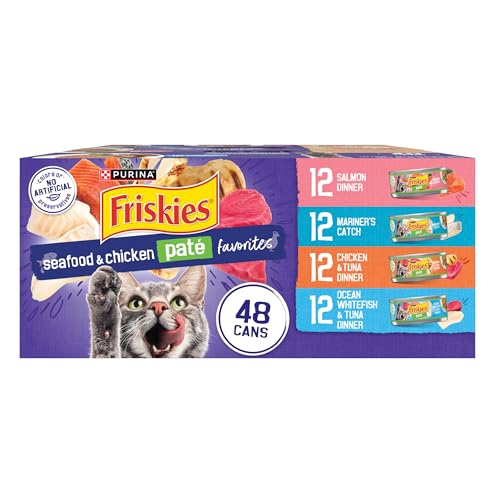
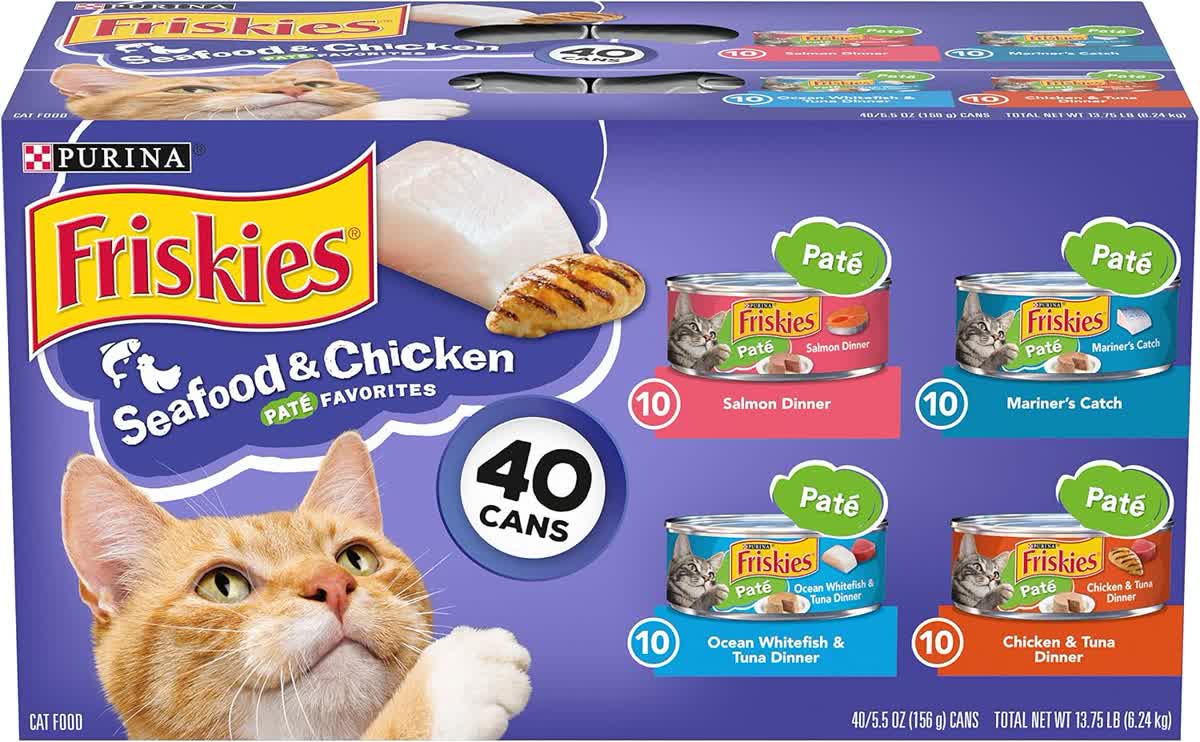
- Switch to wet food — Wet food is 70-80 percent water. Switching from dry to wet food increases urine output by 50-100 percent. This is the single most effective urinary prevention measure. Budget wet food like Purina Friskies Pate Wet Cat Food Variety Pack — about 0.40 dollars per can — is fine; the water content matters more than the brand.
- Add water to dry food — If your cat will not eat wet food, add 2-3 tablespoons of warm water to dry kibble and let it soften. Free.
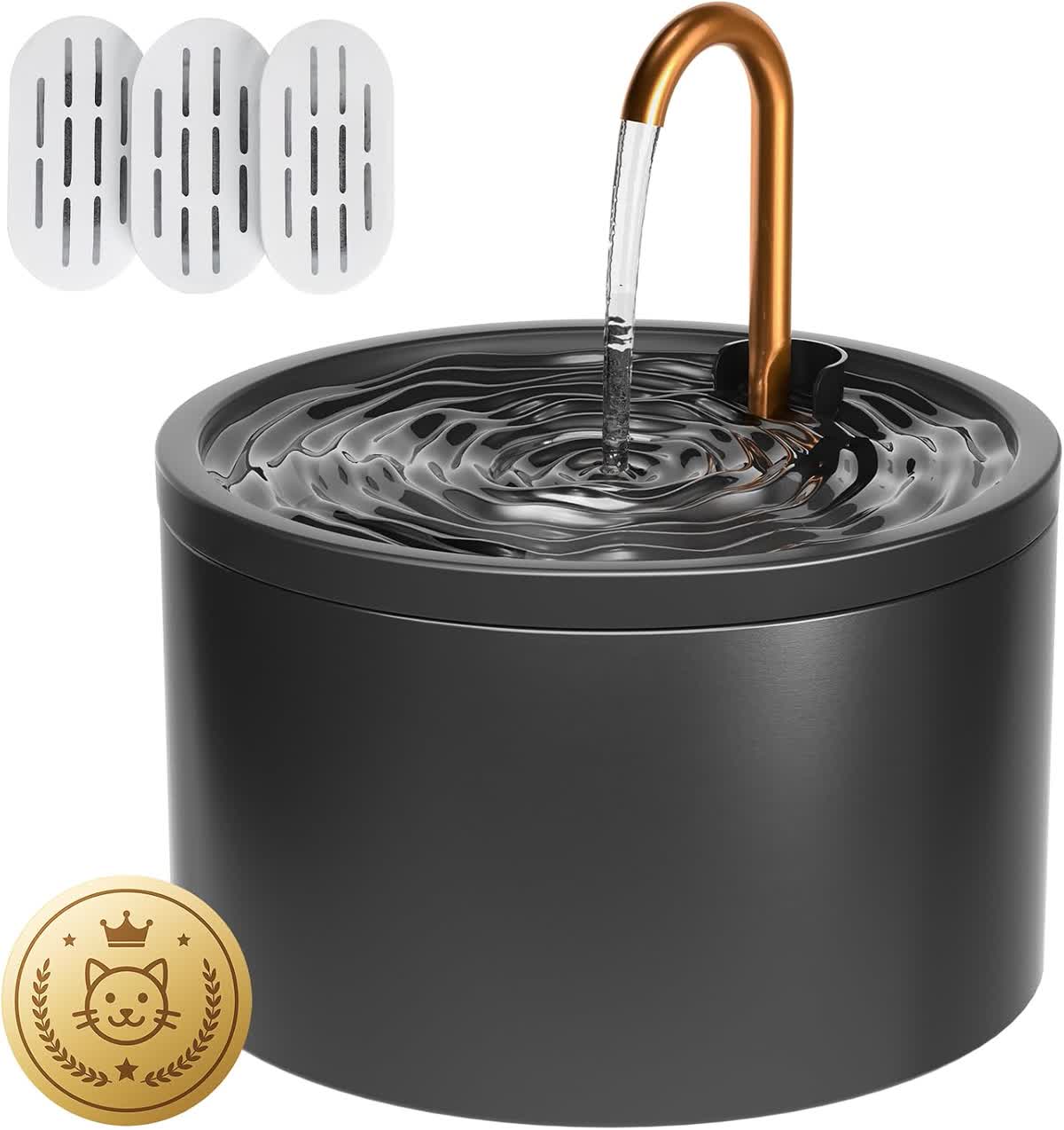
- Cat water fountain — A DOOOB Ceramic Cat Water Fountain (2.1L) — about 25 dollars (one-time). Cats prefer moving water to still water. A fountain increases water intake by 30-50 percent. Clean the fountain weekly and change the filter monthly (3-5 dollars).
- Multiple water bowls — Free. Place water bowls in 2-3 locations around the house. Use wide, shallow bowls (cats do not like their whiskers touching the sides — “whisker stress”).
- Separate water from food — Free. Cats instinctively avoid water near food (in nature, water near a kill may be contaminated). Place water bowls away from food bowls.
2. Urinary Health Diet (5-15 Dollars Per Month Extra)
Urinary health diets control urine pH and reduce crystal formation. Two options:
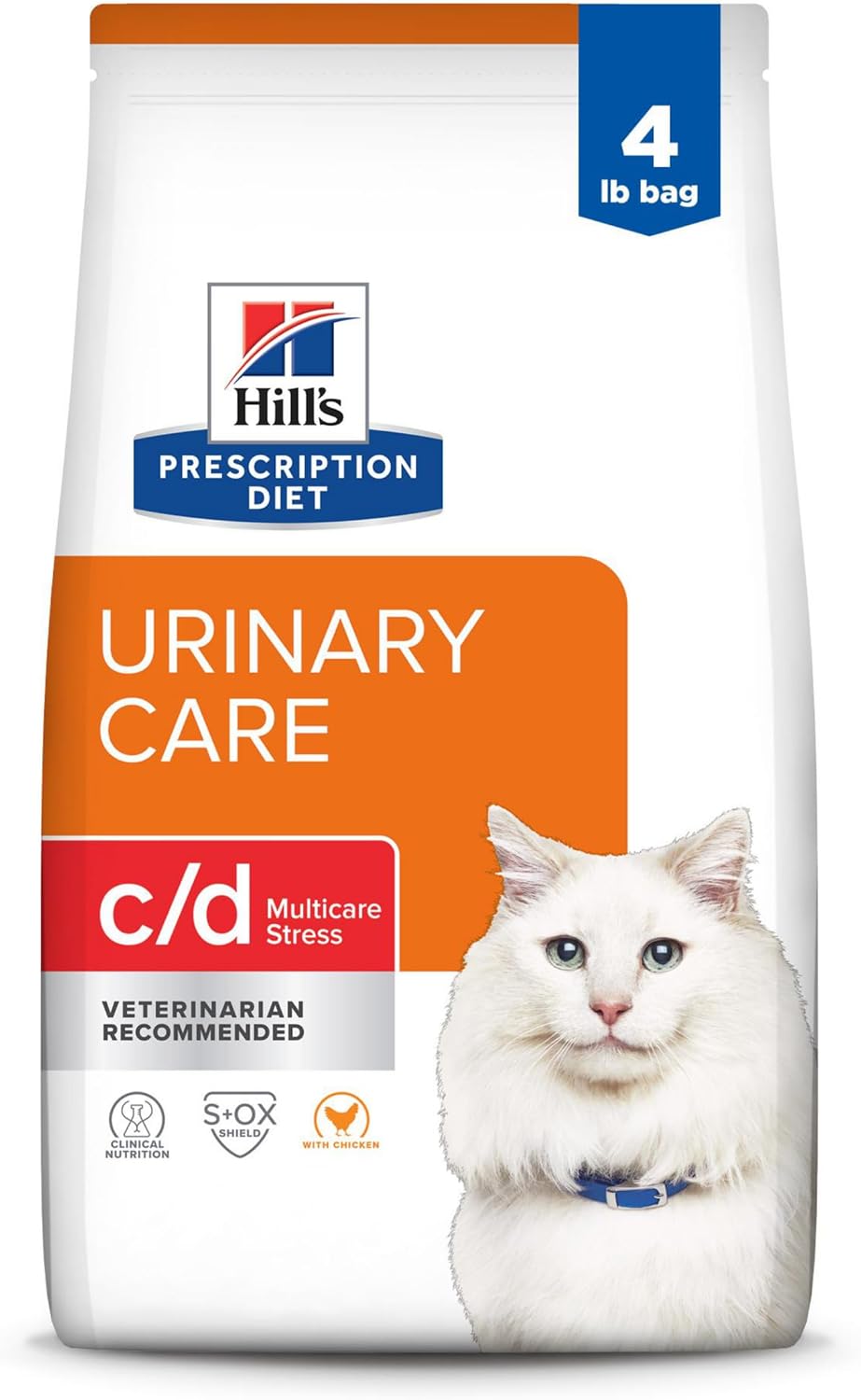
- Prescription urinary diet — Hill’s Prescription Diet c/d Multicare Stress Urinary Care or Royal Canin Feline Urinary SO Dry Cat Food — 25-40 dollars/month. Most effective for cats with a history of urinary problems. Controls urine pH, reduces crystal formation, and promotes water intake. Requires vet prescription.
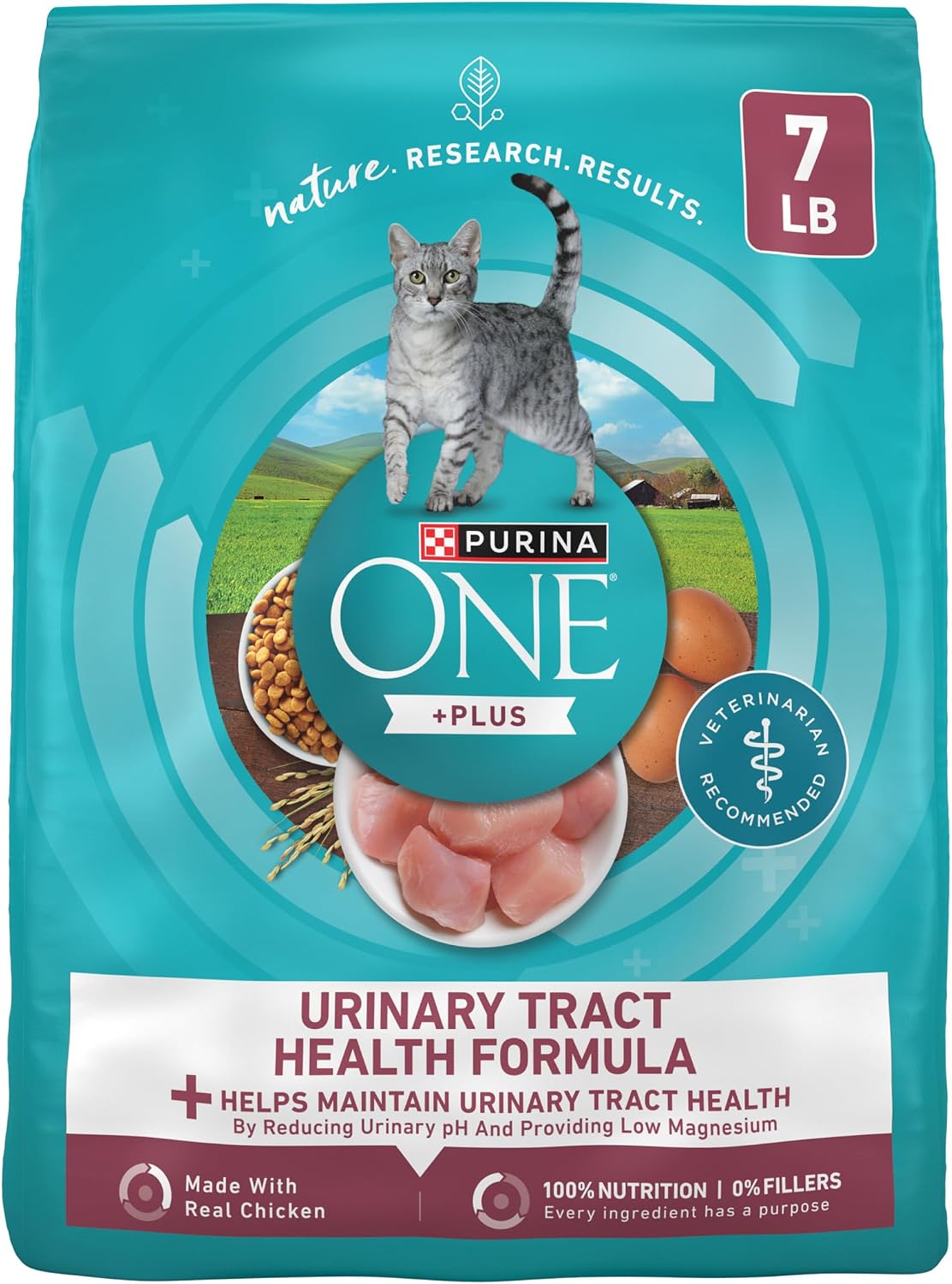
- Over-the-counter urinary formula — Purina ONE Urinary Tract Health Formula or IAMS Proactive Health Urinary Tract Health — 10-15 dollars/month. Formulated to promote urinary health. Not as precisely controlled as prescription diets but adequate for prevention in cats without a history of blockage.
- Budget alternative: Feed any wet food and add 2-3 tablespoons of water per meal. The increased water intake dilutes urine and prevents crystal formation regardless of the specific diet. Total cost: 5-10 dollars/month more than dry food.
3. Reduce Stress (Free)
Stress is the primary trigger for feline idiopathic cystitis (FIC). Cats are extremely sensitive to environmental changes:
- Maintain a consistent routine — Feed, play, and interact at the same times daily.
- Provide multiple litter boxes — One per cat plus one extra. Place in quiet, low-traffic areas. Scoop daily. A dirty or shared litter box is a major stressor.
- Provide hiding spots — Cats need places to retreat when stressed. Cardboard boxes, covered cat beds, or access to a quiet room.
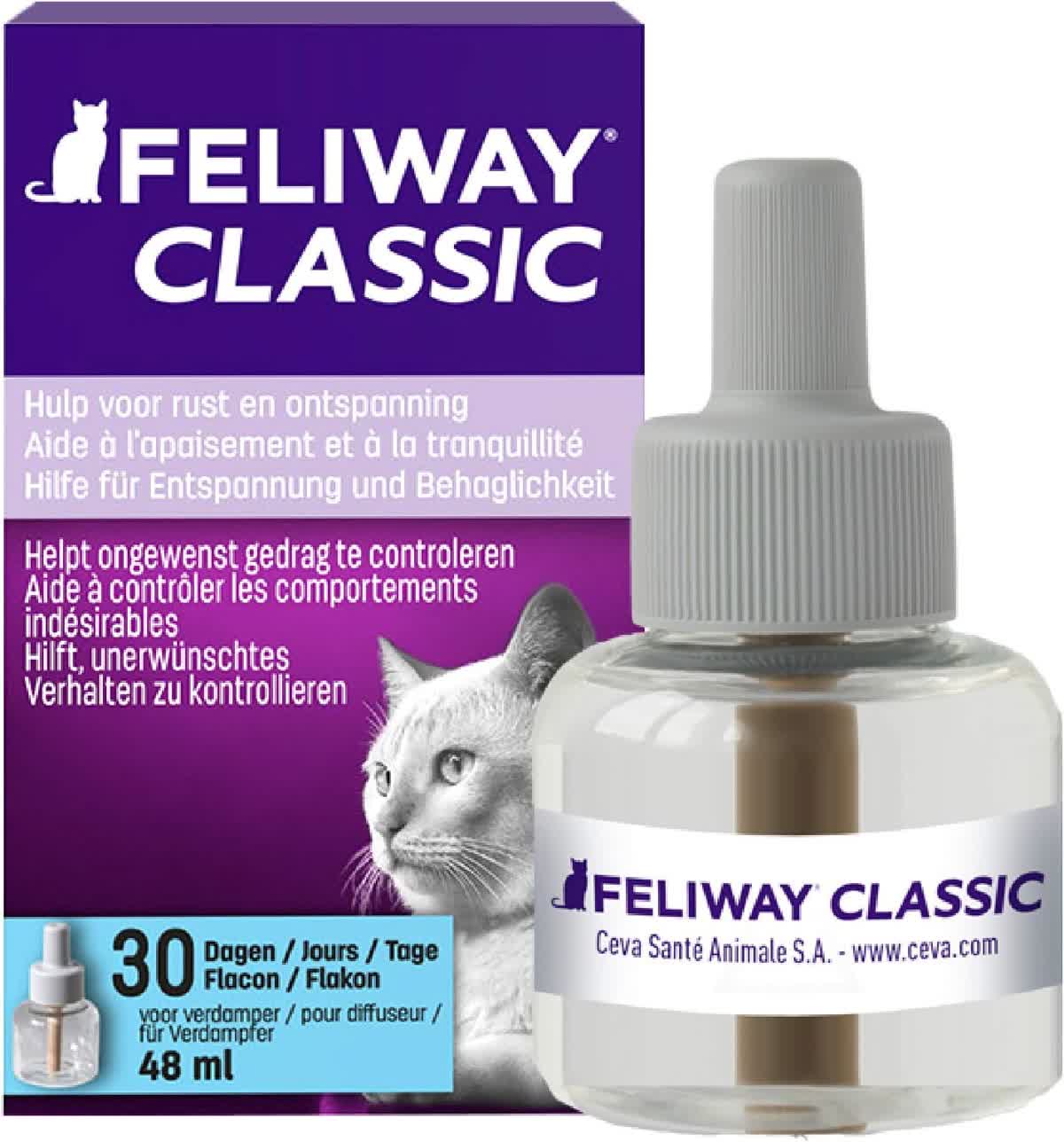
- Use Feliway pheromone diffuser — The Feliway Classic Cat Pheromone Calming Diffuser Kit — about 25 dollars (one-time, refills 15-20 dollars/month). Synthetic pheromone that reduces anxiety in cats. Plugs into a wall outlet. Studies show 60-70 percent reduction in FIC episodes in multi-cat households.
- Introduce changes gradually — New pets, new home, new family members: introduce slowly over weeks, not days.
- Enrichment — See the indoor cat enrichment guide. Boredom causes stress. 15 minutes of daily play reduces anxiety.
4. Litter Box Management (Free)
Poor litter box hygiene contributes to urinary problems — cats hold their urine when the box is dirty, which concentrates urine and promotes crystal formation:
- Scoop daily — Cats prefer clean boxes and will hold urine if the box is dirty
- Change litter completely every 2-3 weeks — Dump, wash the box with soap and water, refill with fresh litter
- Use unscented litter — Scented litter irritates cats’ sensitive noses and may cause litter box avoidance
- Box size matters — The box should be 1.5 times the length of your cat. Small boxes cause cats to rush and incompletely empty their bladder
- Do not use covered boxes — Covered boxes trap odor (like a porta-potty) and many cats refuse to use them. Use open boxes.
The Urinary Crystal Connection
Urinary crystals form when urine is too concentrated or the pH is wrong. Two types:
| Crystal Type | Promoted By | Prevented By |
|---|---|---|
| Struvite | Alkaline urine (pH above 7), concentrated urine | Acidic urine (pH 6-6.5), diluted urine |
| Calcium oxalate | Acidic urine (pH below 6), certain diets | Neutral to slightly alkaline urine, diluted urine |
The common factor: concentrated urine promotes both types. Diluted urine (from increased water intake) prevents both types. This is why increasing water intake is the single most effective prevention measure — it works regardless of crystal type.
The Cost Comparison: Prevention vs. Treatment
| Option | Monthly Cost | Annual Cost |
|---|---|---|
| Wet food + water fountain + OTC urinary formula | 5-15 dollars extra | 60-180 dollars |
| Prescription urinary diet + Feliway | 40-65 dollars | 480-780 dollars |
| NO PREVENTION — FLUTD/FIC episode | 200-500 dollars per episode | |
| NO PREVENTION — Urinary blockage | 1,500-5,000 dollars per event |
The Bottom Line
Cat urinary problems are the number one reason for emergency vet visits and can cost 1,500-5,000 dollars for a urinary blockage (which kills within 24-48 hours). Prevention costs 5-15 dollars per month: increase water intake (the most important measure — switch to wet food or add water to dry food, use a cat water fountain at 15-25 dollars one-time, provide multiple water bowls away from food), feed a urinary health diet (OTC urinary formula at 10-15 dollars/month or prescription diet at 25-40 dollars/month for cats with prior problems), reduce stress (maintain routine, provide hiding spots, use Feliway pheromone diffuser at 15-25 dollars/month, 15 minutes of daily play), and manage litter boxes (scoop daily, one box per cat plus one extra, large open boxes with unscented litter). Recognize a urinary emergency: if your male cat is straining in the litter box with NO urine output, crying, has a firm distended abdomen, or is lethargic and vomiting — go to the emergency vet immediately. Urinary blockage kills within 24 hours. For non-emergency signs (blood in urine, frequent small amounts, urinating outside the box), call your vet for a same-week appointment. The 5-15 dollar monthly prevention (wet food + water + stress reduction + litter box hygiene) prevents the 1,500-5,000 dollar emergency and saves your cat from a painful, life-threatening condition. If your cat has had one urinary episode, prevention is non-negotiable — recurrence rates are 20-40 percent without dietary management.
Last updated: July 2026 | By ThriftyPaw | Prices and availability subject to change
🐾 Get Your Free Big Dog First Aid Kit Checklist
Join our newsletter and get this free printable plus weekly tips.
Price Check
Prices verified via our product tracker. Updated Sep 27.
| Purina Friskies Pate Variety Pack Seafood Chicken Cat Food | $39.07 | 4.6★ (33,296) |
| DOOOB Ceramic Cat Water Fountain, Ceramic Cat Fountain wit | $55.98 | 4.3★ (1,222) |
| Hill's Prescription Diet c/d Multicare Stress Urinary Care | $42.99 | 4.7★ (1,816) |
| ROYAL CANIN Veterinary Diet Feline Urinary SO Adult Dry Ca | $67.99 | 4.6★ (1,047) |
| Purina ONE High Protein Urinary Tract Health Dry Cat Food, | $10.29 | 4.6★ (16,781) |
| IAMS Proactive Health Urinary Tract Health Dry Cat Food, C | $33.98 | 4.8★ (15,324) |
| FELIWAY Classic Cat Pheromone Calming Diffuser Kit | Helps | $24.99 | 4.0★ (28,379) |
As an Amazon Associate we earn from qualifying purchases.