
This article contains affiliate links. We may earn a commission from qualifying purchases.
Some content on this site is AI-assisted and reviewed by our editorial team.
Last updated: May 2026 | By ThriftyPaw

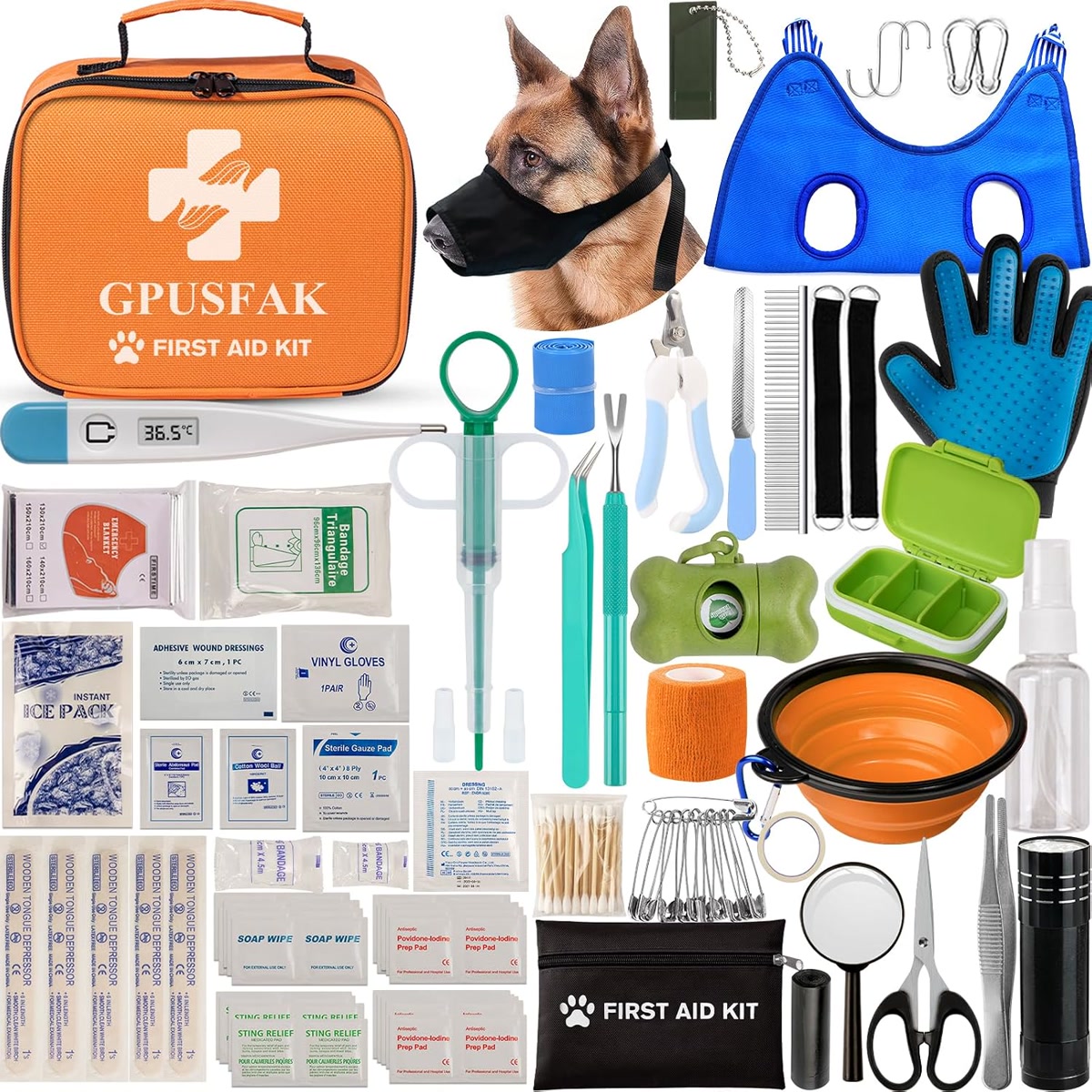
A pet first aid kit at the pet store costs $30 to $60. Most of what is inside costs less than $15 if you buy the items separately at a pharmacy and grocery store. The markup on pre-made kits is real, and you end up with items you do not need while missing items that actually matter.
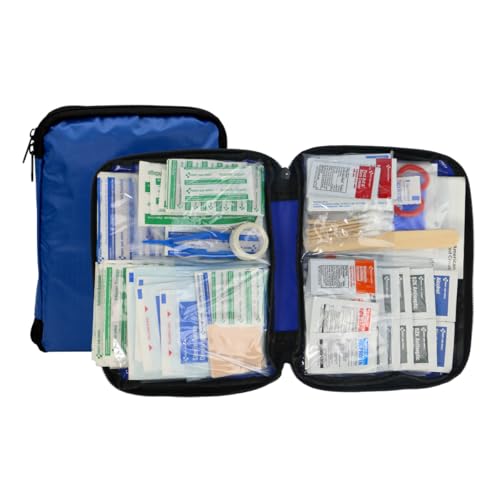
This guide shows you exactly what to put in a DIY dog first aid kit, what to skip, and how to build one for under $20 that covers the emergencies you are most likely to face.
(Already have a kit? Our pre-made first aid kit review covers which ones are actually worth buying if you prefer convenience.)
What You Actually Need (The Core Kit)
These 12 items handle 90% of the first aid situations you will encounter with a dog. Total cost: about $18.
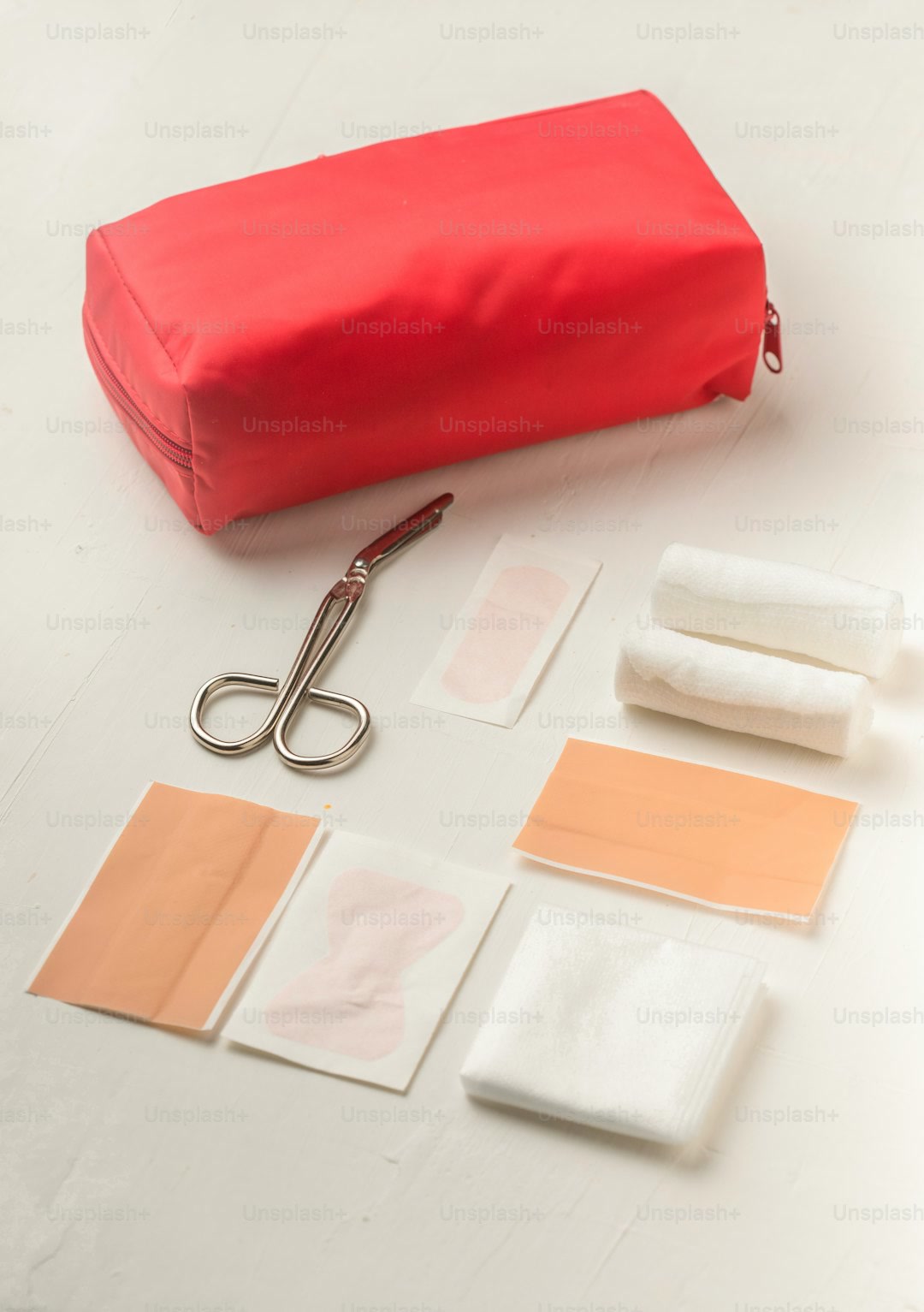
1. Gauze pads (3×3 inch) — $2
For wound coverage and pressure application. Get sterile individually-wrapped pads, not a roll. You will use these more than anything else in the kit.
2. Self-adhesive bandage (Vet Wrap or equivalent) — $3
Dogs do not keep regular bandages on. Self-adhesive wrap sticks to itself without tape and stays put through moderate activity. One roll is enough. Get a bright color so you can see it on your dog.
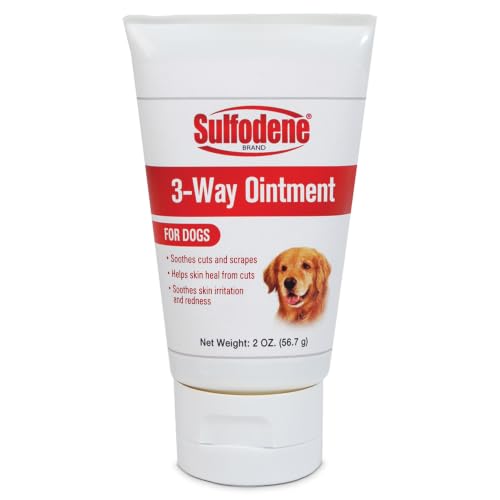
3. Antiseptic wipes (Betadine or chlorhexidine) — $2
For cleaning cuts, scrapes, and paw pad injuries before bandaging. Do not use alcohol — it damages tissue and dogs hate the sting. Chlorhexidine wipes are the vet standard.
4. Tweezers (fine point) — $2
For removing splinters, thorns, ticks, and debris from wounds. The fine-point ones from a pharmacy work fine. You do not need the $12 “pet-specific” ones.
5. Digital thermometer — $3
A dog’s normal temperature is 101-102.5 degrees Fahrenheit. Anything above 104 is an emergency. You need a digital rectal thermometer (yes, rectal — ear thermometers are not accurate for dogs). Any pharmacy digital thermometer works.
6. Hydrogen peroxide 3% — $1
For inducing vomiting ONLY when directed by a vet or poison control. Do not use it for wound cleaning — it damages healthy tissue. One small bottle is enough.
7. Diphenhydramine 25mg (generic Benadryl) — $2
For allergic reactions, bee stings, and swelling. The generic version works identically. Dosage is 1mg per pound of body weight (a 50-pound dog gets two 25mg tablets). Always confirm with your vet first.
8. Sterile saline solution (0.9%) — $2
For flushing eyes (after chemical exposure or debris) and irrigating wounds. Get the plain saline, not contact lens solution with additives. A small bottle is fine.
9. Cotton balls or cotton-tipped swabs — $1
For applying antiseptic to small areas and cleaning around eyes and ears. Do not use cotton balls on open wounds — fibers get stuck.
10. Disposable gloves (nitrile) — $1
A small box of five pairs. For wound cleaning and any situation involving bodily fluids. Protects you and prevents infection in the wound.
11. Muzzle or muzzle wrap — $0
Even the gentlest dog may bite when in severe pain. A strip of gauze works as an emergency muzzle: wrap around the snout and tie behind the ears. Practice this before you need it.
12. Emergency information card — $0
Write down: your vet’s phone number, the nearest emergency vet address, and the ASPCA Poison Control number (888-426-4435). Laminate it or put it in a ziplock bag.
What to Skip (Save Your Money)
These items show up in pre-made kits but are unnecessary or better handled differently:
Tick removal tools: Fine-tip tweezers work just as well. Grab the tick at the head and pull straight up. The fancy tick keys and cards do not do a better job.
Pet-specific bandages: Regular self-adhesive wrap (Vet Wrap/Coban) is exactly the same product without the pet brand markup.
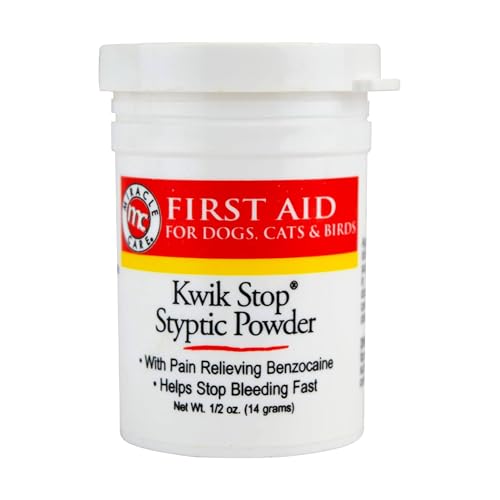
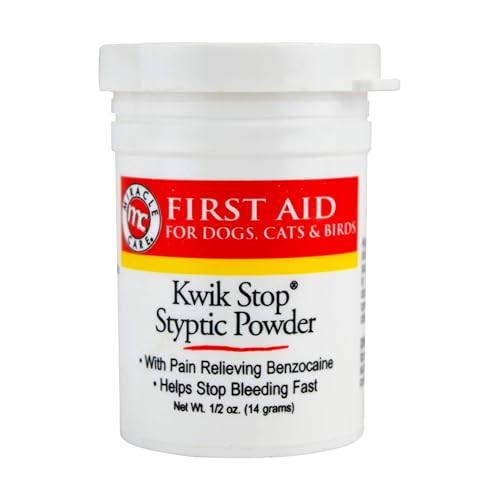
Styptic powder: Only useful for nail trimming accidents. If you do not trim your own dog’s nails, skip it. If you do, a small container of cornstarch works as a clotting agent in a pinch.
Scissors: You already have scissors in your house. Adding a tiny pair to a first aid kit is not worth it when you need real scissors to cut bandages properly.
Pet CPR guide: If you are in a situation where CPR is needed, a card will not help. Take a pet first aid class instead (many local shelters offer them for $20-30).
Organizing Your Kit
A fishing tackle box or a large ziplock bag works fine. The $15 “pet first aid bags” are just nylon pouches with a paw print on them.
Put the emergency information card on top so you see it first. Group items by use: wound care (gauze, wrap, antiseptic) together, medications (Benadryl, peroxide) together, tools (tweezers, thermometer, gloves) together.
Keep the kit in the same place always. Under the bathroom sink or in a specific kitchen cabinet works well. Tell everyone in the house where it is.
Also keep a smaller version in your car. A ziplock bag with gauze, self-adhesive wrap, antiseptic wipes, tweezers, Benadryl, and the emergency card covers most situations away from home.
When to Use the Kit vs. When to Go to the Vet
Handle at home (then monitor):
– Minor cuts and scrapes (shallow, not bleeding heavily)
– Insect stings with localized swelling (give Benadryl, watch for 30 minutes)
– Minor paw pad injuries from glass or thorns
– Splinter or tick removal
– Mild allergic reactions (slight swelling, itching)
Go to the vet immediately:
– Any bite wound (infection risk is high, even if it looks small)
– Deep cuts or anything that will not stop bleeding after 10 minutes of pressure
– Suspected poisoning (call poison control, then head to the vet)
– Difficulty breathing or swelling of the face/throat
– Temperature above 104 degrees Fahrenheit
– Any seizure, even if it seems brief
– Eye injuries (do not try to treat these at home)
The kit is for stabilizing situations and handling minor issues. It is not a substitute for veterinary care when your dog needs it. When in doubt, go to the vet. A $150 emergency visit is better than a $5,000 bill from a problem that got worse because you waited.
(Need help finding an affordable vet? Our guide to finding a vet that will not break the bank covers low-cost clinics, payment plans, and more.)
Kit Maintenance (Do Not Set and Forget)
Check your kit every six months. Replace:
– Expired medications (Benadryl, antiseptic wipes)
– Used supplies (restock gauze, wraps, gloves)
– Saline if the seal is broken
Set a calendar reminder for every January and July. It takes two minutes and ensures your kit is ready when you actually need it.
The Bottom Line
A DIY dog first aid kit costs under $20 and covers the situations you are most likely to face. Pre-made kits charge a 2-3x markup for convenience and include items you will never use. Build your own with the 12 items listed above, keep it accessible, and check it twice a year. Your dog does not need a fancy kit. Your dog needs you to be prepared.
n
Check Current Prices on Amazon
ThriftyPaw is reader-supported. As an Amazon Associate, we earn from qualifying purchases. This means we may earn a small commission when you buy through links on this site at no additional cost to you. We only recommend products we genuinely believe in. Thank you for supporting ThriftyPaw.
My take: Build the $18 kit from a pharmacy list and skip the $30-60 retail versions — same contents, no filler, a third of the price. Date the hydrogen peroxide and replace it yearly, restock what you use, and keep the vet and emergency clinic numbers taped inside the box.
Related guides
- Is Pet Insurance Worth It? The Honest Breakdown for Budget-Minded Dog Owners
- Budget-Friendly Ways to Handle Pet Allergies When You Are the One Sneezing (2026)
- Budget Dog Backpacks for Hiking: Complete Guide Under 35 Dollars (2026)
- 4 Harnesses That Actually Stop a 80-Pound Dog From Pulling (All Under 25 Dollars)
- A 26 Dollar Year Beat the 1,500 Dollar Vet Quote.
🐾 Get Your Free Big Dog First Aid Kit Checklist
Join our newsletter and get this free printable plus weekly tips.
Frequently Asked Questions
What goes in a DIY dog first aid kit under 20 dollars?
The core list: gauze pads ($2), self-adhesive vet wrap ($3), antiseptic wipes ($2), fine-point tweezers ($2), a digital thermometer ($3), 3% hydrogen peroxide ($1), and generic 25mg diphenhydramine ($2) — about $18 total, bought separately at a pharmacy instead of the $30-60 pre-made kit.
Why are pre-made pet first aid kits a bad deal?
Most of what's inside costs under $15 bought separately, and the kits include filler you don't need while missing items that matter. The markup is real — the same $2 tweezers become a $12 “pet-specific” item in the retail kit.
When should I use the kit myself versus going straight to the vet?
The kit handles stabilization — cleaning and bandaging minor cuts, pulling a splinter or tick, checking temperature (normal is 101-102.5°F). Go to the vet for anything deeper: persistent bleeding, suspected poisoning (call first — hydrogen peroxide is only for inducing vomiting when a vet or poison control directs it), or any eye injury.
Liked this guide? Get the next one in your inbox — the pet budget checklist is free too.
✓ You're in — check your inbox.
No spam. Unsubscribe anytime. We never share your email.
Price Check
Prices verified via our product tracker. Updated Sep 27.
| First Aid Only 298-Piece Family First Aid Kit for Home & T | $18.00 | 4.8★ (77,672) |
| Sulfodene Wound Care 3-Way Ointment for Dogs & Puppies, So | $11.99 | 4.5★ (24,271) |
| Miracle Care Kwik Stop Styptic Powder for Dogs, Cats, and | $11.99 | 4.7★ (37,571) |
As an Amazon Associate we earn from qualifying purchases.