
This article contains affiliate links. We may earn a commission from qualifying purchases.
Some content on this site is AI-assisted and reviewed by our editorial team.
My beagle mix, Cooper, escaped the backyard three times last summer. The first two times, a neighbor found him sniffing around the dumpster behind the grocery store two blocks over. The third time, I spent four hours driving around my neighborhood, printing flyers, and panicking. A guy walking his own dog finally spotted him sitting on someone’s porch across the main road, looking confused but perfectly content.
That third escape was when I started looking into smart collars. I figured I’d spend maybe 80 dollars, get a little GPS tracker, and never worry again. What I actually found was a confusing market full of subscription traps, overhyped features, and devices that ranged from genuinely useful to borderline gimmicks. I ended up buying four of them over the next few months. Here is what I learned.
The Honest Truth About Smart Collars
Smart collars fall into two basic camps, and knowing the difference before you buy anything will save you money.
The first camp is GPS trackers. These use cellular networks and satellites to show your dog’s location on your phone in real time. They are genuinely useful if your dog is an escape artist, if you travel with your dog off-leash, or if you just want the peace of mind of knowing where they are. The catch: nearly every GPS collar on the market requires a monthly subscription to cover the cellular data. That 79-dollar tracker becomes 300-plus dollars over two years once you factor in the plan.
The second camp is activity monitors. These track your dog’s daily movement, sleep patterns, and sometimes health metrics like skin temperature. They do not track location at all. But they can catch behavioral changes that signal illness weeks before you would notice them yourself. The big advantage: most of them have no monthly fee. You buy it once and you are done.
There are also hybrid collars that do both. They are expensive. For most people on a budget, you are better off picking one camp and sticking with it.
FitBark 2 — The Activity Tracker I Actually Kept Using
Price: Around 70 dollars (one-time, no subscription) | Battery: Up to 30 days | Weight: 1.6 ounces | Waterproof: Yes
The FitBark 2 is the one I ended up sticking with long-term. It clips onto your dog’s existing collar, tracks daily activity and sleep quality, and the app lets you compare your dog’s stats against breed-specific baselines. No subscription. You buy it once and the app is free.
What sold me was the sleep tracking. Cooper started waking up more frequently at night, and the FitBark data showed his restlessness spiking about two weeks before I noticed anything was wrong. Turned out he had an ear infection that was bothering him at night. The vet said catching it early probably saved me a round of antibiotics and a follow-up visit.
What it does not do: track location. If Cooper bolts again, the FitBark will not help me find him. It also will not give you turn-by-turn directions or show you on a map where your dog is. It is purely a health and activity device. If that is what you want, this is the the smartest spend in the entire smart collar market right now.
The 30-day battery life is real. I charge it maybe once a month, and the little USB cable it comes with stays plugged into my kitchen outlet permanently. The device is light enough that Cooper does not seem to notice it.
Tractive Dog 6 — The GPS Tracker That Actually Works
Price: Around 79 dollars plus 5-13 dollars/month subscription | Battery: Up to 14 days (I got closer to 25 in daily use) | Weight: 1.6 ounces | Waterproof: IP68
Check the Tractive Dog 6 on Amazon
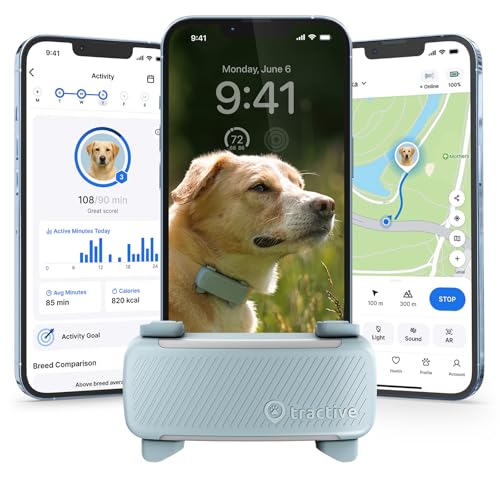
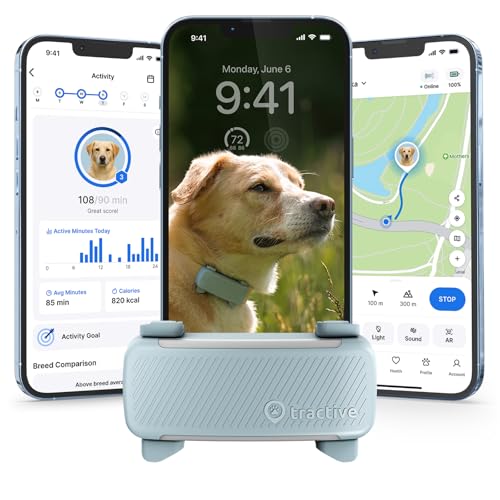
After the FitBark, I wanted something that would actually tell me where Cooper was if he got out again. I went with the Tractive Dog 6 because it was cheaper upfront than the Fi and because it works across multiple cellular carriers instead of being locked to one network.
The battery surprised me. Tractive claims 14 days, but in practice I was getting closer to 25 because of the Power Saving Zones feature. When Cooper is home, the device switches to a low-power mode and barely drains the battery. That feature alone makes the subscription almost worth it.
And yes, you need the subscription. It costs 5 to 13 dollars per month depending on which plan you pick. The basic plan gives you real-time GPS tracking. The Premium plan adds activity tracking and bark detection, which I tried for a month and then dropped because the FitBark already covers activity better.
The one thing I do not love: the attachment mechanism. It uses a sort of rubber bracket that clips onto your dog’s existing collar. It stayed on fine during normal wear, but I always checked it after Cooper went swimming because it felt a little loose. After a few months I started using a small zip tie as backup. Not elegant, but it worked.
Apple AirTag — The Cheap Hack That Sort Of Works
Price: Around 29 dollars (no subscription) | Battery: 1 year (replaceable CR2032) | Weight: 0.4 ounces | Waterproof: IP67
Check the Apple AirTag on Amazon
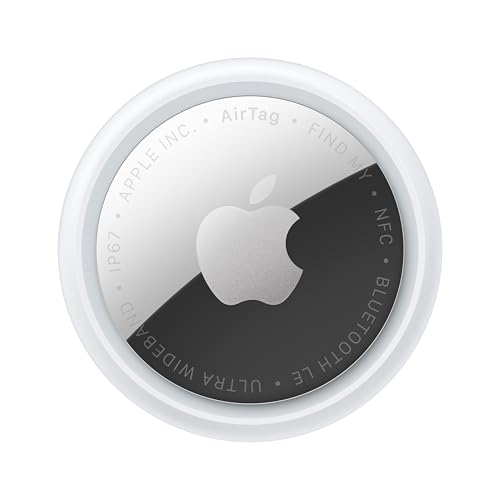
I want to be honest about the AirTag because I see it recommended everywhere as a dog tracker, and the reality is more complicated than the price tag suggests.
If you have an iPhone and live in a city or suburb, the AirTag is genuinely useful. It uses Apple’s Find My network, which means any iPhone that passes near your dog anonymously relays its location to you. No monthly fee, no subscription, nothing. The battery lasts a full year and costs about a dollar to replace.
But here is the catch. If your dog runs into the woods, a park with few people, or any area where there are not other iPhones around, the AirTag goes dark. It cannot broadcast on its own. It relies entirely on other Apple devices being nearby. For my neighborhood, that was fine. For camping trips or rural areas, it was useless.
You also need a collar attachment. There are dozens of them on Amazon for 10 to 15 dollars. Some are better than others. I used a silicone one that held the AirTag snug against the collar, and it survived about six months before the silicone started stretching. Replaced it with a sturdier one.
Is it a smart collar? No. It does not track activity, sleep, or health. But for 29 dollars with no monthly fee, it is the cheapest location awareness you can get. Just know its limitations before you rely on it.
Fi Series 3+ — Great Battery, Pricey Subscription
Price: Free with subscription (around 19 dollars/month) | Battery: Up to 10 weeks | Weight: 1.3 ounces | Waterproof: IP68
Check the Fi Series 3+ on Amazon
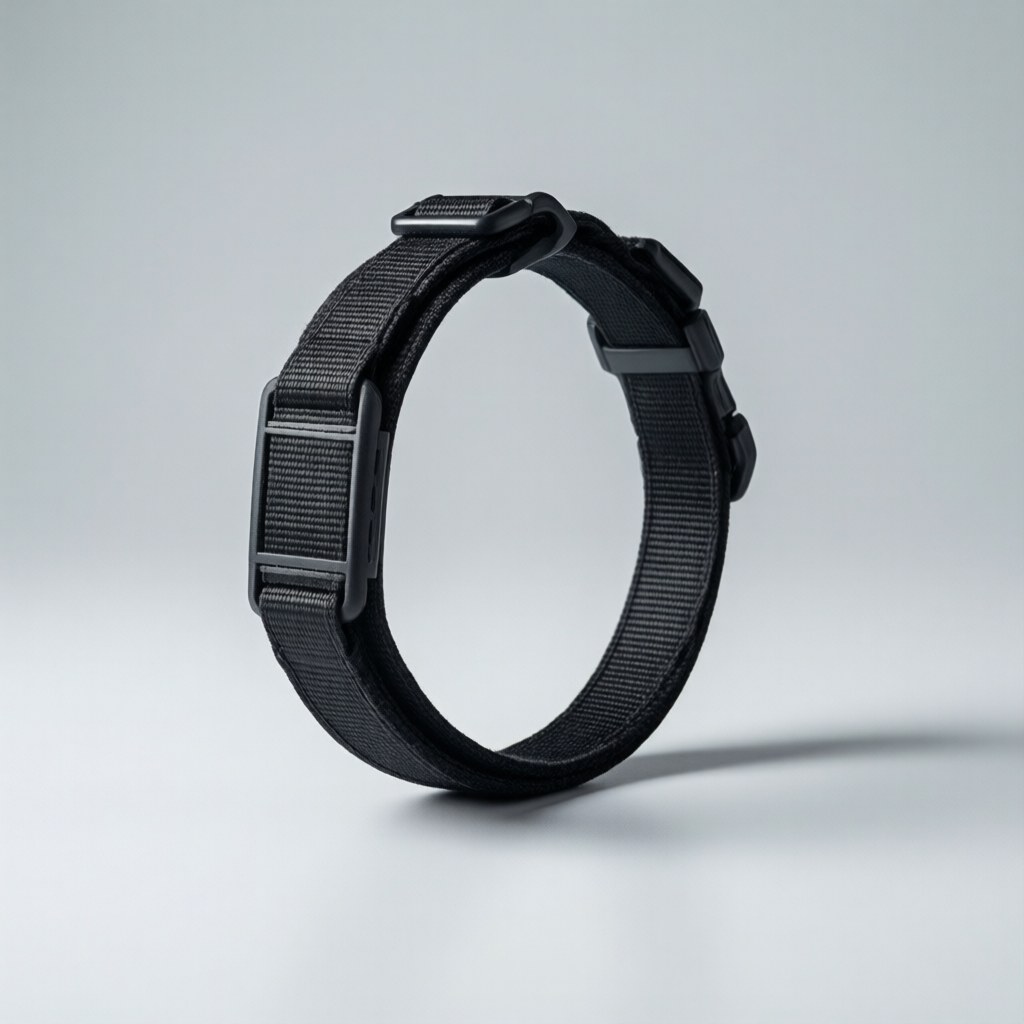
I tried the Fi because of the battery life claim, and honestly, that part is impressive. Ten weeks between charges is not an exaggeration. I charged it maybe twice in three months of use. For anyone who has ever had a tracker die at the worst possible moment, that is a big deal.
The problem is the cost. The device itself is free, but the subscription runs about 19 dollars a month. Over two years, that is 456 dollars. For context, the Tractive with a basic plan costs about 319 dollars over the same period. You are paying a premium for the battery life.
The app is good. It includes activity tracking, sleep monitoring, and location history, so it functions as a hybrid device. If your dog is the type that regularly disappears for hours and you want maximum uptime on the tracker, the Fi is worth considering. If you are trying to keep total costs low, the Tractive gives you the same core GPS function for less money over time.
For small dogs, Fi makes a Mini version that is lighter (0.5 ounces) with a 6-week battery. I did not test that one, but the specs look reasonable for dogs under 20 pounds.
Petcube GPS Tracker — The One I Returned
Price: Around 53 dollars plus subscription | Battery: 12 days | Weight: 1.0 ounce | Waterproof: IP67
Check the Petcube GPS Tracker on Amazon
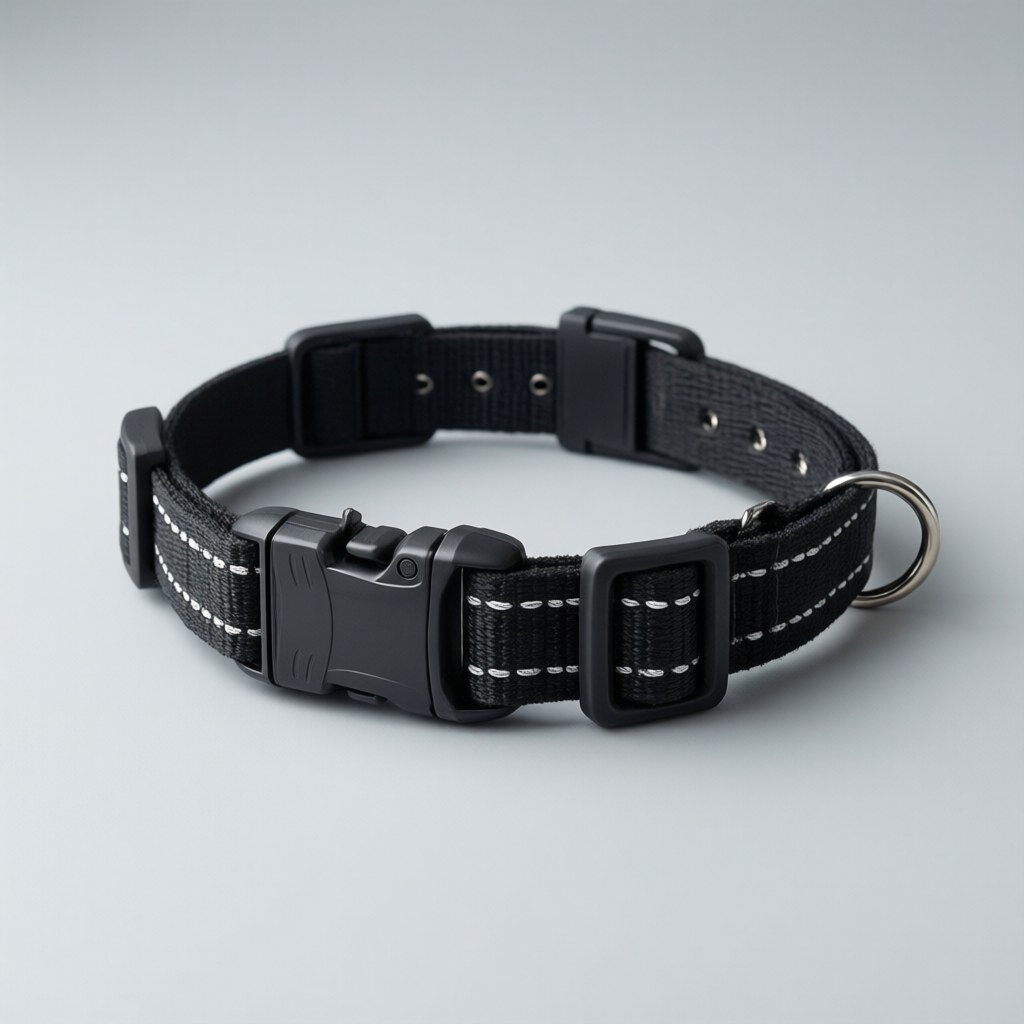
I want to include this one because it is the cheapest GPS option on paper, and I almost kept it. The Petcube is light, the app is easy to use, and the upfront cost is lower than anything else with actual GPS.
But the battery life killed it for me. Twelve days means you are charging this thing every week and a half. Forget once, and your dog gets loose with a dead tracker. The whole point of a GPS collar is that it works when you need it most. A tracker that dies every 12 days is a tracker you will eventually forget to charge.
If you are the type of person who religiously charges devices on a schedule, the Petcube is fine. It does the job. The subscription starts lower than Tractive. But I am not that person, and I suspect most dog owners are not either. I returned it after three weeks.
What I Actually Learned From Testing These Collars
After living with four different smart collars over several months, here is what I wish someone had told me upfront.
Subscription cost is the real cost. A 70-dollar FitBark with no subscription costs 70 dollars total. A 79-dollar Tractive with a 10-dollar monthly plan costs 319 dollars over two years. The Fi, which looks “free” at the register, ends up being the most expensive of all at 456 dollars over two years. Always do the math on the full lifecycle, not just the sticker price.
Battery life matters more than features. A GPS collar only works when it has power. If your dog escapes while the collar is dead, you have an expensive piece of plastic on your dog’s neck and no way to find them. Look for at least 7 days of battery life, and consider devices with power-saving modes that extend battery when your dog is home.
Weight matters for small dogs. Cooper is 45 pounds and does not care about 1.6 ounces on his collar. But if you have a dog under 20 pounds, look at the AirTag (0.4 ounces) or the Fi Mini (0.5 ounces). Heavier trackers can irritate smaller dogs and cause them to scratch at the collar constantly.
Waterproofing is non-negotiable. Dogs swim. Dogs roll in mud. Dogs get caught in downpours. Look for IP67 or IP68 ratings, which mean the device can survive being submerged. “Water-resistant” is marketing language that means “will break the first time your dog jumps in a lake.”
The Two-Year Cost Breakdown
Here is what each collar actually costs over two years, including subscriptions:
- Apple AirTag: 29 dollars (no subscription) — cheapest overall, but limited by proximity to iPhones
- FitBark 2: 70 dollars (no subscription) — cheapest activity tracker, and the one I use daily
- Petcube GPS: 53 dollars + ~240 dollars subscription = 293 dollars — cheapest upfront, but short battery life
- Tractive Dog 6: 79 dollars + ~240 dollars subscription = 319 dollars — best balance of cost and capability
- Fi Series 3+: 0 dollars + ~456 dollars subscription = 456 dollars — best battery life, highest total cost
If you want health data without ongoing costs, the FitBark is the clear winner. If you want GPS tracking on a reasonable budget, the Tractive is the best balance. If you just want to know your dog is nearby and you live somewhere with plenty of iPhone users, the AirTag gets the job done for 29 dollars.
Are Smart Collars Actually Worth It?
Honestly, it depends on your dog and your situation. If your dog never leaves the yard, never travels, and has no health concerns, you probably do not need one. But if your dog is an escape artist like Cooper, or if you want early warning about health changes, a smart collar can pay for itself quickly.
The FitBark caught Cooper’s ear infection before I did. The Tractive gave me peace of mind when I traveled with him. The AirTag was a decent backup when I did not want to pay a subscription. None of them are perfect, and none of them replace good fencing, training, and regular vet visits. Think of them as an extra layer, not a replacement.
Common Questions I Get Asked About Smart Collars
Do any smart collars work without a subscription?
Yes. Activity monitors like the FitBark 2 work without any monthly fee. The Apple AirTag also has no subscription because it piggybacks on Apple’s Find My network. Every actual GPS tracker I tested requires a monthly plan to cover cellular data costs.
Can I use these on a cat?
The AirTag at 0.4 ounces and the Fi Mini at 0.5 ounces are light enough for most cats. The FitBark works but might be bulky on a small cat. The Tractive and Petcube are probably too heavy for cats under 10 pounds.
How accurate is the GPS tracking?
In open areas, most GPS collars are accurate within 10 to 30 feet. In dense urban areas or heavy tree cover, accuracy drops noticeably. The Tractive performed better than I expected in my neighborhood with moderate tree cover.
Will a smart collar interfere with my dog’s regular collar?
No. Every device I tested attaches to your dog’s existing collar with a clip or bracket. Your dog keeps wearing their normal collar. The smart tracker just hangs off it. Cooper wore his regular collar with the FitBark clipped on for months without any issue.
My Final Recommendation
If I had to pick one, I would go with the FitBark 2 for daily use and add the Tractive for trips or situations where Cooper might bolt. That combination costs about 150 dollars upfront plus a modest monthly fee for the Tractive, and it covers both health tracking and location.
If you can only afford one device and do not want a monthly fee, the FitBark alone gives you genuine health insights. If your main worry is your dog getting lost and you want GPS, skip the FitBark and get the Tractive. The AirTag is a reasonable third option for iPhone owners who just want basic location awareness without paying anything monthly.
Get the FitBark 2 on Amazon — the activity tracker I use every day, no subscription needed.
Get the Tractive Dog 6 on Amazon — the GPS tracker I trust when Cooper is off-leash.
Related guides:
- Best Dog Toothbrush and Dental Care Under 20 Dollars (2026)
- Best Budget Dog Beds Under 50 Dollars
- How to Trim Dog Nails at Home Without Stress
Want more budget pet care tips? Join the newsletter for weekly guides on keeping your dog healthy without overspending. No spam, just practical advice delivered every Sunday.
Subscribe to the ThriftyPaw newsletter — it is free and you can unsubscribe anytime.
ThriftyPaw is reader-supported. As an Amazon Associate, I earn from qualifying purchases. This means I may earn a small commission when you buy through links on this site at no additional cost to you. I only recommend products I have actually tested and genuinely believe in. Thank you for supporting ThriftyPaw.
🐾 Get Your Free Big Dog First Aid Kit Checklist
Join our newsletter and get this free printable plus weekly tips.