
This article contains affiliate links. We may earn a commission from qualifying purchases.
Some content on this site is AI-assisted and reviewed by our editorial team.
Cat ear mites are one of the most common and uncomfortable parasites in cats — and one of the cheapest to treat. These microscopic parasites live in the ear canal, feeding on ear wax and oils, causing intense itching, head shaking, and dark crusty discharge. Left untreated, ear mites lead to ear infections, ruptured eardrums, and permanent hearing loss. The treatment costs 5-15 dollars and takes 7-10 days. This guide covers how to identify ear mites, the budget treatment protocol, how to clean your cat’s ears safely, and how to prevent reinfestation.
What Ear Mites Are
Ear mites (Otodectes cynotis) are tiny, spider-like parasites that live in the ear canal of cats, dogs, and other animals. They are highly contagious — 90 percent of cats are infected by direct contact with an infected animal. The mites feed on ear wax and skin oils, causing intense inflammation and itching.
The lifecycle: An adult female mite lays eggs in the ear canal. The eggs hatch in 4 days into larvae, which feed for 3-10 days, molt into nymphs, and then become adults. The entire lifecycle takes 3 weeks. This is why treatment must be repeated or last for at least 3 weeks — killing the adults but not the eggs means a new generation hatches after treatment ends.
Ear mites are the cause of about 50 percent of all feline ear infections. They are especially common in kittens, outdoor cats, and cats in multi-pet households.
How Cats Get Ear Mites
- Direct contact with an infected animal — The most common route. Cats in multi-pet households, shelters, or outdoor colonies.
- Shared bedding or grooming tools — Mites can survive off-host for a short time.
- From mother to kittens — Nursing kittens can be infected by their mother.
- Outdoor environment — Less common but possible. Mites can survive in the environment for a limited time.
The Signs of Ear Mites
Early Signs
- Head shaking — Your cat shakes their head frequently, as if trying to dislodge something from the ear.
- Ear scratching — Your cat scratches at their ears with their hind paws. The scratching is intense and persistent.
- Dark, crusty discharge — The ear canal has a dark brown or black discharge that looks like coffee grounds. This is a mix of mite debris, ear wax, blood, and inflammatory fluid.
- Ear odor — A strong, unpleasant smell from the ears. The discharge has a distinct yeasty or sour odor.
- Redness in the ear — The ear canal is red and inflamed.
Advanced Signs (If Untreated)
- Thick, crusted discharge filling the ear canal — The discharge builds up until it is packed in the ear.
- Scratching to the point of bleeding — Cats scratch so intensely that they create raw, bleeding sores behind the ears and on the ear flap.
- Hair loss around the ears — From constant scratching.
- Aural hematoma — A blood-filled swelling on the ear flap caused by violent head shaking. The shaking breaks blood vessels in the ear flap, causing a pocket of blood. Requires surgery to drain (200-500 dollars).
- Ear infection — Bacterial or yeast infection secondary to the mite damage. Causes more pain, discharge, and odor.
- Ruptured eardrum — Severe inflammation and pressure can rupture the eardrum, allowing mites and bacteria into the middle ear. This causes balance problems, head tilt, and permanent hearing loss.
How to Check Your Cat’s Ears at Home (Free)
- Look at the outer ear — Fold back the ear flap and look inside. Healthy ears are pale pink and clean. Ear mite ears have dark brown or black crusty discharge.
- Smell the ear — A healthy ear has little or no odor. A mite-infected ear has a strong, sour, or yeasty smell.
- The cotton swab test — Gently insert a cotton swab into the ear canal (do not go deep — only the outer portion you can see). Twist and remove. If the swab has dark, crusty discharge that looks like coffee grounds, it is likely ear mites.
- The paper test — Wipe the dark discharge from the swab onto a piece of white paper. Look closely — you may see tiny white specks moving. These are the mites. They are barely visible to the naked eye (about the size of a pinhead).
Do not clean deep into the ear canal with a cotton swab — you can push debris further in or damage the eardrum. Only clean the outer ear that you can see.
The Budget Treatment Protocol (5-15 Dollars)
1. Ear Mite Medication (5-15 Dollars)
The most effective treatments kill mites and often include an ingredient to kill eggs and larvae as well:
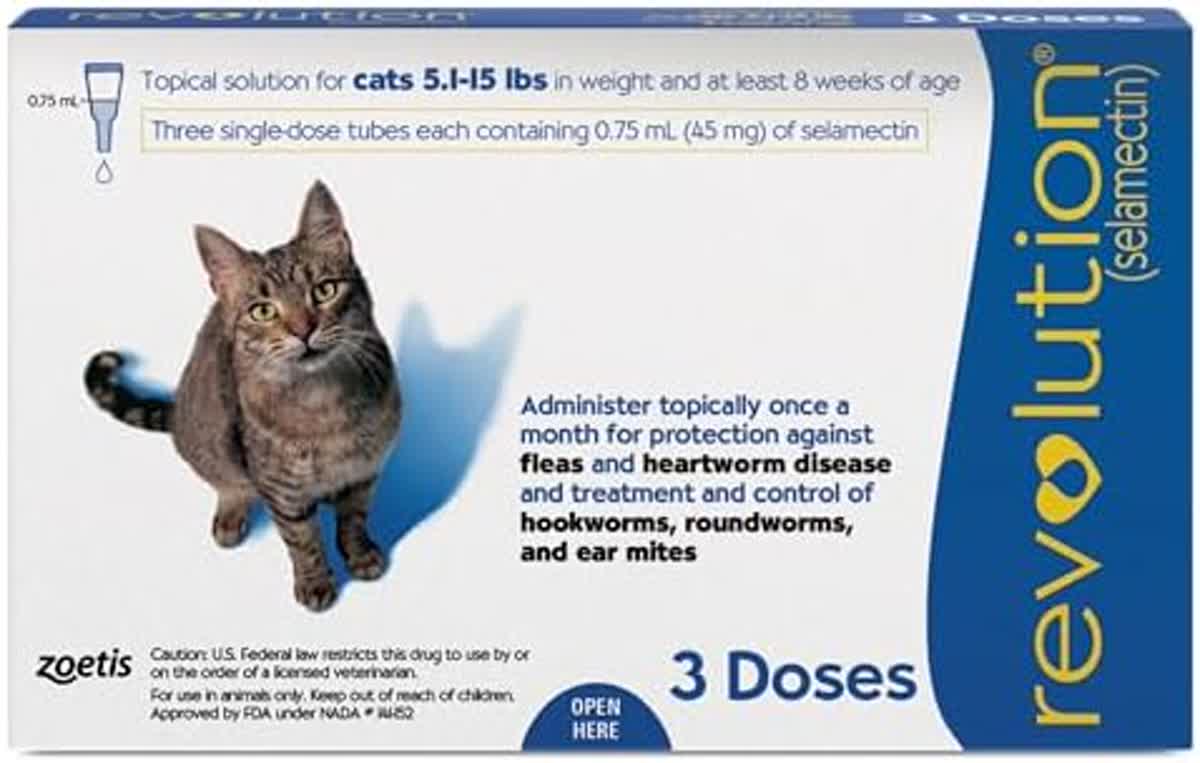
- Revolution (selamectin) for Cats 5.1-15 lbs — about 12 dollars per dose. Applied to the skin between the shoulder blades. Kills ear mites, fleas, and some intestinal parasites. One dose kills adult mites. A second dose 30 days later kills any newly hatched mites. This is the easiest treatment — no ear cleaning required, and it prevents fleas too.
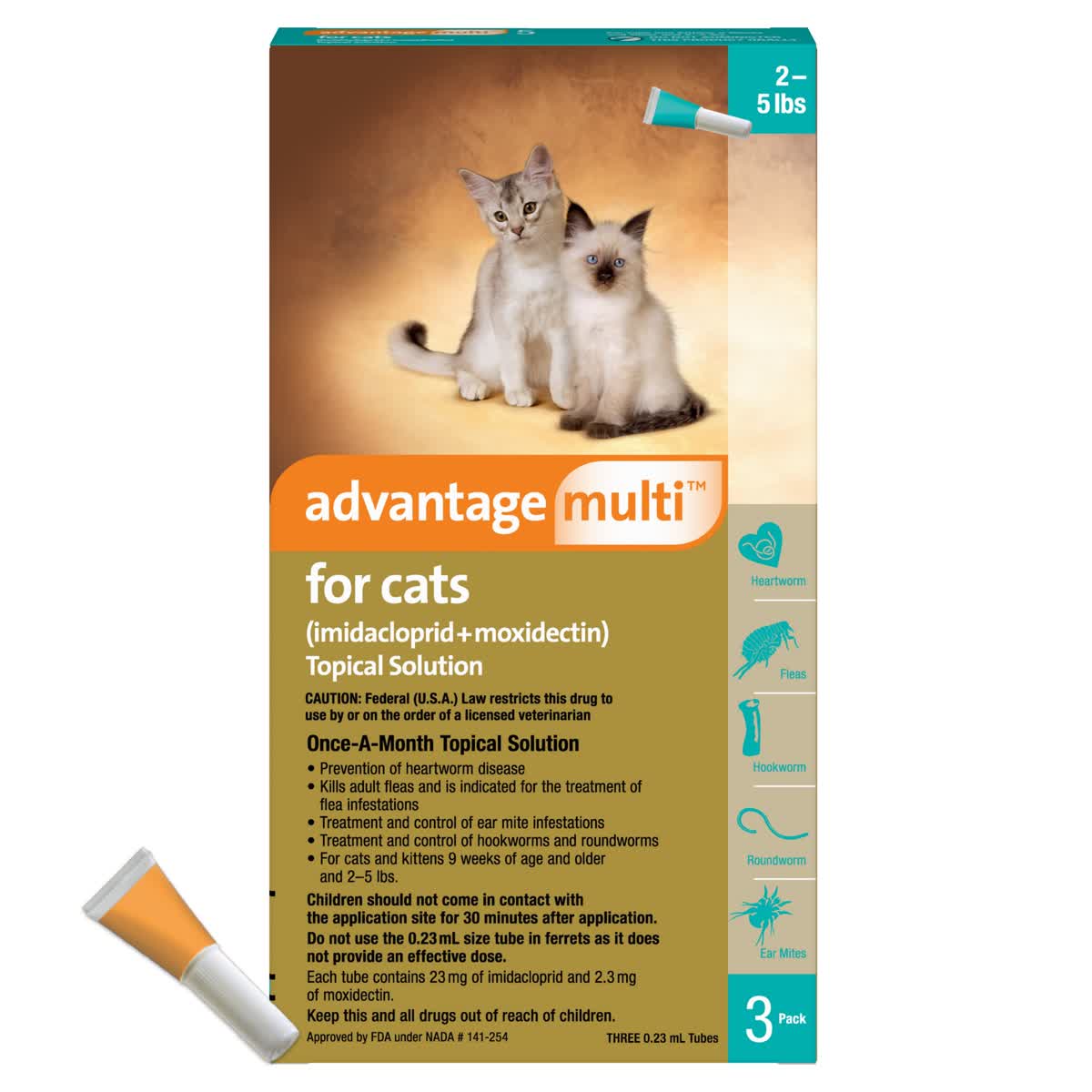
- Advantage Multi for Cats — about 13 dollars per dose. Similar to Revolution, applied topically. Kills ear mites, fleas, and heartworm.
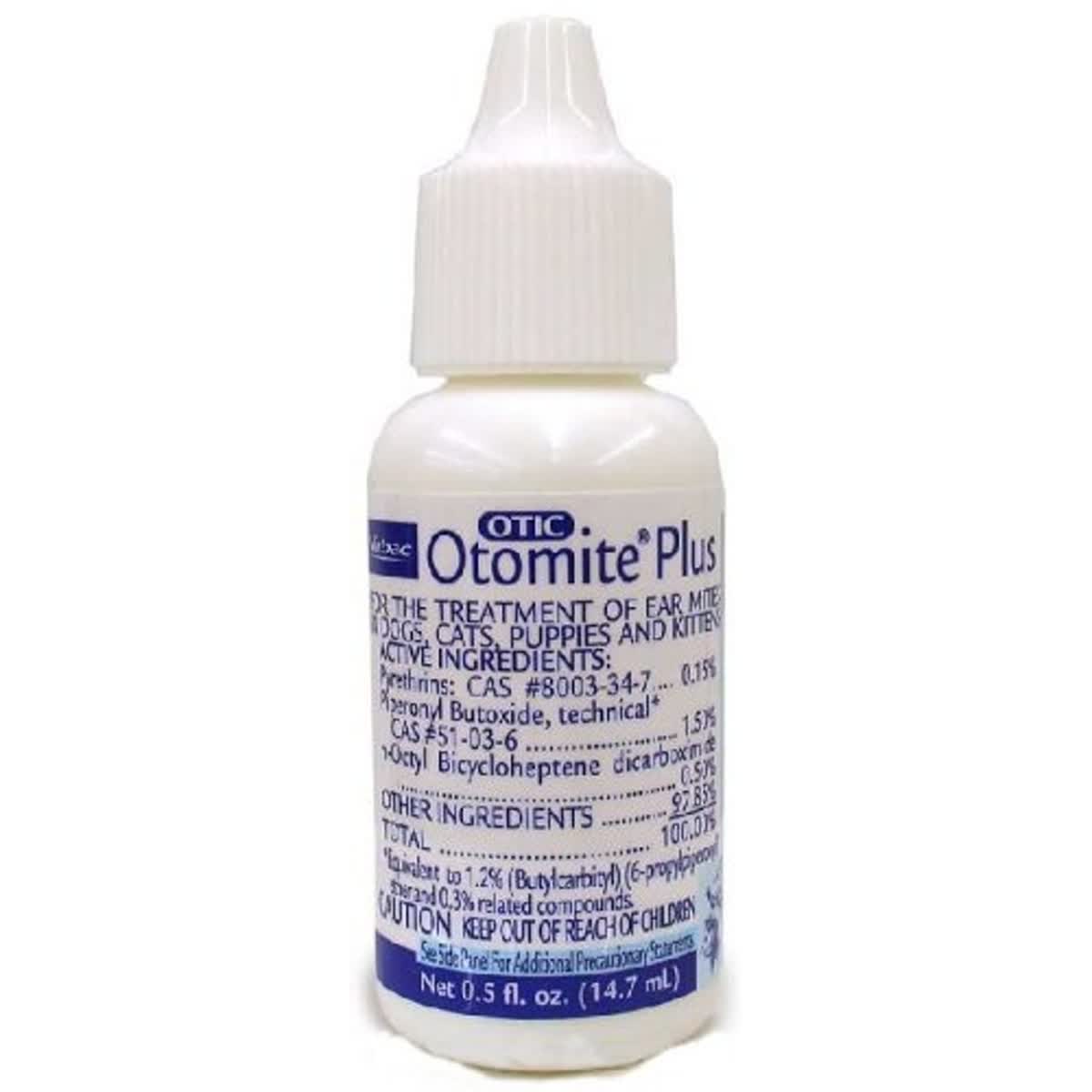
- Otomite Plus (pyrethrin) — about 7 dollars. Ear drops applied directly into the ear canal. Must be used for 7-10 days, then repeated in 2 weeks to kill newly hatched mites. Less expensive but requires ear cleaning and daily application.
- Budget alternative: mineral oil — 2-3 dollars. Apply 3-5 drops into the ear canal daily for 7-10 days, then repeat in 2 weeks. The oil smothers the mites and helps loosen the crusty discharge. Less effective than medication but works for mild cases. Do not use if the eardrum is ruptured.
2. Ear Cleaning (Free to 5 Dollars)
Before applying ear drops (not needed for topical treatments like Revolution), clean the ear to remove the crusty discharge:
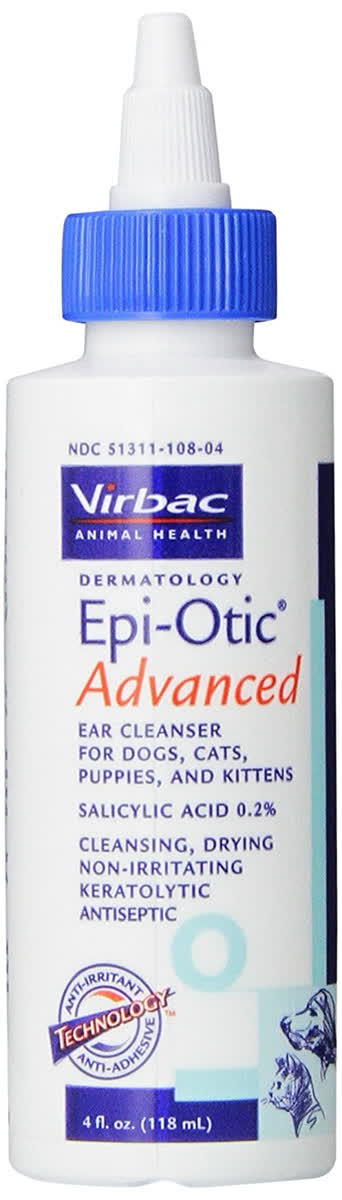
- Epi-Otic Advanced Ear Cleanser — about 12 dollars. Available at pet stores. Fill the ear canal with the solution, massage the base of the ear for 30 seconds, then let your cat shake their head. Wipe away the debris that comes out with a cotton ball.
- Budget alternative: warm water and vinegar solution — Free. Mix 1 part white vinegar with 1 part warm water. The vinegar helps dissolve the crusty discharge and creates an acidic environment that discourages mites and yeast. Apply with a cotton ball to the outer ear only. Do not flush the ear canal unless instructed by your vet.
- Mineral oil or baby oil — 2-3 dollars. Apply a few drops, massage the ear base, let your cat shake, then wipe with a cotton ball. Softens the crusty discharge for easy removal.
Clean the ears daily during treatment. After the mites are gone, clean weekly as prevention.
3. Treat All Pets in the Household (Variable)
Treat all pets in the household, not just the infected cat. Ear mites are highly contagious — if one pet has them, all pets are likely infected. Treat all dogs and cats simultaneously, even if they are not showing symptoms. Otherwise, the untreated pet will reinfest the treated pet.
4. Clean the Environment (Free)
- Wash all pet bedding in hot water and dry on high heat.
- Vacuum carpets and furniture thoroughly.
- Clean and disinfect grooming tools.
- Replace or wash any soft toys the cat has been in contact with.
When to See the Vet
See the vet if:
- The discharge is not improving after 7 days of treatment — May be a bacterial or yeast infection, not mites. Requires different medication (antibiotic ear drops, 10-20 dollars).
- The ear is very swollen, painful, or bleeding — May have an aural hematoma or ruptured eardrum.
- Your cat has a head tilt or balance problems — Possible middle ear infection or ruptured eardrum.
- Your cat is in pain when you touch the ear — May have a severe infection.
- The discharge is only in one ear — One-sided discharge can indicate a foreign body (grass awn, foxtail) or a polyp, not mites.
- Your cat is a kitten under 8 weeks old — Some medications are not safe for young kittens. See the vet for appropriate treatment.
The vet visit for ear mites (40-80 dollars) includes an ear exam with an otoscope (to look for mites and check the eardrum), a microscopic exam of the discharge (to confirm mites), and prescription medication. This is recommended if you are not sure the problem is mites or if this is your first time treating ear mites.
Ear Mites vs. Ear Infections: How to Tell the Difference
| Feature | Ear Mites | Bacterial/Yeast Infection |
|---|---|---|
| Discharge color | Dark brown/black, coffee grounds | Yellow/brown, pus-like or waxy |
| Odor | Sour, yeasty | Foul, sweet, or strong |
| Itching | Intense — head shaking, scratching | Mild to moderate |
| Contagious | Yes — to other pets | No |
| Common in | Kittens, outdoor cats, multi-pet homes | Older cats, cats with allergies |
| Treatment | Anti-mite medication (Revolution, ear drops) | Antibiotic or antifungal ear drops |
If you treat for mites and the problem does not improve in 7 days, it is likely an ear infection, not mites. See the vet for the correct diagnosis and medication.
Preventing Ear Mites (Free to 15 Dollars Per Month)
- Monthly Revolution or Advantage Multi — 10-15 dollars/month. Prevents ear mites, fleas, and some internal parasites. The easiest prevention — one topical dose per month.
- Weekly ear cleaning — Free (vinegar and water solution). Clean the outer ears weekly to remove wax and debris. This does not prevent mites directly but keeps the ear environment less hospitable and allows you to catch an infestation early.
- Keep cats indoors — Indoor cats are much less likely to encounter ear mites. If your cat goes outside, monthly Revolution is essential.
- Treat all pets — If one pet gets mites, treat all pets. Untreated pets become a reservoir for reinfestation.
- Check new pets — Before bringing a new cat or dog into the household, have the vet check their ears for mites. Treat if needed before introducing to other pets.
- Clean bedding regularly — Wash pet bedding weekly in hot water.
The Monthly Cost Breakdown
| Component | Cost |
|---|---|
| Revolution (monthly prevention) | 10-15 dollars/month |
| Ear cleaner (vinegar and water) | Free |
| Otomite Plus (if treating active infestation) | 5-8 dollars (one-time) |
| Vet visit (if needed for diagnosis) | 40-80 dollars (one-time) |
The Bottom Line
Cat ear mites are uncomfortable but cheap to treat — 5-15 dollars for medication and 7-10 days of treatment. The signs: head shaking, intense ear scratching, dark brown/black crusty discharge that looks like coffee grounds, and a sour odor from the ears. Check at home by folding back the ear flap and looking for the dark discharge, or do the cotton swab test (gently swab the outer ear, wipe on white paper, look for tiny moving white specks). The budget treatment: Revolution (10-15 dollars, applied between the shoulder blades, one dose kills adults and a second dose in 30 days kills hatchlings) — easiest option, also prevents fleas. Or Otomite Plus ear drops (5-8 dollars, applied daily for 7-10 days, repeated in 2 weeks to kill newly hatched mites). Or mineral oil (2-3 dollars, 3-5 drops daily for 7-10 days, repeated in 2 weeks — smothers mites, budget option for mild cases). Clean the ears first with a vinegar and water solution (free) or cat ear cleaner (3-5 dollars) to remove the crusty discharge. Treat ALL pets in the household simultaneously — ear mites are highly contagious and untreated pets will reinfest the treated ones. Wash bedding in hot water and vacuum. See the vet if the discharge does not improve in 7 days (may be a bacterial or yeast infection requiring different medication, 10-20 dollars), if the ear is swollen or painful (possible aural hematoma requiring 200-500 dollar surgery), or if your cat has balance problems (possible ruptured eardrum). Prevent ear mites with monthly Revolution (10-15 dollars, also prevents fleas), weekly ear cleaning with vinegar and water (free), keeping cats indoors, and checking new pets before introducing them. The 10-dollar monthly Revolution prevention eliminates the 5-15 dollar treatment cost and, more importantly, prevents the discomfort, pain, and potential hearing loss that ear mites cause.
Last updated: July 2026 | By ThriftyPaw | Prices and availability subject to change
ThriftyPaw is reader-supported. As an Amazon Associate, we earn from qualifying purchases. This means we may earn a small commission when you buy through links on this site at no additional cost to you. We only recommend products we genuinely believe in. Thank you for supporting ThriftyPaw.
🐾 Get Your Free Big Dog First Aid Kit Checklist
Join our newsletter and get this free printable plus weekly tips.
Price Check
Prices verified via our product tracker. Updated Sep 27.
| Revolution (selamectin) Topical Solution for Cats, 5.1-15 | $208.11 | 4.4★ |
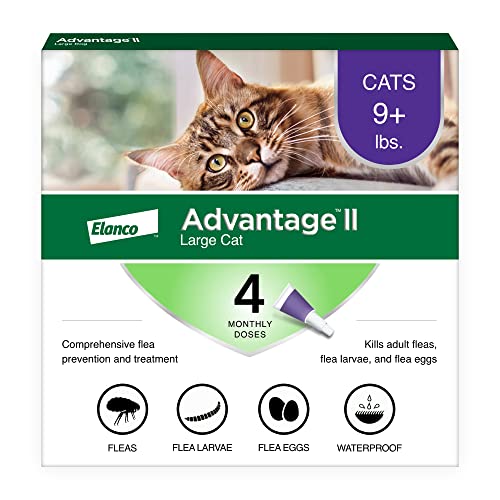
| Advantage II Large Cat Topical Flea Treatment & Prevention | $51.92 | 4.5★ (81,163) |
| 3 Pack Otomite Plus Ear Mite Treatment, 0.5-Ounce Each : P | $50.99 | 4.5★ (101) |
| Epiotic Advanced Ear Cleanser|Gentle Ear Cleanser for Dogs | $21.99 | 4.7★ (23,350) |
As an Amazon Associate we earn from qualifying purchases.