This article contains affiliate links. We may earn a commission from qualifying purchases.
Some content on this site is AI-assisted and reviewed by our editorial team.
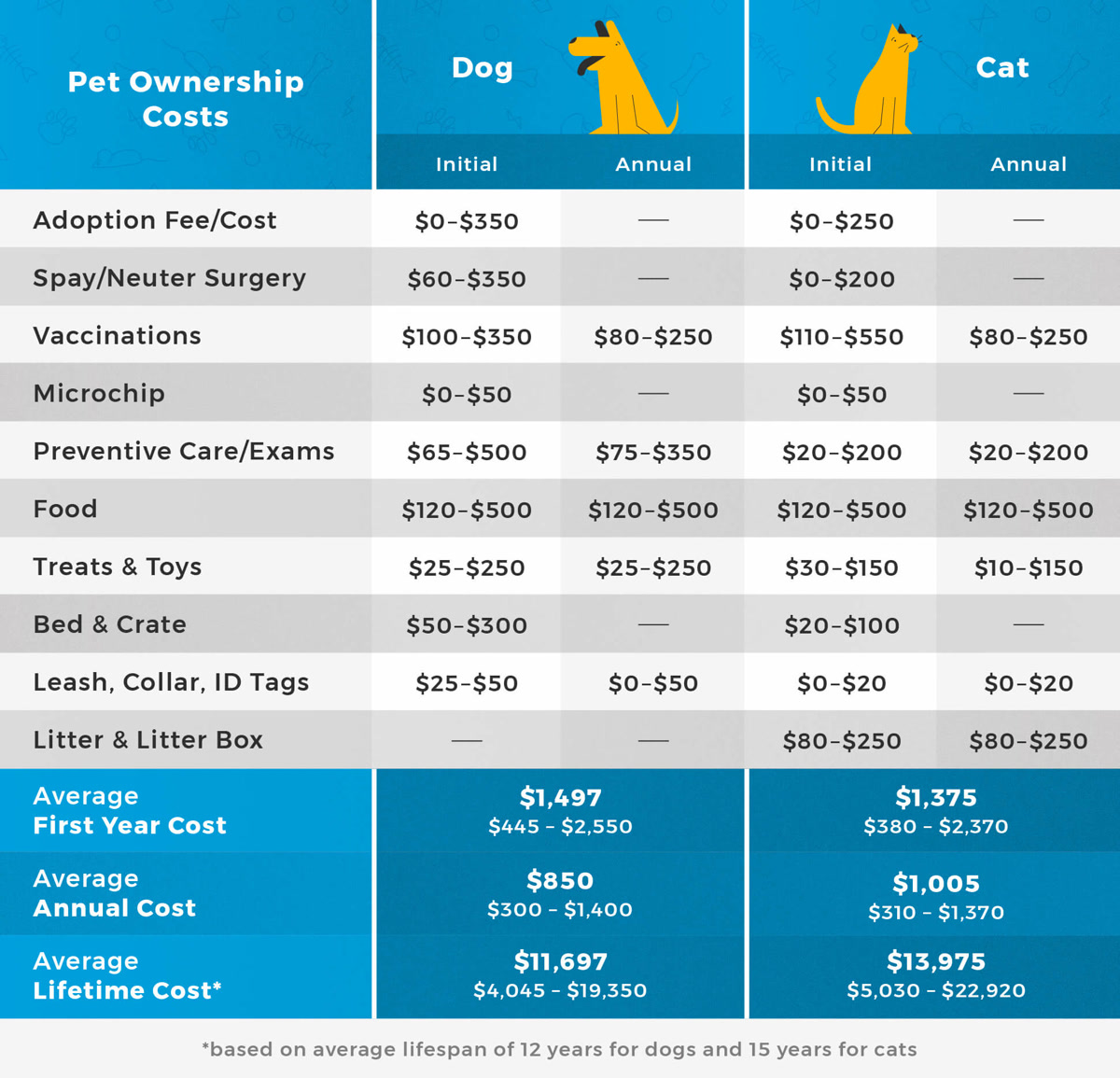
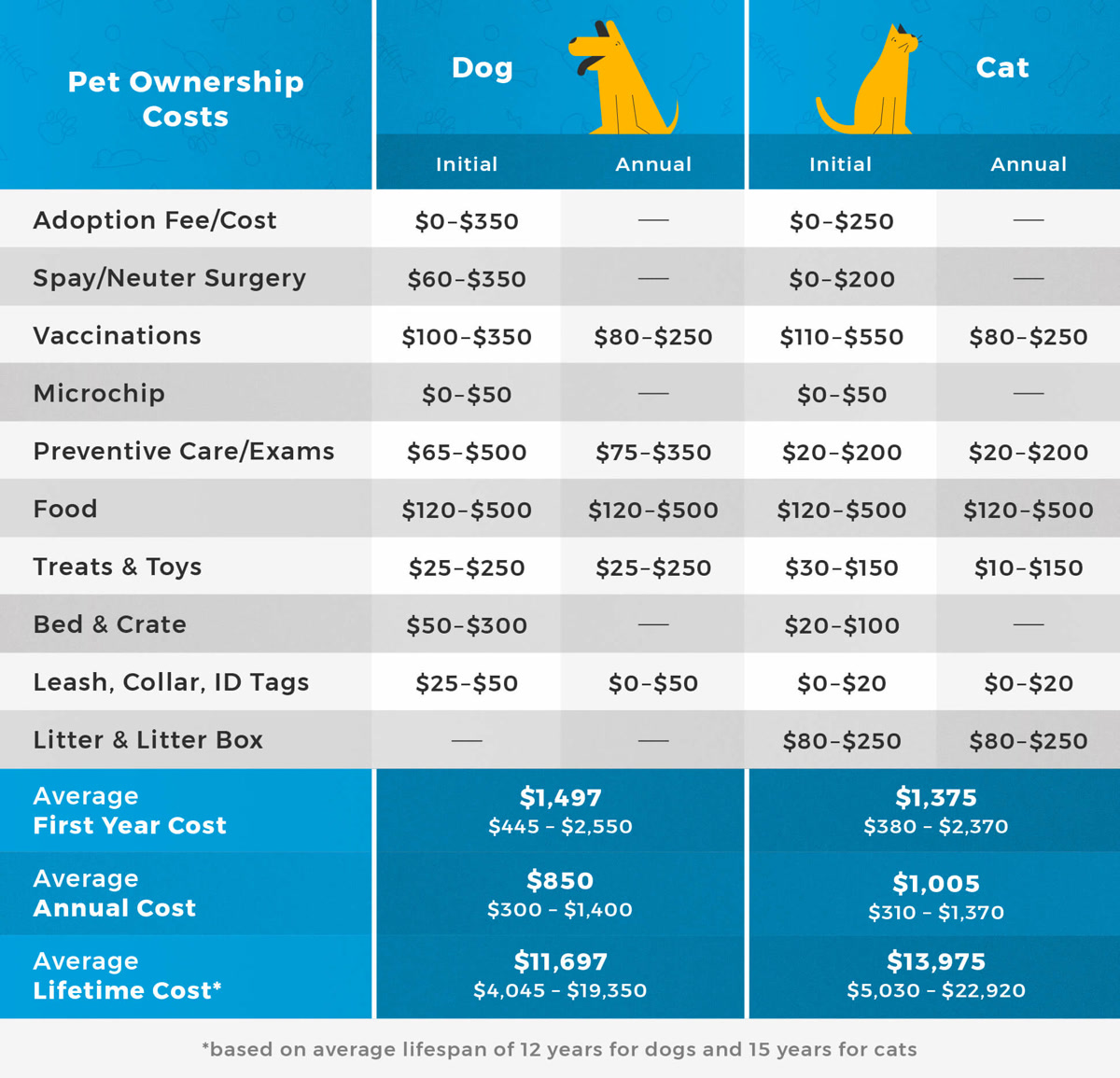
Bringing a dog home is one of the best decisions you will ever make, but the costs can catch you off guard if you are not prepared. The ASPCA estimates the first year of dog ownership runs between $1,500 and $3,000, and that is before any emergencies. The truth is, the real cost depends heavily on the size of your dog, where you live, and how smart you shop. This guide breaks it down so you can plan without guesswork.
First-Year Costs by Dog Size
The biggest variable in dog expenses is size. Larger dogs eat more, need bigger doses of medication, and often cost more at the vet and groomer. Here is a realistic breakdown of first-year costs after adoption or purchase:
- Small dogs (under 25 lbs): $1,200 to $2,000. Food costs stay under $40 per month for quality kibble. Vet visits, vaccinations, and spay or neuter run $400 to $800 total. Gear and supplies add another $200 to $400.
- Medium dogs (25 to 60 lbs): $1,500 to $2,800. Food jumps to $50 to $70 per month. Vet costs are similar but medication dosing is higher. Grooming for longer coats can add $200 to $400 per year.
- Large dogs (60+ lbs): $2,000 to $3,500. Food alone can hit $80 to $120 per month for a quality brand. Preventive medications cost two to three times more than for small dogs. Beds, crates, and accessories all scale up in price.
These ranges assume you are shopping wisely, not buying the most expensive option at every turn. The difference between the low and high end is often a matter of where you buy, not what you buy.
Monthly Expenses You Can Expect
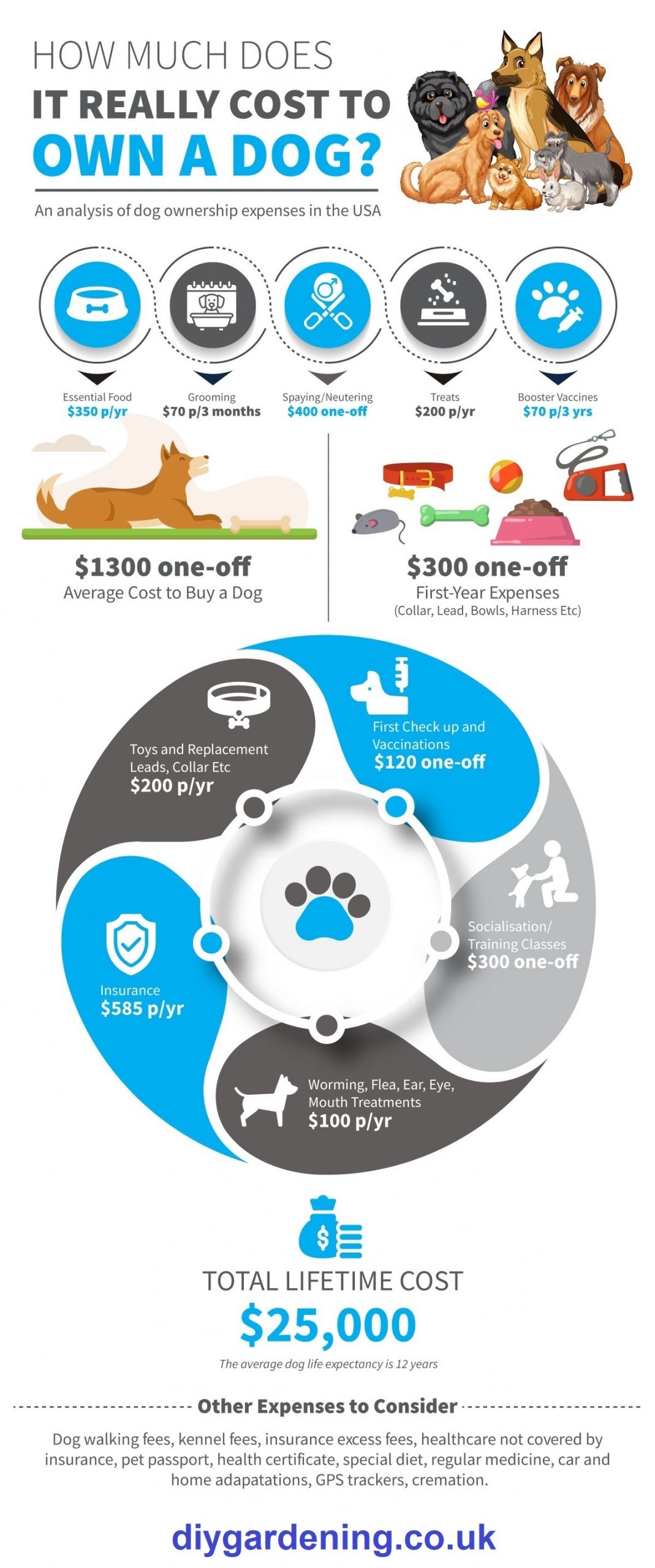
Once the first-year setup is behind you, monthly costs settle into a predictable pattern. Here is what most owners spend per month:
- Food: $30 to $100 depending on dog size and brand. Switching from a premium marketed brand to a comparable but less advertised one saves $10 to $25 per bag. Check Dog Food Advisor to confirm nutritional quality before switching.
- Flea, tick, and heartworm prevention: $15 to $60 per month. Buying through Chewy’s pharmacy or using GoodRx beats vet clinic pricing by 30 to 50 percent on most preventives.
- Basic grooming supplies: $5 to $10 per month amortized. Brushes, shampoo, and nail grinders last months. Professional grooming adds $40 to $90 per session if you outsource it.
- Treats and toys: $10 to $25 per month. This is where most people overspend. A Kong Classic lasts years. Rope toys and bully sticks add variety without breaking the budget.
- Pet insurance: $25 to $70 per month depending on breed, age, and coverage level. Worth it for peace of mind if you cannot absorb a surprise $2,000 vet bill.
Total monthly range: roughly $85 to $365. Small dogs land near the low end, large dogs near the high end, and most medium dogs fall somewhere around $150 to $200 per month.
The Hidden Costs Nobody Talks About
Beyond the obvious line items, there are expenses that catch new owners by surprise:
- Pet deposit or rent: Many landlords charge $200 to $500 as a one-time pet deposit, plus $25 to $75 per month in pet rent. Over a lease, that adds $500 to $1,400.
- Damage deposits: Puppies chew. A destroyed couch or carpet repair runs $200 to $1,000. Crate training saves you money and your furniture.
- Boarding or pet sitting: $30 to $65 per night when you travel. A Rover sitter is usually cheaper than a traditional kennel, and your dog stays in a home environment.
- Unexpected vet bills: Even with insurance, deductibles and non-covered expenses can run $200 to $1,000 per incident. An emergency fund of $500 to $2,000 is the single smartest financial move a dog owner can make.

Where You Can Cut Without Cutting Quality
Being budget-conscious does not mean being cheap with your dog’s health. It means spending smart on the things that matter and saving on the things that do not:
- Vaccinations: Low-cost clinics through humane societies and animal services charge $20 to $40 for core vaccines versus $100 to $200 at a private vet. The vaccines are identical.
- Medications: Always compare prices online. Chewy, 1-800-PetMeds, and GoodRx frequently undercut clinic pricing by 40 to 60 percent.
- Food: The most expensive brand is not always the best. Look for foods that meet AAFCO standards and have real meat as the first ingredient. Many $45 per bag foods are nutritionally equivalent to $70 per bag foods with fancier packaging.
- Grooming: Bathing and brushing at home saves $30 to $75 per session. Nail grinding with a $15 tool saves $10 to $15 per trim.
- Toys: Durable options like Kongs and West Paw toys cost more upfront but last months or years. Cheap plush toys last hours.
Bottom Line
Owning a dog costs real money, but most of it is predictable. A small dog runs roughly $1,000 to $1,500 per year after the first year. A medium dog is closer to $1,500 to $2,500. A large dog can hit $2,500 to $4,000. The key is knowing your numbers upfront, building a modest emergency fund, and shopping smart on routine expenses. The joy a dog brings is worth every dollar, and being prepared means you never have to make a choice between your budget and your best friend.
n
ThriftyPaw is reader-supported. As an Amazon Associate, we earn from qualifying purchases. This means we may earn a small commission when you buy through links on this site at no additional cost to you. We only recommend products we genuinely believe in. Thank you for supporting ThriftyPaw.
My take: Size is the cost variable people underweight — a large dog’s first year runs $2,000-3,500 against $1,200-2,000 for small, driven mostly by food at $80-120 a month. Pick the budget levers that don’t touch quality (food brand marketing, clinic choice, gear spec) and leave prevention fully funded.
Related guides
- 10 Things Every New Big Dog Owner Needs (That Won't Break the Bank)
- Orthopedic Dog Beds Under $50 That Actually Support Big Dogs
- Budget Dog GPS Trackers: Complete Guide to Finding Your Dog (2026)
- Heartworm Prevention on a Budget: Complete Guide Under 10 Dollars Per Month
- Best Budget Pet Cameras With Treat Dispensers Under 100 Dollars (2026)
🐾 Get Your Free Big Dog First Aid Kit Checklist
Join our newsletter and get this free printable plus weekly tips.
Frequently Asked Questions
How much does a dog cost per year by size?
First year after adoption or purchase: small dogs $1,200-2,000, medium $1,500-2,800, large $2,000-3,500 — against the ASPCA's $1,500-3,000 average. Size drives it: food runs under $40/month for small dogs but $80-120 for large breeds on quality kibble.
What's the biggest hidden cost of dog ownership?
The vet line that scales with size: vaccinations and spay/neuter run $400-800 in year one, and gear adds $200-400. The less-obvious one: switching from a premium-marketed food to a comparable less-advertised brand saves $10-25 per bag — every single month, forever.
Where can I cut dog costs without cutting quality?
The three proven cuts: less-advertised but comparable food brands ($10-25/bag), low-cost clinics for vaccines and spay/neuter, and buying gear (crates, beds) at practical rather than premium spec. What not to cut: preventive care — it's the line that prevents the $1,000+ surprises.
Liked this guide? Get the next one in your inbox — the pet budget checklist is free too.
✓ You're in — check your inbox.
No spam. Unsubscribe anytime. We never share your email.