
This article contains affiliate links. We may earn a commission from qualifying purchases.
Some content on this site is AI-assisted and reviewed by our editorial team.
A single emergency vet visit averages $800 to $1,500 according to the ASPCA, and that number climbs fast if surgery or overnight stays are involved. If you do not have that kind of cash sitting around, you are not alone; a LendingTree survey found that 42 percent of pet owners have gone into debt to pay for veterinary care. The solution is not to hope nothing happens. The solution is a dedicated pet emergency fund, and you can build one even on a tight budget.

Why Pet Insurance Is Not Enough on Its Own
Pet insurance can be part of your strategy, but it is not a complete safety net. Most policies have deductibles ranging from $200 to $1,000, reimbursement rates of 70 to 90 percent, and exclusions for pre-existing conditions. That means even with insurance, you could still be on the hook for hundreds or thousands out of pocket before the reimbursement check arrives.
Think of pet insurance as a way to cap catastrophic costs, not eliminate them. A $40 monthly premium plus a $500 deductible still means you need $500 accessible the day something goes wrong. The emergency fund covers the gap between what you owe today and what insurance pays later.
If you want to explore insurance options, compare plans on Pawlicy Advisor (pawlicy.com) or similar comparison sites that show real pricing across providers.
Starting the Fund: The First Dollar Matters More Than You Think
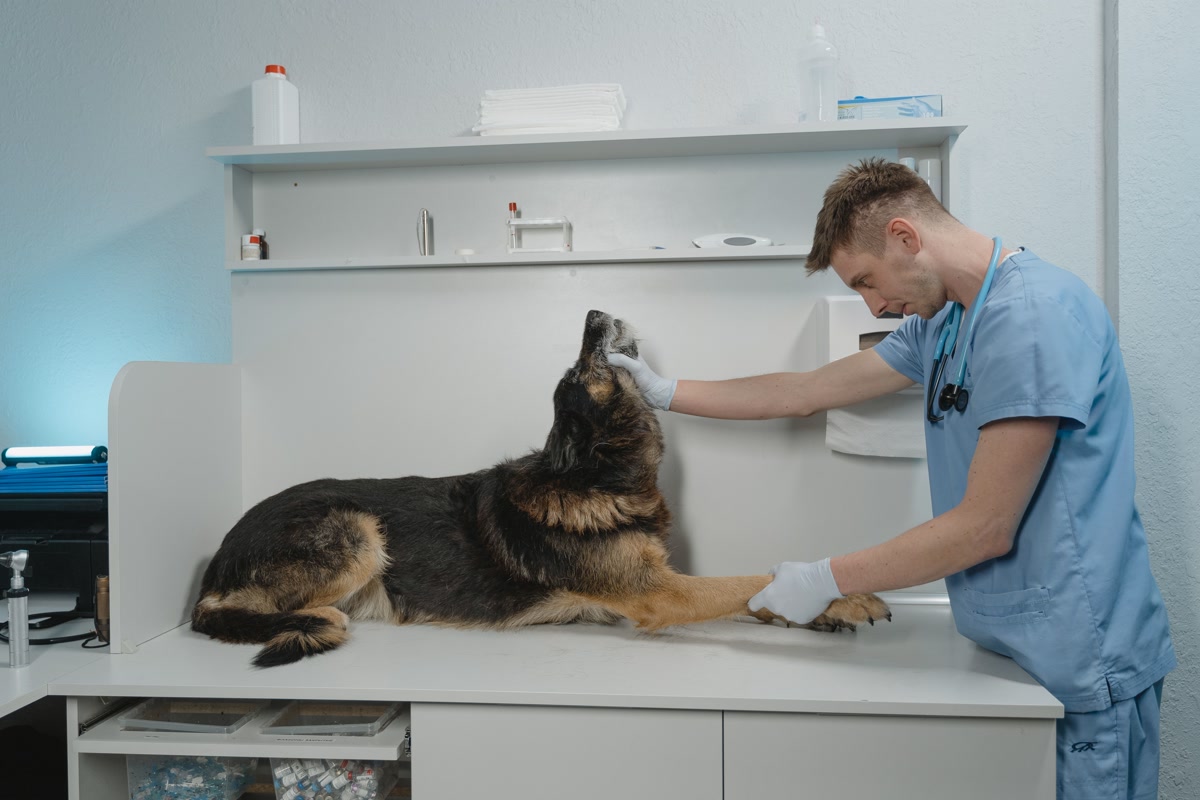
The biggest mistake people make is waiting until they can set aside “enough” to bother. But a $500 emergency fund covers the majority of common urgent care visits: lacerations, sudden illness, minor ingestion incidents. You do not need five figures. You need a starting point.
Open a separate high-yield savings account. Online banks like Ally or Marcus pay 4 to 5 percent APY right now, which means your emergency fund earns money while it sits. Keeping it separate from your regular checking prevents accidental spending.
Seed it with whatever you can afford right now, even if that is $50. The psychological momentum of having an account labeled “Pet Emergency” makes you more likely to keep contributing.
The Round-Up Method: Painless Savings

If manual transfers feel like a chore, automate. Several strategies work well:
- Round-up apps: Services like Acorns or your bank’s built-in round-up feature round every purchase to the nearest dollar and sweep the difference into savings. Average users save $30 to $60 per month without noticing.
- Recurring transfer: Set an automatic transfer of $25 to $50 per payday to your pet fund. Treat it like a bill. If you never see the money in checking, you do not miss it.
- The “pet tax” on fun spending: Every time you buy a non-essential item for yourself, transfer 10 percent of that amount to the pet fund. Bought a $50 dinner out? Five dollars to the fund. This builds the habit of linking discretionary spending to pet preparedness.
At $50 per month, you hit $600 in a year. At $75 per month, you hit $900. Neither amount feels dramatic month to month, but both cover the majority of common emergency scenarios.
Cutting Existing Pet Costs to Fund the Fund

You might be spending more than necessary on routine care, and redirecting those savings is the fastest way to build your fund:
- Prescription medications: Always compare prices. Chewy’s pharmacy and GoodRx often beat vet clinic pricing by 40 to 60 percent on common medications like heartworm preventives and flea treatments.
- Vaccinations: Many cities offer low-cost vaccine clinics through animal services or humane societies. A full round of core vaccines at a clinic costs $20 to $40 compared to $100 to $200 at a private vet.
- Food: Switching from a mid-tier brand to a comparable but less marketed brand can save $10 to $20 per bag without sacrificing quality. Check Dog Food Advisor for ratings to confirm you are not downgrading nutritionally.
- Grooming: As we covered in our home grooming guide, doing baths and nail trims yourself saves $30 to $75 per session.
Redirecting just $30 per month from overpriced services into your emergency fund adds $360 per year, and your dog gets the same or better care.
What Counts as an Emergency (and What Does Not)
The fund exists for unexpected, urgent medical needs. Not for:
- Routine checkups and dental cleanings (budget these separately)
- Boarding or pet sitting
- Upgrading to premium food or accessories
- Preventive medications (heartworm, flea, tick; budget monthly)
It is for: sudden illness, injury, emergency surgery, ingestion of foreign objects, acute pain, and anything that cannot wait until the next business day. If you are unsure whether something is an emergency, call an emergency vet and ask. Most will triage over the phone at no charge.
The Target Numbers
Here is a realistic framework based on dog size:
- Small dogs (under 25 lbs): Target $500 to $1,000. Emergency costs trend lower because dosages and procedure scope are smaller.
- Medium dogs (25 to 60 lbs): Target $1,000 to $2,000. Covers most urgent care visits and minor surgical procedures.
- Large dogs (60+ lbs): Target $2,000 to $3,000. Larger dogs face higher anesthesia, medication, and surgical costs per procedure.
These are not aspirational; they are reachable within 12 to 24 months using the savings strategies above. Once you hit your target, you stop contributing and let interest maintain the fund against inflation. At 4.5 percent APY, a $2,000 fund earns about $90 per year, roughly tracking inflation.
When the Worst Happens
If you do face an emergency before the fund is fully built, you still have options:
- CareCredit or Scratchpay: Medical credit cards with 6 to 12 months of interest-free financing for vet bills. Use only if you can pay it off within the promotional period.
- RedRover Relief: Grants of up to $500 for urgent veterinary care for families facing financial hardship.
- Negotiate with your vet: Many clinics offer payment plans, discounts for paying cash, or reduced rates for financial hardship if you ask before treatment begins.
An emergency fund is not about being paranoid. It is about being prepared. The peace of mind knowing you can handle whatever comes without having to choose between your dog’s health and your rent is worth every dollar you set aside. Start small, be consistent, and let time and compound interest do the heavy lifting.
n
ThriftyPaw is reader-supported. As an Amazon Associate, we earn from qualifying purchases. This means we may earn a small commission when you buy through links on this site at no additional cost to you. We only recommend products we genuinely believe in. Thank you for supporting ThriftyPaw.
My take: 42% of pet owners go into debt over vet care — the fix is automation, not discipline: round-ups plus a per-payday transfer builds $600 a year invisibly. Insurance handles the catastrophic tail, but the first $500 of any emergency is yours to fund, so fund it.
Related guides
- Dog Adoption on a Budget: First Year Costs Under 1,400 Dollars
- Dog Boarding on a Budget: Every Option Ranked by Cost Under 50 Dollars Per Night
- Best Budget Dog GPS Trackers Under 50 Dollars (2026)
- Dog Park Safety and Etiquette: Complete Budget Guide (2026)
- My Dog Was Miserable in the Heat Until I Found These 4 Cooling Mats (All Under 35 Dollars)
🐾 Get Your Free Big Dog First Aid Kit Checklist
Join our newsletter and get this free printable plus weekly tips.
Frequently Asked Questions
How much should a pet emergency fund have?
Start at $500 — it covers the majority of common urgent visits (lacerations, sudden illness, minor ingestion). The ASPCA's average emergency runs $800-1,500, so $1,500-2,000 is the real target once you're going; $500 accessible is the floor that keeps a deductible survivable.
How do I save for pet emergencies on a tight budget?
The round-up method: apps or your bank's built-in feature sweeps every purchase up to the nearest dollar, and average users save $30-60 a month without noticing. Pair it with a $25-50 automatic transfer per payday and you're at $600-1,200 a year without willpower involved.
Doesn't pet insurance make an emergency fund unnecessary?
No — insurance reimburses after you pay, with deductibles of $200-1,000 and 70-90% reimbursement. A $40 monthly premium plus a $500 deductible still means you need $500 accessible the day something goes wrong. Insurance and the fund solve different halves of the problem.
Liked this guide? Get the next one in your inbox — the pet budget checklist is free too.
✓ You're in — check your inbox.
No spam. Unsubscribe anytime. We never share your email.