This article contains affiliate links. We may earn a commission from qualifying purchases.
Some content on this site is AI-assisted and reviewed by our editorial team.
Dog allergies are the most frustrating and expensive chronic condition in veterinary medicine — the average allergic dog costs 500-3,000 dollars per year in vet visits, medications, special diets, and specialist referrals. But 70 percent of allergic dogs can be managed for under 25 dollars per month with a systematic approach: identify the allergen, eliminate it, and manage symptoms with budget treatments. This guide covers the 4 types of dog allergies, how to identify which type your dog has, the budget treatment protocol for each, and when to see a veterinary dermatologist.
The 4 Types of Dog Allergies
Type 1: Flea Allergy Dermatitis (Most Common)
Your dog is allergic to flea saliva — a single flea bite causes intense itching for 7-10 days. This is the most common allergy in dogs and the easiest to treat: eliminate fleas and the allergy disappears.
Signs: Intense itching and scratching at the base of the tail, lower back, and back legs. Hair loss and red, inflamed skin in these areas. Scabs and “hot spots” (acute moist dermatitis) from scratching.
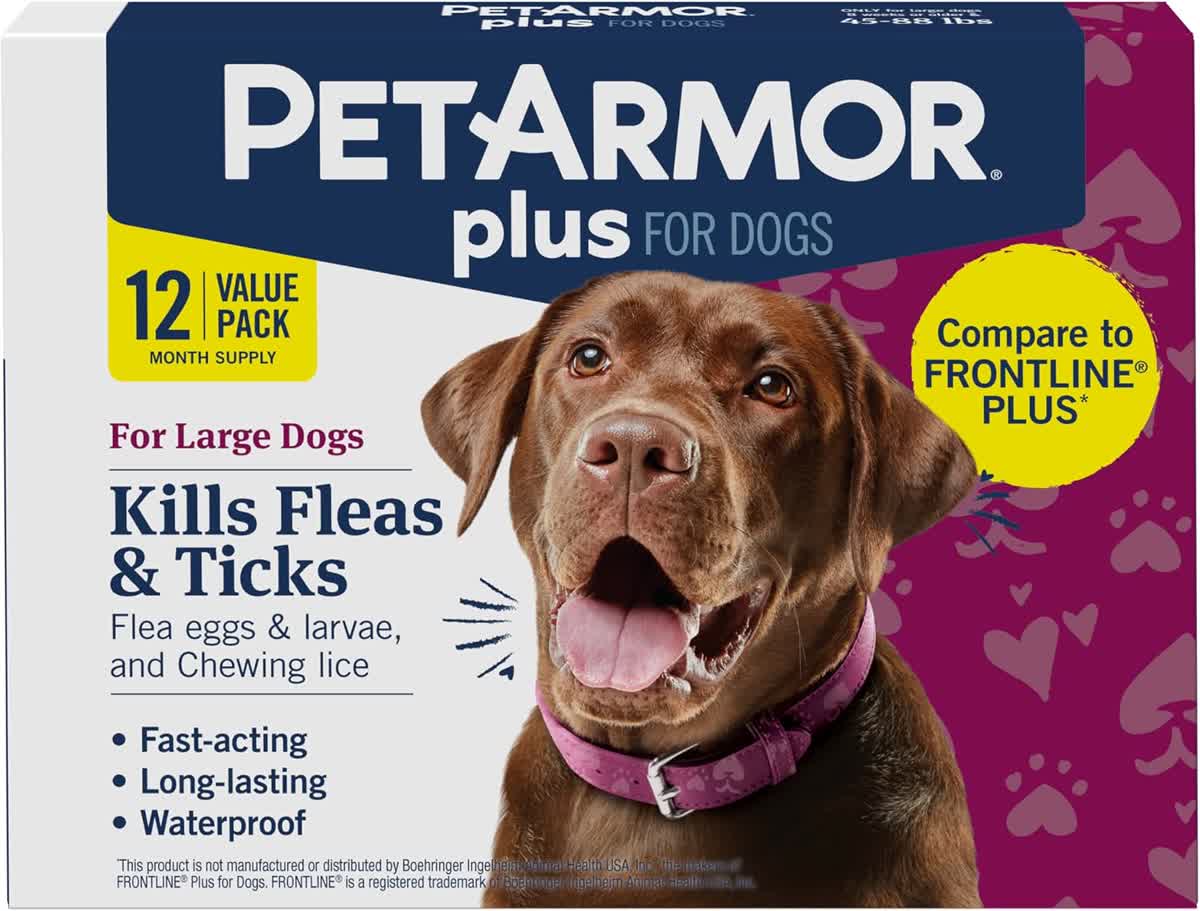
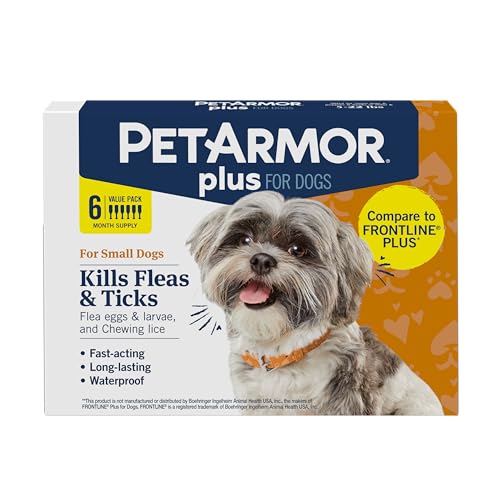
Treatment: Eliminate fleas with monthly prevention like PetArmor Flea and Tick Treatment for Dogs — about 8 dollars for 3 applications. For the itching: antihistamines (3-5 dollars/month) or oatmeal shampoo (5-8 dollars). If there is a secondary skin infection from scratching, see the vet for antibiotics (15-40 dollars).
Type 2: Environmental Allergies (Atopic Dermatitis)
Allergic reaction to airborne allergens — pollen (grass, tree, weed), dust mites, mold spores, and dander. Usually seasonal (spring and fall) but can be year-round in some dogs. The second most common allergy type.
Signs: Itching at paws (licking and chewing), ears (chronic ear infections), face (rubbing on furniture), and belly. Red, inflamed skin. Recurrent ear infections. Seasonal pattern (worse in spring/fall). Starts between 1-3 years of age.
Treatment: See the budget protocol below (10-25 dollars/month).
Type 3: Food Allergies
Allergic reaction to a specific protein in the diet. The most common food allergens in dogs are chicken, beef, dairy, wheat, and soy. Food allergies cause year-round (not seasonal) itching, often accompanied by chronic ear infections and gastrointestinal symptoms (vomiting, diarrhea, gas).
Signs: Year-round itching (not seasonal), chronic ear infections (more than 3 per year), itching at paws and belly, gastrointestinal symptoms, skin infections from scratching. Not related to a food change — food allergies develop after months to years of eating the same protein.
Treatment: 8-week elimination diet (see the food allergies guide). The budget version: switch to a novel protein (pork, venison, or fish) and a novel carbohydrate (sweet potato or oat) for 8 weeks. If symptoms resolve, you have identified the allergy.
Type 4: Contact Allergies (Rare)
Allergic reaction to something that touches the skin — shampoos, cleaning products, certain fabrics, plants, or grass. Causes itching and redness on the belly, paws, and muzzle (areas that contact surfaces).
Signs: Red, itchy skin on the belly, paws, and muzzle. Occurs after contact with a specific surface or product.
Treatment: Identify and eliminate the trigger. Switch to hypoallergenic dog shampoo (5-10 dollars). Wash bedding in unscented, dye-free detergent. Avoid the triggering surface (keep off grass if grass-allergic, use booties).
How to Identify Which Allergy Your Dog Has
| Feature | Flea Allergy | Environmental | Food Allergy | Contact Allergy |
|---|---|---|---|---|
| Itching location | Base of tail, back | Paws, ears, face, belly | Paws, ears, belly | Belly, paws, muzzle |
| Seasonal? | Year-round (worse in summer) | Yes (spring/fall) | No (year-round) | Depends on exposure |
| Ear infections? | Rare | Common | Very common | Rare |
| GI symptoms? | No | No | Sometimes | No |
| Onset age | Any age | 1-3 years | Any age (often 1-5 years) | Any age |
| Fleas present? | May or may not see fleas | No | No | No |
The key diagnostic step: if your dog has year-round itching, start with flea prevention (rule out flea allergy), then do an 8-week food elimination trial (rule out food allergy). If both are ruled out, it is likely environmental allergies.
The Budget Allergy Treatment Protocol (10-25 Dollars Per Month)
Step 1: Flea Prevention (5-10 Dollars Per Month)
Rule out flea allergy first — it is the cheapest to address. Put your dog on monthly flea prevention with a product like PetArmor Flea and Tick Treatment for Dogs — about 8 dollars for 3 monthly applications. If itching resolves within 2-3 weeks, flea allergy was the cause. Continue prevention year-round.
Step 2: Antihistamines (3-5 Dollars Per Month)
If flea prevention does not resolve itching, try over-the-counter antihistamines. They are not as effective as prescription medications but they are 5-10 times cheaper and work for 30-40 percent of allergic dogs.
| Antihistamine | Dose | Monthly Cost | Notes |
|---|---|---|---|
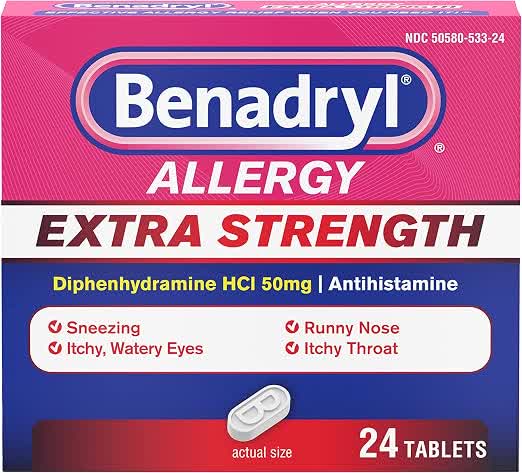
| Diphenhydramine (Benadryl) — about 12 dollars | 1 mg per pound, every 8-12 hours | 3-5 dollars | Most common, causes drowsiness |
| Cetirizine (Zyrtec) — about 15 dollars | 1 mg per pound, once daily | 3-5 dollars | Less drowsy, once daily dosing |
| Loratadine (Claritin) — about 20 dollars | 0.5 mg per pound, once daily | 3-5 dollars | Non-drowsy, use plain (not D) |
| Hydroxyzine | 1 mg per pound, every 8 hours | 5-8 dollars | Prescription, more effective for some dogs |
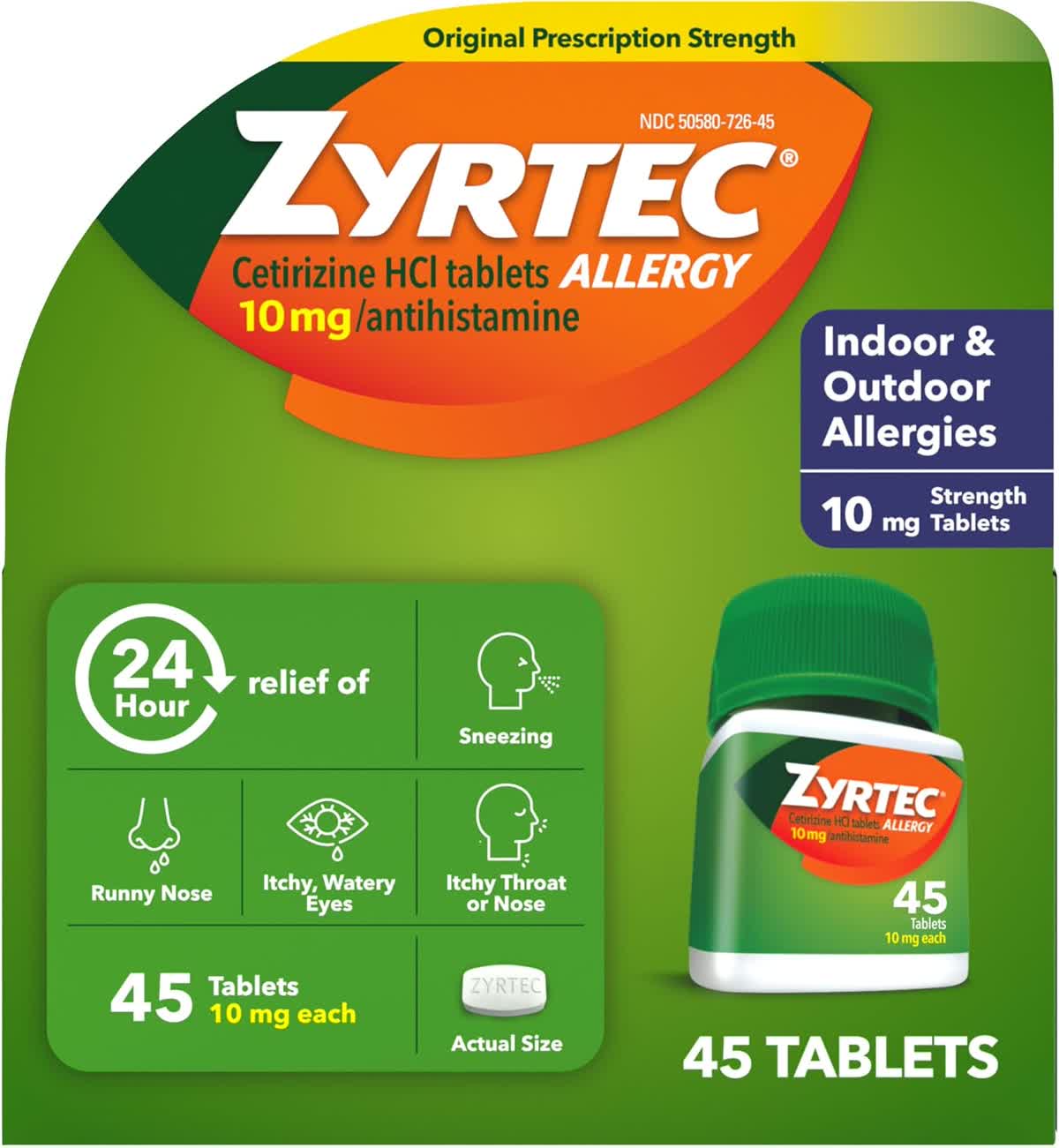
Try one antihistamine for 2 weeks. If no improvement, switch to a different one — individual dogs respond differently to each antihistamine. If none of the four work after 8 weeks of trials, move to Step 3.
Never use “D” formulations (Claritin-D, Zyrtec-D) — they contain pseudoephedrine, which is toxic to dogs. Use plain formulations only.
Step 3: Topical Treatments (5-10 Dollars Per Month)
For localized itching (paws, belly, ears), topical treatments are more effective than oral antihistamines because they deliver medication directly to the itchy area:
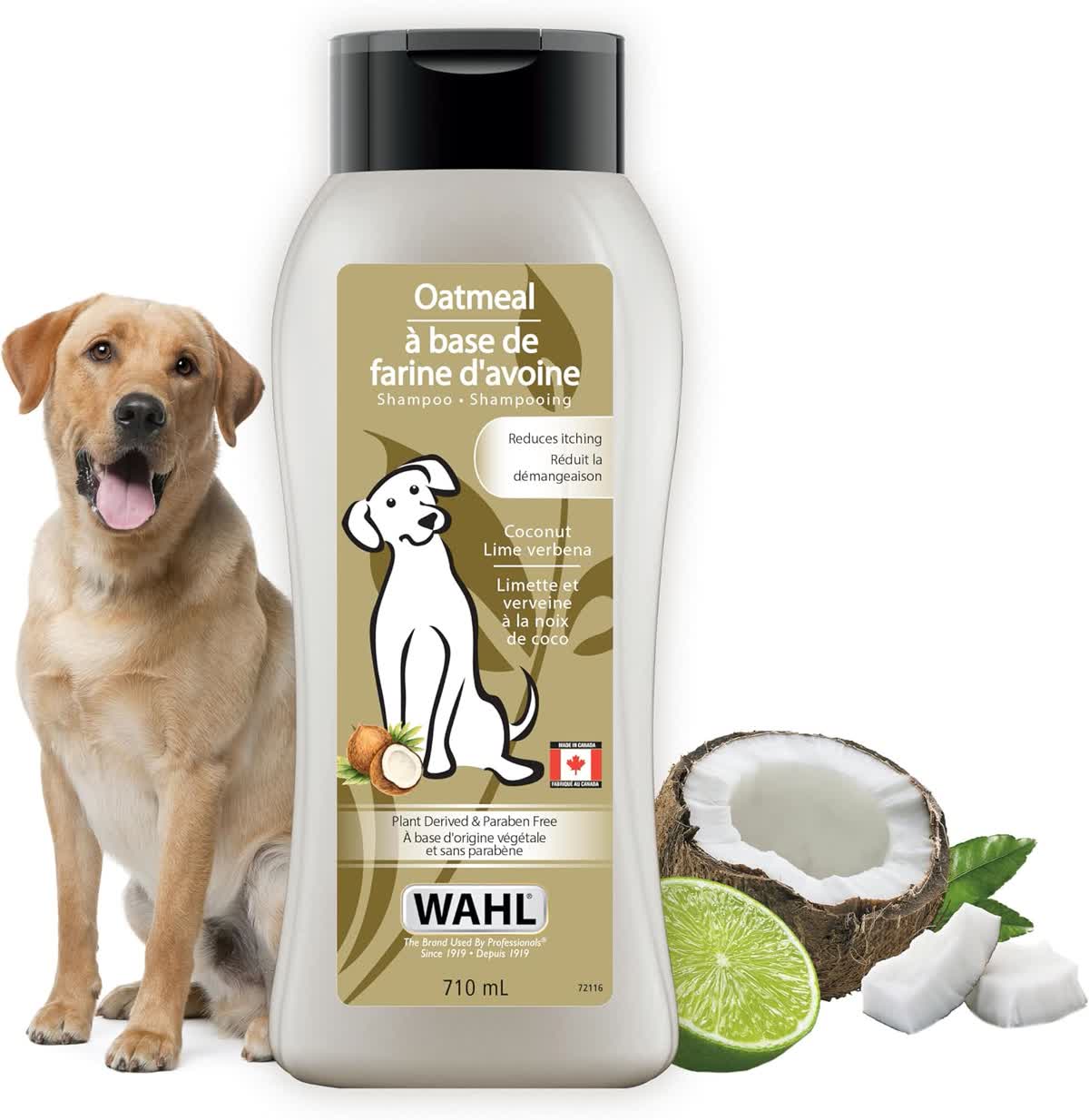
- Oatmeal shampoo — Wahl Oatmeal Dog Shampoo for Dry Skin and Itch Relief — about 8 dollars. Colloidal oatmeal soothes itchy skin. Bathe weekly during allergy season. Leave on for 5-10 minutes before rinsing.
- Hydrocortisone cream or spray — Pet MD Hydrocortisone Spray for Dogs — about 10 dollars. Apply to small itchy areas (hot spots, paws). Reduces local inflammation. Do not let your dog lick it off (use an Elizabethan collar if needed).
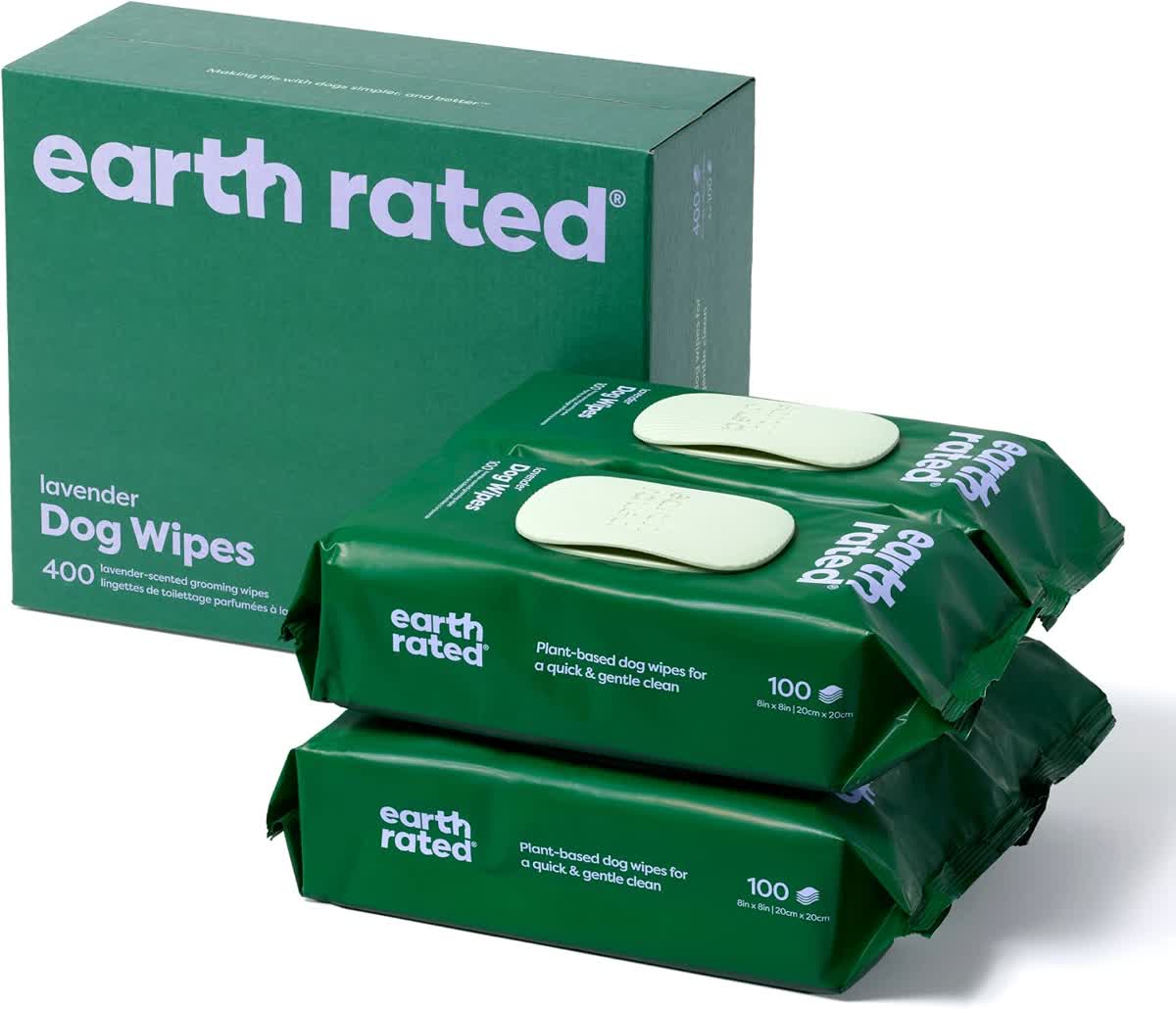
- Hypoallergenic dog wipes — Earth Rated Hypoallergenic Pet Wipes — about 6 dollars. Wipe your dog’s paws and belly after walks to remove pollen. This is especially effective for seasonal environmental allergies.
- Apple cider vinegar rinse — Bragg Organic Raw Apple Cider Vinegar — about 10 dollars. Mix 1 part apple cider vinegar with 1 part water. Apply to paws and itchy areas with a spray bottle. Restores skin pH and has mild anti-yeast properties. Do not use on broken or raw skin (it stings).
- Epsom salt soaks — Epsoak Epsom Salt Magnesium Sulfate — about 15 dollars. Soak itchy paws in warm Epsom salt water for 10 minutes daily. Reduces inflammation and draws out irritants.
Step 4: Omega-3 Fatty Acids (3-8 Dollars Per Month)
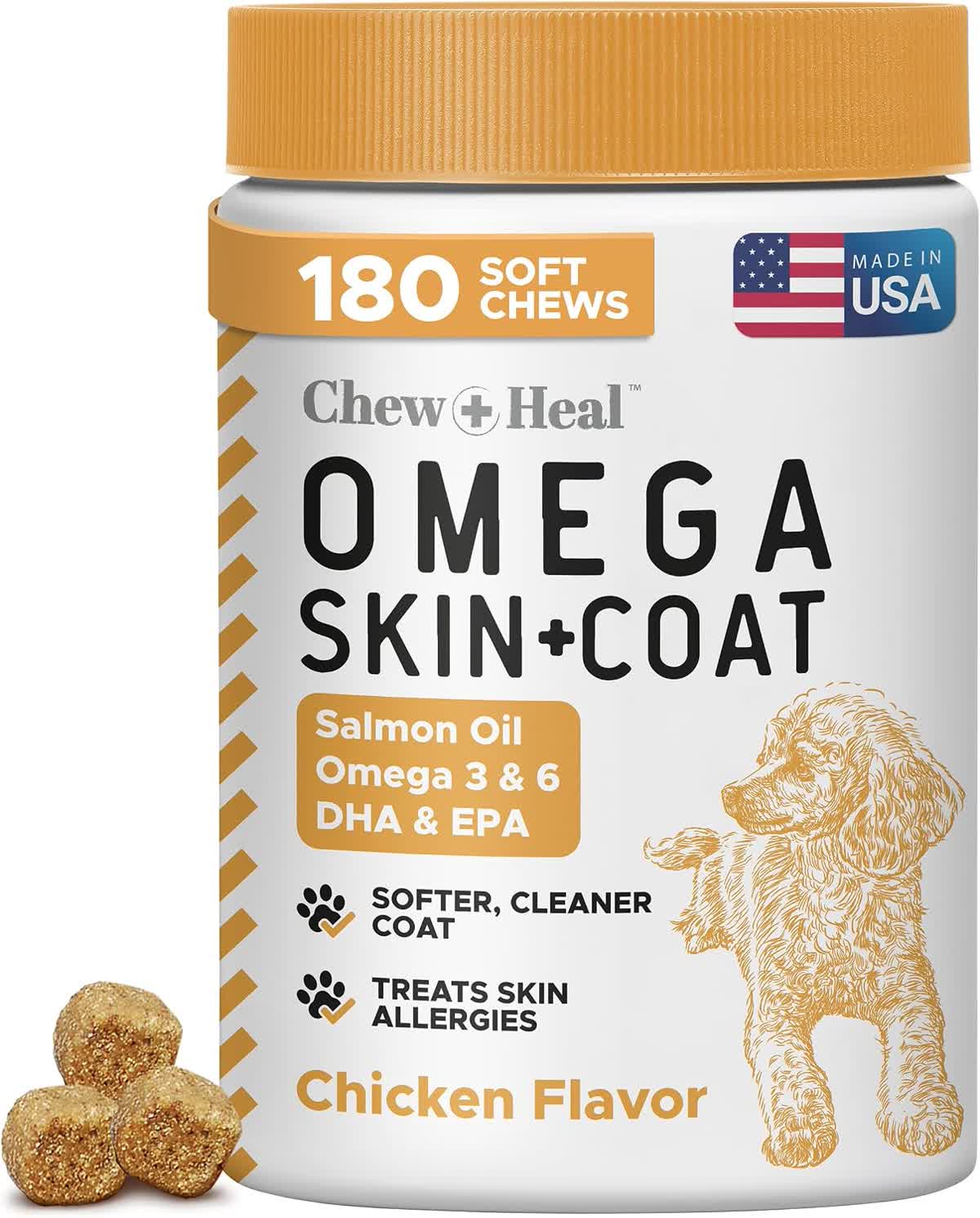
Fish oil reduces skin inflammation from the inside out. It takes 6-8 weeks to see results but provides long-term improvement in skin health and reduces the need for other medications. Give 1000-2000 mg combined EPA/DHA per 50 pounds daily. A good budget option is Omega 3 Fish Oil Soft Chews for Dogs — about 20 dollars for 180 chews. See the arthritis guide for dosing details.
Step 5: Allergen Reduction (Free)
Reduce exposure to environmental allergens:
- Wipe paws after walks — Free. Use a damp cloth to wipe paws after every walk, removing pollen.
- Wash bedding weekly — Free. Hot water wash kills dust mites and removes accumulated allergens.
- Vacuum frequently — Free. Vacuum 2-3 times per week during allergy season to remove pollen and dust mites from carpets.
- HEPA air filter — LEVOIT Air Purifier for Small Rooms — about 50 dollars (one-time). Reduces airborne allergens. Place in the room where your dog spends the most time.
- Bathe during peak season — Free (with oatmeal shampoo). Bathe every 1-2 weeks during spring and fall to remove accumulated pollen from the coat.
- Keep grass short — Free. Short grass produces less pollen.
- Stay indoors on high-pollen days — Free. Check local pollen counts and limit outdoor time when counts are high.

Step 6: Food Elimination Trial (See Food Allergies Guide)
If environmental allergy treatments are not working and the itching is year-round, do an 8-week food elimination trial. Switch to a novel protein and carbohydrate source for 8 weeks — no treats, no table scraps, no flavored medications during the trial. If itching resolves, your dog has a food allergy. Reintroduce the old food to confirm (itching should return within 1-2 weeks).
When to See a Vet or Dermatologist
See your regular vet if:
- Itching is severe enough to cause skin damage (hot spots, hair loss, skin infections)
- Antihistamines and topical treatments are not controlling the itching after 4-6 weeks
- Your dog has recurrent ear infections (more than 3 per year)
- The itching is significantly affecting quality of life (your dog cannot sleep, is scratching constantly)
- You see signs of skin infection (pus, crusting, foul odor, hair loss)
Vet options:
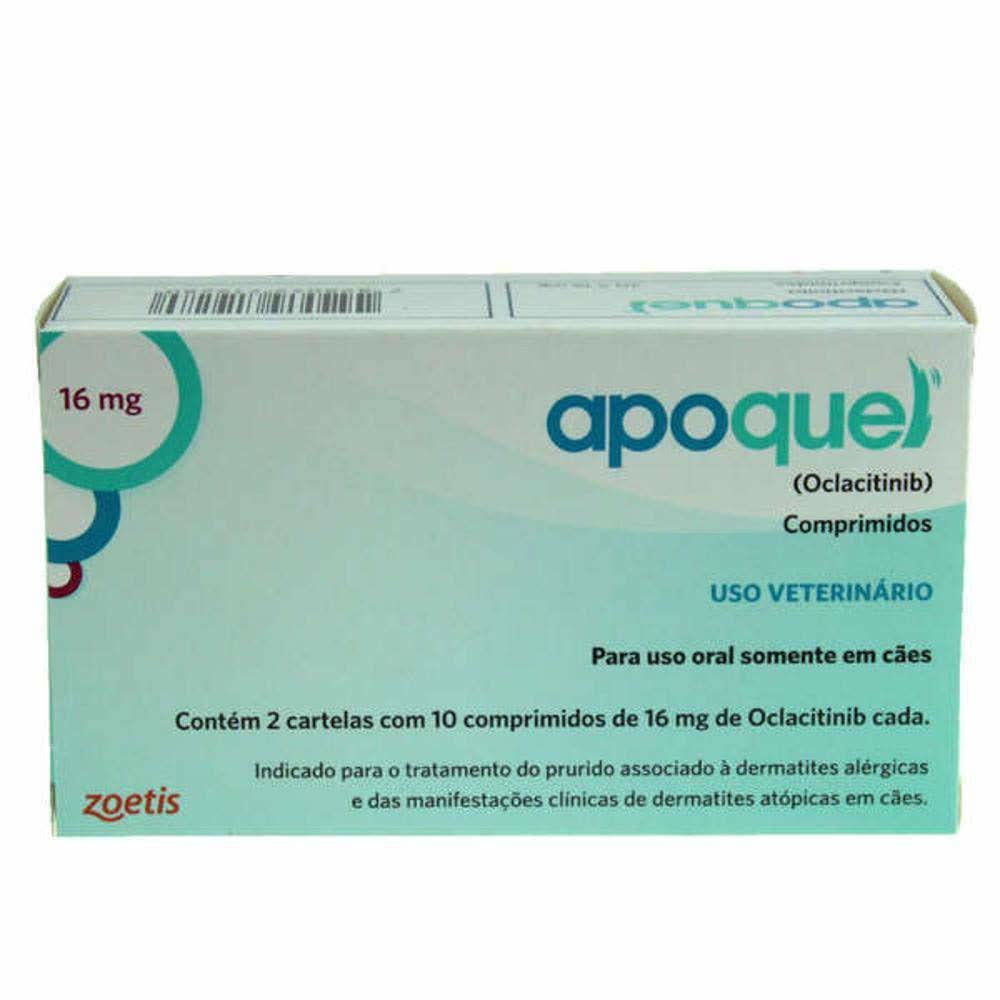
- Apoquel (oclacitinib) — Apoquel 16mg Tablets for Dogs — about 70 dollars/month. Prescription tablet that blocks the itch pathway. Very effective for environmental allergies. Works within 4 hours. Does not suppress the immune system like steroids. Safe for long-term use.
- Cytopoint (lokivetmab) — 50-100 dollars per injection (every 4-8 weeks). Injectable given at the vet. Targets itch-specific proteins. Very effective with no side effects. Good for dogs that cannot take oral medications.
- Prednisone (steroid) — 5-15 dollars/month. Short-term use only — causes increased thirst, urination, appetite, and panting. Long-term use causes skin thinning, muscle loss, and organ damage. Use for flare-ups, not as a maintenance treatment.
- Allergy testing and immunotherapy — 200-400 dollars for testing, 15-30 dollars/month for serum. Intradermal or blood testing identifies specific allergens. Custom allergy serum (shots or drops) desensitizes the immune system. 60-70 percent of dogs respond. Takes 6-12 months to see full effect.
See a veterinary dermatologist if your regular vet’s treatments are not working after 3-6 months. Dermatologist consultation: 150-300 dollars. They can perform intradermal allergy testing (more accurate than blood testing) and design a comprehensive management plan.
The Monthly Cost Comparison
| Approach | Monthly Cost | Effectiveness |
|---|---|---|
| Budget protocol (flea prevention + antihistamine + topicals + omega-3 + allergen reduction) | 10-25 dollars | Controls symptoms in 60-70% of allergic dogs |
| Budget + Apoquel | 60-105 dollars | Controls 85-90% of dogs |
| Budget + Cytopoint | 60-125 dollars | Controls 85-90% of dogs |
| Allergy testing + immunotherapy | 15-30 dollars (after initial testing) | Controls 60-70% long-term (reduces need for other meds) |
| Specialist-managed comprehensive plan | 100-300 dollars | Controls 90-95% of dogs |
The Bottom Line
Dog allergies cost 500-3,000 dollars per year if untreated, but 70 percent of allergic dogs can be managed for 10-25 dollars per month. Identify the allergy type: flea allergy (itching at base of tail — treat with flea prevention at 5-10 dollars/month), environmental allergies (seasonal itching at paws and ears — treat with antihistamines at 3-5 dollars/month, oatmeal shampoo at 5-8 dollars, omega-3 fish oil at 3-5 dollars, and free allergen reduction: wipe paws after walks, wash bedding weekly, vacuum frequently, use a HEPA filter), food allergies (year-round itching with chronic ear infections — 8-week elimination diet with a novel protein), or contact allergies (itching on belly and paws after contact with a specific surface — identify and eliminate the trigger). Try the budget protocol for 4-6 weeks: flea prevention + cetirizine or loratadine (plain, not D) + oatmeal shampoo + hydrocortisone cream for hot spots + fish oil + paw wiping after walks. If the budget protocol does not control itching, see your vet for Apoquel (50-80 dollars/month, very effective, works in 4 hours) or Cytopoint (50-100 dollars per injection, no side effects). For severe or complex cases, allergy testing and immunotherapy (200-400 dollars testing + 15-30 dollars/month serum) provides long-term desensitization. The 10-25 dollar monthly budget protocol controls 60-70 percent of allergic dogs. Adding Apoquel or Cytopoint brings it to 85-90 percent. Start with flea prevention and antihistamines — the cheapest interventions often work, and you will know within 2-4 weeks.
Last updated: July 2026 | By ThriftyPaw | Prices and availability subject to change
ThriftyPaw is reader-supported. As an Amazon Associate, we earn from qualifying purchases. This comes at no extra cost to you — we only recommend products we believe in for your pet.
🐾 Get Your Free Big Dog First Aid Kit Checklist
Join our newsletter and get this free printable plus weekly tips.
Price Check
Prices verified via our product tracker. Updated Oct 5.
| PetArmor Plus Flea & Tick Topical Dogs 5-22 lbs, 6-Month | | $39.97 | 4.2★ (62,945) |
| Diphenhydramine 25 mg Generic Benadryl Allergy Medicine an | $39.23 | |
| Claritin 24 Hour Allergy Medicine, Non-Drowsy Prescription | $19.00 | 4.8★ (9,931) |
| Wahl USA Dry Skin & Itch Relief Pet Shampoo for Dogs – Oat | $19.99 | 4.6★ (43,881) |
| Pet MD Hydrocortisone Spray for Dogs, Cats, Horses - 4 oz | $16.99 | 4.3★ (16,509) |
| 3-in-1 Dog Wipes for Paws & Butt, Deodorizing, White Tea & | $9.98 | 4.6★ (70,097) |
| Bragg Organic Raw Apple Cider Vinegar, 32 Ounce - 1 Pack | | $6.49 | 4.7★ (64,313) |
| Epsoak Epsom Salt 2 lb. Magnesium Sulfate USP. Resealable | $35.00 | 4.8★ (17,958) |
| Omega 3 Fish Oil for Dogs, Peanut Butter - 180 Soft Chews | $27.99 | 4.4★ (431) |
| Levoit Air Purifiers for Bedroom Home Pets Dorm Room, Smal | $49.99 | 4.6★ (45,671) |
| Apoquel (oclacitinib Tablet) for Dogs, 16 mg, 30 Tablets | | $94.86 | 4.4★ (251) |
As an Amazon Associate we earn from qualifying purchases.