
This article contains affiliate links. We may earn a commission from qualifying purchases.
Some content on this site is AI-assisted and reviewed by our editorial team.
Cat hairballs are not normal — they are a sign that something is off in your cat’s digestive system. While an occasional hairball (1-2 per month) is common in long-haired cats, frequent hairballs (weekly or more) indicate overgrooming, a skin condition, or a gastrointestinal problem. The good news: most hairball issues are preventable with 3-5 dollars per month in grooming supplies and dietary changes. This guide covers why cats get hairballs, when they are a problem, the budget prevention protocol, and when hairballs are a sign of something more serious.
Why Cats Get Hairballs
Cats groom themselves by licking their fur with their rough, barbed tongues. Loose hair is swallowed. In a healthy cat, the hair passes through the digestive tract and is eliminated in the stool. When the hair accumulates in the stomach instead of passing through, it forms a hairball — a dense, cigar-shaped mass of fur that the cat vomits up.
Factors that increase hairball formation:
- Long hair — Persian, Maine Coon, Norwegian Forest Cat, Ragdoll. More hair swallowed per grooming session.
- Shedding season — Spring and fall shedding increases hair ingestion.
- Overgrooming — Cats that groom excessively (from stress, allergies, pain, or boredom) swallow more hair.
- Digestive motility issues — If the stomach and intestines move food slowly, hair accumulates instead of passing.
- Dry food diet — Low moisture reduces digestive motility.
- Lack of fiber — Fiber helps move hair through the digestive tract.
- Dehydration — Reduces digestive motility.
When Hairballs Are Normal vs. Problematic
| Frequency | Assessment | Action |
|---|---|---|
| 1-2 per month (long-haired cats) | Normal | Basic prevention (grooming + hairball gel) |
| 1 every 2-3 months (short-haired cats) | Normal | No action needed |
| 1 per week | Mildly excessive | Start prevention protocol |
| 2+ per week | Excessive — investigate cause | Vet visit to rule out underlying issues |
| Daily | Abnormal — possible blockage or disease | Vet visit promptly |
| No hairball produced but retching/gagging | Possible stuck hairball or other GI issue | Vet visit — can indicate blockage |
The Budget Prevention Protocol (3-8 Dollars Per Month)
1. Regular Grooming (Free to 5 Dollars)
The most effective prevention: remove loose hair before your cat swallows it. The more hair you brush out, the less hair enters the digestive system.
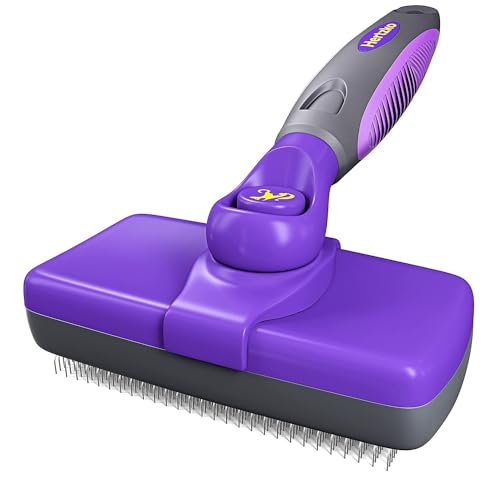
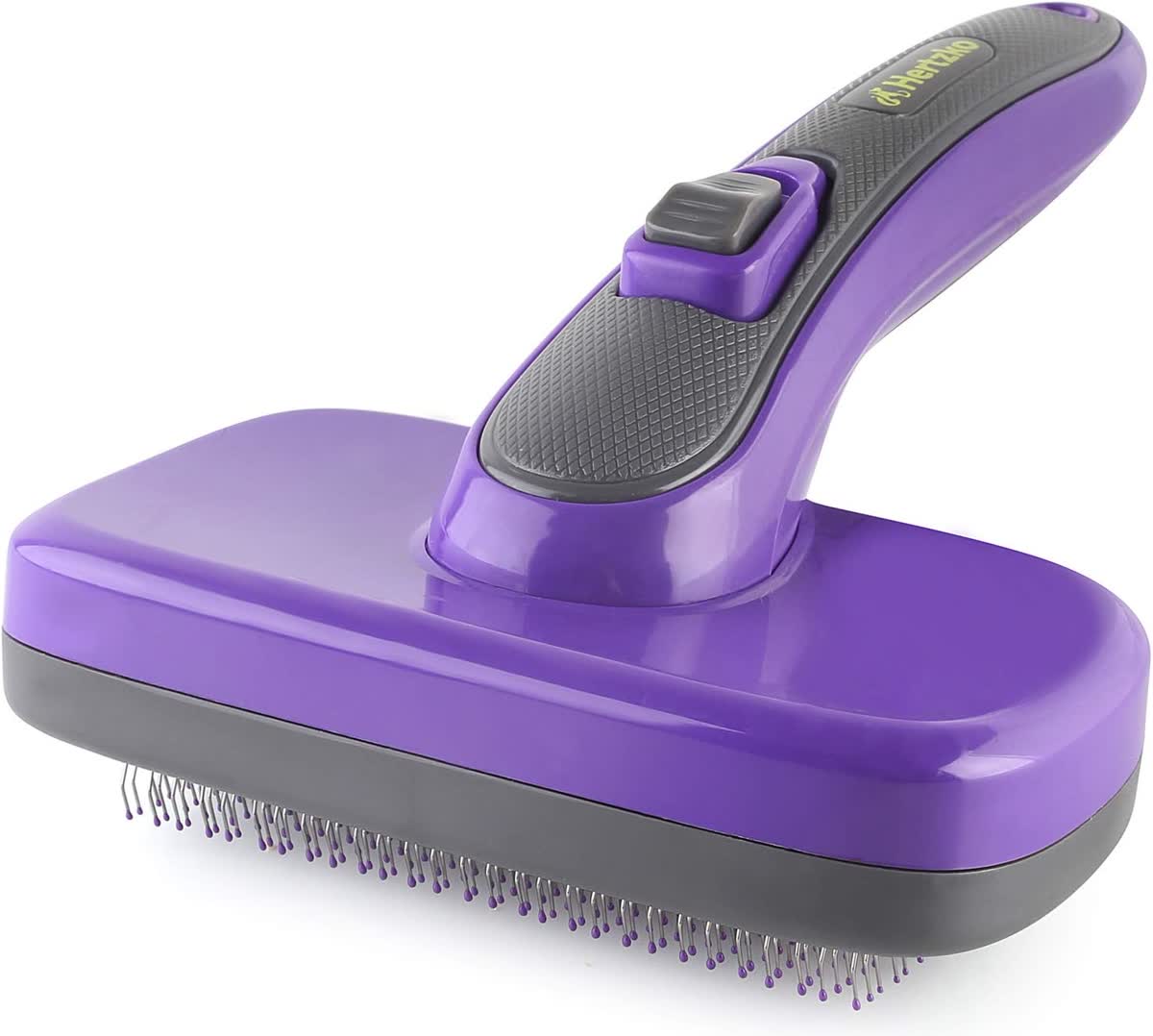
- Daily brushing for long-haired cats — 5-10 minutes per day with a Hertzko Self-Cleaning Slicker Brush — about $11. Removes loose undercoat hair before it is swallowed. The self-cleaning button makes it easy to remove fur after each session.
- 2-3 times per week for short-haired cats — Use a rubber curry brush or grooming glove (3-5 dollars) to remove loose hair.
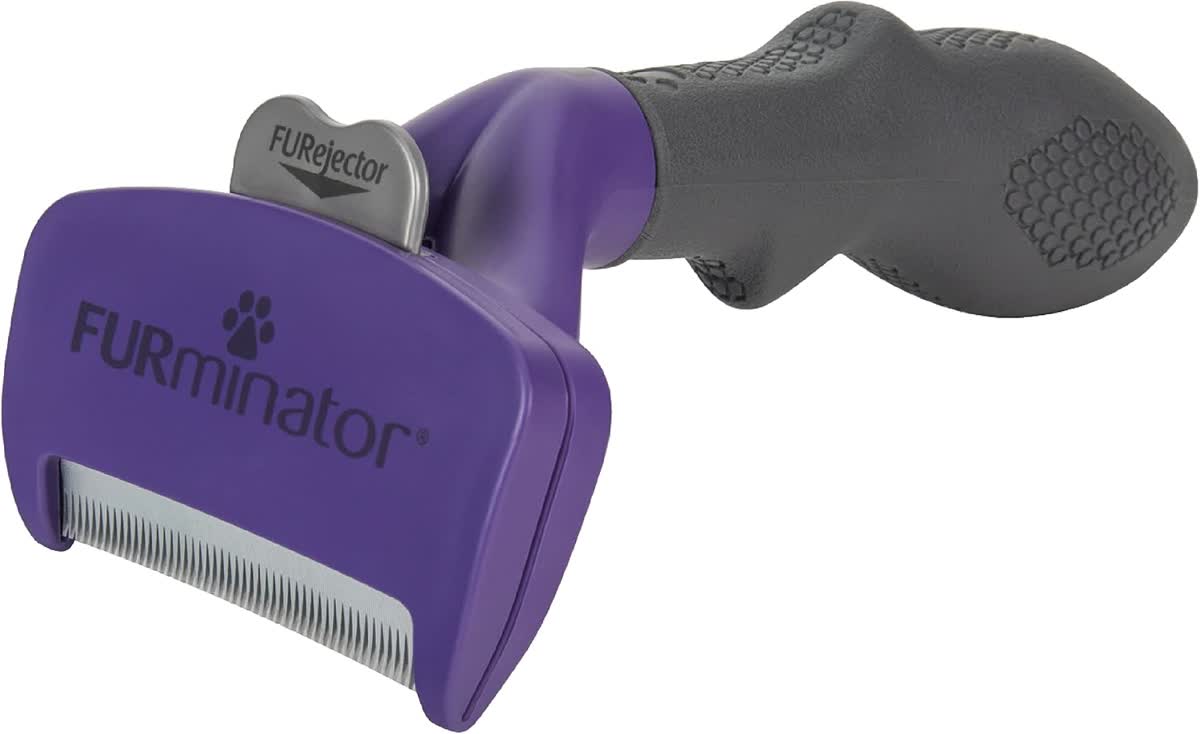
- FURminator or similar deshedding tool — FURminator deShedding Tool for Cats — about $14 (one-time). Removes undercoat hair that regular brushes miss. Use 1-2 times per week. Reduces shedding by 60-80 percent. The budget alternative: a metal flea comb (2-3 dollars) reaches the undercoat almost as effectively.
- Damp hand wipe — Free. Wet your hand and run it over your cat’s coat. Loose hair sticks to your damp hand. Do this after brushing to catch remaining loose hairs.
During shedding season (spring and fall), increase grooming frequency. Long-haired cats may need 2 brushing sessions per day during peak shedding.
2. Hairball Gel or Paste (3-6 Dollars Per Month)
Hairball gels contain petroleum jelly or mineral oil that coats the hair in the stomach, allowing it to slide through the digestive tract instead of accumulating. Give 1-2 times per week for prevention, or daily during shedding season:
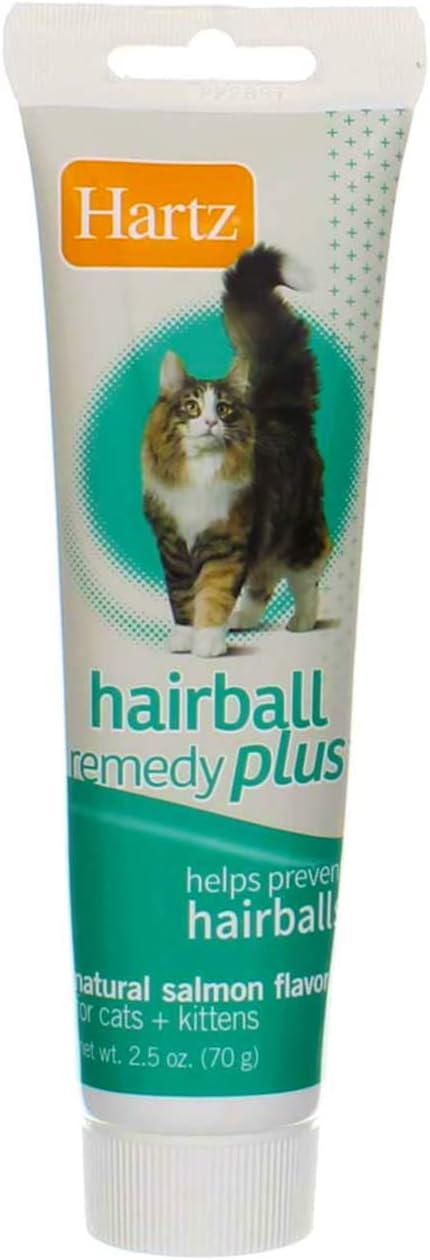
- Hartz Hairball Remedy Plus — Hartz Hairball Remedy Plus Salmon Flavored Paste — about $5. Available at most pet stores and grocery stores. Salmon flavor makes it easy to administer.
- Vetoquinol Laxatone — Vetoquinol Laxatone Tuna-Flavored Hairball Gel — about $7. The vet-recommended brand. Malt, tuna, or chicken flavor.
- Nutri-Vet Hairball Paw Gel — Nutri-Vet Hairball Paw Gel Salmon Flavor — about $6. A simple and effective way to support healthy skin, a glossy coat, and hairball control.
- Budget alternative: petroleum jelly (Vaseline) — 2-3 dollars for a jar that lasts months. Give 1/2 teaspoon on your cat’s paw — they will lick it off. Not as tasty as commercial gels but equally effective. Do not use mineral oil alone — it can be inhaled and cause lung inflammation.
Apply the gel to your cat’s paw — they will lick it off while grooming. Alternatively, smear a small amount on the paw or nose. Do not put it directly in the mouth — your cat may aspirate it.
3. Dietary Fiber (Free to 3 Dollars Per Month)
Fiber helps move hair through the digestive tract. Increase fiber in your cat’s diet:
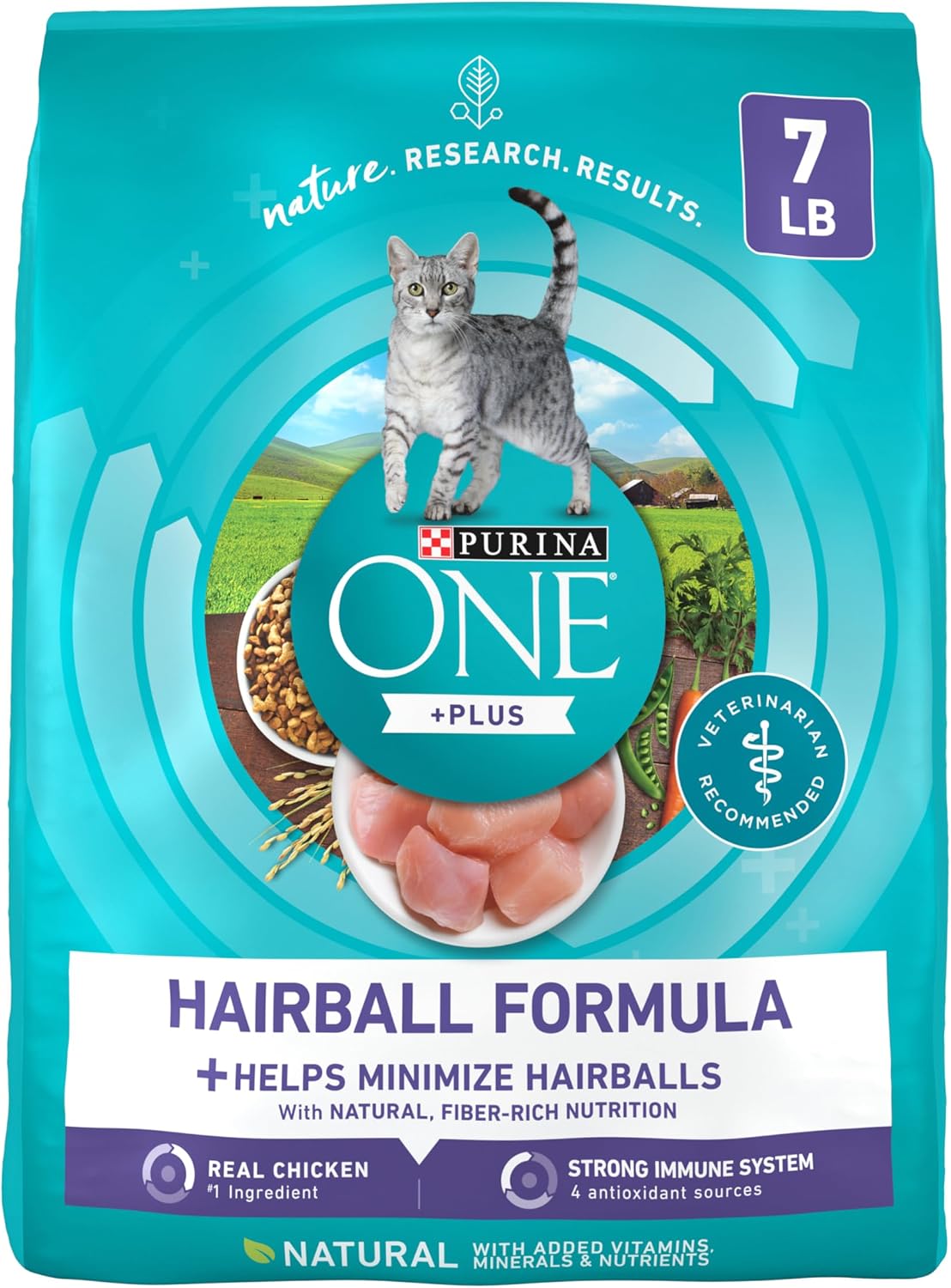
- Hairball control cat food — Purina ONE Hairball Control Dry Cat Food — about $18 for a 7-pound bag. Natural fiber-rich blend that helps hair pass through. Or try IAMS ProActive Health Hairball Care — about $16 for a 7-pound bag. Both are budget options that work for many cats.
- Pumpkin (plain, canned) — 1-2 dollars/month. Add 1/2 teaspoon of plain canned pumpkin (not pie filling) to wet food daily. High in fiber and most cats tolerate it well.
- Cat grass — The Cat Ladies Cat Grass Growing Kit — about $15. Growing oat, wheat, or rye grass provides natural fiber. Cats eat the grass, which helps bind hair and move it through the digestive tract. Some cats vomit the grass (with the hair) — this is actually a natural hairball mechanism.
- Psyllium husk — 2-3 dollars/month. 1/8 teaspoon of psyllium husk powder (generic Metamucil, unflavored) mixed with wet food daily. Start with a very small amount and increase gradually. Too much causes diarrhea.

4. Increase Water Intake (Free to 15 Dollars)
Hydration improves digestive motility, helping hair pass through instead of accumulating:
- Switch to wet food — The most effective hydration method (70-80 percent water content)
- Add water to food — 2-3 tablespoons of warm water per meal
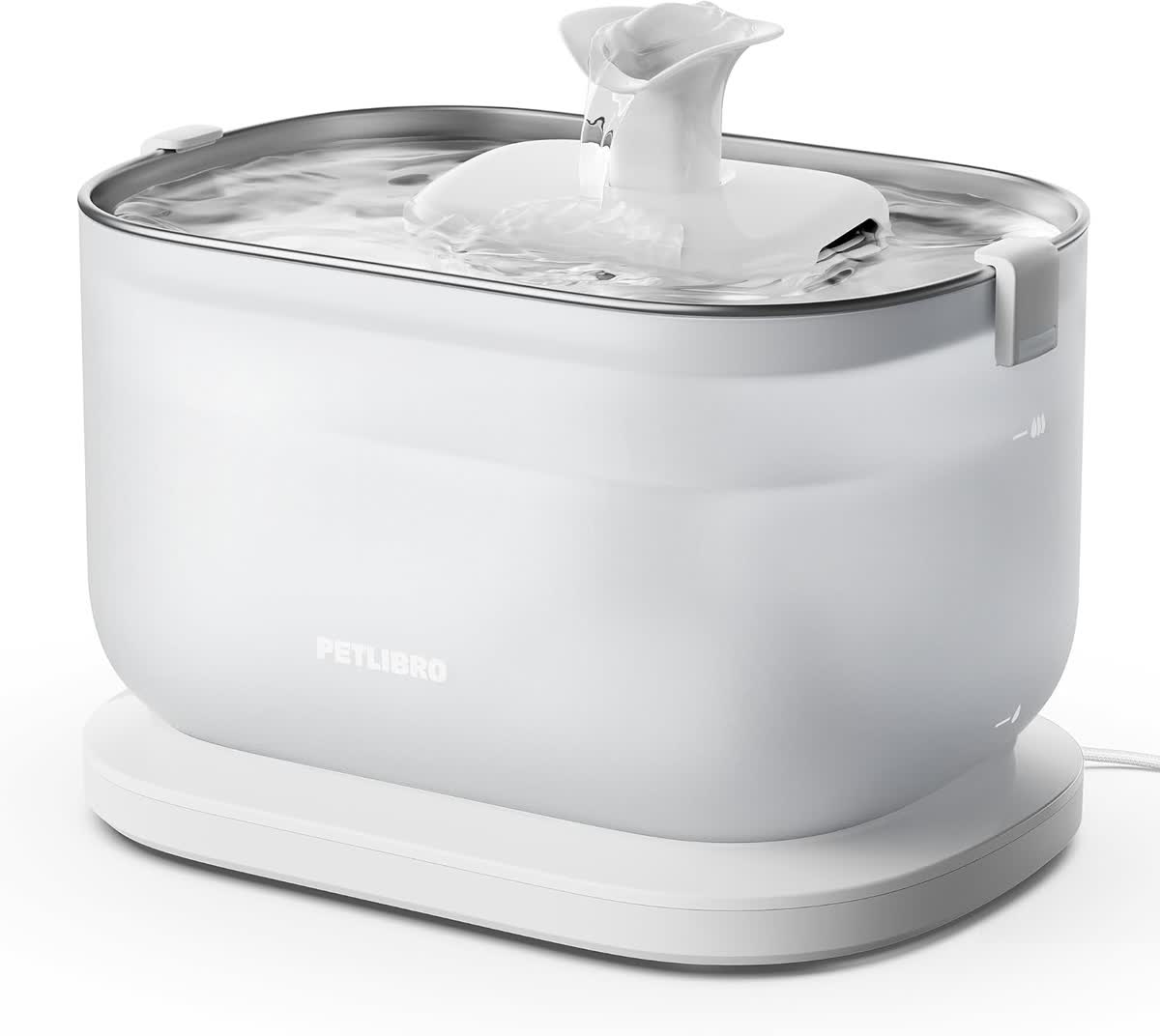
- Cat water fountain — PETLIBRO Cordless Cat Water Fountain — about $36 (one-time). Stainless steel tray, 2.5L capacity. Moving water encourages drinking.
- Multiple water bowls — Free. Place in different locations away from food
5. Reduce Overgrooming (Free)
If your cat is grooming excessively (creating bald spots or thin fur), identify and address the cause:
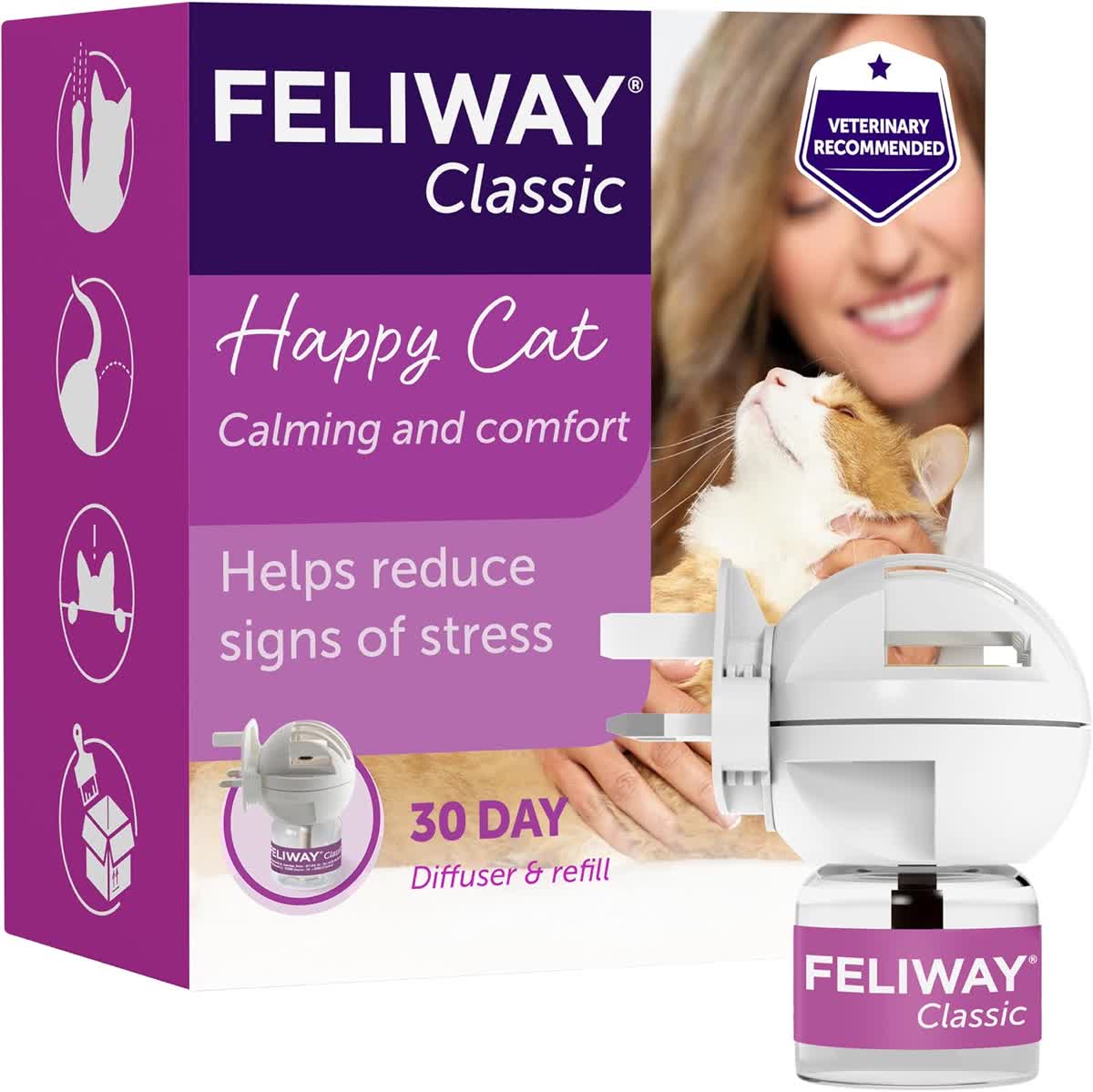
- Stress — Changes in routine, new pets, moving, or boredom. Provide enrichment (see indoor cat enrichment guide), maintain routine, and use Feliway Classic Cat Pheromone Diffuser — about $25. Plug-in diffuser provides 24/7 calming support for stressed cats.
- Allergies — Food or environmental allergies cause itchy skin, leading to overgrooming. See the dog allergies guide (same principles apply to cats — antihistamines, elimination diet, flea prevention).
- Fleas — Even indoor cats can get fleas. Apply monthly flea prevention (5-10 dollars/month).
- Pain — Cats groom painful areas. If your cat is overgrooming one spot (especially the belly or a specific leg), it may indicate arthritis or another pain source. See the vet.
- Boredom — Understimulated cats groom excessively. 15-20 minutes of daily play (see indoor cat enrichment guide) redirects the behavior.
When Hairballs Are a Sign of Something Serious
See the vet if your cat shows any of these signs:
Possible Hairball Blockage (Emergency)
- Retching or gagging without producing anything — A hairball may be stuck in the stomach or intestines
- Vomiting food or liquid but no hairball — A large hairball may be blocking the stomach exit
- Loss of appetite for 24+ hours — May indicate a blockage
- Lethargy — Your cat is not acting normally
- Constipation or no stool for 2+ days — Hairball may be blocking the intestines
- Swollen or painful abdomen — Possible intestinal blockage
A hairball blockage is diagnosed with X-rays (80-150 dollars) and may require surgery to remove (1,500-3,000 dollars). This is rare but more common in long-haired cats that are not groomed regularly.
Other Conditions That Mimic Hairballs
Frequent “hairball” episodes (retching, gagging, vomiting) may actually be:
- Asthma — Cats with asthma cough and wheeze, which looks like trying to bring up a hairball. Video the episode for your vet — asthma and hairball retching look different on video.
- Inflammatory bowel disease (IBD) — Chronic vomiting that looks like hairball episodes. Diagnosed with blood work and sometimes biopsy.
- Heart disease — Coughing from enlarged heart pressing on the lungs. More common in older cats.
- Esophageal stricture — Narrowing of the esophagus that causes retching.
- Intestinal lymphoma — Cancer of the intestines that causes vomiting and weight loss. More common in senior cats.
If your cat is “producing hairballs” but also losing weight, not eating well, or acting lethargic, see the vet. These are not normal hairball signs and may indicate a serious underlying condition.
The Monthly Cost Breakdown
| Component | Monthly Cost |
|---|---|
| Brushing tool (amortized) | 0.50-1 dollar |
| Hairball gel or petroleum jelly | 3-6 dollars |
| Pumpkin or cat grass | 1-3 dollars |
| Water fountain (amortized) | 1-2 dollars |
| Total | 5-12 dollars/month |
The Bottom Line
Cat hairballs are preventable for 5-12 dollars per month. The protocol: brush daily for long-haired cats (5-10 minutes with a 3-dollar slicker brush) or 2-3 times per week for short-haired cats, give hairball gel 1-2 times per week (3-6 dollars/month — or use petroleum jelly at 2 dollars for a jar that lasts months), add fiber with plain canned pumpkin (1-2 dollars/month, 1/2 teaspoon daily) or cat grass (2-5 dollars), and increase water intake with wet food and a water fountain (15-25 dollars one-time). Normal frequency: 1-2 per month for long-haired cats, 1 every 2-3 months for short-haired. More than weekly is excessive — investigate causes: overgrooming from stress (provide enrichment, use Feliway at 15-25 dollars/month), allergies (see the allergies guide), fleas (5-10 dollars/month prevention), pain (see vet), or boredom (15-20 minutes of daily play). See the vet immediately if your cat retches without producing anything, has not eaten for 24 hours, is lethargic, or has a swollen abdomen — these may indicate a hairball blockage (1,500-3,000 dollars for surgery) or another condition mimicking hairballs: asthma, IBD, heart disease, or intestinal lymphoma. Video the episode on your phone to show the vet — the visual difference between a hairball retch and an asthma cough is obvious to a professional. The 5-dollar monthly prevention (grooming + hairball gel + fiber + hydration) prevents the 1,500-3,000 dollar blockage surgery and keeps your cat comfortable.
Last updated: July 2026 | By ThriftyPaw | Prices and availability subject to change
ThriftyPaw is reader-supported. As an Amazon Associate, we earn from qualifying purchases. This comes at no extra cost to you — we only recommend products we believe in for your pet.
🐾 Get Your Free Big Dog First Aid Kit Checklist
Join our newsletter and get this free printable plus weekly tips.
Price Check
Prices verified via our product tracker. Updated Oct 5.
| Hertzko Self Cleaning Slicker Brush | $16.95 | |
| FURminator Small Cat deShedding Tool for Short Hair | Redu | $4.97 | 4.7★ (4,043) |
| Hartz Hairball Remedy Plus Salmon Flavored Paste for Cats | $9.72 | 4.2★ (6,226) |
| Vetoquinol Laxatone, Tuna Hairball Gel for Cats, 4.25 oz ( | $16.99 | 4.4★ (4,822) |
| Nutri-Vet Hairball Gel for Cats, Cat Hairball Remedy, Salm | $11.97 | 4.1★ (5,847) |
| Purina ONE Natural Hairball Control Dry Cat Food, 7 lb Bag | $17.97 | 4.8★ (13,062) |
| IAMS Proactive Health Hairball Dry Cat Food, Chicken & Sal | $33.98 | 4.8★ (11,371) |
| The Cat Ladies Organic Cat Grass for Indoor Cats - Growing | $35.00 | 4.4★ (8,182) |
| PETLIBRO Dockstream 1 Cat Water Fountain, 2.5L Water Fount | $60.89 | 3.7★ (3,583) |
| FELIWAY Classic Cat Pheromone Calming Diffuser Kit | Helps | $24.99 | 4.0★ (28,379) |
As an Amazon Associate we earn from qualifying purchases.