
This article contains affiliate links. We may earn a commission from qualifying purchases.
Some content on this site is AI-assisted and reviewed by our editorial team.
Dog poisoning is the third most common reason for emergency vet visits — and the average cost of treatment is 300-2,500 dollars. But 90 percent of poisoning cases are preventable. The toxins that send dogs to the emergency clinic are not exotic chemicals — they are items sitting in your kitchen, bathroom, garage, and garden right now. This guide covers the 12 most common dog poisons in the average home, what to do if your dog eats one, the Pet Poison Helpline, and how to poison-proof your home for free in 30 minutes.
The 12 Most Common Dog Poisons in Your Home
1. Chocolate (Most Common Poisoning)
Theobromine in chocolate is toxic to dogs. The darker the chocolate, the more theobromine it contains. Baker’s chocolate and dark chocolate are the most dangerous — 1 ounce of baker’s chocolate can kill a 10-pound dog.
| Chocolate Type | Theobromine Content | Toxic Dose (50 lb dog) |
|---|---|---|
| White chocolate | Minimal | Not typically toxic |
| Milk chocolate | 60 mg/oz | 32 oz (2 pounds) |
| Dark chocolate (50-70%) | 150-300 mg/oz | 5-10 oz |
| Baker’s chocolate | 400-450 mg/oz | 3-4 oz |
| Cocoa powder | 200-500 mg/oz | 3-5 oz |
Signs: Vomiting, diarrhea, restlessness, panting, elevated heart rate, tremors, seizures. Onset within 6-12 hours.
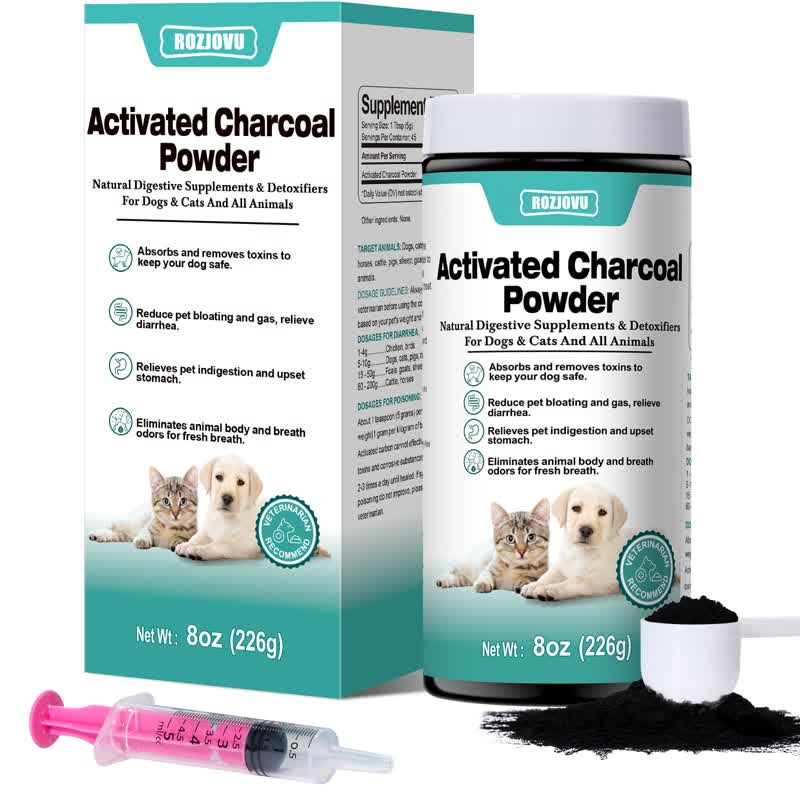
A vital part of any pet first aid kit is activated charcoal, which vets use to bind toxins in the digestive tract. Activated Charcoal for Dogs, Cats, and All Pets — about $18 is formulated specifically for pets and can be administered under veterinary guidance. Action: Call the vet or Pet Poison Helpline immediately with the type and amount of chocolate consumed and your dog’s weight. If caught within 1-2 hours, the vet may induce vomiting (do not induce vomiting at home without veterinary guidance).
2. Xylitol (Sugar-Free Sweetener) — HIGHLY TOXIC
Xylitol is an artificial sweetener found in sugar-free gum, sugar-free candy, some peanut butters, baked goods, and dental products. It causes a massive insulin release in dogs, leading to life-threatening low blood sugar within 30-60 minutes. Just 2-3 pieces of sugar-free gum can be fatal to a 10-pound dog.
Signs: Vomiting, weakness, collapse, seizures, jaundice (liver damage). Onset within 30 minutes.
Action: Go to the emergency vet immediately. This is one of the most dangerous toxins — do not wait for symptoms. If you know your dog ate xylitol, go to the vet right away.
3. Grapes and Raisins — HIGHLY TOXIC
Grapes and raisins cause acute kidney failure in dogs. The toxic principle is unknown but appears to be in the flesh of the grape, not the seed or skin. The toxic dose varies widely — some dogs develop kidney failure after eating 3-4 grapes, while others eat a whole bunch with no effect. Do not assume a small amount is safe.
Signs: Vomiting (within 2-6 hours), lethargy, increased thirst and urination (kidney failure), decreased or absent urination (advanced kidney failure). Onset within 2-6 hours.
Action: Go to the vet immediately. If caught within 1 hour, the vet may induce vomiting and give activated charcoal to bind the toxin. Kidney failure can develop within 24-72 hours.
4. Antifreeze (Ethylene Glycol) — FATAL IN SMALL AMOUNTS
Antifreeze tastes sweet, which attracts dogs. As little as 1-2 tablespoons can be fatal to a medium-sized dog. It causes severe kidney failure and death within 12-24 hours.
Signs: Drunken appearance (staggering, vomiting) within 30 minutes to 6 hours, then apparent recovery, then kidney failure 12-24 hours later (decreased urination, seizures, coma, death).
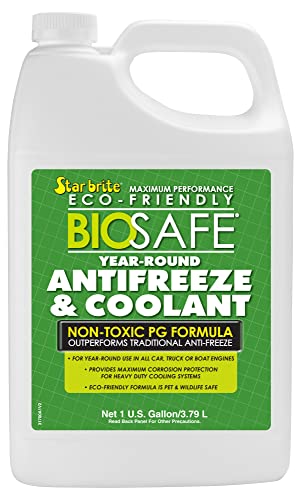
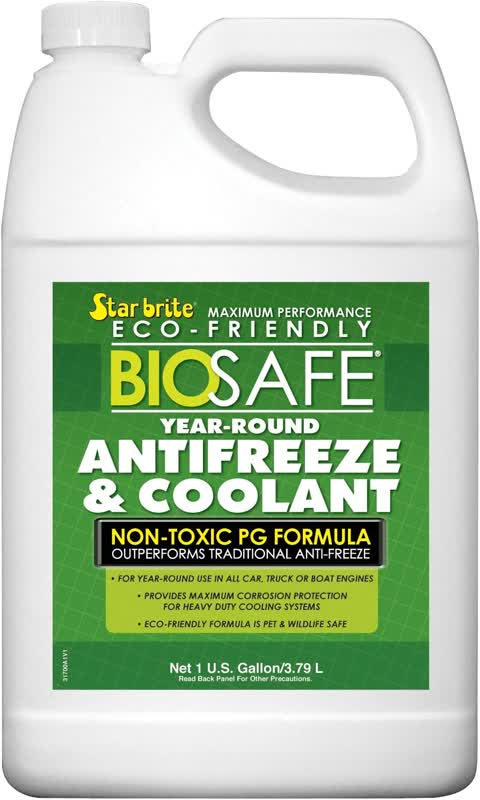
Action: Go to the emergency vet IMMEDIATELY. If treated within 1-2 hours, the antidote (fomepizole) can prevent kidney damage. After 4-6 hours, damage is irreversible. Cost of treatment: 500-3,000 dollars. Prevention: use propylene glycol antifreeze (safer, non-toxic) and clean up spills immediately. Star Brite BIO-Safe Non-Toxic PG Antifreeze — about $35 is a safer alternative that will not poison your dog if spilled.
5. Rat Poison (Rodenticide)
Three types of rat poison, each with different effects:
- Anticoagulant (warfarin, bromadiolone) — Prevents blood clotting. Signs: bleeding from gums, nose, or in stool; bruising; weakness. Onset 3-5 days. Treatment: Vitamin K1, 15-40 dollars for a 30-day course.
- Bromethalin — Causes brain swelling. Signs: muscle tremors, seizures, paralysis. No antidote — supportive care only. Often fatal.
- Cholecalciferol (vitamin D3) — Causes kidney failure. Signs: increased thirst and urination, vomiting, weakness. Treatment: IV fluids and medications.
Action: Call the vet immediately with the type of rat poison (bring the packaging). If caught within 1-2 hours, induce vomiting and give activated charcoal.
6. Human Medications
The most dangerous human medications for dogs:
| Medication | Toxicity | Signs |
|---|---|---|
| Ibuprofen (Advil, Motrin) | High — stomach ulcers, kidney failure | Vomiting, black stools, lethargy |
| Acetaminophen (Tylenol) | High — liver damage, red blood cell damage | Vomiting, brown gums, weakness, swelling |
| Naproxen (Aleve) | High — severe kidney and GI damage | Vomiting, diarrhea, lethargy |
| Antidepressants (SSRIs) | Moderate-High — serotonin syndrome | Agitation, tremors, seizures, high body temperature |
| ADHD medications (amphetamines) | High — overstimulation | Hyperactivity, tremors, seizures, heart problems |
| Blood pressure medications | Moderate — dangerous drop in blood pressure | Weakness, collapse, slow heart rate |
Action: Call the vet or Pet Poison Helpline with the medication name and dosage. Bring the bottle to the vet. Keep all medications secured — SUNIRY Invisible Baby Proofing Cabinet Locks (12-Pack) — about $12 can prevent dogs from pawing open bathroom cabinets.
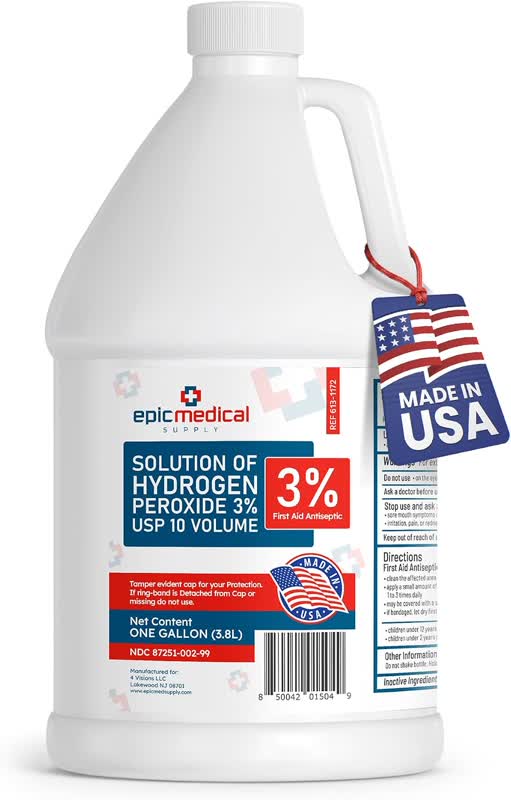
3 percent hydrogen peroxide is the standard agent vets recommend for inducing vomiting in dogs when appropriate. Epic Medical Supply 3% Hydrogen Peroxide (1 Gallon) — about $15 Keep a gallon on hand in your pet first aid kit, but only use it under veterinary or Pet Poison Helpline guidance.
7. Onions and Garlic
Onions, garlic, leeks, and chives (the Allium family) cause oxidative damage to red blood cells, leading to hemolytic anemia. Toxic in all forms — raw, cooked, dried, and powdered. One medium onion can be toxic to a 20-pound dog. Garlic is more concentrated — 1 clove can be toxic to a small dog.
Signs: Lethargy, weakness, pale gums, red or brown urine (from destroyed red blood cells), vomiting, diarrhea. Onset 1-5 days.
Action: Call the vet. If caught early, induce vomiting. Severe anemia may require blood transfusions (500-1,500 dollars).
8. Macadamia Nuts
Causes weakness (especially hindquarters), depression, vomiting, tremors, and elevated body temperature. Toxic dose: 1-2 nuts per 10 pounds of body weight. Not usually fatal but very distressing.
Signs: Weakness in hind legs (wobbly gait), depression, vomiting, tremors. Onset 3-6 hours.
Action: Call the vet. Most cases resolve with supportive care within 24-48 hours.
9. Toxic Plants
| Plant | Toxicity | Signs |
|---|---|---|
| Lily (all types) | Fatal — kidney failure in cats, severe in dogs | Vomiting, lethargy, kidney failure |
| Sago palm | Fatal — liver failure | Vomiting, black stools, jaundice, seizures |
| Tulip/bulb plants | Moderate — concentrated in bulb | Vomiting, drooling, diarrhea |
| Oleander | High — heart toxicity | Vomiting, heart arrhythmia, death |
| Azalea/rhododendron | High — heart and nervous system | Vomiting, weakness, collapse |
| Castor bean | Severe — ricin poisoning | Vomiting, diarrhea, seizures, death |
| Autumn crocus | Severe — organ damage | Vomiting, bloody diarrhea, multi-organ failure |
Action: Identify the plant and call the vet or Pet Poison Helpline. Bring a piece of the plant to the vet.
10. Alcohol
Dogs are far more sensitive to alcohol than humans. Even small amounts (from beer, wine, spirits, or fermented food) cause dangerous drops in blood sugar, blood pressure, and body temperature. Rubbing alcohol (isopropyl) is also toxic if ingested or absorbed through the skin.
Signs: Vomiting, disorientation, weakness, collapse, slow breathing, low body temperature. Onset 15-60 minutes.
Action: Go to the emergency vet. Severe cases require IV fluids, warming, and monitoring.
11. Fertilizers and Pesticides
Lawn fertilizers, insecticides, and herbicides cause vomiting, diarrhea, drooling, and in severe cases, seizures and organ damage. Organic fertilizers (bone meal, blood meal) are also dangerous — bone meal can cause intestinal blockage, and blood meal can cause iron toxicity.
Action: Call the vet with the product name. Keep the packaging for reference.
12. Batteries
Batteries (especially button/disc batteries and alkaline batteries) cause chemical burns in the mouth, esophagus, and stomach. Button batteries can create an electrical current that burns a hole through tissue.
Signs: Drooling, mouth pain, refusal to eat, vomiting, abdominal pain.
Action: Go to the vet immediately. Do not induce vomiting — the battery can cause more damage coming back up.
What to Do If Your Dog Eats a Poison (Action Plan)
- Stay calm — Your dog needs you to think clearly.
- Identify the toxin — What did your dog eat? How much? When? Bring the packaging, the remaining product, or a sample to the vet.
- Call the Pet Poison Helpline — 855-764-7661. Cost: 59 dollars per incident (includes follow-up calls). They will tell you whether the substance is toxic, whether to induce vomiting, and whether to go to the vet.
- Call your vet — Tell them what happened and that you are on your way. They can prepare for your arrival.
- Do NOT induce vomiting unless told to — Some toxins (corrosives, petroleum products, foaming agents) cause more damage coming back up. Always get professional guidance first.
- Do NOT give milk, oil, or home remedies — These can worsen the situation. Follow the Helpline or vet’s instructions.
- Bring the packaging and your dog to the vet immediately.
The Pet Poison Helpline (855-764-7661)
The Pet Poison Helpline is staffed 24/7 by veterinary toxicologists. For 59 dollars per incident, they will:
- Tell you if the substance is toxic to your dog
- Tell you whether to induce vomiting and how
- Tell you whether to go to the vet or monitor at home
- Provide follow-up calls at no additional charge
- Coordinate with your vet if treatment is needed
Save this number in your phone NOW: 855-764-7661. The 59-dollar call can save a 2,500-dollar vet bill — or your dog’s life.
Poison-Proofing Your Home (Free, 30 Minutes)
Walk through your home and address these areas:
Kitchen
- Move chocolate to high shelves or sealed containers
- Put grapes and raisins out of reach
- Store sugar-free gum and candy in closed cabinets (not on the counter)
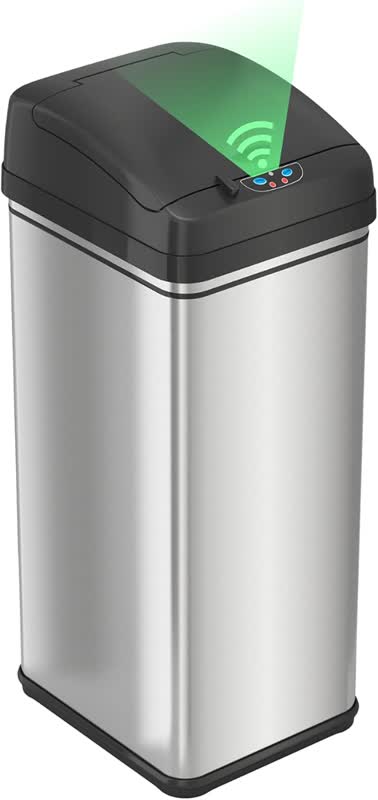
- Secure the trash can with a lid or behind a cabinet door — iTouchless 13 Gallon Dog-Proof Sensor Trash Can — about $90 has a pet-proof lid lock that prevents dogs from getting into dangerous food scraps
- Check peanut butter labels for xylitol — switch to xylitol-free brands
- Keep onions, garlic, and macadamia nuts out of reach
Bathroom
- Move all human medications to a closed cabinet (not on the counter)
- Secure the cabinet with a childproof lock if your dog can open doors — SUNIRY Invisible Baby Proofing Cabinet Locks (12-Pack) — about $12 are invisible, adhesive, and require no drilling
- Keep sugar-free toothpaste and mouthwash in closed cabinets

Garage
- Clean up antifreeze spills immediately
- Store antifreeze, rat poison, and chemicals on high shelves
- Switch to propylene glycol antifreeze (non-toxic)
- Keep the garage door closed so your dog cannot access it unsupervised
Living Areas
- Remove toxic plants or move them out of reach (lilies, sago palm, oleander)
- Keep batteries stored in containers, not loose in drawers
- Secure alcohol bottles in closed cabinets
- Use a pet gate to block access to rooms with hazards — Cumbor 29.7-48 inch Baby Gate for Stairs (Pet Gate) — about $45 is pressure-mounted, auto-closing, and works for both stairs and doorways

Yard and Garden
- Store fertilizers and pesticides in a locked shed
- Remove toxic plants from the yard (azaleas, oleander, sago palm)
- Do not use snail bait (metaldehyde) — highly toxic to dogs
- Clean up mushrooms (some wild mushrooms are fatal to dogs)
- Keep compost bins closed (moldy food causes tremorgenic poisoning)
The Cost of Poisoning
| Treatment | Cost |
|---|---|
| Pet Poison Helpline call | 59 dollars |
| Emergency vet visit | 100-150 dollars |
| Induce vomiting + activated charcoal | 100-200 dollars |
| IV fluids (24-48 hours) | 200-500 dollars |
| Blood work (organ function) | 80-150 dollars |
| Antidote (fomepizole for antifreeze) | 200-400 dollars |
| Hospitalization (1-3 days) | 500-1,500 dollars/day |
| Blood transfusion (severe anemia) | 500-1,500 dollars |
| Total for mild poisoning | 200-500 dollars |
| Total for severe poisoning | 1,500-5,000+ dollars |
The Bottom Line
Dog poisoning costs 200-5,000 dollars to treat and is 90 percent preventable. The 12 most common poisons in your home: chocolate (darker is more dangerous), xylitol (sugar-free gum and candy — highly toxic, 2-3 pieces of gum can kill a small dog), grapes and raisins (cause kidney failure — no safe amount), antifreeze (1-2 tablespoons is fatal — use propylene glycol instead), rat poison (3 types, all dangerous), human medications (ibuprofen, Tylenol, naproxen — keep in closed cabinets), onions and garlic (cause anemia), macadamia nuts (cause hind-leg weakness), toxic plants (lilies, sago palm, oleander), alcohol, fertilizers/pesticides, and batteries. If your dog eats a poison: identify the substance, call the Pet Poison Helpline at 855-764-7661 (59 dollars, 24/7, staffed by veterinary toxicologists), call your vet, and do NOT induce vomiting unless told to. Bring the packaging to the vet. Poison-proof your home in 30 minutes for free: move chocolate, grapes, gum, and medications to closed cabinets or high shelves, secure the trash, switch to xylitol-free peanut butter, clean up antifreeze spills, remove toxic plants, and store chemicals in locked cabinets. Save 855-764-7661 in your phone now — the 59-dollar call prevents the 5,000 dollar emergency and saves your dog’s life.
Last updated: July 2026 | By ThriftyPaw | Prices and availability subject to change
ThriftyPaw is reader-supported. As an Amazon Associate, we earn from qualifying purchases. This comes at no extra cost to you — we only recommend products we believe in for your pet.
🐾 Get Your Free Big Dog First Aid Kit Checklist
Join our newsletter and get this free printable plus weekly tips.
Price Check
Prices verified via our product tracker. Updated Sep 27.
| Guanshiya Activated Charcoal for Dogs, Cats, and All Pets, | $16.99 | 4.7★ (298) |
| STAR BRITE BioSafe Year Round Antifreeze & Coolant, Full S | $14.99 | 4.4★ |
| [12-Pack] Invisible Baby Proofing Cabinet Locks - No Drill | $9.99 | 4.0★ (17,428) |
| iTouchless 13 Gallon Dog Proof Trash Can with Odor Filter, | $99.99 | 4.2★ (245) |
| Cumbor 30-48 in Baby Gate for Stairs, Auto Close Dog Gate | $99.99 | 4.6★ (15,187) |
As an Amazon Associate we earn from qualifying purchases.