
This article contains affiliate links. We may earn a commission from qualifying purchases.
Some content on this site is AI-assisted and reviewed by our editorial team.
As dogs age, many develop incontinence — the inability to control urination. This is not a behavioral problem or a house-training failure. It is a medical condition that affects up to 30 percent of dogs over 10 years old. Incontinence is stressful for both the dog (who is embarrassed and uncomfortable) and the owner (who is constantly cleaning up). But it is manageable, and management costs under 30 dollars per month with the right products and strategies. This guide covers the causes of senior dog incontinence, treatment options, and the best budget products for keeping your home clean and your dog comfortable.
Why Senior Dogs Become Incontinent
Incontinence in senior dogs has several causes, and identifying the cause determines the treatment:
1. Urethral Sphincter Weakness (Most Common)
The urethral sphincter is the muscle that holds urine in the bladder. In spayed female dogs, the sphincter weakens with age due to decreased estrogen. This is the most common cause of incontinence in senior dogs, affecting up to 20 percent of spayed females. Leakage typically occurs when the dog is sleeping or resting.
Treatment: medication (phenylpropanolamine or DES) strengthens the sphincter. Cost: 15-30 dollars per month from Costco or Chewy. Very effective — 75-90 percent of dogs respond well.
2. Cognitive Decline (Canine Cognitive Dysfunction)
Some senior dogs forget their house training due to cognitive decline — similar to dementia in humans. They may urinate indoors because they forget where the door is, or because they lose the awareness that they need to go out.
Treatment: management is the primary approach. Increase potty breaks, use belly bands or dog diapers, and consider medication (selegiline, 20-40 dollars/month) which may slow cognitive decline.
3. Bladder Infections (UTI)
Senior dogs are prone to urinary tract infections, which cause urgency and accidents. If incontinence starts suddenly, a UTI is the likely culprit.
Treatment: antibiotics (20-40 dollars for a 2-week course from Costco). A urine culture (40-80 dollars) identifies the specific bacteria and the right antibiotic.
4. Increased Urine Production
Conditions that cause increased urine output — kidney disease, diabetes, Cushing’s disease — overwhelm the bladder’s capacity. The dog is not incontinent; they simply produce too much urine to hold.
Treatment: manage the underlying condition. See our guides on dog diabetes cost management and joint supplements for related conditions.
5. Medication Side Effects
Some medications increase urination — diuretics, steroids (prednisone), and phenobarbital can all cause increased urine output. If incontinence started after beginning a new medication, ask your vet if it could be the cause.
Products for Managing Incontinence (All Under 30 Dollars)
1. Belly Bands (8-15 Dollars)
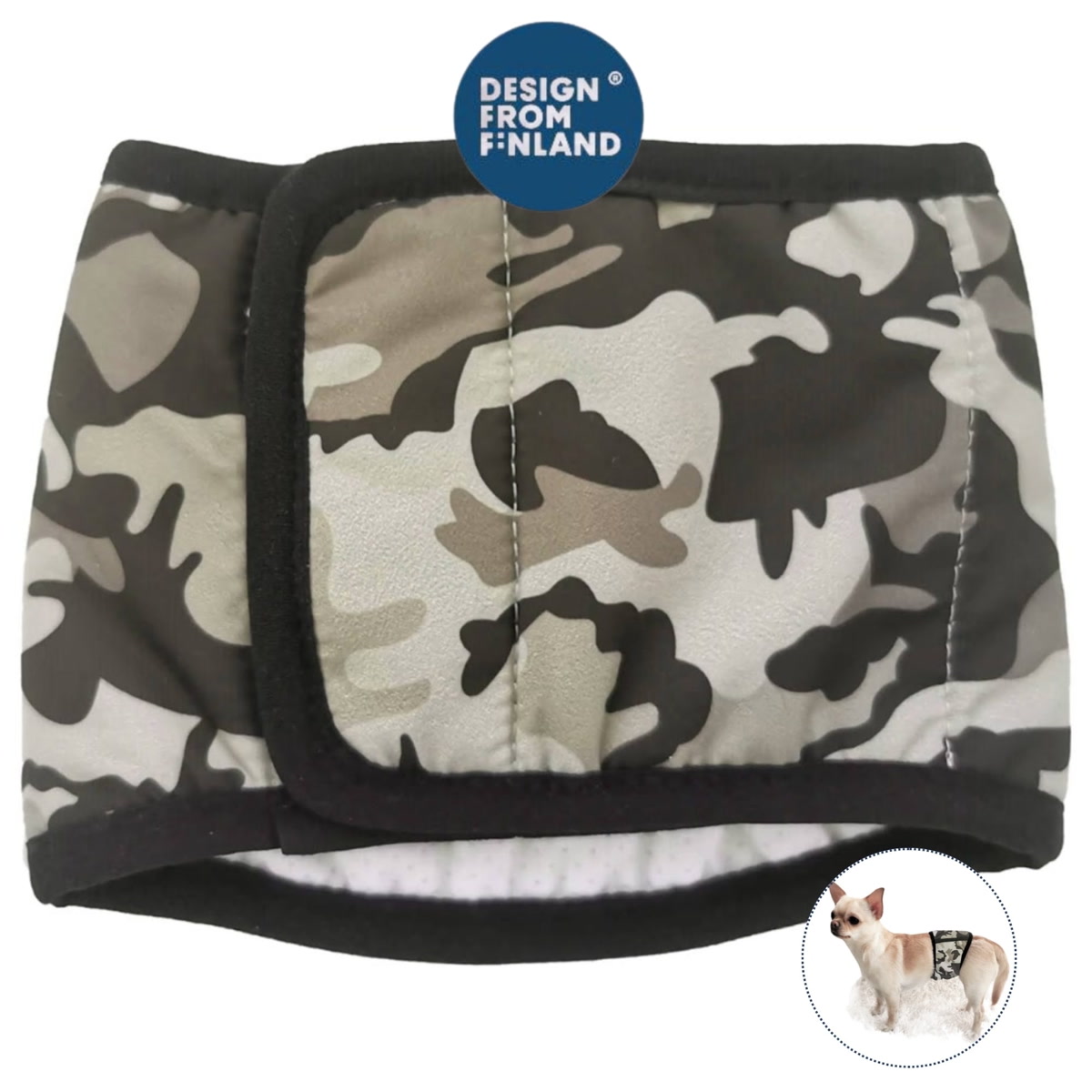
Belly bands are wrap-around fabric bands that fit around the male dog’s belly, covering the penis. They contain a absorbent pad that catches urine leakage. They are washable and reusable. Best for male dogs with mild to moderate leakage.
| Product | Price | Washable | Best For |
|---|---|---|---|
| Paw Inspired Washable Belly Band | 10-15 dollars (3-pack) | Yes | Male dogs, mild leakage |
| Simple Solution Washable Belly Band | 8-12 dollars each | Yes | Male dogs, moderate leakage |
| Vet’s Best Belly Band | 10-14 dollars | Yes | Budget option |
Buy 3-4 belly bands so you always have clean ones while others are in the wash. Change the pad (or the whole band) every 4-6 hours or when wet. Wash in hot water with mild detergent, no fabric softener (it reduces absorbency).
2. Dog Diapers (10-20 Dollars)
For female dogs or male dogs with heavy leakage, full diapers are more effective than belly bands. Dog diapers have a tail hole and adjustable tabs.
| Product | Price | Type | Best For |
|---|---|---|---|
| Paw Inspired Washable Diaper | 12-18 dollars (3-pack) | Washable | Female dogs, ongoing use |
| Pet Parents Washable Diaper | 15-20 dollars | Washable | Heavy leakage, all genders |
| Simple Solution Disposable Diapers | 10-15 dollars (12-pack) | Disposable | Short-term use, travel |
Washable diapers save money over time — a 15-dollar 3-pack lasts months. Disposable diapers are convenient for travel or while the washable ones are in the laundry.
3. Waterproof Bed Pads (8-15 Dollars)
Place waterproof pads under your dog’s bed and in their favorite resting spots. These protect furniture and bedding from urine. Washable pads are cheaper long-term than disposable.
- Priva Waterproof Bed Pad — 10-15 dollars. Washable, holds up to 6 cups of liquid. Lasts 300+ washes.
- HeroMeme Incontinence Pad — 8-12 dollars. Washable, nonslip backing.
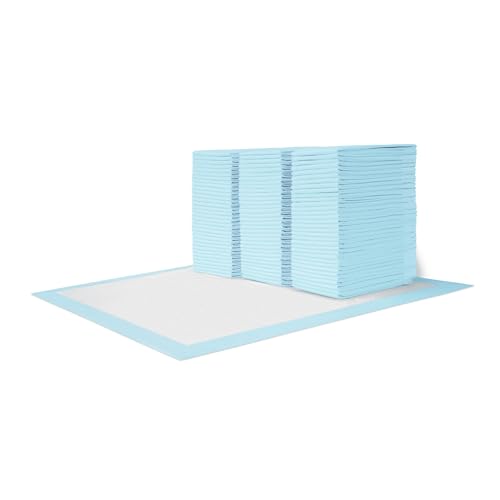
- Hospital-grade underpads (disposable) — 15-20 dollars for 100 pads. For heavy incontinence or post-surgery.
4. Enzymatic Cleaner (8-15 Dollars)
Regular household cleaners do not remove urine odor from the molecular level. Dogs can smell residue even after cleaning, which attracts them to urinate in the same spot again. Enzymatic cleaners break down the proteins in urine, eliminating both the stain and the odor.
- Nature’s Miracle — 8-12 dollars per bottle. The standard enzymatic cleaner for pet urine.
- Rocco & Roxie Stain & Odor Eliminator — 10-15 dollars. Stronger enzyme formula.
- Simple Solution Pet Stain Remover — 8-12 dollars. Budget option.
Saturate the area with enzymatic cleaner — do not just spray the surface. Urine soaks into carpet padding and subfloor. Use enough cleaner to reach the same depth as the urine. Let it air dry (do not blot). Reapply if odor persists after drying.
5. Outdoor Grass Patches (15-30 Dollars)
For dogs who cannot make it outside in time, an indoor grass patch provides a designated potty area. These are especially useful for dogs with mobility issues or owners who work long hours.
- Fresh Patch — subscription service, 20-30 dollars/week. Real grass delivery.
- DoggieLawn — 25-35 dollars per delivery. Hydroponically grown grass.
- DIY grass patch — buy sod from Home Depot (3-5 dollars per piece) and place it in a plastic tray. Replace weekly. Much cheaper than subscription.
The Total Monthly Budget for Incontinence Management
| Item | Monthly Cost (Budget) | Monthly Cost (Premium) |
|---|---|---|
| Medication (if needed) | 15-30 dollars | 40-80 dollars |
| Belly bands or diapers | 3-5 dollars (amortized washables) | 15-25 dollars (disposables) |
| Waterproof pads | 2-3 dollars (amortized washables) | 15-20 dollars (disposables) |
| Enzymatic cleaner | 3-5 dollars | 5-8 dollars |
| Potty pads or grass | 5-10 dollars | 20-30 dollars |
| Total per month | 28-53 dollars | 95-163 dollars |
The budget plan uses washable products, generic medication from Costco, and DIY grass patches. The premium plan uses disposable products and subscription services. Over a year, the budget plan saves 800-1,300 dollars.
Management Strategies (Free)
1. Increase Potty Breaks
Take your dog out every 2-3 hours instead of every 4-6 hours. The bladder is never full enough to leak. Set a timer. This is the single most effective free strategy.
2. Restrict Water Before Bedtime
Remove water 2 hours before bedtime. This reduces nighttime leakage. Do not restrict water during the day — dehydration is dangerous, especially in senior dogs with kidney issues.
3. Elevated Water Bowl
Raise the water bowl to chest height. This reduces the amount of air your dog swallows while drinking, which can contribute to incontinence in some dogs.
4. Regular Walk Schedule
A regular schedule helps dogs with cognitive decline. If your dog knows that 7 AM, 12 PM, 5 PM, and 9 PM are potty times, they are more likely to hold it until then. Consistency is key.
5. Waterproof Furniture Covers
If your dog sleeps on the couch, cover it with a waterproof mattress protector (8-15 dollars) under a regular blanket. This protects the couch and is easy to wash.
When to See the Vet
Incontinence is manageable at home, but some signs require veterinary attention:
- Sudden onset of incontinence (could indicate UTI or bladder stones)
- Blood in urine
- Straining to urinate or producing only small amounts
- Excessive drinking (could indicate diabetes or kidney disease)
- Incontinence that starts within a few weeks of starting a new medication
- No response to medication after 2 weeks (dose may need adjustment)
A vet visit for incontinence typically costs 50-150 dollars (exam + urinalysis + possible bloodwork). This is worth it to identify the cause and get the right treatment. Sphincter weakness treated with phenylpropanolamine (15-30 dollars/month) resolves incontinence in 75-90 percent of cases within 2 weeks.
The Bottom Line
Senior dog incontinence is a medical condition, not a behavior problem. Management costs under 30 dollars per month using washable belly bands or diapers (8-15 dollars), waterproof pads (8-15 dollars), enzymatic cleaner (8-12 dollars), and free strategies like increased potty breaks and restricted evening water. For sphincter weakness (the most common cause), medication from Costco costs 15-30 dollars per month and resolves incontinence in 75-90 percent of dogs. Do not punish your dog for incontinence — they cannot control it. Identify the cause with a vet visit (50-150 dollars), treat with medication if appropriate, and manage with budget products. Your dog is not less lovable because they leak.
Last updated: July 2026 | By ThriftyPaw | Prices and availability subject to change
Check Current Prices on Amazon
ThriftyPaw is reader-supported. As an Amazon Associate, we earn from qualifying purchases. This means we may earn a small commission when you buy through links on this site at no additional cost to you. We only recommend products we genuinely believe in. Thank you for supporting ThriftyPaw.
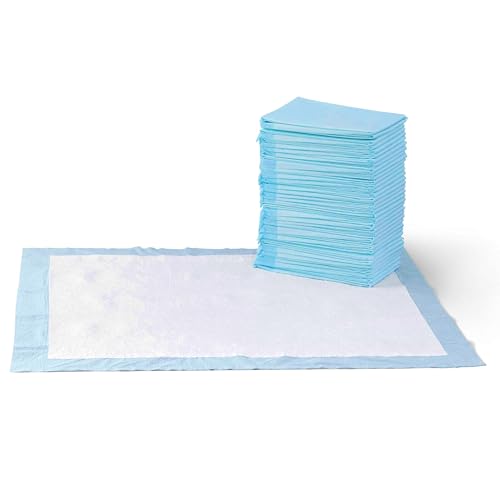
My take: Incontinence is a medical problem with real treatments — get the diagnosis (especially the $40-80 urine culture for the UTI cases) before settling for management. The washable belly bands and diapers at under $30 handle the interim with dignity for the dog and relief for the floors.
Related guides
- Best Cheap Dog Toys That Actually Last (Under 15 Dollars)
- DIY Dog Agility Equipment: Build a Backyard Course for Under 50 Dollars (2026)
- Heartworm Prevention on a Budget: Complete Guide Under 10 Dollars Per Month
- Cheap Ways to Keep Your Dog Cool This Summer
- Cost of Owning a Puppy First Year: Complete Budget Breakdown (2026)
🐾 Get Your Free Big Dog First Aid Kit Checklist
Join our newsletter and get this free printable plus weekly tips.
Frequently Asked Questions
Why is my senior dog having accidents?
It's medical, not behavioral — up to 30% of dogs over 10 develop incontinence. The common causes: urethral sphincter weakness (the most treatable), cognitive decline, bladder infections (treatable with a $20-40 antibiotic course after a $40-80 urine culture), increased urine production, and medication side effects. The diagnosis matters because the treatments differ completely.
What products manage dog incontinence best?
Belly bands for males ($8-15, washable 3-packs) for mild leakage, full washable diapers for females and heavy cases ($12-20), and waterproof bed pads ($8-15) under the resting spots. Total under $30 a month — versus the constant cleaning and the guilt-rehoming spiral the guide opens with.
Can dog incontinence be treated rather than managed?
Often, yes — the sphincter-weakness cases respond to prescription medication (the guide notes selegiline at $20-40 a month for the cognitive component too), and UTIs clear with the right antibiotic after culture. The products are the interim layer; the vet visit is what turns management into treatment.
Liked this guide? Get the next one in your inbox — the pet budget checklist is free too.
✓ You're in — check your inbox.
No spam. Unsubscribe anytime. We never share your email.
Price Check
Prices verified via our product tracker. Updated Sep 27.
| Amazon Basics Leak-Proof Dog and Puppy Potty Training Pee | $19.20 | 4.4★ (220,828) |
| Amazon Basics Leak-Proof Dog and Puppy Potty Training Pee | $22.39 | 4.4★ (220,828) |
| Washable Dog Pee Pads with Puppy Grooming Gloves,Puppy Pad | $36.95 | 4.7★ (23,165) |
As an Amazon Associate we earn from qualifying purchases.