
This article contains affiliate links. We may earn a commission from qualifying purchases.
Some content on this site is AI-assisted and reviewed by our editorial team.
Laboratory bloodwork is the single most valuable diagnostic tool in veterinary medicine. A basic blood panel can detect kidney disease, liver problems, anemia, infection, diabetes, and even cancer markers — often before symptoms appear. Yet many owners skip bloodwork because of the cost. Having pet insurance can make bloodwork far more affordable: 80-300 dollars per panel at vet clinics. The truth is, bloodwork is far cheaper than treating the diseases it detects. A 150-dollar blood panel that catches kidney disease early can save 5,000-10,000 dollars in advanced treatment. Pet insurance like Healthy Paws or Lemonade Pet Insurance can cover bloodwork and diagnostic tests, reducing your out-of-pocket costs significantly. This guide covers what bloodwork costs, what each test means, and how to get it done for 40-60 percent less.
Why Bloodwork Matters (The Cost of Not Testing)
Dogs are masters at hiding illness. By the time symptoms appear, disease is often advanced and expensive to treat:
- Kidney disease — symptoms do not appear until 75 percent of kidney function is lost. A blood panel detects changes at 25-30 percent loss, giving you months or years of early treatment time. Early treatment: 10-20 dollars/month for prescription food. Late treatment: 200-500 dollars/month for fluids, medications, and monitoring.
- Liver disease — the liver can lose 70 percent of function before symptoms appear. Bloodwork detects liver enzyme elevations early. Early intervention: diet change (0 extra cost). Late intervention: 500-3,000 dollars for liver disease workup and treatment.
- Diabetes — elevated blood glucose on a routine panel leads to early diagnosis. Early treatment: 25-40 dollars/month for insulin. Late treatment (DKA emergency): 1,500-3,000 dollars per episode.
- Cushing’s disease — elevated liver enzymes and cholesterol prompt further testing. Early diagnosis and treatment: 30-80 dollars/month. Late diagnosis with complications: 1,000-3,000 dollars.
A 150-dollar blood panel that catches any of these conditions early saves 1,000-10,000 dollars in treatment costs. The math is simple: test early, treat cheaply. Wait for symptoms, pay enormously.
Types of Blood Panels (What They Test For)
1. Complete Blood Count (CBC) — 25-50 Dollars
A CBC measures red blood cells, white blood cells, and platelets. It detects:
![Search and Rescue Teams Arrive at Misawa Air Base [Image 2 of 2]](https://thriftypaw.com/wp-content/uploads/2026/07/fix2-2730-1-resized.jpg)
- Anemia — low red blood cells. Caused by blood loss, nutritional deficiency, or bone marrow disease.
- Infection — elevated white blood cells indicate the immune system is fighting an infection.
- Inflammation — certain white blood cell types elevate with inflammatory conditions.
- Bleeding disorders — low platelets indicate clotting problems.
- Dehydration — elevated red blood cell concentration.
2. Chemistry Panel — 40-80 Dollars
A chemistry panel measures organ function and metabolism. Key markers:
| Marker | What It Measures | Abnormal Means |
|---|---|---|
| BUN (Blood Urea Nitrogen) | Kidney filtration | Elevated: kidney disease, dehydration |
| Creatinine | Kidney filtration | Elevated: kidney disease |
| ALT (Alanine Aminotransferase) | Liver cell damage | Elevated: liver disease, toxin exposure |
| ALP (Alkaline Phosphatase) | Liver/bone metabolism | Elevated: liver disease, Cushing’s, bone issues |
| Glucose | Blood sugar | Elevated: diabetes. Low: insulinoma, starvation. |
| Protein (Total Protein, Albumin) | Nutrition, liver, kidney | Low: liver disease, kidney disease, malnutrition |
| Electrolytes (Na, K, Cl) | Body salt balance | Abnormal: dehydration, kidney disease, Addison’s |
3. Combined CBC + Chemistry Panel — 80-150 Dollars (Most Common)
This is the standard wellness panel. Most vets run this at annual visits for dogs over 7 years old. It provides a comprehensive snapshot of overall health.
4. Thyroid Panel (T4) — 40-80 Dollars
Measures thyroid hormone levels. Low T4 indicates hypothyroidism, which causes weight gain, lethargy, and skin problems in dogs. Treatment is cheap (10-15 dollars/month for thyroid medication) but requires lifelong monitoring.
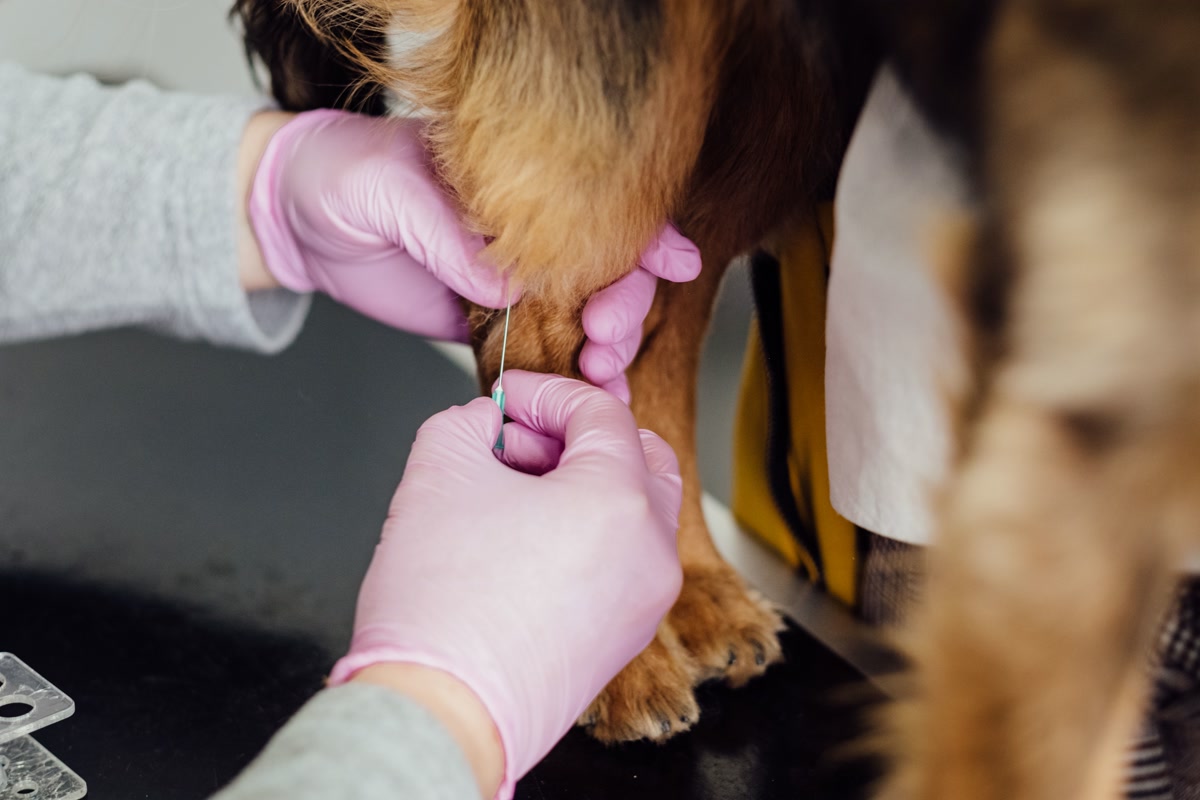
5. Heartworm Test — 20-40 Dollars
Not technically bloodwork but a blood test. Detects heartworm antigens. Required annually if your dog is on heartworm prevention (even year-round prevention is not 100 percent effective).
6. Tick-Borne Disease Panel (4Dx/Snap Test) — 30-50 Dollars
Tests for heartworm, Lyme disease, ehrlichiosis, and anaplasmosis from a single blood sample. Recommended annually in tick-endemic areas.
7. Fructosamine — 60-100 Dollars
Measures average blood sugar over 2-3 weeks. Used to monitor diabetic dogs. Only needed if diabetes is diagnosed or suspected.
How to Save 40-60 Percent on Bloodwork
1. Ask for Itemized Pricing Beforehand
Vet clinics often bundle bloodwork into “wellness packages” that include services you may not need. Ask: “What exactly does the blood panel include, and can I get an itemized price?” You may find that the 250-dollar wellness package includes a 100-dollar blood panel plus 150 dollars of services you could skip (nail trim, ear cleaning, anal gland expression — all things you can do at home for free).
2. Use Low-Cost Vaccine Clinics
Petco, Tractor Supply, and local shelters offer vaccine clinics that also offer basic bloodwork at 30-50 percent below vet prices. The same laboratory processes the samples — the savings come from lower overhead. Call ahead to ask what panels they offer.
3. Ask Your Vet for a Written Prescription for Lab Tests
Some labs (Antech, Idexx) accept direct orders from pet owners if your vet provides a written requisition. This is less common but worth asking about. The lab processes the test directly, bypassing the vet’s markup.

4. Compare Prices Between Vets
Bloodwork prices vary 50-200 percent between clinics. Call 3-4 vets in your area and ask: “What do you charge for a CBC plus chemistry panel for a senior dog?” You may find a 100-dollar difference for the identical test. This is one situation where price shopping is worth the effort.
5. Time Bloodwork with Dental Cleanings
Bloodwork is required before anesthesia for dental cleanings. If your dog needs a dental cleaning (recommended every 1-3 years), the pre-anesthetic bloodwork serves double duty as a health screening. The bloodwork cost is often bundled into the dental cleaning price at a discount.
6. Consider Pet Wellness Plans
Some vet clinics offer wellness plans that include annual bloodwork, vaccinations, and a dental cleaning for a monthly fee (20-40 dollars/month). If you use all the included services, these plans save 20-30 percent compared to paying individually. Read the fine print — some plans lock you in for a year and auto-renew.
How Often Should Your Dog Get Bloodwork?
| Age | Frequency | Panel Type | Budget Cost |
|---|---|---|---|
| 1-6 years (young adult) | Every 2-3 years | CBC + Chemistry | 80-150 dollars |
| 7-9 years (senior) | Annually | CBC + Chemistry + T4 | 120-200 dollars |
| 10+ years (geriatric) | Twice yearly | CBC + Chemistry + T4 + Urinalysis | 150-250 dollars |
| Any age on medication | Every 6 months | Targeted panel (medication monitoring) | 50-100 dollars |
For healthy young dogs, bloodwork every 2-3 years is a baseline. For senior dogs, annual bloodwork is the minimum. For dogs on medications (NSAIDs, thyroid, insulin, anti-seizure), bloodwork every 6 months monitors for drug side effects on the liver and kidneys.
What Abnormal Results Mean (Do Not Panic)
If your dog’s bloodwork shows an abnormal value, do not panic. Many abnormal results are mild and not clinically significant:
- Slightly elevated liver enzymes — common in older dogs. Often benign. Your vet may recommend rechecking in 3-6 months.
- Slightly elevated BUN — can be caused by a recent high-protein meal or mild dehydration, not necessarily kidney disease.
- Mildly low platelets — can be a lab error or normal variation. Recheck before worrying.
- Slightly elevated glucose — stress at the vet’s office can raise blood glucose by 20-30 points. A fructosamine test confirms whether diabetes is truly present.
Your vet should interpret results in context — a single abnormal value among normal ones is often not significant. Trends over time are more meaningful than a single data point. This is why annual bloodwork is valuable: it establishes a baseline and shows trends.
The Bottom Line
Bloodwork is the cheapest diagnostic tool in veterinary medicine. A 150-dollar annual panel detects kidney disease, liver disease, diabetes, and other conditions months to years before symptoms appear. Early treatment costs 10-80 dollars per month. Late treatment costs 1,000-10,000 dollars. Save 40-60 percent on bloodwork by using low-cost clinics, comparing prices between vets, timing bloodwork with dental cleanings, and asking for itemized pricing. For senior dogs (7+ years), annual bloodwork is not optional — it is the single most important health screening you can do. The 150 dollars you spend on a blood panel is the best 150 dollars you will ever spend on your dog’s health.
Last updated: July 2026 | By ThriftyPaw | Prices and availability subject to change
ThriftyPaw is reader-supported. As an Amazon Associate, we earn from qualifying purchases. This means we may earn a small commission when you buy through links on this site at no additional cost to you. We only recommend products we genuinely believe in. Thank you for supporting ThriftyPaw.
My take: The annual $80-150 combined panel is the highest-leverage diagnostic spending in dog care — it converts $5,000-10,000 late-stage treatments into $10-80 a month early ones. Price it across clinics (the spread is real) and never skip the senior years’ bloodwork; that’s when it pays for itself annually.
Related guides
- Pet Adoption Fees and Hidden Costs: What You Actually Pay (2026)
- Dog Walking on a Budget — How to Get Your Dog Exercise Without Paying 20 Dollars a Walk
- Cat Ear Mites on a Budget: Complete Treatment Guide Under 15 Dollars
- 4 Dog Life Jackets That Actually Keep a Big Dog Afloat (All Under 50 Dollars)
- Dog Vomiting: When to Go to the Vet and When to Treat at Home
🐾 Get Your Free Big Dog First Aid Kit Checklist
Join our newsletter and get this free printable plus weekly tips.
Frequently Asked Questions
Why is bloodwork worth it if my dog seems healthy?
Because it catches disease before symptoms: a $150 panel finding early kidney disease moves treatment to $10-20 a month in prescription food instead of $200-500 a month for late-stage fluids and meds. The guide's summary math — $1,000-10,000 saved per early catch — is the entire case.
How much does dog bloodwork cost?
By panel: CBC $25-50, chemistry panel $40-80, the combined CBC+chemistry $80-150 (the standard annual), thyroid $40-80, heartworm test $20-40, tick panel $30-50, fructosamine $60-100 for diabetic monitoring. The combined panel at $80-150 is the routine baseline.
How can I save 40-60% on dog bloodwork?
The levers: standalone labs and vet-school clinics price panels well below full-service hospitals, and wellness plans bundle annual bloodwork into monthly fees. Shop the panel price the way you'd shop any lab work — the same CBC varies hugely between clinics, and your vet will write the requisition.
Liked this guide? Get the next one in your inbox — the pet budget checklist is free too.
✓ You're in — check your inbox.
No spam. Unsubscribe anytime. We never share your email.