This article contains affiliate links. We may earn a commission from qualifying purchases.
Some content on this site is AI-assisted and reviewed by our editorial team.
The Real Cost of Adopting a Dog or Cat
Adoption fees are the part everyone budgets for. It is everything after the adoption that catches people off guard. A free dog from a shelter is never actually free, and even a 50 dollar adoption fee can turn into 1,500 dollars in the first year if you are not prepared.
This is not meant to discourage you from adopting — it is meant to help you walk in with your eyes open. Adopting a pet is one of the best decisions you can make, and it does not have to break the bank if you plan ahead. Here is what you Will Actually pay, broken down so you can budget for it.
Adoption Fees by Shelter Type
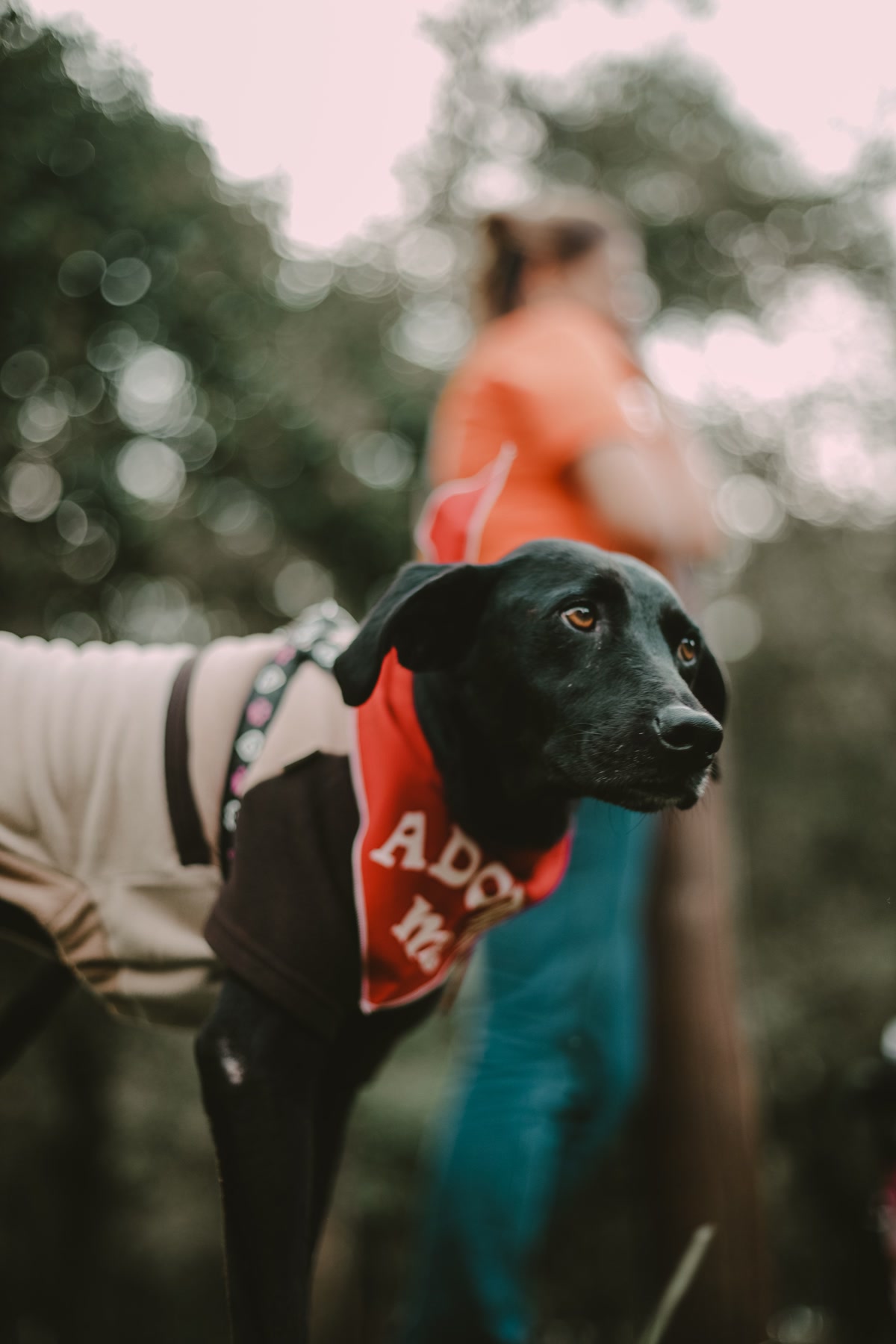
The adoption fee itself varies widely depending on where you adopt from. Here is what to expect:
- Municipal animal shelter: 25 to 75 dollars. Often includes spay/neuter, first vaccinations, and microchipping. Some cities offer free adoption events to reduce overcrowding.
- Private rescue organization: 75 to 350 dollars. Higher fees help cover the rescue’s vet bills for other dogs. Usually includes spay/neuter, vaccinations, microchipping, and sometimes a starter kit with food and toys.
- Breed-specific rescue: 200 to 500 dollars. These groups specialize in specific breeds and charge more because the dogs often come from puppy mills or have had expensive medical treatment before adoption.
- Pet store / commercial breeder: 500 to 3,000 dollars. Not adoption — this is buying. We mention it so you can compare. Rescue dogs are almost always the better financial and ethical choice.
What is included in the fee matters more than the fee itself. A 250 dollar adoption that includes spay/neuter (a 200 to 400 dollar procedure on its own), vaccinations, and microchipping is actually a better deal than a 50 dollar adoption where you pay for all of that separately.
First-Year Costs: What You Actually Pay After Adoption
Here is where the real money goes. These are the costs most first-time adopters do not see coming:
Immediate costs (first week):
- Spay/neuter (if not included): 200 to 400 dollars
- Initial vet exam: 50 to 100 dollars
- Vaccinations (if not included): 75 to 150 dollars
- Microchipping (if not included): 25 to 50 dollars
- Food and water bowls: 10 to 25 dollars
- Leash and collar or harness: 15 to 30 dollars
- Bed: 20 to 50 dollars
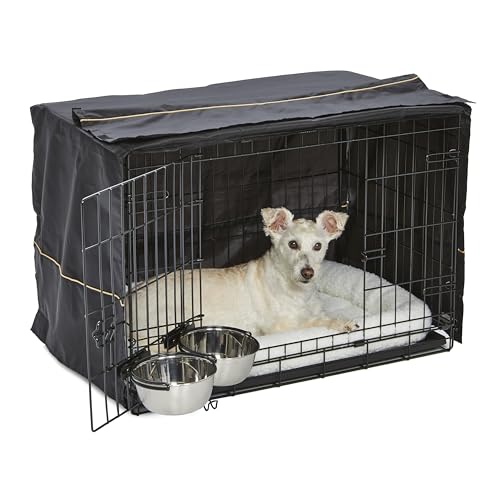
- Crate (for dogs): 35 to 80 dollars
- Litter box and litter (for cats): 20 to 35 dollars
- Initial bag of food: 25 to 55 dollars
Immediate costs total: 475 to 875 dollars on top of the adoption fee, assuming spay/neuter is included. If it is not, add another 200 to 400. A budget crate starter kit with bowls and a bed can knock 30 to 50 dollars off that total by bundling the essentials.
Ongoing monthly costs:
- Food: 20 to 60 dollars per month (depends on dog size and food quality)
- Flea, tick, and heartworm prevention: 15 to 35 dollars per month
- Treats and chews: 10 to 20 dollars per month
- Poop bags (dogs) or litter (cats): 10 to 20 dollars per month
- Annual vet exam and boosters: 100 to 250 dollars per year (budget 8 to 20 dollars per month)
Monthly total: 55 to 155 dollars per month, or 660 to 1,860 dollars per year. Add the one-time costs and you are looking at 1,135 to 2,735 dollars in the first year for a dog. Cats are slightly cheaper — about 15 to 30 percent less overall.
Hidden Costs Most People Forget
Beyond the obvious expenses, there are costs that most guides skip. Here are the ones that surprise new pet owners:
Pet deposit (if you rent): 200 to 500 dollars, often non-refundable. Some landlords also charge monthly pet rent of 25 to 50 dollars. Budget for this before you sign a lease.
Dog training classes: 50 to 150 dollars for a group class series. You can train at home with YouTube for free, but a basic obedience class helps with socialization and prevents behavior problems that are much more expensive to fix later.
Pet license: 10 to 25 dollars per year in most municipalities. Often required by law and usually discounted if your dog is spayed or neutered.
Grooming supplies: 30 to 60 dollars for a basic home kit — nail clippers, brush, shampoo, ear cleaner. Professional grooming adds 40 to 90 dollars per session if you go that route.
Dental cleaning: 300 to 700 dollars per cleaning, typically needed once a year for adult dogs. This is the single most underrated cost in pet ownership. Brushing at home reduces frequency but does not eliminate it.
Unexpected vet visits: Budget at least 200 to 500 dollars per year for the unexpected — ear infections, minor injuries, digestive issues, skin problems. A pet Savings account with 20 dollars a week going in covers this comfortably.

Adopting on a Budget: How to Save Without Cutting Corners
You do not need to spend 2,000 dollars in the first month. Here are legitimate ways to reduce adoption costs without compromising your pet’s care:
- Adopt from a municipal shelter: Lower fees and the dog usually comes with the basics. Municipal shelters are also the most likely to offer free or reduced-fee adoption events.
- Ask what is included: Many shelters include spay/neuter, first shots, and microchipping in the adoption fee. If your shelter does not, find one that does — it saves 200 to 500 dollars.
- Skip the fancy gear: Your dog does not need a 60 dollar designer bed. A 15 dollar blanket in a quiet corner works. A 10 dollar food bowl from the pet store is the same as the 30 dollar one with a brand name.
- Buy food in bulk: A 30-pound bag of quality kibble costs 40 percent less per pound than small bags. Split the cost with a friend if you have a small dog and cannot use it all before it goes stale.
- Use online pharmacies for preventives: Heartworm and flea medication from online vets like Chewy or 1-800-PetMeds is often 20 to 30 percent cheaper than buying from your vet’s office. Just make sure you have a prescription.
- Start a pet savings account: 20 dollars a week from day one gives you a 1,040 dollar emergency fund by the end of the first year. That covers most unexpected vet visits without pulling from your household budget.
Puppy vs Adult vs Senior: Which Is Cheapest to Adopt?
The age of the dog you adopt has a bigger impact on your budget than most people realize:
Puppy (under 1 year): Highest first-year cost. Multiple vaccination rounds, spay/neuter, puppy classes, teething damage to your belongings, and more frequent vet visits. Budget 1,500 to 3,000 dollars for the first year.
Adult (1 to 7 years): Best value. Usually already spayed/neutered, vaccinated, and house-trained. You skip the puppy phase entirely. Budget 800 to 1,500 dollars for the first year.
Senior (7+ years): Lowest adoption fee — many shelters waive fees for seniors. But medical costs are higher: bloodwork, joint supplements, dental issues. Budget 1,000 to 2,000 for the first year, with more going to vet care and less to gear and training.
For budget-conscious adopters, an adult dog in the 2 to 6 year range is the sweet spot. You get a pet that is past the expensive puppy stage but still has many healthy years ahead.
The Bottom Line
Adopting a dog or cat is not a 50 dollar decision — it is a 1,000 to 2,500 dollar first-year commitment, and 500 to 1,500 dollars every year after. The adoption fee is the smallest part. What matters is being ready for the food, vet care, preventives, and unexpected costs that follow.
But that should not stop you. It should prepare you. Walk into adoption knowing the real numbers, set up a pet savings account, buy the basics without overspending, and you will find that the joy of having a pet is worth every penny — as long as you planned for the pennies.
ThriftyPaw is reader-supported. As an Amazon Associate, we earn from qualifying purchases. This means we may earn a small commission when you buy through links on this site at no additional cost to you. We only recommend products we genuinely believe in. Thank you for supporting ThriftyPaw.
My take: Judge adoption fees as packages — the $250 bundle-with-surgery beats the $50 bargain you complete yourself. And budget the true first year ($1,135-2,735) including the pet deposit and first-week medical: the fee everyone plans for is the smallest line on the actual invoice.
Related guides
- I Poured Water on Four Budget Training Pads So You Don't Have to Clean Up the Mess
- Best Budget Dog Jackets and Cold Weather Gear (Under 30 Dollars — 2026)
- 5 Affordable Cat Summer Safety Essentials Under 50 Dollars
- Budget-Friendly Pet Insurance Comparison (Under $30/Month Options)
- Cat Eye Problems on a Budget: When to Treat at Home and When to See the Vet
🐾 Get Your Free Big Dog First Aid Kit Checklist
Join our newsletter and get this free printable plus weekly tips.
Frequently Asked Questions
How much are pet adoption fees?
By shelter type: municipal shelters $25-75, private rescues $75-350, breed-specific rescues $200-500, and pet stores/breeders $500-3,000. The fee is the small number — a $50 adoption can turn into $1,500+ in the first year, and $1,135-2,735 total including the one-time setup.
Is a higher adoption fee ever a better deal?
Yes — a $250 adoption that includes spay/neuter ($200-400 on its own), vaccinations, and microchipping beats a $50 adoption where you pay for all of it separately. Read the fee as a package; the bundled medical care is often worth more than the fee difference.
What are the hidden costs after adopting a pet?
The ones people miss: the pet deposit if you rent ($200-500, often non-refundable) plus monthly pet rent ($25-50), and the first-week medical items if the adoption didn't bundle them — spay/neuter at $200-400, initial exam $50-100, vaccinations. Budget the deposit and first-week line before adopting, not after.
Liked this guide? Get the next one in your inbox — the pet budget checklist is free too.
✓ You're in — check your inbox.
No spam. Unsubscribe anytime. We never share your email.