
This article contains affiliate links. We may earn a commission from qualifying purchases.
Some content on this site is AI-assisted and reviewed by our editorial team.
Your senior dog has been by your side for years. The graying muzzle, the slower morning stretches, the way they still light up when you reach for the leash — they are worth every penny. But what if caring for them well does not have to cost as many pennies as you think?
Senior dogs need more attention, more vet visits, and sometimes more medication. That much is true. But between overpriced prescription diets and unnecessary supplements, a lot of the “senior tax” is optional. This guide walks through what actually changes when your dog ages, what is worth spending on, and where you can cut costs without cutting corners on care.
When Is Your Dog Considered Senior
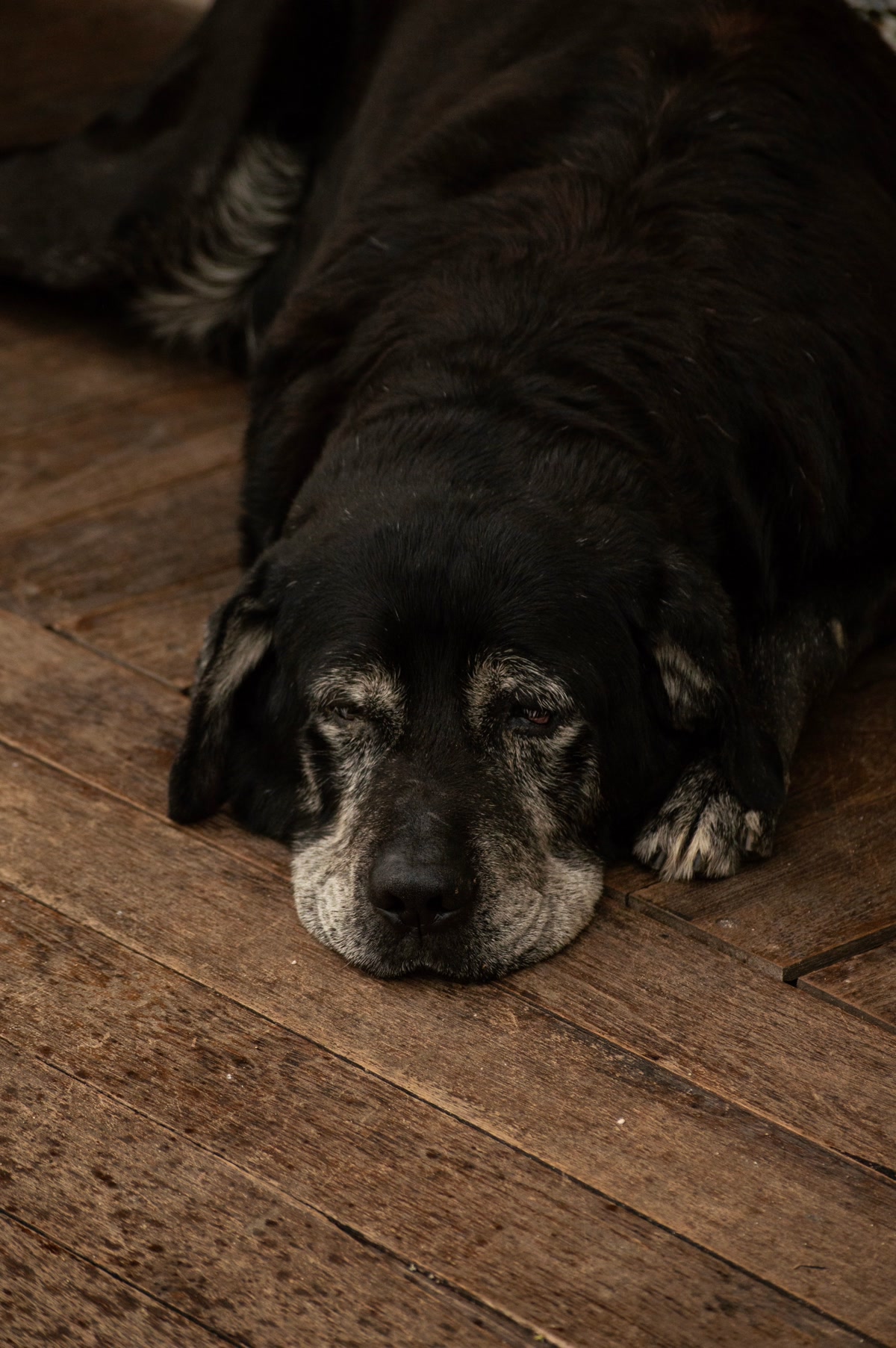
The age milestone depends on breed size. Large breeds like Labrador Retrievers and German Shepherds are considered senior around 7 to 8 years old. Medium breeds hit senior status around 8 to 9. Small breeds — Chihuahuas, Pomeranians, and the like — often do not reach senior territory until 10 or even 12 years.
Why does this matter? Because knowing when your dog enters their senior years tells you when to shift from annual vet visits to twice-yearly checkups. It is also when you should start watching for changes in mobility, appetite, and behavior that signal common age-related conditions.
The Senior Vet Visit Schedule
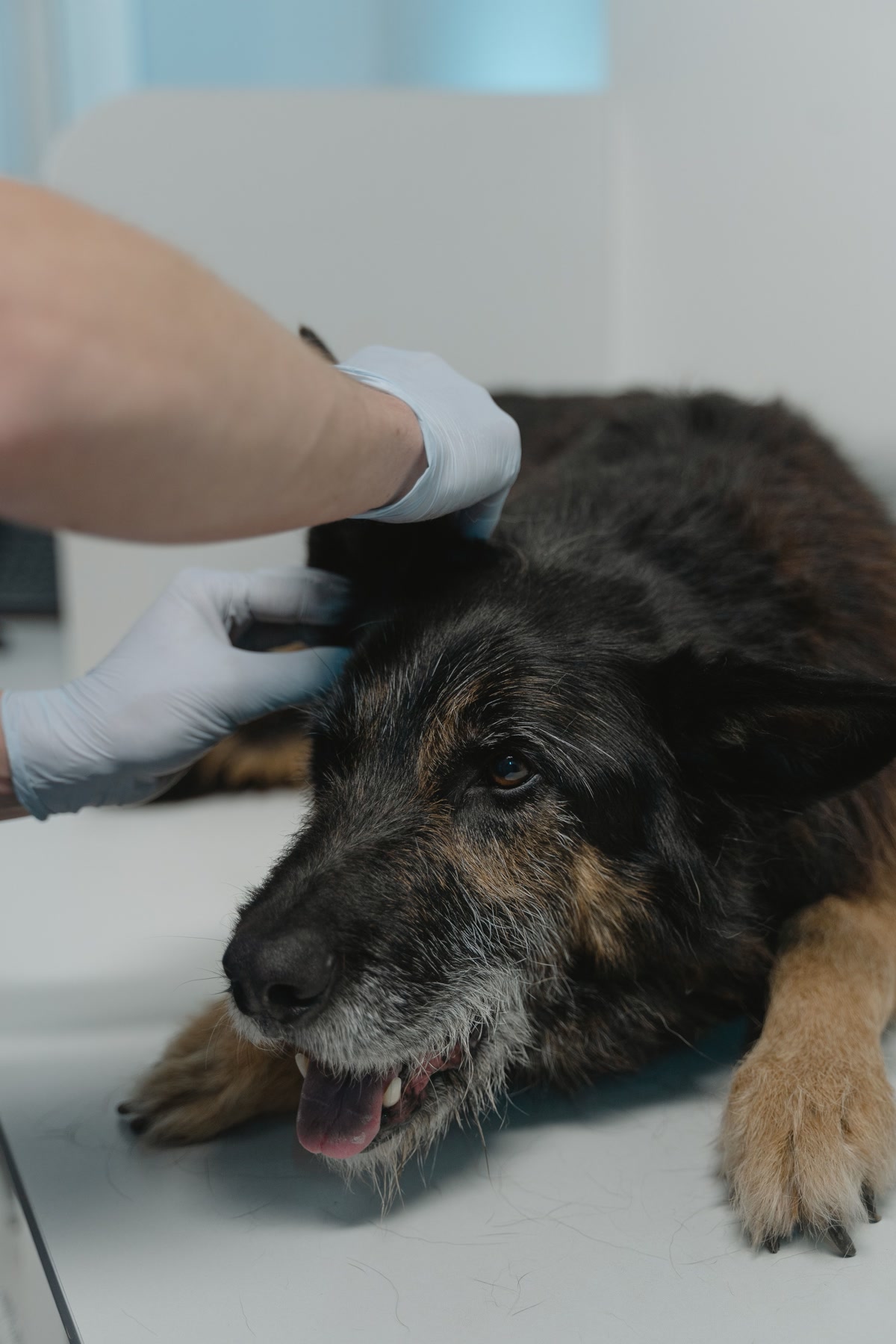
Younger dogs typically see the vet once a year. Senior dogs should go twice a year. That sounds like a doubling of cost, but a senior wellness visit runs about $100 to $200 compared to $75 to $100 for a younger dog — so you are looking at roughly $200 to $400 annually versus $75 to $100.
Here is the key savings move: ask your vet about senior wellness packages. Many clinics bundle the exam, complete bloodwork panel, and urinalysis for $150 to $250 — a significant discount compared to paying for each separately. A standalone bloodwork panel alone can run $80 to $200, so the package often saves you $50 to $150 per visit.
What to ask for at each visit:
- Complete blood count (CBC) and chemistry panel
- Thyroid function test, especially for dogs over 9
- Joint and mobility assessment
- Dental exam — gum disease accelerates in senior dogs
- Body condition score — weight management becomes critical
What you can skip: additional diagnostic imaging “just to check” unless your dog is showing symptoms. X-rays and ultrasounds are valuable when there is a specific concern, but routine screening scans for asymptomatic dogs run $200 to $500 each and are rarely necessary.
Arthritis Management on a Budget
Arthritis is the most common condition in senior dogs. Estimates suggest that up to 80 percent of dogs over 8 show some degree of joint degeneration. The good news: effective management does not require expensive medications alone.
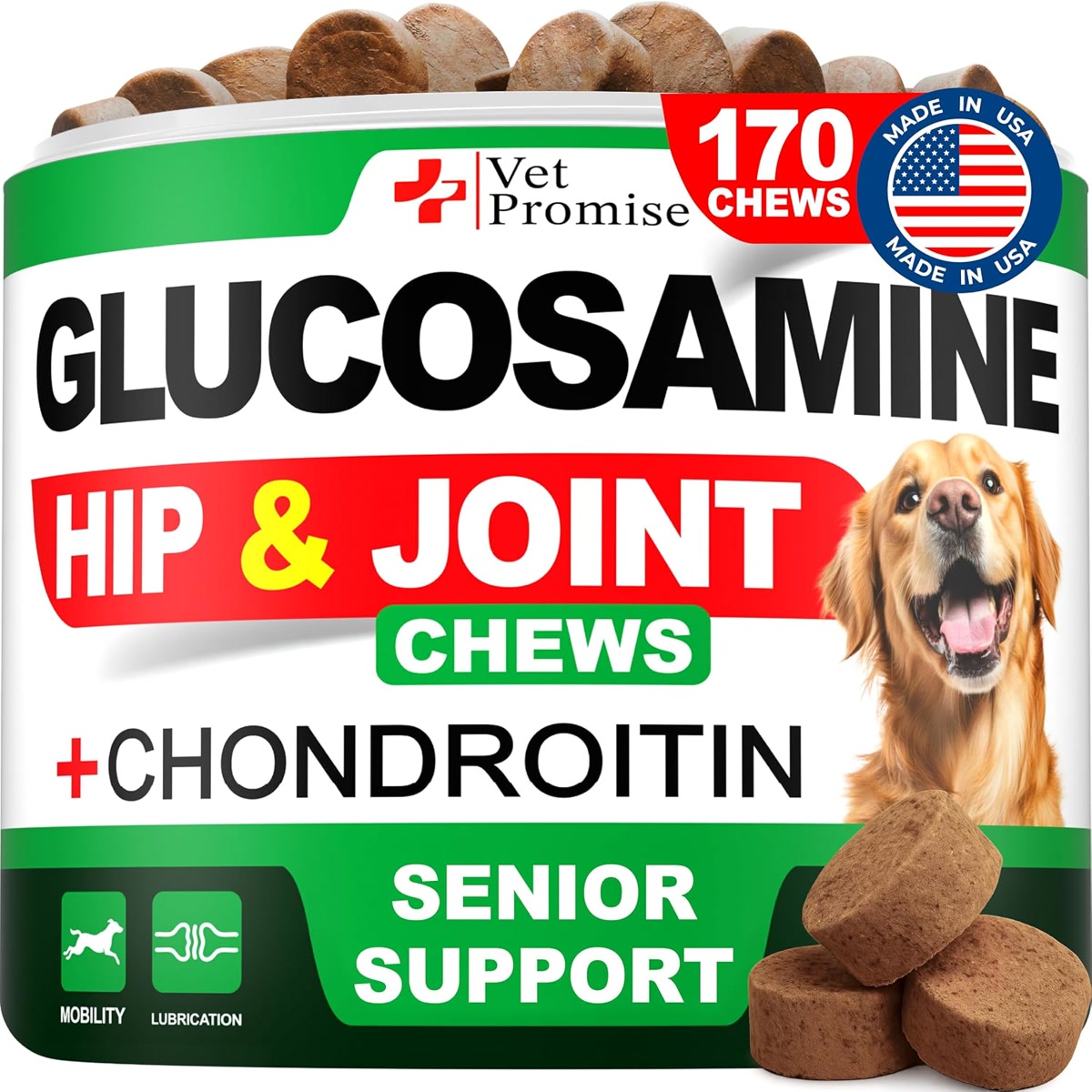
Glucosamine and chondroitin supplements cost $15 to $30 per month for a quality generic. Brand names like Dasuquin and Cosequin run $40 to $60 monthly. The generic formulations contain the same active ingredients. Look for products with at least 500 mg glucosamine and 400 mg chondroitin per dose for a medium-sized dog.
Fish oil adds omega-3 fatty acids that reduce inflammation for $10 to $20 per month. Combined with glucosamine, this pair addresses arthritis from two angles — joint lubrication and inflammation reduction — for a total of $25 to $50 monthly.
Prescription NSAIDs like carprofen or meloxicam run $30 to $80 per month. Always ask your vet for the generic equivalent — the active ingredient is identical, and the savings can be 40 to 60 percent over brand-name Rimadyl or Metacam.
Dental Care Without the Sticker Shock
Dental disease affects more than 80 percent of dogs over 3 years old, and it gets worse with age. A professional dental cleaning under anesthesia typically costs $300 to $700, depending on your region and whether extractions are needed.
Here is how to save:
- Preventive brushing at home — Daily brushing with enzymatic dog toothpaste (not human toothpaste) can push that cleaning from annually to every 2 to 3 years. A tube of CET enzymatic toothpaste costs about $8 to $12 and lasts months.
- Dental chews with VOHC approval — The Veterinary Oral Health Council seal means the product has been proven to reduce plaque. These cost $15 to $25 per month versus $300 to $700 for a cleaning.
- Ask about non-anesthetic cleanings — Some veterinary practices offer them for $100 to $200. They are not appropriate for dogs with advanced dental disease, but for maintenance between full cleanings, they can stretch your dollar.
- Dental schools and nonprofit clinics — Veterinary teaching hospitals and shelter wellness clinics often offer dental procedures at 30 to 50 percent below private practice rates.
Do not skip dental care entirely. Untreated dental disease leads to bacteria entering the bloodstream, which can cause heart valve damage and kidney problems — both far more expensive to treat than a cleaning.

Senior Dog Food: Do You Really Need the Expensive Stuff
The pet food industry would love for you to believe that dogs over 7 need a special senior formula costing $60 to $90 per bag. In most cases, that is marketing, not medicine.
Most senior dogs do perfectly well on a quality adult dog food with targeted supplements added. Here is when a prescription diet actually makes sense:
- Kidney disease — prescription kidney diets reduce protein and phosphorus
- Food allergies — novel protein or hydrolyzed diets
- Severe obesity — metabolic weight management formulas
For a healthy senior without those conditions, a quality adult food supplemented with glucosamine, fish oil, and probiotics is nutritionally equivalent to a premium senior formula at half the cost.
The math: A 30-pound bag of premium senior kibble runs $65 to $90. A 30-pound bag of quality adult kibble runs $35 to $55, plus $25 to $50 in monthly supplements. You save $10 to $35 per month with the supplement route, and you get more control over exactly what goes into your dog’s bowl.
Cognitive Decline: Supplements and Environment
Canine cognitive dysfunction — sometimes called doggy dementia — affects many dogs over 10. Signs include nighttime restlessness, disorientation, staring at walls, and changes in social interaction. There is no cure, but there are affordable interventions that slow progression.
Supplements that help:
- Medium-chain triglyceride (MCT) oil — $15 to $25 per month. Studies show improved cognitive performance in senior dogs supplemented with MCT oil.
- SAM-e (S-adenosylmethionine) — $20 to $40 per month. Supports liver function and has shown benefits for cognitive health in aging dogs.
- Antioxidant blends with vitamin E and vitamin C — $10 to $15 per month.
Environmental changes that cost nothing:
- Keep furniture in the same place — disoriented dogs rely on spatial memory
- Nightlights in hallways and near food and water bowls
- Maintain consistent feeding and walking schedules
- Add scent markers at doorways and around the yard using familiar blankets or bedding
Prescription medications like selegiline (Anipryl) exist but cost $40 to $80 per month and show mixed results. Start with supplements and environmental adjustments before going the prescription route.
DIY Mobility Aids That Actually Work
Senior dogs often struggle with stairs, getting into cars, and reaching couches or beds. Commercial mobility aids work well, but they carry a markup. Here are both options with real costs.
Orthopedic Dog Beds
A quality orthopedic bed costs $30 to $80 at retail. The memory foam base supports joints, and the waterproof liner extends the bed’s life. This is worth buying new — a good bed lasts 3 to 5 years, working out to under $2 per month.
DIY alternative: Egg crate foam from a craft or hardware store plus a washable cover runs $15 to $25. Cut the foam to size, stack two layers for thickness, and sew or zip-tie a cover from an old blanket. Not as durable as a purpose-made bed, but effective for under half the cost.
Budget pick: FurHaven Orthopedic Dog Bed (Compare prices on Amazon) — starts around $30 with memory foam and a washable cover.
Ramps and Stairs
Store-bought ramps run $25 to $60. They fold, they are portable, and they have non-slip surfaces. For a dog that travels or needs car access, a commercial ramp is a reasonable investment.
DIY alternative: A piece of plywood cut to size, wrapped in carpet scraps or a yoga mat, and secured with carpet tape or staples. Cost: under $10 if you have scrap materials, under $20 if you need to buy everything. Angle it at roughly 20 degrees for safe, comfortable climbing.
Budget pick: Petsfit Dog Ramp (Compare prices on Amazon) — foldable, non-slip, around $35.
Raised Food Bowls
Raised feeders help dogs with neck or back pain eat more comfortably. Store versions cost $15 to $30. The DIY version: PVC pipe fittings and elbow joints for under $5, or simply stack two bowls of different sizes. No tools required for the PVC version — the pieces press together.
Medication Savings That Add Up Fast
If your senior dog takes one or more daily medications, the monthly cost can easily hit $100 to $200. Here is how to bring that down:
- Always ask for the generic — Carprofen instead of Rimadyl, meloxicam instead of Metacam. Same active ingredient, 40 to 60 percent savings.
- Use GoodRx at human pharmacies — Many pet medications are human medications dosed by weight. GoodRx coupons work at Walmart, CVS, Walgreens, and Costco pharmacies. Savings range from 20 to 80 percent.
- Compare online veterinary pharmacies — Chewy, 1-800-PetMeds, and VetRX Direct often beat clinic prices by 30 to 50 percent. Some require a vet’s authorization, which most vets will provide as a courtesy.
- Ask about larger quantities — A 90-day supply often costs less per dose than 30-day refills. This applies to both clinic and online pharmacy purchases.
- Compounding pharmacies — For medications that come only in forms or doses unsuitable for dogs, compounding pharmacies can create flavored liquids or custom doses, sometimes at lower cost than brand-name veterinary formulations.
A dog on carprofen, fish oil, and glucosamine could pay $110 per month through a vet clinic or $55 to $65 per month by using generics, GoodRx, and an online pharmacy. That is $500 to $600 in annual savings from one simple switch.

End-of-Life Planning
This is not a fun topic, but planning ahead saves both money and stress during an already difficult time.
In-home euthanasia services cost $200 to $400 and allow your dog to pass at home surrounded by family. Clinic-based euthanasia costs $50 to $150. Both are compassionate choices — the right one depends on your dog’s comfort and your own preferences.
Hospice care for dogs is growing as an option. It focuses on comfort and quality of life rather than curative treatment, and it costs significantly less than continued aggressive intervention. Discuss palliative options with your vet when a terminal diagnosis is made rather than defaulting to repeated emergency visits.
Quality of life scale: Veterinarians often use the HHHHHMM scale — Hurt, Hunger, Hydration, Hygiene, Happiness, Mobility, and More good days than bad. Track these weekly when your dog is declining. It provides an objective framework for making end-of-life decisions rather than relying on emotion alone during a crisis moment.
Planning ahead also means knowing your budget. Discuss costs openly with your vet. Most will work with you to find the most affordable path that still meets your dog’s needs.
Monthly Budget Comparison
Here is what typical versus budget-conscious senior dog care looks like per month:
| Category | Typical Approach | Budget Approach |
|---|---|---|
| Vet visits (annualized) | $33 to $67 (full-price twice yearly) | $25 to $42 (wellness package) |
| Joint supplements | $40 to $60 (brand name) | $15 to $30 (generic) |
| Fish oil | $20 to $30 (vet brand) | $10 to $20 (human grade) |
| Prescription NSAID | $60 to $80 (brand) | $30 to $45 (generic + GoodRx) |
| Senior dog food | $65 to $90 (premium senior) | $35 to $55 (adult food + supplements) |
| Orthopedic bed (amortized) | $2 to $5 (store-bought) | $1 to $3 (DIY) |
| Dental care (annualized) | $25 to $58 (annual cleaning) | $8 to $20 (brushing + dental chews) |
| Monthly total | $245 to $390 | $124 to $215 |
The budget approach saves roughly $120 to $175 per month — that is $1,440 to $2,100 annually — while providing equivalent or better care. The savings come from choosing generic supplements over brand names, using wellness packages, doing preventive dental care at home, and skipping unnecessary prescription diets when regular food plus targeted supplements does the job.
Bottom Line
Caring for a senior dog well does not require a premium budget. It requires understanding what they actually need — twice-yearly vet visits with wellness packages, generic supplements that contain the same active ingredients, preventive dental care that delays expensive cleanings, and simple DIY mobility aids that work just as well as store-bought versions.
Your senior dog gave you their best years. Giving them comfort and care in return does not have to mean choosing between their health and your rent. Focus on what matters: regular checkups, the right supplements, a good orthopedic bed, and a whole lot of patience. The rest is optional.
n
ThriftyPaw is reader-supported. As an Amazon Associate, we earn from qualifying purchases. This means we may earn a small commission when you buy through links on this site at no additional cost to you. We only recommend products we genuinely believe in. Thank you for supporting ThriftyPaw.
My take: The senior premium is real but smaller than marketed: roughly $200-400 a year in extra vet visits, with the bundled bloodwork panels ($150-250) saving $50-150 over piecemeal. Buy the generic supplements, skip the senior-food markup unless there’s a diagnosed reason, and put the savings into the twice-yearly visits that actually catch things early.
Related guides
- Budget Canine Diabetes Management: Complete Guide Under 80 Dollars Per Month
- 7 Ways to Save on Pet Food Without Switching to Cheap Brands
- A 26 Dollar Year Beat the 1,500 Dollar Vet Quote.
- Cat Litter by the Pound Saved 126 Dollars a Year Over the Bag.
- Best Budget Dog Joint Supplements: Glucosamine and Chondroitin Under 35 Dollars a Month
🐾 Get Your Free Big Dog First Aid Kit Checklist
Join our newsletter and get this free printable plus weekly tips.
Frequently Asked Questions
How much more does a senior dog cost per year?
The vet line roughly doubles: senior wellness visits run $100-200 versus $75-100 for younger dogs, so $200-400 annually — and twice-yearly visits are the recommendation. The rest of the “senior tax” is optional: the guide's honest finding is that much of it is upsell.
What's worth buying for an arthritic senior dog?
The generic stack: glucosamine/chondroitin at $15-30 a month (the generic — Dasuquin and Cosequin run $40-60 for the same actives) plus fish oil at $10-20, treating arthritis from two angles for $25-50 total. Add an orthopedic bed and raised bowls before anything else; they're one-time costs.
Are senior dog food formulas worth the premium?
Usually not — evaluate the senior formula by its protein and phosphorus numbers, not the label, because many are regular food with a senior markup. The exception is a diagnosed condition (kidney, joint disease) where the therapeutic diet is actual medicine, and that's a vet conversation, not a shelf decision.
Liked this guide? Get the next one in your inbox — the pet budget checklist is free too.
✓ You're in — check your inbox.
No spam. Unsubscribe anytime. We never share your email.