This article contains affiliate links. We may earn a commission from qualifying purchases.
Some content on this site is AI-assisted and reviewed by our editorial team.
Cat eye problems are easy to miss — cats hide pain and discomfort, and subtle changes in the eyes can signal anything from a minor irritation to a sight-threatening infection. The good news: most common cat eye problems are treatable for under 20 dollars when caught early. The bad news: delaying treatment by even a few days can turn a 5-dollar problem into a 500-dollar veterinary emergency. This guide covers the 6 most common cat eye problems, how to recognize them, the home treatment protocol for minor issues, when an eye problem is an emergency, and how to prevent eye problems in the future.
The 6 Most Common Cat Eye Problems
1. Conjunctivitis (Pink Eye) — Most Common
Inflammation of the conjunctiva — the thin membrane that lines the eyelids and covers the white of the eye. The eye looks red, swollen, and watery. Discharge may be clear (viral), yellow-green (bacterial), or thick and mucus-like (severe infection).
Causes: Feline herpesvirus (the most common cause — 80 percent of cats carry it), calicivirus, chlamydia, allergies, or irritants. The herpesvirus form is chronic — it flares up during stress and never fully goes away. It is contagious to other cats but not to humans.
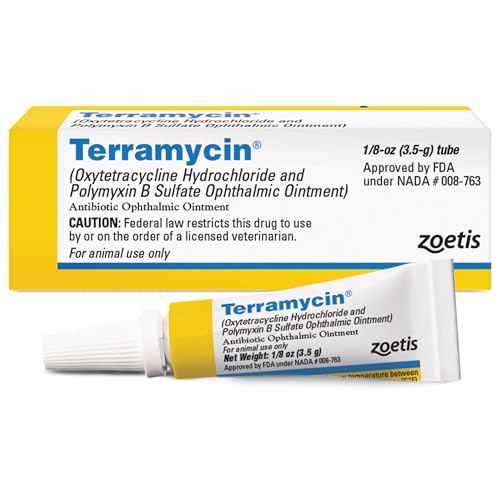
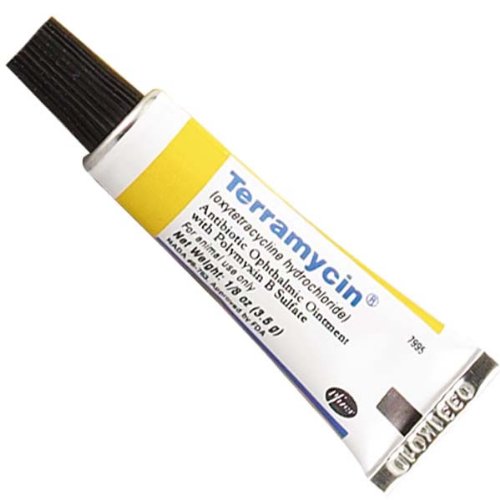
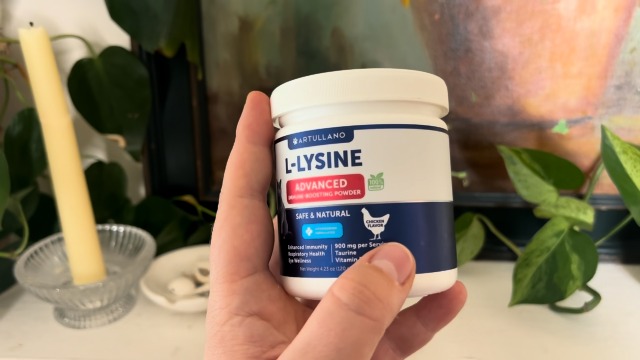
Treatment: Antibiotic eye drops or ointment such as Terramycin Ophthalmic Ointment — about 32 dollars. For herpesvirus flare-ups, an L-Lysine supplement for cats — about 15 dollars — can reduce recurrence. Most cases resolve in 5-7 days of treatment.
2. Corneal Ulcers (Scratched Eye)
A scratch or abrasion on the cornea (the clear front surface of the eye). Causes: fighting, rough play, branches, or a cat rubbing the eye. The eye is painful — your cat squints, tears excessively, and may paw at the eye. The cornea may look cloudy or have a visible scratch.
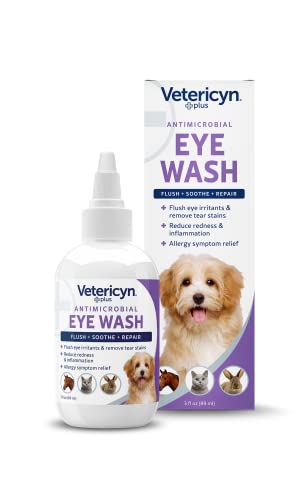
Treatment: Antibiotic eye drops (5-15 dollars) to prevent infection while the scratch heals. A gentle Vetericyn Plus Eye Wash — about 15 dollars — can flush debris and soothe irritation. Healing takes 3-7 days for superficial scratches. Deep ulcers need vet treatment — the cornea can perforate (rupture), leading to permanent blindness. Never use human eye drops (Visine, Murine) on cats — they contain chemicals that are toxic to cat eyes.
3. Uveitis (Internal Eye Inflammation)
Inflammation inside the eye — the iris (colored part) looks swollen, the eye is painful, and the pupil may be constricted or irregular. The eye may look cloudy or have a change in eye color. Uveitis is usually a sign of a systemic disease: toxoplasmosis, feline leukemia (FeLV), feline immunodeficiency virus (FIV), fungal infection, or cancer.
Treatment: Must see the vet. Treatment includes anti-inflammatory eye drops (steroid or NSAID, 10-20 dollars) and treatment of the underlying disease. Untreated uveitis leads to glaucoma and blindness.
4. Glaucoma (High Eye Pressure)
Increased pressure inside the eye, caused by blocked fluid drainage. The eye looks enlarged, cloudy, and painful. The pupil may be dilated and not respond to light. Glaucoma is an emergency — permanent vision loss occurs within 24-72 hours if not treated.
Treatment: Must see the vet immediately. Treatment includes pressure-reducing eye drops (dorzolamide, 10-20 dollars/month) and sometimes surgery. Untreated glaucoma causes permanent blindness and may require eye removal (enucleation, 500-1,500 dollars).
5. Cataracts (Cloudy Lens)
The lens of the eye becomes cloudy or opaque. The pupil looks white or gray instead of dark. Cataracts in cats are less common than in dogs and are usually caused by diabetes, old age, or eye trauma. Not all cataracts need treatment — if your cat can see, monitoring is sufficient.
Treatment: If vision is affected, cataract surgery is available (1,500-3,000 dollars) but is rarely done in cats because they adapt well to vision loss. If cataracts are caused by diabetes, treating the diabetes (see cat diabetes guide) may stop progression.
6. Retinal Disease (Vision Loss)
Disease of the retina (the light-sensitive layer at the back of the eye). Causes: hypertension (high blood pressure from kidney disease or hyperthyroidism), diabetes, or aging. Signs: Dilated pupils that do not respond to light, bumping into objects, reluctance to jump or move in the dark.
Treatment: Must see the vet. If caused by hypertension, blood pressure medication (amlodipine, 5-15 dollars/month) can restore some vision if caught early. If the retina is detached, vision loss is usually permanent.
How to Check Your Cat’s Eyes at Home (Free)
Weekly eye checks catch problems early. Look for:
- Both eyes should be the same size — One eye larger or smaller than the other indicates a problem (glaucoma, uveitis, or shrunken eye from chronic inflammation).
- The white of the eye should be white — Redness indicates inflammation or infection.
- The pupil should be round and equal in both eyes — Irregular pupils indicate uveitis or neurological problems.
- Pupils should constrict in bright light — Shine a small flashlight into each eye. Both pupils should constrict equally. If one does not, there may be retinal disease or glaucoma.
- Clear, bright appearance — Cloudiness, white spots, or a film over the eye indicates cataracts, corneal disease, or uveitis.
- No discharge — Clear tearing is normal. Yellow, green, or thick discharge indicates infection.
- No squinting — Squinting or holding the eye closed indicates pain (corneal scratch, uveitis, or glaucoma).
- No swelling — Swelling around the eye or on the eyelid indicates infection or allergic reaction.
- Third eyelid should not be visible — The cat’s third eyelid (a white membrane in the inner corner of the eye) should not be visible when the cat is alert. If it is, it indicates eye pain or systemic illness.
Home Treatment for Minor Eye Issues (Free to 5 Dollars)
Home treatment is appropriate ONLY for:
- Mild, clear discharge with no pain or swelling
- Slight redness from dust or mild irritant
- Both eyes affected equally (suggests environmental cause, not infection)
The Protocol
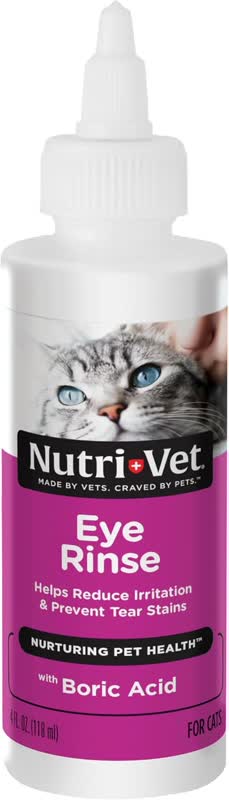
- Saline eye flush — Use sterile saline (contact lens solution without preservatives, 2-3 dollars) to flush the eye. A dedicated Nutri-Vet Cat Eye Rinse — about 8 dollars — is formulated specifically for feline eyes. Apply 2-3 drops and let your cat blink to distribute. Wipe away discharge with a clean, damp cotton ball. Do not use tap water — it may contain bacteria or chlorine that irritates the eye further.
- Warm compress — Soak a clean washcloth in warm water, wring it out, and hold gently over the closed eye for 30-60 seconds. This softens crusty discharge and soothes irritation.
- Remove the irritant — If the cause is environmental (dust, pollen, smoke), remove the source. Use an air purifier if needed.
- Monitor for 24-48 hours — If the eye does not improve in 24 hours or worsens, see the vet.
Never use human eye drops on cats. Visine, Murine, and other human eye drops contain chemicals (tetrahydrozoline, naphazoline) that are toxic to cats and can cause permanent eye damage. Only use eye drops prescribed by your vet or sterile saline.
When a Cat Eye Problem Is an Emergency
See the vet immediately (same day) if:
- Sudden squinting or eye pain — Possible corneal scratch or ulcer. Needs treatment within 24 hours to prevent infection and perforation.
- The eye looks enlarged or bulging — Glaucoma. Permanent vision loss within 24-72 hours without treatment.
- The eye is very red and painful — Uveitis or severe infection. Can lead to glaucoma and blindness.
- Thick yellow or green discharge — Bacterial infection. Needs antibiotic drops.
- The pupil is dilated and does not constrict in light — Retinal disease or glaucoma.
- The eye looks cloudy or the pupil looks white — Cataract, uveitis, or corneal disease.
- The third eyelid is visible and does not retract — Eye pain or systemic illness.
- Vision changes — Bumping into objects, reluctance to jump, or not tracking movement with the eyes.
- One eye is affected, not both — One-sided eye problems are more likely to be serious (foreign body, glaucoma, tumor).
- Your cat is pawing at the eye — Indicates pain or irritation. May have a foreign body or scratch.
The Vet Eye Exam (40-100 Dollars)
The vet eye exam includes:
- Fluorescein stain — An orange dye applied to the eye that sticks to corneal scratches. The scratch glows green under a blue light. Costs 10-20 dollars as part of the exam. Identifies corneal ulcers.
- Tonometry (eye pressure test) — A small device touches the eye surface to measure pressure. High pressure indicates glaucoma. Low pressure may indicate uveitis. Costs 15-30 dollars.
- Schirmer tear test — Measures tear production. Low tears indicate dry eye (keratoconjunctivitis sicca). Costs 10-15 dollars.
- Ophthalmoscope exam — The vet looks at the retina and internal structures. Identifies retinal disease, cataracts, and uveitis.
Preventing Cat Eye Problems (Free to 5 Dollars Per Month)
- Weekly eye checks — Free. Take 2 minutes each week to look at your cat’s eyes using the checklist above.
- Lysine supplement for herpesvirus cats — 3-5 dollars/month. If your cat has recurrent conjunctivitis from herpesvirus, L-Lysine supplement powder — about 15 dollars for a month supply — (250-500 mg daily) reduces flare-ups. Available as treats, gel, or powder.
- Keep the face clean — Free. Wipe your cat’s face with a damp cloth weekly to remove discharge and debris that can cause irritation.
- Control allergies — If your cat has seasonal allergies, use an air purifier and keep windows closed during high-pollen days.
- Annual blood work for senior cats — 80-150 dollars. Catches systemic diseases (kidney disease, hyperthyroidism, hypertension) that cause eye problems before eye symptoms appear.
- Keep cats indoors — Indoor cats have fewer eye injuries (no branches, no fighting, no foreign bodies).
- Vaccinate — FVRCP vaccine (15-30 dollars) prevents herpesvirus and calicivirus, the two most common causes of conjunctivitis.
The Cost Comparison: Early Treatment vs. Delayed Treatment
| Problem | Early Treatment | Delayed Treatment |
|---|---|---|
| Conjunctivitis | 5-15 dollars (antibiotic drops) | 40-100 dollars (vet visit + stronger medication) |
| Corneal scratch | 5-15 dollars (antibiotic drops) | 500-1,500 dollars (corneal surgery or eye removal) |
| Glaucoma | 10-20 dollars/month (eye drops) | 500-1,500 dollars (eye removal) + permanent blindness |
| Uveitis | 10-20 dollars (anti-inflammatory drops) | 500+ dollars (glaucoma surgery or eye removal) |
| Retinal disease (hypertension) | 5-15 dollars/month (blood pressure medication) | Permanent blindness (irreversible) |
The Bottom Line
Cat eye problems are treatable for 5-20 dollars when caught early but can cost 500-1,500 dollars and cause permanent blindness when delayed. Check your cat’s eyes weekly (free, 2 minutes): both eyes should be the same size, the white should be white (not red), pupils should be round and equal, pupils should constrict in bright light, the eye should be clear (not cloudy), no discharge, no squinting, no swelling, and the third eyelid should not be visible. Home treatment (saline flush, 2-3 dollars, and warm compress) is appropriate only for mild clear discharge with no pain — never use human eye drops (Visine, Murine) on cats, they contain chemicals that are toxic to cat eyes. See the vet immediately if: sudden squinting or eye pain (corneal scratch — needs treatment within 24 hours), the eye looks enlarged or bulging (glaucoma — permanent vision loss within 24-72 hours), thick yellow or green discharge (bacterial infection), the pupil is dilated and does not respond to light (retinal disease or glaucoma), the eye is cloudy or the pupil looks white (cataracts or uveitis), or only one eye is affected (more likely to be serious). The vet eye exam (40-100 dollars) includes a fluorescein stain (identifies corneal scratches), tonometry (measures eye pressure for glaucoma), and ophthalmoscope exam (checks retina and internal structures). The 6 most common cat eye problems: conjunctivitis (5-15 dollar antibiotic drops, 5-7 days), corneal ulcers (5-15 dollar drops for superficial, 500+ dollars for deep), uveitis (10-20 dollar anti-inflammatory drops, must treat underlying disease), glaucoma (10-20 dollar/month drops, emergency), cataracts (monitor if vision is fine, 1,500-3,000 dollar surgery if needed), and retinal disease (5-15 dollar/month blood pressure medication if caught early). Prevent eye problems with weekly checks, lysine supplement for herpesvirus cats (3-5 dollars/month), keeping cats indoors, and annual blood work for senior cats (80-150 dollars, catches systemic diseases that cause eye problems). The 2-minute weekly eye check and the 5-dollar antibiotic drops catch problems when they are 5 dollars to fix, not 500.
Last updated: July 2026 | By ThriftyPaw | Prices and availability subject to change
🐾 Get Your Free Big Dog First Aid Kit Checklist
Join our newsletter and get this free printable plus weekly tips.
Price Check
Prices verified via our product tracker. Updated Sep 27.
| Terramycin (oxytetracycline hydrochloride and polymyxin B | $31.76 | 4.9★ |
| Lysine for Cats Immune Support, Sneezing, Runny Nose, Cold | $22.99 | 4.3★ (3,238) |
| Vetericyn Plus Eye Wash, Dog & Cat Eye Drops, Allergy Symp | $15.99 | 4.6★ (15,546) |
| Nutri-Vet Cat Eye Rinse,Sterile Solution Gently Cleanses E | $19.38 | 4.5★ (3,811) |
As an Amazon Associate we earn from qualifying purchases.