
This article contains affiliate links. We may earn a commission from qualifying purchases.
Some content on this site is AI-assisted and reviewed by our editorial team.
Cat dental care costs 400-1,000 dollars for a professional cleaning — but 80 percent of cat owners never brush their cat’s teeth. Cats are not small dogs when it comes to dental care: they are harder to handle, more resistant to having their mouth touched, and their teeth are smaller and more prone to a unique cat-only problem called tooth resorption. The good news: the complete cat dental care routine costs 3-12 dollars per month and takes 30 seconds per day. This guide covers how to brush a cat’s teeth (yes, it is possible), the budget products that actually work, how to recognize dental pain in cats, and when a professional cleaning is unavoidable.
Why Cat Dental Care Is Different From Dog Dental Care
Cats share the same dental risks as dogs (plaque, tartar, gingivitis, periodontal disease) but have two additional problems dogs do not get:
Tooth Resorption (FORL — Feline Odontoclastic Resorptive Lesions)
This is the most common dental disease in cats — affecting 30-60 percent of cats over 6 years old. The tooth structure is broken down and absorbed by the body, starting at the root and moving upward. The cause is unknown. The lesions are extremely painful — equivalent to a human cavity that goes to the nerve — but cats hide pain so well that most owners do not notice until the tooth is severely damaged.
Signs: Difficulty eating (dropping food, eating on one side), reluctance to eat hard food, drooling, chewing with the mouth open. Many cats show NO signs until the lesion is advanced. Only a veterinary dental X-ray can detect early resorption.
Treatment: Extraction of the affected tooth. There is no treatment that stops resorption — the tooth will continue to deteriorate. Cost: 150-400 dollars per tooth.
Stomatitis (Feline Chronic Gingivostomatitis)
Severe inflammation of the entire mouth — gums, tongue, and throat. The immune system overreacts to plaque bacteria, causing extreme pain. Affected cats cannot eat, drool excessively, and lose weight. More common in certain breeds (Somali, Persian, Himalayan) and cats with viral infections (FIV, FeLV).
Treatment: Professional cleaning, immunosuppressive medication, and in severe cases, extraction of most or all teeth (full-mouth extraction, 2,000-4,000 dollars). 80-90 percent of cats respond to full-mouth extraction and live pain-free even without teeth (they eat soft food comfortably).
The 4 Stages of Cat Dental Disease
| Stage | What Is Happening | Signs | Treatment |
|---|---|---|---|
| 0 | Healthy teeth and gums | None | Home care |
| 1 | Gingivitis — red gums, no bone loss | Mild red gums, bad breath | Home care + cleaning |
| 2 | Early periodontitis — 25% bone loss | Red gums, tartar, bad breath | Cleaning + home care |
| 3 | Moderate periodontitis — 25-50% bone loss | Tartar, receding gums, loose teeth | Cleaning + extractions |
| 4 | Advanced periodontitis — 50%+ bone loss | Loose/missing teeth, pus, severe pain | Multiple extractions |
The Home Dental Care Routine (3-12 Dollars Per Month)
1. Brushing (3-5 Dollars Every 3-6 Months)
Yes, you can brush a cat’s teeth. It requires patience and training, but most cats can learn to tolerate it. The key: start slowly and make it a positive experience.
What You Need
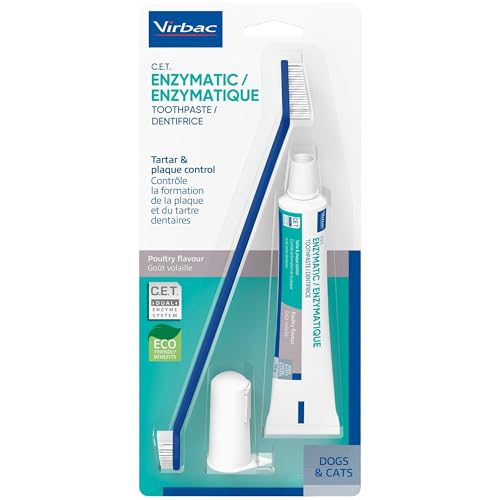
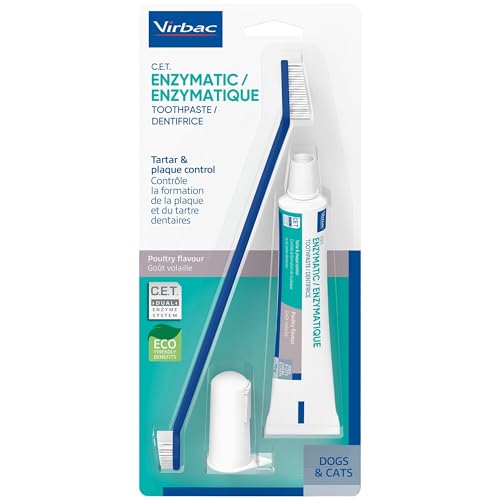
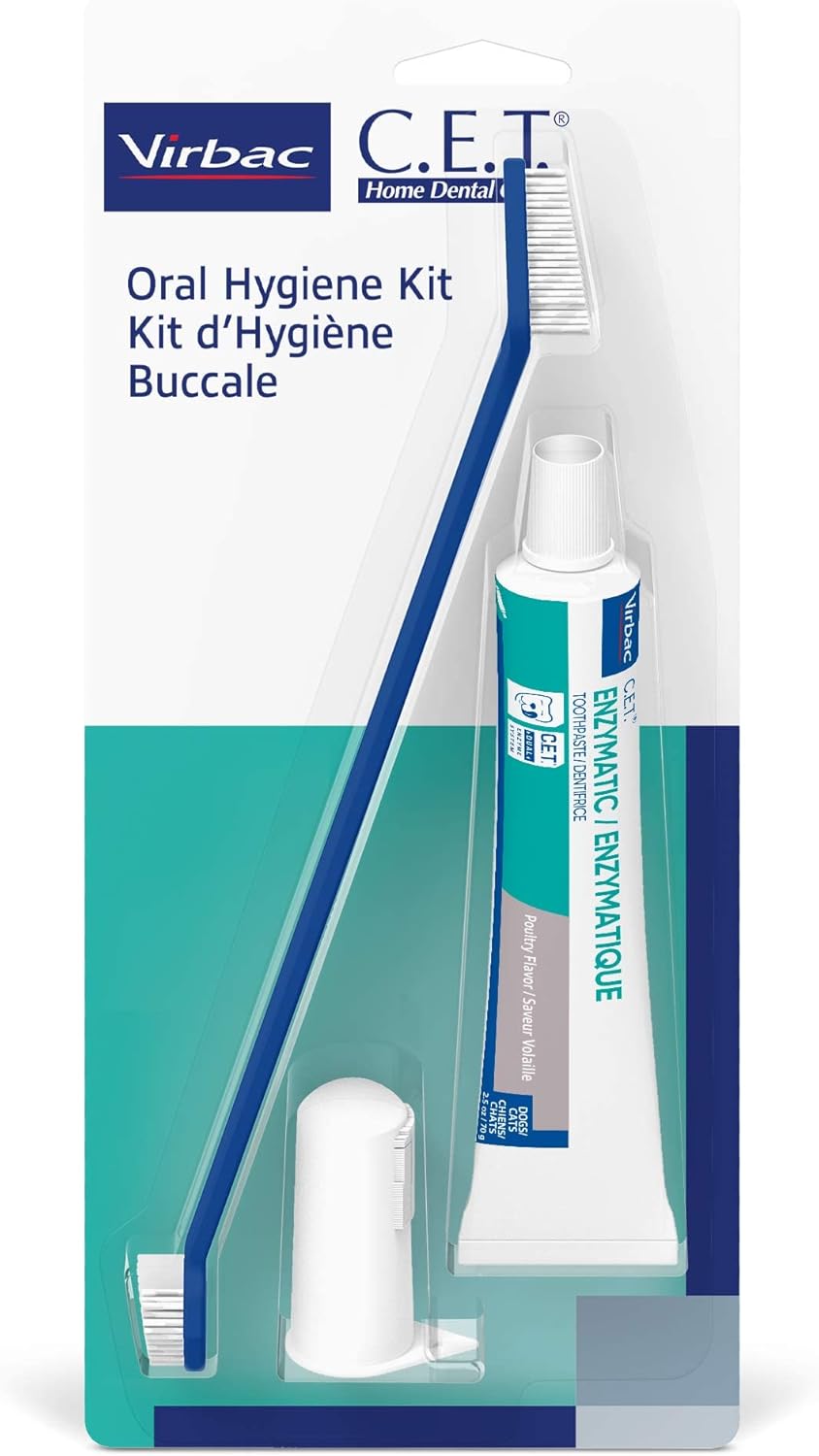
- Cat toothbrush or finger brush — 3-5 dollars. Cat-specific brushes are smaller and softer than dog brushes. A finger brush (slips over your finger) is easiest for beginners. Virbac C.E.T. Oral Hygiene Kit for Cats — about $8 (includes fingerbrush, toothbrush, and poultry toothpaste).
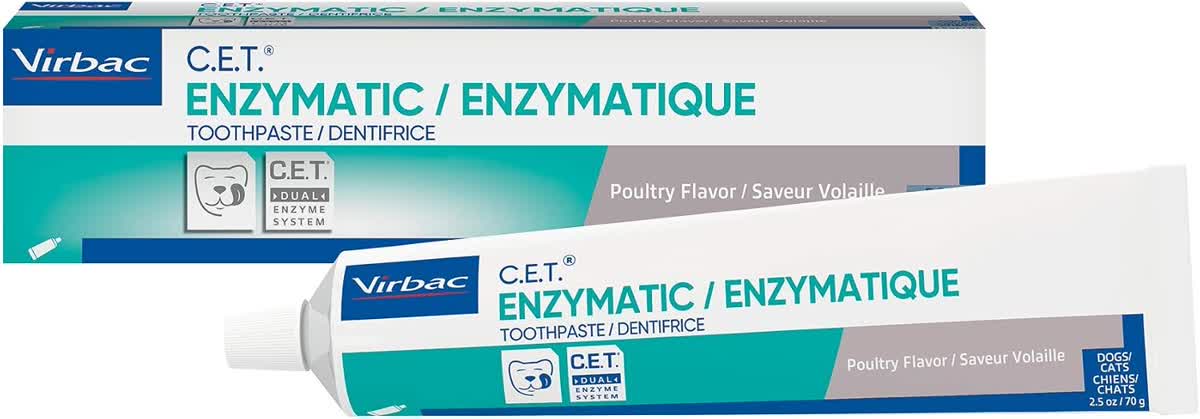
- Cat toothpaste — 4-8 dollars per tube (lasts 6+ months). NEVER use human toothpaste (fluoride is toxic). Cat toothpaste comes in poultry, fish, and malt flavors. The malt flavor is particularly appealing to cats. Virbac C.E.T. Enzymatic Toothpaste, Poultry — about $7.
The 10-Day Training Plan
Days 1-3: Introduce the paste. Let your cat lick toothpaste off your finger. This builds a positive association. Do this during a calm time (after a meal or play session).
Days 4-6: Touch the mouth. Gently lift your cat’s lip and touch the teeth with your finger (no brush yet). Give toothpaste as a reward. Keep sessions to 15-30 seconds.
Days 7-8: Introduce the brush. Put toothpaste on the brush and let your cat lick it off. Do not attempt to brush yet — just get them used to the brush near their mouth.
Days 9-10: Brush the front teeth. Gently brush the canine teeth (the large fangs) and incisors (small front teeth) for 15-30 seconds. Reward immediately with toothpaste on your finger or a treat.
Day 11+: Brush all teeth. Work toward brushing the outside surfaces of all teeth — especially the back molars, where tartar accumulates fastest. Target: 30-60 seconds per session, once daily.
Tips for Success
- Wrap your cat in a towel — A “kitty burrito” prevents scratching and gives you control. Leave the head exposed.
- Do it at the same time each day — Routine helps cats accept new experiences.
- Keep sessions short — 30-60 seconds is enough. Stop before your cat gets frustrated.
- Reward every time — Toothpaste, treats, or play immediately after brushing.
- Only brush the outside surfaces — You do not need to open the mouth. The tongue keeps the inside surfaces relatively clean.
- If your cat absolutely will not tolerate brushing — Use dental gels (applied to the paw for the cat to lick off) or dental water additives as alternatives. They are less effective than brushing but better than nothing.
2. Dental Treats and Chews (5-12 Dollars Per Month)
Dental treats work through mechanical action — the crunchy texture scrapes plaque as the cat chews. Look for the VOHC (Veterinary Oral Health Council) seal:
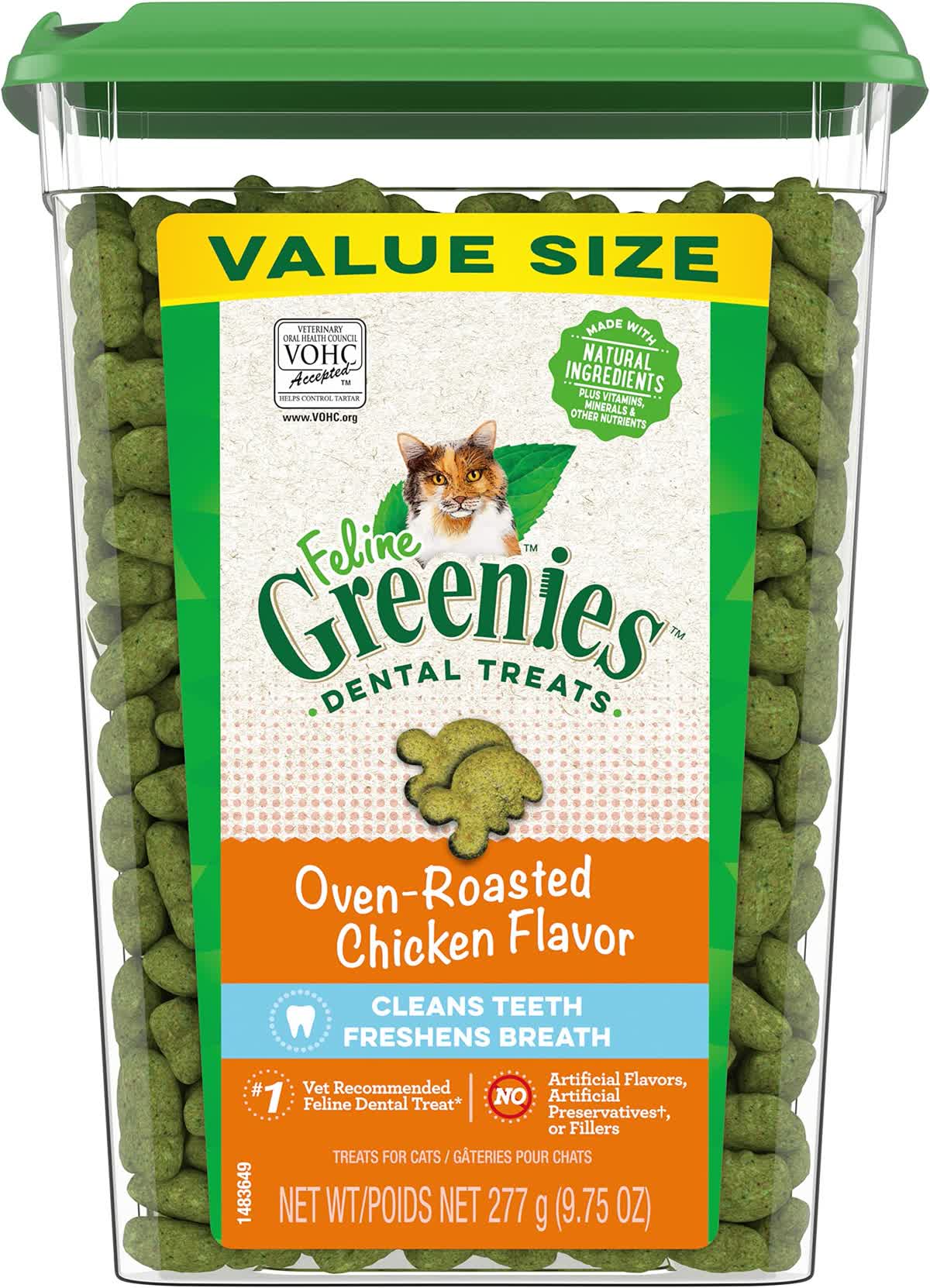
- Feline Greenies — 5-8 dollars/month. VOHC-approved. The only VOHC-approved dental treat for cats. Available in chicken, salmon, and tuna flavors. Give 6-8 treats per day. Feline Greenies Dental Cat Treats, Roasted Chicken — about $5.
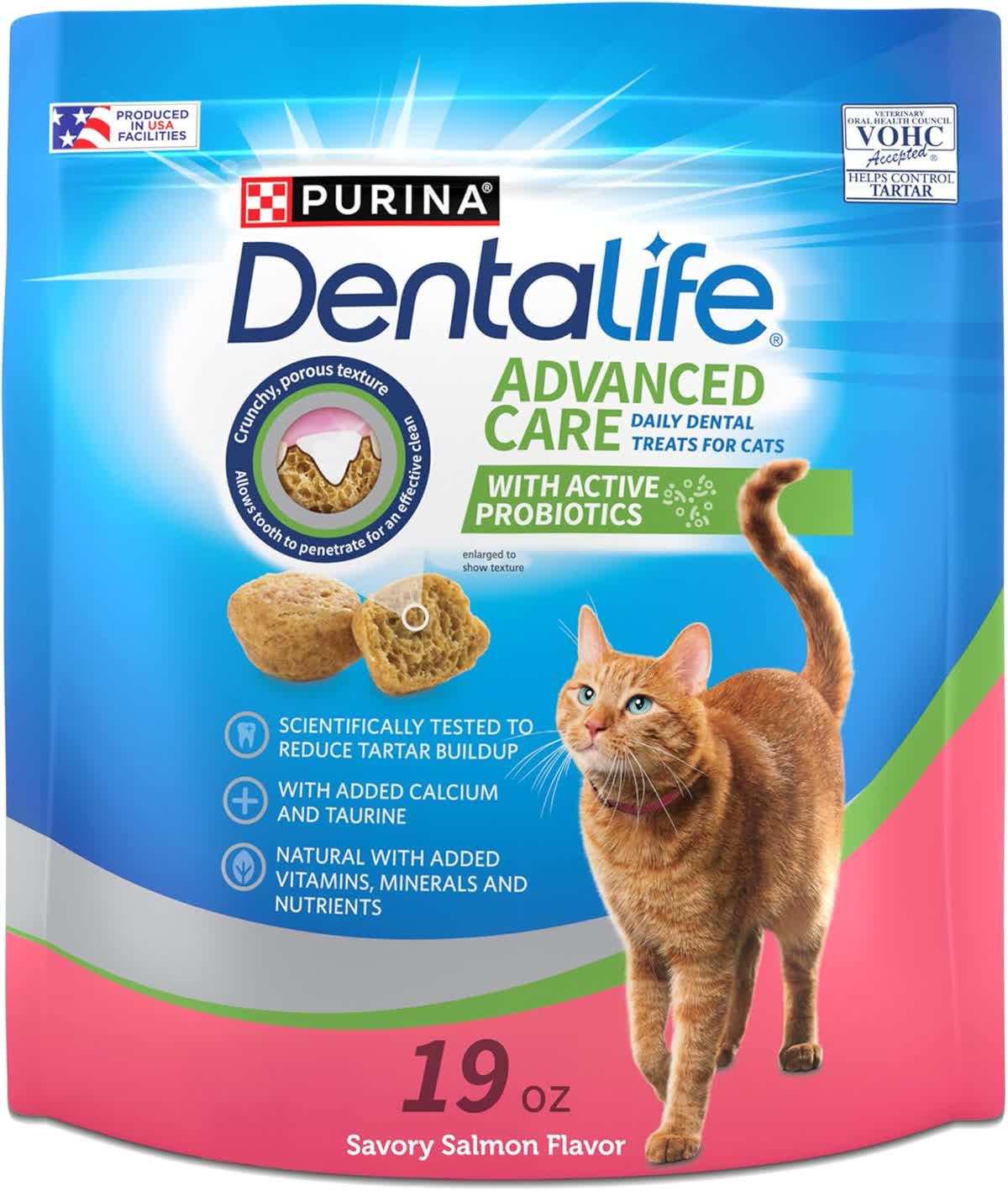
- Purina Dentalife — 5-8 dollars/month. Not VOHC-approved but has a unique texture that many cats prefer. Good for cats that reject Greenies. Purina DentaLife Cat Dental Treats, Chicken — about $5.
- Whiskas Dentabites — 4-6 dollars/month. Budget option. Not VOHC-approved but provides mechanical cleaning action. Whiskas Temptations Dentabites Cat Treats — about $4.
Dental treats are a supplement to brushing, not a replacement. Brushing is more effective because it reaches all surfaces, while treats only clean the surfaces the cat chews on.
3. Water Additive (5-8 Dollars Per Month)
A liquid added to your cat’s drinking water that reduces plaque and bacteria. Cats are picky about water taste, so choose a flavorless product:
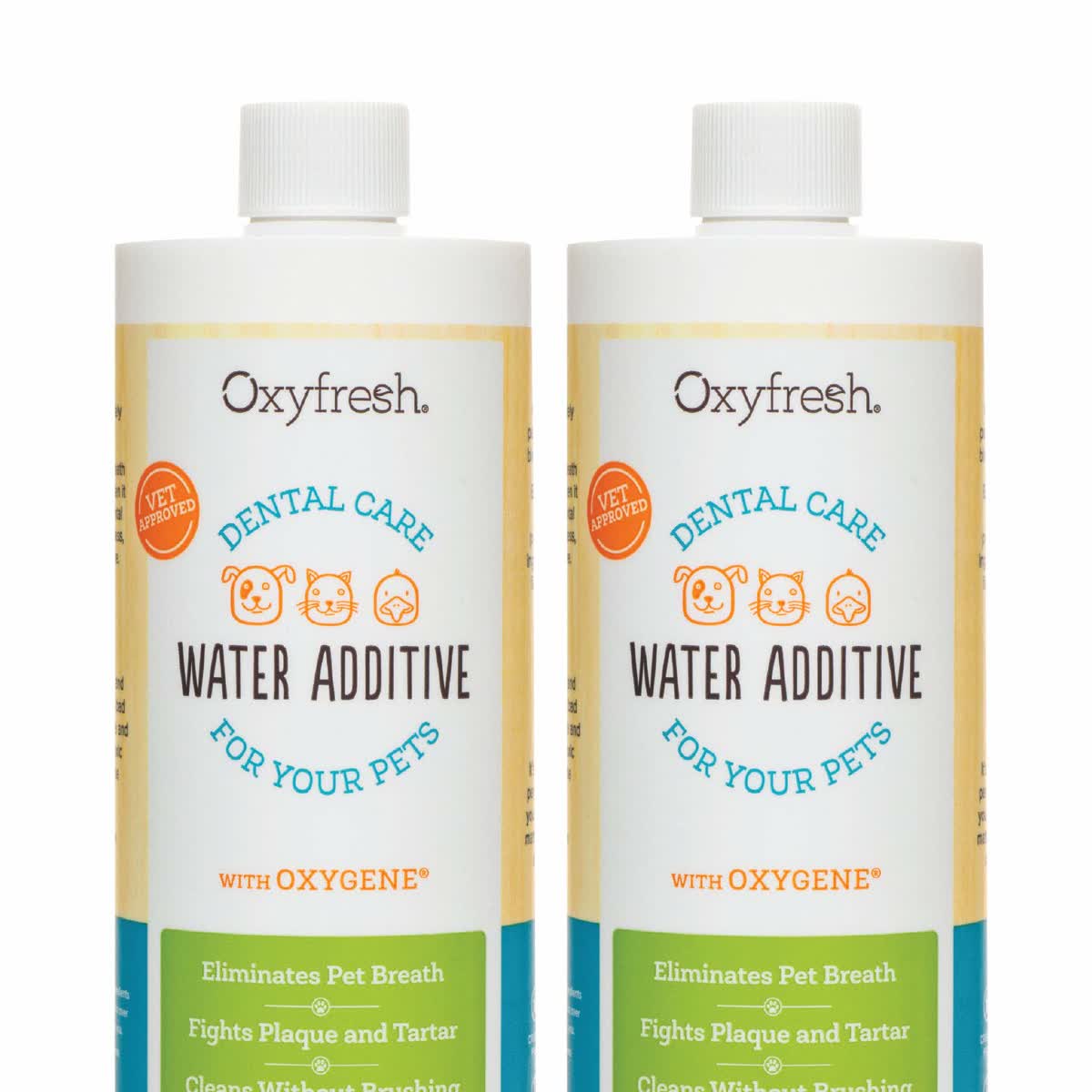
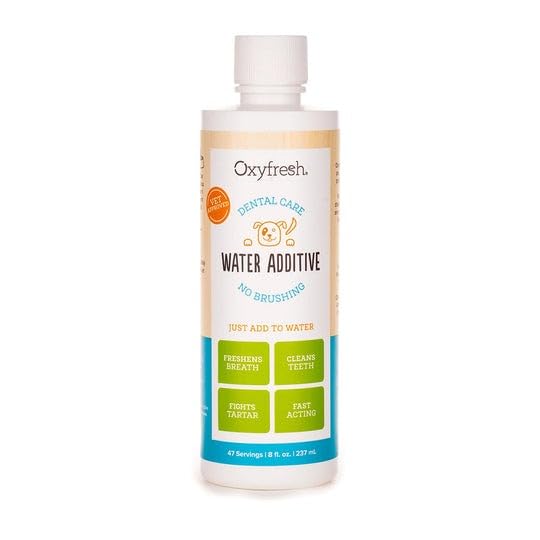
- Oxyfresh — 10-15 dollars/month. Odorless and tasteless. Good for picky cats. Oxyfresh Premium Pet Dental Care Solution — about $14.
- Virbac C.E.T. Aquadent — 8-12 dollars/month. VOHC-approved water additive for dogs and cats. Virbac C.E.T. Aquadent Fr3sh Dental Solution — about $10.
Some cats refuse water with additives. If your cat stops drinking, remove the additive immediately — dehydration is more dangerous than plaque.
4. Dental Gel (Alternative to Brushing)
If your cat will not tolerate brushing, dental gels are applied to the paw or directly to the teeth. The gel contains enzymes that break down plaque:
- Virbac C.E.T. Oral Hygiene Gel — 8-12 dollars/month. Apply a small amount to the outer surface of the teeth with a finger, or squeeze onto the paw for the cat to lick off (the licking action spreads the gel through the mouth).
Recognizing Dental Pain in Cats
Cats are masters at hiding pain. By the time you notice, dental disease is advanced. Look for these subtle signs:
- Bad breath — Not “fish breath” from food. Persistent foul odor is infection.
- Dropping food — Food falls out of the mouth while eating.
- Eating on one side — The cat chews only on one side of the mouth.
- Reluctance to eat hard food — Previously ate kibble fine, now prefers soft food or stops eating entirely.
- Drooling — Excessive saliva, especially if blood-tinged.
- Pawing at the mouth — The cat rubs their face or mouth with a paw.
- Weight loss — Eating less because of mouth pain.
- Decreased grooming — Mouth pain makes grooming uncomfortable.
- Irritability — A normally friendly cat becomes withdrawn or aggressive.
If you notice any of these signs, schedule a veterinary exam. Do not wait — dental pain worsens rapidly once infection sets in.
Professional Cleaning: What It Costs and Why
Even with perfect home care, most cats need professional cleaning every 1-3 years. Cat dental cleanings are done under anesthesia because:
- Cats will not hold still for scaling instruments
- Full-mouth X-rays require the cat to be still
- Tooth resorption can only be detected on X-ray
- Extractions (if needed) require anesthesia
The cost breakdown includes:
| Service | Cost |
|---|---|
| Pre-anesthetic blood work | 80-150 dollars |
| Anesthesia and monitoring | 100-200 dollars |
| Dental X-rays (full mouth) | 80-150 dollars |
| Scaling and polishing | 100-200 dollars |
| Extractions (if needed) | 150-400 dollars per tooth |
| Total (no extractions) | 400-700 dollars |
| Total (with extractions) | 700-2,000+ dollars |
Non-anesthetic dental cleaning is not recommended for cats (even more so than dogs) — cats will not tolerate the scaling instruments without anesthesia, and X-rays are essential for detecting tooth resorption that is invisible on visual exam.
Dental-Safe and Dental-Dangerous Items for Cats
Safe
- VOHC-approved dental treats (Feline Greenies)
- Cat toothbrush and toothpaste
- Dental gels and water additives
Dangerous
- Cooked bones — Splinter and can puncture the digestive tract
- Raw bones — Cats do not chew bones the way dogs do. Bones can fracture cat teeth.
- Hard treats — Some “tartar control” treats are too hard and can fracture cat teeth. If you cannot crush it between your fingers, it is too hard for your cat.
- String, dental floss — Not a dental product but a common cause of intestinal blockage in cats. Keep dental floss in closed cabinets.
The Monthly Cost Breakdown
| Component | Monthly Cost | Effectiveness |
|---|---|---|
| Cat toothpaste + brush | 1-2 dollars | 70-80% plaque reduction |
| Feline Greenies (dental treats) | 5-8 dollars | Reduces tartar, VOHC-approved |
| Water additive | 5-8 dollars | 20-30% plaque reduction |
| Total (all three) | 11-18 dollars | 80-90% plaque reduction |
Compare to professional cleaning: 400-700 dollars every 1-3 years. Home care extends the interval between cleanings and prevents extractions (150-400 dollars per tooth).
The Bottom Line
Cat dental care at home costs 11-18 dollars per month and prevents 80-90 percent of tartar buildup: brush daily with cat toothpaste (1-2 dollars/month — use the 10-day training plan: introduce paste, touch mouth, introduce brush, brush front teeth, then all teeth), give Feline Greenies dental treats daily (5-8 dollars/month, the only VOHC-approved dental treat for cats), and add a flavorless water additive (5-8 dollars/month — remove immediately if your cat stops drinking). Cats have two unique dental problems dogs do not get: tooth resorption (30-60 percent of cats over 6, extremely painful, requires extraction at 150-400 dollars per tooth) and stomatitis (severe mouth inflammation that may require full-mouth extraction at 2,000-4,000 dollars). Recognize dental pain in cats: bad breath, dropping food, eating on one side, reluctance to eat hard food, drooling, weight loss, decreased grooming, and irritability. Cats hide pain — by the time you notice signs, disease is advanced. Get annual dental exams with X-rays to catch tooth resorption early. Professional cleaning under anesthesia costs 400-700 dollars (no extractions) to 700-2,000+ (with extractions) — needed every 1-3 years even with home care. Non-anesthetic cleaning is not recommended for cats. The 11-dollar monthly home care routine (brushing + Greenies + water additive) extends cleaning intervals, prevents extractions, and keeps your cat eating comfortably and pain-free. Start today — buy a 4-dollar tube of poultry cat toothpaste and begin the 10-day training plan.
Last updated: July 2026 | By ThriftyPaw | Prices and availability subject to change
🐾 Get Your Free Big Dog First Aid Kit Checklist
Join our newsletter and get this free printable plus weekly tips.
Price Check
Prices verified via our product tracker. Updated Sep 27.
| C.E.T. Oral Hygiene Kit for Dogs, Poultry flavor Toothpast | $15.29 | 4.6★ (6,235) |
| C.E.T. Enzymatic Toothpaste for Dogs and Cats, Poultry, 2. | $12.29 | 4.6★ (17,435) |
| Greenies Feline Natural Dental Cat Treats, Roasted Chicken | $10.98 | 4.8★ (44,333) |
| Dentalife Purina Dental Cat Treats, Tasty Chicken Flavor, | $15.19 | 4.6★ (2,759) |
| Whiskas Temptations Dentabites Cat Treats, 2.1 oz : Pet Su | $2.00 | 4.4★ (2,014) |
| Oxyfresh Premium Pet Dental Care Solution Pet Water Additi | $18.95 | 4.3★ (40,571) |
| C.E.T. Aquadent Fr3sh Dental Solution for Dogs & Cats, 250 | $15.49 | 4.2★ (1,707) |
As an Amazon Associate we earn from qualifying purchases.