This article contains affiliate links. We may earn a commission from qualifying purchases.
Some content on this site is AI-assisted and reviewed by our editorial team.
Dog backpacks are one of the most underrated budget gear items. A good dog backpack lets your dog carry their own water, treats, waste bags, and first aid supplies on hikes — saving you from carrying a heavy pack and giving your dog a job that tires them out both physically and mentally. A dog carrying 10-15 percent of their body weight gets 30-40 percent more exercise from the same hike. This guide covers how to choose a dog backpack under 35 dollars, how to fit it, how much weight to add, and training tips.
Why Use a Dog Backpack?
1. Your Dog Carries Their Own Gear
Water bowls, water bottles, treats, waste bags, a small first aid kit, and a leash add 3-8 pounds to your pack. A dog backpack transfers this load to your dog, freeing you to carry a lighter daypack. For long hikes, this makes a significant difference.
2. More Exercise Per Mile
Carrying weight increases caloric burn by 30-40 percent. A 60-minute hike with a loaded backpack is equivalent to an 80-85 minute hike without one. For high-energy dogs that need more exercise than you have time to give, a backpack is the most efficient way to tire them out.

3. Mental Engagement
Dogs with a job are happier and calmer. Carrying a backpack gives your dog a sense of purpose. Many dogs visibly stand taller and focus more when wearing a pack — they have a job to do. This is especially valuable for working breeds (Shepherds, Retrievers, Huskies, Malamutes) that were bred to carry loads.
4. Saves Money on Gear
If your dog carries their own supplies, you do not need a large hiking backpack for yourself. A small fanny pack or hydration belt (15-25 dollars) is sufficient when your dog carries the bulk of the gear. This saves 50-100 dollars on a high-capacity human hiking pack.
How to Choose a Dog Backpack (Under 35 Dollars)
Essential Features
- Two saddlebag compartments — weight must be balanced on both sides. Single-compartment packs cause the pack to shift and chafe.
- Adjustable straps — chest strap and belly strap. The pack must fit snugly without restricting breathing.
- Padded back panel — prevents the pack from rubbing against the dog’s spine and shoulders.
- Reflective trim — visibility on trails and roads in low light.
- Durable material — nylon or polyester canvas. Avoid thin fabrics that tear on branches.
- Water-resistant pockets — keeps treats and gear dry in light rain or when the dog drinks.
- Quick-release buckle — if your dog gets caught on a branch, you need to remove the pack instantly.
Budget Dog Backpacks (All Under 35 Dollars)
| Brand | Price | Max Load | Best For |
|---|---|---|---|
| Outward Hound DayPak | 20-28 dollars | 15 lbs | Best overall budget pack |
| Kurgo K9 Traveller | 25-35 dollars | 10 lbs | Light hikes, short trips |
| Pawaboo Dog Backpack | 15-22 dollars | 8 lbs | Small to medium dogs |
| Hurtta Trail Pack | 30-40 dollars | 20 lbs | Larger dogs (slightly above budget) |
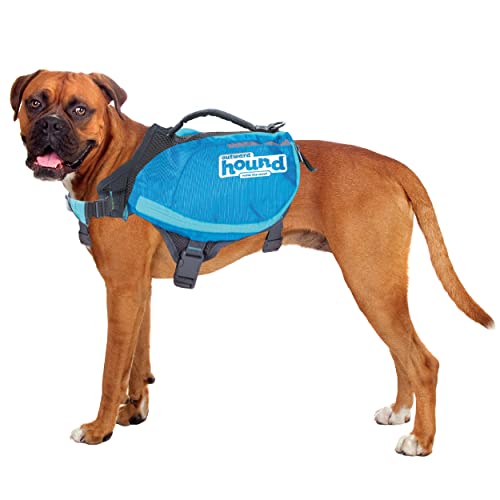
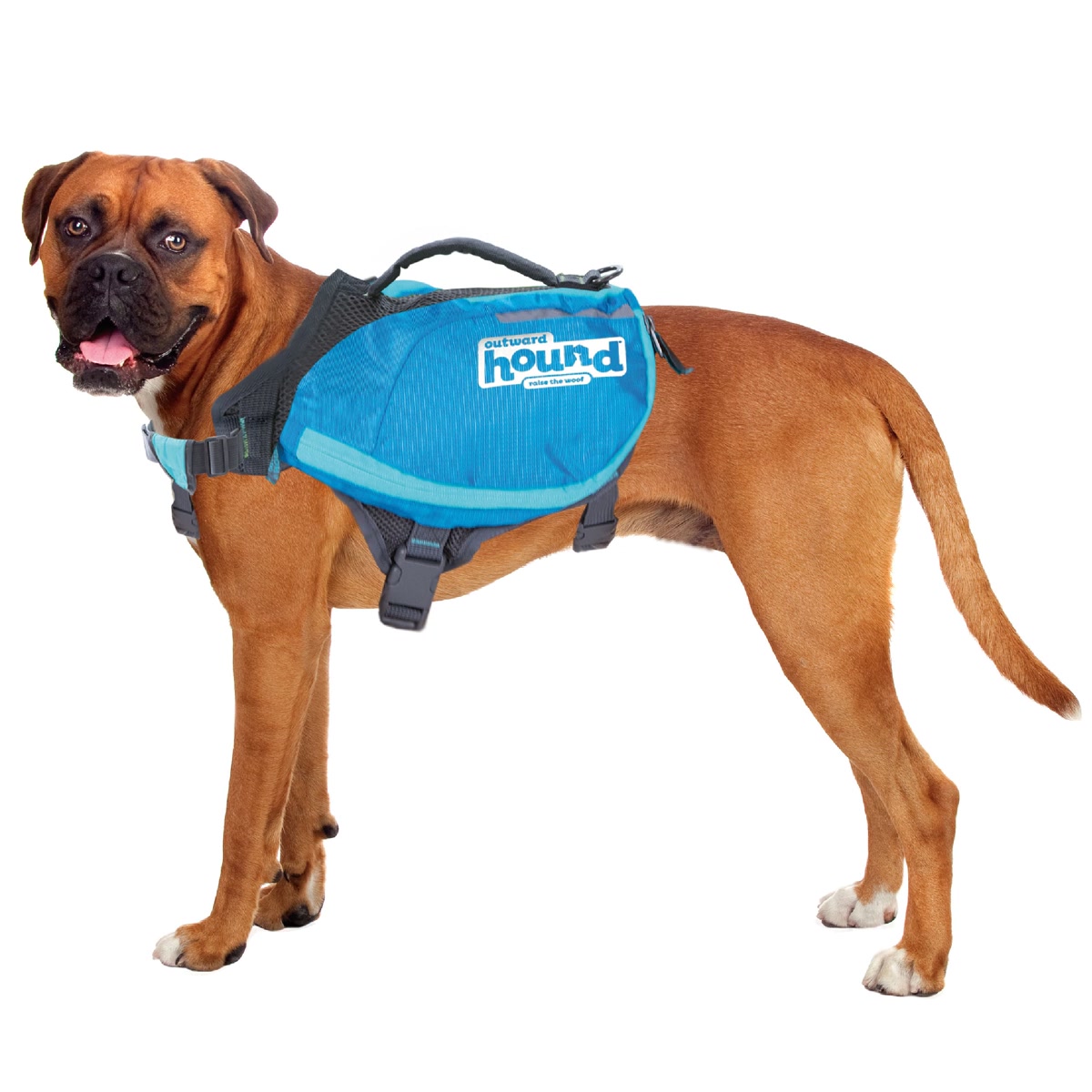
Best value: Outward Hound DayPak at 20-28 dollars. It has three storage compartments per side, a padded back, reflective trim, and a chest strap. It fits dogs from 20 to 80 pounds and carries up to 15 pounds. The design has been refined over years and is the most reviewed dog backpack on Amazon with consistently high ratings.
How to Fit a Dog Backpack
Proper fit is critical — an ill-fitting pack chafes, shifts, and can cause injury.
Measure Your Dog
- Girth (chest circumference) — measure the widest part of the chest, just behind the front legs. This is the most important measurement.
- Back length — from the base of the neck (where the shoulders meet the neck) to the base of the tail.
- Neck circumference — measure where a collar sits naturally.
Check the Fit
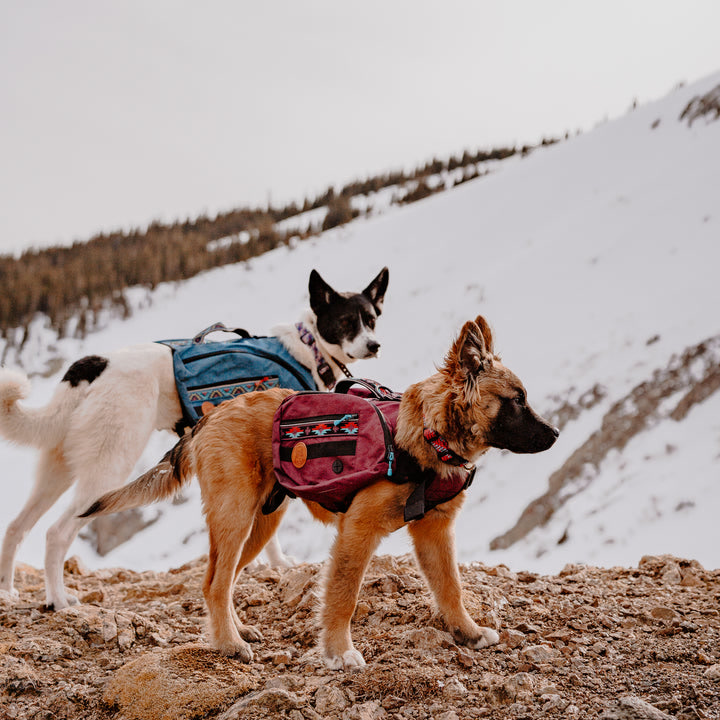
- The pack should sit on the dog’s back, not hang to the sides. The saddlebags should be parallel to the ground.
- You should be able to fit two fingers between the chest strap and your dog’s chest. Tighter restricts breathing; looser allows the pack to shift.
- The belly strap should sit behind the ribcage, not on it. Tight enough that the pack does not rotate but loose enough to fit one finger underneath.
- The pack should not extend past the dog’s last rib. If it reaches the hips, it is too large.
How Much Weight Should Your Dog Carry?
The standard guideline is 10-15 percent of body weight for a healthy adult dog. For puppies under 12 months, do not add weight — let them wear the empty pack to get used to it.
| Dog Weight | Max Pack Weight (15 percent) | Starting Weight (5 percent) |
|---|---|---|
| 20 lbs | 2-3 lbs | 1 lb |
| 40 lbs | 4-6 lbs | 2 lbs |
| 60 lbs | 6-9 lbs | 3 lbs |
| 80 lbs | 8-12 lbs | 4 lbs |
| 100 lbs | 10-15 lbs | 5 lbs |
Start with 5 percent of body weight and increase gradually over 2-3 weeks. Watch for signs of fatigue: slowing down, lagging behind, stumbling, or refusing to continue. If your dog shows these signs, remove the pack or reduce the weight.
What to Pack
- Water — one water bottle per side for balance. Use soft collapsible bottles (5-8 dollars each) to save space.
- Collapsible bowl — silicone bowl (5-8 dollars) for water breaks.
- Treats — training rewards and energy for long hikes. Distribute equally on both sides.
- Waste bags — always. Pack out what you pack in.
- Small first aid kit — bandage material, antiseptic wipes, tweezers for ticks.
- Extra leash — a slip lead (8-12 dollars) for areas where you need to leash your dog.
Distribute weight equally on both sides. An unbalanced pack shifts and chafes. Weigh each side before setting out.
Training Your Dog to Wear a Backpack (Free, 1-2 Weeks)
Step 1: Empty Pack (Days 1-3)
Put the empty pack on your dog for short indoor sessions (5-10 minutes). Give treats and praise. Let your dog move around and get used to the feel. Remove if your dog tries to chew or paw it off — distract with treats and play.
Step 2: Short Walks with Empty Pack (Days 3-5)
Take a 10-15 minute walk with the empty pack. Your dog may walk differently at first (wider stance, higher steps). This is normal and passes within a few sessions.
Step 3: Add Light Weight (Days 5-7)
Add 5 percent of body weight (1-3 pounds for most dogs). Use water bottles — you can pour water out if the weight is too much. Take a 15-20 minute walk.
Step 4: Full Weight (Days 7-10)
Add 10-12 percent of body weight. Take a normal-length walk. Check for chafing after — look for red marks under the straps. Adjust as needed.
Step 5: Hiking (Days 10-14)
Take your first hike with the loaded pack. Start with a shorter trail (1-2 miles) and increase. Check the pack every 30 minutes for shifting and adjust straps.
Safety Rules for Dog Backpacks
- Do not exceed 15 percent of body weight. More weight risks joint injury, especially in dogs under 2 years or over 8 years.
- Take the pack off during breaks. Let your dog rest without weight. This prevents pressure sores.
- Check for chafing after every hike. Red marks under straps mean the pack is too tight or poorly fitted. Adjust before the next use.
- Do not use on brachycephalic breeds. Bulldogs, Pugs, and French Bulldogs already struggle with breathing. Added weight increases respiratory effort.
- Do not use on dogs with joint issues. Arthritis, hip dysplasia, or recent surgery — added weight worsens these conditions.
- Remove in water. A loaded pack fills with water and becomes heavy. Remove before swimming. Some packs float and can be used as a flotation aid if empty.
- Check temperature. A pack traps heat against the back. On hot days, remove the pack during breaks and check for overheating.
The Bottom Line
A dog backpack is a 20-30 dollar investment that makes hikes more efficient, tires out high-energy dogs faster, and lets your dog carry their own gear. The Outward Hound DayPak (20-28 dollars) is the best budget option with good reviews and durable construction. Start with 5 percent of body weight, increase to 10-15 percent over 2 weeks, and always balance the load equally. Check for chafing, remove the pack during breaks, and do not use it on brachycephalic breeds or dogs with joint issues. For a 30-dollar investment, you get a happier, better-exercised dog and a lighter pack on your own back.
Last updated: July 2026 | By ThriftyPaw | Prices and availability subject to change
Ready to Hit the Trail?
Check current prices on Amazon for the dog backpacks mentioned in this guide:
ThriftyPaw is reader-supported. As an Amazon Associate, we earn from qualifying purchases. This means we may earn a small commission when you buy through links on this site at no additional cost to you. We only recommend products we genuinely believe in. Thank you for supporting ThriftyPaw.
My take: The $20-28 DayPak is the entry point — it turns the dog into a gear-carrier and gives high-energy dogs a job that doubles the exercise per mile. Balance the load at 10-15% of body weight and start light; the pack pays for itself the first hike you don’t carry its water.
Related guides
- Dog Grooming at Home: Complete Budget Guide Under 50 Dollars in Tools
- Budget Fall Dog Grooming Guide: Prep Your Dog for Winter Under 30 Dollars
- One 25 Dollar Roller Deleted an 83 Dollar Year of Pet Hair.
- Dog Sunscreen and Sunburn Prevention: A Budget Guide for Pet Owners
- Dog Walking on a Budget — How to Get Your Dog Exercise Without Paying 20 Dollars a Walk
🐾 Get Your Free Big Dog First Aid Kit Checklist
Join our newsletter and get this free printable plus weekly tips.
Frequently Asked Questions
Are dog backpacks worth it?
For hiking dogs, yes — the dog carries its own water, bowls, and waste bags (saving you a $50-100 bigger human pack), and a dog carrying 10-15% of body weight gets 30-40% more exercise from the same hike. The mental-engagement benefit is real too: the job tires them out faster than the miles alone.
How much weight should my dog carry in a backpack?
10-15% of body weight, balanced evenly across both saddlebags — the balance rule is the safety rule. Start with light loads on short walks to build the muscles and check the fit (measure the girth behind the front legs), and skip packs entirely for puppies and seniors until cleared.
What's the best budget dog backpack?
The Outward Hound DayPak at $20-28 with a 15-lb capacity — the best overall budget pick. The Kurgo K9 Traveller at $25-35 covers lighter hikes; skip the premium tiers until you know your dog will actually carry. Add soft collapsible bottles ($5-8 each) to complete the kit.
Liked this guide? Get the next one in your inbox — the pet budget checklist is free too.
✓ You're in — check your inbox.
No spam. Unsubscribe anytime. We never share your email.
Price Check
Prices verified via our product tracker. Updated Sep 27.
| Outward Hound DayPak Blue Dog Saddleback Backpack, Large : | $32.99 | 4.0★ (3,169) |
| Kurgo G-Train Pet Carrier Backpack, Chili Red | Cat & Dog | $144.95 | 4.2★ (1,327) |
| Mosago Dog Backpack Carrier, Front Chest Carrier for Small | $15.89 | 3.8★ (903) |
| Pupford Freeze Dried Training Treats for Dogs & Puppies (C | $16.85 | 4.6★ (5,942) |
As an Amazon Associate we earn from qualifying purchases.