This article contains affiliate links. We may earn a commission from qualifying purchases.
Some content on this site is AI-assisted and reviewed by our editorial team.
Cat constipation is often dismissed as a minor inconvenience, but in cats it can be a sign of serious underlying disease — and chronic constipation can progress to a life-threatening condition called megacolon, where the colon becomes permanently stretched and unable to function. The good news: most cat constipation is preventable and treatable for under 5 dollars per month with dietary changes, hydration, and hairball management. This guide covers why cats get constipated, the home treatment protocol, when constipation is an emergency, and how to prevent it from recurring.
What Cat Constipation Is
Constipation is infrequent, difficult, or absent bowel movements. A healthy cat defecates once or twice per day. A constipated cat strains in the litter box, produces small hard dry stools, or produces no stool at all. The stool may have blood or mucus on the surface from the straining.
The progression:
- Mild constipation — No stool for 1-2 days. The cat tries to defecate but produces little or nothing. Mild straining.
- Moderate constipation — No stool for 2-3 days. Visible straining, discomfort, may vocalize in the litter box. Small, very hard, dry stool if any.
- Severe constipation (obstipation) — No stool for 4+ days. The colon is packed with hard, dry feces. The cat is uncomfortable, may not eat, may vomit. The abdomen may feel firm or swollen.
- Megacolon — The colon has been stretched so many times by chronic constipation that it loses the ability to contract. Feces accumulate permanently. Requires lifelong management or surgery (1,500-3,000 dollars for colon removal).
Cats that have had 3 or more episodes of constipation are at high risk for megacolon. Early treatment and prevention are critical.
Why Cats Get Constipated
1. Dehydration (Most Common)
Cats evolved as desert animals — their kidneys concentrate urine extremely efficiently to conserve water. This means the colon also extracts maximum water from stool. In a dehydrated cat, the colon extracts so much water that the stool becomes hard and dry. Cats fed only dry food are chronically mildly dehydrated (dry food is 6-10 percent water, wet food is 70-80 percent water).
2. Hairballs
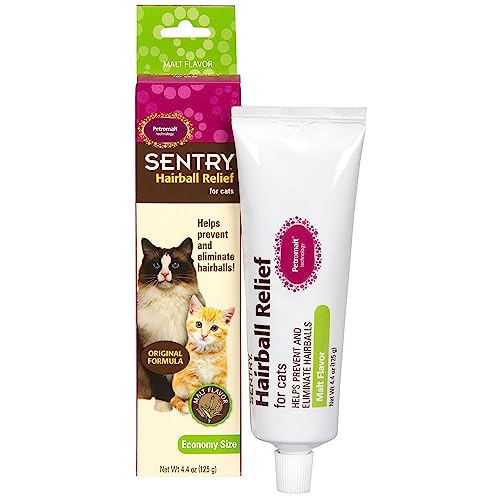
Cats that groom excessively (long-haired breeds, cats with allergies or stress) swallow large amounts of hair. Hair is not digestible and can accumulate in the colon, mixing with stool and creating a hard, dry mass that is difficult to pass. A Sentry Hairball Relief gel for cats — about 5 dollars — helps lubricate the digestive tract so hair passes through instead of accumulating.
3. Diet
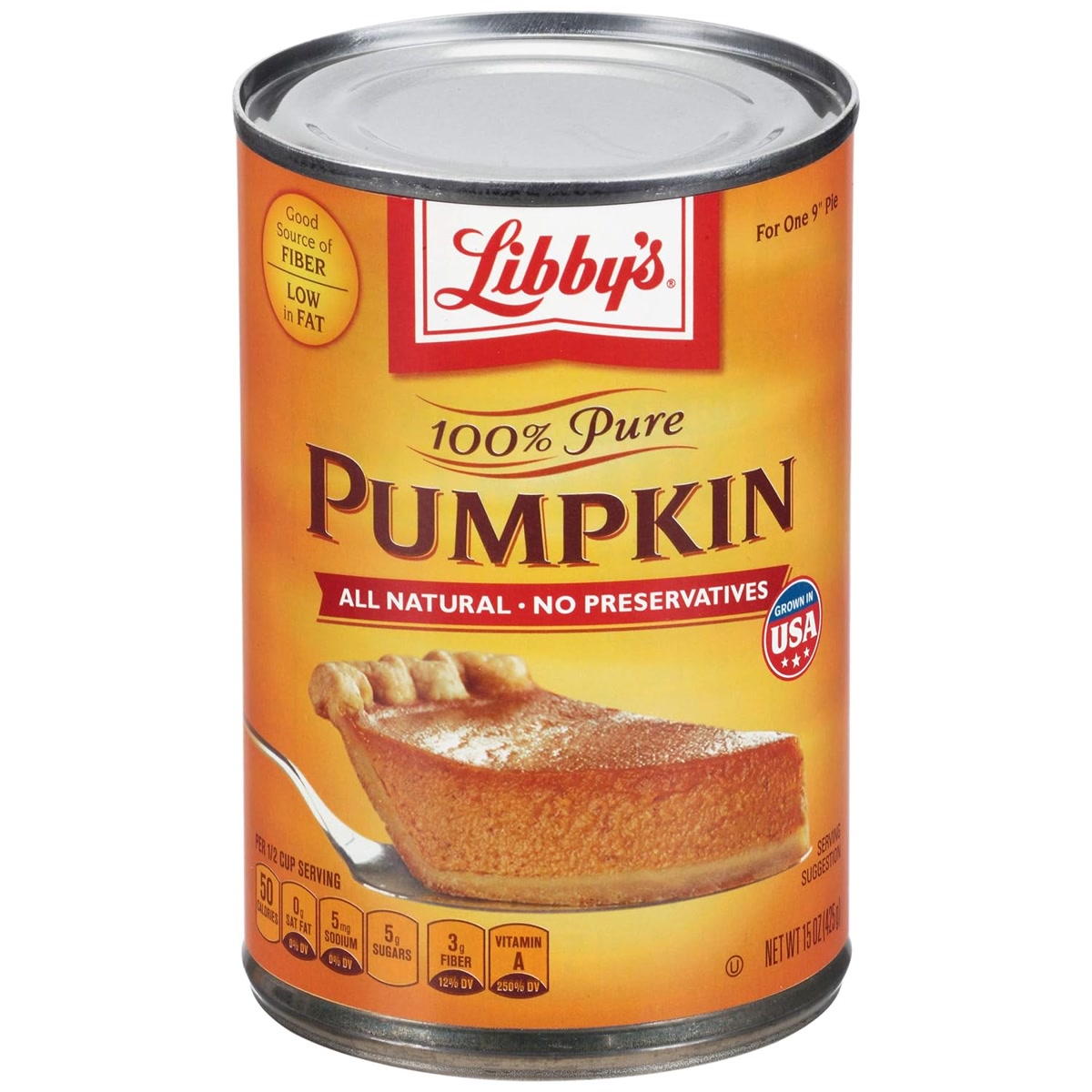
Low-fiber diets produce small, firm stools that are harder to pass. Diets too high in fiber produce large, dry stools. The right balance is essential. Sudden diet changes can also cause constipation. Adding Libby’s Pure Canned Pumpkin — about 3 dollars for a pack — provides soluble fiber that firms and moistens stool within 12-24 hours.
4. Obesity and Inactivity
Obese, inactive cats have weaker abdominal muscles and slower digestion. Physical activity stimulates the digestive tract. Indoor cats that do not play or move much are more prone to constipation.
5. Pain or Orthopedic Issues
Cats with arthritis may find the litter box posture painful. If defecating hurts, the cat holds the stool, which becomes harder and drier. Arthritis in the pelvis or spine is especially relevant.
6. Pelvic Narrowing
Previous pelvic fracture (from being hit by a car or a fall) can narrow the pelvic canal, making it physically harder for stool to pass. These cats need lifelong stool softeners.
7. Megacolon (Idiopathic)
In some cats, the colon loses its ability to contract for unknown reasons. This is called idiopathic megacolon and is the most severe form. It can develop after repeated episodes of constipation or on its own. More common in male cats and certain breeds (Manx, Siamese).
8. Medications
Opioids, antihistamines, sucralfate, and some other medications slow the digestive tract and cause constipation. If your cat is on medication and becomes constipated, discuss with your vet.
9. Neurological Disease
Nerve damage to the colon (from trauma, spinal disease, or aging) can prevent normal contractions. Manx cats are prone to this due to spinal deformity.
The Signs of Cat Constipation
- Straining in the litter box — Your cat spends a long time in the box, posturing to defecate but producing little or nothing.
- Small, hard, dry stools — The stool may look like small pebbles or dry, hard logs. Sometimes covered with mucus or a small amount of blood from the straining.
- No stool for 24+ hours — Check the litter box daily. No stool for a full day is a warning sign.
- Frequent unproductive trips to the box — Your cat goes to the box multiple times but does not produce stool.
- Vocalizing in the box — Crying or growling while straining. This indicates pain.
- Decreased appetite — A constipated cat may not eat because the colon is full.
- Vomiting — If the colon is completely packed, food cannot move through. The cat eats, vomits, and cannot defecate.
- Lethargy — Discomfort and the effects of toxin absorption from retained stool.
- Abdominal discomfort — Your cat may not want their belly touched. The abdomen may feel firm.
- Defecating outside the box — The cat associates the box with pain and tries elsewhere.
Home Treatment for Mild Cat Constipation (Free to 5 Dollars)
Home treatment is appropriate ONLY if:
- Your cat has not had a bowel movement for 24-48 hours but is otherwise acting normally
- No vomiting
- No abdominal pain or swelling
- Your cat is eating and drinking
- This is not a recurring problem (first or second episode)
The Protocol
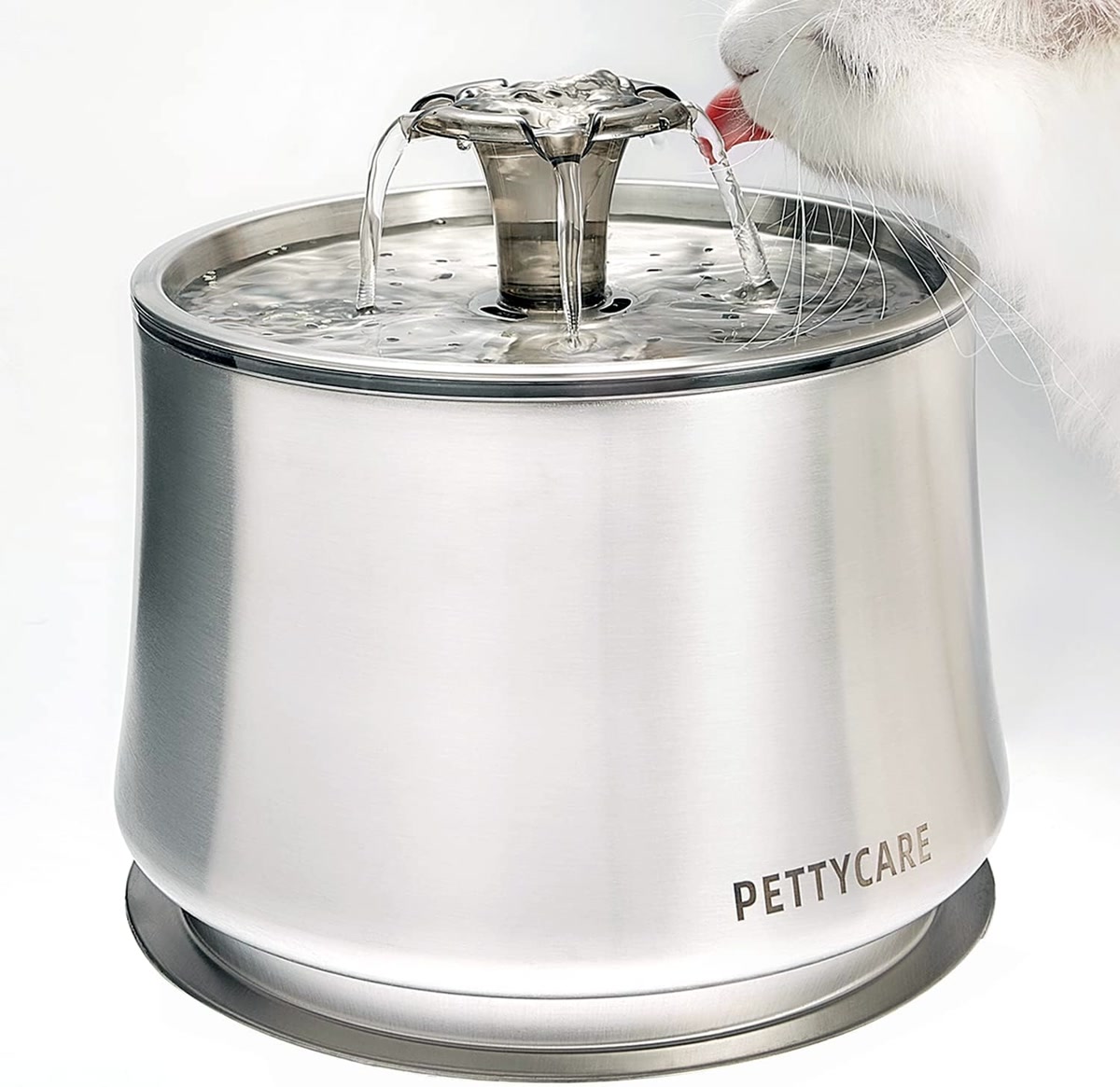
- Increase water intake immediately — Add 2-3 tablespoons of warm water to each meal of wet food. Provide a stainless steel cat water fountain — about 20 dollars, one-time. Place multiple water bowls. This is the most important step — dehydration is the most common cause.
- Switch to wet food — If your cat eats dry food, switch to wet food immediately (transition over 2-3 days by mixing). Wet food is 70-80 percent water vs. 6-10 percent for dry food. This single change resolves most cat constipation.
- Add pumpkin (plain, canned, not pie filling) — Libby’s Pure Canned Pumpkin — about 3 dollars for a pack. 1-2 teaspoons mixed with wet food, 1-2 times per day. The soluble fiber in pumpkin adds bulk and moisture to the stool, making it easier to pass. Works within 12-24 hours for most cats.
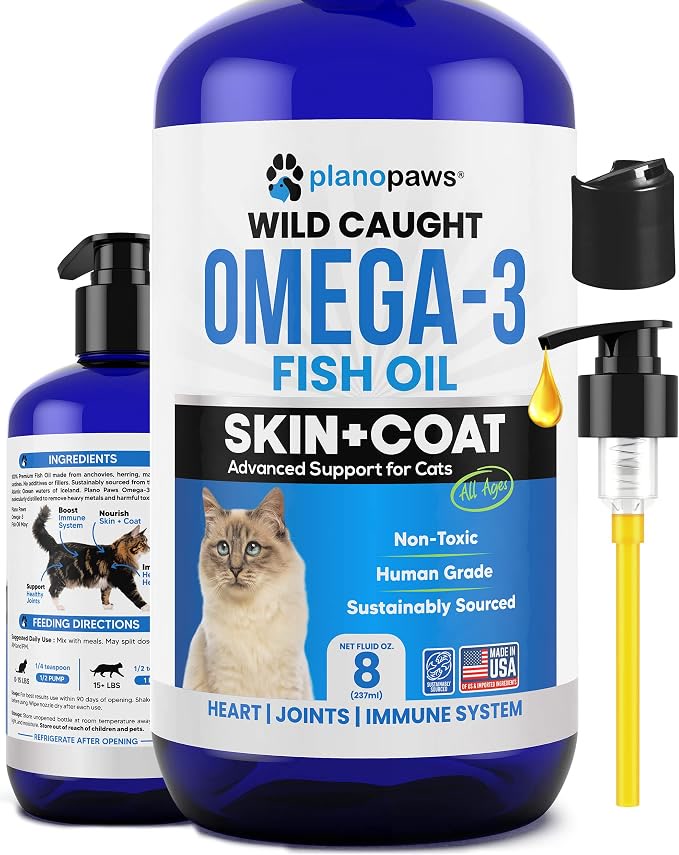
- Add a small amount of olive oil or fish oil — 1/4 teaspoon of olive oil or a fish oil supplement for cats — about 15 dollars for a bottle — punctured, squeezed on food, once daily. Lubricates the digestive tract. Do not use mineral oil — it can be inhaled and cause lung inflammation. Do not use petroleum jelly orally — use hairball gel instead (it is formulated for safe ingestion).
- Encourage exercise — 15-20 minutes of active play (wand toy, laser pointer). Physical activity stimulates the digestive tract and helps move stool through the colon.
- Try hairball gel — If your cat is prone to hairballs (the hair can mix with stool and create hard masses), give Sentry Hairball Relief gel — about 5 dollars — 1-2 times per week. See the hairball guide.
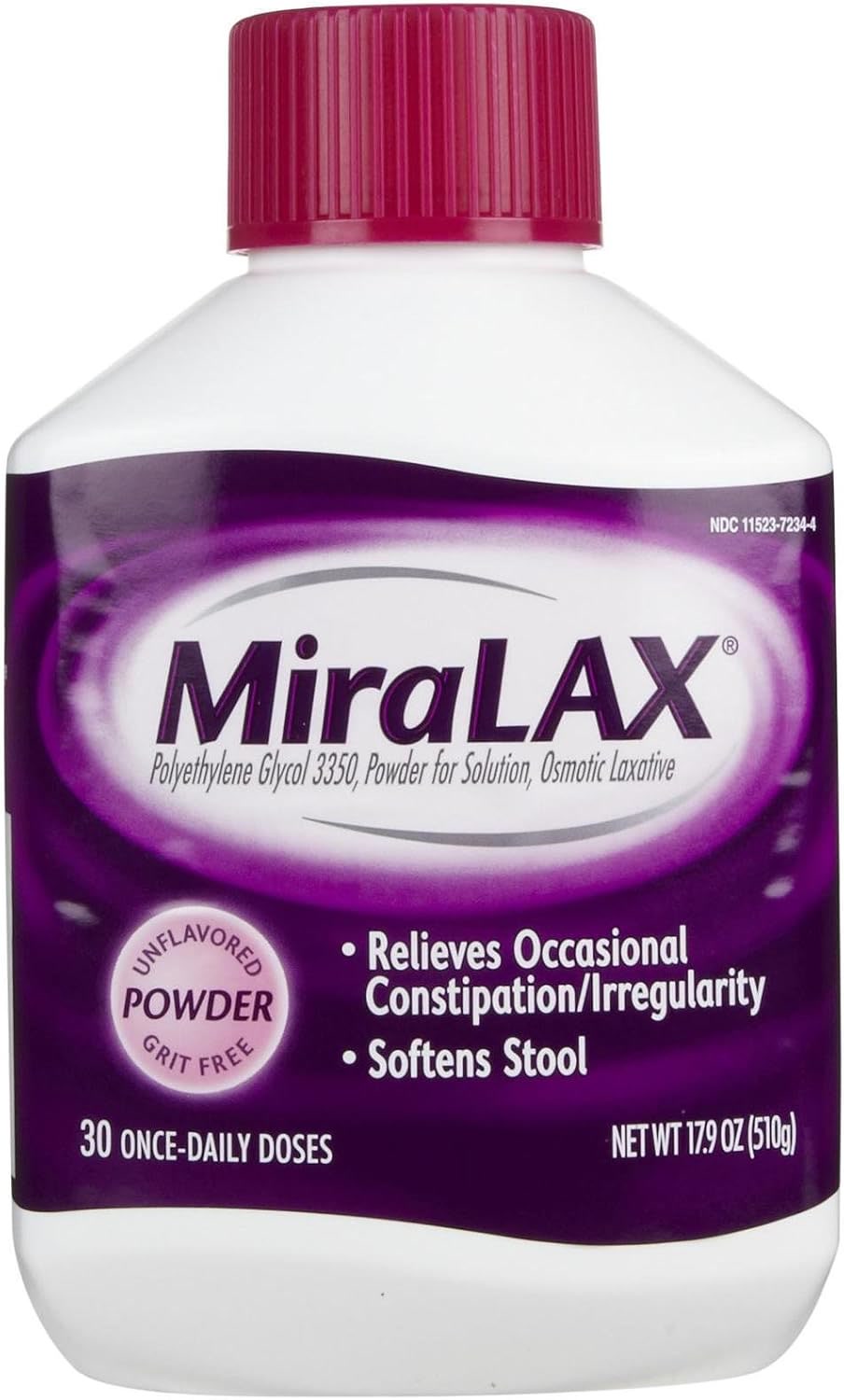
- Give a stool softener (if approved by vet) — MiraLAX (polyethylene glycol) — about 8 dollars for a container that lasts months — is safe for cats and is the most effective stool softener. Dose: 1/8 to 1/4 teaspoon mixed with wet food, once or twice daily. This is the same active ingredient as in human MiraLAX (unflavored, not the flavored versions). It works by drawing water into the stool, making it softer and easier to pass. Discuss dosing with your vet before starting.
Most cases of mild constipation resolve within 12-24 hours of starting this protocol. If your cat has not defecated within 24 hours of starting treatment, see the vet.
When Cat Constipation Is an Emergency
See the vet immediately if:
- No stool for 3+ days — The colon may be impacted (packed with hard stool that cannot pass without help).
- Vomiting — If the colon is completely blocked, food cannot pass. The cat eats, vomits, and cannot defecate. This can lead to dehydration and toxin absorption.
- Not eating — Loss of appetite with constipation indicates significant discomfort or blockage.
- Lethargy or weakness — Your cat is not acting normally.
- Abdominal pain or swelling — The abdomen feels firm or the cat cries when touched.
- Blood in or around the stool — From straining or colitis.
- Your cat is crying or growling in the box — Severe pain.
- Recurring episodes — 3 or more episodes of constipation indicate an underlying problem that needs diagnosis.
- Your cat is a kitten — Kittens dehydrate quickly and may have parasites or congenital issues.
The vet treatment for severe constipation may include:
- Enema — 40-80 dollars. The vet administers an enema to soften and remove the impacted stool. Do NOT give a human enema to your cat — they contain chemicals that are toxic to cats.
- Manual extraction — 80-200 dollars. Under sedation, the vet manually removes the impacted stool.
- IV fluids — 50-150 dollars. Rehydrates the cat and softens the stool from within.
- Prescription laxatives — Lactulose (5-15 dollars/month) or Cisapride (10-20 dollars/month). Stronger than over-the-counter options.
- Abdominal X-ray — 80-150 dollars. Confirms the extent of impaction and checks for megacolon or foreign body.
Preventing Cat Constipation (Free to 5 Dollars Per Month)
- Feed wet food — The most effective prevention. Wet food is 70-80 percent water. If your cat eats dry food, add water to it or switch to wet.
- Add water to food — 2-3 tablespoons per meal. Free and very effective.
- Daily pumpkin — 1/2-1 teaspoon of canned pumpkin puree — about 3 dollars — mixed with food daily. A can lasts weeks.
- Water fountain — A cat water fountain — about 20 dollars (one-time). Moving water encourages drinking.
- Regular grooming — Reduces hair ingestion. See the hairball guide.
- Hairball gel — Sentry Hairball Relief — about 5 dollars/month. Prevents hair from accumulating in the colon.
- Daily exercise — 15-20 minutes of active play. Stimulates digestion.
- Miralax (if recommended by vet) — MiraLAX unflavored powder — about 8 dollars for a container that lasts months. 1/8-1/4 teaspoon daily for cats with chronic constipation. Safe for long-term use.
- Litter box management — Keep the box clean. Cats may hold their stool if the box is dirty, which worsens constipation.
- Monitor stool — Check the litter box daily. If stool is hard, dry, or absent, start the treatment protocol immediately.
- Weight management — Obese cats have weaker abdominal muscles. See the cat weight loss guide.
- Arthritis management — If your cat has arthritis, provide a litter box with a low entrance (cut a doorway in a storage tote). Treat arthritis with joint supplements (see dog arthritis guide — same principles apply to cats).
The Cost Comparison: Prevention vs. Treatment
| Approach | Monthly Cost |
|---|---|
| Prevention (wet food + water + pumpkin + exercise) | 0-5 dollars extra |
| Miralax (chronic constipation prevention) | 1-3 dollars |
| Vet enema (for impaction) | 40-80 dollars per episode |
| Manual extraction under sedation | 80-200 dollars per episode |
| Megacolon surgery (colon removal) | 1,500-3,000 dollars |
The Bottom Line
Cat constipation is preventable for 0-5 dollars per month and treatable at home for under 5 dollars when caught early. The protocol: increase water immediately (add 2-3 tablespoons of warm water to each meal — dehydration is the most common cause), switch to wet food (70-80 percent water vs. 6-10 percent for dry — the single most effective change), add plain canned pumpkin (about 3 dollars for a pack, 1-2 teaspoons 1-2 times daily — soluble fiber firms and moistens stool within 12-24 hours), add olive oil or fish oil (1/4 teaspoon daily — lubricates the digestive tract), encourage exercise (15-20 minutes of play stimulates digestion), and give hairball gel if your cat is prone to hairballs (about 5 dollars/month). For chronic constipation, MiraLAX (polyethylene glycol, unflavored, about 8 dollars for a container that lasts months, 1/8-1/4 teaspoon daily) is the most effective stool softener — discuss dosing with your vet. Never give human enemas, mineral oil orally, or petroleum jelly (use hairball gel instead). See the vet immediately if no stool for 3+ days, if vomiting occurs with constipation, if your cat is not eating, if the abdomen is painful or swollen, or if your cat is crying in the box — these may indicate impaction (40-200 dollars for enema or manual extraction) or megacolon (1,500-3,000 dollars for surgery). Cats with 3+ episodes of constipation are at high risk for megacolon — the colon loses its ability to contract and requires lifelong management or surgical removal. Prevent constipation with wet food, added water, daily pumpkin, a water fountain (about 20 dollars one-time), regular grooming, hairball gel, daily exercise, a clean litter box, weight management, and arthritis management (low-entry box for arthritic cats). The 3-dollar pack of pumpkin and 2 tablespoons of water added to each meal prevent the 1,500-3,000 dollar megacolon surgery.
ThriftyPaw is reader-supported. As an Amazon Associate, we earn from qualifying purchases. This means we may earn a small commission when you buy through links on this site at no additional cost to you. We only recommend products we genuinely believe in.
Last updated: July 2026 | By ThriftyPaw | Prices and availability subject to change
My take: Hydration is the entire cat-constipation story — wet food and the $20 fountain prevent most of it, pumpkin and MiraLAX fix the mild cases. Hold the 48-hour line and the vomiting rule; obstipation and megacolon are the expensive permanent versions of a $5 problem.
Related guides
- How to Start a Pet Savings Account: Vet Bills Without the Panic (2026)
- 10 Things Every New Big Dog Owner Needs (That Won't Break the Bank)
- I Compared Every Budget Flea and Tick Option. Most Are Junk. These 3 Are Not.
- Monthly Dog Budget Tracker Template: Free Spreadsheet Guide
- How to Save on Vet Bills — Negotiation Tips and Low-Cost Clinics
🐾 Get Your Free Big Dog First Aid Kit Checklist
Join our newsletter and get this free printable plus weekly tips.
Frequently Asked Questions
How do I treat my constipated cat at home?
The $5 tier: plain canned pumpkin (Libby's, about $3 — the soluble fiber that works in 12-24 hours), hydration support (the $20 fountain, or wet food), and the hairball gel ($5) if hair is mixing with stool. MiraLAX at $8 (vet-approved dosing) is the most effective stool softener in the cabinet. Home treatment fits the 24-48-hour-no-BM-but-otherwise-normal case only.
When is cat constipation an emergency?
The red lines: vomiting alongside, no bowel movement past 48-72 hours, lethargy, or a painful abdomen — those need the vet before the enema ($40-80) and manual extraction ($80-200) become the obstipation case. The progression the guide warns about is megacolon: the permanently stretched colon that ends in lifelong management or $1,500-3,000 surgery.
Why do cats get constipated so easily?
Chronic dehydration — cats evolved from desert animals with a weak thirst drive, and dry-only diets concentrate everything. That's why the prevention protocol is hydration-first: wet food, the fountain, and water bowls in multiple locations. Hair, obesity, and pain (arthritic cats stop posturing to defecate) fill out the cause list.
Liked this guide? Get the next one in your inbox — the pet budget checklist is free too.
✓ You're in — check your inbox.
No spam. Unsubscribe anytime. We never share your email.
Price Check
Prices verified via our product tracker. Updated Sep 27.
| SENTRY PET CARE Sentry Hairball Relief for Cats,Malt Flavo | $11.36 | 4.3★ (11,154) |
| Libby's 100% Pure pumpkin, pumpkin Pie Filling, Bulk, 6 lb | $20.33 | 4.6★ (1,181) |
| Nordic Naturals Omega-3 Fish Oil for Cats, w/EPA & DHA, Li | $15.26 | 4.2★ (2,388) |
| MiraLAX, Laxative Powder, Gentle Constipation Relief for A | $30.99 | 4.8★ (43,303) |
As an Amazon Associate we earn from qualifying purchases.