
This article contains affiliate links. We may earn a commission from qualifying purchases.
Some content on this site is AI-assisted and reviewed by our editorial team.
Indoor cats live 12-15 years on average — 5-8 years longer than outdoor cats. But indoor life has a hidden cost: boredom, obesity, stress, and behavioral problems caused by an environment that does not meet a cat’s natural needs. The solution is environmental enrichment — providing the stimulation, exercise, and mental engagement that indoor cats lack. You do not need expensive cat trees, automated toys, or a “catio” to do this. The complete enrichment program costs 10-25 dollars in supplies and uses free household items for the rest. This guide covers the 5 categories of cat enrichment, specific budget products, DIY projects, and how to set up your home for a happy, active indoor cat.
The 5 Categories of Cat Enrichment
1. Vertical Space (Free to 15 Dollars)
Cats are arboreal — they naturally climb to high places to survey their territory, feel safe, and avoid conflicts with other animals. Indoor cats without vertical access become stressed and territorial. Providing vertical space is the single most impactful enrichment you can add.
Budget options:
- Clear the top of bookshelves and cabinets — Free. Cats love to perch on high surfaces. Clear the top of a bookshelf, wardrobe, or refrigerator and place a folded blanket or towel on it. This is a free cat shelf.
- Floating wall shelves — 5-10 dollars each. Install at staggered heights so your cat can climb up to a high perch. Secure shelves with wall anchors rated for 20+ pounds.
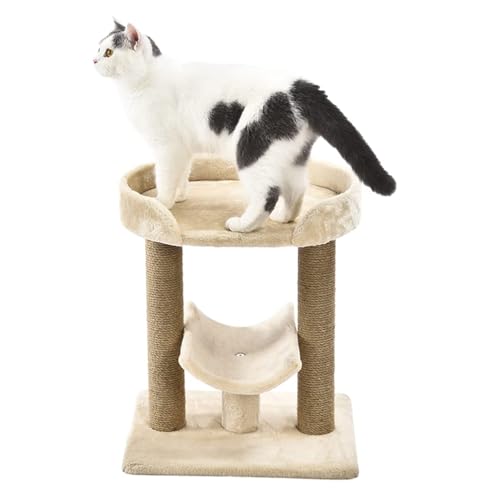
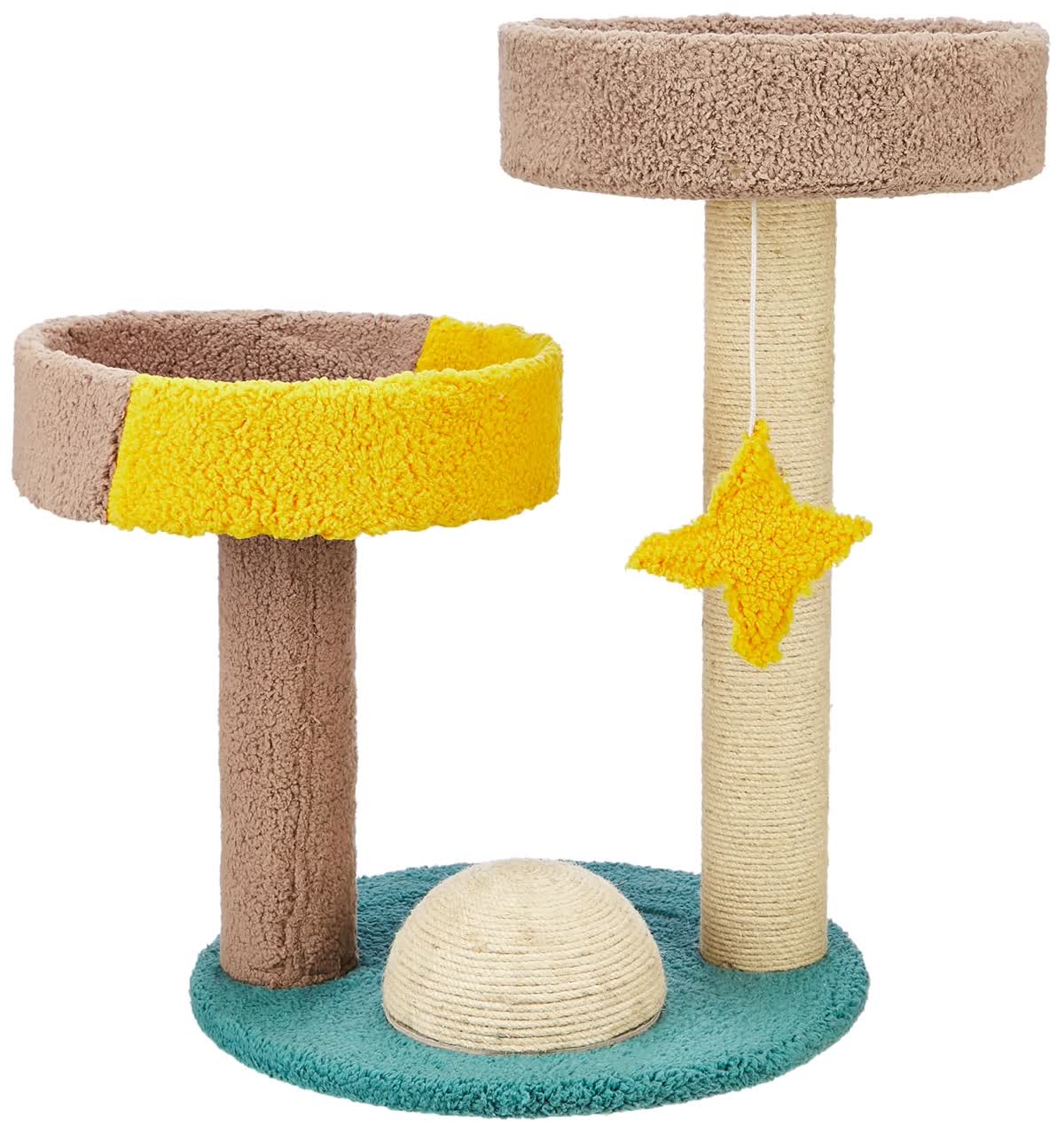
- Cat tree (budget) — 15-30 dollars. Look for basic models at discount stores, thrift shops, or online marketplaces. A simple 3-foot tree with a scratching post and a platform is sufficient. You do not need a 6-foot, 200-dollar cat tree. Amazon Basics Multi-Platform Cat Tree — about $25.
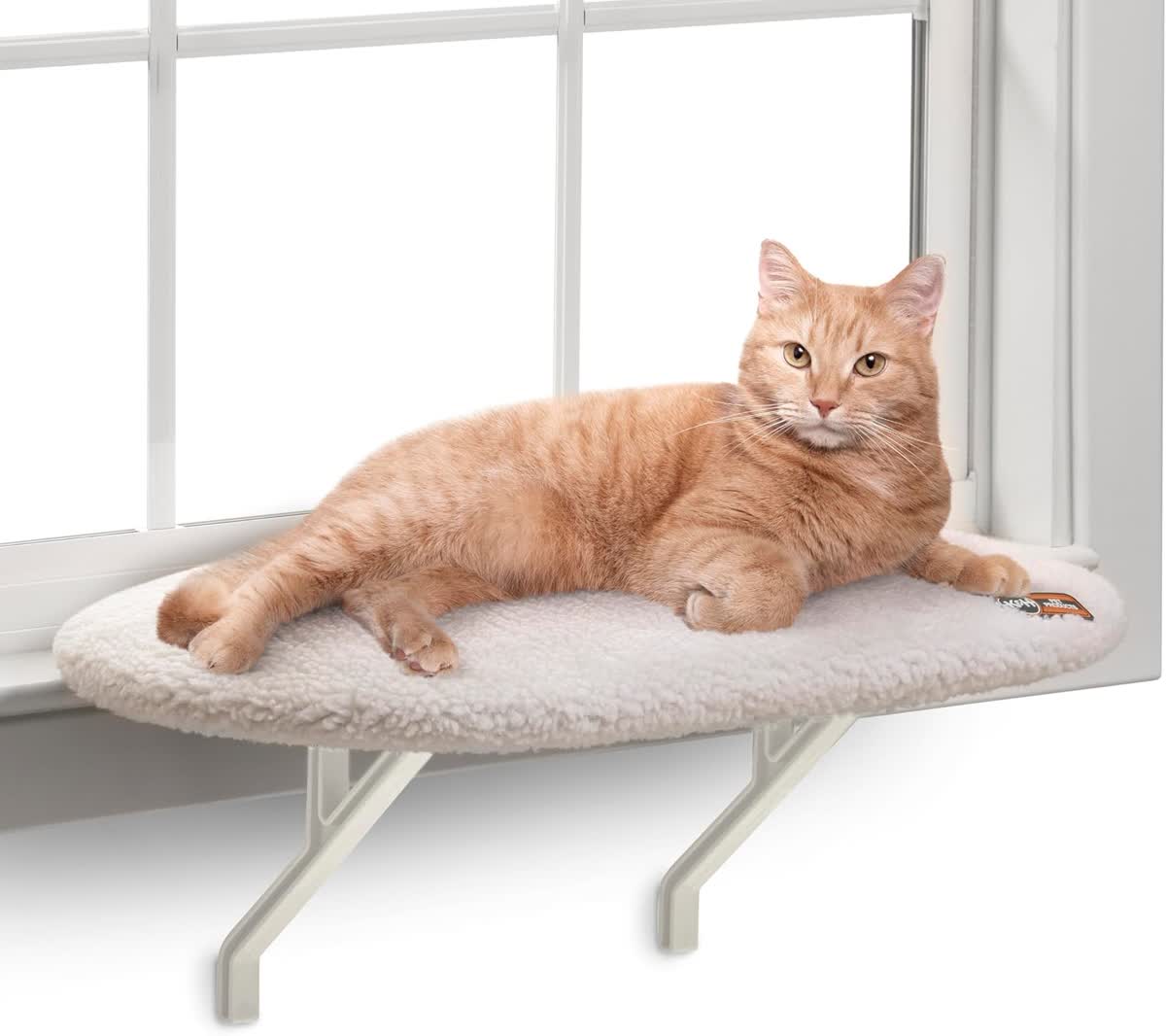
- Window perch — 10-15 dollars. Suction-cup window perch gives your cat a view of the outdoors. The visual stimulation of birds, squirrels, and passing people is hours of entertainment. K&H Cat Window Perch Kitty Sill — about $14.
- DIY cat shelving — 10-20 dollars. Use basic wooden shelves from a hardware store, cover with carpet remnants or rope, and install at climbing heights. This is a fraction of the cost of commercial cat wall systems (which cost 100-300 dollars).
2. Hunting and Play (2-10 Dollars)
Cats are obligate carnivores — they are hardwired to hunt. Indoor cats that cannot hunt redirect this energy to destructive behavior (scratching furniture, attacking feet, nighttime activity). Daily play sessions that simulate hunting satisfy this instinct.
The best budget toys:
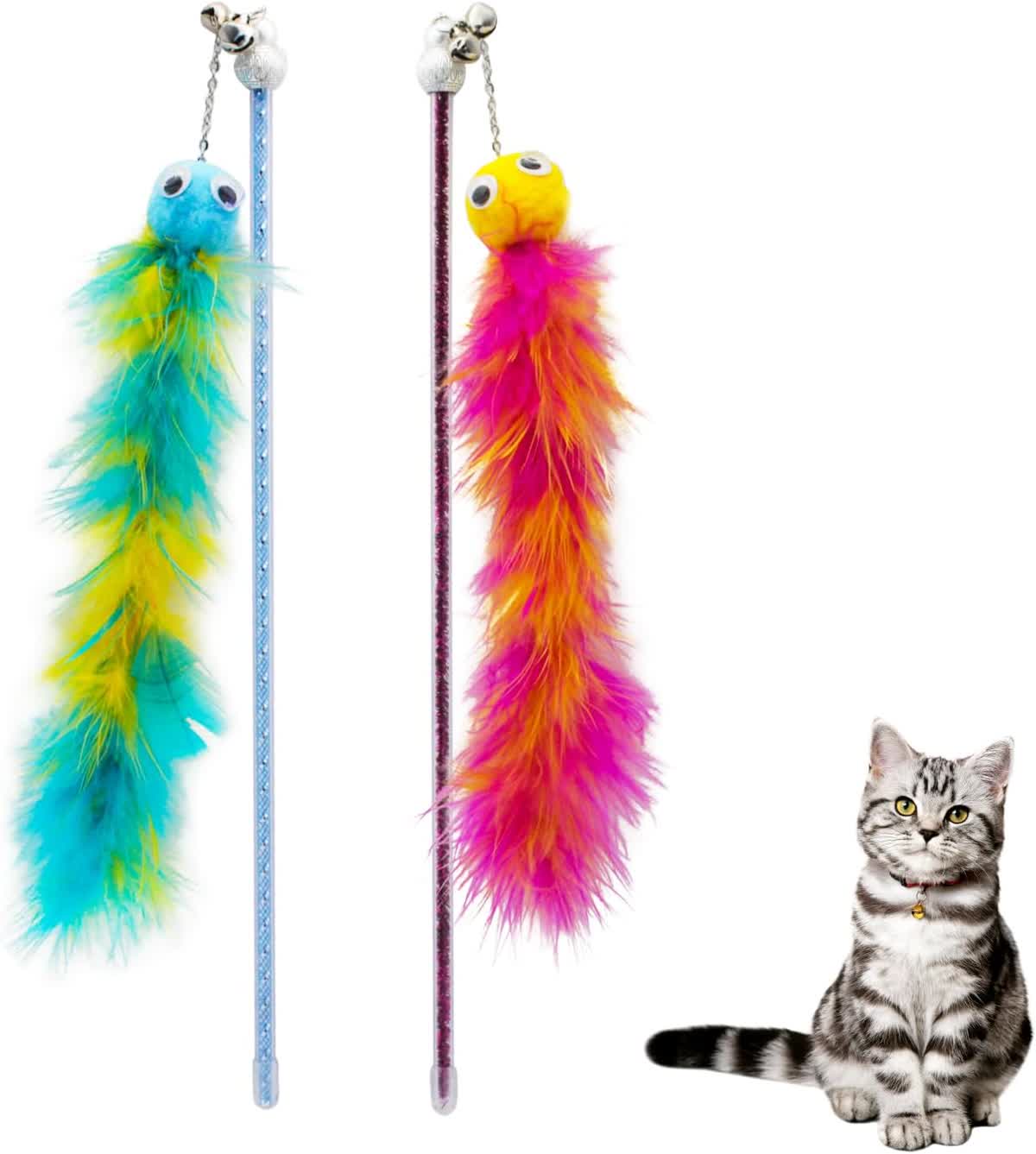
- Wand toy with feathers — 3-5 dollars. The single best cat toy ever invented. Mimics bird flight. Drag it along the floor, fly it through the air, hide it behind furniture and pull it out. 10-15 minutes per day satisfies the hunting instinct. YUBONUS Cat Feather Wand Toys 10-Pack — about $10.
- Laser pointer — 2-4 dollars. Great for running exercise but ends without a “catch” — always end laser play by pointing at a treat or toy the cat can physically grab. Otherwise the frustration of an uncatchable prey causes stress.
- Crumpled paper balls — Free. A ball of paper rolled across the floor triggers the chase instinct in most cats. Replace when shredded.
- Cardboard boxes — Free. Cats love boxes. Cut holes in a box to make a “cat cave.” Put a ball inside a box and let your cat bat it around. A box with a hole cut in the side becomes a hunting blind.
- Paper bags — Free. Paper grocery bags (not plastic) are instant cat tunnels. Place a few in a row for a tunnel system.
- Toilet paper rolls — Free. Stuff with a small amount of dry food and fold the ends. Your cat will shred it to get the food — a puzzle feeder for zero cost.
- Pipe cleaners — 2 dollars for a pack. Twist into spirals or shapes. Many cats love carrying them around and batting them under furniture.
The Play Routine (15 Minutes Per Day, Free)
Structure play sessions to mimic hunting:
- Stalk phase (2-3 minutes): Drag the wand toy slowly along the floor, hiding behind furniture. Let your cat stalk and watch.
- Chase phase (5-7 minutes): Make the toy move like fleeing prey — quick dashes, sudden stops, changes of direction. Let your cat catch it occasionally.
- Catch phase (1-2 minutes): Let your cat catch and “kill” the toy. Allow biting and kicking.
- Reward: End with a small meal or treats. In nature, the hunt ends with a meal — this completes the hunting cycle and signals to your cat that the hunt is over.
Play 1-2 sessions per day, morning and evening. Cats are most active at dawn and dusk (crepuscular) — play at these times for maximum engagement. Avoid playing right before bedtime or your cat will be active all night.
3. Scratching (5-15 Dollars)
Scratching is not a behavior problem — it is a biological need. Cats scratch to:
- Shed the outer layer of their claws (keeps claws healthy)
- Stretch and exercise the muscles of the back and shoulders
- Mark territory (scent glands in the paw pads)
- Relieve stress
If you do not provide appropriate scratching surfaces, your cat will use furniture, carpet, and doorframes. Budget options:
- Cardboard scratcher — 5-8 dollars. Flat cardboard scratch pads are the cheapest and most popular. Available at any pet store. Replace when shredded (every 2-4 months). TIMHAKA Cat Scratching Board 2-Pack — about $10.
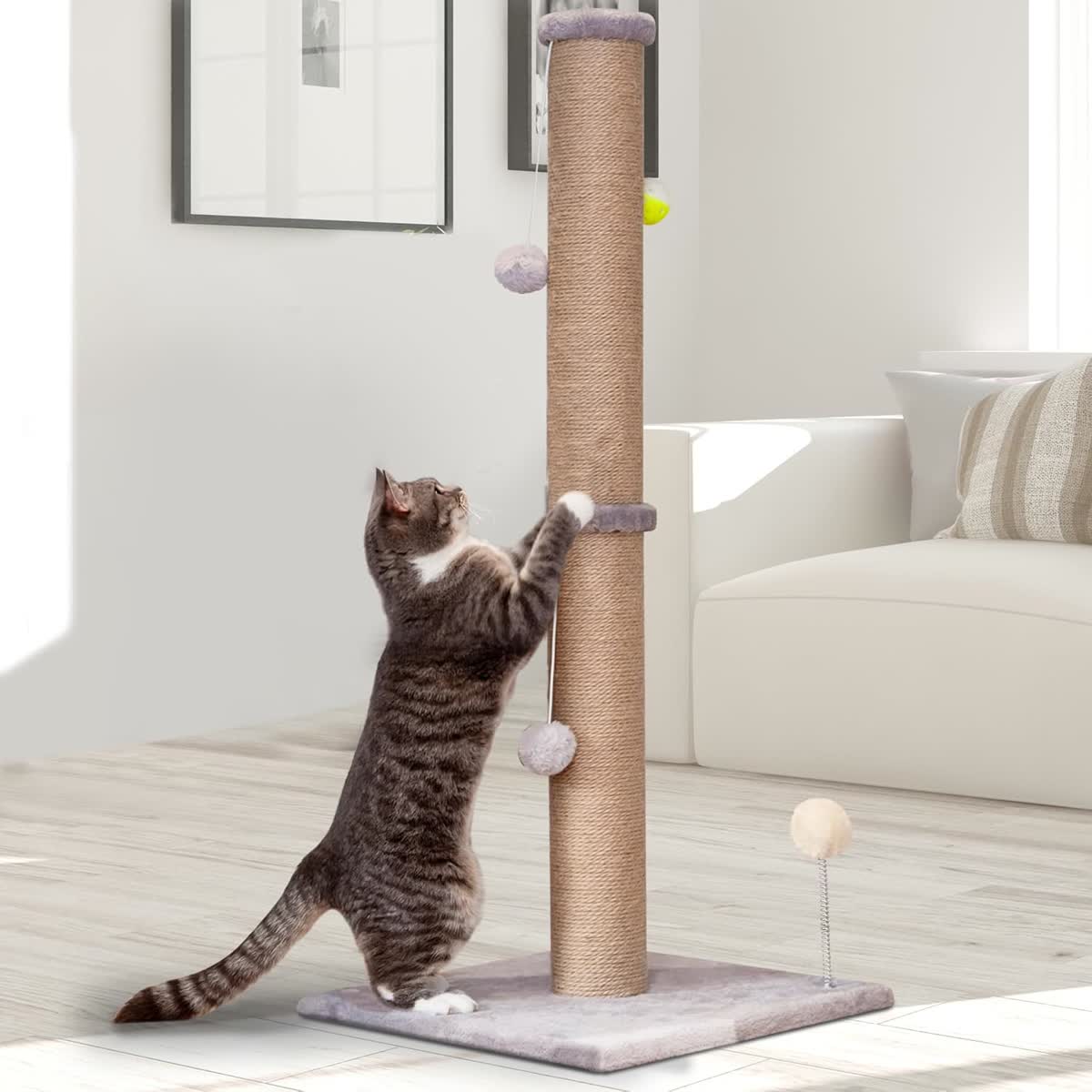
- Sisal rope post — 8-15 dollars. A vertical post wrapped in sisal rope. Must be tall enough for your cat to fully stretch (at least 30 inches for an average cat). Short posts do not allow a full stretch and cats will not use them. Dimaka Sisal Rope Cat Scratching Post — about $13.
- DIY sisal post — 5-10 dollars. Buy a 4×4 wood post (30+ inches tall) and wrap it tightly with sisal rope (3-5 dollars for a roll). Secure to a base (a piece of plywood) for stability.
- Log — Free. A piece of firewood or fallen branch (bark intact) makes a natural scratching post. Clean it first and check for insects.
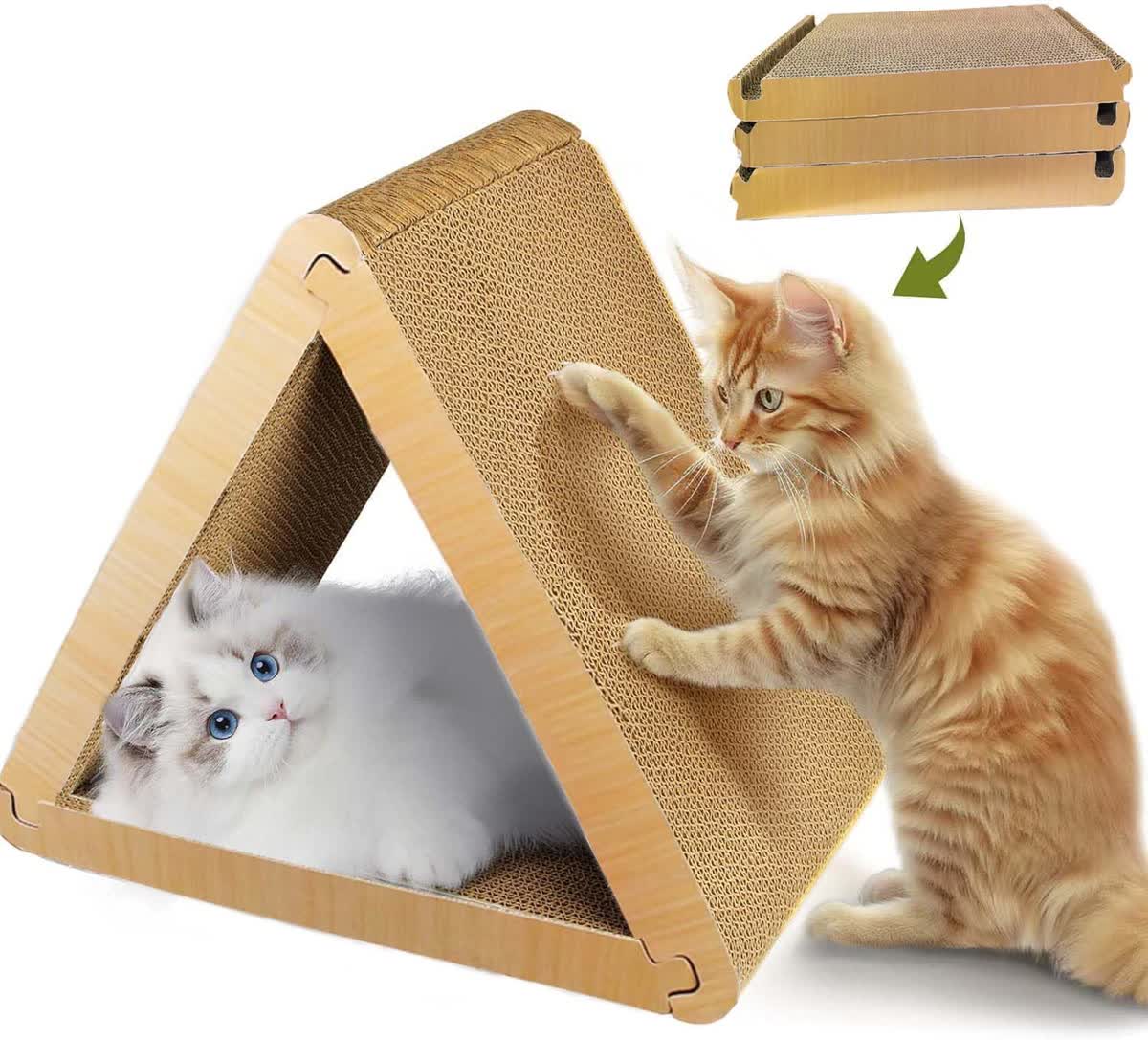
Placement: Put scratching posts near where your cat already scratches (furniture, doorframes). Cats stretch when they wake up — place a scratcher near sleeping spots. Reward scratching on appropriate surfaces with treats and praise. Do not punish scratching on furniture — redirect to the post.
4. Food Enrichment (Free to 10 Dollars)
In nature, cats spend 30-40 percent of their waking hours hunting, catching, and eating prey. A bowl of kibble takes 2 minutes to eat and provides zero mental stimulation. Food enrichment extends mealtime and engages the brain:
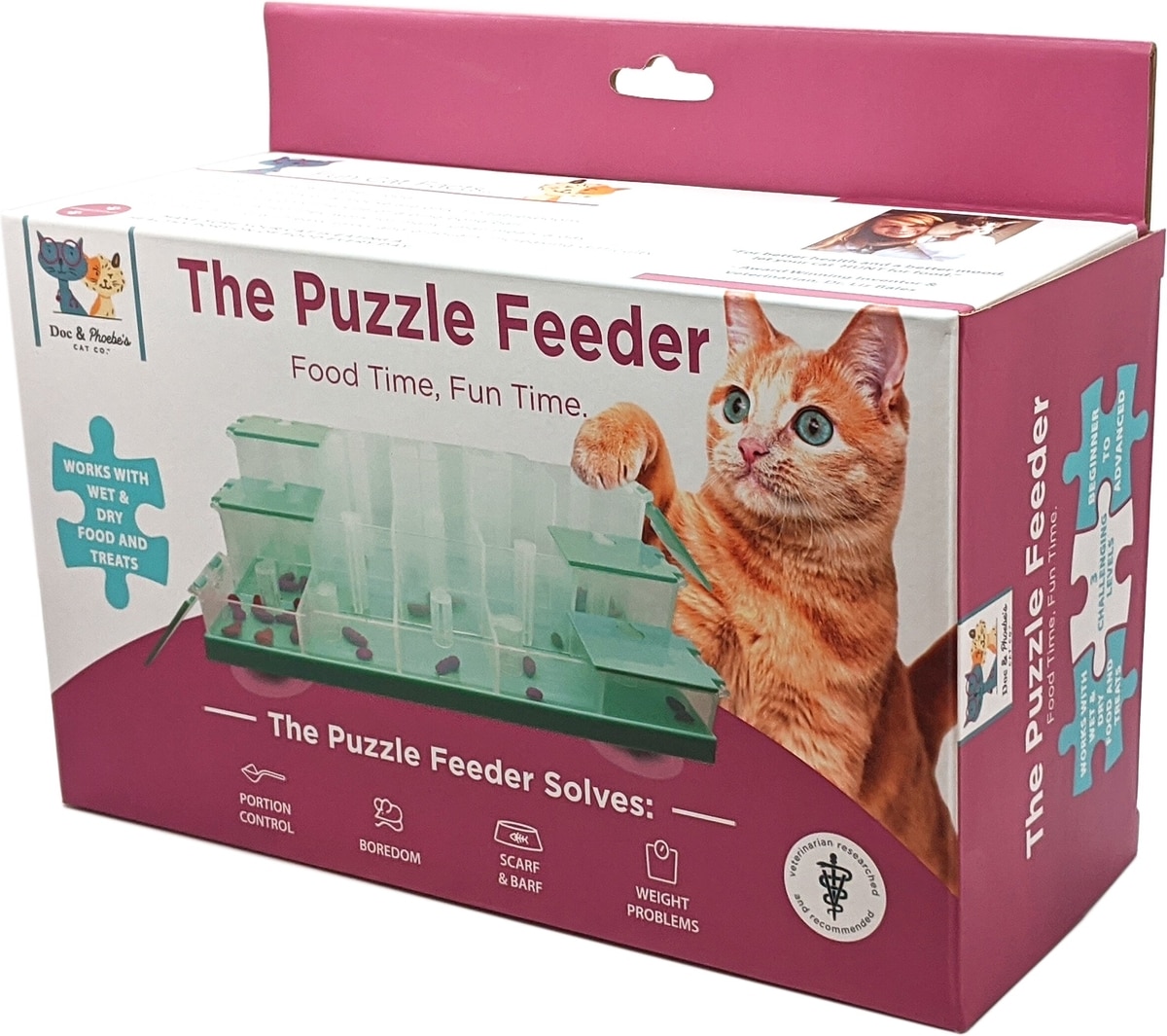
- Food puzzle — 5-15 dollars. The Doc and Phoebe’s No Bowl system (10-15 dollars) is the most popular. Or use a Kong for cats (5-8 dollars) stuffed with wet food and frozen. Doc & Phoebe’s Puzzle Feeder for Cats — about $12. KONG Kitty Classic Cat Toys 2-Pack — about $8.
- DIY food puzzles — Free. Cut holes in a yogurt container, put kibble inside, and let your cat bat it around. Muffin tin: put kibble in the cups and cover with tennis balls. Egg carton: put kibble in the compartments and close the lid.
- Scatter feeding — Free. Instead of a bowl, scatter dry food around the room or on a cat tree. Your cat “hunts” for each piece. This extends mealtime from 2 minutes to 20-30 minutes.
- Toilet paper roll feeder — Free. Stuff kibble in a toilet paper roll and fold the ends. Your cat shreds the roll to get the food.
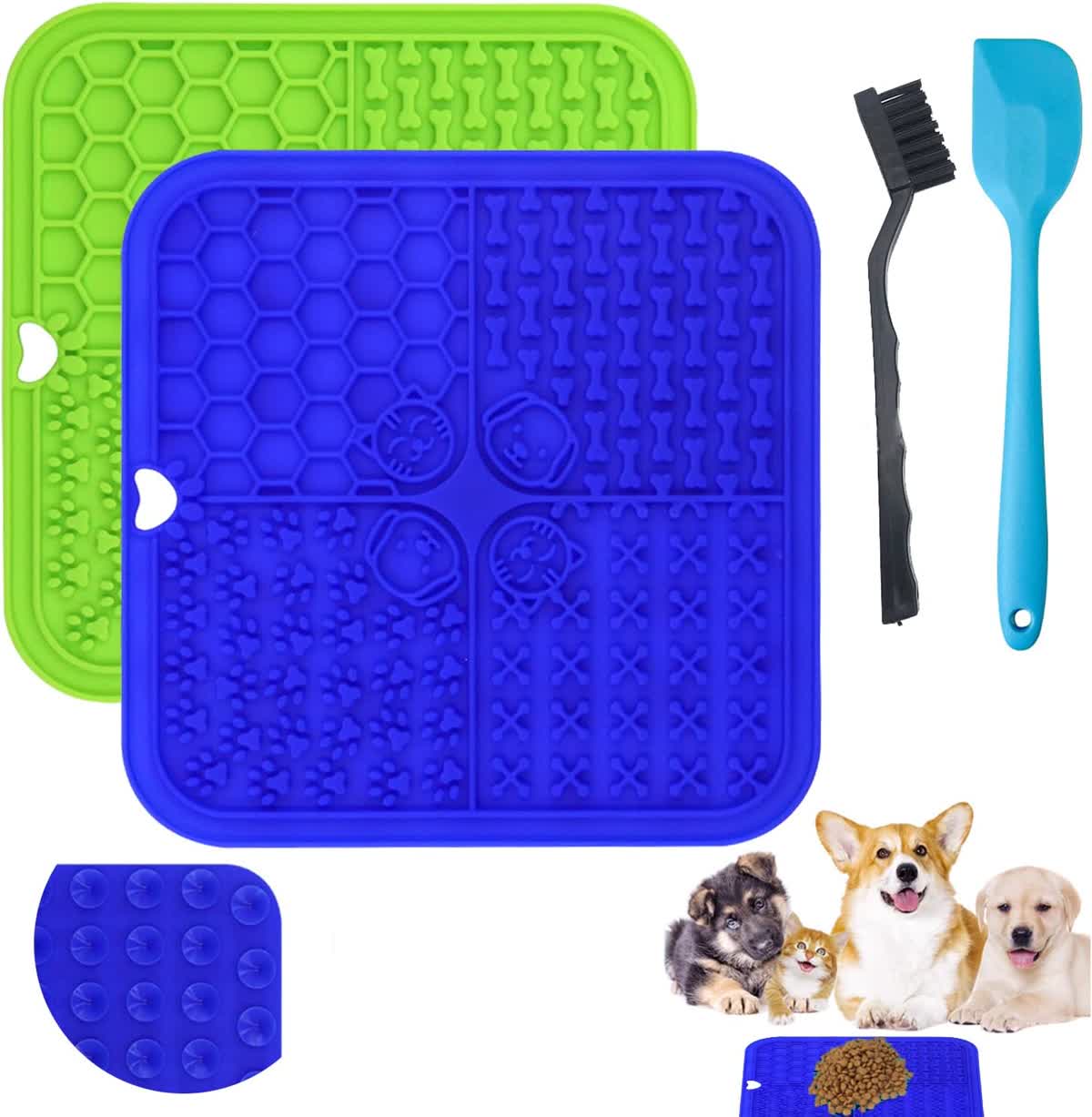
- Lick mat — 5-8 dollars. Spread wet food on a silicone lick mat and freeze. Takes 15-20 minutes to consume. Good for cats that eat too fast. DOTOTO Silicone Lick Mat 2-Pack with Suction Cups — about $7.
5. Sensory Enrichment (Free to 5 Dollars)
- Window access — Free. A window with a view of birds, squirrels, or street activity is hours of entertainment. Keep windows closed but blinds open.
- Bird feeder outside a window — 5-15 dollars. Hang a bird feeder outside a window your cat can access. This is “cat TV” — hours of safe entertainment. Avoid placing it where birds could be in danger from outdoor cats.
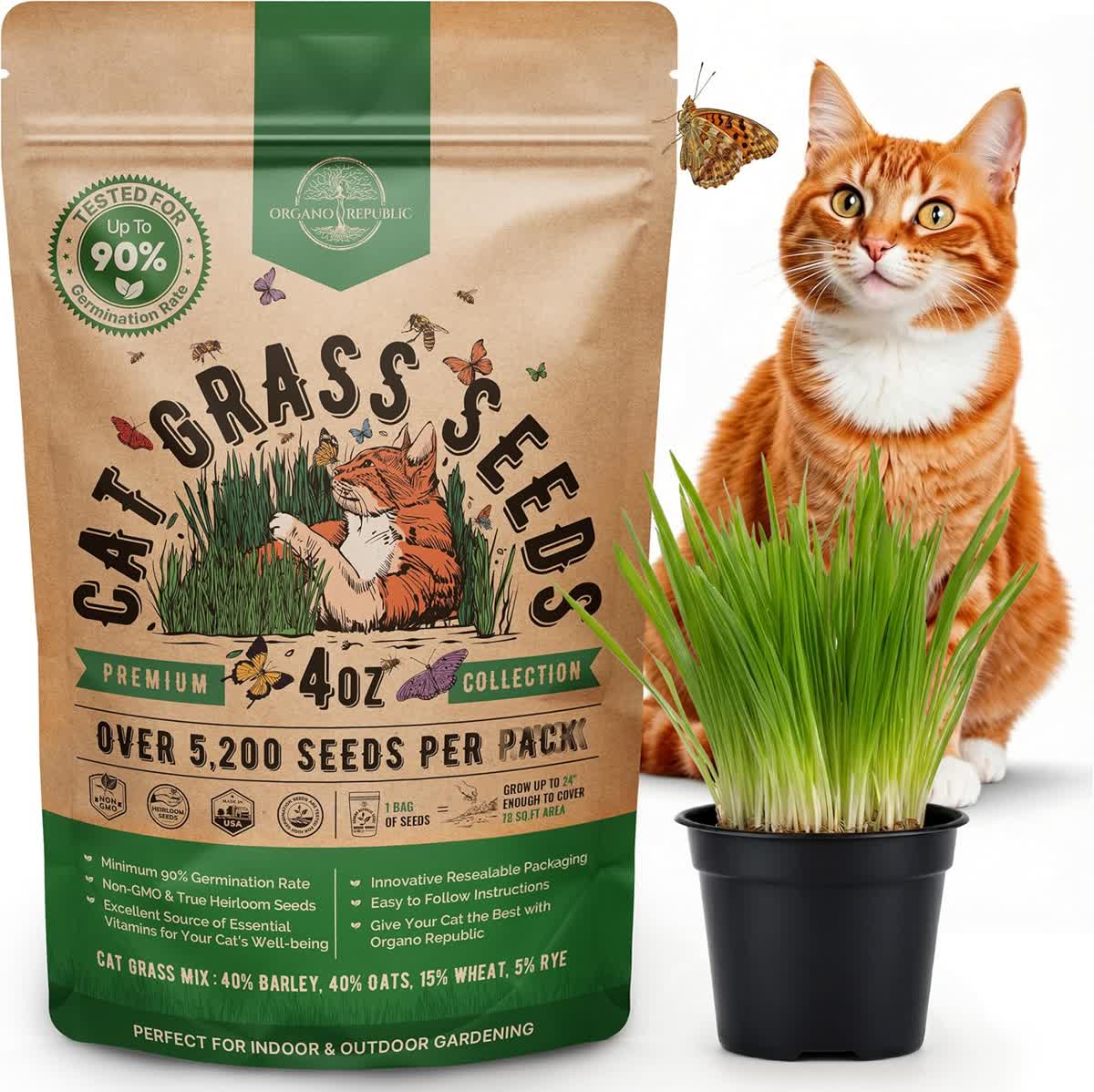
- Cat grass — 2-5 dollars. Grow oat, wheat, or rye grass in a small pot. Cats eat grass for digestion and nutrients. It also gives them something to chew besides houseplants (many of which are toxic to cats). Cat Grass Seeds Mix — 5,200 Non-GMO Heirloom Seeds — about $5.
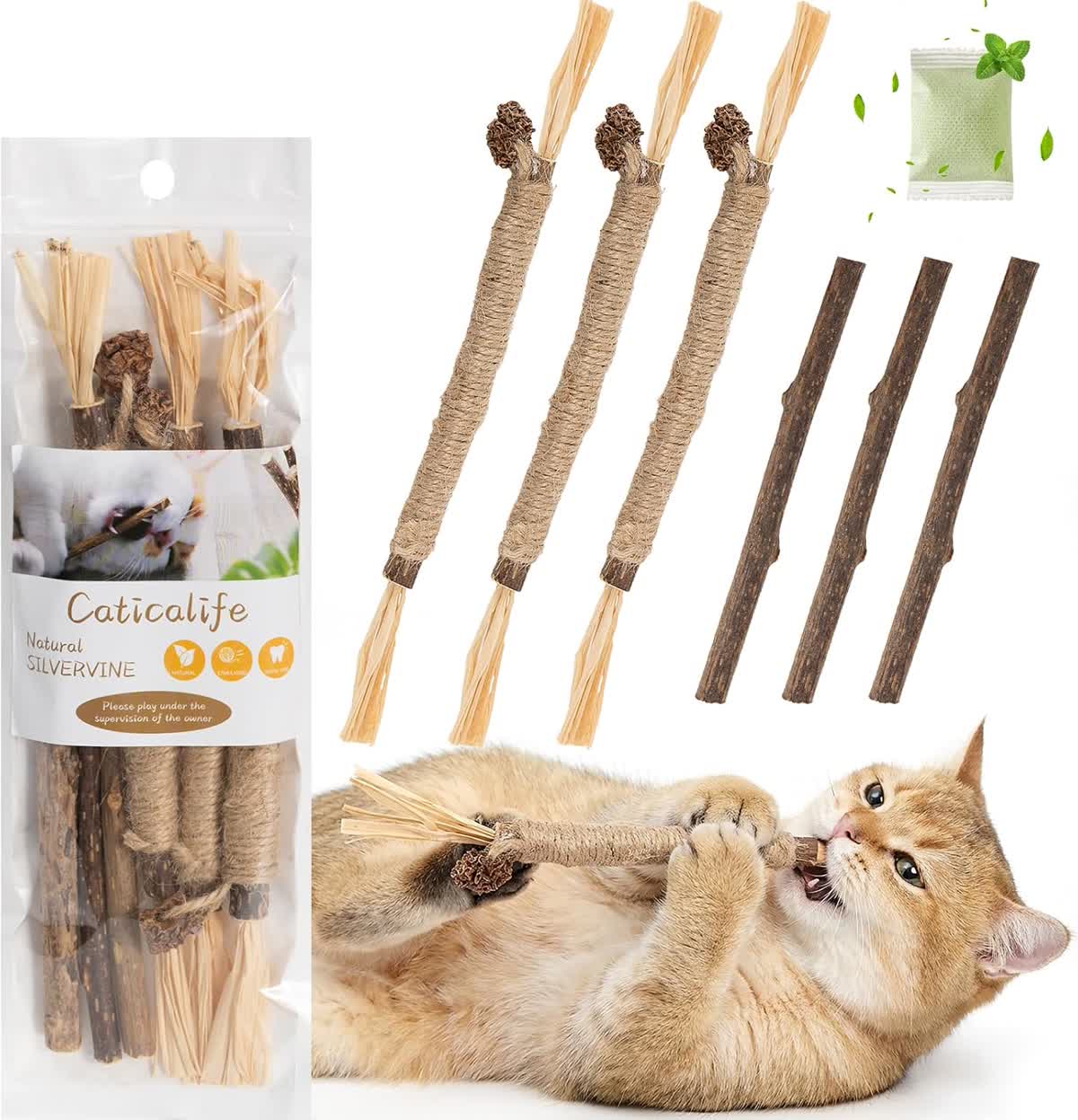
- Catnip and silvervine — 3-5 dollars. Not all cats respond to catnip (30-40 percent do not). Silvervine is an alternative that affects 80-90 percent of cats. Both provide 10-15 minutes of intense rolling, rubbing, and play. Give 1-2 times per week (not daily — it loses effectiveness). Catnip and Silvervine Chew Toy for Cats — about $5.
- Audiobooks or talk radio — Free. Some cats enjoy hearing human voices when left alone. Leave a talk show or audiobook playing at low volume.
- Fresh air — Free (with precautions). Open a window with a secure screen so your cat can smell outdoor air. Never leave a window open without a secure screen — cats can fall (high-rise syndrome is a common emergency in apartments).
The Multi-Cat Household: Reducing Conflict
Homes with multiple cats need extra enrichment to prevent territorial conflicts:
- Multiple litter boxes — Rule: one box per cat plus one extra. Two cats = 3 boxes, three cats = 4 boxes. Place boxes in different locations (not all in one room).
- Multiple feeding stations — Separate food and water bowls in different locations. Cats are solitary eaters and eating together causes stress.
- Multiple vertical spaces — Each cat needs their own high perch. Cats that cannot escape to a high spot become stressed and aggressive.
- Multiple scratching posts — At least one per cat, in different locations.
The Monthly Cost Breakdown
| Category | One-Time Cost | Monthly Cost |
|---|---|---|
| Vertical space (shelves, perch) | 10-25 dollars | 0 |
| Toys (wand, laser, DIY) | 2-10 dollars | 1-3 dollars (replacements) |
| Scratching surfaces | 5-15 dollars | 2-5 dollars (replacements) |
| Food puzzles | 0-10 dollars | 0 |
| Sensory (cat grass, catnip) | 0-5 dollars | 2-5 dollars |
| Total | 17-65 dollars (one-time) | 5-13 dollars |
The Bottom Line
Indoor cat enrichment costs 17-65 dollars in one-time supplies and 5-13 dollars per month. The 5 categories: (1) Vertical space — clear the tops of bookshelves, install floating shelves (5-10 dollars each), or add a window perch (10-15 dollars). Cats need height to feel safe and survey territory. (2) Hunting and play — a 3-dollar feather wand toy used for 15 minutes daily satisfies the hunting instinct. Structure play as stalk, chase, catch, and reward with food. (3) Scratching — provide cardboard scratchers (5-8 dollars) or a sisal post at least 30 inches tall (8-15 dollars). Place near sleeping spots and where your cat already scratches. Never punish scratching — redirect to the post. (4) Food enrichment — scatter kibble around the room instead of a bowl (free), use DIY food puzzles from yogurt containers and toilet paper rolls (free), or buy a Kong for cats (5-8 dollars). Extends mealtime from 2 minutes to 20-30 minutes. (5) Sensory — window access (free), bird feeder outside a window (5-15 dollars of “cat TV”), cat grass (2-5 dollars), and catnip or silvervine (3-5 dollars, 1-2 times per week). For multi-cat homes: one litter box per cat plus one extra, separate feeding stations, and multiple vertical perches to prevent territorial conflicts. The 5-13 dollar monthly cost and 15 minutes of daily play prevent the behavioral problems (scratching furniture, aggression, nighttime activity, overeating) that lead owners to surrender cats to shelters. A bored cat is a destructive cat — an enriched cat is a happy companion for 12-15 years.
ThriftyPaw is reader-supported. As an Amazon Associate, we earn from qualifying purchases. This means we may earn a small commission when you buy through links on this site at no additional cost to you. We only recommend products we genuinely believe in.
Last updated: July 2026 | By ThriftyPaw | Prices and availability subject to change
🐾 Get Your Free Big Dog First Aid Kit Checklist
Join our newsletter and get this free printable plus weekly tips.
Price Check
Prices verified via our product tracker. Updated Sep 27.
| Amazon Basics Multi-Platform Cat Tree with Scratching Post | $32.99 | 4.5★ (8,910) |
| K&H Cat Window Perch, Unheated Kitty Sill, 24x14in, Fleece | $45.36 | 4.5★ (11,923) |
| Cat Wand Toys 6 PCS Colorful Feather Wand with Bell Intera | $8.99 | 4.3★ (2,023) |
| TIMHAKA Cat Scratching Board, Corrugate Cat Scratcher for | $9.99 | 4.4★ (5,153) |
| Dimaka 29'' Cat Scratching Post, Natural Sisal Rope Scratc | $19.99 | 4.5★ (7,197) |
| SPOT Doc and Phoebe's Cat Hunting Feeder - Interactive Ind | $15.99 | 4.0★ (5,162) |
| KONG Kitty Classic Cat Toys – 2 Pack – Fillable Treat-Disp | $14.99 | 4.0★ (2,026) |
| Lick Mat for Dogs, Slow Feeder with Suction Cups for Dog A | $5.99 | 4.5★ (749) |
| Cat Grass Seeds Mix - 5,200 Non-GMO Heirloom Seeds for Cat | $12.49 | 4.5★ (1,279) |
| Bissap 10 PCS Silvervine Chew Sticks for Cats, Catnip Chew | $8.98 | 4.3★ (1,402) |
As an Amazon Associate we earn from qualifying purchases.