
This article contains affiliate links. We may earn a commission from qualifying purchases.
Some content on this site is AI-assisted and reviewed by our editorial team.
Cat obesity affects 60 percent of indoor cats — and it is even more dangerous for cats than for dogs. An obese cat is 4 times more likely to develop diabetes, 3 times more likely to develop lameness, and 2 times more likely to develop skin problems. The average lifespan of an obese cat is 2-4 years shorter than a cat at ideal weight. But cat weight loss is tricky — cats that lose weight too fast can develop fatty liver disease (hepatic lipidosis), which is fatal in 30-50 percent of cases. The safe weight loss program costs 0-5 dollars per month and takes 4-8 months. This guide covers how to tell if your cat is overweight, the safe weight loss formula, how to transition to a weight loss diet, and how to prevent the deadly complication of fatty liver disease.
Is Your Cat Overweight? The 3-Second Check
Use the same Body Condition Score system as for dogs, adapted for cats:
Rib Test
Place your hands on your cat’s ribcage and press gently:
- Ideal weight: Ribs are easily felt with light pressure, not visible. There is a thin layer of fat over the ribs.
- Overweight: Ribs are felt only with firm pressure. Excess fat covers the ribcage.
- Obese: Ribs cannot be felt at all. The ribcage is buried under a thick fat layer.
Top View Test
Look at your cat from directly above while standing:
- Ideal weight: Visible waist behind the ribs — the body curves inward
- Overweight: Waist is barely visible — the body is straight with no inward curve
- Obese: No waist — the body is wider than the ribcage, round or oval shaped
Side View Test
Look at your cat from the side:
- Ideal weight: Abdomen tucks up behind the ribs (belly does not hang)
- Overweight: Abdomen is level with the ribs (minimal tuck)
- Obese: Abdomen hangs below the ribs — the “primordial pouch” is exaggerated with fat, and there is a visible belly sag
Note: Cats have a natural “primordial pouch” — a flap of loose skin and fat on the belly that all cats have, even at ideal weight. This is normal. In an obese cat, the pouch is much larger and the entire belly is rounded with fat, not just the pouch.
The Safe Weight Loss Formula (Free)
Cat weight loss must be gradual — losing more than 1-2 percent of body weight per week can cause fatty liver disease. The formula:
Current food amount minus 15-20 percent = weight loss food amount
Why 15-20 percent and not more? Cats are uniquely sensitive to rapid weight loss. When a cat stops eating or loses weight too fast, fat is mobilized to the liver for energy. The liver cannot process this much fat, and the cells become clogged — causing liver failure. This is hepatic lipidosis, and it is fatal in 30-50 percent of cases.
Example Portions
| Cat Weight | Current Daily Food | Reduced Food (20% less) |
|---|---|---|
| 8 lbs (ideal: 8-9 lbs) | 1/2 cup dry or 1 can wet | Scant 1/2 cup or 3/4 can |
| 12 lbs (ideal: 9-10 lbs) | 3/4 cup dry or 1.5 cans wet | 1/2 cup + 1 tbsp or 1 can + 2 tbsp |
| 16 lbs (ideal: 10-11 lbs) | 1 cup dry or 2 cans wet | 3/4 cup or 1.5 cans |
| 20 lbs (ideal: 11-12 lbs) | 1.25 cups dry or 2.5 cans wet | 1 cup or 2 cans |
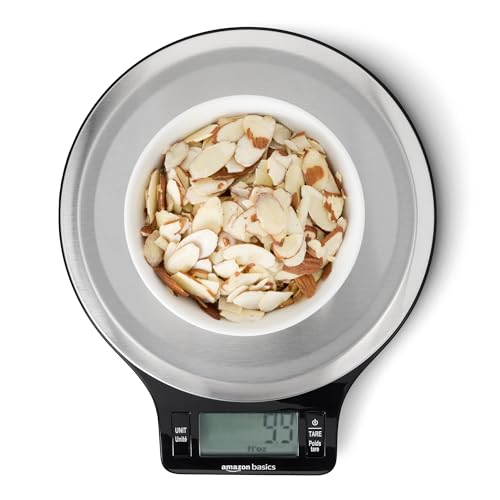
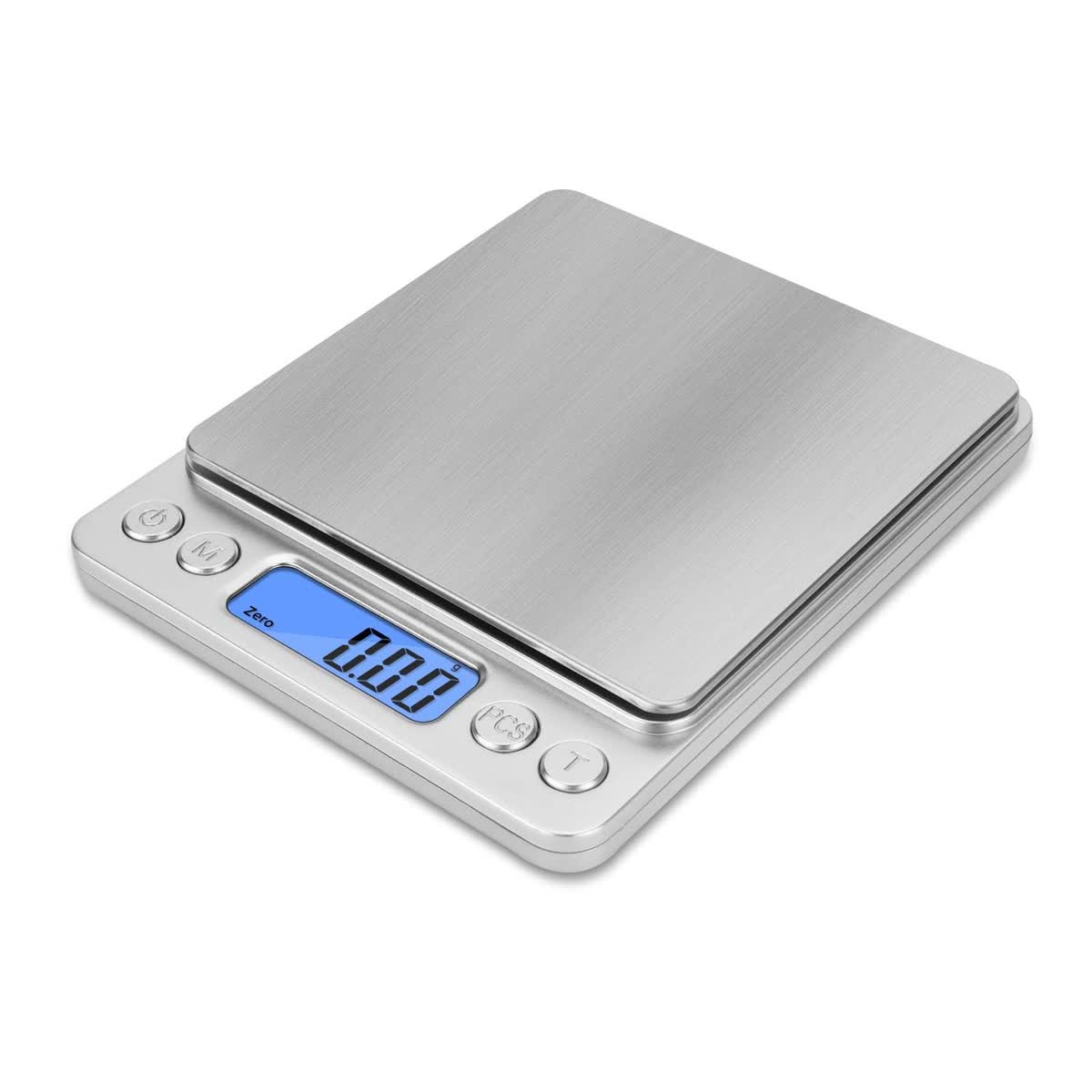
Use a digital kitchen scale — about 8 dollars — or a measuring spoon, not “eyeballing.” Precision is critical for cats because their daily food amount is small, and a small measurement error is a large percentage of the total.
The Wet Food Advantage
Wet food is significantly better for cat weight loss than dry food, for three reasons:
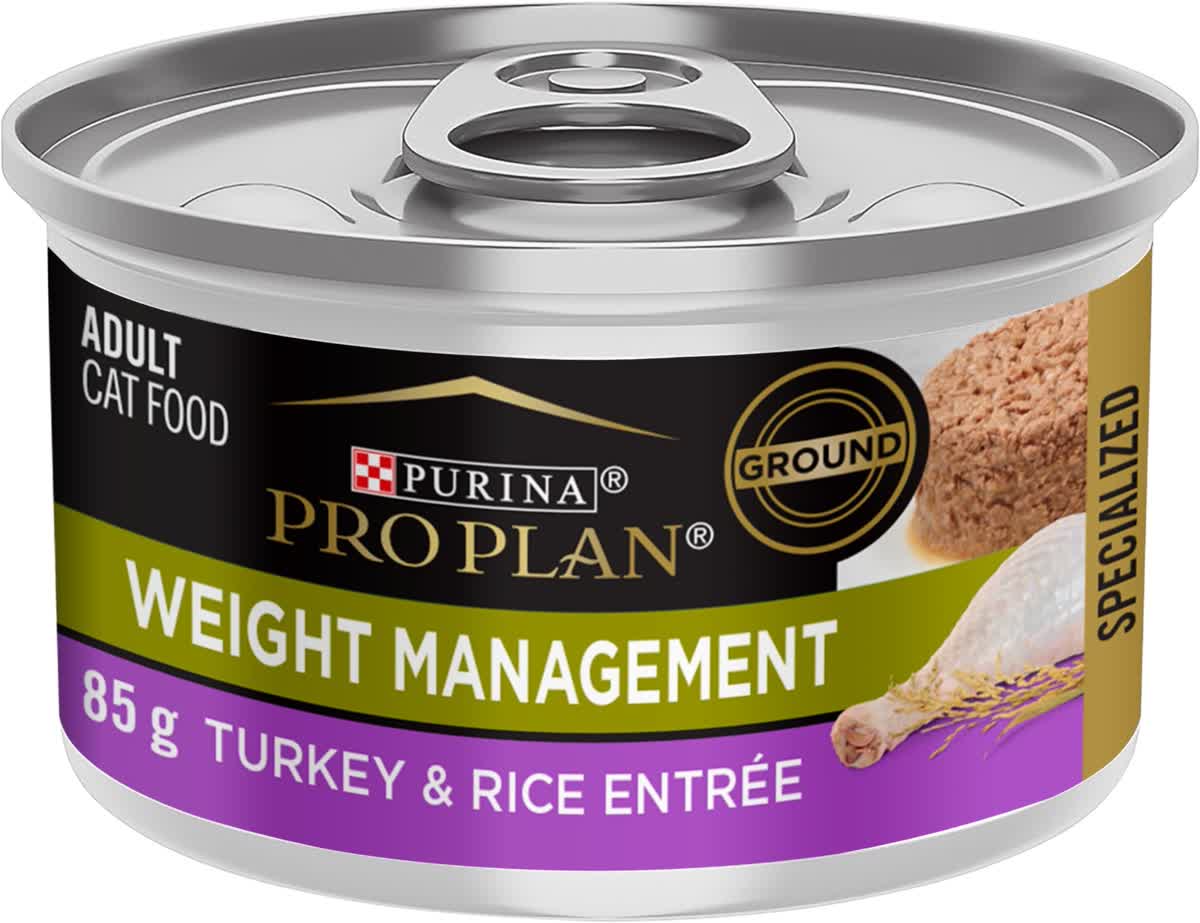
- Lower calorie density — Wet food is 70-80 percent water, so a can of wet food has fewer calories than the same volume of dry food. Your cat feels just as full on fewer calories. A weight management formula like Purina Pro Plan Weight Management Turkey and Rice — about 2 dollars per can — provides balanced nutrition with fewer calories.
- Higher protein — Wet food typically has higher protein and lower carbohydrate than dry food. High-protein diets preserve muscle mass during weight loss and are more satiating.
- Increases water intake — The water in wet food increases urine output, which protects against urinary problems (see the urinary health guide). Weight loss and urinary health in one change.
If your cat currently eats dry food, transition to wet food over 7-10 days:
| Days | Dry Food | Wet Food |
|---|---|---|
| 1-3 | 75% | 25% |
| 4-6 | 50% | 50% |
| 7-9 | 25% | 75% |
| 10+ | 0% | 100% |
If your cat refuses wet food (some cats are addicted to dry kibble), you can still achieve weight loss with dry food — just reduce the amount by 20 percent and add water to increase volume and fullness.
The Feeding Schedule (Free)
Free-feeding (leaving food out all day) is the primary cause of cat obesity. Cats are not grazers — in nature, they hunt, catch, eat, and then fast until the next hunt. Meals are better than free-feeding:
- Feed 2-4 measured meals per day — Divide the daily food allowance into small meals. Two meals (morning and evening) is the minimum. Three to four is better for weight loss because it prevents hunger between meals.
- Use a measuring cup or scale for every meal — Do not “eyeball” portions. A 10-percent measurement error can eliminate the calorie deficit.
- Remove food after 20-30 minutes — Do not leave food out between meals. If your cat does not finish, pick it up.
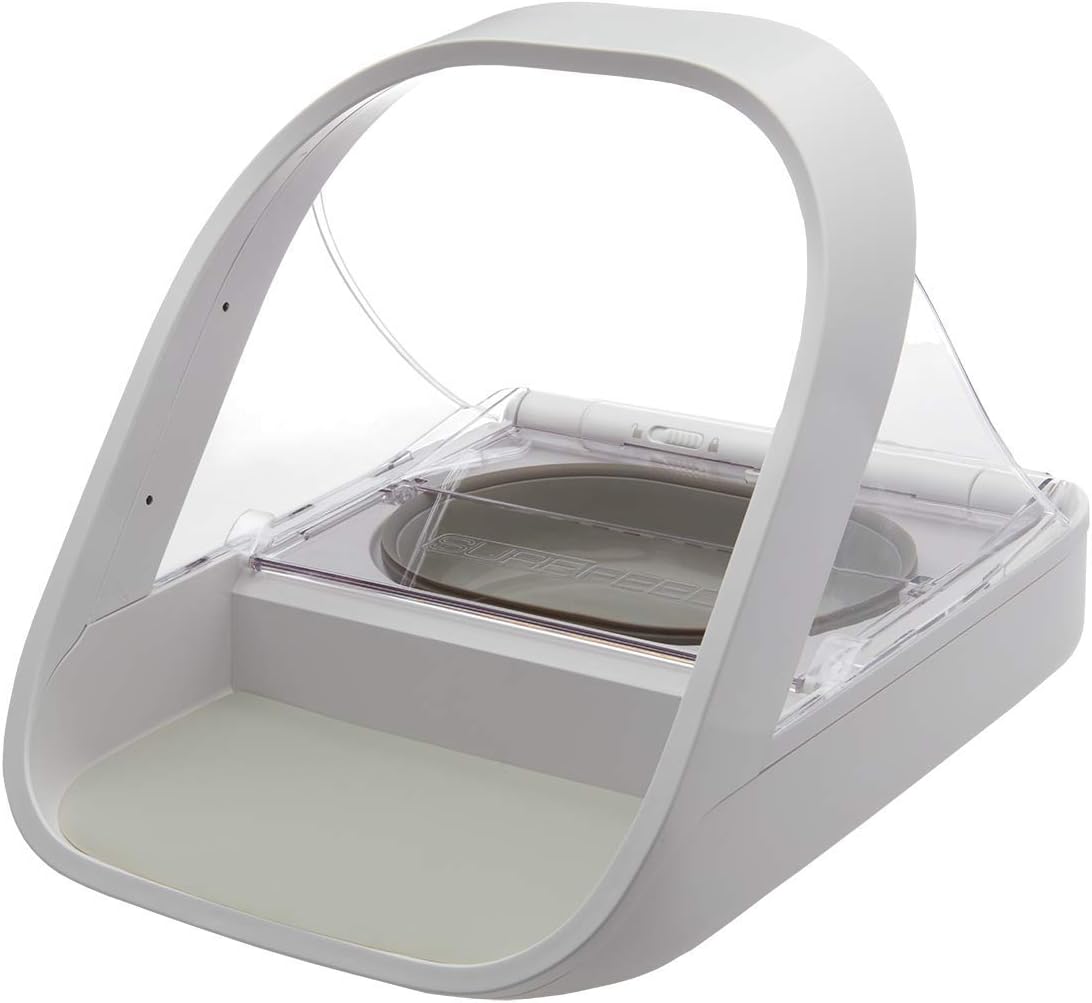
- Feed cats separately in multi-cat households — In homes with multiple cats, one cat often eats the others’ food. Feed in separate rooms or use a SureFeed Microchip Pet Feeder — about 150 dollars — that only opens for the right cat.
The Hidden Calories
Treats and “just a piece” of human food add up quickly for cats, who need far fewer calories than dogs:
| Treat | Calories | % of 8-lb cat’s daily calories |
|---|---|---|
| Temptations treat (1 piece) | 2 calories | 1% |
| Temptations treat (handful, 10 pieces) | 20 calories | 10% |
| 1 tablespoon tuna | 15 calories | 8% |
| 1 tablespoon milk | 8 calories | 4% |
| 1 piece of cheese (1 oz) | 100 calories | 50%+ |
| 1/4 can wet food (as “treat”) | 10-15 calories | 5-8% |
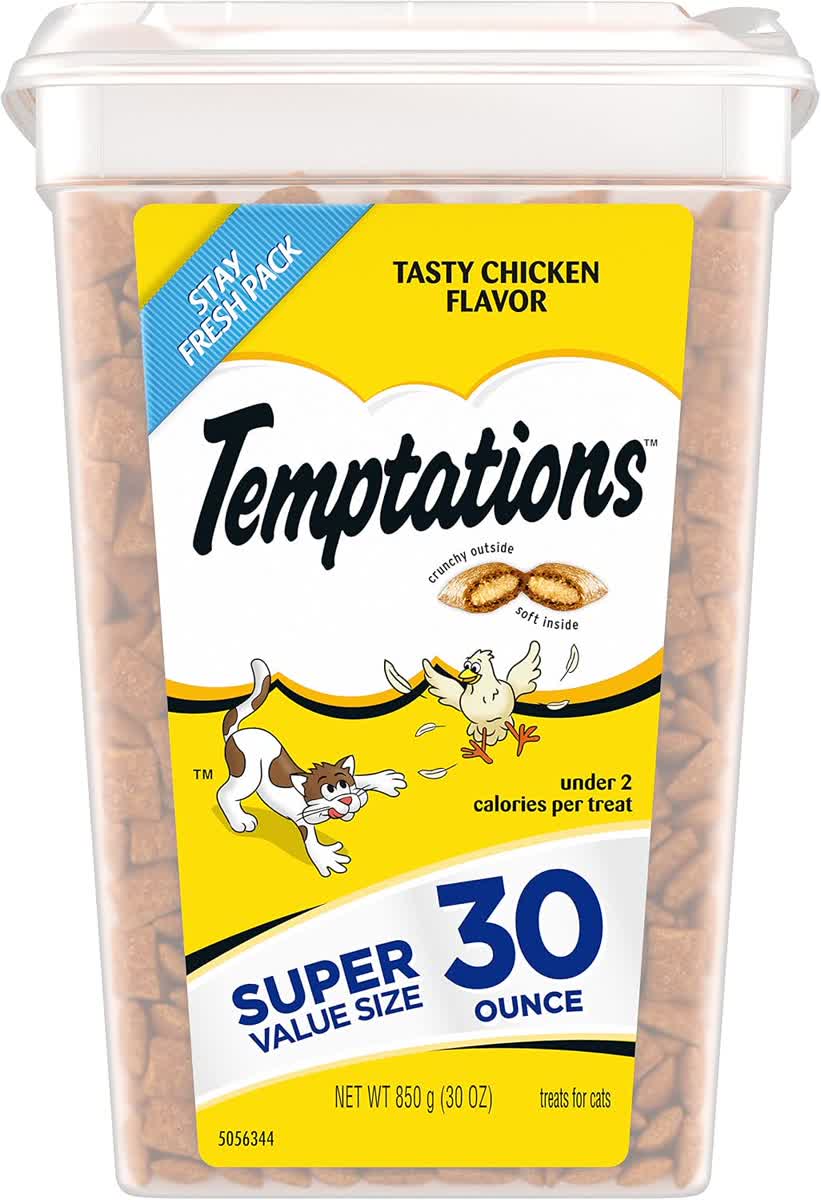
An 8-pound cat needs approximately 180-200 calories per day. A handful of Temptations — about 10 dollars for a 30 oz tub — is 20 calories, which is 10 percent of the daily total. A piece of cheese (100 calories) is half the daily total. Treats should be no more than 10 percent of daily calories — for most cats, that is 5-6 small treats per day.
Budget low-calorie treats:
- A piece of the daily kibble — Set aside a few pieces of kibble from the measured daily portion. Zero extra calories.
- Plain cooked chicken (small shred) — 1-2 calories per small piece. High protein, low calorie.
- Frozen pea — 1 calorie. Some cats bat them around and eat them.
Exercise for Indoor Cats (Free)
Cats need exercise for weight loss, but you cannot “walk” a cat the way you walk a dog. Cat exercise comes through play:
| Activity | Calories Burned (10 min) | Cost |
|---|---|---|
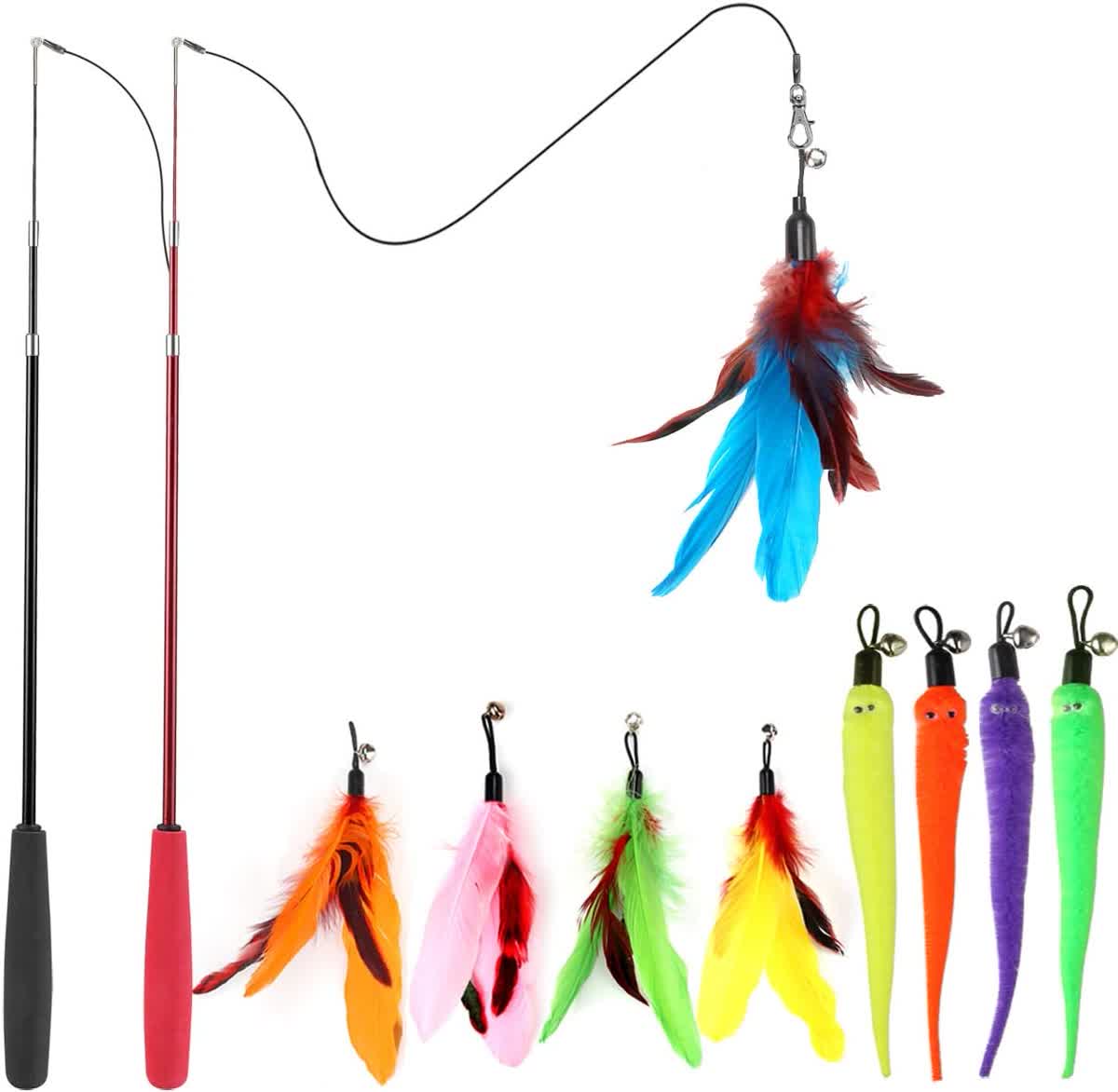
| Wand toy play (active chasing) | 10-20 | 3-5 dollars (wand toy) |
| Laser pointer play | 10-20 | 2-4 dollars |
| Fetch (some cats play fetch) | 5-15 | Free |
| Stair climbing (throw toy up stairs) | 15-25 | Free |
| Food puzzle (batting to get food) | 5-10 | Free (DIY) |

Target: 15-20 minutes of active play per day, split into 2-3 sessions. See the indoor cat enrichment guide for the play routine (stalk, chase, catch, reward).
Tracking Progress
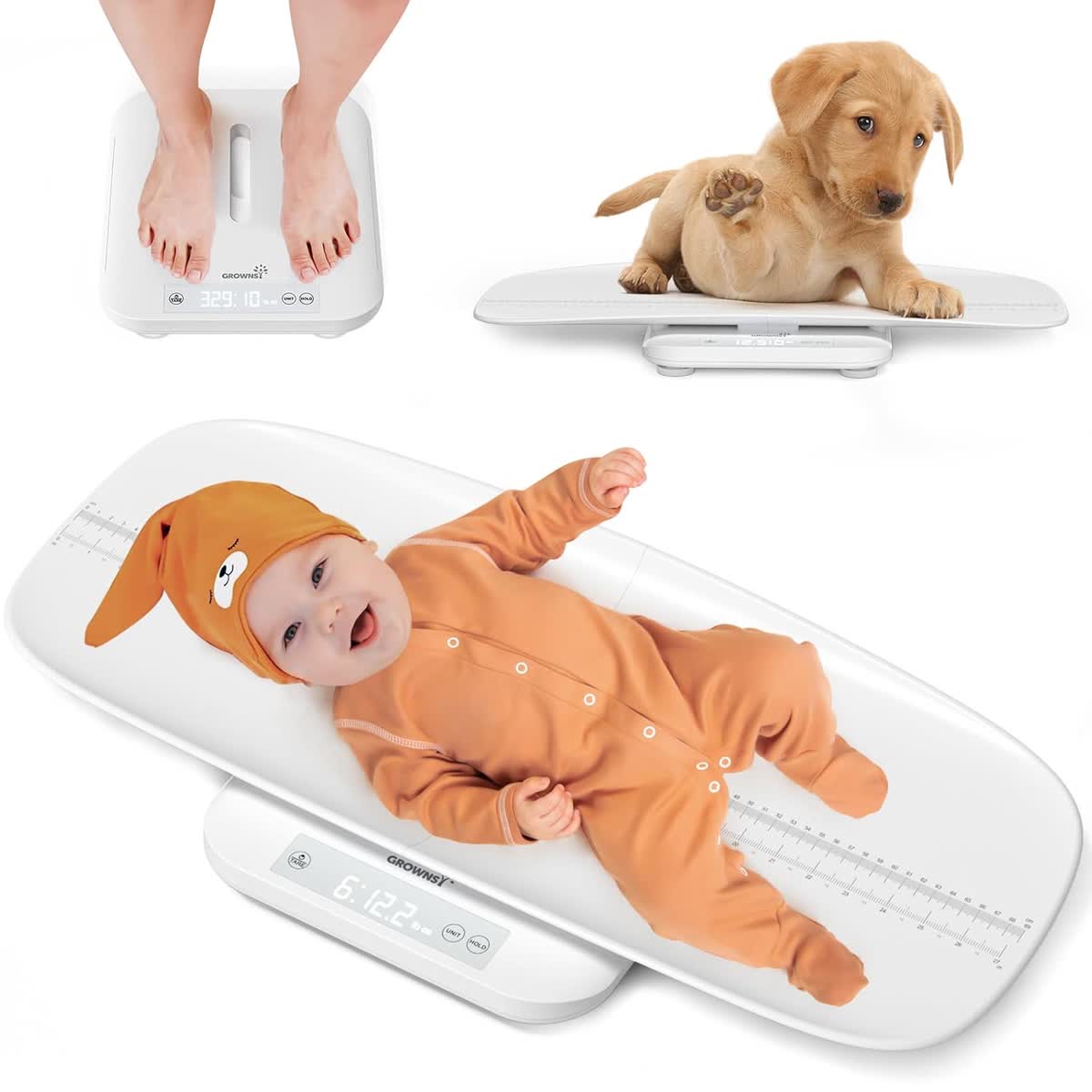
Weigh your cat every 2 weeks. Use a baby and pet scale — about 40 dollars — for accuracy, or weigh yourself holding your cat and subtract. Target: 0.5-1 percent of body weight per week. For a 16-pound cat, that is 0.08-0.16 pounds per week — about 1-1.5 pounds per month.
If your cat is losing more than 2 percent per week, increase food immediately — rapid weight loss causes fatty liver disease.
If your cat is not losing weight after 4 weeks:
- Check for hidden calories (other family members, other cats’ food)
- Measure more precisely (use a kitchen scale)
- Reduce food by another 5-10 percent (no more than 30 percent total reduction)
- Increase play to 20-30 minutes per day
- See the vet if weight loss still is not happening — hypothyroidism (rare in cats but possible) or other medical conditions may be at play
The Bottom Line
Cat obesity affects 60 percent of indoor cats, shortens lifespan by 2-4 years, and increases diabetes risk 4-fold. The safe weight loss program costs 0-5 dollars per month: reduce current food by 15-20 percent (not more — rapid weight loss in cats causes fatal fatty liver disease), measure every meal with a kitchen scale (about 8 dollars), feed 2-4 measured meals instead of free-feeding, and remove food after 20-30 minutes. Switch to wet food if possible (70-80 percent water means fewer calories per volume, higher protein preserves muscle, and it protects urinary health). An 8-pound cat needs only 180-200 calories per day — a handful of Temptations treats (20 calories) is 10 percent of the daily total. Limit treats to 5-6 small pieces per day, and use pieces of daily kibble as zero-calorie treats. Exercise: 15-20 minutes of active play per day with a 3-dollar wand toy (see the indoor cat enrichment guide for the play routine). Weigh every 2 weeks — target 0.5-1 percent body weight loss per week. If losing more than 2 percent per week, increase food immediately (fatty liver risk). If not losing after 4 weeks, check for hidden calories, measure more precisely, reduce food by another 5-10 percent, or see the vet. The program takes 4-8 months — do not rush. The 0-dollar food reduction plus a 3-dollar wand toy and 15 minutes of daily play adds 2-4 quality years to your cat’s life and prevents the 30-80 dollars/month cost of diabetes treatment (insulin, monitoring, vet visits). Start today — feel your cat’s ribs. If you cannot, start the program.
Last updated: July 2026 | By ThriftyPaw | Prices and availability subject to change
🐾 Get Your Free Big Dog First Aid Kit Checklist
Join our newsletter and get this free printable plus weekly tips.
Price Check
Prices verified via our product tracker. Updated Sep 27.
| Amazon Basics Digital Kitchen Scale with LCD Display, Tare | $9.89 | 4.7★ (119,091) |
| Purina Pro Plan Weight Management Wet Dog Food, Turkey & R | $37.44 | 4.6★ (2,546) |
| Pet Supplies : Sure Petcare -SureFlap - SureFeed - Microch | $199.00 | 4.2★ (13,280) |
| Temptations Classic Crunchy and Soft Cat Treats, Tasty Chi | $8.48 | 4.8★ (73,394) |
| MOOLIGIRL Vibrator Wand Dual-Ended Dildo, Adult Women G Sp | $13.99 | 4.3★ (220) |
| HITEKK High Power Green Laser Pointer | Tactical Long Rang | $25.99 | 4.2★ (1,286) |
| GROWNSY Digital Baby Scale & Pet Scale Up to 330 lbs, Gray | $45.99 | 4.6★ (241) |
As an Amazon Associate we earn from qualifying purchases.