This article contains affiliate links. We may earn a commission from qualifying purchases.
Some content on this site is AI-assisted and reviewed by our editorial team.
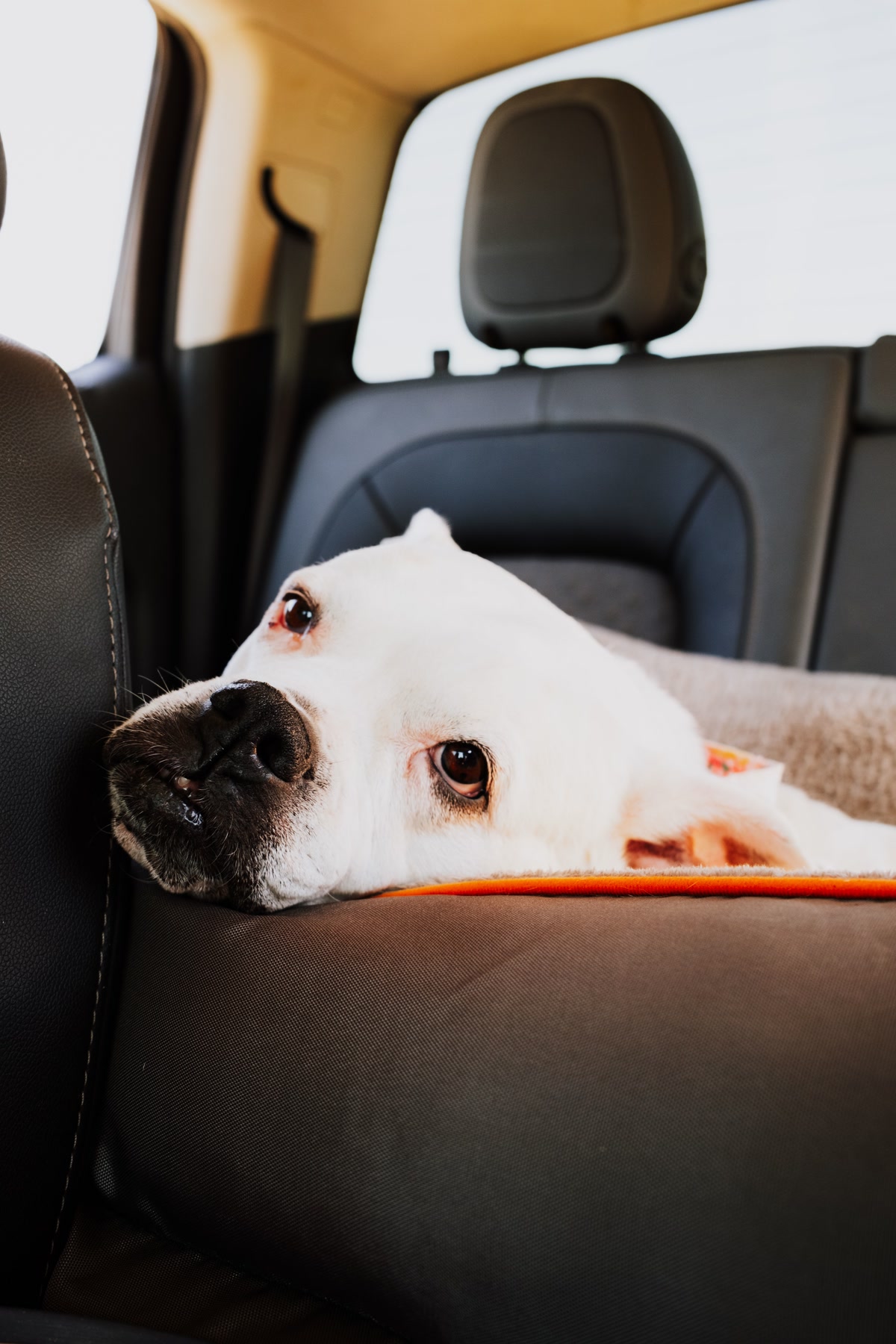
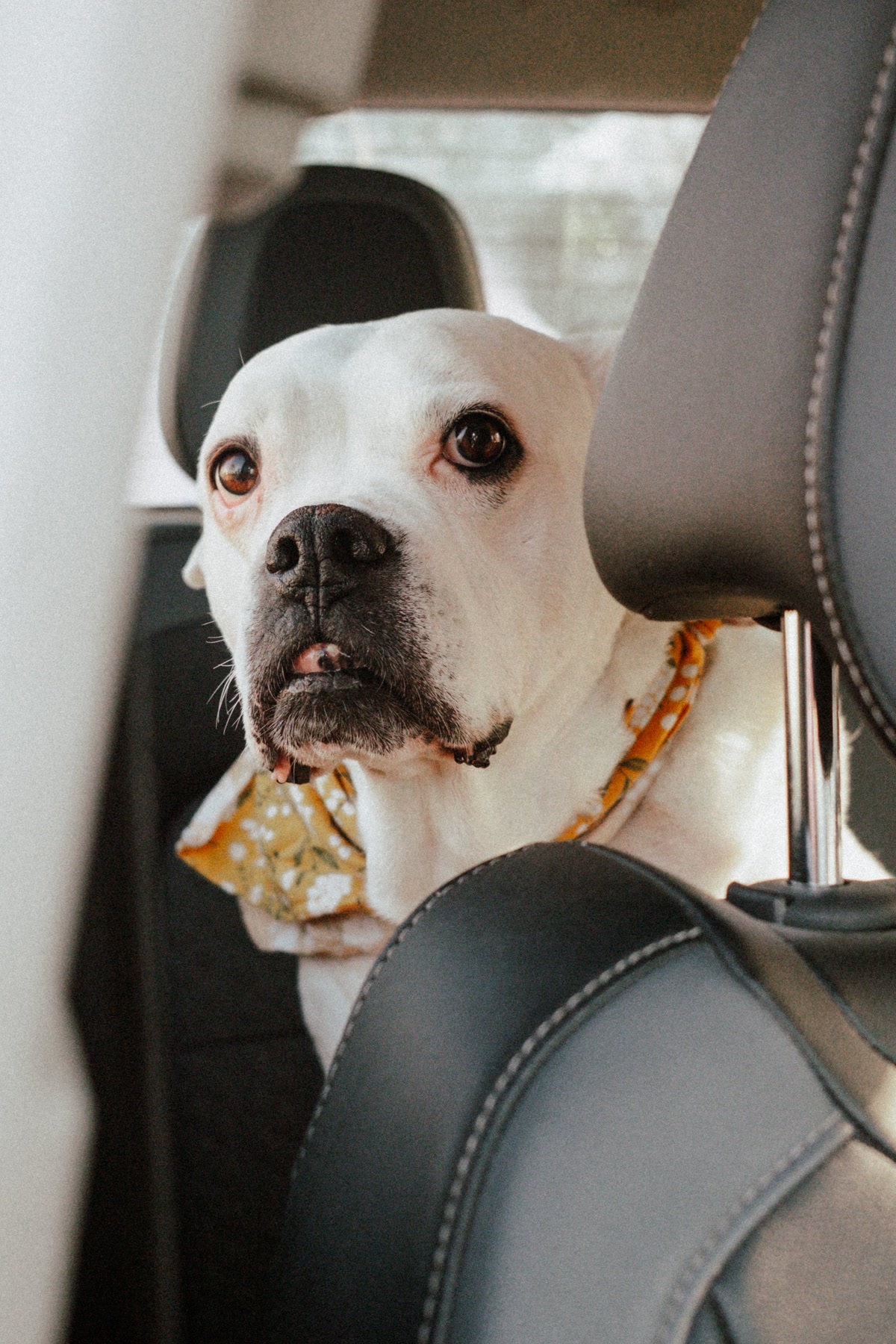
If your dog drools, pants, whines, or vomits every time you put them in the car, you are not alone. Motion sickness affects up to 48 percent of dogs, and it makes vet visits, road trips, and even short drives miserable for everyone. The good news is that most dogs outgrow it, and the ones who do not can be treated for under 20 Dollars. Here is the complete budget guide to managing dog car sickness.
Why Dogs Get Car Sick
Car sickness in dogs has two causes: physical and psychological.
Physical Motion Sickness
The same mechanism that causes motion sickness in humans affects dogs. The inner ear senses movement, but the eyes see a stationary interior. This sensory conflict triggers nausea. Puppies are especially prone because their inner ear structures are not fully developed until about 12 months.
Psychological Car Anxiety
Many dogs associate the car with vet visits or being separated from their owner. The anxiety itself causes drooling, panting, and vomiting — it is not motion sickness at all but a stress response. These dogs often get sick even on a 5-minute drive.
Figuring out which type your dog has determines the Treatment. If your dog is calm and happy in a parked car but sick when it moves, it is physical. If your dog panics the moment they see the car, it is psychological.
Free and Low-Cost Solutions (Under 20 Dollars)
1. Gradual Desensitization (Free)
This is the most effective long-term solution, and it costs nothing. The process takes 1-2 weeks:
| Day | Step | Duration |
|---|---|---|
| 1-2 | Sit in parked car with engine off, give treats | 5 minutes |
| 3-4 | Start engine, sit in driveway, give treats | 5 minutes |
| 5-6 | Drive around the block, return home | 2 minutes |
| 7-8 | Drive 5 minutes to a fun destination (park) | 5 minutes |
| 9-10 | Drive 10 minutes, increasing distance | 10 minutes |
| 11-12 | Drive 20 minutes to a fun destination | 20 minutes |
The key is that every car ride ends somewhere positive — a park, a walk, a play session. Never use desensitization trips to go to the vet. Your dog must learn that the car leads to good things.
2. Withhold Food Before Travel (Free)
An empty stomach reduces nausea. Do not feed your dog for 3-4 hours before a car trip. This one change eliminates vomiting in about 30 percent of dogs. Water is fine — just no food.
3. Ginger (Under 5 Dollars)
Ginger is a natural anti-nausea remedy that works for dogs the same way it works for humans. It is safe, inexpensive, and available at any grocery store. For a convenient option, Travel Chews with ginger for dogs combine ginger with chamomile and valerian root for under 25 dollars.
- Ginger snaps — give 1-2 small ginger snap cookies 30 minutes before travel. Most dogs eat them willingly.
- Crystallized ginger — a small piece (pea-sized for small dogs, marble-sized for large dogs) 30 minutes before travel.
- Ginger capsules — open a capsule and sprinkle on food. 100 capsules cost under 5 dollars at any pharmacy.
Do not exceed 1 gram of ginger per day for a medium dog. Consult your vet for small dogs or dogs on medication (ginger can interact with blood thinners).
4. Proper Positioning (Free)
Where your dog sits in the car affects motion sickness:
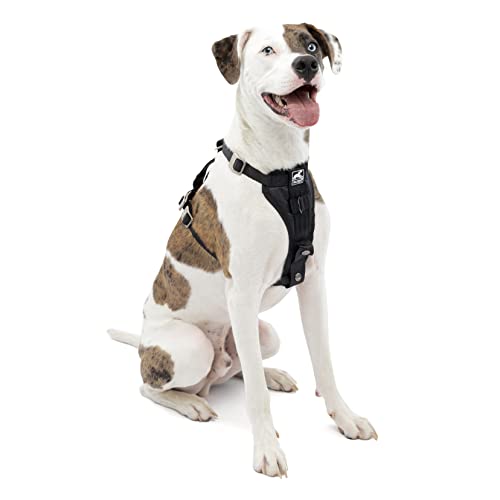
- Front passenger seat — best view of the horizon, least motion. Use a dog seatbelt harness like the EzyDog Zero Shock Seat Belt (under 20 dollars) or the Kurgo Tru-Fit Car Harness (crash-tested, around 35 dollars).
- Front passenger footwell — some dogs do better here because they cannot see movement. Only for short rides.
- Middle rear seat — second best option. The middle seat moves less than the sides.
- Never in the cargo area — maximum motion, no view, worst for sickness.
Letting your dog see out the window helps with the sensory conflict. But do not let them hang their head out the window — wind irritates eyes and can cause debris injuries.
5. Calming Products (Under 15 Dollars)
For dogs whose car sickness is anxiety-related, calming products can help:
- Adaptil spray — synthetic pheromone that mimics the scent nursing mother dogs produce. Spray on a blanket 10 minutes before travel. Under 15 dollars per bottle, lasts months.
- Calming music — play classical music or specifically composed dog-calming tracks (free on YouTube). Studies show dogs’ heart rates drop significantly with classical music in the car.
- ThunderShirt — a snug garment that applies gentle pressure (like swaddling a baby). Under 30 dollars, works for about 60 percent of anxious dogs. Also useful for thunderstorm anxiety.
- Lavender — a few drops on a blanket. One study showed lavender reduced car anxiety signs in dogs by 30 percent.
When to See the Vet (Under 50 Dollars for Medication)
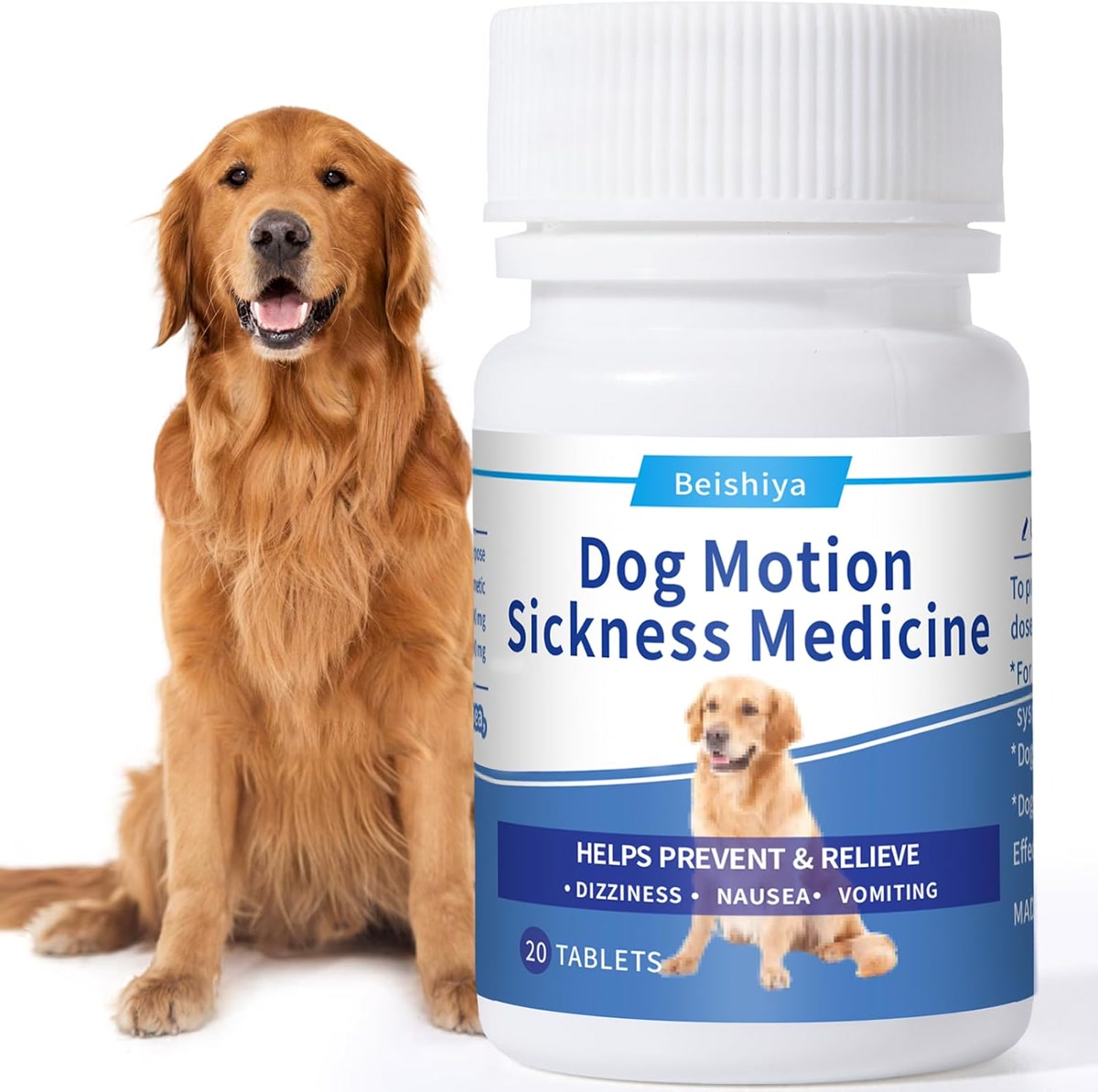
If desensitization and natural remedies are not enough, prescription medication is the next step. Your vet can prescribe anti-nausea medication that costs 15-30 dollars per month.
Prescription Options
| Medication | Cost | How It Works |
|---|---|---|
| Cerenia (maropitant) | 25-35 dollars/month | Specifically for vomiting and nausea in dogs. Most effective prescription option. |
| Dramamine (dimenhydrinate) | 5-10 dollars/month | Over-the-counter human medication. Vet will give dosage by weight. Not all dogs can take it. |
| Benadryl (diphenhydramine) | 5-8 dollars/month | Over-the-counter. Sedates mildly, reduces anxiety-related nausea. Vet must confirm dosage. |
Never give your dog human medication without consulting your vet first. The dosage is very different from human doses, and some human formulations contain xylitol, which is deadly to dogs.
Trazodone for Anxiety
If your dog’s car sickness is primarily anxiety (panic at the sight of the car), your vet may prescribe trazodone. It is a mild sedative that reduces anxiety without making your dog completely drowsy. Cost: 10-15 dollars per month. Trazodone is also commonly prescribed for thunderstorm anxiety and separation anxiety.
Long-Distance Travel Tips
If you are planning a road trip longer than 2 hours:
- Stop every 2 hours — let your dog walk, drink water, and relieve themselves
- Use a travel crate — a secured crate is safer than a loose dog in an accident, and the enclosed space reduces visual motion
- Bring familiar items — a blanket that smells like home, a favorite toy. Familiar scents reduce anxiety.
- Do not feed in the car — feed at rest stops, wait 30 minutes before driving again
- Keep the car cool — warm temperatures make nausea worse. Use AC or crack windows slightly.
Puppies vs Adult Dogs
Most puppies outgrow car sickness by 12 months as their inner ear develops. If your puppy is car sick, focus on desensitization and natural remedies — do not jump to prescription medication unless the vomiting is severe. By adulthood, about 80 percent of puppies who were car sick no longer have issues.
Adult dogs who develop car sickness suddenly (when they never had it before) may have an underlying medical issue. Ear infections, vestibular disease, and neurological problems can cause sudden onset motion sickness. If your adult dog suddenly starts getting car sick, see your vet before treating the symptom.
The Bottom Line
Start with the free solutions — desensitization, withholding food before travel, and proper seating position. Add ginger (5 dollars) and calming products (15 dollars) if needed. Only move to prescription medication if these approaches fail after 2 weeks. Most dogs improve significantly with desensitization alone, and the total cost of managing car sickness at home is under 20 dollars. The key is consistency: short, positive car rides daily are more effective than one long, stressful trip per month.
Last updated: July 2026 | By ThriftyPaw | Prices and availability subject to change
ThriftyPaw is reader-supported. As an Amazon Associate, we earn from qualifying purchases. This means we may earn a small commission when you buy through links on this site at no additional cost to you. We only recommend products we genuinely believe in. Thank you for supporting ThriftyPaw.
My take: Start with the free fixes — empty stomach, gradual desensitization, mid-car positioning — plus $5 of ginger. Most dogs outgrow it. Prescription medication at $15-35 a month is the last resort for the persistent minority, and the desensitization work is what makes it unnecessary.
Related guides
- Flea and Tick Meds Kept Draining My Wallet. These 4 Options Actually Work Under 15 Dollars.
- Budget-Friendly Ways to Handle Dog Separation Anxiety: Back-to-School Season
- How to Choose a Budget-Friendly Dog Breed: 10 Cheapest Breeds to Own (2026)
- Best Budget Dog Ear Cleaning Solutions (Under 15 Dollars — 2026)
- Budget Microchipping and Pet ID Options: Complete Guide Under 50 Dollars
🐾 Get Your Free Big Dog First Aid Kit Checklist
Join our newsletter and get this free printable plus weekly tips.
Frequently Asked Questions
Why do dogs get car sick?
Two causes: physical motion sickness (the inner-ear mismatch that affects up to 48% of dogs, especially puppies) and psychological car anxiety. They present the same — drooling, whining, vomiting — but need different fixes, which is why the desensitization step matters before medicating.
How can I stop my dog's car sickness without medication?
The free protocol first: withhold food 4-6 hours before travel, desensitize with short stationary sessions that end in treats, and position the dog mid-car where motion is least. Add ginger (under $5 at any pharmacy as capsules) as the natural anti-nausea layer that works the same as it does for humans.
When does car sickness need the vet?
When the free protocol and calming products fail — prescription options run $15-35 a month (Cerenia for the vomiting, anxiety meds for the psychological cases). Most dogs outgrow motion sickness, so the vet is for the persistent minority, not the first step.
Liked this guide? Get the next one in your inbox — the pet budget checklist is free too.
✓ You're in — check your inbox.
No spam. Unsubscribe anytime. We never share your email.
Price Check
Prices verified via our product tracker. Updated Sep 27.
| EzyDog Zero Shock Click - Bungee Dog Seat Belt Car Restrai | $28.00 | 4.5★ |
| Kurgo Enhanced Strength Tru-Fit Smart Harness, Black, Medi | $35.00 | 4.4★ (7,845) |
As an Amazon Associate we earn from qualifying purchases.