This article contains affiliate links. We may earn a commission from qualifying purchases.
Some content on this site is AI-assisted and reviewed by our editorial team.
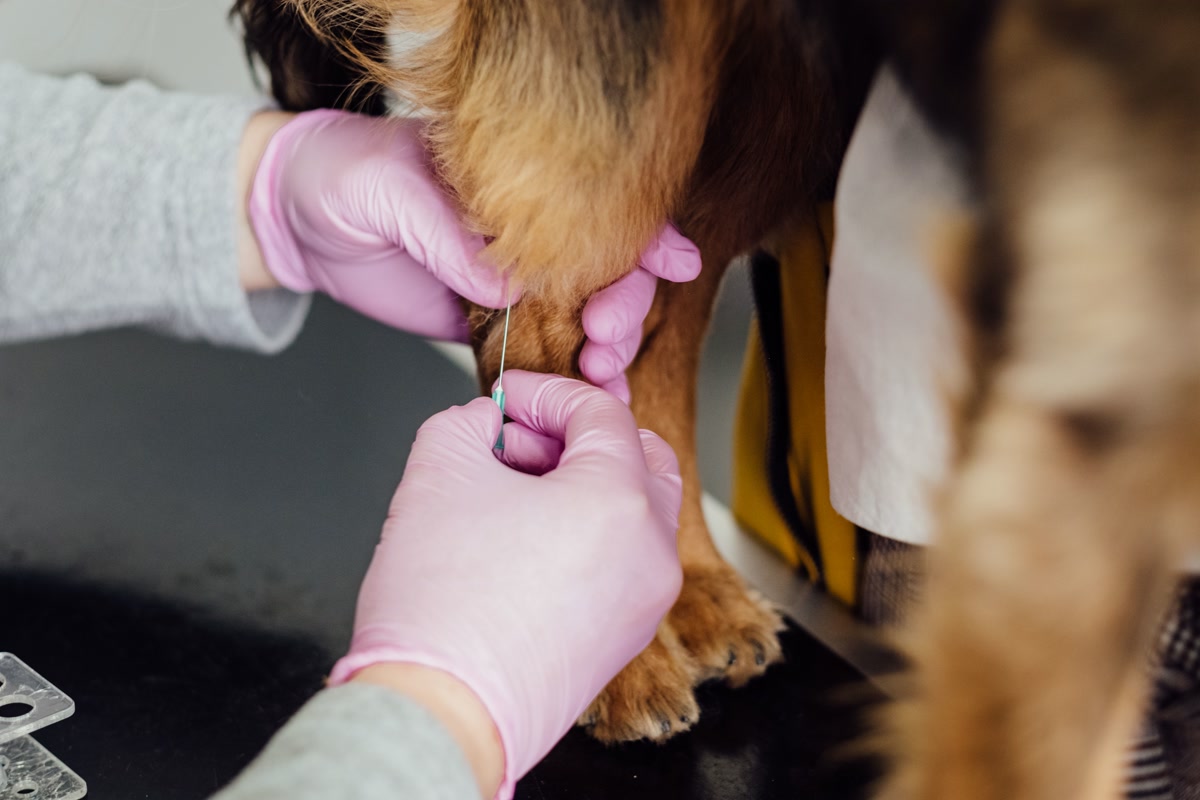
A microchip is the size of a grain of rice and costs less than a dog leash. Yet one in three pets will go missing in their lifetime, and 90 percent of those without identification never make it home. A microchip is the cheapest insurance you will ever buy for your pet. Here is how to get your dog or cat microchipped without overpaying.
What a Microchip Actually Does
A microchip is not a GPS tracker. It does not tell you where your dog is. It is a passive RFID chip implanted under the skin that contains a unique ID number. When a lost pet is found and taken to a vet or shelter, they scan the chip, read the ID, and look it up in a registry to find the owner’s contact information.
This means two things matter: getting the chip implanted, and registering the chip in a database with your current contact info. A chip that is not registered is useless — the finder has a number but no one to call.
What Microchipping Should Cost (Under 50 Dollars Total)
| Option | Cost | Includes Registration? |
|---|---|---|
| Vet clinic (routine) | 45-75 dollars | Sometimes (check first) |
| Low-cost clinic (Humane Society, ASPCA) | 15-25 dollars | Yes, usually |
| Pet store clinic day (PetSmart, Petco) | 20-35 dollars | Varies |
| Community microchip event | 10-20 dollars | Yes |
| DIY microchip kit (Buy implant + register) | 20-30 dollars | Yes |
Call your local Humane Society or animal shelter first. Many offer walk-in microchipping for 15-25 dollars, which includes the implant and first year of registration. This is half what most vets charge for the exact same service.
DIY Microchipping: Is It Worth It?
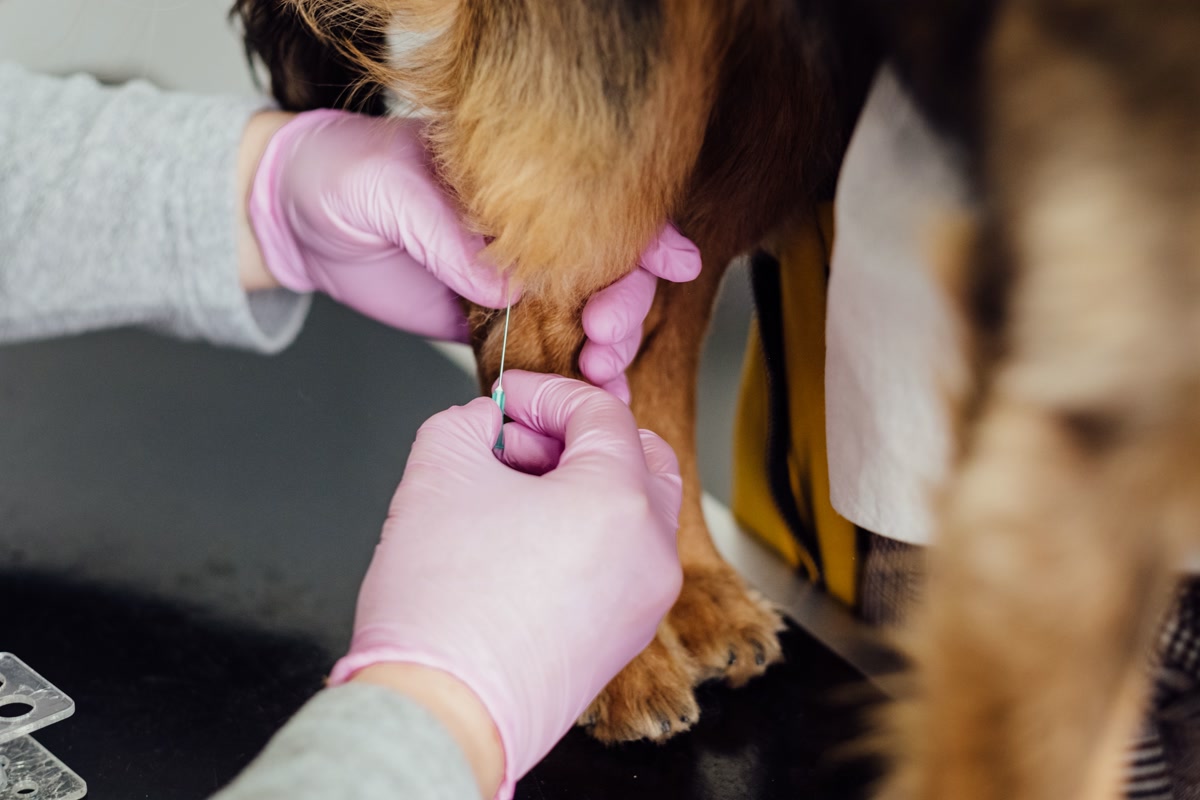
You can buy an FDA-approved microchip implant kit online for under 30 dollars. The kit includes the pre-loaded syringe, the chip, and registration in a national database. The procedure is the same as a routine vaccination — a quick injection between the shoulder blades.
Is it safe to do yourself? The physical implantation is straightforward — the needle is large but the procedure takes 2 seconds. However, if you are uncomfortable with needles or your pet is squirmy, pay the extra 15 dollars to have a professional do it. The risk of improper placement (chip migrates under the skin) is higher with DIY.
The Registration Trap (Do Not Pay Annual Fees)
Here is where microchipping gets expensive: registry companies charge annual fees of 17-25 dollars per year to keep your contact information active. Some companies deactivate your registration if you do not pay, making the chip useless.
You do not need to pay annual fees. Here is how to avoid them:
- Use a free registry — Found Animals Registry (found.org) is completely free for life. No annual fees, no expiration.
- Use AKC Reunite — one-time fee of 17 dollars for lifetime registration. No annual fees.
- HomeAgain — charges 17 dollars/year but the chip still works even if you stop paying. The annual fee adds extra services (lost pet alerts, poison control hotline) but is not required for the chip to function.
- Register in multiple databases — there is no rule saying you can only register in one. Register your chip number in every free database you can find.
Whatever you do, keep your contact information current. A chip with a disconnected phone number is as useful as no chip at all.

Microchip vs Other ID Methods
Collar Tags (Under 10 Dollars)
A collar with an engraved ID tag is the first line of defense. Anyone who finds your dog can read it and call you immediately — no scanner needed. But tags fall off, collars break, and phone numbers change.
Use a collar tag as your primary ID and a microchip as your backup. Together they cost under 50 dollars total and cover both scenarios: the good Samaritan who finds your dog (reads the tag) and the shelter that picks up a dog without a collar (scans the chip).
Custom engraved pet ID tags are available online for under 8 dollars. Include your phone number (not your address — that changes). Add “REWARD” to increase the chances someone returns your dog.
GPS Trackers (Under 50 Dollars Plus Monthly)
GPS collars like Fi or Whistle cost 50-150 dollars plus 5-15 dollars per month for a cellular plan. They show your dog’s real-time location on your phone. Unlike microchips, GPS trackers actively prevent loss — you see your dog escape and track them in real time.
Worth it? If your dog is an escape artist, yes. If your dog is a couch potato who rarely leaves the yard, a microchip plus collar tag is sufficient. GPS is nice to have but not essential for most owners.
Tattoo ID (Free at Some Shelters)
Some shelters still offer tattoo ID — a number tattooed on the inner thigh or ear. It is permanent, requires no scanner, and costs nothing at participating shelters. The downside: tattoos fade and are hard to read on dark-skinned breeds.
How to Check if Your Pet’s Chip Is Registered
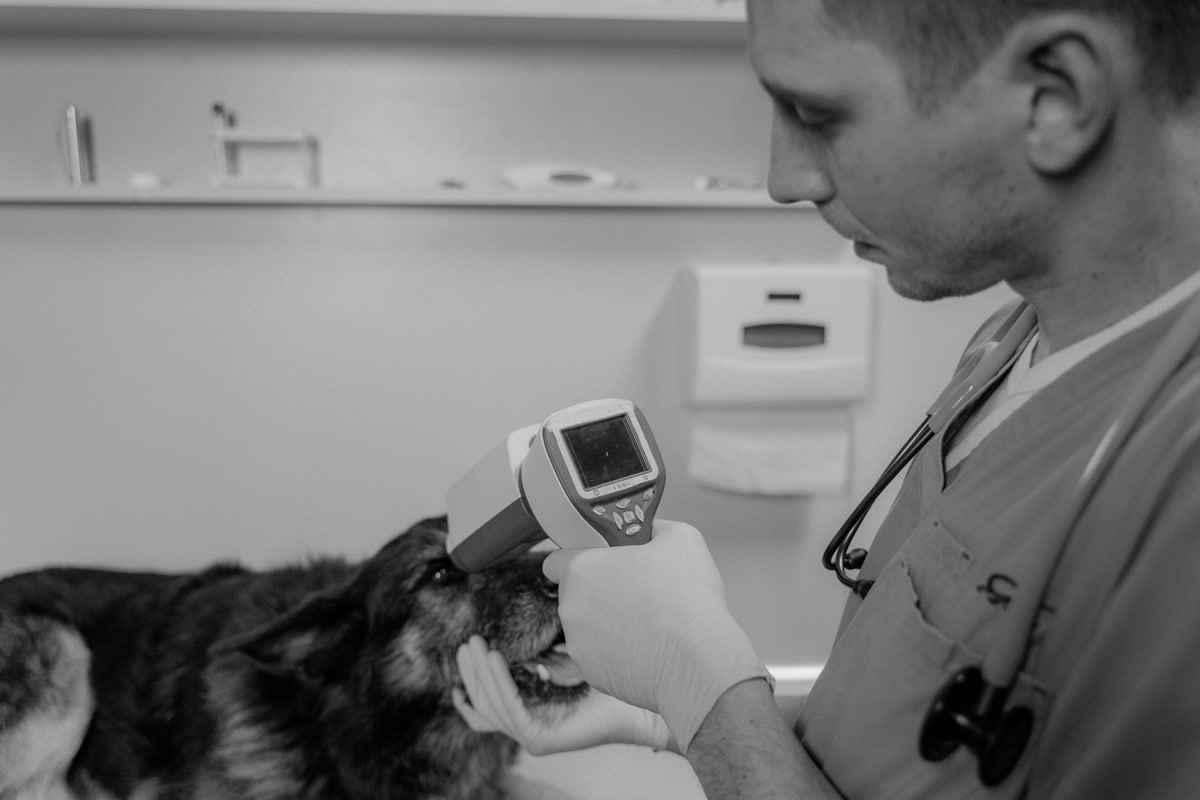
- Have your vet or shelter scan the chip (takes 10 seconds, usually free)
- Get the 15-digit chip number
- Look it up at the AAHA Universal Pet Microchip Lookup (petmicrochiplookup.org) — free
- If the lookup shows no registry, register immediately at a free database
- If the lookup shows a registry with outdated info, update it
Do this once per year. Contact information changes, databases merge, and registrations lapse. A 2-minute check ensures your pet’s chip actually works when it matters.
Travel and Microchips
If you plan to fly with your dog internationally, most countries require an ISO-compliant microchip (15 digits, 134.2 kHz frequency). Older US microchips used 10-digit or 125 kHz format, which are not readable by international scanners.
If your pet has an older chip and you plan to travel internationally, ask your vet about implanting a second ISO-compliant chip. It is safe to have two chips — they do not interfere with each other.
Cost Comparison: ID Methods
| Method | Upfront Cost | Ongoing Cost | Best For |
|---|---|---|---|
| Collar tag only | 8-10 dollars | 0 | Low-risk pets |
| Microchip (low-cost clinic) | 15-25 dollars | 0 (free registry) | All pets (backup ID) |
| Microchip (vet) | 45-75 dollars | 0 (free registry) | Convenience |
| GPS tracker | 50-150 dollars | 5-15 dollars/month | Escape artists |
| Microchip + collar tag | 25-35 dollars | 0 | Best budget combo |
| Microchip + collar + GPS | 75-175 dollars | 5-15 dollars/month | Maximum protection |
The Bottom Line
Microchipping should cost 25 dollars or less at a low-cost clinic, and registration should be free. Skip the annual registry fees — use Found Animals or AKC Reunite for free lifetime registration. Pair the chip with a 10-dollar collar tag and your pet has reliable identification for under 35 dollars total. The chip only works if it is registered and the contact info is current, so check it once a year. That 35 dollars is the cheapest way to ensure a lost pet comes home.
Last updated: July 2026 | By ThriftyPaw | Prices and availability subject to change
ThriftyPaw is reader-supported. As an Amazon Associate, we earn from qualifying purchases. This means we may earn a small commission when you buy through links on this site at no additional cost to you. We only recommend products we genuinely believe in. Thank you for supporting ThriftyPaw.
My take: The $15-25 clinic chip plus the $8 ID tag covers both recovery scenarios — the finder who calls and the shelter that scans. Avoid the annual registration fees (one-time registries exist), and remember the chip isn’t GPS: if you want location, that’s the tracker’s job.
Related guides
- Best Dog Beds for Small Dogs Under 30 Dollars (2026)
- DIY Dog Agility Equipment: Build a Backyard Course for Under 50 Dollars (2026)
- Budget Dog Hiking Gear Essentials: Complete Trail Kit Under 80 Dollars
- Best Budget Dog Paw and Nose Balms Under 15 Dollars (2026)
- Best Dog Harnesses for Small Dogs Under 25 Dollars (2026)
🐾 Get Your Free Big Dog First Aid Kit Checklist
Join our newsletter and get this free printable plus weekly tips.
Frequently Asked Questions
How much should microchipping cost?
Under $50 total: $15-25 at a low-cost clinic (Humane Society, ASPCA) including the implant and first-year registration, or $20-35 at pet-store clinic days, against $45-75 at a routine vet visit. One in three pets goes missing in their lifetime, and 90% of those without ID never get home — it's the cheapest insurance in pet care.
Is a microchip a GPS tracker?
No — it's a passive RFID chip with your registration info, readable by any vet or shelter scanner. It tells whoever finds your dog who to call; it doesn't tell you where the dog is. The GPS layer is a separate purchase (trackers at $50 plus monthly), and the two cover different failure modes.
Do I need to pay annual microchip registration fees?
No — the annual-fee registries ($17-25 a year) are the trap the guide warns about. AKC Reunite is a one-time $17 for lifetime registration, and HomeAgain's chip keeps working even if you stop paying their annual plan. Register once, with a one-time-fee registry, and check the record annually when you renew tags.
Liked this guide? Get the next one in your inbox — the pet budget checklist is free too.
✓ You're in — check your inbox.
No spam. Unsubscribe anytime. We never share your email.