This article contains affiliate links. We may earn a commission from qualifying purchases.
Some content on this site is AI-assisted and reviewed by our editorial team.
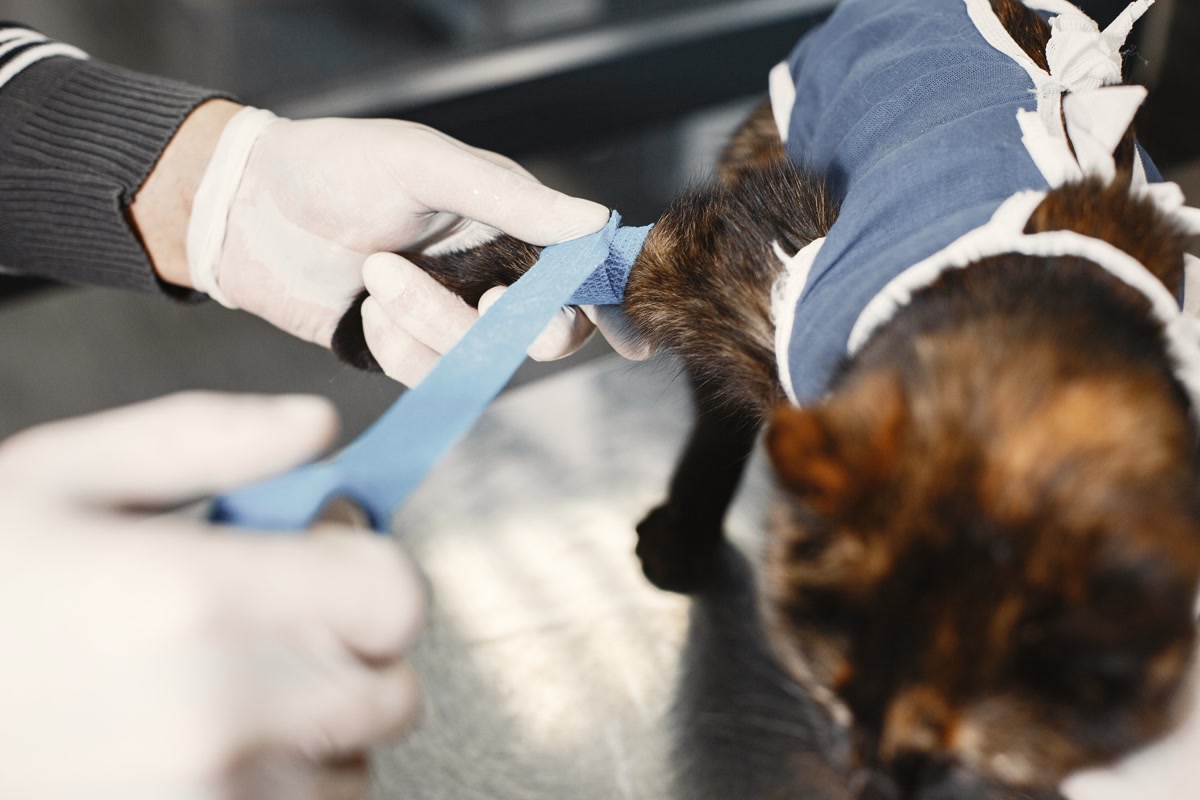
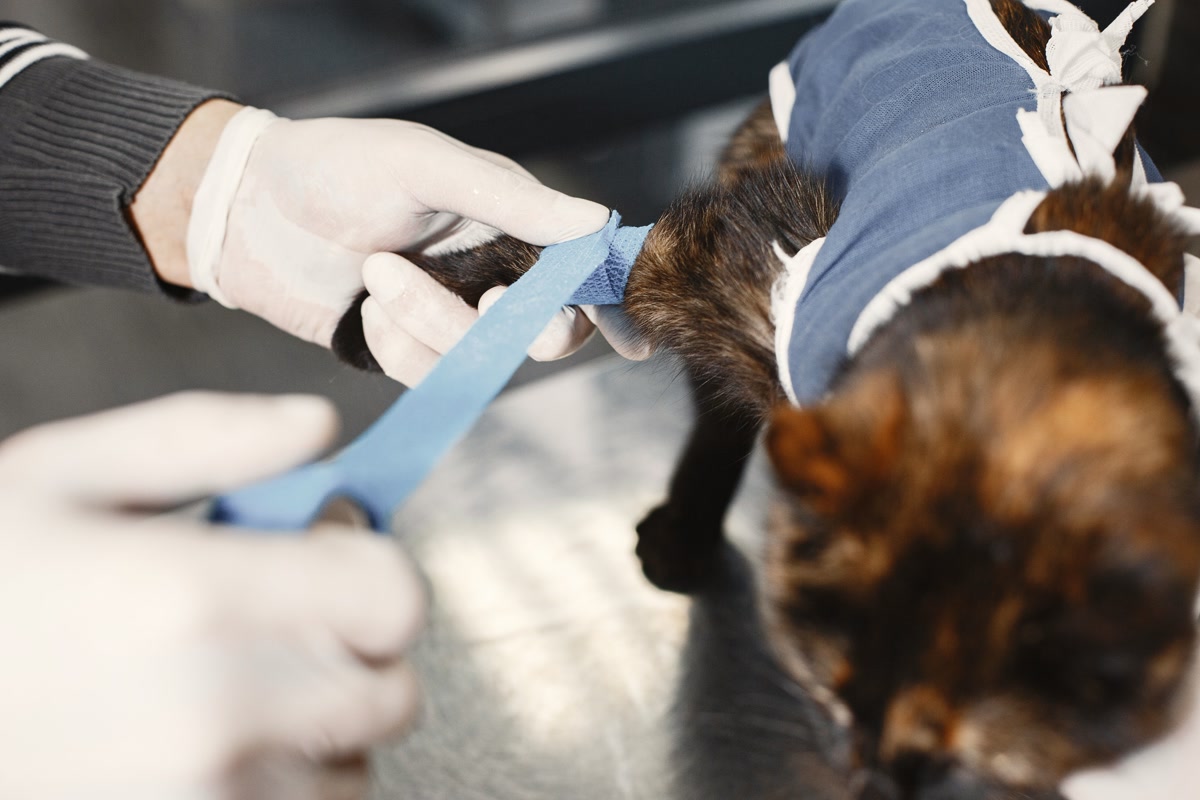
Spaying or neutering your pet is one of the most important health decisions you will make. It prevents certain cancers, reduces behavioral problems, and eliminates the risk of unwanted litters that end up in shelters. But the cost varies wildly — from 35 Dollars at a low-cost clinic to 600 dollars at a private vet. Here is how to get your pet spayed or neutered at the lowest possible cost without sacrificing safety.
What Spaying and Neutering Actually Costs
| Provider | Spay (Female) | Neuter (Male) | What is Included |
|---|---|---|---|
| Low-cost clinic (Humane Society, ASPCA) | 50-100 dollars | 35-75 dollars | Surgery, anesthesia, pain meds |
| Pet store clinic (PetSmart Charities) | 50-150 dollars | 40-100 dollars | Surgery, anesthesia, pain meds |
| Private vet (routine) | 200-500 dollars | 150-400 dollars | Surgery, anesthesia, pain meds, pre-op bloodwork, IV catheter |
| Private vet (large dog, complications) | 400-600+ dollars | 300-500 dollars | Everything above plus overnight stay |
The procedure is the same regardless of where you go. The price difference is overhead — a private vet has a nicer facility, more staff, and includes extras like pre-op bloodwork. For a young, healthy pet, a low-cost clinic is perfectly safe.
Where to Find Low-Cost Spay/Neuter
1. Humane Society and ASPCA Clinics (35-100 Dollars)
These are the cheapest option. The Humane Society and ASPCA operate spay/neuter clinics specifically to reduce pet overpopulation. They do high volumes of these surgeries — a vet at a low-cost clinic may do 20-30 spays per week compared to 5 per week at a private practice. More experience means fewer complications.
Search at: aspca.org/pet-care/spayneuter or call your local Humane Society.
2. PetSmart Charities Clinic Days (50-150 Dollars)
PetSmart partners with local vets to offer low-cost spay/neuter on specific days. Check petsmartcharities.org for clinic dates near you. Prices are posted upfront with no hidden fees.
3. Veterinary Schools (100-250 Dollars)
If you live near a veterinary school, they often run teaching clinics where supervised students perform surgeries at reduced rates. The supervision is excellent — a licensed vet oversees every procedure.
4. Nonprofit Spay/Neuter Programs (Free-50 Dollars)
Some nonprofits offer free or nearly free spay/neuter for low-income families. Search “spay/neuter assistance program” plus your city name. You may need to show proof of income (food stamps, Medicaid, SSI) to qualify.
5. Transport Programs (Cost Varies)
If you live in a rural area without a low-cost clinic, many shelters offer transport programs. They pick up your pet, take them to a clinic in a larger city, and return them the same day. Costs are typically 50-100 dollars including transport.
What Is Actually Included in the Surgery
Spay (Female — Ovariohysterectomy)
The vet removes the ovaries and uterus through a small abdominal incision. This is a more invasive surgery than a neuter, which is why it costs more. Recovery time: 10-14 days.
Neuter (Male — Castration)
The vet removes the testicles through a small incision in the scrotum. Less invasive than a spay. Recovery time: 7-10 days.
What Should Always Be Included
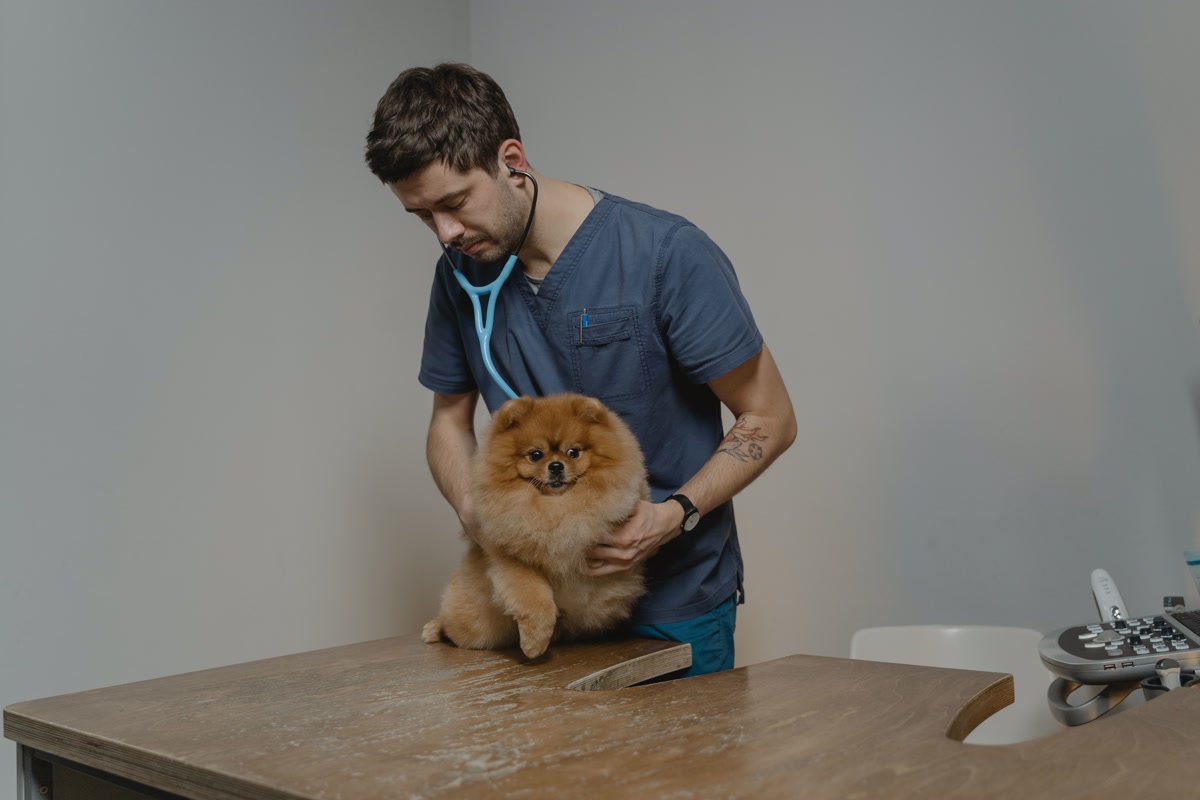
- Pre-surgical exam — confirms your pet is healthy enough for anesthesia
- Anesthesia — general anesthesia, not just sedation
- Pain medication — sent home with 3-5 days of pain relief
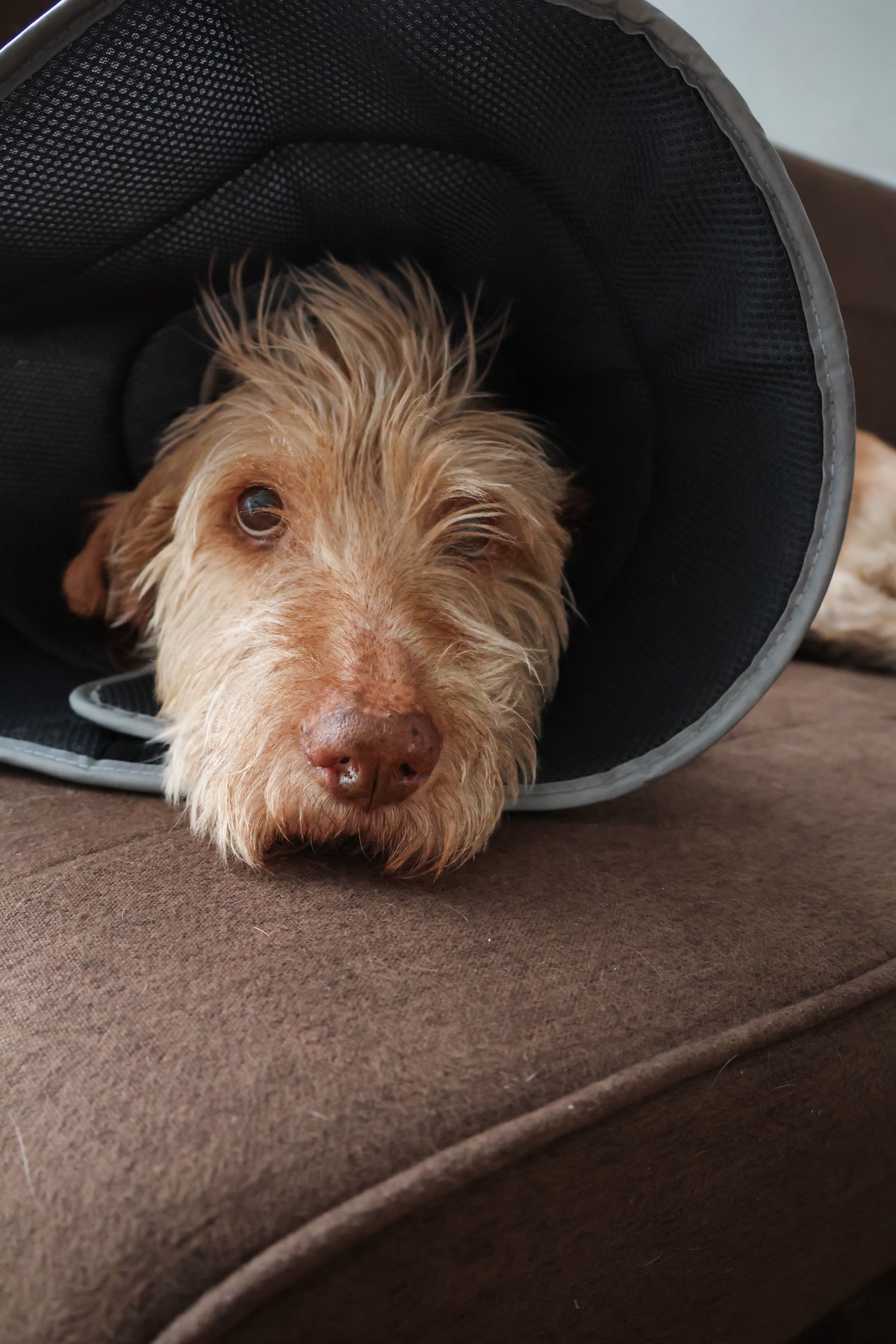
- E-collar (cone) — prevents licking the incision
If a low-cost clinic does not include pain medication or an e-collar, buy them separately. Pain management is not optional — untreated pain slows healing and causes behavioral issues.
Cost-Saving Myths and Mistakes
Myth: “Waiting Until the First Heat Is Healthier”
False. Spaying before the first heat reduces the risk of mammary cancer by 91 percent. Each heat cycle increases the risk. The ideal window is 4-6 months for small breeds and 6-8 months for large breeds (larger breeds benefit from slightly delayed spaying for joint development — ask your vet).
Myth: “It Is Cheaper to Let Them Have One Litter First”
A litter costs 1,000-3,000 dollars in prenatal care, birth supplies, puppy food, vet visits, and first-round vaccinations. Spaying costs 50-150 dollars. The math is not close.
Mistake: Skipping Pre-Op Bloodwork at a Private Vet
If you are paying 300-500 dollars at a private vet, pre-op bloodwork is usually included. If not, pay the extra 50-80 dollars. Bloodwork detects liver and kidney issues that make anesthesia dangerous. For pets over 5 years old, bloodwork is essential.
At a low-cost clinic, bloodwork is usually not offered (they assume young, healthy pets). If your pet is over 5, ask your regular vet to run bloodwork first (50-80 dollars), then take the results to the low-cost clinic.
Mistake: Not Getting Pain Medication
Some budget clinics treat pain meds as an add-on. Do not skip them. A dog in pain will not eat, will not rest, and may tear at the incision. Generic carprofen (the generic form of Rimadyl) costs 10-15 dollars for a 5-day supply.
Post-Surgery Care on a Budget
Recovery Essentials (Under 20 Dollars Total)
- E-collar or soft cone — The All Four Paws Comfy Cone (around 15 dollars) or the Katoggy Inflatable Recovery Collar (under 15 dollars) are both much more comfortable than the plastic cone the vet sends home. Required for 10-14 days. Do not skip — a single lick can infect the incision and cost 200+ dollars in vet bills.
- Recovery suit or onesie — A soft fabric body suit that covers the incision, more comfortable than a cone. The SurgiSnuggly Dog Recovery Suit (around 20-25 dollars) is a vet-invented alternative to the plastic cone.
- Quiet recovery space — a crate or small room. Free if you already have one.
- Restricted activity — no running, jumping, or stairs for 10 days. Free.
- Pain medication — 10-15 dollars (if not included).
- Incision checks — look at the incision twice daily. Redness, swelling, or discharge means call the vet immediately.
Recovery Timeline
| Day | What to Expect | What to Do |
|---|---|---|
| 1-2 | Groggy, may not eat, sleeps a lot | Offer small amounts of water and food, keep quiet |
| 3-5 | Back to normal energy, wants to play | Do not let them — restrict activity, use the cone |
| 6-9 | Incision looks healed but is not | Keep the cone on, still restricted activity |
| 10-14 | Healed, stitches dissolve or are removed | Gradual return to normal activity |

Financial Assistance Programs
If you cannot afford even the low-cost clinic price, these programs can help:
- SpayUSA (spayusa.org) — national network that connects you with low-cost providers and offers vouchers
- Friends of Animals (friendsofanimals.org) — certificates you purchase for 35-65 dollars that cover the full surgery at participating vets
- Local animal shelters — many have emergency funds for pet owners in financial need
- Breed-specific rescues — some offer discounted spay/neuter for their breed
The Bottom Line
Spaying or neutering should cost 35-150 dollars at a low-cost clinic. The procedure is the same as what a private vet does for 300-500 dollars — you are paying for overhead, not better surgery. Call your local Humane Society first. Register in a free microchip database while you are there. The total cost of responsible pet ownership — spay, microchip, and collar tag — should be under 100 dollars if you use community resources.
Last updated: July 2026 | By ThriftyPaw | Prices and availability subject to change
ThriftyPaw is reader-supported. As an Amazon Associate, we earn from qualifying purchases. This means we may earn a small commission when you buy through links on this site at no additional cost to you. We only recommend products we genuinely believe in. Thank you for supporting ThriftyPaw.
My take: The Humane Society route at $35-100 is the correct price for a procedure that prevents cancers and eliminates the litter problem — private vet pricing buys nothing extra for a healthy young animal. Do the pre-op bloodwork for seniors, and put the $500 you saved toward the emergency fund.
Related guides
- Moving With a Dog on a Budget: The Complete Guide (2026)
- Dog Vomiting: When to Go to the Vet and When to Treat at Home
- Budget Dog Probiotics: Complete Guide to Gut Health Under 20 Dollars Per Month
- Senior Dog Food on a Budget — What Changes, What to Feed, and What to Skip (2026)
- Budget Dog Dental Care: Keep Their Teeth Clean Without Going Broke
🐾 Get Your Free Big Dog First Aid Kit Checklist
Join our newsletter and get this free printable plus weekly tips.
Frequently Asked Questions
How much does spaying or neutering cost?
The spread: $35-100 at low-cost clinics (Humane Society, ASPCA — spays $50-100, neuters $35-75, with anesthesia and pain meds included), $50-150 at PetSmart Charities clinic days, and up to $600 at private vets. The nonprofit programs run free to $50 for income-qualified households.
Is a low-cost spay/neuter clinic safe?
Yes — these are high-volume specialists; the same surgery, anesthesia, and pain medication protocols at a fraction of the private-vet price. The one honest caveat: for pets over 5, pay the $50-80 for pre-op bloodwork first (your regular vet can run it) and take the results to the clinic.
Is it cheaper to let my dog have one litter first?
The myth the guide dismantles: a litter costs $1,000-3,000 in prenatal care, birth supplies, puppy food, and first vaccinations, against $50-150 for the spay. The medical case is settled too — spaying before the first heat eliminates the mammary-tumor risk.
Liked this guide? Get the next one in your inbox — the pet budget checklist is free too.
✓ You're in — check your inbox.
No spam. Unsubscribe anytime. We never share your email.
Price Check
Prices verified via our product tracker. Updated Sep 27.
| Katoggy Inflatable Dog Collar, Soft Dog Cone for Dogs Afte | $13.99 | 4.1★ (14,690) |
| kzrfojy Dog Recovery Suit for Dogs After Surgery Female Ma | $29.99 | 4.1★ (994) |
As an Amazon Associate we earn from qualifying purchases.