This article contains affiliate links. We may earn a commission from qualifying purchases.
Some content on this site is AI-assisted and reviewed by our editorial team.

Dental disease affects 80 percent of dogs by age three, causing pain, tooth loss, and bacteria that spread to the heart, liver, and kidneys. A professional cleaning costs 300-700 Dollars, but most dental disease is preventable at home for under 15 dollars per month.
Why Dog Dental Care Matters (The Hidden Cost of Ignoring It)
Dental disease in dogs is preventable for 10-15 dollars per month, while treating it costs 3,000-7,000 dollars over a lifetime — prevention costs one-third what Treatment does.
Plaque builds up on dog teeth the same way it builds up on human teeth. Within 48 hours, plaque hardens into tartar, which cannot be brushed off. Tartar accumulation causes gum inflammation (gingivitis), which progresses to periodontal disease — the destruction of the bone and ligaments that hold teeth in place.
The bacteria from infected gums do not stay in the mouth. They enter the bloodstream and settle in the heart valves, liver, and kidneys. Dogs with severe dental disease have a 20 percent higher risk of heart disease and a significantly shorter lifespan.
The cost comparison is stark:
| Approach | Monthly Cost | Lifetime Cost (10 years) |
|---|---|---|
| Daily brushing + dental chews | 10-15 dollars | 1,200-1,800 dollars |
| Nothing (wait for problems) | 0 dollars | 3,000-7,000 dollars in vet bills |
Prevention costs one-third what treatment costs. And prevention means your dog keeps all their teeth.
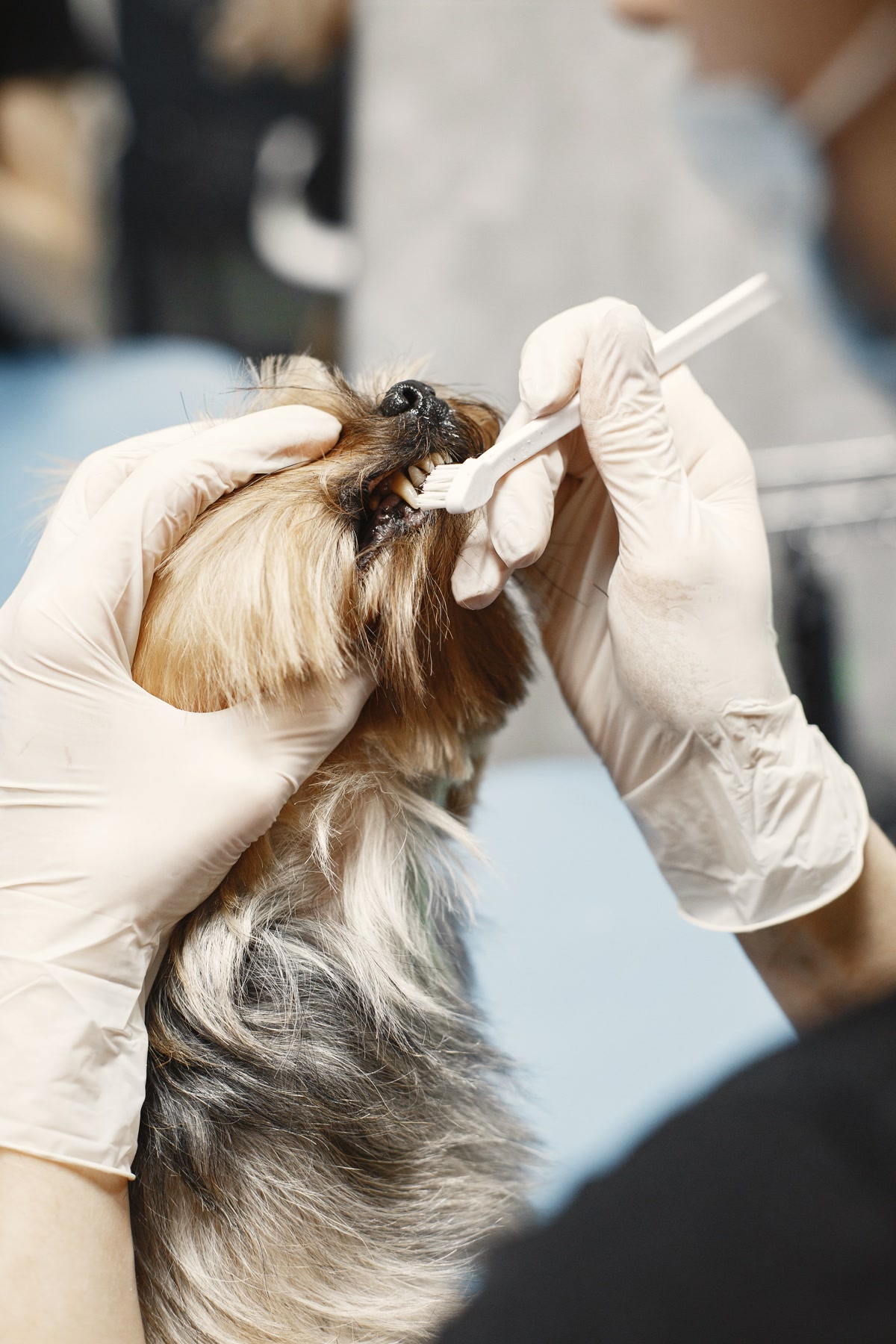
The 15-Dollar Monthly Dental Care Routine
A complete dog dental routine costs under 15 dollars per month: daily brushing with a 6-dollar toothbrush and 8-dollar enzymatic toothpaste, plus dental chews and a water additive.
1. Daily Brushing (Free After Initial Purchase)
Daily brushing with enzymatic dog toothpaste is the single most effective way to prevent tartar — a 6-dollar brush and 8-dollar paste last months.
Brushing is the single most effective thing you can do for your dog’s teeth. It removes plaque before it hardens into tartar. You need:
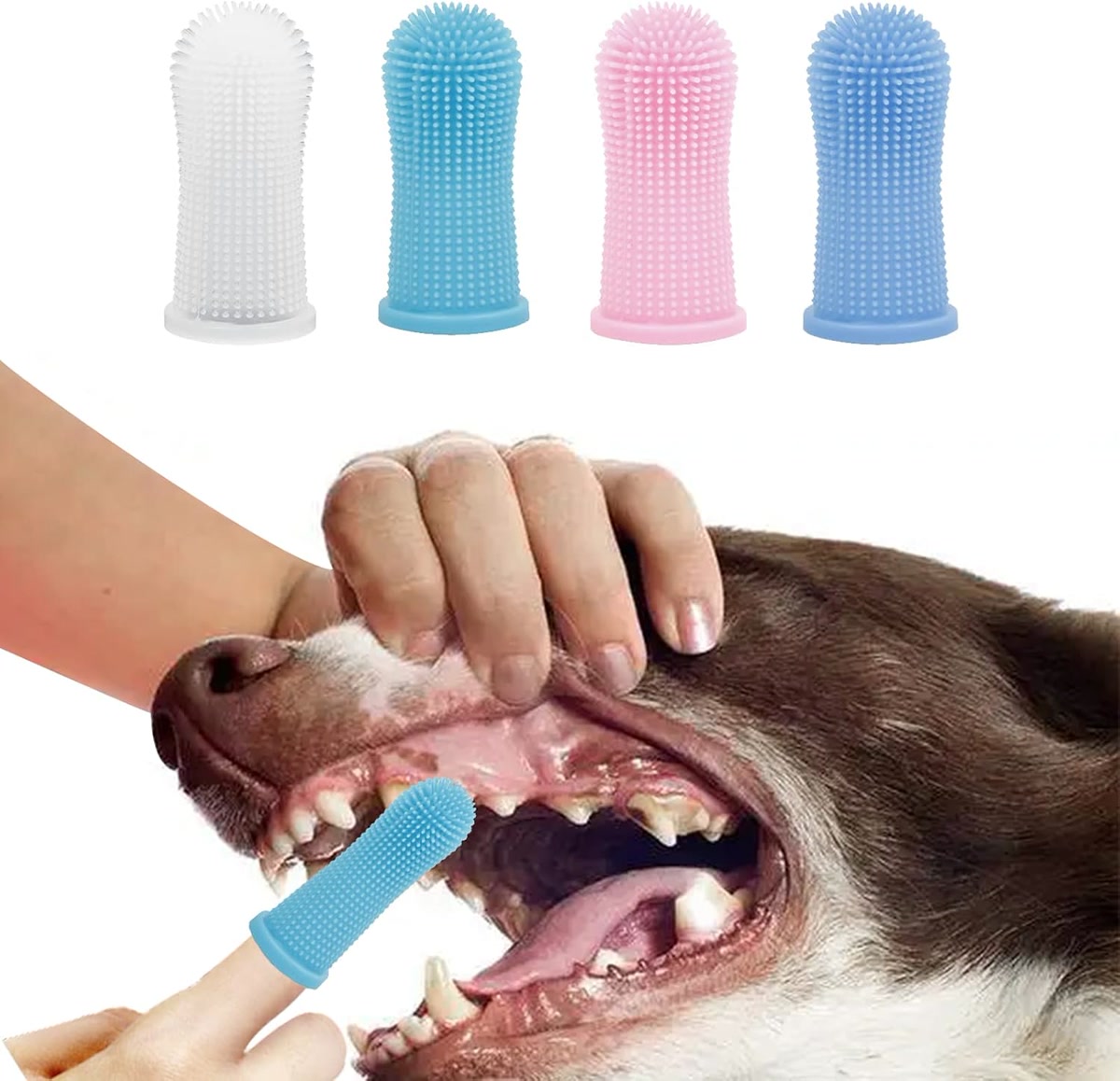
- Dog toothbrush — a finger brush or long-handled dog brush. Under 6 dollars, lasts years.
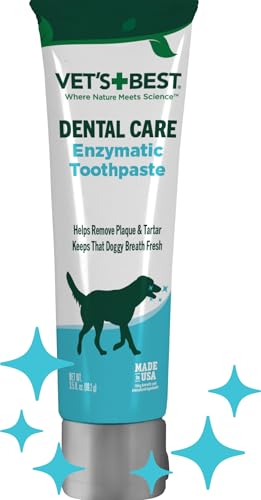
- Dog toothpaste — never use human toothpaste (fluoride is toxic to dogs). A tube of enzymatic dog toothpaste costs under 8 dollars and lasts 2-3 months.
Vet’s Best Enzymatic Dog Toothpaste is the budget standard — under 8 dollars, poultry flavor most dogs accept readily, and the enzymatic formula works even without perfect brushing technique.
How to Brush Your Dog’s Teeth (Without a Fight)
Most dogs accept brushing within 7 days if you start by letting them lick toothpaste off your finger, then gradually introduce the brush over several sessions.
Most dogs hate having their teeth brushed at first. Here is how to build acceptance in 7 days:
- Day 1-2 — let your dog lick toothpaste off your finger. Do not try to brush. They learn toothpaste is a treat.
- Day 3-4 — put toothpaste on the finger brush and let them lick it off. Gently touch their teeth with it.
- Day 5-6 — brush the front teeth (canines and incisors) for 10 seconds. Reward with a treat afterward.
- Day 7 — brush all teeth for 30 seconds. Focus on the outside surfaces (the inside surfaces stay cleaner naturally).
After 2 weeks, most dogs accept brushing as part of their routine. Brush at the same time each day — most owners find evenings work best, when the dog is calm.
2. Dental Chews (Under 10 Dollars Per Month)
Dental chews with the VOHC seal supplement brushing on days you skip, costing 10-15 dollars per month depending on dog size.
Dental chews supplement brushing on days you skip. The mechanical action of chewing scrapes plaque off teeth. Look for chews with the Veterinary Oral Health Council (VOHC) seal — this means they have been tested and proven to reduce plaque or tartar.
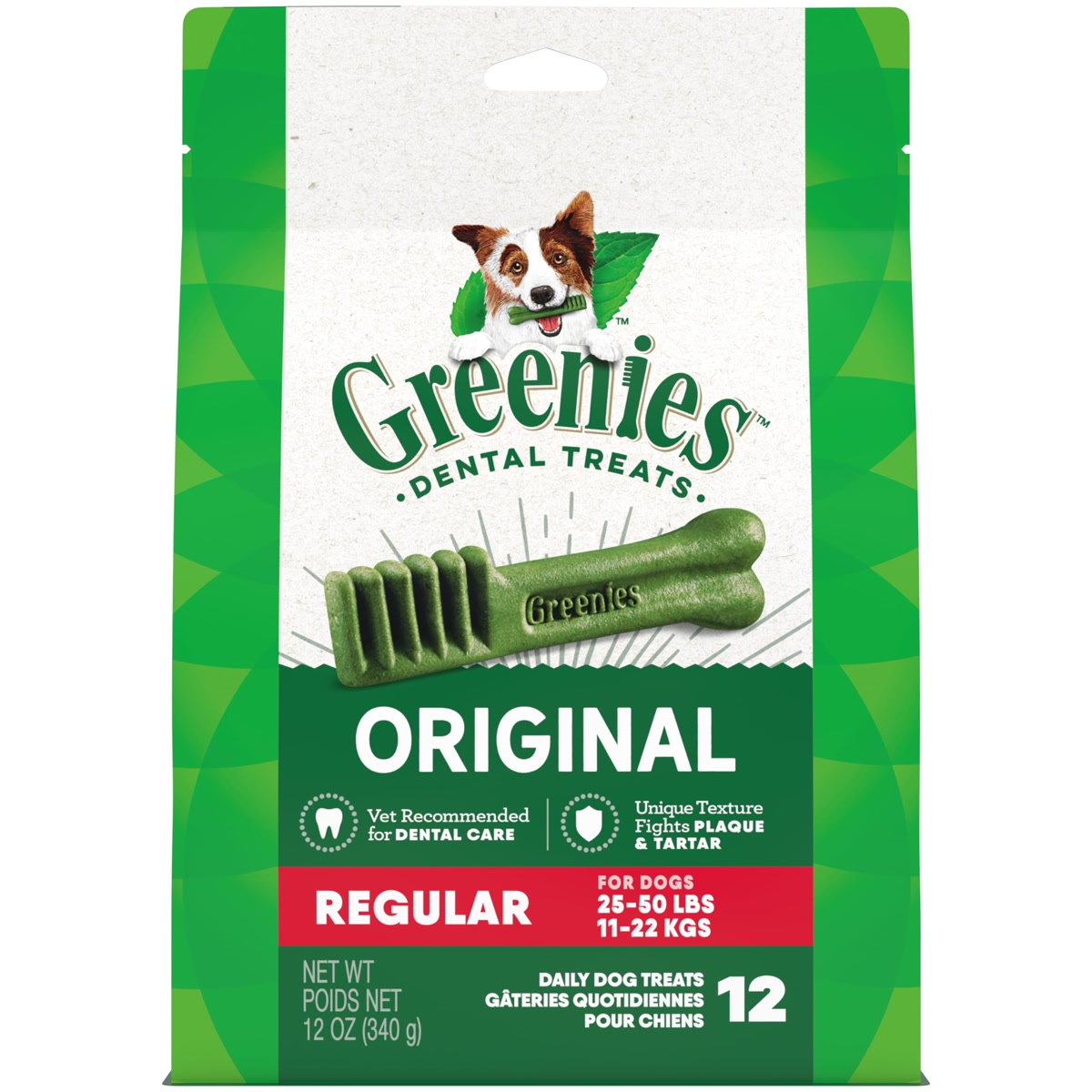
Pupford Freeze-Dried Training Treats are not dental chews specifically, but the crunchy texture helps. For dedicated dental chews, Greenies Dental Treats are the VOHC-approved standard. A month supply costs 10-15 dollars depending on dog size.
3. Dental Water Additive (Under 8 Dollars Per Month)
A dental water additive costs under 8 dollars per bottle and helps reduce plaque bacteria on days you miss brushing.
A water additive is a liquid you pour into your dog’s water bowl that helps reduce plaque bacteria. It is not a replacement for brushing, but it helps on days you miss. Under 8 dollars per bottle, lasts about a month.
Professional Dental Cleaning: When Is It Worth It?
Professional dental cleaning costs 150-700 dollars depending on extractions and clinic, but most dogs only need one every 2-3 years with consistent home care.
Even with perfect home care, most dogs need a professional cleaning at some point. The question is when, and how to keep the cost down.
What Professional Cleaning Involves
A professional dog dental cleaning includes anesthesia, full-mouth X-rays, scaling, polishing, and extractions if needed — costing 150 to over 1,000 dollars.
A professional dental cleaning at the vet includes:
- General anesthesia (dogs will not hold still for scaling)
- Full-mouth X-rays (to check for problems below the gumline)
- Scaling and polishing (removes tartar above and below the gumline)
- Extraction of damaged teeth (if needed — this adds 100-300 dollars per tooth)
Cost Breakdown
Low-cost clinics charge 150-300 dollars for basic cleaning while private vets charge 400-700 dollars, with extractions adding 100-300 dollars per tooth.
| Service | Low-Cost | Private Vet |
|---|---|---|
| Basic cleaning (no extractions) | 150-300 dollars | 400-700 dollars |
| Cleaning + 1-2 extractions | 300-500 dollars | 600-1,000 dollars |
| Cleaning + multiple extractions | 500-800 dollars | 800-1,500 dollars |
How to Reduce Professional Cleaning Costs
Schedule cleanings during February dental discount months, use low-cost clinics like Humane Society, and bundle with other procedures to save on anesthesia costs.
- Ask about “anesthesia-free” cleaning — some clinics offer scaling without anesthesia for 100-150 dollars. This only cleans above the gumline and is not equivalent to a full cleaning, but it extends time between full cleanings for dogs with mild tartar.
- Dental discount months — many vets offer 15-20 percent off dental cleanings in February (National Pet Dental Health Month). Schedule then.
- Low-cost clinics — Humane Society and ASPCA clinics offer dental cleaning at 40-60 percent less than private vets.
- Bundle with other procedures — if your dog needs a spay/neuter or other surgery, ask to add a dental cleaning at the same time. You save on anesthesia costs.
- Pet dental insurance — some pet insurance plans cover dental cleaning. Check if yours does before scheduling.
Signs Your Dog Needs Professional Cleaning
Persistent bad breath, yellow-brown tartar buildup, red swollen gums, dropping food, and pawing at the mouth all indicate home care is no longer enough.
Look for these indicators that home care is no longer enough:
- Persistent bad breath — not “dog breath” but genuinely foul odor
- Yellow or brown tartar buildup — especially on the back molars
- Red, swollen gums — gingivitis that brushing is not resolving
- Dropping food or chewing on one side — oral pain
- Pawing at the mouth — discomfort
- Bleeding from gums — advanced periodontal disease
If you see tartar buildup but no other symptoms, try a month of consistent brushing and dental chews first. If the tartar does not improve, schedule a cleaning.
Diet and Dental Health
Dry kibble and crunchy vegetables like carrots provide mild dental abrasion, but daily brushing remains far more effective than any dietary change alone.
Dry kibble is slightly better for teeth than wet food — the crunchy texture produces mild abrasion. But kibble alone does not prevent dental disease. Dogs fed only wet food do have more tartar, but the difference is small compared to the effect of brushing.
What actually helps:
- Raw bones — raw beef marrow bones or recreational bones scrape teeth naturally. Never give cooked bones (they splinter). Raw bones are controversial — some vets recommend them, others do not due to bacterial risk. If you use them, supervise your dog.
- Carrots and apples — crunchy vegetables produce mild abrasion. Not as effective as brushing but a healthy, low-calorie supplement.
- Dental-specific kibble — some brands make larger kibble pieces that require more chewing. The effect is modest but real.
The Bottom Line
Daily brushing with a 6-dollar toothbrush and 8-dollar enzymatic toothpaste prevents most dental disease, saving 500-1,500 dollars in professional cleaning costs over your dog’s lifetime.
Dog dental care comes down to one habit: daily brushing. A 6-dollar toothbrush and 8-dollar tube of enzymatic toothpaste is the most cost-effective health intervention you can do for your dog. Add dental chews and a water additive for another 15 dollars per month, and you have a complete dental care routine under 25 dollars per month. This routine prevents the 500-1,500 dollar professional cleanings that most dogs need by age five without home care. Brush daily, check for tartar monthly, and schedule a professional cleaning only when brushing cannot keep up.
Last updated: July 2026 | By ThriftyPaw | Prices and availability subject to change
ThriftyPaw is reader-supported. As an Amazon Associate, we earn from qualifying purchases. This means we may earn a small commission when you buy through links on this site at no additional cost to you. We only recommend products we genuinely believe in. Thank you for supporting ThriftyPaw.
My take: Brushing daily is the highest-ROI habit in dog care — $15 a month against $3,000-7,000 in eventual treatment. Do the home routine seriously and the professional cleaning becomes occasional instead of annual; when it is needed, price it across clinics like any other procedure.
Related guides
- Dog Adoption on a Budget: First Year Costs Under 1,400 Dollars
- 10 Ways to Save Money on Dog Food This Month
- Best Dog First Aid Kits and What to Put in Yours
- I Switched My Dog to Raw Food for 30 Days. Here Is What It Actually Cost Me.
- Dog Travel Anxiety on a Budget: 4-Week Fix Plus Tools Under 15 Dollars
🐾 Get Your Free Big Dog First Aid Kit Checklist
Join our newsletter and get this free printable plus weekly tips.
Frequently Asked Questions
Can I skip professional dental cleanings if I brush daily?
Daily care prevents most disease — but not all of it. The honest math from the guide: brushing plus chews at $10-15 a month against $3,000-7,000 in lifetime treatment costs means prevention handles the majority, yet tartar below the gumline still needs the professional cleaning eventually. The right cadence: brush daily, clean professionally when the vet finds disease, not on a fixed calendar.
What's the cheapest effective dental routine?
The $15-a-month stack: enzymatic toothpaste (under $8, lasts 2-3 months), a brush (under $6, lasts years), VOHC-sealed dental chews ($10-15 a month by dog size), and a water additive (under $8) for the days you miss. That combination is the whole prevention science at consumer prices.
How much does professional dental cleaning cost?
$300-700 depending on region and whether extractions are needed. Reduce it by keeping up the home routine (fewer extractions means shorter procedures) and pricing the cleaning across clinics — the same anesthesia-and-scale procedure varies by hundreds between offices.
Liked this guide? Get the next one in your inbox — the pet budget checklist is free too.
✓ You're in — check your inbox.
No spam. Unsubscribe anytime. We never share your email.
Price Check
Prices verified via our product tracker. Updated Sep 27.
| Vet's Best Enzymatic Dog Toothpaste Dental Gel, Vet Formul | $9.53 | 4.5★ (31,232) |
| Pupford Freeze Dried Training Treats for Dogs & Puppies (B | $16.85 | 4.6★ (8,178) |
| PetArmor Plus Flea & Tick Topical Dogs 23-44 lbs, 6-Month | $147.19 | 4.2★ (62,945) |
As an Amazon Associate we earn from qualifying purchases.