
This article contains affiliate links. We may earn a commission from qualifying purchases.
Some content on this site is AI-assisted and reviewed by our editorial team.
Bad breath in dogs is not normal. “Dog breath” is a myth — a healthy dog’s mouth should not smell worse than a human’s. Persistent bad breath, called halitosis, is almost always a sign of dental disease, diet issues, or an underlying health problem. The good news is that most causes of bad breath can be identified and treated for under 15 dollars. Here is the complete budget guide.
The 5 Causes of Bad Breath in Dogs
Bad breath in dogs is caused by dental disease (80 percent of cases), diet, oral foreign objects, gastrointestinal issues, or systemic diseases like k
1. Dental Disease (Most Common — 80 Percent of Cases)
Dental disease causes 80 percent of bad breath cases. Plaque and tartar produce bacteria. Fix with daily enzymatic toothpaste brushing and dental chew
Plaque and tartar buildup cause gum inflammation, which produces bacteria that smell. If your dog’s breath smells like sulfur or decay, dental disease is the likely cause. Look for yellow or brown tartar on the teeth, especially the back molars and upper carnassial teeth (the large teeth near the back of the upper jaw).
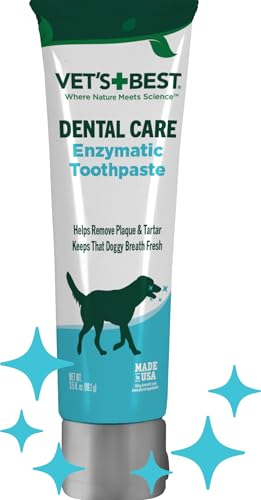
The fix is daily brushing with enzymatic dog toothpaste (under 8 dollars) and dental chews (under 10 dollars per month). For advanced tartar, a professional cleaning at the vet (150-700 dollars) is necessary. See our budget dental cleaning guide for the full protocol.
2. Diet and Eating Habits
Fish-based foods and raw diets cause stronger breath. Coprophagia and eating cat feces cause terrible breath. Keep litter boxes inaccessible with a ba
Some foods produce stronger breath odors than others. Fish-based kibble, raw diets, and certain proteins cause more noticeable breath. Dogs that eat feces (coprophagia) have particularly bad breath — this is a behavioral issue, not a health one.
Dogs that raid the cat litter box also have terrible breath. Cat feces is high in protein and smells foul. Keep litter boxes inaccessible to dogs — a covered litter box or a baby gate that cats can slip under but dogs cannot solves this for free.
3. Oral Foreign Objects
Sticks, bones, or grass lodged between teeth rot and cause severe breath. Open your dog’s mouth with a flashlight. Remove visible objects with tweezer
A piece of stick, bone, or grass lodged between the teeth or across the roof of the mouth rots and causes severe bad breath. If your dog suddenly develops bad breath, open their mouth and look — use a flashlight. Foreign objects are usually visible and can be removed with tweezers. If the object is embedded or the gums are infected, see the vet.
4. Gastrointestinal Issues
Acid reflux and stomach infections cause sour breath from the digestive tract. If brushing does not help, try probiotics and a diet change. Under 10 d
Acid reflux, stomach infections, and intestinal issues can cause bad breath that comes from the stomach rather than the mouth. If your dog’s breath smells acidic or sour, and brushing does not help, the problem may be digestive. Dogs with chronic GI issues often benefit from probiotics (under 10 dollars per month) and a diet change.
5. Systemic Disease (Less Common but Serious)
Kidney disease causes ammonia breath, diabetes causes sweet ketone breath, and liver disease causes musty breath. These metabolic odors cannot be fixe
Certain health conditions produce distinctive breath odors:
- Kidney disease — breath smells like ammonia or urine. Toxins the kidneys cannot filter build up in the blood and are exhaled through the lungs. This is a serious sign — see a vet immediately.
- Diabetes — breath smells sweet or like nail polish remover (ketones). Dogs with diabetes also drink excessively and lose weight. See a vet immediately.
- Liver disease — breath smells musty or foul. Often accompanied by yellowing of the eyes or gums (jaundice). See a vet immediately.
These metabolic odors cannot be fixed by brushing — the smell comes from the bloodstream, not the mouth. If your dog’s breath has a chemical or sweet odor, bloodwork is needed.
The Bad Breath Diagnostic Checklist
Check for tartar, brush for two weeks, switch proteins, check for coprophagia, add probiotics, and if breath smells chemical or sweet, get bloodwork f
Before spending money at the vet, work through this checklist to narrow down the cause:
| Step | What to Check | Cost |
|---|---|---|
| 1 | Open mouth, look for tartar, foreign objects, or gum redness | Free |
| 2 | Brush teeth daily for 2 weeks — does breath improve? | 8 dollars (toothpaste) |
| 3 | Switch to a different protein food for 2 weeks — does breath improve? | Cost of new food |
| 4 | Check for coprophagia (eating feces) or litter box access | Free |
| 5 | Add probiotics for 2 weeks — does breath improve? | 10 dollars |
| 6 | If breath smells like ammonia/sweet/musty — see vet for bloodwork | 50-150 dollars |
If steps 1-5 do not resolve the breath, or if you detect a chemical or sweet odor at step 1, skip to step 6.
The 15-Dollar Bad Breath Fix Kit
Fix 80 percent of bad breath with enzymatic toothpaste (8 dollars), finger brush (6 dollars), VOHC dental chews (10 dollars monthly), and dental water
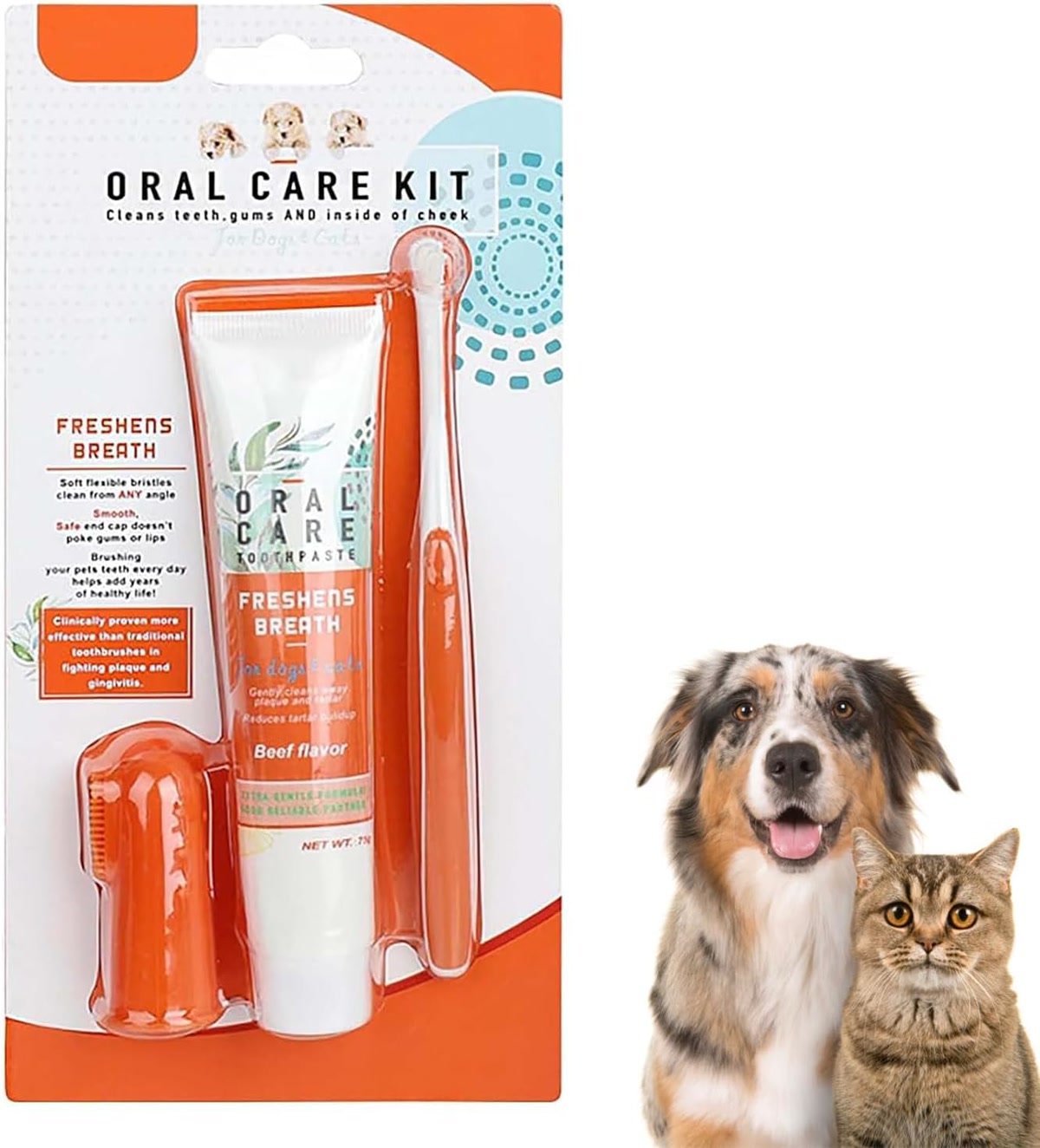
For the 80 percent of cases caused by dental disease, this kit handles the problem:
- Enzymatic dog toothpaste — under 8 dollars. The enzymes break down plaque even if your brushing technique is imperfect. Poultry flavor is most widely accepted.
- Dog toothbrush or finger brush — under 6 dollars. A finger brush is easier for beginners.
- Dental chews with VOHC seal — under 10 dollars per month. The mechanical chewing action scrapes plaque off teeth.
- Dental water additive — under 8 dollars per month. Pour into the water bowl to reduce plaque bacteria between brushings.
Top Pick: Check Price on Amazon →
Top Pick: Check Price on Amazon →
Total cost for the first month: under 25 dollars. Ongoing cost: under 15 dollars per month. This routine prevents tartar buildup that causes bad breath and the 300-700 dollar professional cleanings needed to remove established tartar.
| Product | Cost | Type | Buy |
|---|---|---|---|
| Enzymatic toothpaste | 6-8 dollars | Real solution | Check Price → |
| Finger brush | 4-6 dollars | Real solution | Check Price → |
| VOHC dental chews | 8-10 dollars/month | Real solution | Check Price → |
| Dental water additive | 6-8 dollars/month | Supplement | Check Price → |
| Dental wipes | 6-8 dollars | Quick fix | Check Price → |
Quick Fixes vs Real Solutions
Quick fixes like dental wipes and parsley mask odor temporarily. Real solutions — daily brushing, VOHC dental chews, and annual vet exams — address th
Quick Fixes (Temporary, Under 10 Dollars)
Dental wipes, breath water additives, parsley, and carrots temporarily mask bad breath. They do not address the underlying dental disease causing the
These mask the odor but do not address the cause:
- Dental wipes — pre-moistened pads that wipe the teeth. Under 8 dollars. Better than nothing but not as effective as brushing.
- Breath freshening water additives — some products claim to freshen breath instantly. They mask the smell temporarily. Under 10 dollars.
- Parsley — fresh parsley contains chlorophyll, a natural deodorizer. Add a small amount to your dog’s food. Under 2 dollars for a bunch.
- Carrots — crunchy raw carrots help scrape teeth and are a low-calorie breath-freshening treat. Under 3 dollars for a bag.
Real Solutions (Permanent, Under 15 Dollars Per Month)
Daily brushing with enzymatic toothpaste, VOHC-approved dental chews, annual vet dental exams, and diet changes permanently fix bad breath by addressi
These address the underlying cause:
- Daily brushing — the single most effective thing you can do. Removes plaque before it hardens into tartar. Free after the initial 14-dollar brush and paste purchase.
- VOHC-approved dental chews — scientifically proven to reduce plaque and tartar. Under 10 dollars per month.
- Annual vet dental exams — early detection of problems before they become expensive. Included in routine wellness visits.
- Diet change — if food intolerance is the cause, switching proteins eliminates the odor permanently. Cost varies.
When Bad Breath Means Something Serious
See a vet within 48 hours if bad breath accompanies excessive drinking, yellowing eyes, weight loss, vomiting, refusal to eat, pawing at mouth, or fac
See your vet within 48 hours if bad breath is accompanied by any of these signs:
- Excessive drinking and urination — possible diabetes or kidney disease
- Yellowing of eyes or gums — liver disease
- Weight loss despite normal eating — diabetes, thyroid issues, or cancer
- Vomiting or diarrhea with bad breath — gastrointestinal disease or blockage
- Refusal to eat or dropping food — oral pain from advanced dental disease or a foreign object
- Pawing at the mouth — oral pain or foreign object
- Swelling around the face or jaw — tooth abscess, which needs immediate treatment
Bloodwork at the vet costs 50-150 dollars and identifies kidney, liver, and blood sugar issues. If the bloodwork is normal, the problem is in the mouth — and brushing plus dental chews will resolve it.
Prevention: The Daily 2-Minute Habit
Prevent bad breath with 2 minutes daily: brush teeth with enzymatic paste, give one dental chew, change water daily, and get annual vet dental checks.
Preventing bad breath costs 2 minutes per day and under 15 dollars per month. The routine:
- Brush teeth daily — 60 seconds. Use enzymatic toothpaste and a finger brush. Focus on the outer surfaces of the back teeth where tartar accumulates fastest.
- Give one dental chew per day — after the evening meal. The chewing action supplements brushing.
- Provide fresh water — change the water bowl daily. Bacteria multiply in stagnant water and contribute to oral bacteria.
- Annual vet check — the vet checks for tartar, gum disease, and oral tumors during the annual wellness exam. Early detection is the cheapest treatment.
The Bottom Line
Bad breath is almost always dental disease, preventable with a 14-dollar toothbrush kit and 2 minutes daily. Chemical or sweet odors mean systemic dis
Bad breath is almost always dental disease, and dental disease is almost always preventable. A 14-dollar investment in a toothbrush and enzymatic toothpaste, plus 2 minutes per day, eliminates the cause of most bad breath. If brushing and dental chews do not improve the odor within 2 weeks, or if the breath has a chemical, sweet, or ammonia smell, see your vet for bloodwork — the problem is not in the mouth. Do not ignore persistent bad breath — it is your dog’s body telling you something needs attention, and the cheapest fix is always early detection.
ThriftyPaw reviews budget pet products and shares practical care guides for dog owners. Learn more at About ThriftyPaw.
Last updated: July 2026 | By ThriftyPaw | Prices and availability subject to change
ThriftyPaw is reader-supported. As an Amazon Associate, we earn from qualifying purchases. This means we may earn a small commission when you buy through links on this site at no additional cost to you. We only recommend products we genuinely believe in. Thank you for supporting ThriftyPaw.
My take: Start with the dental kit — 80% odds it’s tartar and the $15 month fixes it. But smell the breath properly first: the chemical, ammonia, or sweet odors are the signal to skip the toothpaste and buy the bloodwork instead.
Related guides
- Flea and Tick Season 2026: When to Start and What to Buy
- Cat Urinary Health on a Budget: Prevention Guide Under 15 Dollars Per Month
- Dog Arthritis on a Budget: Complete Management Guide Under 30 Dollars Per Month
- Dog Car Sickness and Motion Sickness Remedies: Budget Guide (2026)
- Dog Grooming Tools for Large Breeds That Actually Work (All Under $30)
🐾 Get Your Free Big Dog First Aid Kit Checklist
Join our newsletter and get this free printable plus weekly tips.
Frequently Asked Questions
Why does my dog's breath smell so bad?
80% of cases are dental disease — tartar, gingivitis, and the bacteria that come with it. The rest: diet and eating habits, something lodged in the mouth, GI issues, or (rarely but importantly) systemic disease — the guide's red flag is a chemical, ammonia, or sweet odor, which means bloodwork at the vet, not a breath mint.
How do I fix my dog's bad breath?
The $15 first month: enzymatic toothpaste ($8), a finger brush ($6), VOHC dental chews ($10 monthly), and a water additive ($8). That kit fixes the 80% dental tier, and daily brushing is the mechanism that actually works — the chews and additive supplement the days you miss, not replace brushing.
Is dog bad breath ever serious?
Yes — and the smell is the diagnostic. Ammonia suggests kidney disease, sweetness or acetone suggests diabetes, mustiness with yellow gums suggests liver trouble. That's the checklist moment to skip the $15 kit and go straight to the $50-150 bloodwork; catching systemic disease from breath is one of the cheapest early diagnoses in medicine.
Liked this guide? Get the next one in your inbox — the pet budget checklist is free too.
✓ You're in — check your inbox.
No spam. Unsubscribe anytime. We never share your email.
Price Check
Prices verified via our product tracker. Updated Sep 27.
| Vet's Best Enzymatic Dog Toothpaste Dental Gel, Vet Formul | $9.53 | 4.5★ (31,232) |
| Greenies Regular Dental Dog Treats, Original Chicken Flavo | $32.98 | 4.8★ (36,523) |
| TummyWorks Probiotics for Dogs & Cats with Prebiotics, 160 | $26.95 | 4.3★ (5,173) |
| Pet Republique Dog Toothbrush Set of 6 – Dual Headed Denta | $1.50 | 4.6★ (4,167) |
| PetLab Co. ProBright Advanced Dental Powder, Small Dogs | | $23.24 | 4.0★ (2,499) |
| HICC PET Dog Finger Toothbrush, Dual-Sided Soft Silicone, | $11.19 | 4.3★ (175) |
As an Amazon Associate we earn from qualifying purchases.