This article contains affiliate links. We may earn a commission from qualifying purchases.
Some content on this site is AI-assisted and reviewed by our editorial team.
Your Senior Dog Does Not Need Fancy Expensive Food — But They Do Need Different Food
When your dog turns 7 (or 5 for giant breeds), their nutritional needs change. Their metabolism slows, their joints need support, and their digestion becomes more sensitive. But senior-specific dog food at the pet store costs 20 to 40 dollars more per bag — and much of that premium goes toward packaging and marketing, not nutrition.
This guide covers what actually changes in a senior dog’s diet, which ingredients matter (and which are marketing fluff), and the best budget-friendly options that give your older dog exactly what they need without draining your wallet.
What Changes in a Senior Dog’s Diet
Around age 7, most dogs start showing the physical signs of aging. Their body is not the same as it was at 3, and their food should not be either. Here is what actually changes:
- Lower calorie needs: Senior dogs burn 20 to 30 percent fewer calories than young adults. The same portion they ate at age 3 will make them overweight at age 9.
- Higher protein requirement: Contrary to the old belief that seniors need less protein, they actually need more to maintain muscle mass — but it needs to be high-quality, easily digestible protein.
- Joint support: Glucosamine and chondroitin help, but most commercial foods do not include enough to be therapeutic. You are better off adding a separate supplement.
- Increased fiber: Older dogs have slower digestion. Extra fiber keeps things moving and helps with weight management.
- Kidney and liver support: Lower phosphorus and moderate protein (not low protein — this is a common mistake) reduce the workload on aging kidneys.
- Omega-3 fatty acids: Fish oil reduces inflammation, supports joint health, and keeps the coat from getting dull and brittle.
The key insight: you do not need to buy a bag labeled “senior” to meet these needs. You need to know what to look for on the label.
5 Best Budget Senior Dog Foods (Under 50 Dollars Per Bag)
1. Purina Pro Plan Bright Mind 7+ — Best Overall for Seniors
Price: Around 44 to 48 dollars per 30-pound bag
Protein: 29 percent (chicken)
Fat: 15 percent
Bright Mind is specifically formulated for dogs 7 and older, with enhanced botanical oils (medium-chain triglycerides) that provide an alternative energy source for aging brains. In Purina’s studies, dogs on Bright Mind showed improved alertness and cognitive function within 30 days. It also includes glucosamine for joints and live probiotics for digestion.
What we like: Real cognitive benefits, high protein, glucosamine included, widely available
Watch out for: Contains corn and soy — not ideal for dogs with food sensitivities
2. Blue Buffalo Life Protection Formula Senior — Best for Sensitive Stomachs
Price: Around 45 to 50 dollars per 30-pound bag
Protein: 26 percent (deboned chicken)
Fat: 14 percent
Blue Buffalo’s senior formula uses high-quality chicken as the first ingredient, with brown rice and oatmeal for easy digestion. It includes their LifeSource Bits (a blend of antioxidants, vitamins, and minerals), plus glucosamine and chondroitin. The fiber content is higher than most senior foods, which helps with the digestive slowdown older dogs experience.
What we like: No poultry by-product meals, higher fiber, gentle on sensitive stomachs
Watch out for: Some dogs pick out the LifeSource Bits and leave them — not a problem nutritionally, just wasted kibble
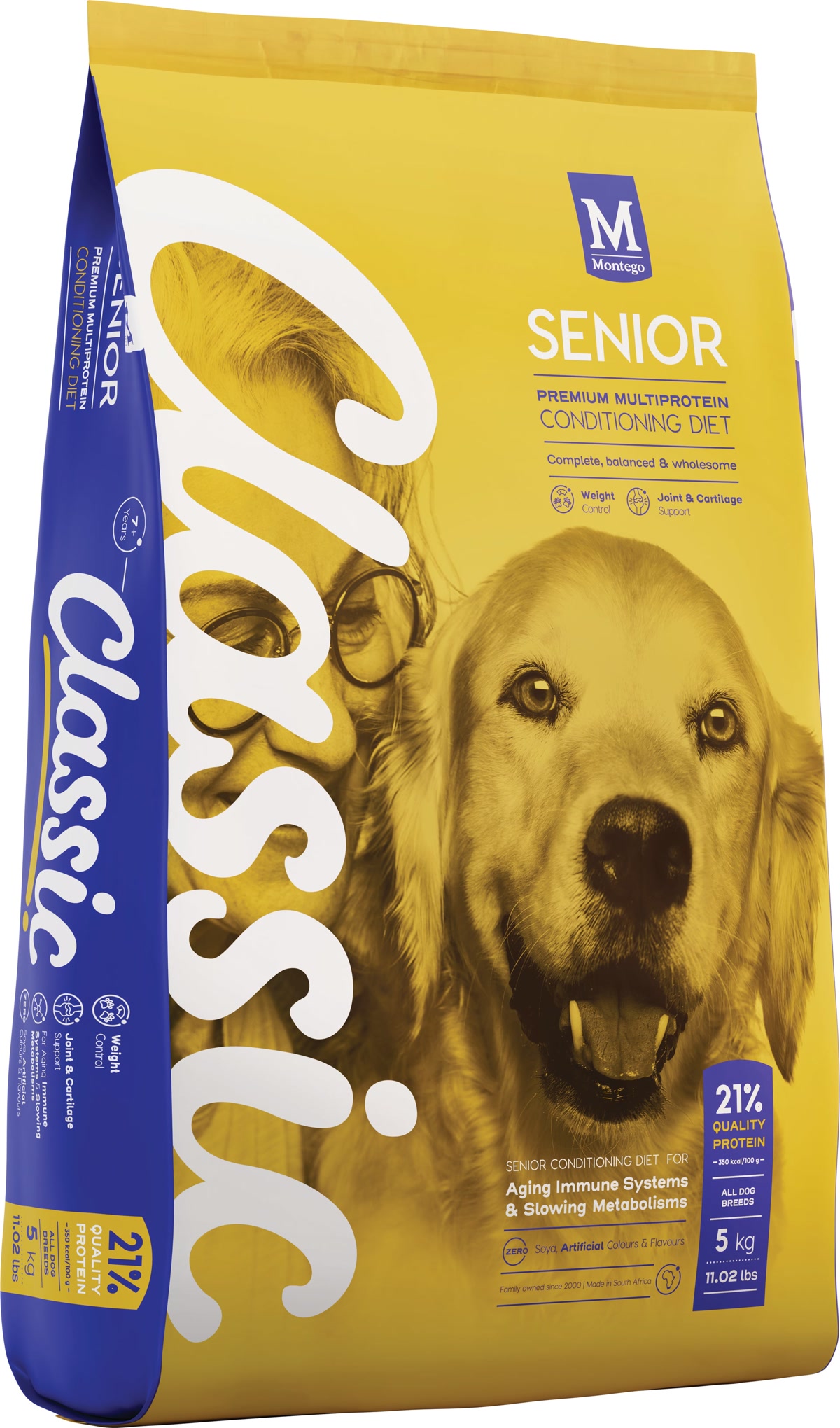
3. Iams ProActive Health Senior — Best Budget Pick
Price: Around 28 to 32 dollars per 30-pound bag
Protein: 27 percent (chicken)
Fat: 14 percent
At under 32 dollars for a 30-pound bag, Iams Senior is the cheapest option on this list that still meets senior nutritional needs. It includes L-carnitine for fat metabolism, glucosamine for joints, and a tailored fiber blend for digestion. Iams has been around for decades and has solid veterinary nutrition behind it, even if the brand does not have the premium reputation of newer companies.
What we like: Best price point, includes glucosamine, widely available at grocery stores
Watch out for: Contains chicken by-product meal and corn — not the highest quality ingredients, but nutritionally complete
4. Nutro Ultra Senior — Best for Joint Support
Price: Around 42 to 47 dollars per 30-pound bag
Protein: 28 percent (chicken, lamb, salmon)
Fat: 14 percent
Nutro Ultra Senior uses a trio of proteins (chicken, lamb, and salmon) which provides a more complete amino acid profile than single-protein foods. The salmon also adds natural omega-3 fatty acids for joint and coat health. It includes the highest glucosamine content of any food on this list (400 mg/kg), plus chondroitin — making it the best option if joint support is your priority.
What we like: Triple protein blend, highest glucosamine content, no artificial preservatives
Watch out for: Not ideal for dogs with protein allergies since it contains multiple protein sources
5. Diamond Naturals Senior — Best Value for Large Breeds
Price: Around 35 to 40 dollars per 40-pound bag
Protein: 27 percent (chicken)
Fat: 12 percent
Diamond Naturals Senior is the best per-pound value on this list. The 40-pound bag at 35 to 40 dollars works out to under 1 dollar per pound — significantly cheaper than most senior foods. It includes real chicken, sweet potatoes, kale, and blueberries for antioxidants, plus glucosamine, chondroitin, and omega fatty acids. The lower fat content (12 percent) is ideal for less active senior dogs who need weight management.
What we like: Best per-pound price, 40-pound bag, lower fat for weight management, solid ingredient list
Watch out for: Lower protein than some competitors — fine for most seniors, but may not be enough for very active older dogs
What to Look for on the Label (and What to Ignore)
The pet food industry relies on confusing labels to justify higher prices. Here is what actually matters and what is marketing noise:
What Matters
- First ingredient is a named meat: “Chicken” or “Deboned chicken” — not “meat meal” or “animal digest”
- Protein at 25 percent or higher: Senior dogs need protein to maintain muscle mass
- Fat at 12 to 16 percent: Lower than adult food, but not too low — fat provides essential fatty acids
- Glucosamine listed in guaranteed analysis: If it says “contains glucosamine” but does not list the amount, it is not enough to matter
- Omega-3 and omega-6 fatty acids: Listed in the guaranteed analysis with specific amounts
- American Association of Feed Control Officials (AAFCO) statement: “Formulated to meet the nutritional levels established by the AAFCO Dog Food Nutrient Profiles for maintenance”
What to Ignore
- “Senior” on the bag: There is no AAFCO definition of “senior” dog food. Any brand can put it on the label regardless of the actual nutrition.
- “Holistic,” “natural,” or “human-grade”: These terms have no legal definition in pet food. They mean nothing.
- Exotic proteins for senior dogs: Venison, bison, and kangaroo are marketing gimmicks unless your dog has a diagnosed protein allergy.
- “Grain-free” for no reason: Unless your vet recommended grain-free, whole grains (brown rice, oatmeal, barley) are excellent sources of fiber for senior dogs. The FDA has also linked grain-free diets to a potential increase in heart disease (DCM).
- Superfoods listed on the bag: Kale, blueberries, and coconut oil in kibble are present in such tiny amounts they provide zero measurable benefit.
Supplements That Actually Help Senior Dogs
Most senior dog foods include small amounts of joint supplements, but not enough to be therapeutic. Here is what to add:
- Glucosamine and chondroitin supplement (10 to 15 dollars per month) — Most foods include 300 to 400 mg/kg, but therapeutic doses are 20 mg per pound of body weight. A 50-pound dog needs 1,000 mg daily — most foods provide only 300 to 400 mg per cup.
- Fish oil (omega-3) (8 to 12 dollars per month) — Reduces inflammation, supports joints, and keeps the coat from thinning. Add 1,000 mg of EPA and DHA per 20 pounds of body weight.
- Probiotic (10 to 15 dollars per month) — Helps with digestion, which becomes less efficient with age. Look for a supplement with at least 1 billion CFU and multiple strains.
Total supplement cost: 28 to 42 dollars per month. Combined with a budget senior food (28 to 50 dollars per bag), you are spending 60 to 90 dollars per month on your senior dog’s nutrition — less than the 80 to 120 dollars you would pay for a premium senior food with built-in supplements that are not strong enough to matter.
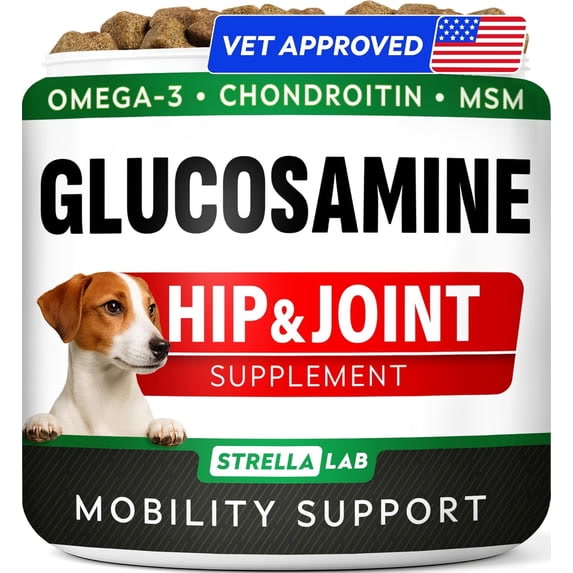
Check glucosamine supplements on Amazon
Feeding Schedule for Senior Dogs
How you feed matters as much as what you feed:
- Switch to twice daily feeding if you are currently feeding once a day. Older dogs digest better with smaller, more frequent meals.
- Reduce portion by 15 to 20 percent from what you were feeding at age 3 to 5. Senior metabolism is slower.
- Soak kibble in warm water for 10 minutes if your dog has dental issues or is eating more slowly. This also helps with hydration — many seniors do not drink enough water.
- Warm the food slightly to release aromas. Senior dogs often lose some sense of smell, and warming food makes it more appealing.
- Feed at consistent times — older dogs do better with routine than randomness.
For more on portion management and cost, see our guide on the best budget dog food for large breeds under 50 dollars per bag.
When to Talk to Your Vet About Diet Changes
Switching to a senior food is generally safe, but talk to your vet first if your dog has any of these conditions:
- Kidney disease: These dogs need specifically formulated renal diets — regular senior food has too much phosphorus.
- Diabetes: Diabetic dogs need consistent carbohydrate levels and precise feeding schedules.
- Food allergies: Switching foods can trigger allergic reactions. If your dog is already on a limited-ingredient diet, do not change without veterinary guidance.
- Cancer: Dogs undergoing chemotherapy or dealing with cancer-related weight loss need high-calorie, highly digestible food.
- Obesity with joint disease: This combination requires careful balancing of calories and joint support that may need a prescription diet.
For more on budget vet care, see our guide on how to save on vet bills — negotiation tips and low-cost clinics.
The Bottom Line
You do not need to spend 80 dollars per bag on senior dog food. A 30-dollar bag of Iams or a 40-dollar bag of Diamond Naturals, combined with targeted glucosamine and fish oil supplements, gives your senior dog everything they need for 60 to 75 dollars per month. The key is knowing what to look for on the label and adding the right supplements separately rather than paying a premium for built-in amounts that are too small to be therapeutic.
Feed less, choose wisely, and add supplements that actually work. Your senior dog will be healthier, and your wallet will be too.
n
ThriftyPaw is reader-supported. As an Amazon Associate, we earn from qualifying purchases. This means we may earn a small commission when you buy through links on this site at no additional cost to you. We only recommend products we genuinely believe in. Thank you for supporting ThriftyPaw.
My take: Buy the budget bag (Iams Senior or Diamond Naturals at under $1/lb) and spend the difference on the supplement stack — that combination beats the $50 premium bag with better joint coverage than any food provides alone. Ignore the label’s “senior” marketing; read the protein, fat, and glucosamine numbers.
Related guides
- Dog Skin Allergies on a Budget: Complete Treatment Guide Under 25 Dollars (2026)
- Cat Ear Mites on a Budget: Complete Treatment Guide Under 15 Dollars
- 5 Best Budget Dog Beds Under 50 Dollars in 2026
- My Vet Recommended Dental Chews. I Found 4 VOHC-Approved Options Under 15 Dollars.
- How to Build a Dog First Aid Kit for Under 30 Dollars (With Printable Checklist)
🐾 Get Your Free Big Dog First Aid Kit Checklist
Join our newsletter and get this free printable plus weekly tips.
Frequently Asked Questions
Does my senior dog really need senior-formula food?
They need different nutrition — lower calories, joint support, easier digestion — but not the $20-40 per-bag senior premium, which goes mostly to packaging and marketing. Evaluate any food by its actual protein and fat numbers against your dog's needs; senior starts at age 7 (5 for giant breeds).
What's the best budget senior dog food?
Iams ProActive Health Senior at $28-32 for a 30-pound bag is the budget pick, and Diamond Naturals Senior at $35-40 for 40 pounds is the value-per-pound winner at under $1/lb. Both deliver the senior profile without the premium bags' $45-50 pricing.
Do I need to add supplements to my senior dog's food?
Usually yes for joints: most senior foods include 300-400 mg/kg of glucosamine, but therapeutic doses run 20 mg per pound of body weight — the gap is real. The stack: glucosamine/chondroitin ($10-15/month), fish oil ($8-12), probiotic ($10-15), totaling $28-42 a month.
Liked this guide? Get the next one in your inbox — the pet budget checklist is free too.
✓ You're in — check your inbox.
No spam. Unsubscribe anytime. We never share your email.
Price Check
Prices verified via our product tracker. Updated Sep 27.
| Purina Pro Plan Large Breed Dry Dog Food, Chicken & Rice, | $77.48 | 4.6★ (5,804) |
| Solid Gold Ocean Fish Dry Dog Food for Sensitive Stomach, | $23.97 | 4.6★ (2,734) |
As an Amazon Associate we earn from qualifying purchases.