This article contains affiliate links. We may earn a commission from qualifying purchases.
Some content on this site is AI-assisted and reviewed by our editorial team.
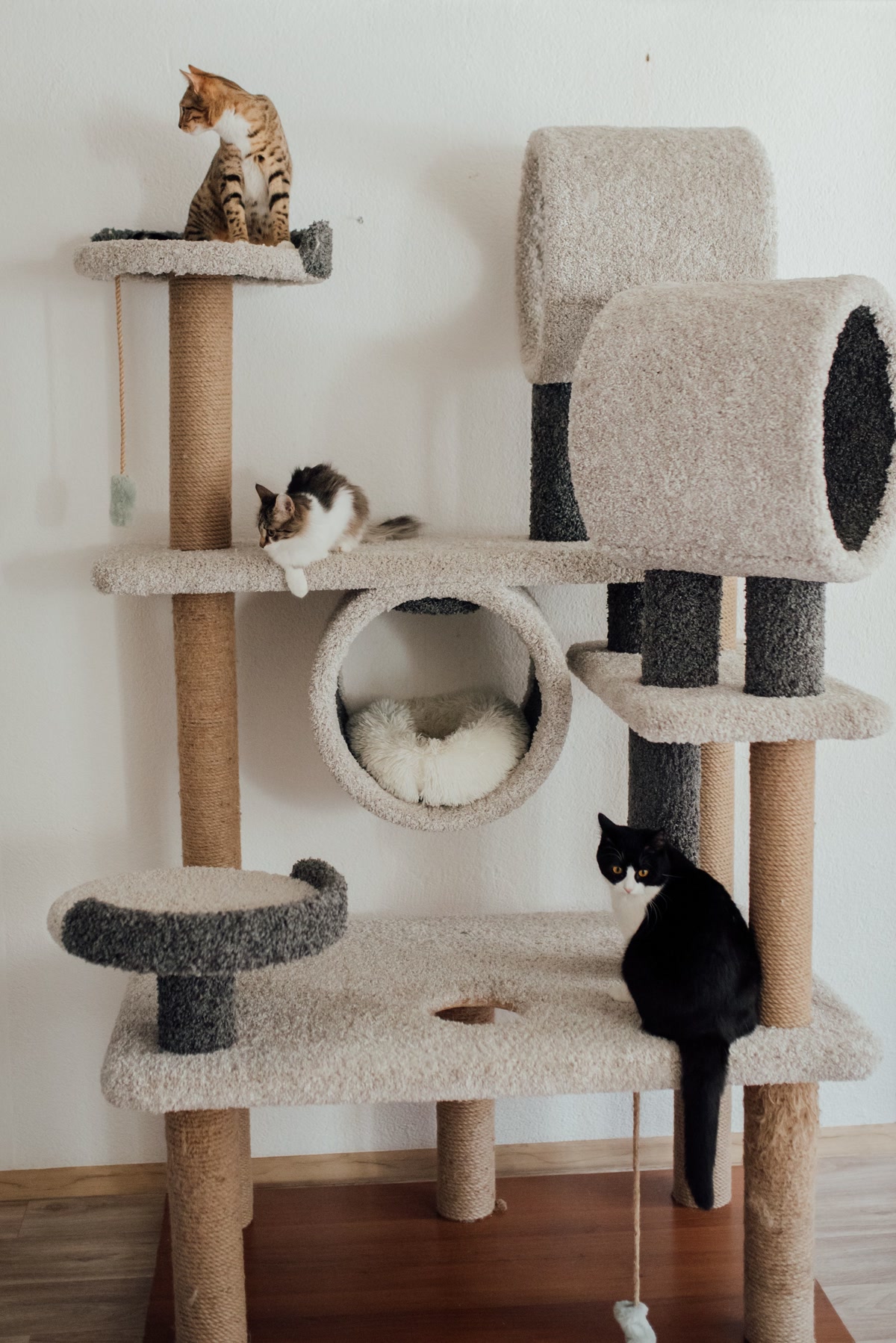
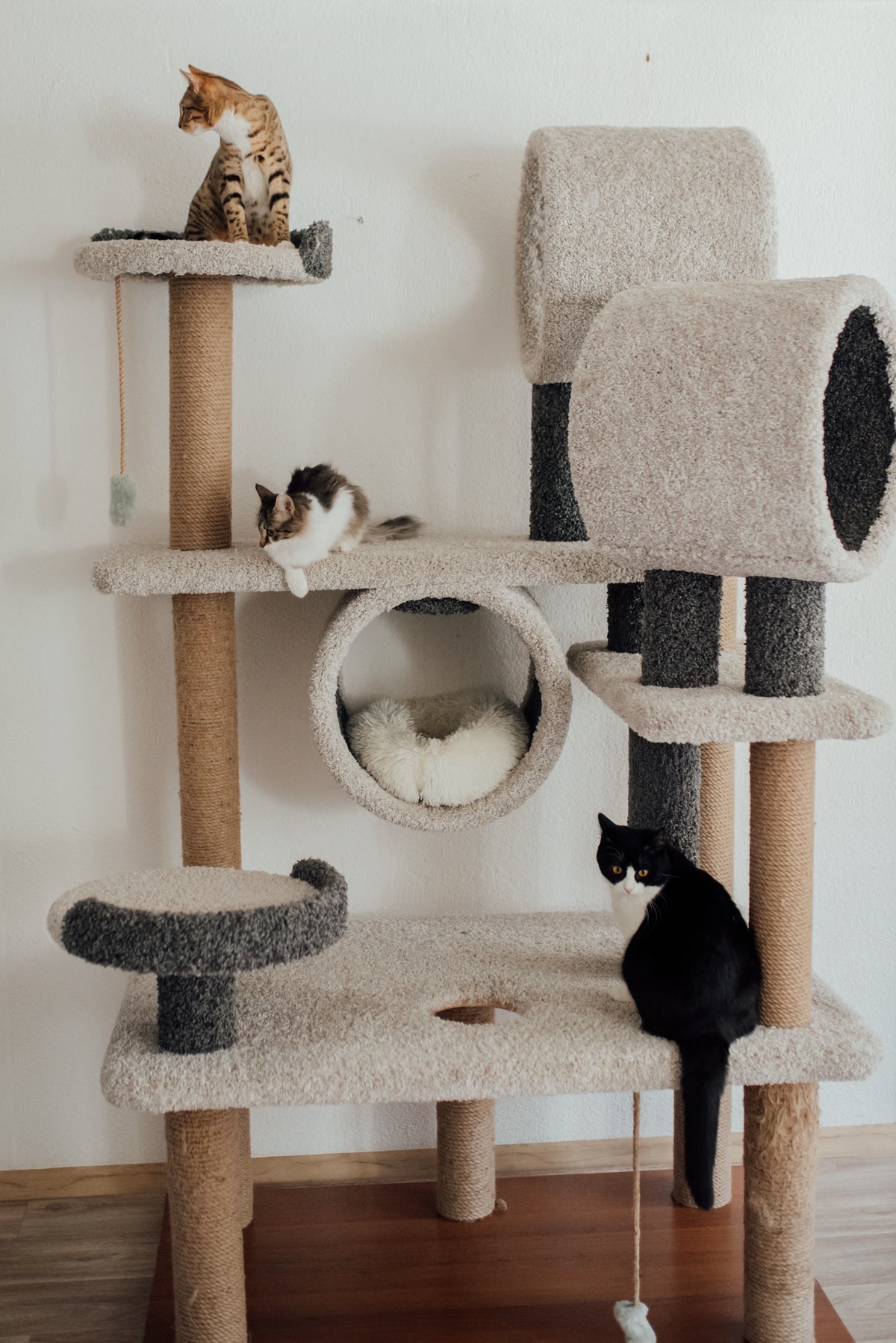
A cat tree is not a luxury — it is essential furniture for indoor cats. Cats need vertical space to feel safe, scratching surfaces to maintain their claws, and perches to watch the world. A multi-level cat tree at a pet store costs 150-300 dollars. You can build one yourself for under 40 dollars or buy a Budget option that works just as well. Here is the Complete guide to cat trees and scratching posts on a budget.
Why Your Cat Needs Vertical Space
Cats are both predators and prey. In the wild, they climb to survey territory and escape threats. An indoor cat without vertical space becomes stressed, territorial, and destructive. A cat tree provides:
- Vertical territory — reduces conflict in multi-cat households
- Scratching surfaces — maintains claw health and marks territory
- Observation posts — mental stimulation from watching outside
- Safe resting spots — away from dogs, kids, and foot traffic
- Exercise — climbing and jumping burns calories
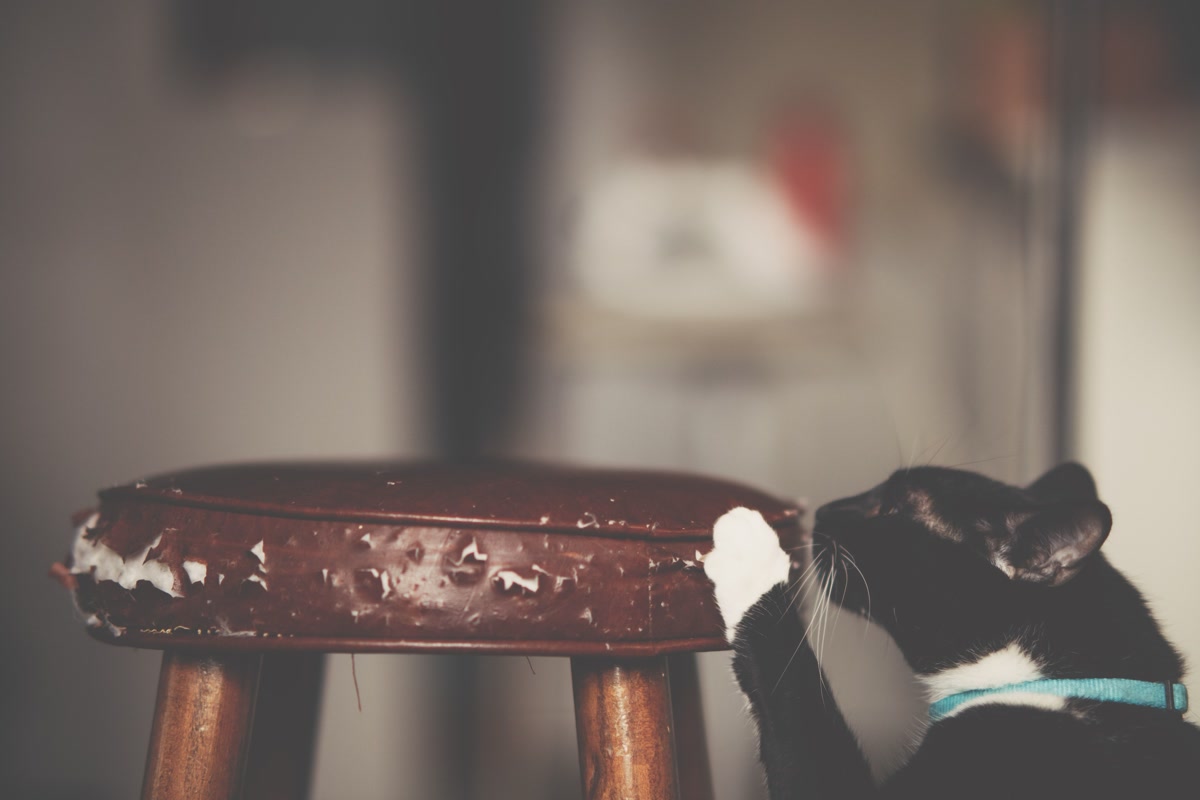
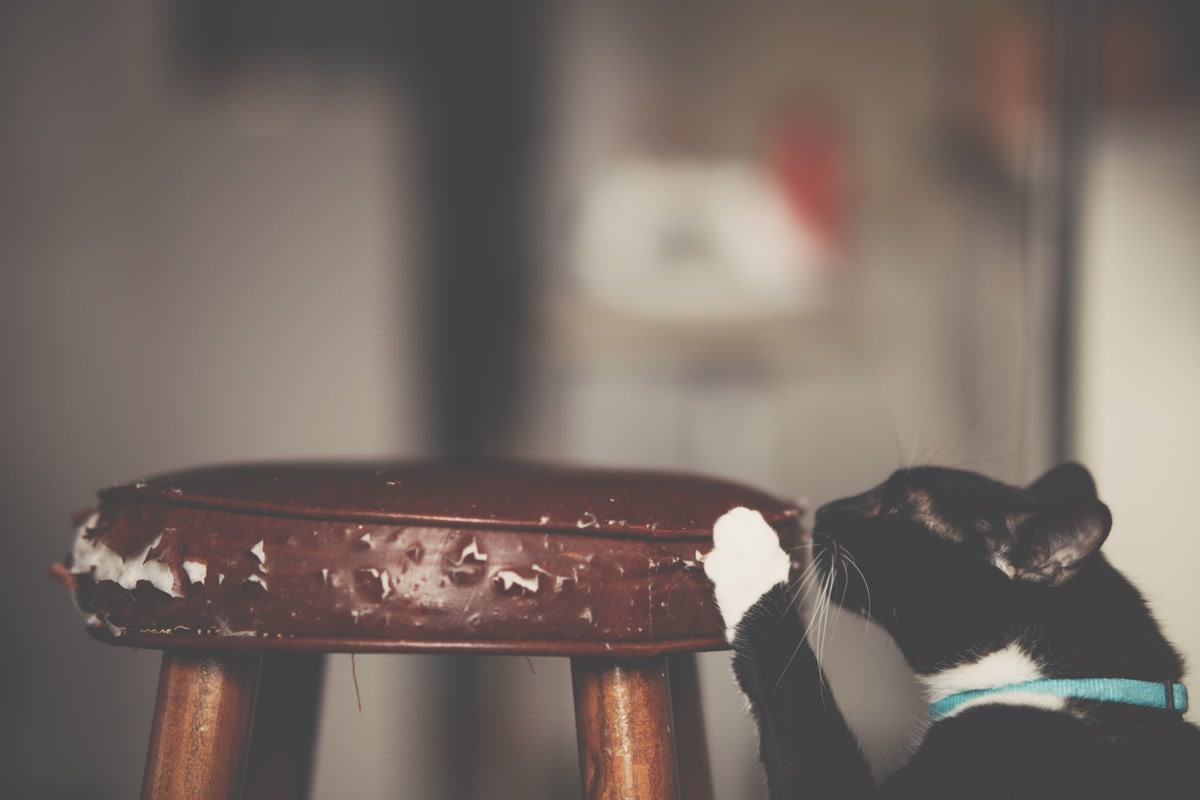
Without a cat tree, cats scratch furniture, climb curtains, and become aggressive from stress. The tree pays for itself in prevented furniture damage.
Budget Cat Trees Under 60 Dollars
Best Budget Multi-Level Tree
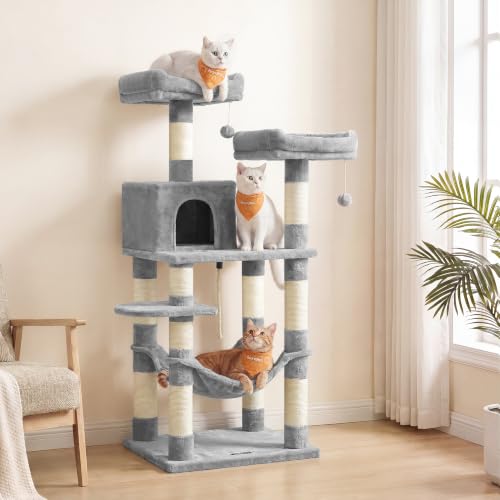
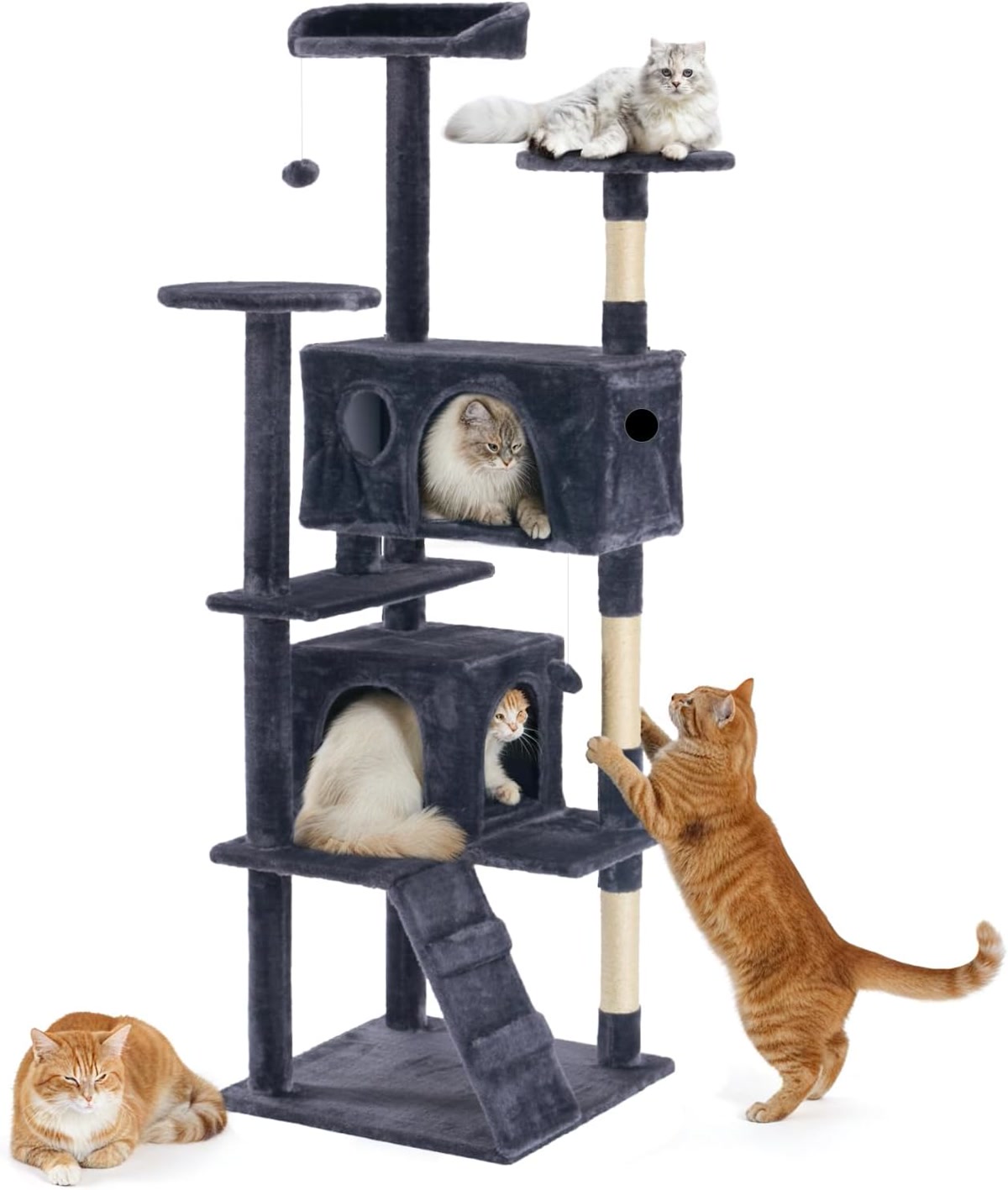
Look for trees with at least 3 levels, a hiding spot, and sisal rope posts. The height should be at least 36 inches — shorter trees do not provide enough vertical territory. The FEANDREA Cat Tree on Amazon is a solid budget pick under 50 dollars with multiple levels and sisal-wrapped posts. Avoid carpeted trees (cats destroy them within months) and look for sisal-wrapped posts instead.
Key features to look for:
- Sisal rope posts — lasts 3-5x longer than carpet
- Wide base — prevents tipping when cat jumps to top
- Removable/washable beds — hygiene matters
- At least 36 inches tall — minimum for adult cats
- Stability — should not wobble when pushed
DIY Cat Tree (Under 40 Dollars)
Building your own cat tree costs half what a store-bought one costs and lasts longer because you control the materials:
Materials
| Item | Source | Cost |
|---|---|---|
| 2×4 lumber (3 pieces, 8 feet each) | Hardware store | 12 dollars |
| Plywood (2×2 feet sheet) | Hardware store | 8 dollars |
| Sisal rope (100 feet) | Hardware store | 10 dollars |
| Carpet remnants (free from carpet stores) | Carpet store dumpster | 0 dollars |
| Wood screws, brackets, wood glue | Hardware store | 8 dollars |
| Total | 38 dollars |
Basic Build Steps
- Cut one 2×4 to 48 inches (main post) and two to 24 inches (base supports)
- Screw base supports into the plywood base in a T-shape for stability
- Attach the main post to the center of the base using brackets and screws
- Cut the remaining 2×4 into 12-inch shelves and attach at 18 and 36 inch heights
- Wrap the main post with sisal rope, securing with hot glue every 6 inches
- Staple carpet remnants to the shelves and base
- Optional: add a cardboard box “cave” at the base level
Build time: 2-3 hours for someone with basic tools. The result is sturdier than most commercial trees under 100 dollars.
Scratching Posts: The Minimum Every Cat Needs
Even if you do not have space for a full cat tree, every cat needs at least 2 scratching surfaces. Cats scratch to shed claw husks, stretch their muscles, and mark territory — it is not optional behavior.
Types of Scratchers
- Vertical posts — should be tall enough for the cat to fully stretch (minimum 28 inches). Shorter posts get ignored.
- Horizontal scratchers — cardboard corrugated scratchers laid flat. Cats who scratch rugs prefer these.
- Angled scratchers — a compromise between vertical and horizontal. Good for older cats who cannot jump.
Budget Scratching Post Options
DIY sisal post — Wrap sisal rope around a 4×4 wood post (24-36 inches tall). Cost: 12 dollars for rope plus 8 dollars for wood. Total: 20 dollars. Or skip the DIY and grab the Amazon Basics Cat Scratching Post for around 20 dollars ready-made.
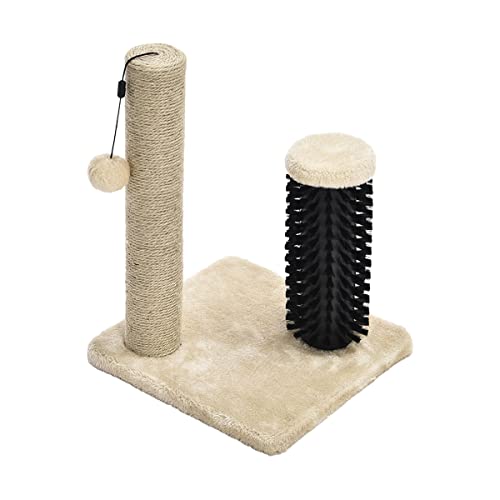
Cardboard scratcher — Refillable cardboard corrugated pads cost under 10 dollars and last 2-3 months. These are the cheapest scratching option and most cats love them.
Log scratcher — A firewood log (untreated, no chemicals) stood on end makes a natural scratching post. Free if you have access to firewood. Cedar and oak work best.
Placement: Where to Put Cat Trees and Scratchers
Even the best cat tree is useless if it is in the wrong spot. Cats are strategic about territory:
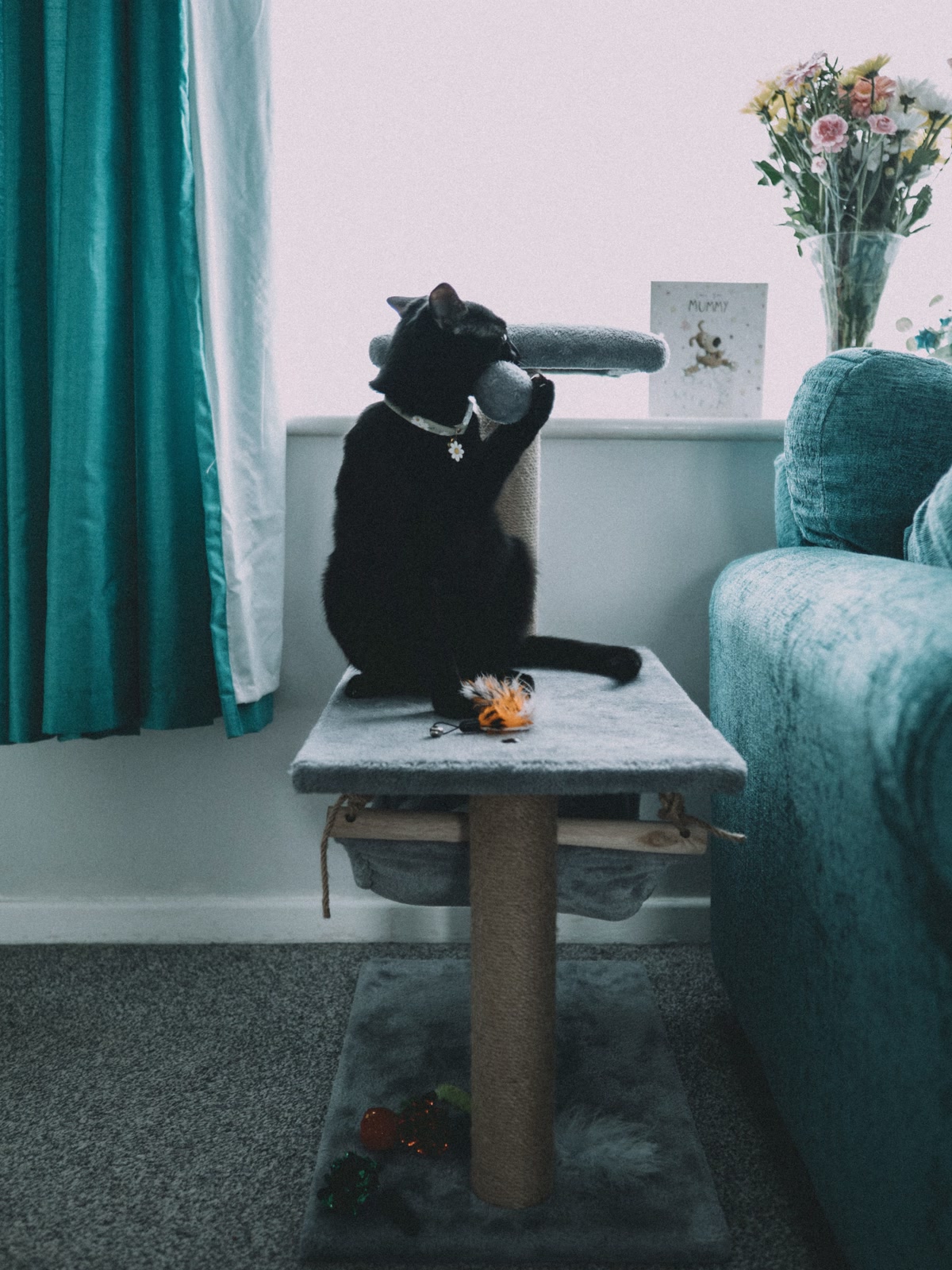
- Near windows — the #1 most valued location. Cats want to watch outside.
- Next to furniture they already scratch — if your cat scratches the couch, put a scratcher right next to it. You are redirecting, not eliminating, the behavior.
- In high-traffic areas — cats want to be where the family is. A cat tree in a spare bedroom gets ignored.
- Multiple levels throughout the house — one tree in the living room, a scratcher in the bedroom, a perch near a kitchen window. Distributed territory reduces stress in multi-cat homes.
How to Get Your Cat to Use the Cat Tree
Some cats ignore a new cat tree for days or weeks. Do not give up — try these techniques:
- Place treats on each level — the cat climbs to get treats and learns the tree is rewarding
- Rub catnip on the sisal posts — attracts most cats (kittens under 6 months and some adults do not respond)
- Play with a wand toy near the tree — the cat naturally jumps onto the tree during play
- Put a favorite blanket on the top perch — familiar scent attracts them
- Never force the cat onto the tree — this creates a negative association
Multi-Cat Household Strategy
In homes with 2 or more cats, vertical territory prevents conflicts. The rule is: one cat tree per cat, plus one extra. Two cats need 3 vertical spaces. Three cats need 4.
Place trees in different rooms so each cat has a “home base.” When cats must share a tree, the dominant cat claims the top perch and the submissive cat gets stressed. Multiple trees in different rooms give everyone a safe space.
Cost Comparison
| Option | Cost | Lifespan | Best For |
|---|---|---|---|
| DIY cat tree | 38 dollars | 5-8 years | Handy owners |
| Budget commercial tree | 50-60 dollars | 3-5 years | Quick setup |
| Premium commercial tree | 150-300 dollars | 5-10 years | Large/multi-cat homes |
| DIY scratching post | 20 dollars | 2-3 years | Budget option |
| Cardboard scratcher | 10 dollars | 2-3 months | Supplement to tree |
| Log scratcher | Free | 1-2 years | Natural look |
The Bottom Line
Your cat needs vertical space and scratching surfaces. A DIY cat tree costs 38 dollars and lasts 5-8 years. A budget commercial tree under 60 dollars works fine if you do not want to build. The key is sisal rope (not carpet), adequate height (36+ inches), and placement near windows. Pair the tree with a 10-dollar cardboard scratcher next to the couch your cat already scratches, and you have solved the territory and scratching problem for under 50 dollars total.
Last updated: July 2026 | By ThriftyPaw | Prices and availability subject to change
ThriftyPaw is reader-supported. As an Amazon Associate, we earn from qualifying purchases. This means we may earn a small commission when you buy through links on this site at no additional cost to you. We only recommend products we genuinely believe in. Thank you for supporting ThriftyPaw.
My take: The $38 DIY build or the $50 FEANDREA covers what cats actually need — height, sisal, stability. Skip the $150-300 premium tier; it’s furniture pricing, not function. And at minimum, every indoor cat needs a scratcher: $10 cardboard or a $20 post.
Related guides
- 15 Budget Dog Toys That Will Outlast the Expensive Ones (Under 10 Dollars Each)
- Best Dog Beds for Heavy Chewers Under 35
- The Wrong Crate Twice Cost Me 150 Dollars. One Divider Panel Fixes It.
- Best Dog Bowls and Feeders for Large Breeds Under 25 Dollars (2026)
- Best Dog Food Storage Containers That Keep Kibble Fresh (2026)
🐾 Get Your Free Big Dog First Aid Kit Checklist
Join our newsletter and get this free printable plus weekly tips.
Frequently Asked Questions
Is a cat tree really necessary for indoor cats?
Vertical space is how cats feel safe — it's territory, exercise, and escape in one piece of furniture, and behavior problems often trace back to not having it. The pet-store trees at $150-300 are the expensive version of something a $38 DIY build or $50-60 budget tree delivers just as well.
What should I look for in a budget cat tree?
The four features: sisal rope posts (3-5x the lifespan of carpet), a wide base that doesn't tip on jumps, removable washable beds, and at least 36 inches of height. The FEANDREA at under $50 delivers all four — the cheapest tree that isn't disposable.
Is it cheaper to build a cat tree?
Yes — about $38 in wood and sisal rope, lasting 5-8 years versus 3-5 for the commercial budget trees. The scratching post version is even cheaper: $20 for the DIY rope-and-wood build, or the ready-made Amazon Basics post at the same $20. The $10 refillable cardboard scratcher covers the low-cost floor.
Liked this guide? Get the next one in your inbox — the pet budget checklist is free too.
✓ You're in — check your inbox.
No spam. Unsubscribe anytime. We never share your email.
Price Check
Prices verified via our product tracker. Updated Sep 27.
| Feandrea Cat Tree, 55.8-Inch Large Cat Tower, Multi-Level | $47.47 | 4.5★ (8,892) |
| Amazon Basics Cat Scratching Post with Self Groomer for In | $22.02 | 4.4★ (1,873) |
| Onlyeasy Sturdy Under Bed Shoe Storage Organizer, Set of 2 | $17.99 | 4.5★ (18,038) |
As an Amazon Associate we earn from qualifying purchases.