

This article contains affiliate links. We may earn a commission from qualifying purchases.
Some content on this site is AI-assisted and reviewed by our editorial team.
Dog food is the single biggest recurring expense for most pet owners. Depending on your dog’s size, you could be spending anywhere from 200 to 800 dollars a year just on kibble. That number only goes up if you buy premium brands, add toppers, or have a large breed. But here is the good news: you can cut your dog food bill by 30 to 50 percent without sacrificing nutrition. The trick is knowing where to save and where to invest. This guide walks through every strategy, from price-per-pound comparisons to store-brand secrets to real food toppers that cost pennies instead of dollars.
Price Per Pound: The Only Number That Matters
Most people compare dog food by the price of the bag. A 15-pound bag for 25 dollars looks cheaper than a 30-pound bag for 40 dollars, right? Wrong. The 15-pound bag costs 1.67 dollars per pound. The 30-pound bag costs 1.33 dollars per pound. That difference adds up fast over a year of feeding.
Always calculate price per pound before you buy. Divide the bag price by the weight in pounds. This single habit will save you hundreds of dollars over your dog’s lifetime. You will quickly notice that larger bags almost always offer a lower per-pound cost, and that some “premium” brands charge three to four times more per pound without offering three to four times the nutrition.
Here is a quick comparison of popular brands by price per pound:
- Purina One — approximately 1.30 dollars per pound (15 lb bag around 20 dollars)
- Iams ProActive Health — approximately 1.20 dollars per pound (30 lb bag around 36 dollars)
- Diamond Naturals — approximately 1.10 dollars per pound (40 lb bag around 44 dollars)
- Blue Buffalo Life Protection — approximately 2.80 dollars per pound (30 lb bag around 84 dollars)
- Orijen Original — approximately 4.50 dollars per pound (25 lb bag around 112 dollars)
The price-per-pound gap between budget and premium is massive. Whether that gap is worth it depends on your dog’s specific needs, which we will get to later.
Budget Brands That Are Genuinely Good Quality
Not all budget dog food is created equal, but several affordable brands meet or exceed AAFCO nutritional standards and have solid ingredient lists. These are the ones worth buying:
1. Purina One SmartBlend (20 to 25 dollars per month)
Purina One is one of the most widely available budget options, and it earns its spot on the shelf. The first ingredient in most formulas is real meat (chicken, beef, or lamb depending on the variety), and it includes omega-6 fatty acids for coat health plus antioxidants. Purina has decades of nutritional research behind their formulas, and their manufacturing standards are rigorous.
2. Iams ProActive Health (22 to 28 dollars per month)
Iams consistently scores well in independent lab tests for nutrient content and digestibility. Their ProActive Health line uses real animal protein as the first ingredient and includes prebiotics for gut health. The kibble shape is designed to clean teeth as dogs chew, which is a small but real dental benefit.
3. Diamond Naturals (18 to 24 dollars per month)
Diamond Naturals is the best value on this list. It uses real meat as the first ingredient, includes probiotics, and adds superfoods like kale, blueberries, and coconut. Their lamb and rice formula is particularly well-regarded for dogs with sensitive stomachs. Diamond owns their own manufacturing facilities, which gives them better quality control than brands that outsource production.
Store Brands Worth Buying
Here is a secret the pet food industry does not want you to know: many store brands are manufactured by the same companies that make name-brand food. The ingredients are similar, the nutritional profiles are comparable, and the price is significantly lower. These are the store brands that genuinely compete with name brands:
Kirkland Signature (Costco)
Kirkland dog food is manufactured by Diamond Pet Foods, the same company behind Diamond Naturals. Their Nature’s Domain line is grain-free, and their Signature line includes wholesome grains. At roughly 0.85 to 1.00 dollars per pound, it undercuts most name brands by 30 to 40 percent while delivering similar nutrition. If you have a Costco membership and a large dog, this is one of the best deals in pet food, period.
4Health (Tractor Supply)
4Health is also manufactured by Diamond Pet Foods and shares many of the same formulations as Diamond Naturals at a lower price point. The 4Health Performance formula is a strong option for active dogs, and their grain-free line is competitive with brands costing twice as much. If you live near a Tractor Supply, this is absolutely worth a look.
American Journey (Chewy)
Chewy’s house brand has been steadily improving its formulas. American Journey uses real meat as the first ingredient, includes wholesome grains or grain-free options, and is priced 20 to 30 percent below comparable name brands. The added benefit of buying from Chewy is their autoship discount, which stacks on top of the already-low price.
Bulk Buying and Subscription Savings
If you have the storage space, buying in bulk is one of the easiest ways to save money on dog food. The savings are consistent and require almost no effort beyond planning ahead.
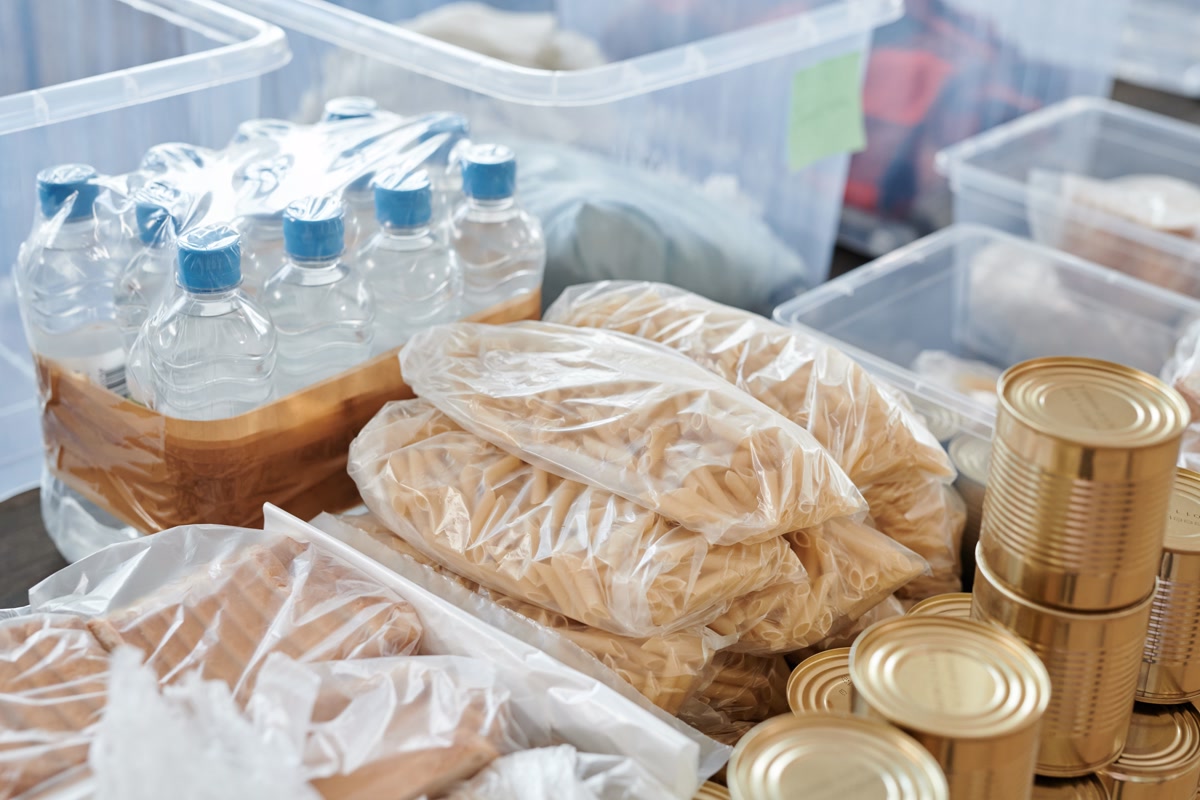
Buy the largest bag available. A 40-pound bag of most brands costs 20 to 30 percent less per pound than the same formula in a 15-pound bag. The math is simple: bigger bag, lower per-pound cost. Just make sure you can use it before it goes stale. Store food in an airtight container in a cool, dry place, and it will stay fresh for up to six weeks after opening.
Use subscription services for automatic savings. Chewy’s autoship program offers 5 to 10 percent off every recurring order. Amazon Subscribe and Save provides similar discounts, typically 5 percent on one subscription and up to 15 percent if you have five or more items on your monthly delivery. Petco’s Vital Care Premier program costs 19 dollars per month but includes 20 percent off all nutrition purchases, which can pay for itself in one large bag purchase.
Watch for seasonal sales. Chewy, Petco, and PetSmart all run major sales around Black Friday, Memorial Day, and back-to-school season. Stock up during these events and you can save an additional 15 to 25 percent on top of subscription discounts. Some savvy pet owners buy six months of food at once during these sales.
Real Food Toppers vs Expensive Commercial Toppers
The pet food topper market has exploded in recent years, with brands charging 15 to 30 dollars for a small container of freeze-dried liver, bone broth, or “superfood blend.” Here is the thing: you can get the same nutritional benefits from real food at a fraction of the cost.
Instead of commercial egg toppers, use real eggs. One scrambled egg costs about 0.30 dollars and provides high-quality protein, biotin, and essential fatty acids. Most dogs love them, and they are one of the most digestible protein sources available. Feed one to two eggs per week for a medium dog.
Instead of commercial fish oil toppers, use canned sardines. A can of sardines in water costs about 1.50 dollars and provides omega-3 fatty acids, vitamin D, and calcium. Feed half a can mixed into your dog’s kibble two to three times per week. Skip sardines packed in oil or with added salt.
Instead of commercial probiotic toppers, use plain yogurt. A large container of plain, unsweetened yogurt costs 3 to 4 dollars and provides probiotics, calcium, and protein. Add a tablespoon to your dog’s bowl as a topper. Just make sure it is plain with no sugar, xylitol, or artificial sweeteners.
Instead of commercial bone broth, make your own. Slow-cook chicken or beef bones with water for 12 to 24 hours, strain, and freeze in ice cube trays. Each cube costs pennies and provides collagen, glucosamine, and minerals. Commercial bone broth for dogs runs 12 to 20 dollars per container.

Homemade Diet: When It Saves Money and When It Does Not
A homemade cooked diet can save money, but only if you approach it strategically. The raw diet community will tell you that feeding raw costs 40 to 60 dollars per month, and that is possible with smart bulk buying of chicken quarters, organ meats, and seasonal vegetables. A homemade cooked diet can run 30 to 50 dollars per month if you buy in bulk and prep in batches.
When homemade saves money: If you have access to wholesale clubs or restaurant supply stores, if you can buy chicken quarters for under 1 dollar per pound, and if you are willing to batch-cook and freeze portions for two to four weeks at a time, a homemade diet can undercut premium kibble significantly.
When homemade does not save money: If you are buying ingredients at retail grocery store prices, if you need to add expensive supplements to balance the diet, or if your time is worth more than the savings. A properly balanced homemade diet requires calcium, omega-3 supplements, and sometimes a multivitamin. These can add 15 to 25 dollars per month, eating into your savings.
Critical warning: Never feed a homemade diet long-term without consulting a veterinary nutritionist. An unbalanced homemade diet can cause serious health problems that cost far more than premium dog food. Balance IT (balanceit.com) is a reputable resource for creating nutritionally complete homemade recipes.
What Never to Cheap Out On
Saving money is important, but some corners should never be cut. Here is where to draw the line:
Do not switch to grain-free without veterinary guidance. The FDA has investigated a potential link between grain-free diets and dilated cardiomyopathy (DCM) in dogs. Unless your veterinarian has diagnosed a grain allergy, stick with grain-inclusive formulas. Grain-free is not inherently healthier, and it may carry risks.
Do not buy unregulated or unknown brands. If a brand does not meet AAFCO standards, does not employ a veterinary nutritionist, or has never been through feeding trials, skip it. The cheapest dog food on Amazon is not a bargain if it makes your dog sick. Look for brands that employ veterinary nutritionists and conduct feeding trials.
Do not skip the vet to save on food. Annual checkups catch health problems early when they are cheap to treat. A 200-dollar vet visit can prevent a 2,000-dollar emergency. Your vet can also recommend the most cost-effective food for your dog’s specific health needs.
Do not overfeed to compensate for lower quality. Feeding more of a cheaper food does not make it equivalent to a better formula. Overfeeding leads to obesity, which causes joint problems, diabetes, and heart disease. These conditions cost thousands to manage.
Coupon and Loyalty Program Strategies
If you combine coupons with loyalty programs and strategic timing, you can stack savings on top of already-low prices.
Manufacturer websites are the best source for high-value coupons. Purina, Hills, Royal Canin, and Iams all offer printable or digital coupons worth 3 to 10 dollars. Check their websites monthly and sign up for their email lists for exclusive offers.
Petco Vital Care Premier costs 19 dollars per month and includes 20 percent off nutrition, 10 percent off services, and unlimited vet chats. If you spend more than 95 dollars per month on dog food and supplies, the 20 percent discount pays for the membership and then some.
PetSmart Treats Membership is free to join and includes exclusive coupons, double points on purchases, and a free birthday treat for your dog. The points add up to 8 percent back in rewards over time.
Chewy Autoship gives 5 to 10 percent off recurring orders with no membership fee. Set up a delivery schedule, and the discount applies automatically every time. You can adjust or cancel at any point without penalty.
Stack coupons with sales and subscriptions. The maximum savings come from combining a manufacturer coupon with a store sale and a subscription discount. This triple-stack approach can reduce your per-bag cost by 30 to 40 percent.

Monthly Cost Comparison: Budget vs Typical vs Premium
Here is what the monthly cost looks like across three feeding approaches for a 50-pound dog:
Budget approach (20 to 30 dollars per month): Kirkland Signature or Diamond Naturals kibble, bulk-purchased from Costco or Chewy, supplemented with real food toppers like eggs and plain yogurt. Total annual cost: 240 to 360 dollars.
Typical approach (40 to 60 dollars per month): Purina One or Iams from a pet store with loyalty program discounts, occasional commercial toppers. Total annual cost: 480 to 720 dollars.
Premium approach (70 to 100 dollars per month): Blue Buffalo, Orijen, or Acana from a specialty retailer, commercial freeze-dried toppers, dental chews. Total annual cost: 840 to 1,200 dollars.
The difference between budget and premium is 500 to 800 dollars per year. Over a 12-year lifespan, that is 6,000 to 9,600 dollars. Your dog can be just as healthy on the budget approach if you choose wisely.
Bottom Line
Saving money on dog food comes down to three things: calculate price per pound, choose quality budget brands, and supplement with real food instead of expensive commercial products. Kirkland, 4Health, and American Journey offer nutrition that rivals name brands at a fraction of the cost. Bulk buying and subscription services stack additional savings on top. And real food toppers like eggs, sardines, and plain yogurt provide the same benefits as premium toppers for pennies on the dollar.
The cheapest food is not always the worst, and the most expensive is not always the best. What matters is that your dog gets complete nutrition from a reputable brand, at a price you can sustain. Use the strategies in this guide, and you can cut your dog food bill in half without cutting corners on quality.
n
ThriftyPaw is reader-supported. As an Amazon Associate, we earn from qualifying purchases. This means we may earn a small commission when you buy through links on this site at no additional cost to you. We only recommend products we genuinely believe in. Thank you for supporting ThriftyPaw.
🐾 Get Your Free Big Dog First Aid Kit Checklist
Join our newsletter and get this free printable plus weekly tips.