

This article contains affiliate links. We may earn a commission from qualifying purchases.
Some content on this site is AI-assisted and reviewed by our editorial team.
Raising a puppy during its first year can cost anywhere from 1,500 to over 4,000 dollars, depending on the choices you make. That range is not arbitrary — it reflects the massive gap between smart budget decisions and paying full retail for everything. The truth is, most first-time puppy parents overspend by hundreds or even thousands of dollars, not because they love their dog more, but because nobody told them where the savings hide. This guide walks through every major expense in your puppy’s first year and shows you exactly where to cut costs without cutting corners on care or quality.

Adoption vs Breeder: The 2,000 Dollar Decision
Where you get your puppy is the single biggest budget decision you will make. Adoption fees typically run 50 to 250 dollars, and that fee almost always includes first-round vaccinations, spay or neuter surgery, and sometimes even a microchip. A breeder purchase runs 500 to 3,000 dollars with zero medical costs included. That means on day one, adoption saves you anywhere from 1,000 to 4,000 dollars when you factor in the medical procedures shelters bundle in.
Beyond the price tag, shelter and rescue puppies come with a support network. Many rescues offer post-adoption helplines, discounted training referrals, and even return policies if the fit is not right. Breeders rarely provide that safety net. If you are set on a specific breed, breed-specific rescues exist for nearly every recognized breed, and their adoption fees still come in well below breeder prices.

First-Year Medical Checklist: What You Actually Need
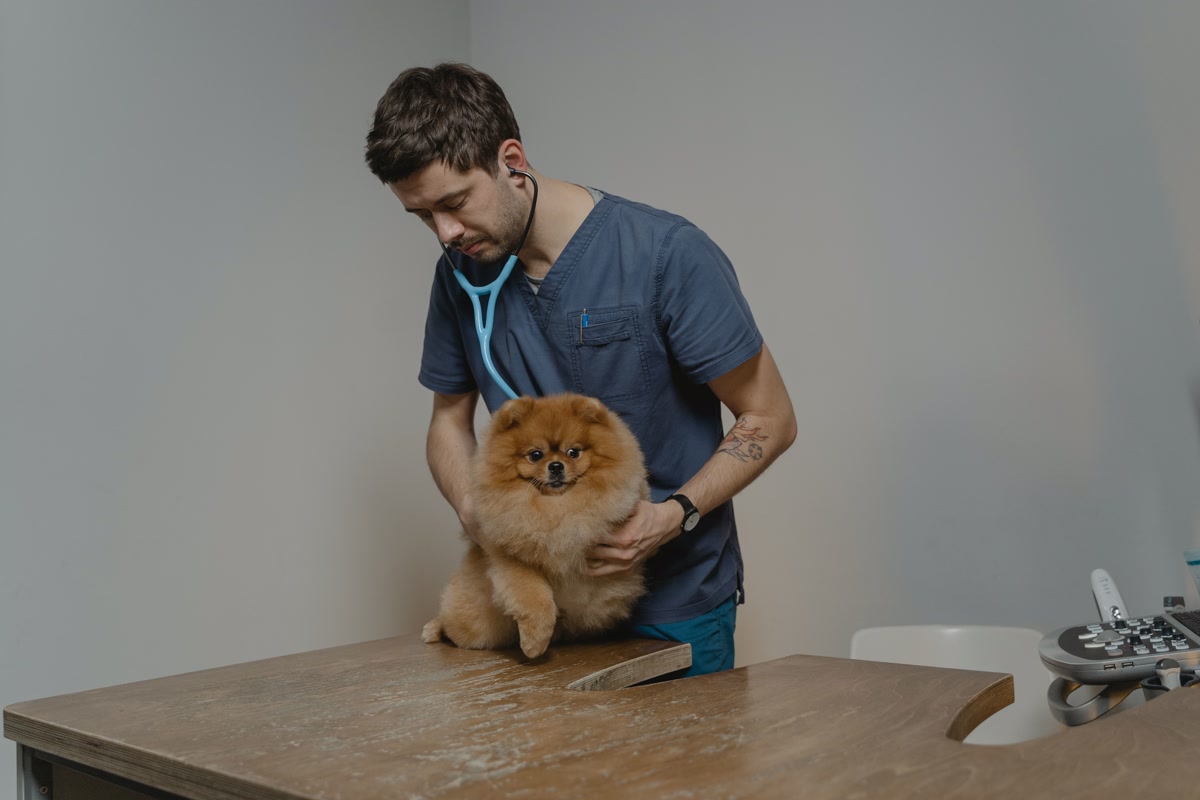
Veterinary costs scare new puppy owners more than anything else, but the numbers are manageable when you plan ahead. The core vaccination series — covering distemper, parvovirus, hepatitis, and rabies — runs 75 to 150 dollars at a standard vet. Low-cost clinics and shelter programs offer the same shots for 20 to 40 dollars per round. Over three to four visits, that is a savings of 100 to 300 dollars.
Spay or neuter surgery is the other big medical line item. Private practice charges 300 to 500 dollars, but low-cost clinics perform the same procedure for 50 to 100 dollars. Many ASPCA and Humane Society affiliates run these programs, and the quality of care is identical — the same licensed veterinarians perform the surgery at a reduced rate because the organization subsidizes the cost.
Flea, tick, and heartworm prevention is non-negotiable, but you do not need the most expensive brand. Generic alternatives exist for 10 to 15 dollars per month versus 25 to 40 dollars for name-brand products. Ask your vet for the active ingredient rather than the brand name, and you will save 150 to 300 dollars over the year.
Essential Supplies: What to Buy New vs Used
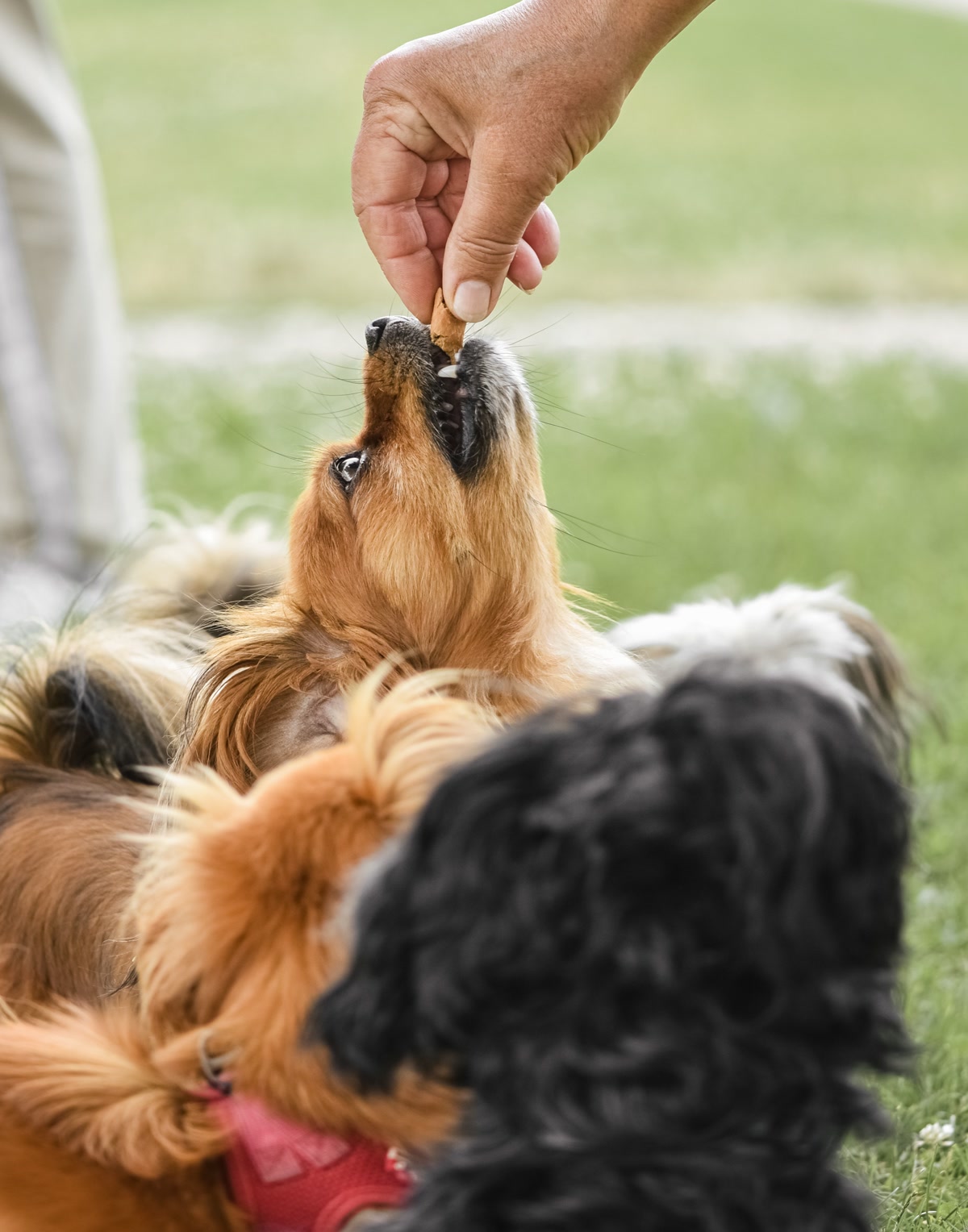
Not everything needs to come from a pet store with a pet store price tag. Here is the honest breakdown of what you should buy new, what you can buy used, and what you can skip entirely.
Buy new: Food and water bowls (5 to 15 dollars for stainless steel — they last forever), a quality leash and collar (15 to 25 dollars total), and a harness if your breed needs one (20 to 35 dollars). These are safety items. A fraying leash or a cracked bowl is not worth the five-dollar savings.
Buy used: Crates, beds, gates, and play pens. Facebook Marketplace, Craigslist, and local buy-nothing groups are goldmines for barely-used pet gear. A crate that retails for 50 to 80 dollars routinely shows up used for 10 to 25 dollars. Dog beds? People sell or give away pristine beds constantly because their dog grew out of them or did not use them. You can save 100 to 200 dollars on used supplies alone.
Skip entirely: Expensive puppy-specific beds (a folded blanket works fine for the first few months), designer feeding stations, and most “puppy starter kits” that bundle items you do not need at a markup. A puppy does not care if its bowl matches the kitchen decor.
Food: Budget Options That Are Still Nutritious
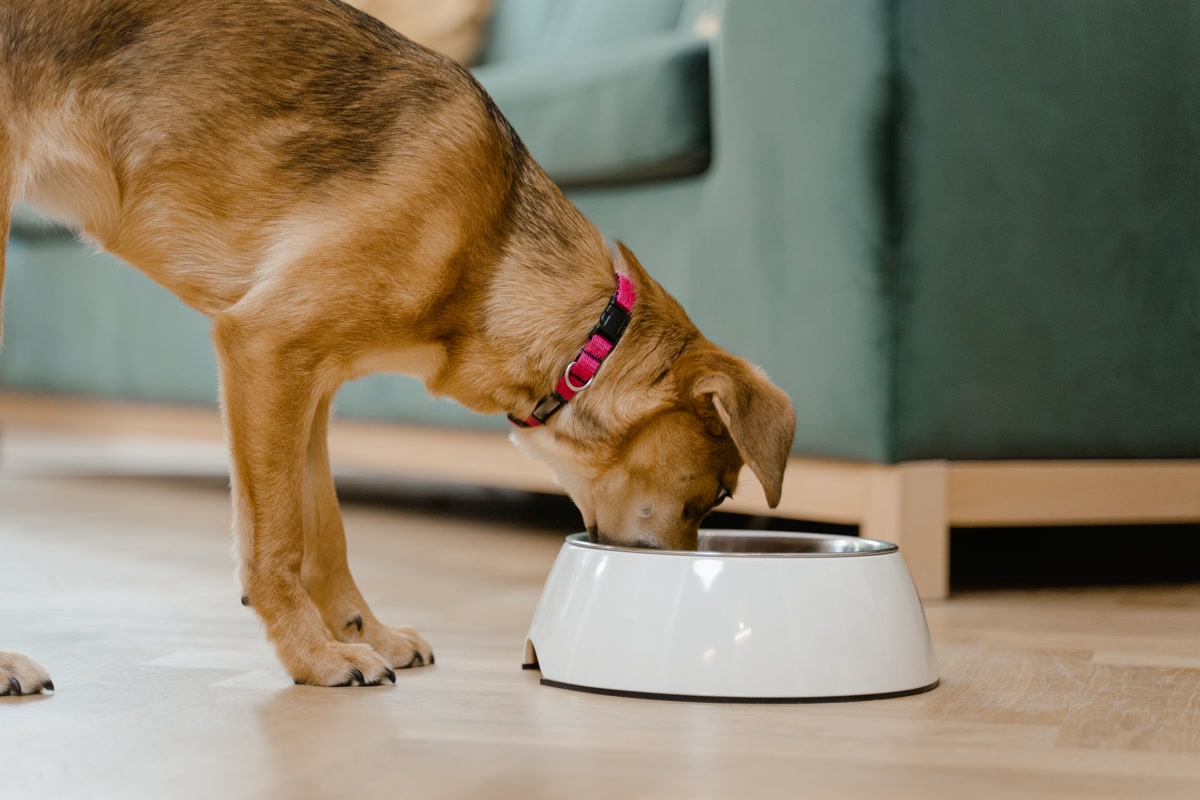
Puppy food is a recurring monthly cost, and the price range is wide. Budget-friendly brands that meet AAFCO standards run 25 to 40 dollars per month. Premium brands charge 60 to 100 dollars per month. The difference? Often marketing and packaging rather than measurable health outcomes. Look for foods where a named animal protein — chicken, lamb, or fish — is the first ingredient, and the bag carries an AAFCO statement confirming it is complete and balanced for growth.
Budget does not mean low quality. Brands like Purina One, Iams, and Diamond Naturals produce puppy formulas that meet all nutritional requirements for a fraction of what boutique brands charge. The key is reading the label, not the price tag. Transitioning foods slowly over seven to ten days prevents stomach upset, and buying in larger bags (when storage allows) can cut the per-meal cost by 20 to 30 percent.
Avoid the common trap of overfeeding. A puppy that grows too fast can develop joint and bone problems, especially in large breeds. Follow the feeding guidelines on the bag, adjust based on your vet’s recommendation at checkups, and you will actually save money by not over-purchasing food.
Training for Free (or Nearly Free)
Group training classes run 100 to 150 dollars for a six-week session, and they are worth it if you have the budget. But if money is tight, you have outstanding free alternatives. YouTube channels like Zac George and Kikopup produce professional-quality training content that covers everything from basic obedience to leash manners and recall. Pair that with a library card — most public libraries carry popular dog training books — and you have a complete training program for zero dollars.
The key to free training is consistency. Ten minutes a day, every day, will produce better results than a weekly class with no practice in between. Focus on the essentials first: sit, stay, come, and loose-leash walking. These four commands prevent the behavior problems that cost money down the road — a dog that comes when called does not need emergency vet visits from running into traffic, and a dog that walks nicely on a leash does not need a professional behaviorist to fix reactivity.
One investment worth making is a KONG toy stuffed with peanut butter, which costs about 15 dollars one time. It redirects chewing behavior away from furniture and shoes, which can cost 200 dollars or more to repair or replace. Think of it as cheap insurance for your couch.
Puppy-Proofing Your Home on a Budget
Puppy-proofing does not require specialty products. A baby gate from a yard sale or buy-nothing group costs 5 to 10 dollars used versus 30 to 50 dollars new. Bitter apple spray to deter chewing runs 8 to 12 dollars and saves countless shoes and table legs. Cabinet locks, outlet covers, and cord management supplies from the dollar store work identically to their pet-branded counterparts at three times the price.
The single most effective puppy-proofing strategy costs nothing: pick things up off the floor. Shoes, socks, remote controls, and kids’ toys are the top items puppies destroy. Keeping floors clear eliminates the problem without buying a single product. Close doors to rooms you cannot supervise, use a crate or play pen when you cannot watch your puppy, and the damage risk drops to near zero.
Socialization Without Expensive Daycare
Puppy daycare runs 25 to 45 dollars per day, and the socialization benefits are real — but you can achieve the same results for free. Dog parks are the obvious choice, but they are not the only one. Arrange puppy play dates with friends or neighbors who have vaccinated, friendly dogs. Walk your puppy in different neighborhoods to expose them to varied sights, sounds, and surfaces. Visit pet-friendly stores like Home Depot or Bass Pro Shops for controlled indoor socialization.
The critical socialization window closes around 14 to 16 weeks, so early and varied exposure matters more than quantity of interactions. Five minutes of calm observation in a new environment is more valuable than an hour of chaotic play. Focus on positive, low-stress experiences: meeting a calm adult dog, walking on a new surface, hearing a truck go by without reacting. These moments build confidence and prevent the behavioral issues that lead to expensive training interventions later.
Common First-Year Money Traps
Pet insurance at puppy rates is a smart buy — 25 to 35 dollars per month locks in a lower premium than you will get as the dog ages. But skip the add-ons for wellness coverage that costs more than it pays out. A basic accident and illness plan protects against catastrophic vet bills while keeping your monthly cost manageable.
The biggest money traps in year one: premium food when budget food meets the same nutritional standards, designer collars and leashes that function identically to basic ones, and subscription boxes full of items you do not need. Pet stores are designed to make you feel guilty for not buying the “best” for your puppy. A stainless steel bowl from the hardware store holds water just as well as one with a paw print logo for three times the price.
Grooming is another hidden cost. Professional grooming runs 40 to 60 dollars per session, and a puppy needs one every four to eight weeks. Learning to trim nails, clean ears, and brush teeth at home eliminates 200 to 720 dollars per year in grooming costs. YouTube tutorials make this surprisingly approachable, and your puppy will tolerate handling better if you start young.
Puppy pads are a recurring drain at 15 to 30 dollars per month. Old newspapers work just as well for the transition period, and they are free. Better yet, take your puppy outside frequently enough that you minimize indoor accidents altogether — which also accelerates house training.
Complete First-Year Budget Breakdown
Here is the full picture, comparing a budget approach, a typical spending pattern, and a premium path. These numbers assume a medium-sized puppy adopted from a shelter.
- Acquisition: Budget 150 (adoption) — Typical 500 (lower-cost breeder) — Premium 2,000 (reputable breeder)
- Vaccinations: Budget 80 (low-cost clinic) — Typical 150 (private vet) — Premium 200 (private vet, all optional add-ons)
- Spay/Neuter: Budget 75 (low-cost clinic) — Typical 350 (private vet) — Premium 500 (private vet, laser surgery upgrade)
- Flea/Tick/Heartworm: Budget 180 (generic) — Typical 360 (name brand) — Premium 480 (name brand plus extras)
- Food (12 months): Budget 360 (budget brand) — Typical 600 (mid-range) — Premium 1,080 (premium brand)
- Supplies (crate, bowls, leash, bed, toys): Budget 120 (used/mix) — Typical 250 (new, mid-range) — Premium 500 (all premium)
- Training: Budget 0 (YouTube + library) — Typical 150 (group class) — Premium 400 (private trainer)
- Grooming: Budget 50 (DIY supplies) — Typical 300 (some pro, some DIY) — Premium 720 (all professional)
- Pet Insurance: Budget 300 (basic plan) — Typical 360 (mid-tier plan) — Premium 480 (comprehensive plan)
- Miscellaneous (pads, treats, unexpected vet): Budget 100 — Typical 250 — Premium 500
Budget Total: approximately 1,415 dollars
Typical Total: approximately 3,260 dollars
Premium Total: approximately 6,460 dollars
The difference between the budget path and the premium path is over 5,000 dollars in the first year alone. And the budget path still provides excellent care — proper vaccinations, appropriate food, safe supplies, and preventive medical care. The savings come from smart choices, not shortcuts.
Bottom Line
Raising a puppy on a budget is not about depriving your dog. It is about spending where it matters — veterinary care, quality food, and safety equipment — and saving where it does not, like brand-name accessories and services you can do yourself. The first year sets the pattern for your dog’s entire life. Build smart habits now, and you will continue saving money for the next decade-plus without ever compromising on your puppy’s health or happiness. Adopt from a shelter, use low-cost clinics, buy used gear, train at home, and learn basic grooming. That formula alone can cut your first-year costs in half while giving your puppy everything it actually needs.
n
ThriftyPaw is reader-supported. As an Amazon Associate, we earn from qualifying purchases. This means we may earn a small commission when you buy through links on this site at no additional cost to you. We only recommend products we genuinely believe in. Thank you for supporting ThriftyPaw.
🐾 Get Your Free Big Dog First Aid Kit Checklist
Join our newsletter and get this free printable plus weekly tips.