This article contains affiliate links. We may earn a commission from qualifying purchases.
Some content on this site is AI-assisted and reviewed by our editorial team.
title: “DIY Dog Grooming: What You Can Do at Home vs. What to Leave to the Pros”
meta_title: “DIY Dog Grooming: What You Can Do at Home vs. What to Leave to the Pros (2026)”
meta_description: “Not every grooming task requires a professional. Learn which dog grooming jobs you can safely handle at home, which ones to outsource, and how to save money without cutting corners in 2026.”
date: 2026-05-17
author: ThriftyPaw
category: Dog Care
tags: [dog grooming, DIY grooming, budget pet care, dog health, grooming tips]
DIY Dog Grooming: What You Can Do at Home vs. What to Leave to the Pros (2026)
Professional dog grooming averaged $60 per session nationwide in 2026 — up from $51 in 2022. If you’re taking your dog in every 4–6 weeks, that’s $520–$780 a year before tip. For multi-dog households, the math gets brutal fast.
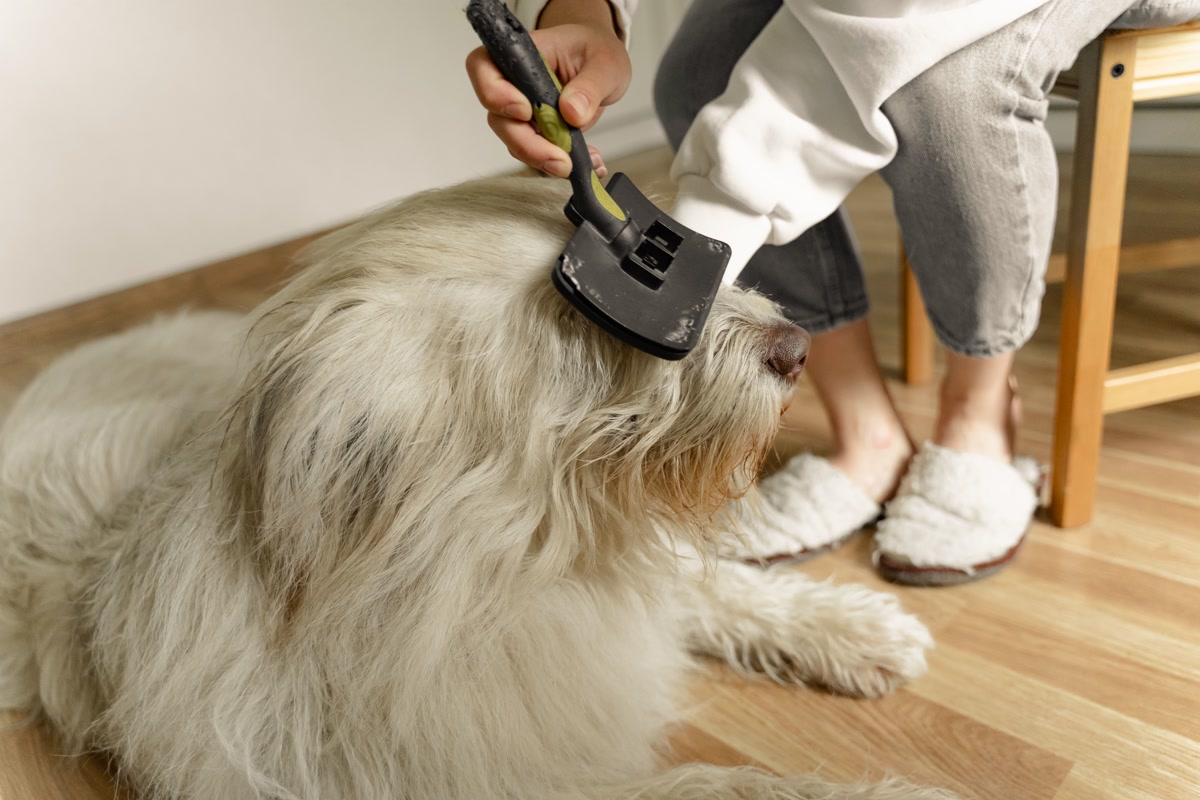
The good news: you don’t need a groomer for everything. A surprising amount of routine maintenance is totally doable at home with the right tools and a little patience. The trick is knowing where the line is — because some jobs are genuinely risky to DIY, and a bad clip can hurt your dog more than it hurts your wallet.
Here’s the breakdown.
What You Can Absolutely Do at Home
These are grooming tasks that any dog owner can learn with minimal practice. They’re low-risk, save you real money between professional visits, and keep your dog comfortable day-to-day.
Brushing and Deshedding
This is the single most impactful thing you can do at home. Regular brushing:
- Prevents mats and tangles (which are painful and can cause skin infections)
- Reduces shedding on your furniture by 50–80%
- Lets you check for lumps, bumps, ticks, or skin issues early
- Distributes natural oils across the coat for a healthier shine
What you need:
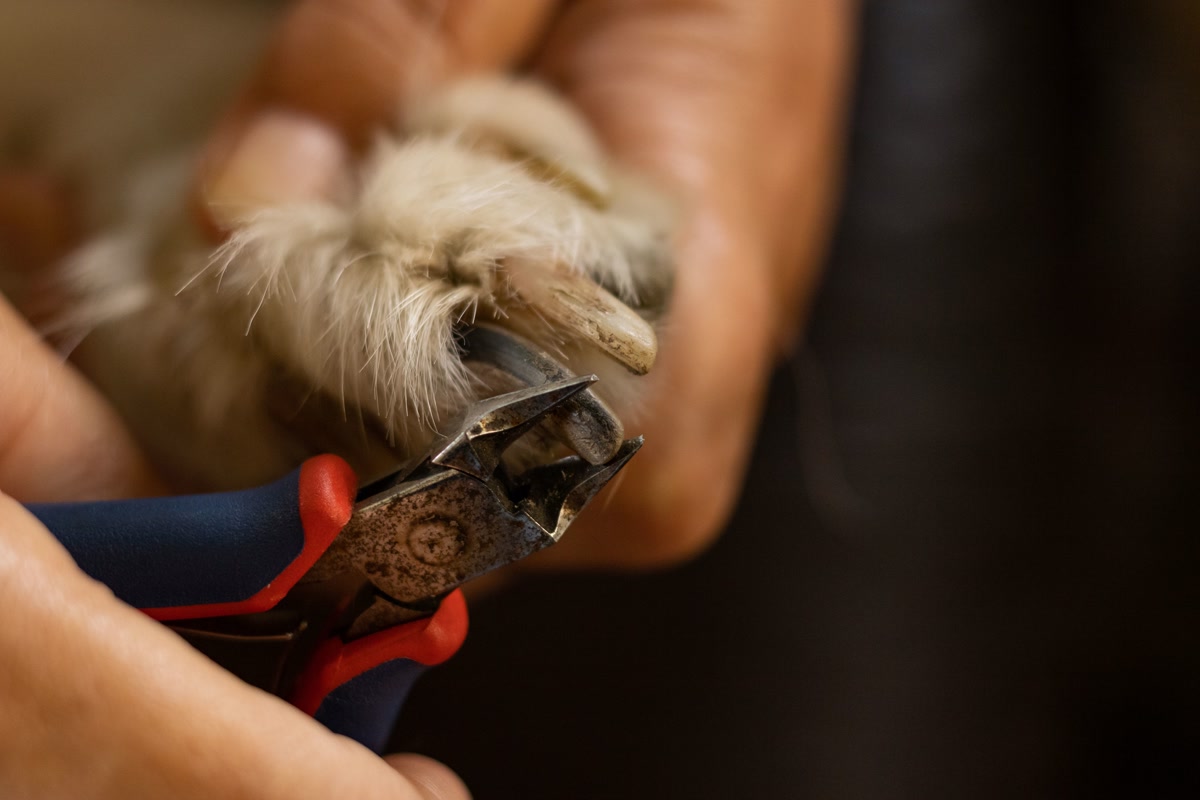
- A slicker brush — works for most coat types and is the workhorse of dog brushing. Something like the Hertzko Self-Cleaning Slicker Brush gets the job done without breaking the bank.
- A deshedding tool for double-coated breeds (German Shepherds, Huskies, Goldens). The FURminator Undercoat Tool is the gold standard.
- A steel comb for double-checking your work — if it passes through the coat smoothly, you’re mat-free.
Brush 2–3 times a week for long-haired breeds, weekly for short coats. It takes 5–10 minutes and pays for itself immediately.
Nail Trimming
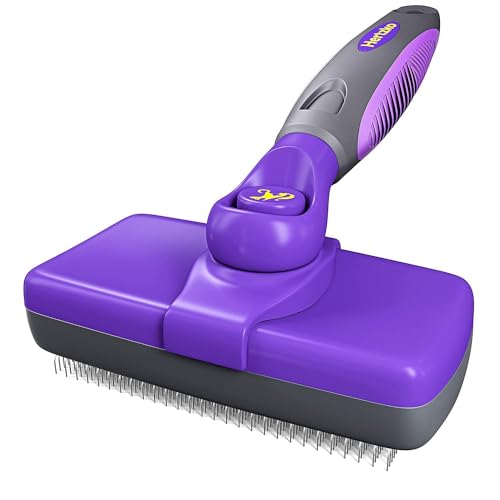
Most dogs need nail trims every 3–4 weeks. Letting nails grow too long changes the foot structure, causes pain, and can lead to permanent posture issues.
What you need:
- Clippers — either scissor-style or guillotine-style. The Miller’s Forge Dog Nail Clipper is a reliable pick that handles most sizes.
- Styptic powder — keep this on hand in case you nick the quick. Kwik Stop stops bleeding fast.
- A Dremel or nail grinder (optional) — great for dogs who hate clippers or for smoothing rough edges after a cut.
The fear factor: Most owners are scared of hitting the quick. Here’s the reality — if you trim small amounts (1–2mm at a time) at a 45° angle, the risk is minimal. On white nails, you can see the pink quick. On dark nails, trim until you see a small dark circle in the center of the nail — that’s the quick approaching. Stop there.
If your dog absolutely won’t tolerate it, that’s fine. Many groomers and vets offer walk-in nail trims for $10–$15. But if you can do it at home, you’ll save $150–$250 a year.
Ear Cleaning
Dogs with floppy ears (Cocker Spaniels, Basset Hounds, Labs) are prone to ear infections. Regular cleaning prevents the moisture and wax buildup that cause problems.
What you need:
- A veterinary-recommended ear cleaning solution — Zymox Ear Cleanser is a solid choice.
- Cotton balls or gauze pads — never cotton swabs, which can push debris deeper or puncture the eardrum.
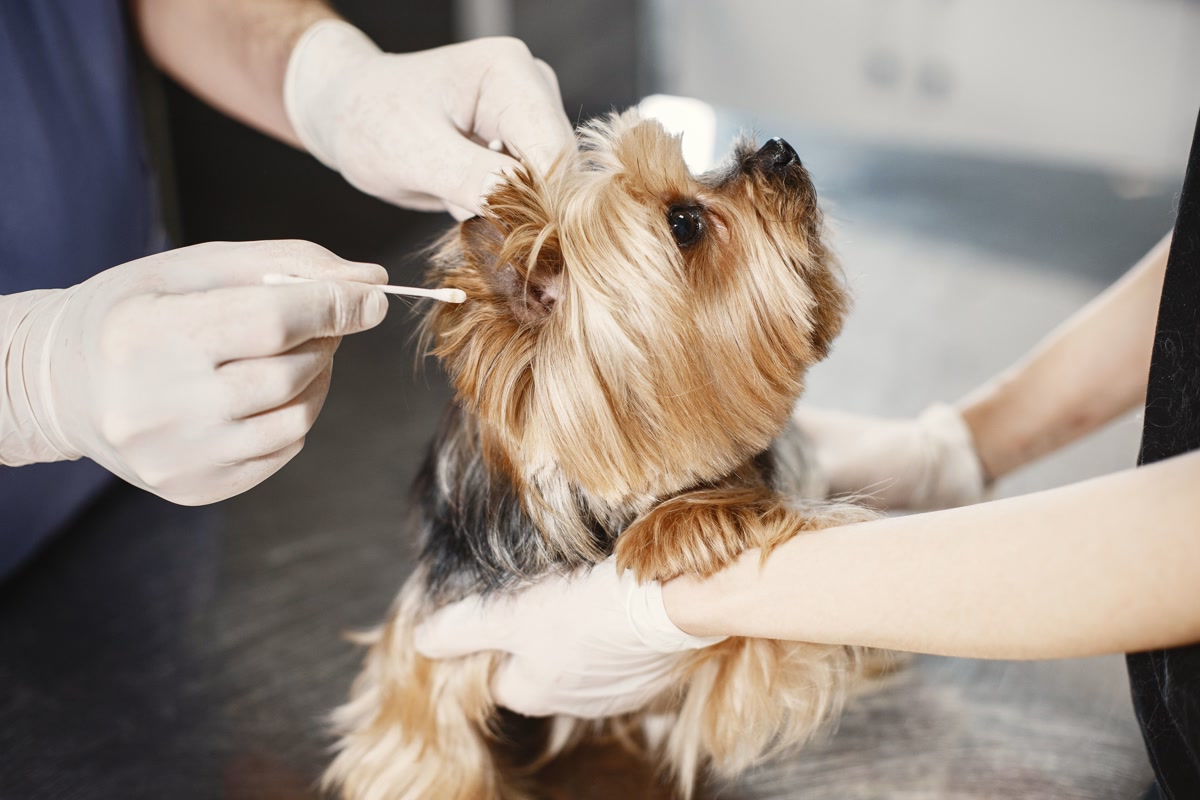
Squirt solution into the ear canal, massage the base of the ear for 20–30 seconds, and let your dog shake. Wipe away what comes out. Do this weekly for prone breeds, every 2–3 weeks for others.
Do not flush water into the ear canal during baths. That’s a fast track to infection. Use cotton balls to block water entry during bathing.
Tooth Brushing
Dental disease affects over 80% of dogs by age three. Brushing is the most effective prevention — and it’s genuinely easy once your dog is used to it.
What you need:
- A dog-specific toothbrush (finger brushes work well for beginners)
- Dog toothpaste — never human toothpaste, which contains xylitol and is toxic to dogs. Enzadex enzymatic toothpaste is vet-recommended and comes in flavors dogs actually like.
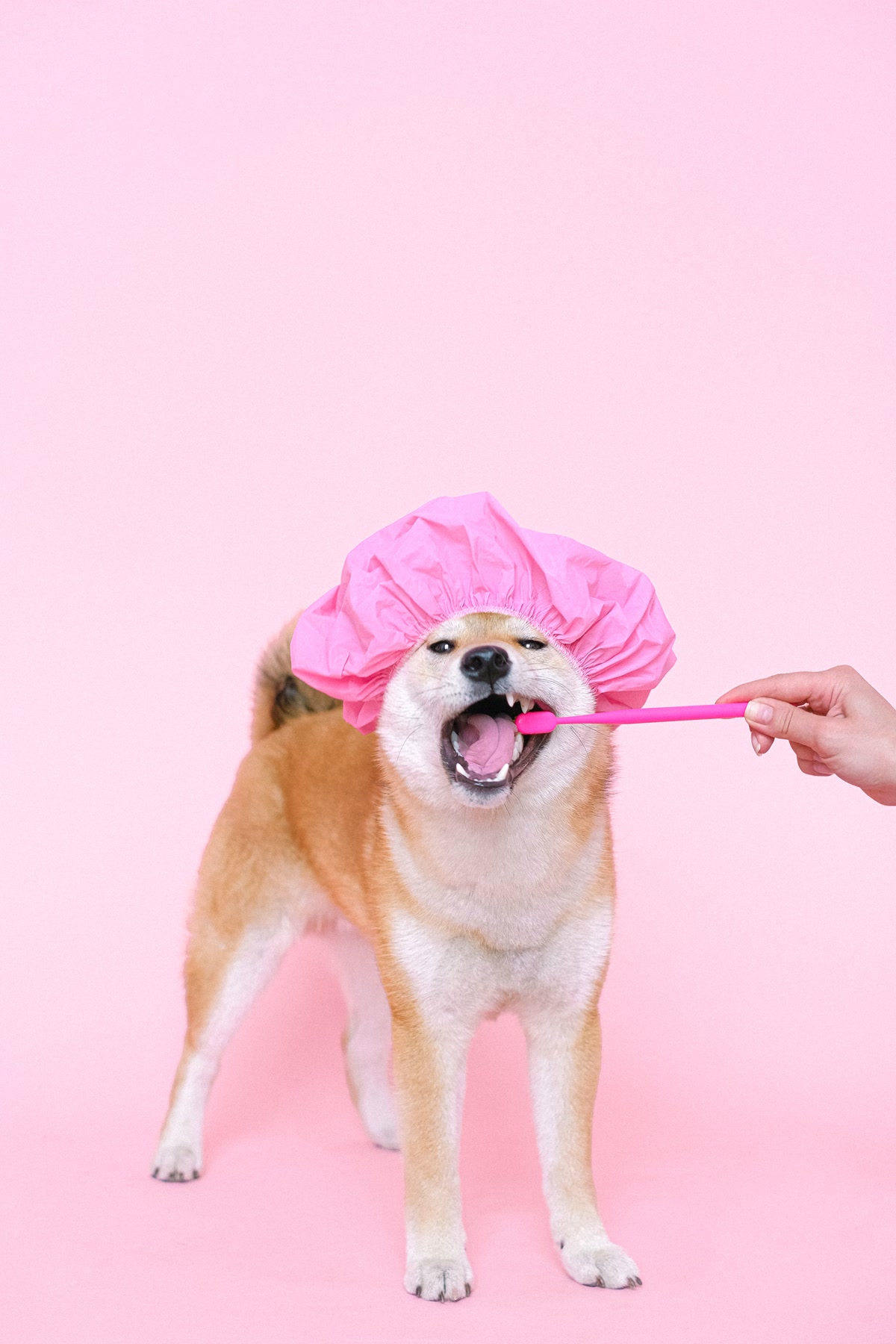
Start slow — let your dog taste the paste first, then work up to brushing the outer surfaces of the teeth. 30 seconds a day is enough. Even 3 times a week makes a real difference.
Bathing (With Caveats)
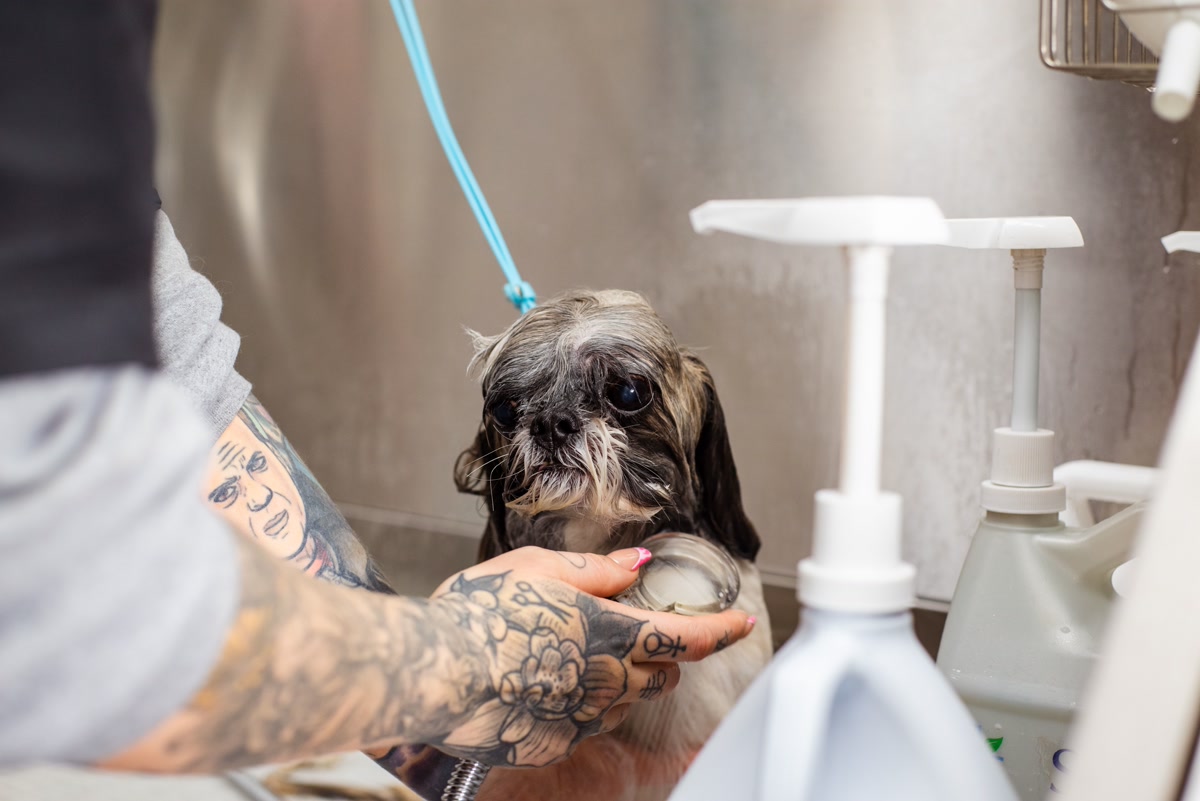
You can absolutely bathe your dog at home — most dogs only need it every 4–8 weeks unless they’ve rolled in something foul.
The rules:
- Use dog shampoo, not human shampoo (different pH will dry out their skin)
- Lukewarm water, not hot
- Cotton balls in the ears to prevent water entry
- Towel-dry thoroughly; use a dog-safe dryer on low heat if needed
- Don’t over-bathe — it strips natural oils and causes dry, itchy skin
Earthbath Oatmeal & Aloe Shampoo is a reliable, affordable pick for most coat types.
What to Leave to the Professionals
Some tasks require training, specialized equipment, or carry genuine risk of injury if done wrong. Here’s where to swallow the cost and call a pro.
Full Haircuts and Breed-Specific Trims
Poodles, Doodles, Shih Tzus, Bichons, and other continuously-growing-coat breeds need regular haircuts that follow breed standards. A bad DIY clip isn’t just cosmetic — it can result in:
- Clipper burn — pushing clippers too fast or using dull blades causes friction burns
- Nicks and cuts — especially around the face, ears, and sanitary areas
- Uneven growth that takes months to correct
- Coat damage — double-coated breeds should never be shaved; it can permanently alter how the coat grows back
If your dog needs a specific cut, find a groomer. It’s not worth the learning curve on your dog’s skin.
Anal Gland Expression
Some dogs need their anal glands expressed regularly. You can learn to do this, but it’s messy, smells awful, and if done incorrectly can cause impaction or rupture. Most groomers include this in a full grooming package for $10–$15 extra. Let them handle it.
Severe Mat Removal
If your dog has mats that are tight against the skin, don’t try to cut them out with scissors. The skin tents up inside the mat, and it’s extremely easy to slice your dog. Professional groomers use specialized tools and techniques to safely remove severe matting — sometimes by shaving underneath, which requires skill to do without injuring the animal.
Aggressive or Anxious Dogs
If your dog snaps, bites, or panics during grooming, a professional has the experience, restraint equipment, and sometimes sedation options to handle it safely. Forcing a fearful dog through grooming at home can create lifelong behavioral problems — and get you bitten.
Specialty Services
- Teeth scaling — deep dental cleaning requires anesthesia and should be done by a vet
- Flea/tick treatments — talk to your vet about the right product; OTC options can be ineffective or dangerous
- Dematting spray and deep conditioning — groomers have professional-grade products that work better than consumer options
The Money Breakdown: DIY vs. Professional
Here’s what you’ll actually spend either way in 2026:
| Task | DIY Cost (One-Time) | Pro Cost (Per Visit) | Annual Pro Cost (6–10 visits) |
|——|——————–|——————–|——————————|
| Brushing tools | $15–$30 | Included in groom | — |
| Nail trimmer | $10–$20 | $10–$15 | $80–$150 |
| Ear cleaner | $8–$12 | $5–$10 add-on | $40–$100 |
| Toothbrush kit | $10–$15 | Dental add-on $10+ | $80–$100 |
| Shampoo | $10–$20 | Included in groom | — |
| Full haircut | N/A (don’t DIY) | $40–$100 | $240–$1,000 |
Total DIY starter kit: ~$55–$100 (one time)
Annual pro grooming (full service): $360–$1,000+ depending on breed and location
The sweet spot for most dog owners: DIY the maintenance tasks (brushing, nails, ears, teeth, basic baths) and pay a pro for the haircut every 4–8 weeks. You’ll cut your grooming bill roughly in half without compromising your dog’s safety or appearance.
Quick Reference: DIY or Call a Pro?
- DIY: Brushing, nail trims, ear cleaning, tooth brushing, basic baths, deshedding
- Pro: Haircuts, anal glands, severe mat removal, aggressive dogs, first-time puppy grooms
Final Thoughts
You don’t need to choose between going broke at the groomer and winging it at home. The smart approach is a hybrid: handle the routine stuff yourself and bring in a professional for the skilled work. Invest in decent tools once, learn a few simple techniques, and you’ll save hundreds of dollars a year — and your dog will be healthier and more comfortable between professional visits.
The best grooming routine is the one you’ll actually stick with. Start with brushing and nail trims. Build from there. Your dog (and your wallet) will thank you.
n
ThriftyPaw is reader-supported. As an Amazon Associate, we earn from qualifying purchases. This means we may earn a small commission when you buy through links on this site at no additional cost to you. We only recommend products we genuinely believe in. Thank you for supporting ThriftyPaw.
My take: The $60 national average makes this math simple: learn brushing, nails, ears, and teeth, and you cut pro visits to a few a year instead of every month. Leave the clippers, the glands, and the severe mats to the pros — that’s the 20% that isn’t worth the learning curve.
Related guides
- Budget Dog Ear Infection Prevention: 5-Minute Weekly Routine Under 5 Dollars
- Heartworm Prevention on a Budget: Complete Guide Under 12 Dollars Per Month
- Dog Weight Management and Obesity on a Budget: The Complete Guide
- Dog Adoption on a Budget: First Year Costs Under 1,400 Dollars
- Dog Diarrhea Home Treatment Guide: What to Do for Under 10 Dollars (2026)
🐾 Get Your Free Big Dog First Aid Kit Checklist
Join our newsletter and get this free printable plus weekly tips.
Frequently Asked Questions
How much does professional dog grooming cost in 2026?
The national average hit $60 per session, up from $51 in 2022 — that's $520-780 a year if you go every 4-6 weeks, before tip. That rise is exactly why the DIY-vs-pro split matters more than it used to.
Which grooming tasks can I safely do at home?
Brushing and deshedding, nail trims, ear cleaning, and tooth brushing are all home jobs with basic tools — nail trims alone save $150-250 a year. Bathing works at home too, with the caveat that double-coated breeds can be a job.
What grooming should I leave to a professional?
Full haircuts and breed-specific trims, anal gland expression, and severe mat removal. The matting one is the safety line: cutting into a tight mat with scissors near skin is how home grooming becomes an emergency vet visit.
Liked this guide? Get the next one in your inbox — the pet budget checklist is free too.
✓ You're in — check your inbox.
No spam. Unsubscribe anytime. We never share your email.
Price Check
Prices verified via our product tracker. Updated Oct 5.
| Hertzko Self Cleaning Slicker Brush | $16.95 | |
| COMMEMA Pet Grooming Gloves, Silicone Dog Bathing Shampoo | $12.99 | 4.5★ (3,763) |
| Pet Shampoos : Amazon.com: Veterinary Formula Clinical Car | $35.00 | 4.5★ (64,391) |
As an Amazon Associate we earn from qualifying purchases.