This article contains affiliate links. We may earn a commission from qualifying purchases.
Some content on this site is AI-assisted and reviewed by our editorial team.
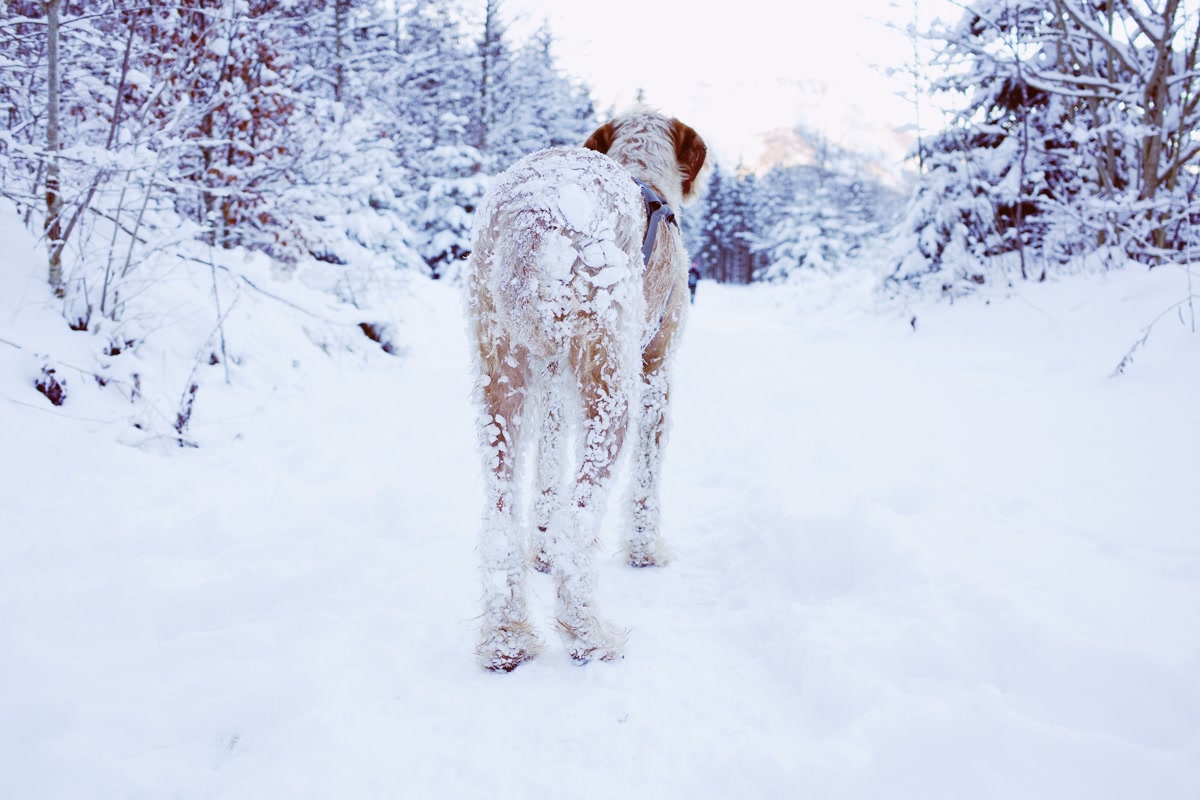
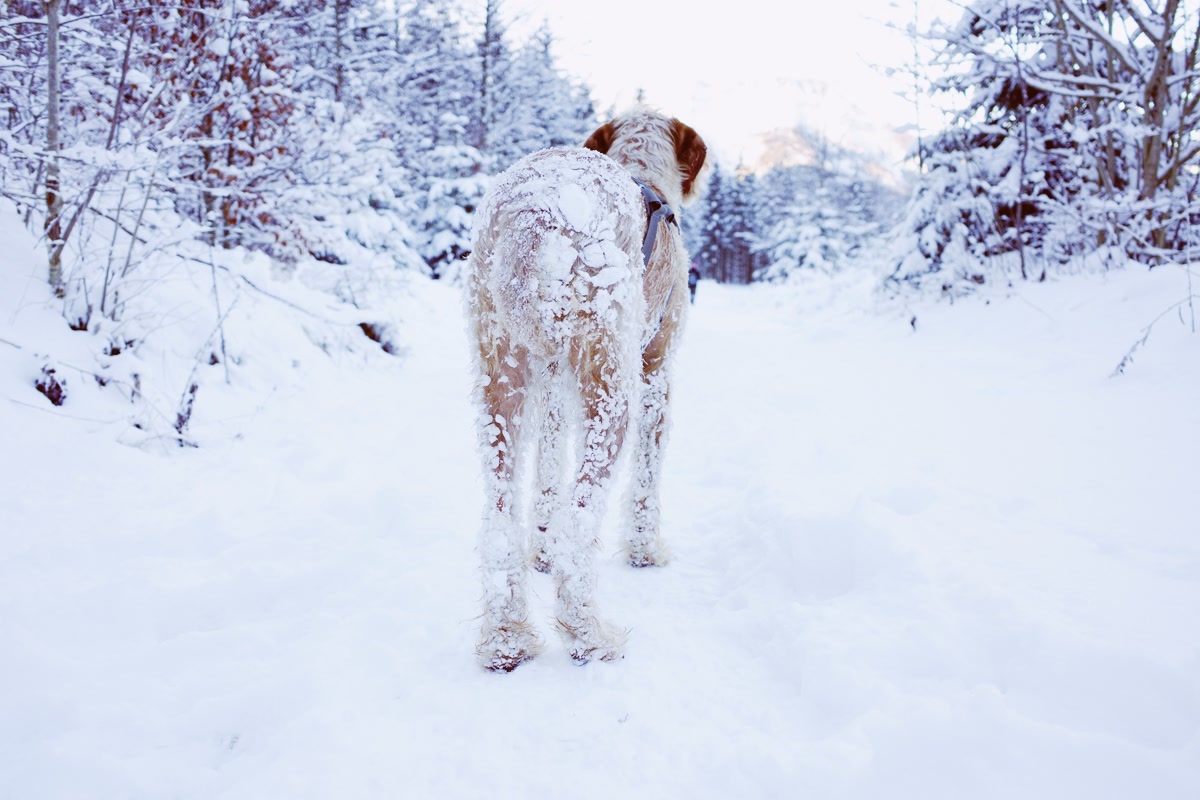
Winter brings freezing temperatures, ice, salt, and dry indoor air — all of which can make your pets miserable and lead to costly vet visits if you are not prepared. The good news is that keeping your dog or cat safe and comfortable through winter does not require expensive gear. The essential winter pet care kit costs under 75 Dollars and covers paws, warmth, hydration, and indoor comfort.
This guide covers what you actually need, what you can skip, and how to protect your pets without overspending.
The 6 Essential Winter Pet Care Items (Under 75 Dollars Total)
1. Paw Balm or Wax (Under 15 Dollars)
Winter is brutal on paws. Ice crystals cut paw pads, road salt burns and dries out skin, and frozen sidewalks cause cracking and bleeding. A quality paw balm creates a protective barrier against salt and ice while moisturizing cracked pads.
Musher’s Secret Dog Paw Wax is the gold standard. Originally developed for sled dogs, it creates a breathable barrier against salt, ice, and hot pavement. A 60-gram container lasts an entire winter with daily application and costs under 15 dollars. Apply before walks and wipe paws when you get home.
For a budget alternative, the Roll-On Dog Paw Balm is under 10 dollars and uses the same protective approach with a convenient roll-on applicator. It is lick-safe, so you do not need to worry if your dog licks their paws after application.
2. Dog Winter Coat (Under 25 Dollars)
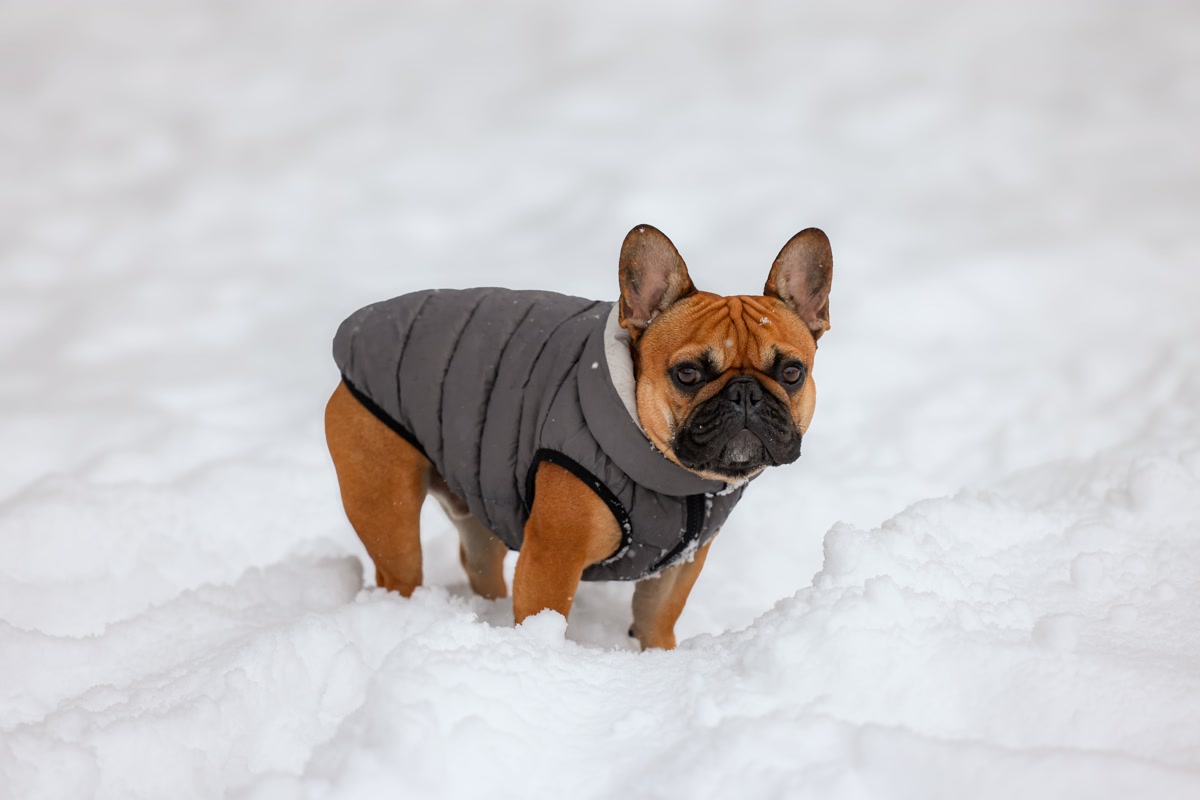
Not every dog needs a coat. Huskies, Malamutes, and other double-coated breeds are built for cold. But short-haired breeds, small dogs, senior dogs, and dogs with health conditions need extra protection when temperatures drop below 35 degrees Fahrenheit.
The FUAMEY Waterproof Dog Winter Jacket is the best budget option at under 25 dollars. It is waterproof, padded for warmth, and comes in sizes for medium to large dogs. The vest design leaves legs free for movement, which matters more than full-body coverage — most heat loss happens through the torso.
For small dogs, look for a snug-fitting sweater rather than a jacket. Knit sweaters trap body heat better than nylon shells and are often cheaper. Check thrift stores — children’s sweaters in size 4T fit many small dogs perfectly.
3. Dog Booties (Under 20 Dollars)
Booties protect against salt, ice balls between toes, and frozen pavement. They also prevent your dog from licking toxic de-icing chemicals off their paws after walks. Most dogs hate them at first, but they adjust within a few sessions if you introduce them patiently.
The Hipaw Waterproof Dog Boots are under 20 dollars and come in multiple sizes. They have non-slip soles and adjustable straps that stay on better than sock-style booties. For an even cheaper option, PawZ Rubber Dog Boots are disposable latex booties that cost about 1 dollar per pair — useful for short walks or dogs that refuse rigid booties.
4. Self-Warming Pet Bed or Mat (Under 25 Dollars)
Self-warming beds use a reflective material that reflects your pet’s body heat back to them — no electricity, no cords, no fire risk. They are ideal for cats, small dogs, senior pets, and any animal that sleeps near windows or on hard floors during winter.
The Self-Warming Cat and Dog Mat is under 25 dollars and works for both cats and small dogs. The 24 x 18 inch size fits inside most crates and on top of existing beds. It has a removable, washable cover and a non-slip bottom. For larger dogs, place a self-warming mat inside their existing bed for extra warmth without buying a whole new bed.
5. Heated Water Bowl for Outdoor Pets (Under 25 Dollars)
If your pet spends significant time outdoors — even just a few hours in a yard — water bowls freeze quickly in winter. A frozen water bowl means dehydration, which is dangerous in cold weather because dry winter air increases fluid loss through breathing.
The Farm Innovators Heated Pet Water Bowl is a 60-watt heated bowl that keeps water liquid down to 20 degrees below zero. At under 25 dollars, it is the cheapest insurance against frozen water you can buy. It has a chew-resistant cord and a 1.5-quart capacity. For outdoor cats, the PETLESO Heated Dog Bowl is a similar option with an anti-bite cord guard.

6. Humidifier (Under 30 Dollars)
Indoor heating dries out the air in your home, which dries out your pet’s skin, causes static electricity, and can worsen respiratory conditions. A small humidifier in the room where your pet sleeps helps everyone — you included — breathe easier through winter.
Any basic cool-mist humidifier under 30 dollars works. You do not need a pet-specific model. Look for one with a 1-liter or larger tank so it runs through the night without refilling. Clean it weekly with white vinegar to prevent mold and mineral buildup.
Total Cost Breakdown
- Paw balm: 15 dollars
- Dog coat: 25 dollars
- Dog booties: 20 dollars
- Self-warming mat: 25 dollars
- Heated water bowl (outdoor only): 25 dollars
- Humidifier: 30 dollars
Total: 140 dollars for the complete kit. But most owners do not need everything. If your dog only goes outside for quick potty breaks, skip the booties and heated bowl. If your cat is indoor-only, you need paw balm (for salt tracked inside), a self-warming mat, and a humidifier — about 70 dollars total. Tailor the kit to your situation.
What You Can Skip
Electric Heating Pads for Pets
Electric pet heating pads cost 30-60 dollars and pose a fire and burn risk, especially with chewers. Self-warming reflective mats are safer, cheaper, and work nearly as well. If your pet truly needs supplemental heat (senior dogs with Arthritis, for example), use a microwaveable heat pad (snuggle-safe disk) instead — it costs under 25 dollars, holds heat for 10 hours, and has no cords.
Winter-Specific Pet Food
Some brands market “winter formula” pet food with higher fat content. Unless your vet recommends it, skip this. Your pet’s caloric needs do increase slightly in cold weather if they spend time outdoors, but the difference is typically 5-10 percent — easily handled by adding a small amount of their regular food or a spoonful of pumpkin, not buying a special winter formula.
Indoor Potty Pads
If your dog refuses to go outside in winter, potty pads seem like a solution. But they create a habit that is hard to break in spring. Instead, clear a small area of snow in your yard, shovel a path, and use paw balm. Most dogs will go outside if the path is clear and their paws are protected.
Winter Safety Tips That Cost Nothing
- Wipe paws after every walk: Use a damp towel to remove salt and de-icing chemicals. This prevents licking, skin irritation, and digestive issues. Takes 10 seconds and costs nothing.
- Shorten walks in extreme cold: At 20 degrees or below, limit walks to 15-20 minutes. At 10 degrees or below, limit to 10 minutes for small or short-coated dogs. Frostbite can happen in 30 minutes at these temperatures.
- Check for ice balls: Ice builds up between paw pads and in the fur around toes. If your dog is limping or licking their paws excessively, check for ice balls and remove them with warm (not hot) water.
- Keep antifreeze away: Antifreeze tastes sweet to pets but is deadly in tiny amounts. Clean up spills immediately and store containers securely. If your pet ingests antifreeze, call the vet immediately — Treatment must start within hours.
- Bang on your car hood: Outdoor and feral cats often crawl into engine compartments for warmth. Bang on the hood before starting your car in winter.
- Adjust feeding slightly: Outdoor and active dogs may need 5-10 percent more food in winter. Indoor-only cats may need less since they are less active. Monitor weight and adjust accordingly.
- Provide shelter if outdoor time is unavoidable: If your dog must be outside for more than 30 minutes, provide a windproof shelter with dry bedding. A dog house with straw (not hay — hay holds moisture) is better than blankets, which get damp and freeze.
Cat-Specific Winter Care
Cats are generally better at self-regulating temperature than dogs, but they still need winter protection:
- Keep cats indoors below 32 degrees: Cats can get frostbite on ears, tails, and paws. Indoor-only is safest in winter.
- Provide warm sleeping spots: Cats seek warmth and will sleep near heaters, vents, and fireplaces. Provide a self-warming mat or a bed away from direct heat sources to prevent burns.
- Watch for dry skin: Indoor heating causes flaky skin and excessive grooming. A humidifier helps. Adding a quarter teaspoon of fish oil to food can improve coat condition — ask your vet first.
- Beware of garage hazards: Cats love warm garage floors. Clean up antifreeze, store chemicals securely, and check under your car before driving.
When to Call the Vet
Contact your vet immediately if you notice any of these winter-related symptoms:
- Shivering that does not stop: Ongoing shivering means your pet is too cold and may be developing hypothermia.
- Limping after walks: Could indicate ice ball damage, salt burns, or frostbite on paw pads.
- Discolored paw pads, ears, or tail: Pale, blue, or gray skin indicates frostbite. This is a medical emergency.
- Excessive licking of paws: Could mean salt irritation or chemical exposure.
- Lethargy or decreased appetite in cold weather: Could indicate hypothermia or illness.
The Bottom Line
Winter pet care is mostly about prevention. Paw balm, a coat for short-haired dogs, and a self-warming mat cover 90 percent of what most pets need. Add a humidifier for indoor comfort and a heated water bowl if your pet spends time outside, and you are set for under 75 dollars.
The most important winter protection costs nothing: wipe paws after walks, shorten walks in extreme cold, and keep antifreeze out of reach. A few seconds of prevention each day saves hundreds in vet bills and keeps your pet comfortable through the coldest months.
Last updated: June 2026 | By ThriftyPaw | Prices and availability subject to change
ThriftyPaw is reader-supported. As an Amazon Associate, we earn from qualifying purchases. This means we may earn a small commission when you buy through links on this site at no additional cost to you. We only recommend products we genuinely believe in. Thank you for supporting ThriftyPaw.
My take: The $75 kit is really a $40 core — paw balm, self-warming mat, and a coat only if the breed needs it. Salt damage and heated-air dry skin are the two winter problems that actually cost money later, and both are solved under $25.
Related guides
- Dog Paw Pad Care: Complete Budget Guide Under 15 Dollars (2026)
- I Was Leaving Dog Food in the Bag. Then I Learned What That Was Costing Me.
- Flea and Tick Meds Kept Draining My Wallet. These 4 Options Actually Work Under 15 Dollars.
- How to Budget for Unexpected Vet Bills: 5-Step Safety Net Plan
- Dog Vomiting: When to Go to the Vet and When to Treat at Home
🐾 Get Your Free Big Dog First Aid Kit Checklist
Join our newsletter and get this free printable plus weekly tips.
Frequently Asked Questions
What do pets need in winter?
The six-item kit under $75: paw balm ($15), winter coat for the breeds that need one ($25), booties ($20), self-warming bed ($25), a heated water bowl for outdoor pets ($25), and a humidifier for the dry-heating months ($30). The first and last items matter most — salt-and-ice paw damage and heated-air dry skin are the two big preventables.
Does my dog really need a winter coat?
Short-coated, lean, small, and senior dogs genuinely do — the FUAMEY waterproof jacket at under $25 covers the use case. Double-coated northern breeds were built for it and don't; the coat is breed-conditional, not universal, and the guide is honest about that.
What winter pet products should I skip?
Electric heating pads designed for pets — fire and chew risks that self-warming reflective beds eliminate entirely at the same $25. The reflective material bounces body heat back with no cords and no plug; it's the safer design and the cheaper one.
Liked this guide? Get the next one in your inbox — the pet budget checklist is free too.
✓ You're in — check your inbox.
No spam. Unsubscribe anytime. We never share your email.
Price Check
Prices verified via our product tracker. Updated Oct 5.
| Roll-On Dog Paw Balm, Dog Paw Protector for Hot Pavement & | $10.49 | 4.2★ (283) |
| FUAMEY Dog Coat for Medium Dogs, Fleece Dog Winter Jacket | $39.99 | 4.5★ (8,838) |
| Mora Pets Self Warming Cat Bed Self Heating Cat Dog Mat Pe | $22.99 | 4.5★ (13,934) |
| Pet Supplies : Farm Innovators Heated Pet Water Bowl, 60W, | $12.23 | 4.6★ (3,885) |
| Pet Supplies : PETLESO Heated Dog Bowl, Heated Water Bowl | $24.68 | 4.2★ (1,845) |
As an Amazon Associate we earn from qualifying purchases.