This article contains affiliate links. We may earn a commission from qualifying purchases.
Some content on this site is AI-assisted and reviewed by our editorial team.
Dog paw care is one of the most neglected aspects of pet health — 80 percent of owners never look at their dog’s paws unless there is an obvious problem. But paw injuries, cracked pads, foreign bodies, and infections cost 200-1,500 dollars to treat at the vet, and most are preventable with a 3-minute weekly paw check that costs nothing. This guide covers the complete paw care routine, seasonal paw hazards, how to treat minor paw injuries at home for under 5 dollars, and when a paw injury needs professional care.
The Weekly Paw Check (3 Minutes, Free)
Once per week, sit down with your dog and inspect all four paws. This takes 3 minutes and catches 90 percent of problems before they become expensive vet bills:
1. Check the Paw Pads
Each paw has 5 pads: one large main pad, 4 toe pads, and sometimes a small pad higher up (the carpal pad on the front paws). Look for:
- Cracks or splits — Dry, cracked pads are painful and can become infected. Apply paw balm (5-10 dollars) or coconut oil (2 dollars) daily until healed.
- Redness or swelling — Indicates irritation, infection, or a foreign body. Check between the toes for debris.
- Cuts or abrasions — Small cuts can be cleaned and bandaged at home. Large or deep cuts need a vet.
- Discoloration — Pink or red pads on a dog with normally black pads indicate inflammation or autoimmune disease.
- Blisters — From hot pavement or rough surfaces. Keep off hard surfaces until healed.
2. Check Between the Toes
Spread each toe apart and look between them. Common problems:
- Foxtails and grass awns — Barbed seed heads that burrow into skin. Common in summer and fall. Remove with tweezers if visible; if embedded, see a vet.
- Redness and irritation — Interdigital dermatitis, often from moisture or allergies. Clean and dry thoroughly, apply dog-safe antiseptic.
- Cysts or lumps — Interdigital cysts are common in short-haired breeds (Bulldogs, Pitbulls). Warm compresses and Epsom salt soaks (2 dollars) can resolve early cases.
- Mats — Fur between toes can mat and pull on skin. Trim with round-nose scissors.
3. Check the Nails
Nails should not touch the ground when the dog is standing. Overgrown nails change the paw’s structure, cause joint stress, and can curl back into the pad (especially the dewclaw). Trim every 4-6 weeks (see the nail trimming guide for technique).
4. Check the Fur
Trim fur that extends beyond the paw pads — it collects dirt, ice, and debris. Use round-nose scissors to trim the fur flush with the pads. This prevents slipping on smooth floors and reduces matting between toes.

Seasonal Paw Hazards
Summer: Hot Pavement Burns (Free to Prevent)
Asphalt reaches 125-145 degrees when the air is 85 degrees. Paw pads burn and blister in 60 seconds at these temperatures. Prevention:
- Do the 7-second hand test (press your hand on the pavement for 7 seconds — if it is too hot for you, it is too hot for paws)
- Walk before 9 AM or after 7 PM
- Walk on grass or dirt trails
- Dog booties (8-15 dollars) if you must walk on pavement
If your dog’s paws burn:
- Do not let your dog walk — carry them or have them stand on grass
- Cool the paws with cool (not cold) water for 10 minutes
- Apply a thin layer of antibacterial ointment
- Do not let your dog lick the paws (use an Elizabethan collar if needed)
- If blisters form or the pad peels, see a vet (200-500 dollars for treatment)
Winter: Ice, Salt, and Cold (5-15 Dollars to Prevent)
Winter paw hazards:
- Ice and snow — Ice balls form between toes, causing pain and frostbite. Trim toe fur short to prevent ice accumulation.
- Road salt and de-icers — Chemical de-icers burn paw pads and are toxic if licked off. Wash paws with warm water after every walk in salted areas.
- Cold surfaces — Prolonged contact with frozen ground causes frostbite. Limit walks to 20 minutes when temperature is below 20 degrees.

Prevention:
- Paw balm — 5-10 dollars. Apply before walks to create a protective barrier. Musher’s Secret (10-15 dollars) is the standard — originally developed for sled dogs.
- Dog booties — 8-15 dollars. Best protection against salt and cold. Most dogs tolerate them after 2-3 days of adjustment.
- Wash paws after walks — Free. Use warm water and a towel to remove salt and chemicals. Do this every single time your dog walks on salted surfaces.
Spring and Fall: Foxtails and Allergies (5-10 Dollars to Treat)
Foxtails are barbed seed heads that burrow into paw pads, between toes, and up the paw into the leg. They cannot be removed by licking — the barbs only go deeper. Signs:
- Sudden licking at one paw
- Swelling between toes or on the paw pad
- Limping on one leg
- A small hole or red spot on the pad
If you see a foxtail:
- Check if it is visible at the surface — use tweezers to pull it straight out
- If it is embedded or you cannot see it, see a vet within 24 hours (100-300 dollars for removal)
- Do not wait — foxtails migrate and can reach the lungs or internal organs
Spring allergies cause paw licking and chewing. If your dog licks paws excessively in spring and fall, it is likely environmental allergies. See the allergy guide for treatment options. Paw wiping after walks removes pollen.
Home Treatment for Minor Paw Injuries (Under 5 Dollars)
Minor Cuts and Abrasions
- Clean the paw with warm water and mild soap
- Apply antibacterial ointment (2-3 dollars — generic Neosporin works)
- Wrap with gauze and vet-wrap (3-5 dollars for a roll)
- Change the bandage daily
- Keep your dog from licking (use an Elizabethan collar — 5-10 dollars)
- If not healed in 5-7 days or if redness/swelling increases, see a vet
Cracked and Dry Pads
- Apply paw balm or coconut oil (2 dollars) to pads 2-3 times daily
- Keep your dog off rough surfaces (concrete, gravel) until healed
- Soak the paw in warm water with Epsom salts (2 dollars) for 10 minutes daily
- If cracks are deep or bleeding, see a vet
Interdigital Cysts (Between-Toe Bumps)
- Soak the paw in warm Epsom salt water (2 dollars) for 10 minutes, 2-3 times daily
- Apply warm compresses for 10 minutes after soaking
- Keep the paw clean and dry between soaks
- Most cysts resolve in 5-10 days with consistent soaking
- If the cyst bursts or grows, see a vet (may need antibiotics, 30-50 dollars)
Bee Stings on Paws
- Remove the stinger if visible (scrape with a credit card — do not squeeze)
- Apply a cold compress for 10 minutes
- Give Benadryl (diphenhydramine) at 1 mg per pound (3-4 dollars for a bottle)
- Watch for facial swelling or difficulty breathing (anaphylaxis) — go to emergency vet if these occur
When a Paw Injury Needs the Vet
See a vet immediately if:
- Bleeding does not stop after 10 minutes of pressure
- The pad is peeling off or a large flap of skin is loose
- You suspect a foxtail or foreign body that you cannot remove
- The paw is swollen, hot, or your dog cannot bear weight on it
- You see pus, foul odor, or black tissue (necrosis)
- The injury involves the nail bed (nail bed infections spread to bone)
- Your dog is in obvious pain (crying, refusing to walk)
- Home treatment has not improved the injury in 5-7 days
Vet costs for paw injuries:
| Condition | Vet Cost |
|---|---|
| Foxtail removal | 100-300 dollars |
| Pad laceration repair (stitches) | 150-400 dollars |
| Interdigital cyst treatment | 80-200 dollars (drainage + antibiotics) |
| Nail bed infection | 100-250 dollars (antibiotics + nail removal if needed) |
| Fractured toe | 200-500 dollars (X-ray + splint) |
| Pad resection (severe cases) | 500-1,500 dollars (surgery) |
The Paw Care Toolkit (15-25 Dollars One-Time)
| Item | Cost | Use |
|---|---|---|
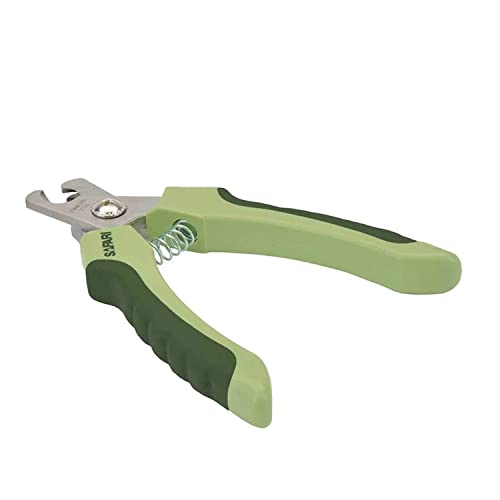
| Nail clippers or grinder | 5-15 dollars | Nail trimming every 4-6 weeks |
| Round-nose scissors | 3-5 dollars | Trimming fur between toes |
| Tweezers | 2-4 dollars | Removing foxtails, splinters, ticks |
| Paw balm (Musher’s Secret) | 10-15 dollars | Winter protection, dry pads |
| Vet-wrap | 3-5 dollars | Bandaging minor injuries |
| Antibacterial ointment | 2-3 dollars | Minor cuts and abrasions |
| Epsom salts | 2-3 dollars | Soaking cysts and sore paws |
| Total one-time | 15-25 dollars |
Monthly cost: 0-2 dollars (paw balm replacement as needed). This toolkit handles 90 percent of paw issues at home.
The Bottom Line
Paw care costs 15-25 dollars in one-time tools and 3 minutes per week for a paw check. The routine: inspect all 4 paws weekly (look for cracks, redness, foreign bodies, overgrown nails), trim nails every 4-6 weeks, trim fur between toes, and apply paw balm in winter for salt and cold protection. Summer: avoid hot pavement (do the 7-second hand test), walk before 9 AM or after 7 PM. Winter: wash paws after walks on salted surfaces, apply paw balm or use booties (8-15 dollars). Spring and fall: check for foxtails after walks in grassy areas — remove with tweezers if visible, see a vet if embedded (100-300 dollars). Treat minor cuts at home with antibacterial ointment and vet-wrap (5 dollars total). See a vet for: uncontrolled bleeding, pad peeling, foxtails you cannot remove, swelling, pus, or injuries not healing in 5-7 days. The 3-minute weekly paw check prevents 200-1,500 dollar vet bills and keeps your dog walking comfortably. Your dog’s paws carry them everywhere — take care of them.
Related guides:
- Dog Eye Care on a Budget: 2-Minute Daily Check Under 10 Dollars in Tools
- Dog Paw Pad Care: Complete Budget Guide Under 15 Dollars (2026)
- Budget Dog Dental Chews and Toys: Complete Oral Care Under 25 Dollars a Month
Last updated: July 2026 | By ThriftyPaw | Prices and availability subject to change
ThriftyPaw is reader-supported. As an Amazon Associate, we earn from qualifying purchases. This means we may earn a small commission when you buy through links on this site at no additional cost to you. We only recommend products we genuinely believe in. Thank you for supporting ThriftyPaw.
Want more budget pet care tips? Join our newsletter for weekly guides on keeping your dog healthy without overspending. No spam, just practical advice delivered every Sunday.
Subscribe to the ThriftyPaw newsletter — it is free and you can unsubscribe anytime.
My take: The 3-minute weekly paw check is free and catches what becomes $200-1,500 — 80% of owners never do it. Musher’s Secret for salt-and-ice seasons, the 7-second test in summer, and know the foxtail signs: the tools are $15-25 total, and the inspection habit is the actual product.
Related guides
- Senior Dog Incontinence Products: Budget Guide Under 30 Dollars (2026)
- Flea Elimination on a Budget: Complete 3-Month Protocol Under 30 Dollars
- Budget-Friendly Dog Grooming at Home: Save Money Without Sacrificing Quality
- Dog Diabetes Cost Management: Complete Guide Under 80 Dollars Per Month (2026)
- Dog Sunscreen and Sunburn Prevention: A Budget Guide for Pet Owners
🐾 Get Your Free Big Dog First Aid Kit Checklist
Join our newsletter and get this free printable plus weekly tips.
Frequently Asked Questions
How often should I check my dog's paws?
Weekly — the 3-minute check (pads, between toes, nails, fur) that 80% of owners never do. It catches the foreign bodies, cracks, and early infections before they become the $200-1,500 vet cases, and it costs nothing. The $15-25 in tools is balm ($5-10), booties ($8-15), and the tweezers.
What's the seasonal paw care plan?
Summer: the free 7-second pavement test and grass-side walking, plus $2 coconut oil or balm on dry pads. Winter: Musher's Secret ($10-15) as the salt-and-ice barrier and booties ($8-15) for severe exposure. Spring and fall: the foxtail checks — sudden one-paw licking, swelling between toes, or a small hole in a pad means a burrowing foxtail that needs tweezers now or a vet later.
How do I treat a minor paw cut at home?
The under-$5 protocol: warm soapy water, generic Neosporin ($2-3), a wrap, and rest. Watch it — the paw location is infection-prone (it touches everything), so a wound that's not visibly closing in 2-3 days or one with swelling and heat is the vet visit. The $3 treatment prevents most of them; the judgment prevents the rest.
Liked this guide? Get the next one in your inbox — the pet budget checklist is free too.
✓ You're in — check your inbox.
No spam. Unsubscribe anytime. We never share your email.
Price Check
Prices verified via our product tracker. Updated Oct 5.
| Pet Supplies : Pet Chew Toys : KONG Classic Stuffable Dog | $13.96 | 4.6★ (93,494) |
| QUMY Dog Shoes for Hot Pavement, Dog Snow Boots & Paw Prot | $28.99 | 4.0★ (36,168) |
| Pet Nail Clippers : Amazon.com: Coastal Pet Safari Profess | $14.41 | 4.6★ (20,921) |
As an Amazon Associate we earn from qualifying purchases.