This article contains affiliate links. We may earn a commission from qualifying purchases.
Some content on this site is AI-assisted and reviewed by our editorial team.
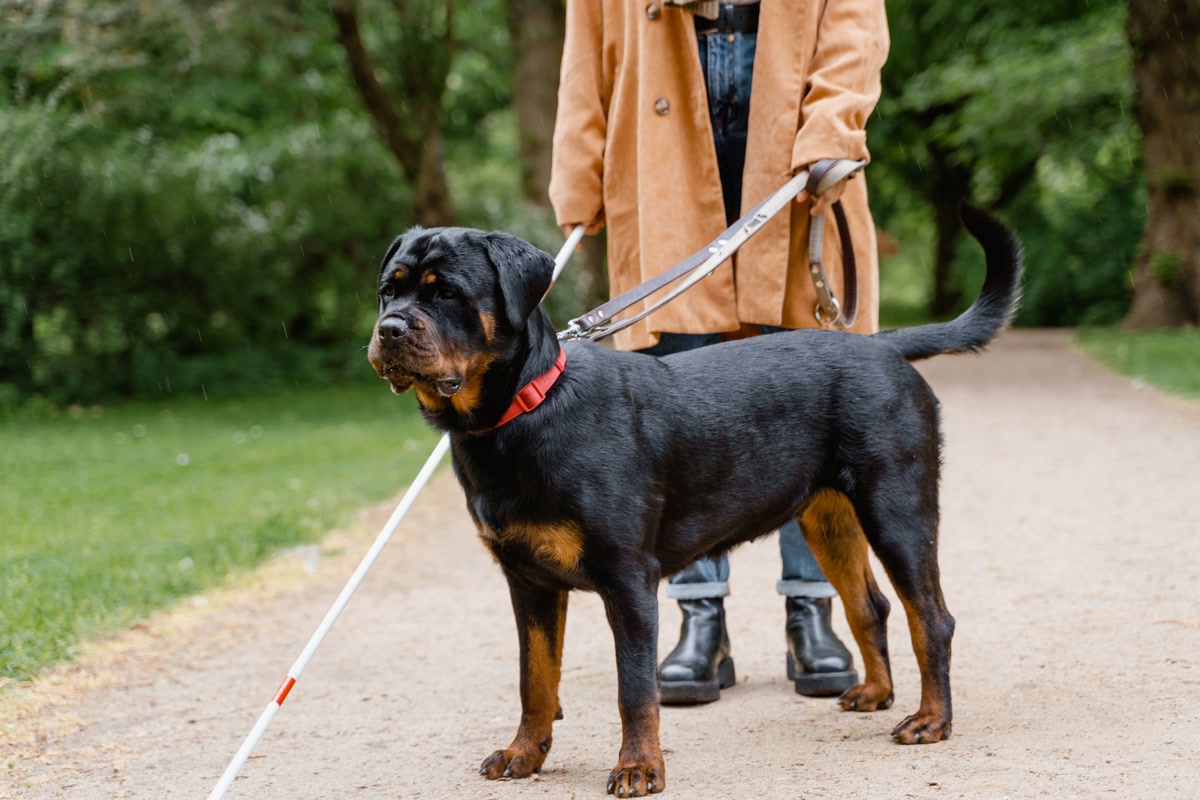
Training your dog doesn’t require expensive gear or a professional trainer’s salary. The tools that actually matter — a clicker, a long line, high-value treats, and a pouch to hold them — cost less than one session with most trainers. The rest is consistency and timing.
This guide covers the essential budget training tools every dog owner should have, what to skip, and how to build a training kit for under 50 Dollars total.
The 5 Essential Budget Training Tools
1. Training Clicker (Under 8 Dollars)
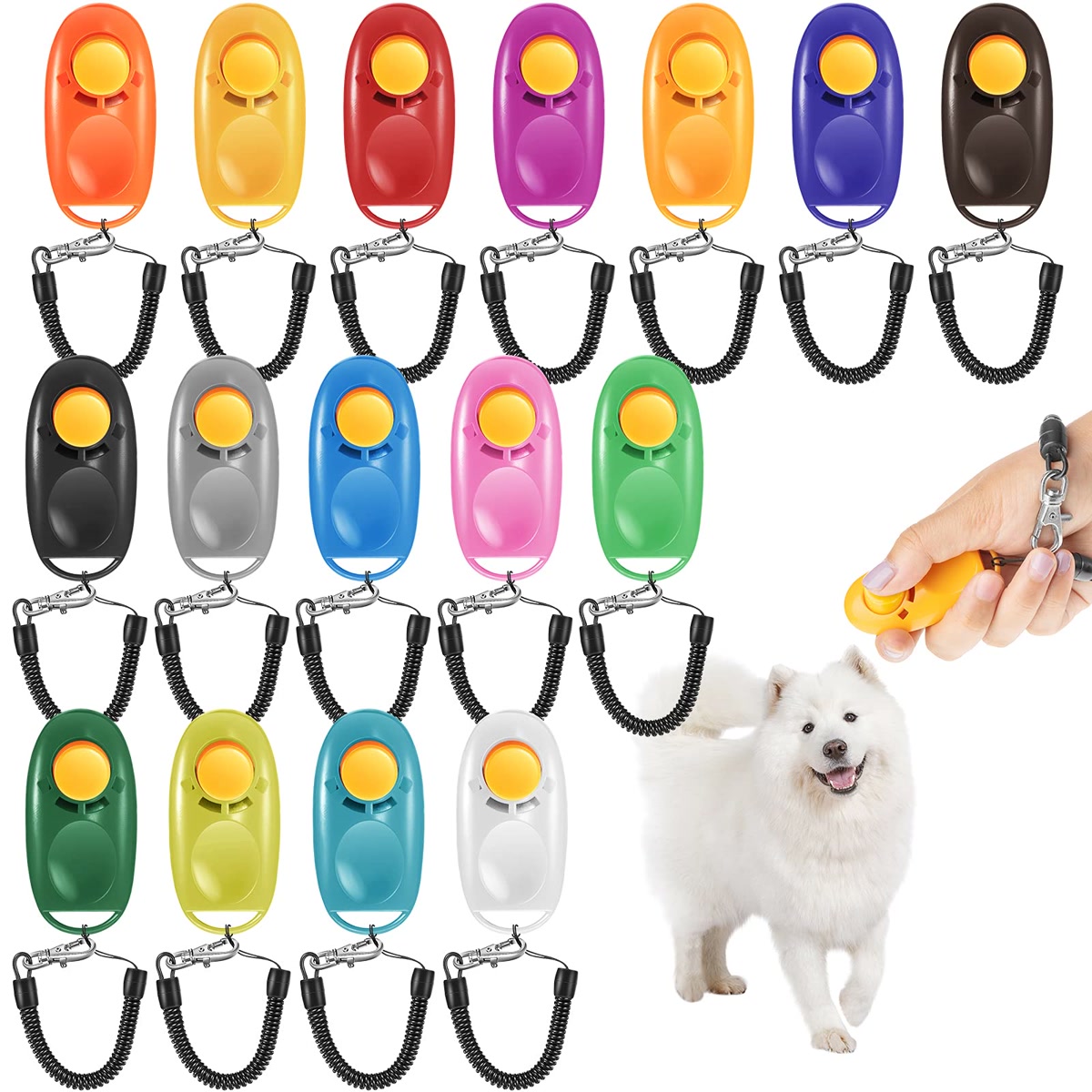
A clicker is a small device that makes a consistent sound to mark the exact moment your dog does something right. It’s the foundation of positive reinforcement training. You don’t need a fancy one — a basic clicker with a wrist strap costs less than a cup of coffee.
The Ruconla 4-Pack Dog Training Clickers with Wrist Straps gives you four clickers for under $8. Keep one by the door, one in the car, one in your pocket, and a spare. They’re small, cheap, and having extras means you’re never caught without one when training opportunities pop up.
Alternatively, the VOBRAMY Dog Training Clicker with Wrist Strap is a solid single-pack option if you just want one.
2. Long Training Leash (Under 15 Dollars)
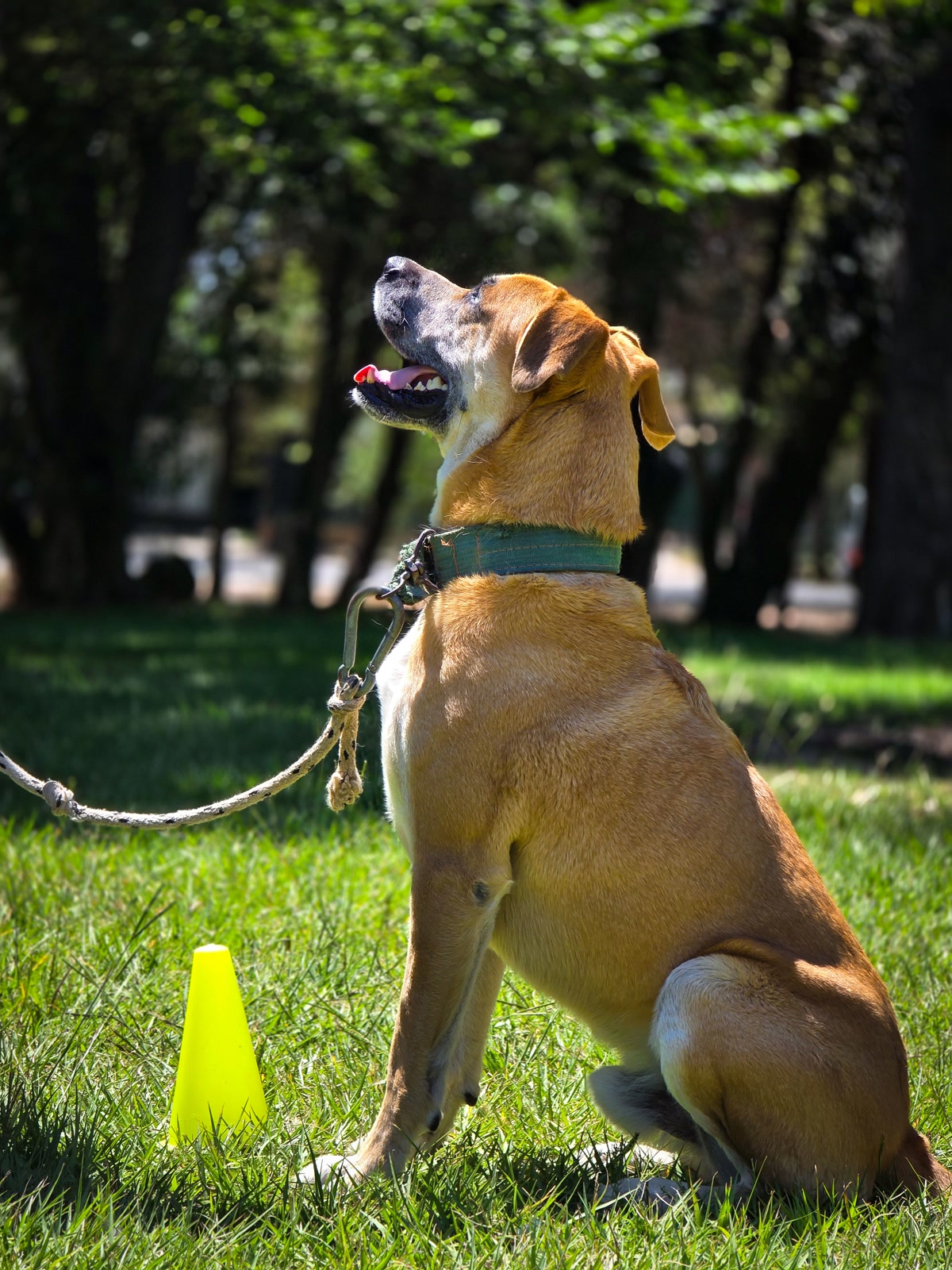
A long line (15-50 feet) lets your dog practice recall, distance commands, and freedom while keeping them safe. It’s the single most useful training tool for outdoor work. Standard 6-foot leashes are fine for walking, but they don’t give your dog enough room to learn come-when-called at a distance.
The BAAPET Long Dog Training Leash comes in 15, 20, 30, 50, and 100-foot lengths and includes a bonus clicker. The 30-foot version is the sweet spot for most training — enough distance to practice recall, short enough to manage in a backyard or park. The padded handle prevents rope burn when your dog lunges, which they will.
3. High-Value Training Treats (Under 15 Dollars)
Not all treats are created equal. Kibble works for low-distraction environments, but when you’re training outdoors or around other dogs, you need something your dog will sprint across a field for. That’s a “high-value” treat — soft, smelly, and irresistible.
Zuke’s Mini Naturals Soft and Chewy Training Treats are the gold standard for budget training treats. They’re small (so you can give a lot of them without overfeeding), soft (so dogs eat them fast and get back to training), and come in several flavors. The beef recipe pouch is under $15 and lasts for weeks of daily sessions.
For variety, the Zuke’s Mini Naturals Salmon Recipe is even higher value for dogs who love fish — salmon smell gets attention faster than any other flavor.
4. Treat Pouch (Under 12 Dollars)
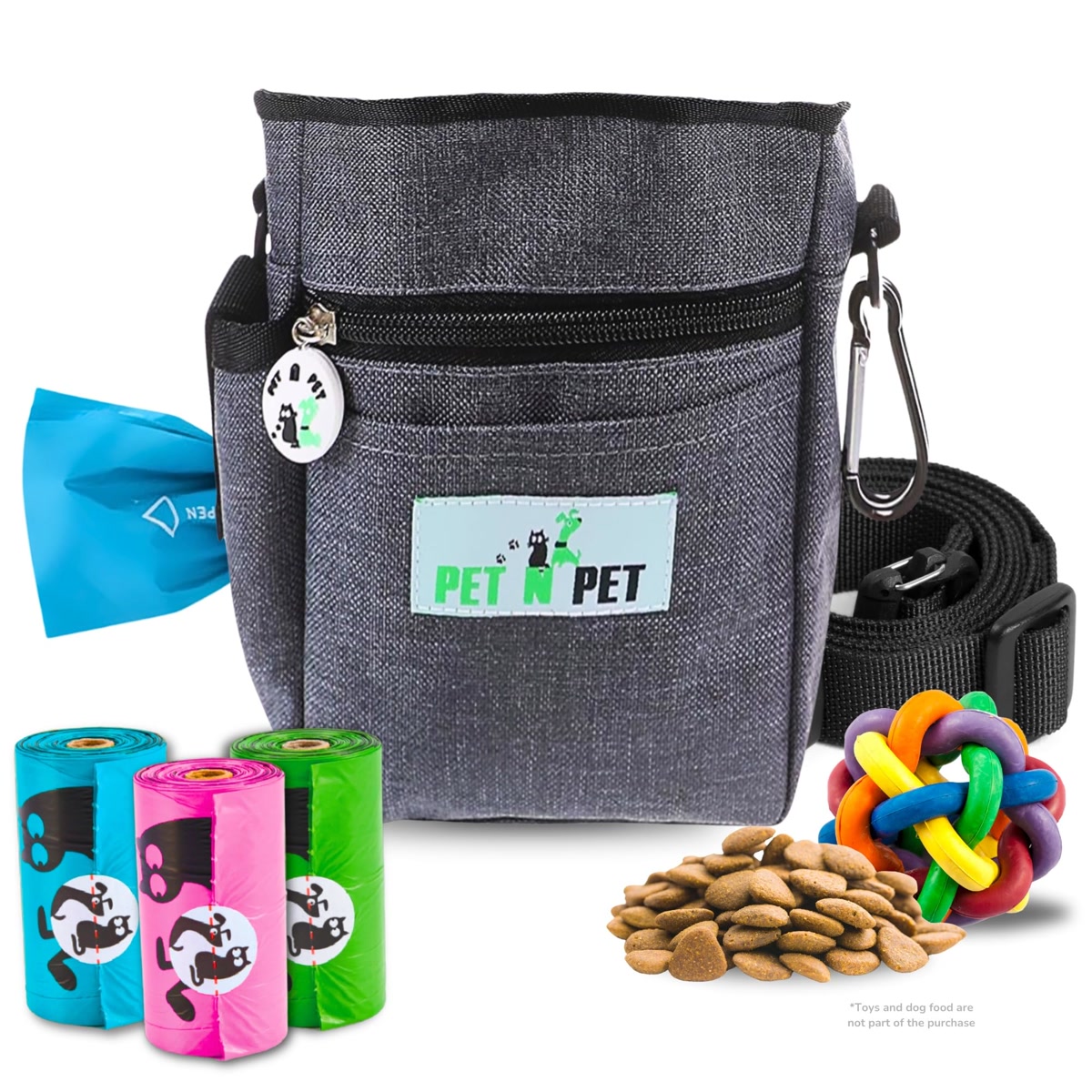
Fumbling with a plastic bag of treats in your pocket is slow, messy, and teaches your dog that rewards come from a crinkly bag instead of from you. A treat pouch clips to your waistband and lets you grab treats in under a second. Speed matters in training — if your dog sits and you reward 3 seconds later, they’ve already forgotten what earned the treat.
The 3 Ways to Wear Dog Treat Pouch is under $12 and includes a clicker. It clips to your belt, loops over your shoulder, or attaches with a waist strap. The magnetic closure keeps treats from falling out when you bend over, and it’s washable.
5. No-Pull Harness (Under 25 Dollars)
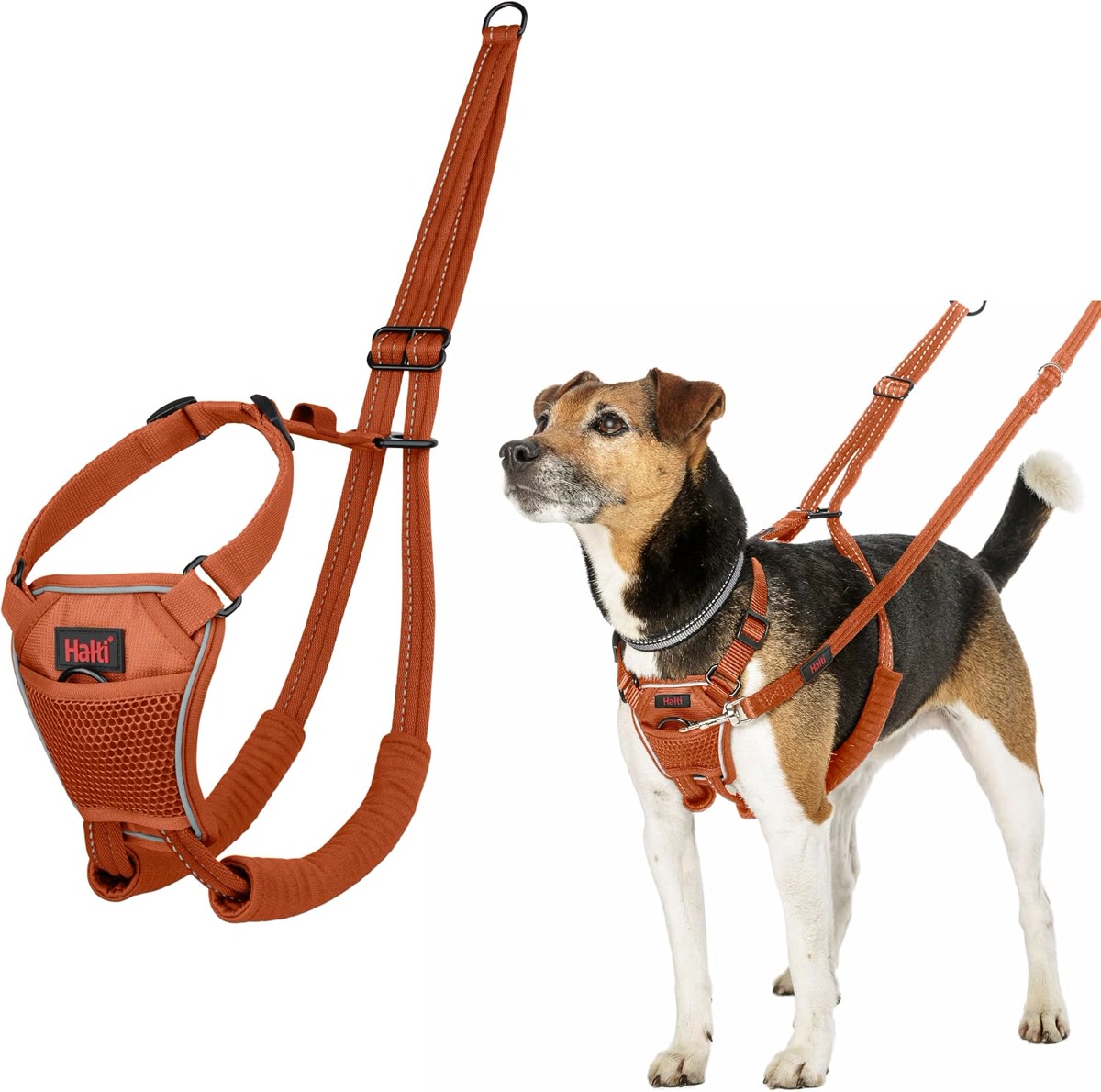
If your dog pulls on walks, a no-pull harness changes the leverage point from their neck to their chest. When they pull, the harness gently redirects them sideways. It’s not a training tool on its own — you still need to teach loose-leash walking — but it makes the process dramatically easier and prevents injury to your dog’s trachea.
The rabbitgoo No-Pull Dog Harness is one of the most popular budget options at under $25. It has two leash attachment points (front clip for no-pull training, back clip for regular walking), reflective stitching, and adjustable straps. The PetSafe Easy Walk No-Pull Harness is the trainer-recommended classic, also under $25, with a martingale-style front loop that tightens slightly when your dog pulls.
Optional But Helpful: Enrichment Tools
Training isn’t just about commands. Mental enrichment tires a dog out faster than physical exercise, and a mentally tired dog is easier to train. These aren’t essential, but they’re worth the investment if you have a high-energy dog.
Snuffle Mat (Under 20 Dollars)
A snuffle mat is a fabric mat with strips of fleece woven through a grid. You hide kibble or treats in the strips, and your dog has to sniff them out. It mimics foraging behavior and is excellent for slowing down fast eaters, calming anxious dogs, and giving your dog a job to do while you cook dinner.
The AWOOF Pet Snuffle Mat is under $20 and works for dogs of all sizes. It’s also machine washable, which matters more than you’d think.
What to Skip
Shock Collars and E-Collars
You can find budget shock collars for under $30, but skip them. Modern positive reinforcement training gets better results without pain, and most dogs don’t need physical corrections to learn. If you’re dealing with serious behavioral issues, work with a certified trainer rather than relying on a device that can create fear and aggression.
Expensive Training Programs
Online courses and DVD sets costing $100-$300 are not necessary. YouTube has thousands of free training videos from certified trainers. Start with channels like Kikopup or Simpawtic — they cover everything from basic sit to reactive behavior modification, all free.
Premium Treats for Everyday Training
Freeze-dried liver and specialty training treats cost $20-30 per bag. They’re great for high-distraction environments, but for daily training sessions at home, Zuke’s Mini Naturals or even small pieces of cooked chicken work just as well for a fraction of the cost.
Building Your Kit: Total Cost Breakdown
Here’s what a Complete budget training kit costs:
- 4-Pack Clickers: $8
- 30-foot Training Leash: $14
- Zuke’s Mini Naturals (Beef): $14
- Treat Pouch with Clicker: $12
- No-Pull Harness: $24
Total: $72 — and the clickers, leash, pouch, and harness are one-time purchases. The only recurring cost is treats, which last weeks per bag. That’s less than the cost of two private training sessions, and you own the tools forever.
If you need to trim it further, skip the harness initially (use what you have) and you’re at $48 for clickers, leash, treats, and pouch. That’s a complete functional training kit for under 50 dollars.
Training Tips That Cost Nothing
- Train before meals: A hungry dog is a motivated dog. Use breakfast as training treats — measure out their kibble and earn each piece through a sit, down, or recall.
- Keep sessions short: 5-minute sessions, 3-4 times a day, beat one 30-minute marathon. Dogs learn in short bursts and lose focus quickly.
- Train in order of difficulty: Start in your kitchen. When your dog is reliable, move to the backyard. Then the front yard. Then the park. Increase difficulty gradually — don’t expect a perfect sit-stay at the dog park on day one.
- Use life rewards: “Sit” before the door opens. “Down” before the food bowl goes down. “Wait” before getting out of the car. These don’t cost treats — they cost consistency.
- Capture good behavior: When your dog voluntarily lies down quietly, click and treat. You didn’t ask for it, but you’re rewarding it. This teaches your dog to offer good behavior without being told.
The Bottom Line
You don’t need expensive gear to train a well-behaved dog. A clicker, a long line, good treats, a pouch, and a no-pull harness are the complete toolkit. Everything else is timing, consistency, and showing up. Spend less than 75 dollars on gear, invest 10 minutes a day in training, and you’ll have a dog that’s a joy to walk, greet guests calmly, and come running when you call.
The best training tool is free — it’s your attention. The second best is a clicker that costs two dollars.
ThriftyPaw is reader-supported. As an Amazon Associate, we earn from qualifying purchases. This means we may earn a small commission when you buy through links on this site at no additional cost to you. We only recommend products we genuinely believe in. Thank you for supporting ThriftyPaw.
My take: The $75 kit — really the $50 core of clicker, line, treats, and pouch — is everything the training industry charges session rates to replicate. Skip the e-collars entirely; the science has moved. Put the savings toward consistency instead: five minutes daily beats an hour weekly.
Related guides
- 4 Head Collars That Stop a Pulling Dog Without Looking Ridiculous
- DIY Dog Agility Equipment: Build a Complete Course Under 50 Dollars
- DIY Dog Agility Equipment: Build a Backyard Course for Under 50 Dollars (2026)
- Best Dog Toys Under $10 That Actually Last (2026)
- Best Dog Collars for Large Breeds Under 20 Dollars
🐾 Get Your Free Big Dog First Aid Kit Checklist
Join our newsletter and get this free printable plus weekly tips.
Frequently Asked Questions
What do I need to train my dog on a budget?
The five essentials under $75 total: a clicker (4-pack under $8), a long training leash 15-50 feet (under $15), high-value treats (under $15 for a bag that lasts weeks), a treat pouch (under $12), and a no-pull harness if pulling is an issue (under $25). That's less than one professional training session.
What training tools should I skip?
Shock collars and e-collars — the guide is blunt about them. The evidence points toward positive reinforcement outperforming punishment-based tools without the behavioral fallout, and every essential skill is trainable with a clicker and treats. The prong-collar debates aside, nothing on the must-have list costs over $25.
Why does a long leash help with training?
A 15-50 foot line lets you practice recall at real distances — the whole point of the command — while keeping the dog safe. A standard 6-foot leash can't teach distance commands, and off-leash practice before the recall is reliable is how dogs learn to ignore you.
Liked this guide? Get the next one in your inbox — the pet budget checklist is free too.
✓ You're in — check your inbox.
No spam. Unsubscribe anytime. We never share your email.
Price Check
Prices verified via our product tracker. Updated Sep 27.
| 5 Pack Dog Training Clickers, Dog Clicker with Wrist Strap | $8.99 | 4.3★ |
| VOBRAMY Dog Training Clicker with Wrist Strap Durable Ligh | $4.99 | 4.4★ (1,719) |
| BAAPET 15/20/30/50/100 ft Long Dog Training Leash with Cli | $7.89 | 4.6★ (4,179) |
| Zuke's Mini Naturals Dog Training Treats, Beef Recipe, 6 o | $7.99 | 4.6★ (3,863) |
| Zuke's Mini Naturals Dog Training Treats, Salmon Recipe, S | $28.03 | 4.6★ (541) |
| Dog Treat Pouch - 3 Ways to Wear Dog Treat Bag, Dog Traini | $12.99 | 4.7★ (5,019) |
| AWOOF Pet Snuffle Mat for Dogs, Interactive Feed Game for | $11.98 | 4.2★ (21,864) |
As an Amazon Associate we earn from qualifying purchases.