
This article contains affiliate links. We may earn a commission from qualifying purchases.
Some content on this site is AI-assisted and reviewed by our editorial team.
Dog skin allergies are one of the most frustrating and expensive conditions to manage. The itching, scratching, licking, and chewing can keep both you and your dog awake at night. One vet visit for allergy diagnosis can cost 200-500 dollars, and ongoing management typically runs 50-150 dollars per month for prescription foods, medications, and medicated shampoos. But many dogs with mild to moderate skin allergies can be managed for under 25 dollars per month with the right combination of over-the-counter products, environmental management, and dietary adjustments.
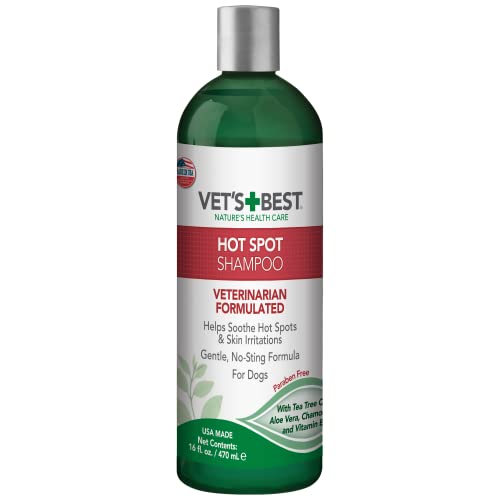
Is It Allergies? Identifying the Problem
Before spending money on treatments, confirm that your dog actually has allergies. Other conditions cause similar symptoms:
- Fleas — the number one cause of itching in dogs. Even one flea can trigger intense scratching in allergic dogs. Rule this out first. Apply a quality flea preventive (see our flea and tick prevention guide) for 2 months before pursuing other causes.
- Skin infections — bacterial and yeast infections cause itching that will not resolve with allergy treatments alone. Your vet can diagnose these with a skin scrape (25-50 dollars).
- Mange — mites cause intense itching, especially in puppies. Diagnosed with a skin scrape. Treatable with prescription medication.
- Food intolerance — different from allergies. Causes gastrointestinal symptoms (diarrhea, vomiting) more than skin symptoms.
True allergy symptoms in dogs:
- Itching that is seasonal (spring/fall) or year-round
- Recurrent ear infections
- Licking paws excessively (paws turn brown/red from saliva)
- Red, inflamed skin on belly, armpits, or between toes
- Recurrent hot spots
- Rubbing face on furniture or floor
Types of Dog Allergies (And What Each Costs to Treat)
1. Flea Allergy Dermatitis (Most Common, Cheapest to Treat)
Flea allergy is the most common skin allergy in dogs. An allergic dog reacts to flea saliva — a single flea bite can cause itching for 2 weeks. The treatment is simple: eliminate fleas. Apply a quality oral flea preventive (NexGard, Bravecto, Simparica) year-round. Cost: 10-15 dollars per month if bought online (see our flea and tick prevention guide for savings strategies).
This is the cheapest allergy to treat because the solution is prevention, not ongoing medication. If your dog has flea allergy and you eliminate fleas, the itching stops. No special food, no medicated shampoos, no prescription medications needed.
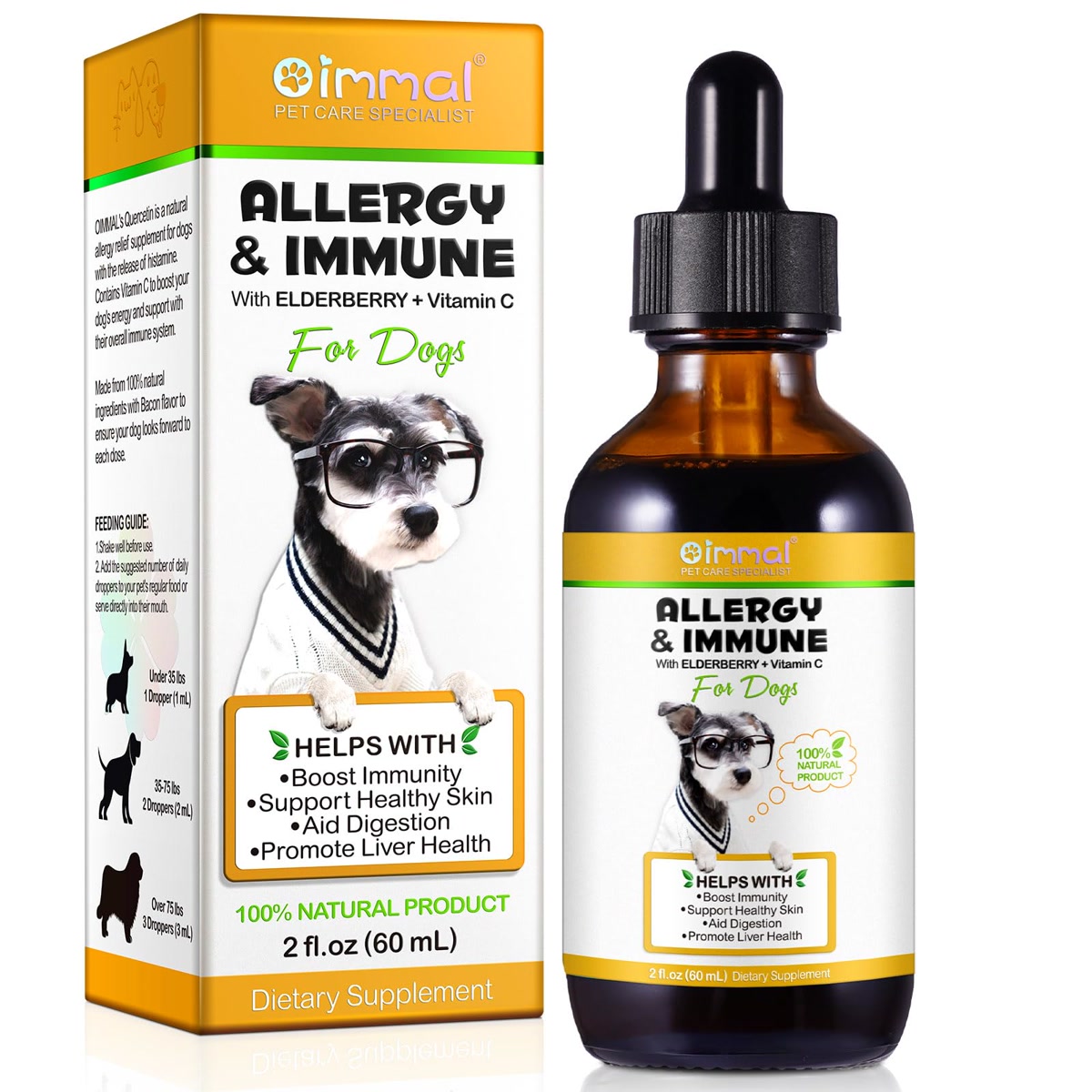
2. Environmental Allergies (Atopic Dermatitis) — Moderate Cost
Environmental allergies (pollen, mold, dust mites, grass) are the second most common. Symptoms are often seasonal but can be year-round. This is the type of allergy that requires the most management and is the focus of this budget guide.
3. Food Allergies — Moderate to High Cost
Food allergies in dogs are less common than people think — only about 10-15 percent of allergic dogs have a true food allergy. The most common food allergens in dogs are (in order): chicken, beef, dairy, egg, wheat, soy. Diagnosis requires a strict elimination diet for 8-12 weeks, which can cost 50-80 dollars per month for prescription hydrolyzed protein food.
Budget Management Plan for Environmental Skin Allergies
Step 1: Foot Soaks After Outdoor Time (Free)
Dogs absorb allergens through their paw pads. After walks in grass or during high pollen seasons, wipe your dog’s paws with a damp towel or have them stand in a shallow basin of cool water for 30 seconds. This removes pollen and prevents it from being tracked into the house and absorbed through the skin. Cost: 0 dollars.
For paw licking and chewing (a common allergy symptom), foot soaks with cool water and a small amount of Epsom salt (3 dollars for a large bag) reduce inflammation and itching. Soak for 5 minutes, then dry thoroughly.
Step 2: Frequent Bathing with Oatmeal Shampoo (8-15 Dollars)
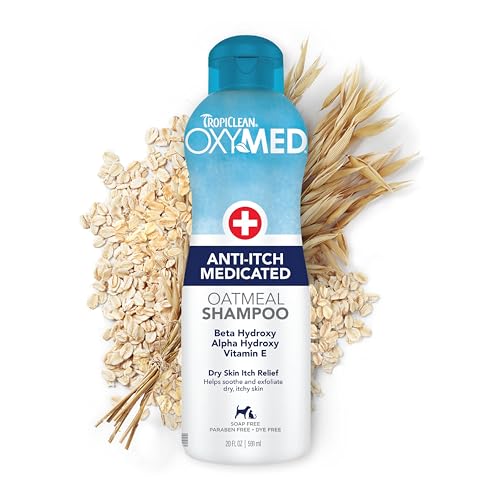
Bathing removes allergens from the coat and skin. For allergic dogs, bathe every 1-2 weeks during allergy season with a colloidal oatmeal shampoo. Oatmeal has anti-inflammatory properties and soothes itchy skin.
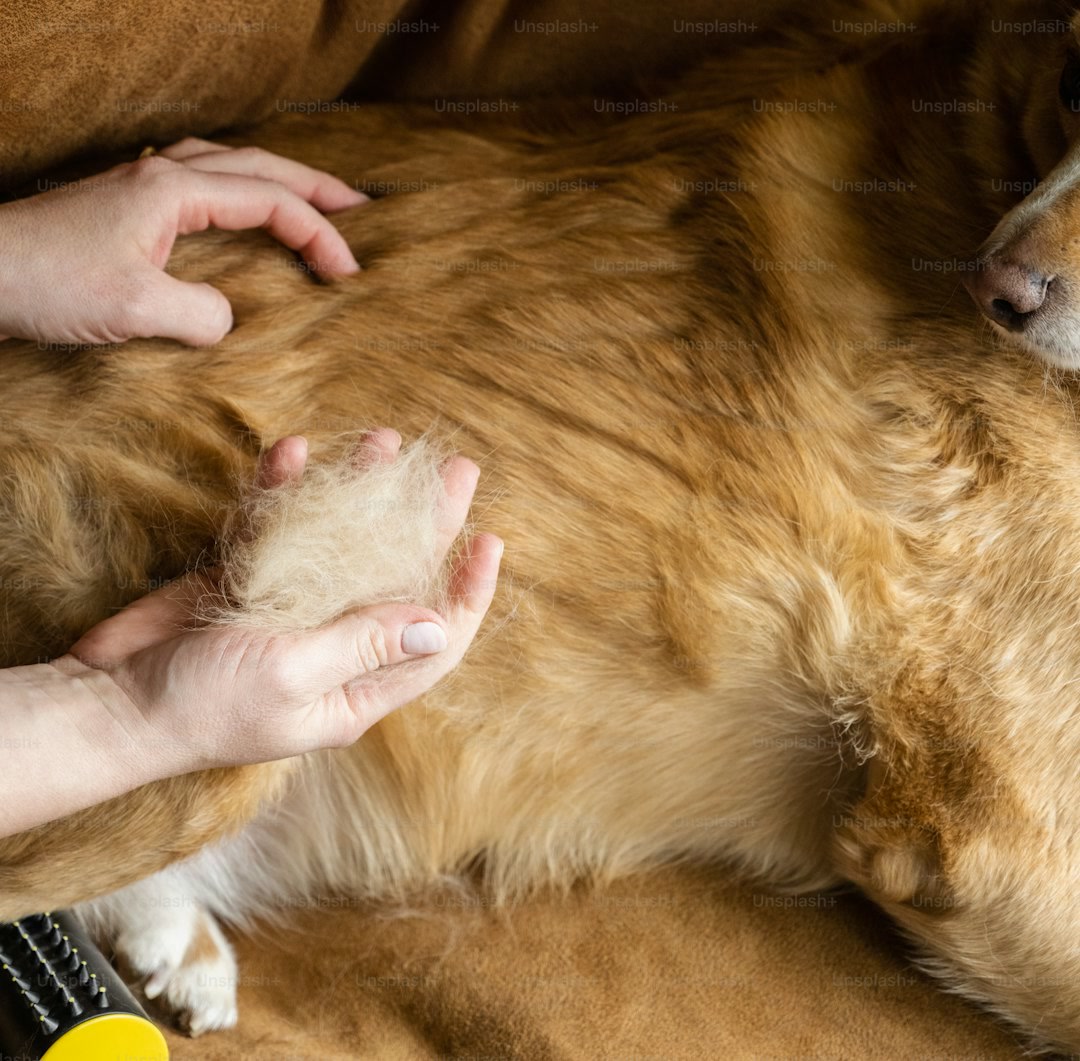
Budget options:
- Vet’s Best Oatmeal Shampoo — 8-12 dollars
- TropiClean Oatmeal and Tea Tree Shampoo — 10-15 dollars
- Burt’s Bees Oatmeal Shampoo — 8-12 dollars
For more severe itching, use a chlorhexidine shampoo (Douxo S3 Chlorhex, 15-20 dollars) which also treats secondary bacterial and yeast infections that develop from scratching. Your vet may recommend Malaseb (20-25 dollars) for active infections.
Do not use human shampoo — the pH is wrong for dogs and can worsen skin problems. Baby shampoo is acceptable in a pinch but is not formulated for canine skin.
Step 3: Omega-3 Fatty Acid Supplementation (5-10 Dollars Per Month)
Fish oil is one of the most effective and cheapest allergy treatments. Omega-3 fatty acids (EPA and DHA) reduce skin inflammation from the inside. Studies show that dogs given fish oil supplements have reduced itching and improved skin barrier function.
The key is dosing correctly: dogs need 50-100mg of combined EPA+DHA per pound of body weight per day for anti-inflammatory effects. Most dog fish oil supplements are underdosed. Buy human fish oil (Kirkland Signature, 20 dollars for 400 softgels, approximately 300mg EPA+DHA each) and dose based on your dog’s weight. A 50-pound dog needs 8-16 softgels per day — give with food.
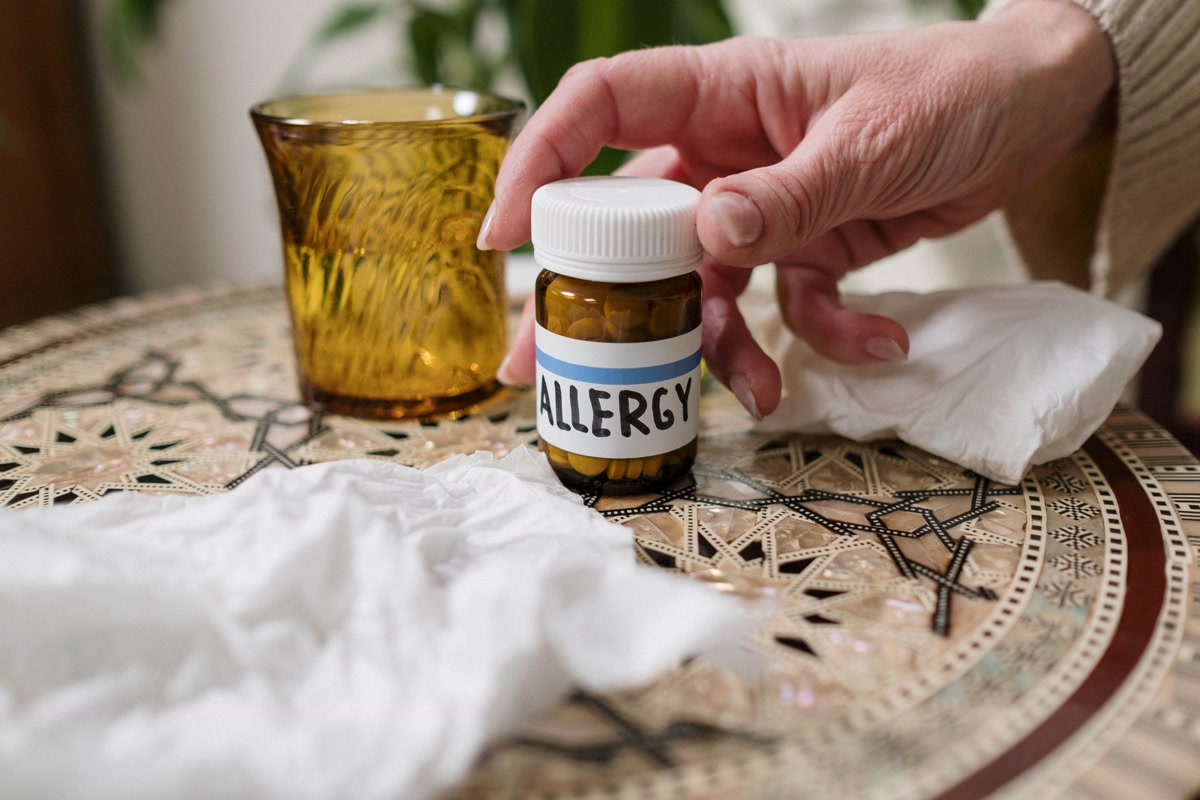
Effects take 6-8 weeks to appear. Do not judge fish oil after one week. It works as a long-term skin barrier improorer, not a quick fix.
Step 4: Antihistamines (5-10 Dollars Per Month)
Over-the-counter human antihistamines help about 20-30 percent of dogs with environmental allergies. They are cheap and safe, so worth trying. The two most commonly used:
- Diphenhydramine (Benadryl) — 1mg per pound of body weight, twice daily. A 50-pound dog takes two 25mg tablets twice daily. Cost: 5-8 dollars per month. Use plain Benadryl, not the cold/allergy formulations with other active ingredients.
- Cetirizine (Zyrtec) — 1mg per pound, once daily. A 50-pound dog takes one 10mg tablet daily. Cost: 8-10 dollars per month. Less sedating than Benadryl.
Try one antihistamine for 2 weeks. If no improvement, try the other. If neither works, your dog is in the 70-80 percent that does not respond to antihistamines, and you need to move to the next step.
Step 5: Cytopoint or Apoquel (Prescription, 40-80 Dollars Per Month)
For dogs that do not respond to antihistamines, two prescription options have revolutionized allergy treatment:
Cytopoint — an injection given by your vet every 4-8 weeks. It is a monoclonal antibody that targets and neutralizes the itch signal. No side effects, no organ processing, safe for long-term use. Cost: 40-80 dollars per injection depending on dog size and clinic pricing. Some vets offer a multi-injection discount.
Apoquel — an oral tablet given twice daily for 2 weeks, then once daily. It blocks the itch pathway. Works within 24 hours. Cost: 50-80 dollars per month from Costco or Chewy with a prescription. Long-term safety is established but it does require periodic bloodwork (every 6-12 months, 50-80 dollars).
Both are expensive but far more affordable than the costs of untreated allergies: chronic skin infections (200-500 dollars each), ear surgery for chronic infections (1,500-3,000 dollars), and the suffering of constant itching.
Step 6: Environmental Control (Free to 20 Dollars)
Reduce allergen exposure in your home:
- Wash dog bedding weekly in hot water — removes pollen, dust mites, and dander. Free.
- HEPA air filter — reduces airborne allergens. A room HEPA filter costs 20-40 dollars (Honeywell, Hamilton Beach). Run in the room where your dog spends the most time.
- Vacuum with HEPA filtration — removes allergens from carpets and furniture. If you do not have a HEPA vacuum, vacuum frequently and empty the bag outside.
- Wipe down your dog after walks — use pet wipes (8-12 dollars per pack) or a damp towel to remove pollen from the coat before it reaches the skin.
- Keep grass short — short grass produces less pollen. Mow regularly during allergy season.
- Limit outdoor time during peak pollen — pollen counts are highest 5-10 AM and on dry, windy days. Walk in the evening during allergy season.
Managing Food Allergies on a Budget
If your vet suspects food allergies, the diagnosis is an elimination diet — not a blood test. Blood allergy tests for food are unreliable in dogs. The gold standard is a hydrolyzed protein diet for 8-12 weeks:
Prescription Hydrolyzed Diet (50-80 Dollars Per Month)
Hill’s z/d, Royal Canin Anallergenic, or Purina HA use proteins broken down so small the immune system cannot recognize them. Cost: 50-80 dollars per month for a medium dog. Your dog eats nothing else for 8-12 weeks — no treats, no table scraps, no flavored medications.
Budget Alternative: Novel Protein Diet (30-50 Dollars Per Month)
Instead of a prescription hydrolyzed diet, some vets recommend a novel protein diet — a protein your dog has never eaten. Options:
- Venison, rabbit, duck, or kangaroo-based food — available from brands like Taste of the Wild, Zignature, or Natural Balance. Cost: 30-50 dollars per 25-pound bag.
- Pork and sweet potato — pork is rarely used in commercial dog food, making it novel for most dogs. Natural Balance Pork and Sweet Potato costs 35-45 dollars per bag.
Work with your vet to choose the right novel protein. The diet must be strict — no other protein sources for 8-12 weeks. If symptoms improve, you can gradually reintroduce foods to identify the trigger.
The Total Budget Allergy Management Plan (Under 25 Dollars Per Month)
For mild to moderate environmental allergies:
| Item | Monthly Cost |
|---|---|
| Fish oil (Kirkland, human grade) | 5-8 dollars |
| Benadryl or Zyrtec (OTC) | 5-10 dollars |
| Oatmeal shampoo (one bottle lasts 2-3 months) | 3-5 dollars/month amortized |
| Foot soaks and wipe-downs | 0-3 dollars |
| Pet wipes for pollen removal | 3-5 dollars |
| Total per month | 16-31 dollars |
Compare to prescription management (Apoquel + prescription food + medicated shampoos): 100-200 dollars per month.
When to See the Vet (Do Not Skip This)
Home management is appropriate for mild allergies only. See your vet if:
- Itching is severe enough to cause self-injury (bleeding, hair loss, open sores)
- Your dog has recurrent ear infections (more than 3 per year)
- Skin is red, warm, or oozing (signs of infection requiring antibiotics)
- Your dog is losing sleep from itching
- Home management has not improved symptoms after 4-6 weeks
- Symptoms are year-round and worsening (may indicate food allergy requiring elimination diet)
Untreated allergies lead to skin infections, ear infections, and permanent skin changes (thickening, hyperpigmentation). The cost of treating complications (500-3,000 dollars) far exceeds the cost of allergy management. Early intervention saves money and saves your dog from suffering.
The Bottom Line
Most dogs with mild to moderate environmental allergies can be managed for under 25 dollars per month: fish oil for skin inflammation (5-8 dollars), over-the-counter antihistamines (5-10 dollars), oatmeal shampoo (3-5 dollars amortized), and free environmental controls like foot soaks, wipe-downs, and weekly bedding washes. If OTC management is insufficient after 4-6 weeks, see your vet for Cytopoint (40-80 dollars per injection) or Apoquel (50-80 dollars per month) — expensive but far cheaper than treating chronic skin infections and ear surgery. Rule out fleas first — flea allergy is the cheapest to treat (10-15 dollars per month for prevention) and the most commonly missed diagnosis. Start with the cheapest options, give them time to work, and escalate only when needed.
Last updated: July 2026 | By ThriftyPaw | Prices and availability subject to change
Check Current Prices on Amazon
ThriftyPaw is reader-supported. As an Amazon Associate, we earn from qualifying purchases. This means we may earn a small commission when you buy through links on this site at no additional cost to you. We only recommend products we genuinely believe in. Thank you for supporting ThriftyPaw.
My take: Start with the $25 stack — foot soaks, oatmeal baths, Costco fish oil, antihistamines — because it manages the majority of mild-to-moderate cases. Rule out fleas first (cheapest diagnosis), and take the $200-500 vet visit when the stack fails rather than after a year of trying everything but the diagnosis.
Related guides
- Best Budget Dog Calming Products: Anxiety Relief Under 40 Dollars
- Dog Dental Care Home Routine on a Budget: 3 Products Under 27 Dollars Per Month
- Heartworm Prevention on a Budget: Complete Guide Under 10 Dollars Per Month
- Dog Poisoning Prevention: A Budget Guide to Household Toxins (2026)
- Summer Dog Safety on a Budget — Protect Your Dog Without Spending a Fortune
🐾 Get Your Free Big Dog First Aid Kit Checklist
Join our newsletter and get this free printable plus weekly tips.
Frequently Asked Questions
How do I treat my dog's skin allergies on a budget?
The under-$25/month stack: free foot soaks after outdoor time (paw licking is the classic symptom — cool water with Epsom salt at $3 a bag), oatmeal shampoo baths at $8-15 (Vet's Best or TropiClean), human fish oil from Costco ($20 for 400 softgels), and antihistamines at $5-10/month. That's most of the $50-150 prescription routine at a fifth the price.
Which type of dog allergy is cheapest to treat?
Flea allergy dermatitis — the most common and the cheapest, since prevention at $10-15 a month is the whole treatment. Environmental allergies need the management stack; food allergies are the expensive diagnosis (8-12 weeks of hydrolyzed protein at $50-80/month) — though the guide notes a single novel-protein elimination trial can be done for less.
When do skin allergies need the vet?
When the OTC stack fails after a few weeks, when there are open sores or infections (the Malaseb-tier medicated shampoo at $20-25 is vet territory), or when the diagnosis itself is unclear — the $200-500 diagnostic visit beats a year of guessing wrong on treatments.
Liked this guide? Get the next one in your inbox — the pet budget checklist is free too.
✓ You're in — check your inbox.
No spam. Unsubscribe anytime. We never share your email.
Price Check
Prices verified via our product tracker. Updated Sep 27.
| Pet Shampoos : Amazon.com: Vet's Best Hot Spot Dog Shampoo | $35.00 | 4.4★ (3,700) |
| Pet Itch Remedies : Amazon.com: Happy Jack Dog Itch Relief | $15.99 | 4.3★ (680) |
| Pet Shampoos : Amazon.com: TropiClean OxyMed Medicated Dog | $35.00 | 4.6★ (3,962) |
As an Amazon Associate we earn from qualifying purchases.