This article contains affiliate links. We may earn a commission from qualifying purchases.
Some content on this site is AI-assisted and reviewed by our editorial team.
Fall is not just about pumpkin spice — it is peak season for fleas, ticks, and coat changes that catch pet owners off guard. September through November brings the second wave of flea and tick activity (often worse than spring), shedding season for double-coated breeds, and dry skin from indoor heating. Here is how to handle fall grooming and pest prevention on a budget.
Why Fall Is the Worst Season for Fleas and Ticks
Most people think fleas and ticks die off in cold weather. They do not — they just move indoors, onto pets, and into warmer environments. In fact, fall is peak activity season because fleas and ticks evolved to reproduce aggressively before winter hits. A single female flea lays 40-50 eggs per day, and those eggs fall off your dog into carpets, bedding, and furniture.
Here is the thing: stopping prevention in September is the most common (and most expensive) mistake pet owners make. One flea infestation costs 200-400 Dollars in extermination, vet visits, and medication. A full year of prevention costs 60-120 dollars. The math is obvious.
<img src="https://thriftypaw.com/wp-content/uploads/2026/07/post1934_img1.jpg" alt="Dog with flea prevention Treatment” width=”800″ height=”450″ class=”alignnone” />
Budget Flea and Tick Prevention (Under 15 Dollars per Month)
Topical Treatments
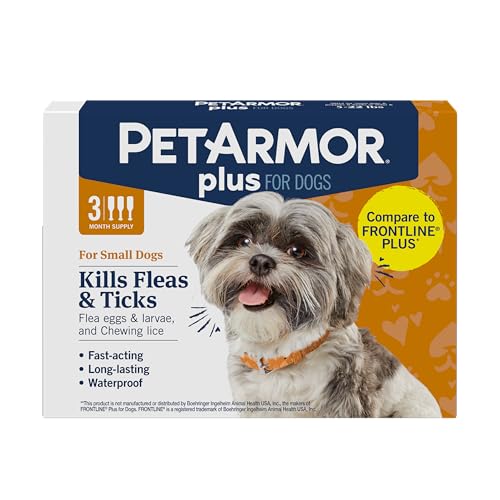
The most cost-effective prevention is a monthly topical treatment. PetArmor Plus for Dogs contains the same active ingredient (fipronil) as Frontline Plus but costs half as much. A 6-month supply runs under 45 dollars, which is under 8 dollars per month.
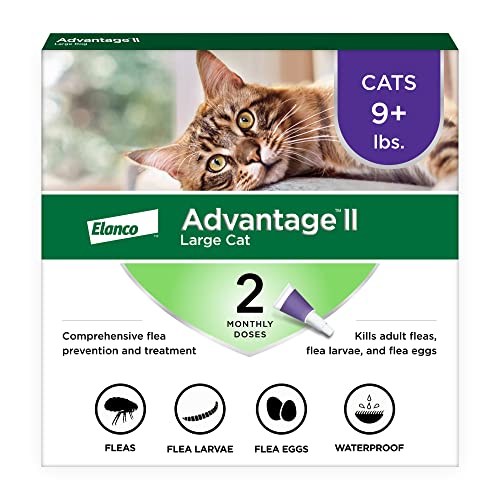
For cats, Advantage II for Cats is a solid budget option at under 10 dollars per month when you buy the 6-pack.
Oral Preventives
NexGard Plus chews are the vet-recommended oral option. They cost more (around 15-20 dollars per month) but work against fleas, ticks, and heartworms simultaneously. If you are already paying for heartworm prevention, switching to a combo product can actually save money.
Ask your vet about generic alternatives. Many active ingredients are now off-patent, and generic versions cost 30-50 percent less than brand names.
Natural Repellents (Supplemental, Not Replacement)
Natural options help but cannot replace medical preventives. Use them as a supplement:
- Diatomaceous earth (food grade) — sprinkle on carpets and pet bedding. It dehydrates fleas. Under 15 dollars for a 10-pound bag that lasts years.
- Cedar oil spray — repels fleas and ticks on contact. Under 12 dollars. Do not use on cats — cedar oil is toxic to felines.
- Rosemary and chamomile rinse — brew a strong pot, let it cool, and pour over your dog after a bath. A folk remedy that does help repel fleas mildly.
Fall Shedding: Managing the Coat Change
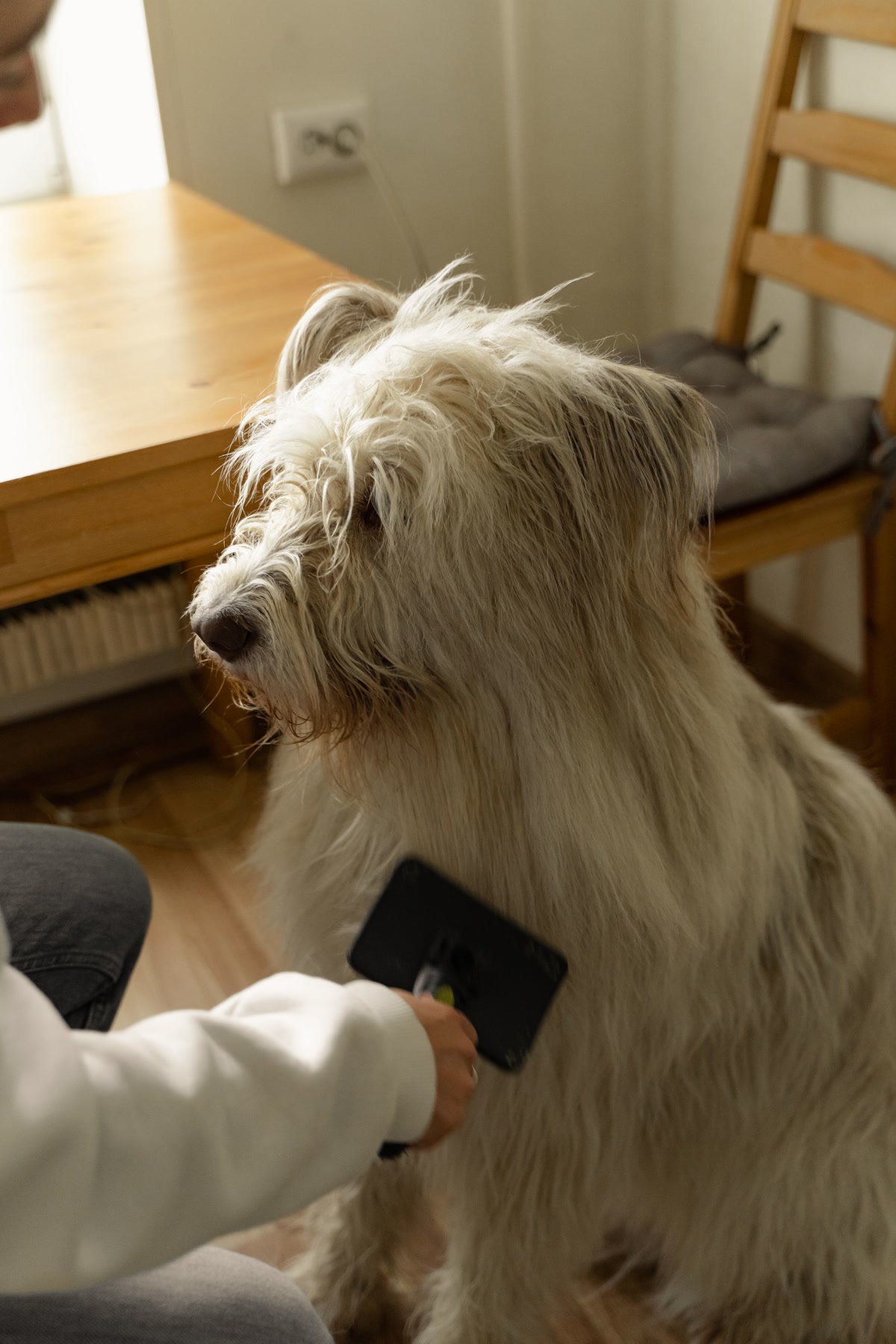
Dogs with double coats (Huskies, Golden Retrievers, German Shepherds, Pomeranians) blow their coats twice a year — spring and fall. Fall shedding is often heavier because dogs are shedding their summer coat and growing a thicker winter undercoat.
The Right Brush for the Job (Under 15 Dollars)
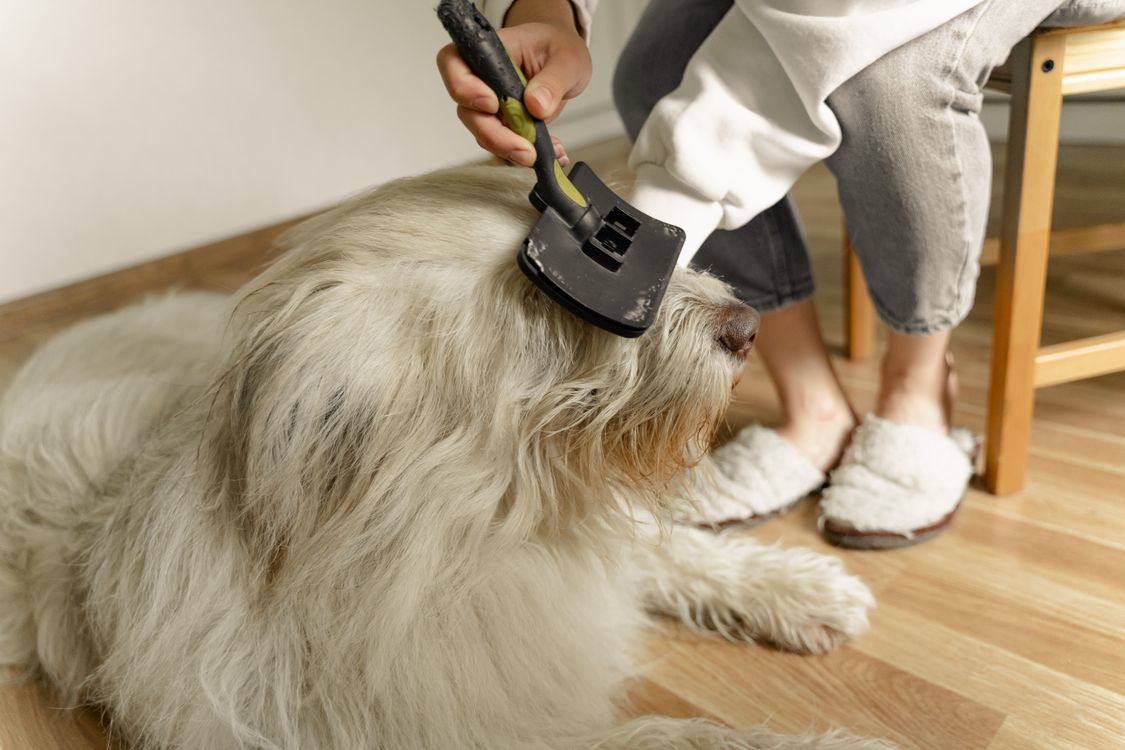
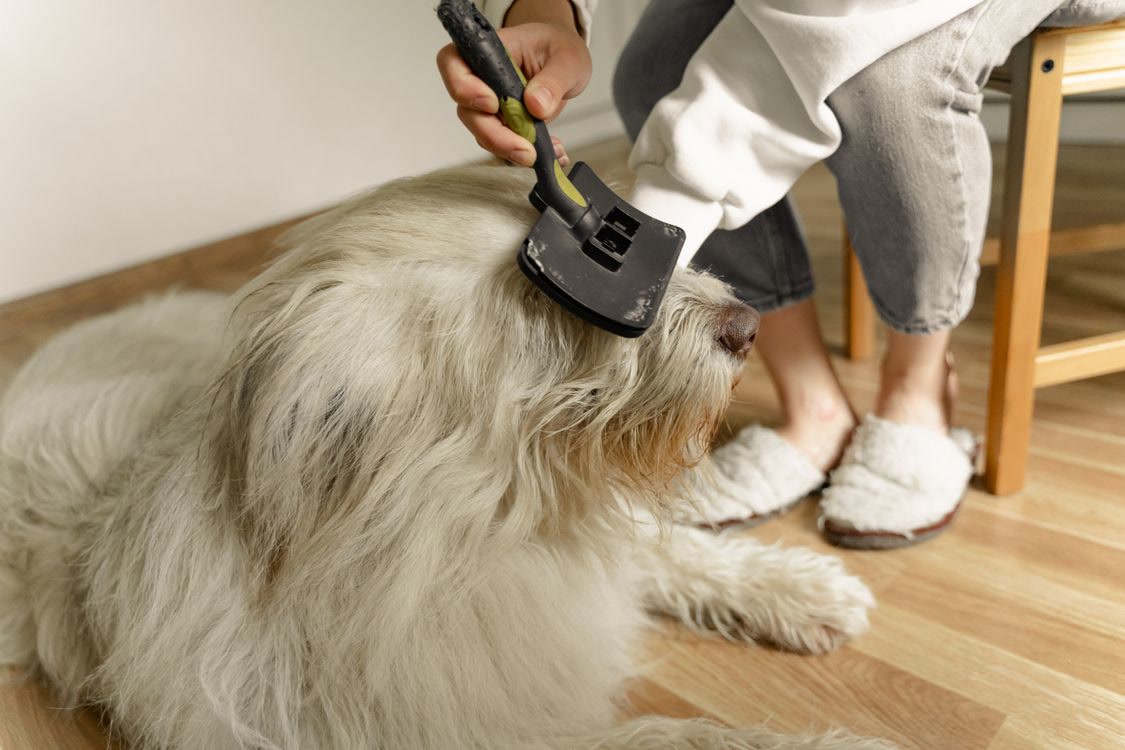
FURminator deShedding Tool is the gold standard for double-coated breeds. It reaches through the topcoat to remove loose undercoat fur. A medium size runs about 12-15 dollars and lasts years.
For a budget alternative, a simple undercoat rake costs under 10 dollars and does 80 percent of what the FURminator does. The key is using it 2-3 times per week during shedding season, not once a month.
Brushing Technique
- Brush outside — the fur has to go somewhere, and outside is easier to clean up
- Line brush: part the fur in sections and brush from the skin outward, not just the surface
- Focus on the haunches, tail base, and neck where fur is densest
- Short sessions (10-15 minutes) are better than one long session that frustrates both of you
- Reward with treats so your dog associates brushing with something positive
Never shave a double-coated breed. Their coat regulates both heating and cooling. Shaving ruins the insulation and the coat may not grow back correctly.
Dry Skin and Indoor Heating (Under 10 Dollars to Fix)
When the heat turns on in October, indoor humidity drops to 20-30 percent. That causes itchy, flaky skin for dogs and cats. Here is how to fix it cheaply:
- Add omega-3 oil to food — a pump bottle of Grizzly Omega-3 Salmon Oil costs under 15 dollars and lasts 2-3 months. One pump per 20 pounds of body weight, mixed into food. Improves coat shine and reduces flaking within 2 weeks.
- Use a humidifier — a basic cool-mist humidifier under 20 dollars in the room where your pet sleeps makes a huge difference for both of you
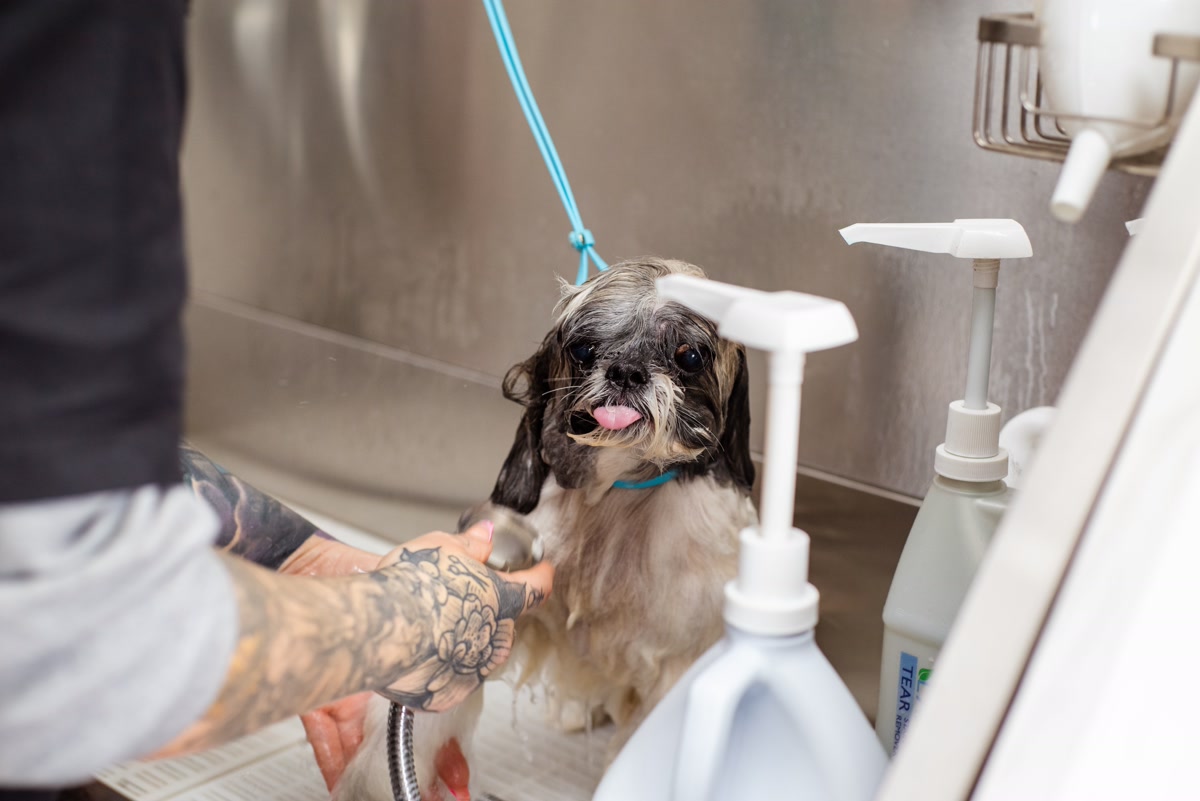
- Oatmeal shampoo baths — for dogs with severe dry skin, an oatmeal-based shampoo soothes itching. Bathe no more than every 2 weeks — over-bathing strips natural oils
- Coconut oil spot treatment — for dry paw pads and nose, rub a small amount of coconut oil. Under 8 dollars for a jar that lasts months
Fall Grooming Checklist
| Task | Frequency | Cost |
|---|---|---|
| Flea and tick preventive | Monthly | 8-15 dollars/month |
| Brushing (double coats) | 2-3x per week | 10-15 dollars (one-time brush) |
| Bath with oatmeal shampoo | Every 2-4 weeks | 8-12 dollars per bottle |
| Ear cleaning | Weekly | 6 dollars per bottle |
| Nail trimming | Every 2-3 weeks | 0 dollars (DIY) |
| Omega-3 supplement | Daily | 5 dollars/month |
| Paw balm for dry pads | Daily in cold weather | 10 dollars (one-time) |
Total monthly cost for complete fall grooming and pest prevention: under 30 dollars per month. Compare that to a single flea infestation treatment (200-400 dollars) or a vet visit for a skin infection from untreated dry skin (80-150 dollars).

Fall Yard Cleanup for Pet Safety
Yard maintenance is part of fall grooming — ticks live in leaf litter and tall grass:
- Rake leaves and dispose of them — do not let piles sit where your dog plays
- Keep grass trimmed short through October
- Check your dog for ticks after every walk in wooded areas or tall grass
- Focus on the ears, neck, armpits, and between toes — ticks crawl to warm, hidden spots
- Create a 3-foot wood chip or gravel barrier between wooded areas and your lawn to reduce tick migration
What to Skip (Wasted Money)
- Flea collars — mostly ineffective. They only repel fleas around the neck, not the whole body. Topical or oral treatments work far better for similar money.
- Expensive grooming sprays — a spray bottle of water with a drop of conditioner does the same thing as a 15-dollar detangling spray
- Designer shampoos — any oatmeal-based dog shampoo under 10 dollars works as well as the 25-dollar boutique brands
- Supplement treats marketed for coat health — they are mostly filler. Pure omega-3 oil is cheaper and more effective
The Bottom Line
Fall grooming and pest prevention comes down to three things: keep flea and tick prevention going through November, brush double coats regularly during shedding season, and add omega-3 oil to combat dry skin from indoor heating. Total cost: under 30 dollars per month, which is a fraction of what you would pay for a single pest infestation or skin infection. Do not stop prevention just because the weather cooled down — that is exactly when fleas are most active.
Last updated: July 2026 | By ThriftyPaw | Prices and availability subject to change
ThriftyPaw is reader-supported. As an Amazon Associate, we earn from qualifying purchases. This means we may earn a small commission when you buy through links on this site at no additional cost to you. We only recommend products we genuinely believe in. Thank you for supporting ThriftyPaw.
My take: The fall trap is stopping prevention too early — the second flea wave is real and costs $200-400 to clean up versus $60-120 to prevent. Keep the topicals going through November, buy the undercoat rake for the coat blow, and run the humidifier; that’s the whole season managed for under $50.
Related guides
- How Much Should You Budget for Dog Vaccinations? Real Costs by State (2026)
- Budget Flea and Tick Prevention for Dogs — What Works, What to Skip, and How to Save in 2026
- Dog Poisoning Prevention: 12 Common Toxins and Free Home Poison-Proofing
- Budget Dog Dental Care at Home: Prevent 1000 Dollar Vet Bills for 15 Dollars
- Homemade Dog Food on a Budget: Complete Recipe Under 25 Dollars Per Week
🐾 Get Your Free Big Dog First Aid Kit Checklist
Join our newsletter and get this free printable plus weekly tips.
Frequently Asked Questions
Is fall really worse than summer for fleas and ticks?
Yes — September through November brings the second wave of flea and tick activity, often worse than spring, because most owners stop prevention when the weather cools while the pests stay active. One infestation costs $200-400 in extermination, vet visits, and medication; the year of prevention runs $60-120.
What flea and tick prevention is cheapest for fall?
The 6-month supply of a topical at under $45 works out to under $8 a month; Advantage II for cats at under $10/month on the 6-pack. The orals that cover fleas, ticks, and heartworm together run $15-20 a month — more, but they replace two products.
How do I manage fall shedding without a groomer?
The right brush for a double coat: the FURminator at $12-15 is the gold standard, and the $10 undercoat rake does about 80% of the same work for less. Add the $10 fix for dry skin — indoor heating drops humidity to 20-30%, and the coat-change season plus dry air is what makes skin problems flare.
Liked this guide? Get the next one in your inbox — the pet budget checklist is free too.
✓ You're in — check your inbox.
No spam. Unsubscribe anytime. We never share your email.
Price Check
Prices verified via our product tracker. Updated Oct 5.
| PetArmor Plus Flea & Tick Topical Dogs 5-22 lbs, 3-Month | | $25.89 | 4.2★ (62,945) |
| Advantage II Large Cat Topical Flea Treatment & Prevention | $33.59 | 4.5★ (81,163) |
| ThunderEase Dog Calming Pheromone Diffuser Refill | Powere | $41.99 | 4.2★ (2,866) |
| FURminator Medium Dog Undercoat deShedding Tool for Short | $33.57 | 4.7★ (11,047) |
| gonicc Professional Dog & Cat, Small Animals Nail Clippers | $9.99 | 4.5★ (79,152) |
As an Amazon Associate we earn from qualifying purchases.