This article contains affiliate links. We may earn a commission from qualifying purchases.
Some content on this site is AI-assisted and reviewed by our editorial team.
I spent $75 a year on Heartgard Plus for my 45-pound mutt without thinking about it — the vet recommended it, the green box showed up every six months, and the dog ate it like a treat. Then my pharmacist mentioned Tri-Heart Plus, the generic version from the same manufacturer, at $39 for the same six-month supply. Same drug. Same dose. Same FDA approval. I was paying $36 a year for a beef flavor and a brand name on the box. That $36 buys a bag of training treats, a replacement leash, or half a groom — all things I was separately budgeting for. So I did the full ingredient comparison, talked to my vet, and switched. Here’s the math.
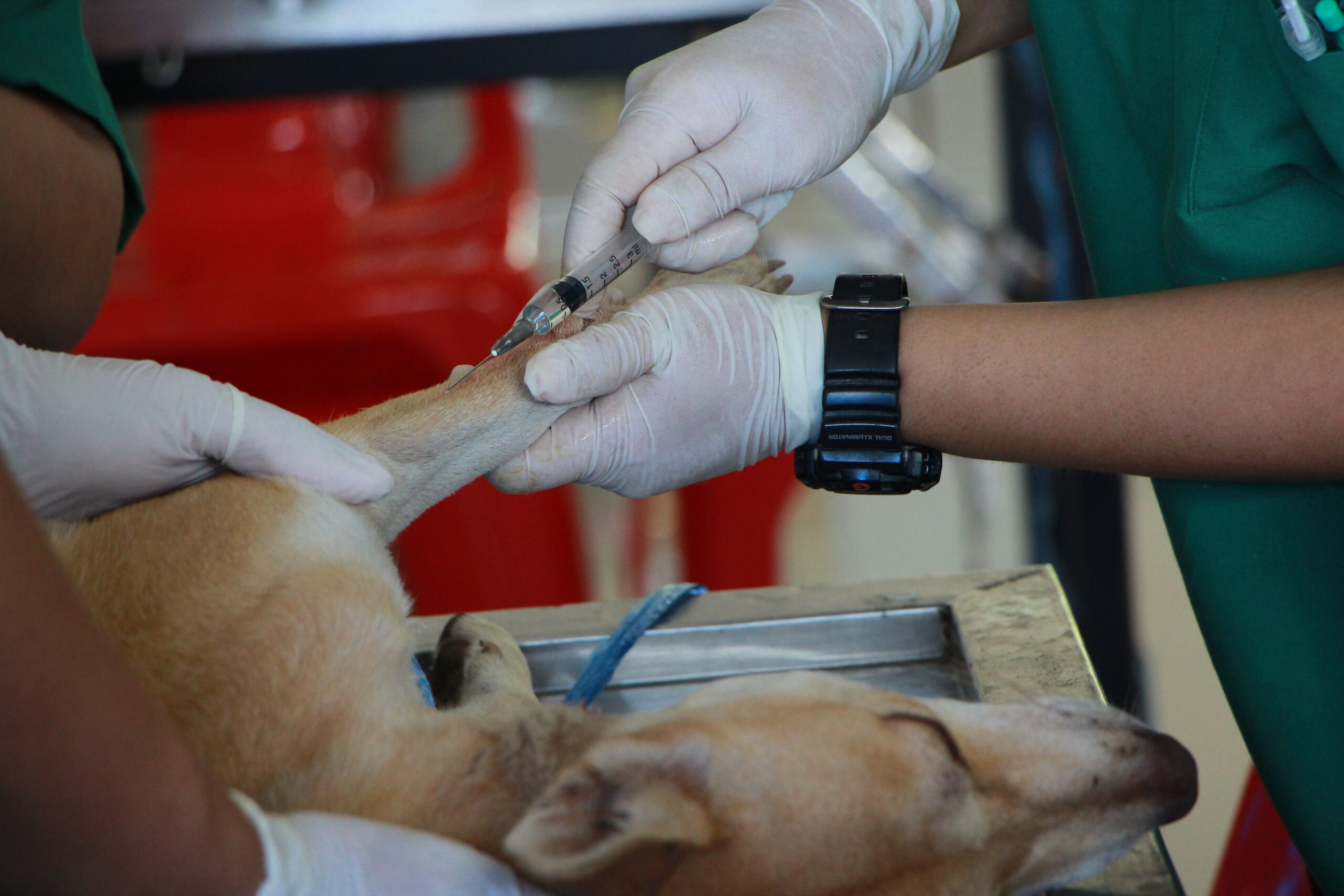
I tracked the ingredient labels, the per-dose costs, and the honest differences between the brand and the generics. Here’s what I found.
The Cost of the Problem
Heartworm prevention is non-negotiable — untreated heartworm disease costs $1,000 to $1,500 to treat and can be fatal. But the prevention itself has a pricing spread nobody talks about. For a 45-pound dog, the brand-name Heartgard Plus costs about $12.50 a month, or $75 for a six-month box. The generic Tri-Heart Plus from the same manufacturer (Merck) costs about $6.50 a month, or $39 for the same six months. That’s $36 saved every six months — $72 a year if you buy two boxes. Over a dog’s 12-year life, that’s $864. The active ingredients are identical: ivermectin and pyrantel, at the same doses, for the same weight range, with the same FDA approval.
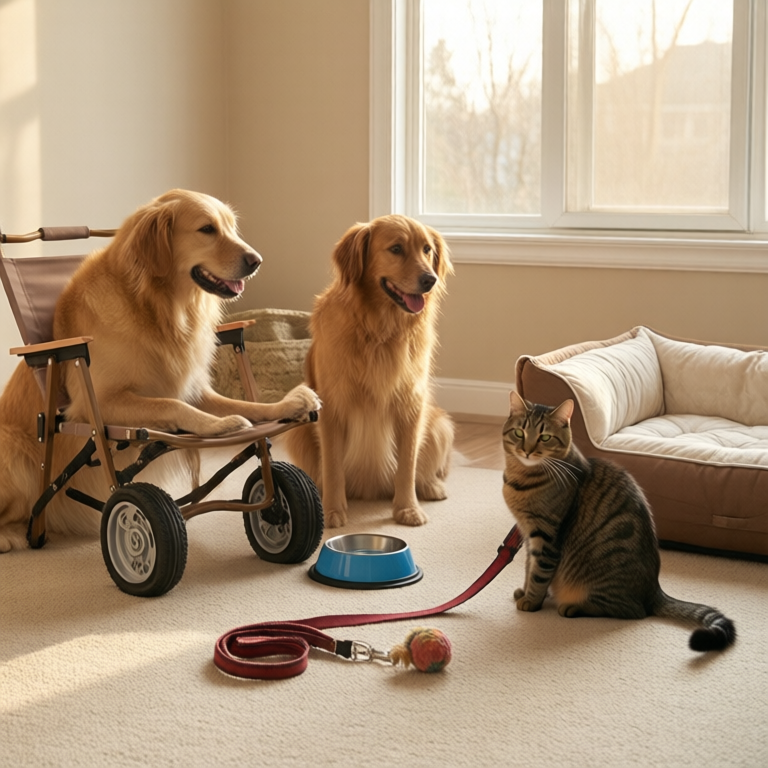
Tri-Heart Plus Chewable Tablets, Dogs 26-50 lbs, 6-Month Supply — The Generic Match
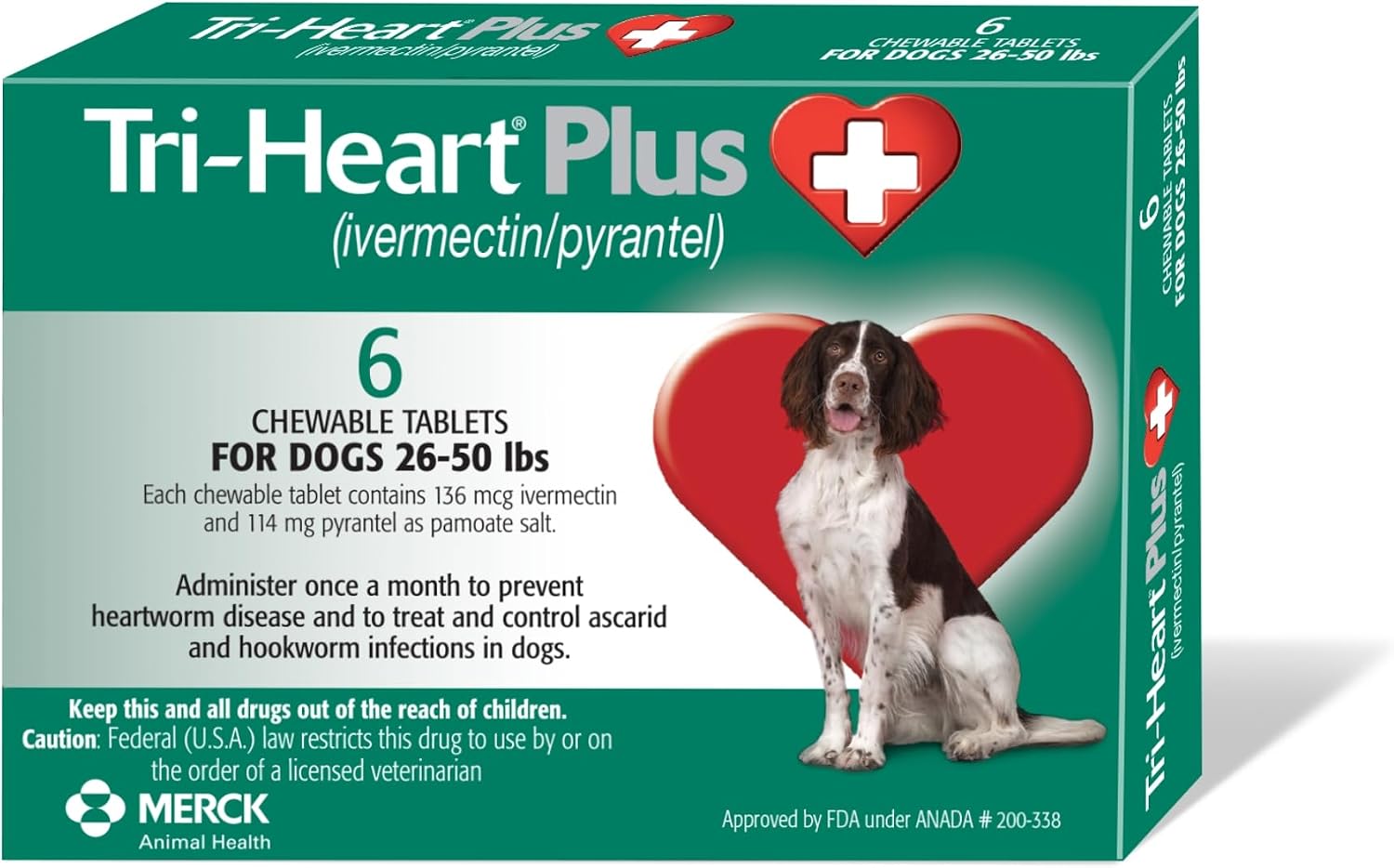
The Tri-Heart Plus 6-Month Supply for dogs 26-50 lbs is the direct generic match for Heartgard Plus — same ivermectin and pyrantel doses, same FDA approval, same manufacturer (Merck). At about $39 for six months, you’re paying roughly $6.50 a month instead of $12.50. The real difference is the form: Tri-Heart is a chewable tablet, not the soft real-beef treat that Heartgard is. Most dogs eat it fine in a piece of cheese or peanut butter, but picky dogs who spit tablets will make you work for it.
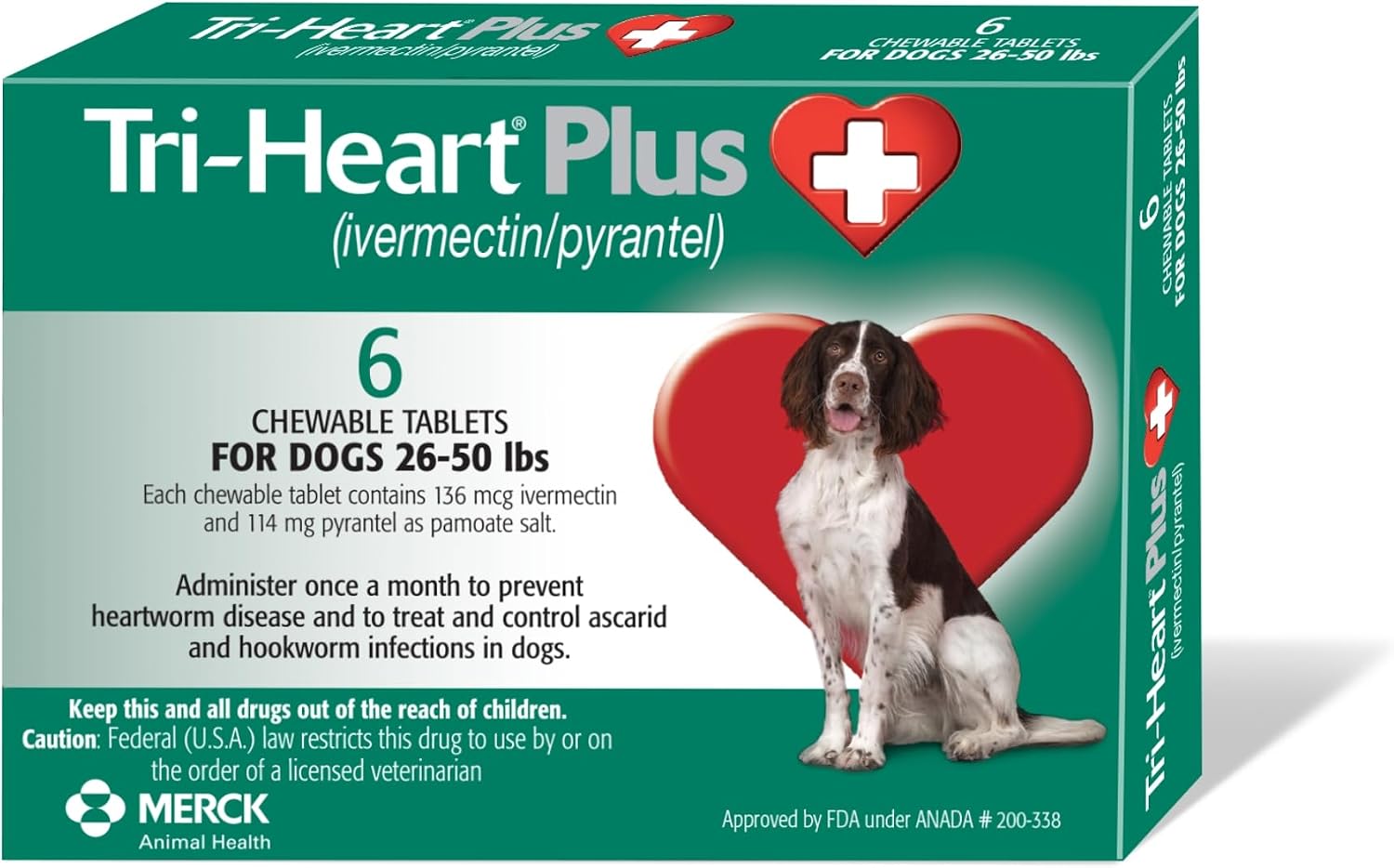
My take: The smartest $36 you can save per year on dog health, as long as your dog accepts a tablet in food.
Tri-Heart Plus Chewable Tablets, Dogs up to 25 lbs, 6-Month Supply — The Small-Dog Generic
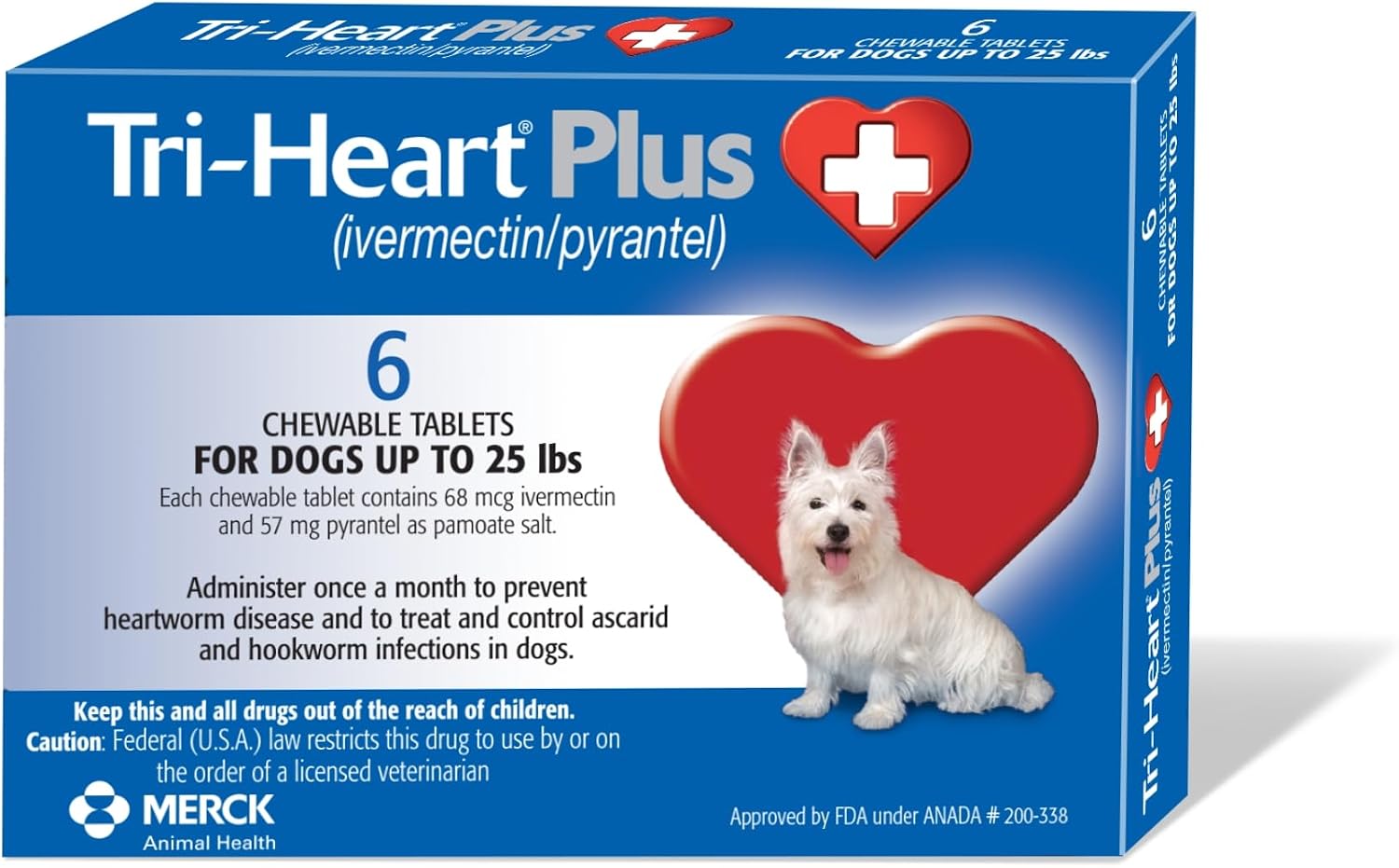
The Tri-Heart Plus 6-Month Supply for dogs up to 25 lbs runs the same math at the small-dog dose — about $30 for six months, or $5 a month. That’s the cheapest compliant heartworm prevention on the market. Small-dog owners still need the annual heartworm test before starting or refilling, and the prescription requirement is the same regardless of dog size.
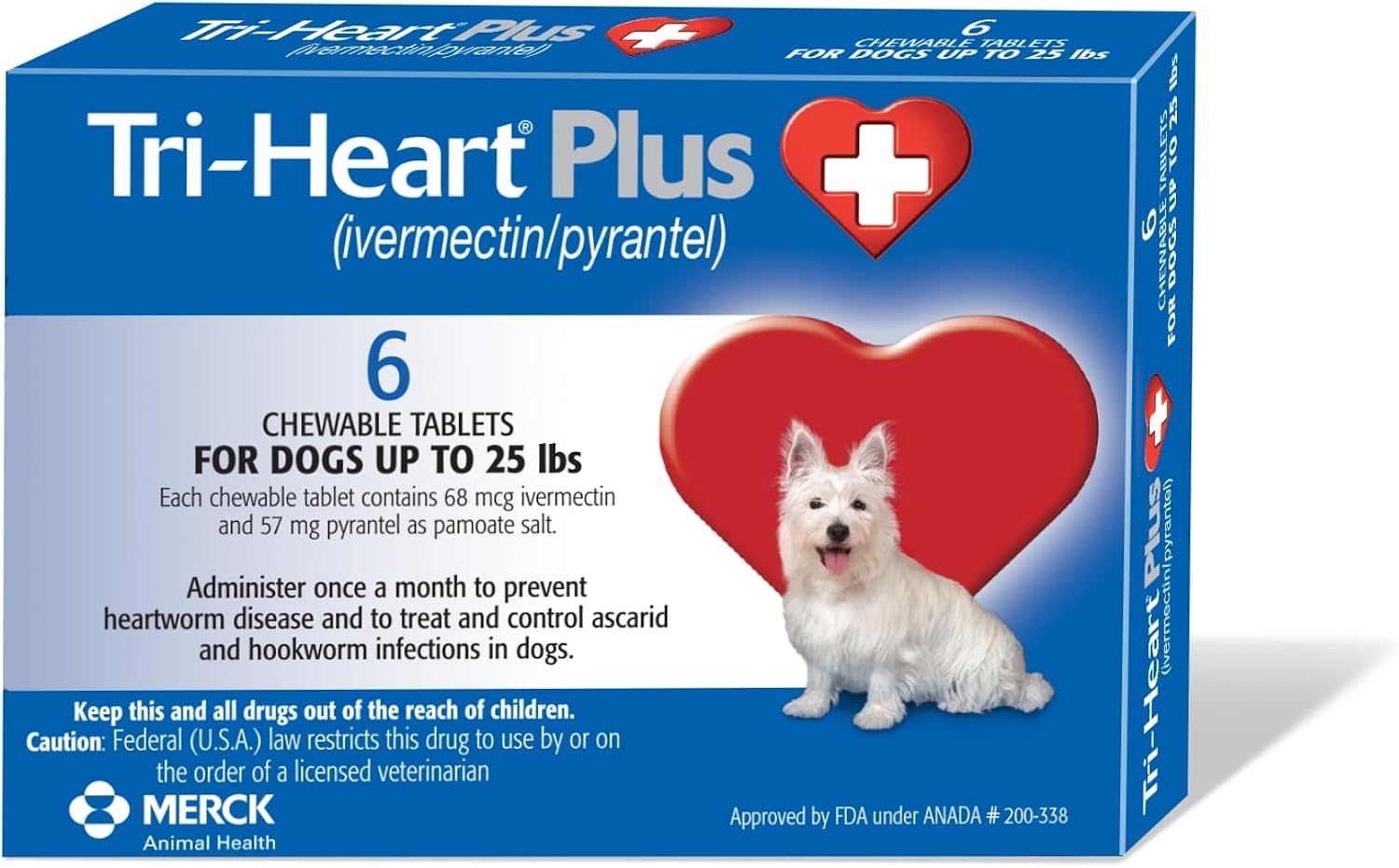
My take: The default choice for small dogs. There’s no reason to pay brand-name prices at this weight tier unless your dog refuses tablets.
Heartgard Plus Chewables, Dogs 26-50 lbs — The Brand-Name Comparison
Heartgard Plus is the brand that vets stock and most owners recognize — the soft, real-beef chew that dogs eat like a treat, with 30 years of palatability data behind it. At about $75 for a six-month supply ($12.50 a month), you’re paying roughly double the generic for the same medicine. The premium buys the formulation, not the efficacy: the active ingredients and doses are identical to Tri-Heart Plus. If your dog spits tablets and you’re tired of hiding pills in cheese, the brand-name chew is genuinely worth the markup — the stress of a monthly pill fight is a real cost.
My take: Worth the brand tax only for dogs who refuse tablets — the medicine is identical, the delivery format is what you’re paying for.
Iverhart Plus (Max Labs) Ivermectin/Pyrantel Chews — The Third Generic
Iverhart Plus is another FDA-approved ivermectin-pyrantel generic worth price-checking against Tri-Heart each season. At about $35 for a six-month supply, it lands between the two — sometimes cheaper than Tri-Heart, sometimes not, depending on retailer pricing and availability. It’s a soft chew rather than a tablet, which makes it a middle ground between the tablet generic and the brand-name beef chew. Availability swings by retailer, so check both before ordering.
My take: Price-check it against Tri-Heart every refill — the soft chew form is a plus for tablet-refusing dogs if the price is right.
Set up Subscribe and Save on the 6-month generic box and save about 5 percent — never run out, and the savings stack on top of the brand-name discount. Want free shipping too? Try Amazon Prime free for 30 days.
Features That Actually Matter (And Ones That Don’t)
Active ingredients: Ivermectin and pyrantel are the only two ingredients that matter. If the generic carries the same doses for the same weight range, it’s the same drug. The FDA bioequivalence requirement means you’re not rolling the dice on quality.
Palatability: The real difference between brand and generic. Heartgard’s beef chew is eaten like a treat; Tri-Heart’s tablet is hidden in food. This is a convenience cost, not a medicine cost.
Prescription requirement: All heartworm preventives — brand or generic — require a vet prescription. Any site selling ivermectin without a prescription is operating outside US pharmacy law, and the product may be counterfeit.
Dosing by weight: Get the right weight range. A 25-pound dog on the 26-50 lb dose gets too much ivermectin; a 50-pound dog on the up-to-25 lb dose gets too little. Weigh your dog before ordering.
The Annual Cost Comparison
- Heartgard Plus (brand): ~$150/year for a 45-lb dog
- Tri-Heart Plus (generic): ~$78/year for a 45-lb dog
- Annual savings: ~$72/year — enough for a bag of premium treats, a backup leash, or half a grooming visit
- Lifetime savings (12 years): ~$864 — real money that stays in your pocket for the same protection
Keep reading: our guide to Black Friday pet deal timing covers when to stock up on consumables, and our snuffle mat price comparison shows the same brand-vs-generic math on enrichment gear. For middle-of-the-night health scares, our $30 pantry fix for dog diarrhea is the most-read post on the site.
ThriftyPaw is reader-supported. As an Amazon Associate, I earn from qualifying purchases. That means if you buy through one of the links above, I get a small commission at no extra cost to you. I only recommend products I’ve actually used with my own dog.
Related Guides
- Dog Diarrhea at 2 AM. The 30-Dollar Pantry Fix That Beat the 400-Dollar Panic.
- Bone Broth for Dogs, Scooped Versus Simmered. The 22 Dollar Tub Beats the 24-Hour Stovetop Job.
- My Adopted Dogs Breed Guess Was 80 Percent Wrong The 95 Dollar Kit Settled It
🐾 Get Your Free Big Dog First Aid Kit Checklist
Join our newsletter and get this free printable plus weekly tips.
Frequently Asked Questions
Is Tri-Heart Plus as good as Heartgard Plus?
Yes — both contain the identical FDA-approved active ingredients (ivermectin and pyrantel) at the identical doses for the same weight ranges. Tri-Heart Plus is Merck's generic version of the same formula. The only real difference is form: Tri-Heart is a chewable tablet, Heartgard is a soft beef-flavored chew, which matters if your dog is picky.
Why is generic heartworm medicine cheaper?
Generic heartworm preventives cost 30 to 40 percent less because the manufacturer skips the marketing, branding, and palatability R&D that drives the brand-name price. The active ingredients and doses are FDA-approved as bioequivalent — you are paying for the same medicine without the packaging and advertising bill.
Do generic heartworm preventives require a prescription?
Yes — all heartworm preventives, brand or generic, require a prescription from a veterinarian because ivermectin can cause serious reactions in dogs that test positive for heartworms. Your vet needs a current negative heartworm test on file before approving any heartworm preventive, generic or brand-name.
Liked this guide? Get the next one in your inbox — the pet budget checklist is free too.
✓ You're in — check your inbox.
No spam. Unsubscribe anytime. We never share your email.